Patrice Surley's Dispensary
Welcome! Through Fullscript, Patrice Surley's Dispensary offers high-quality supplements and wellness products, delivered right to your door. Get started with the recommended products from Patrice Surley's Dispensary, or sign in/up to explore the entire product catalog.
Up to 15% off every order when you sign up*
Shop the highest quality, rigorously tested supplements
Fast and free shipping for orders over $50
*Labs and select products not eligible
Existing account? Log in here
Featured public protocols
Patrice Surley's Dispensary's general recommendations, available to anyone who visits this store.
Modified Citrus Pectin
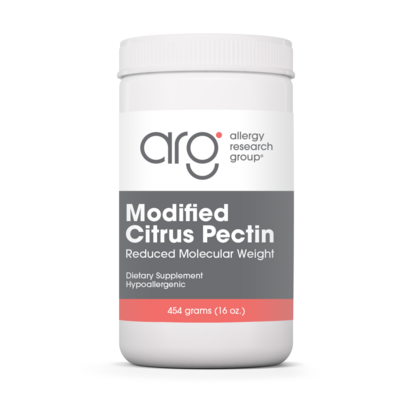
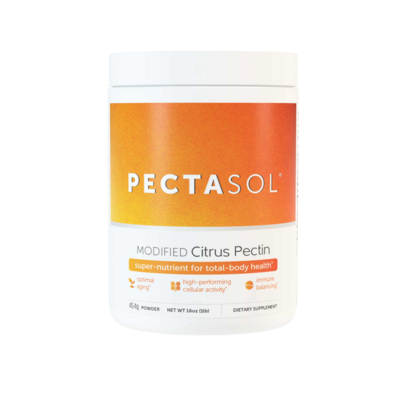
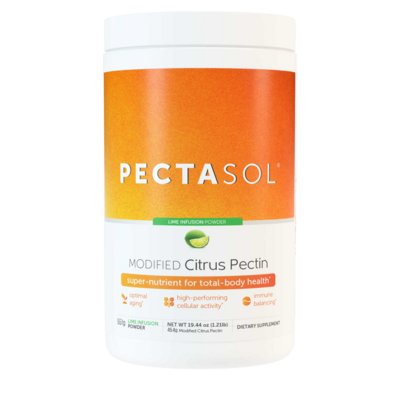
What do we know about MCP and cancer? Modified citrus pectin (MCP) is extracted from citrus peel and fruit and is processed, or “modified”, to make it more digestible and to increase absorption in the small intestine. Most of our knowledge about the potential anti-cancer benefits of MCP comes from animal and cell studies, which show that it provides anti-adhesive and anti-metastatic benefits, and promotes and induces apoptosis of cancer cells by inhibiting galectin-3. Galectin-3 is a protein in the lectin family that is over expressed in most cancers, including glioblastoma. Galectin-3 affects cancer cell growth and differentiation, inhibits apoptosis (or programmed cell death) of cancer cells, suppresses immune response against cancer cells, facilitates angiogenesis (formation of new blood vessels), and promotes inflammation, invasion and metastasis. Suppressing galectin-3 inhibits these cancer promoting activities and helps chemotherapies and radiation work better. Elevated galectin-3 is also associated with cognitive decline (suppressing galectin-3 is showing promise with Alzheimer’s and Parkinson’s), poor heart function, and fibrotic diseases. Studies have shown that MCP reduces nerve pain and inflammation after injury, preventing edema and neurological damage and impairment. GBM patients may very well benefit from using MCP, but more studies are needed to further define the benefits. A summary of human cancer studies: -35 patients used MCP, 14.4 grams in 3 divided doses, and an increase in PSA doubling time was noted in 79% (Keizman et al. , 2018) -49 patients with various advanced cancers (colorectal, prostate, breast, kidney, lung, cervical/uterine, liver, pharynx, pancreatic, melanoma, stomach, bile duct, and chondrosarcoma) took 15 grams, in 3 divided doses. This study had a high drop out rate, but still showed an overall clinical benefit response of 20.7% and improvement in quality of life measures, and 12 patients showed stabilized disease (Azémar et al. , 2007) -7 out of 10 men with prostate cancer were slower to see progression with the addition of MCP, 14.4 grams in 3 divided doses with 8oz water (Guess et al. 2003) -7 patients w/ recurrent prostate cancer took 15 grams a day and 4 of the 7 exhibited more than 30% lengthening of PSA doubling time (Strum et al. , 1999) MCP is available in capsule form, but it is best to get the powdered form if you want to mimic doses used in human studies. That dose was around 15 grams, which is about 19 capsules, adding a big pill burden. The powder offers 5 grams per teaspoon and can be added to juice or water. I have a couple of concerns with MCP. First, it can potentially reduce your ability to absorb nutrients and medications if used in combination, and so it should be kept away from everything else. If you are trying to take it 3 times a day, as in the human studies, this could really complicate your schedule. I suggest using it in between meals and away from other supplements and prescription medications. Second, it can cause loose stools and gas, so it should be introduced slowly to ensure tolerance. Here are a handful of good MCP product choices. Please see my blog post about dosing information and email with any questions, patricesurley@gmail.com. Be well!
View protocolBoswellia
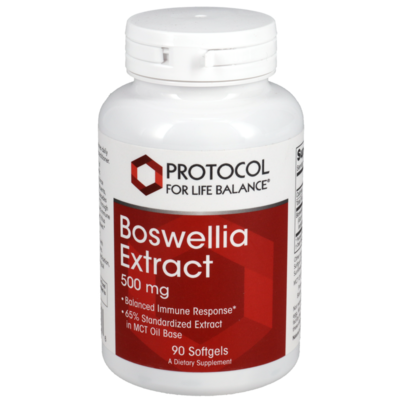
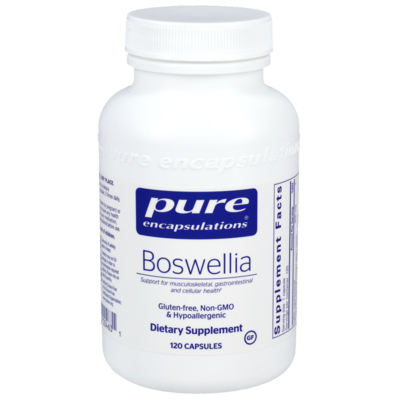
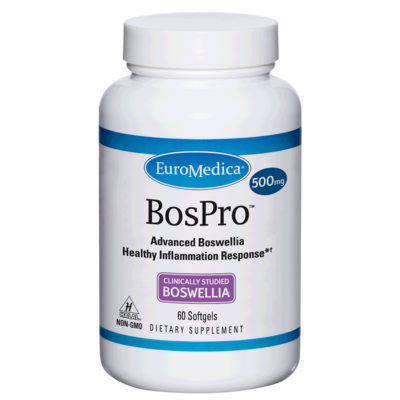
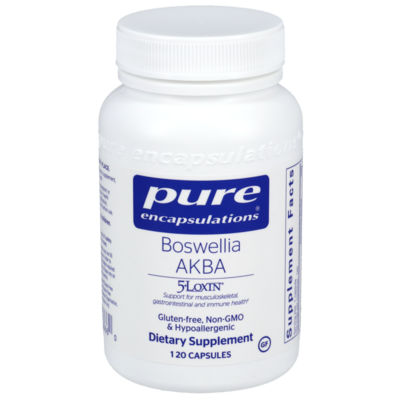
All About Boswellia Boswellia is the Latin name for Frankincense and the extract found on the supplement market is derived from the resin of the Boswellia tree. Used today for a variety of inflammatory issues, it is the same Frankincense brought by the Three Wise Men to the baby Jesus and valued for thousands of years for its healing properties. When discussing today’s supplements, frankincense refers to an essential oil derived from the resin, where Boswellia is a concentrated extract and the preferred form. Boswellia blocks and inhibits a number of compounds that signal for inflammation in the body making it effective for a number of inflammation driven health conditions, like arthritis, asthma, and cancers. Boswellia can be especially valuable to brain tumor patients. We have a number of human studies that demonstrate its ability to reduce swelling and edema. Let’s look at them: -A total of 20 GBM patients with radiochemotherapy-induced cerebral edema took 4500 mg of Boswellia per day. Cerebral edema was assessed at 4, 12, 22 and 34 weeks post-surgery, together with steroids consumption and patients' psychological status. The percentage of patients with reduced edema was constant during the study, while the percentage of those with reduced or stable edema tended to increase over time. Of note, two patients achieved a considerable reduction in brain edema, which led to a more favorable and beneficial surgical resection. A good percentage of patients assumed a stable/reduced steroids dose or were dexamethasone free during the study. Lastly, patients' QoL and psychological state were maintained throughout the study (Di Pierro et al., 2019). -44 GBM patients were selected to receive 4200mg Boswellia or placebo. Reduction of cerebral edema of >75% was found in 60% of patients receiving Boswellia and in 26% of patients receiving placebo. In the BS patients, tumor volume (biggest lesion) changed from an average of 24.4 cm3 before radiotherapy to 2.9 cm3 after radiotherapy compared with 19.9 cm3 to 16.1 cm3 in the placebo group. This difference was statistically significant (P = .008). In the placebo group, 18% of patients had progressive disease (PD), 36% stable disease (SD), 36% partial response (PR) and 10% complete response (CR). In the BS group, 0% had PD (no one in the Boswellia group had progression!) , 62% had SD, 25% had PR, and 13% had CR (Kirste et al. , 2011). -Twelve patients with brain tumors and progressive edema caused by tumor progression or radiochemotherapy-related leukoencephalopathy were treated with H15, a phytotherapeutic anti-inflammatory agent. Edema was reduced in two of seven patients with glioblastoma with tumor progression and in three of five patients with treatment-related leukoencephalopathy. All patients with leukoencephalopathy improved clinically for several months (Streffer et al. , 2001). -19 pediatric brain tumor patients received palliative therapy with Boswellia. 5 reported an improvement in general health status, 3 showed improvement of neurological symptoms (such as ataxia), 3 further patients showed increased muscular strength and one cachectic patient achieved a weight gain. The maximum dose used was 126mg per kg of body weight (Janssen et al. , 2000). -Doctors gave Boswellia pre-craniotomy in an effort to reduce inflammation and edema and improve surgical outcomes. Large doses were used, 1,800-3,200mg a day, instead of dexamethasone. After only 7 days, MRIs showed significant reductions in inflammation in edema, on average over 30% (Böker & Winking, 1997). Boswellia can help relieve edema but it also blocks inflammatory compounds that proliferate cancer cells, and inhibits cancer cell proliferation, migration, and invasion. Boswellia induces apoptosis in cancer cells, inhibits cancer stem cells, and is directly cytotoxic to gliomas and other cancers. On the supplement market, we find two different kinds of Boswellia extract. One has been made into an oil based extract that is sold in a soft gel. The soft gels are generally higher potency, but large and harder for some people to digest given all the oil/fat. The second type is a powdered extract in a gelatin capsule. These are slightly less potent, per cap, than the soft gel form, but easier on the stomach. The gelatin caps can be opened and emptied, the contents stirred into a bite of applesauce or yogurt, if capsules cannot be taken. I have not found a good quality, third party certified, liquid or powdered product on the supplement market. We are looking for a good boswellic acid content, specifically a certain type of boswellic acid, Acetyl-11-keto-beta-boswellic acid (AKBA). Ideally, we want a product that guarantees an AKBA content, which should be around 10% of the total boswellic acid content. Some products will boast the total boswellic acid content but not be able to guarantee the claim or the AKBA content with certification from a third party lab. Here are several high quality Boswellia products to choose from. Please email me with questions, patricesurley@gmail.com
View protocolPomegranate
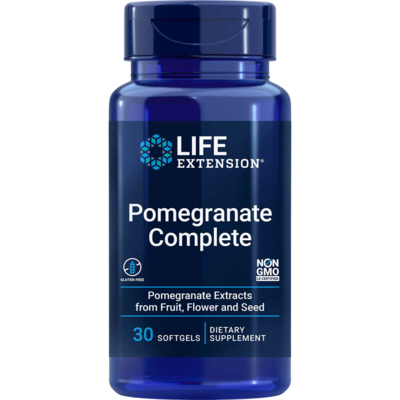
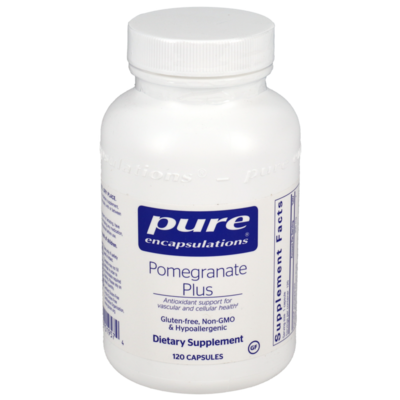
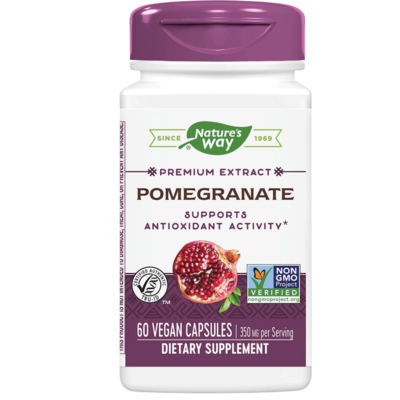 4 more items in Pomegranate
If you are looking to add pomegranate to your supplement protocol, all of these are good options. I buy the Jarrow Pomegranate juice concentrate to avoid taking a capsule. It is pleasant tasting, either by the spoonful or added to your drinking water. POMEGRANATE POLYPHENOLS Pomegranates are in season and they are beautiful! Pomegranates help fight cancer cells by: -inducing apoptosis in cancer cells, causing them to die -blocking growth factors related to angiogenesis -reducing gene expressions that promote cancer cell invasion, migration and metastasis, such as NF-kappaB, IL-8, TNF-a and MMP -helping cancer treatment drugs work better while protecting against side effects Several useful compounds have been identified, luteolin, punicic acid, ellagic acid, and other polyphenols. Studies showing benefit have been conducted with numerous cancer types, breast, prostate, colorectal, gastric, lung, skin, and glioblastoma. Your gut bacteria help make a compound called urolithin A from pomegranate polyphenols. A 2022 study discovered that urolithin A rejuvenates dysfunctional T cells, the hallmark of every cancer diagnosis. Urolithin A stimulates mitophagy, a process that recycles and renews the mitochondria, enabling damaged T cells to be removed and replaced with new, functional mitochondria and recharging the T cells to be better able to fight tumor cells. Pomegranate is loaded with nutrients and antioxidants, supports your heart and circulatory system, deters harmful microbial overgrowth, prevents kidney stones, and protects the brain, delaying the onset of cognitive diseases. The fruit offers beneficial prebiotic fiber that promotes good gut bacteria. Pomegranates are an essential addition to your healthy diet!
View protocolSunscreens
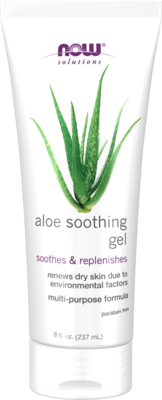
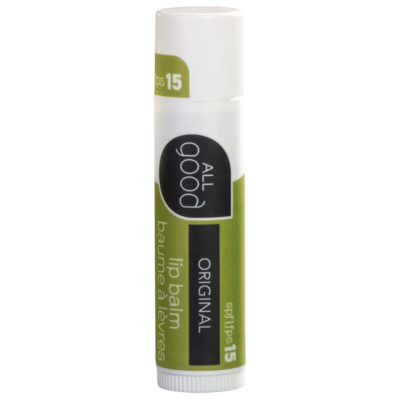
 46 more items in Sunscreens
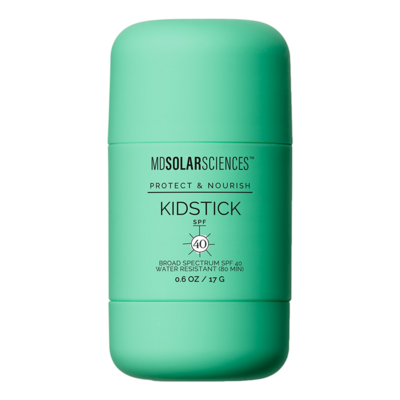
Is the beach in your future? I'm gearing up for our family's annual beach trip. We have lots of good choices for natural sunscreens and after-sun recovery products. Be safe, protect your skin! And, have a great summer!
View protocolBromelain
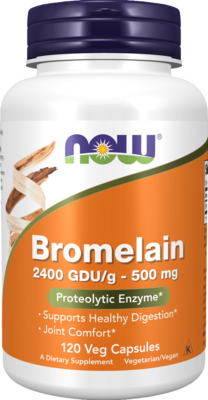
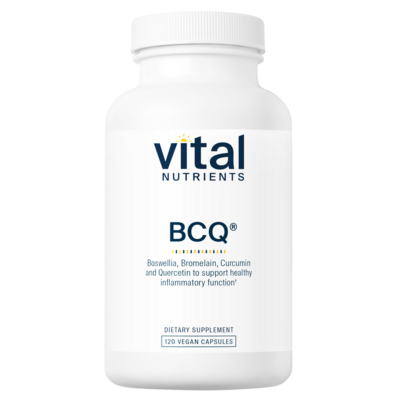
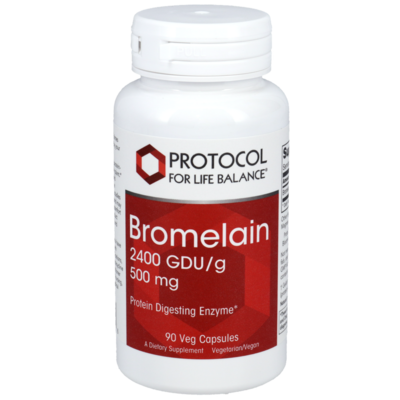
If you've read my latest blog and are interested in adding bromelain (https://www.patricesurley.com/new-blog/2022/10/23/pineapple-and-proteolytic-enzymes), here's a collection of high quality bromelain products to choose from. It's best on an empty stomach, so first thing in the morning is a good time to work it in. You are always looking for a product with a 2400 GDU strength. Be careful with bromelain if you have reflux. Let's talk! PINEAPPLE AND PROTEOLYTIC ENZYMES Let’s talk about the power of including proteolytic enzymes in your anti-cancer diet! Proteolytic enzymes are the reason why fresh pineapple makes your mouth feel raw. These enzymes aid digestion by breaking down proteins into amino acids. Eaten away from protein foods, these enzymes enter the blood stream where they become powerful anti-inflammatory agents. The human body produces these enzymes in the pancreas and stomach, but they are also found in fruits, including pineapple, kiwi, and papaya. Pineapples contain the protein-digesting enzyme, bromelain. In recent years, studies have shown that bromelain acts to modulate key metabolic pathways that support malignancy. Bromelain has a direct impact on cancer cells and their micro-environment, as well as in the modulation of immune, inflammatory and blood vessel systems. Over 30 years ago, a study revealed that bromelain blocks the tumor feeding prostaglandin PGE2, which promotes inflammation and tumor growth and invasion, pain, and angiogenesis. In 2001, Norwegian neuro-oncologists introduced research demonstrating that bromelain reduces glioma migration, adhesion, and invasion into healthy tissue. Bromelain can also protect healthy brain tissue from radiation by decreasing levels of TGF-beta, a cytokine responsible for necrosis and immune system suppression. Bromelain reduces radiation side-effects including edema, skin irritation, mouth sores, swallowing issues, nausea, vomiting and associated weight loss, stomach pain, fatigue, headache, depression, and improves mental function. The anti-fibrinolytic properties help reduce incidence of metastases, scar tissue and necrosis. Pineapple contains many vitamins, minerals and antioxidants but is particularly high in vitamin C, and manganese. Pineapple offers so many incredibly beneficial qualities. Add a serving a day, 15-20 minutes before a meal.
View protocolHealthy Whey Protein options
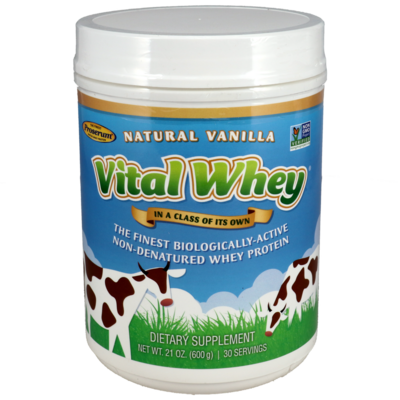
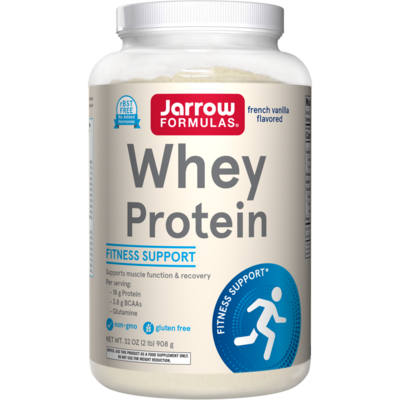
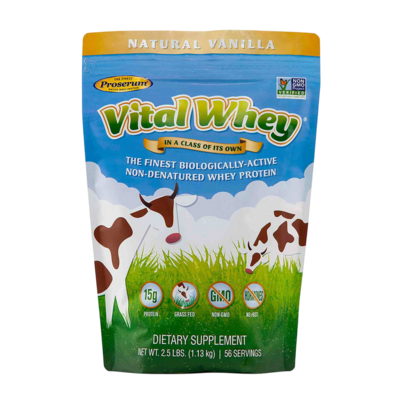 17 more items in Healthy Whey Protein options
Cancer LOVES Collagen Collagen powders and products are very popular right now! I do NOT recommend these, here’s why….. As cancer cells begin to grow, the surrounding cellular matrix becomes more collagen dense. Solid tumors are embedded in and supported by collagen dense connective tissue. Higher collagen density in tumors is correlated with poorer prognosis. Collagen negatively influences T cell activity and induces immune suppressive activity in macrophages. In other words, collagen gives cancers cells a place to get cozy and suppresses your immune response to cancer cells! Other concerns: Collagen may contribute to kidney stone formation by increasing oxalates in the kidneys. Collagen supplements may contribute to digestive issues, like bloating or constipation and/or diarrhea. Collagen supplements don’t contain collagen. Made of hydrolyzed proteins that your body might build collagen from, there are no guarantees! Hydrolization is a highly refined chemical process used to separate the collagen peptides from the raw material. To support healthy connective tissues and skin, get your proteins from whole foods, like grass fed pot roasts and briskets, bone broths (from poultry, beef, or fish), poultry, and fish/shellfish. If you need or want a protein powder, I prefer whey protein. Even for lactose intolerant individuals, whey is usually well tolerated. Whey will also: -boost immune function -sensitize cancer cells to radiation and chemotherapy improving the efficacy of cancer treatments -inhibit cancer cell growth by inducing apoptosis and inhibiting angiogenesis -inhibit mTOR and nuclear factor-kappa B signaling -reduce inflammation -normalize weight and deter cachexia -reduce high cholesterol -support lean muscle mass Can your protein powder do all this? Here is a list of my preferred whey protein powders to choose from!
View protocol
Featured product collections
Discover groups of products curated by Patrice Surley's Dispensary.
Patrice Surley NC, MH's Wellevate Favorites
48 products
Shop the entire wellness catalog, held to a higher standard
Shop practitioner-grade products, each meeting the same bar for quality through Fullscript's standards.
Powered byVerified
Sourced straight from the brand — no resellers or fakes
Enhanced testing
Select products are tested in-house — get exactly what the label promises
Stored and shipped
From certified facilities, to protect product integrity