Danielle Douglas MD
Welcome! Through Fullscript, Danielle Douglas MD offers high-quality supplements and wellness products, delivered right to your door. Get started with the recommended products from Danielle Douglas MD, or sign in/up to explore the entire product catalog.
Shop the highest quality, rigorously tested supplements
Fast and free shipping for orders over $50
Existing account? Log in here
Featured public protocols
Danielle Douglas MD's general recommendations, available to anyone who visits this store.
Everyday Foundations Support
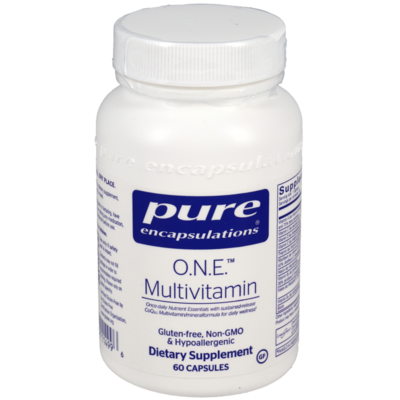
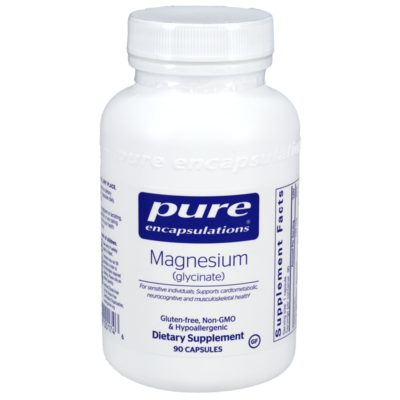
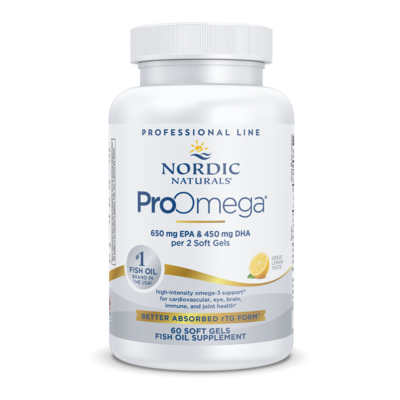 2 more items in Everyday Foundations Support
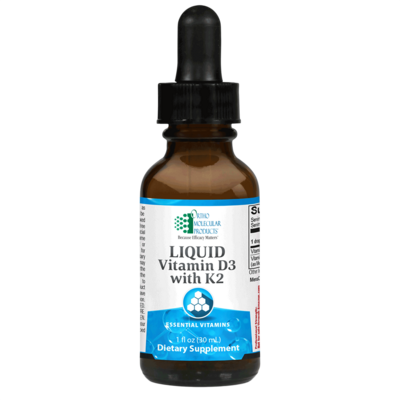
Everyday Foundations Protocol A simple, diet-first foundation to help fill common nutrient gaps These five products are chosen as everyday "foundation" supplements — the ones most likely to help fill gaps in a typical diet. They are meant to support overall wellness alongside (not in place of) a nutritious diet, and are not intended to prevent, treat, or cure any disease. Because needs vary from person to person, talk with your healthcare provider before starting — especially if you are pregnant, breastfeeding, take prescription medications, or have kidney, thyroid, or bleeding conditions. 1. Multivitamin — Pure Encapsulations What it's for: A broad, gentle "insurance policy" that provides a baseline of vitamins and minerals to help cover small gaps in daily eating. Good to know: Think of it as filling gaps, not as a way to prevent heart disease or cancer — large studies in healthy, well-fed adults show little to no benefit for those outcomes (O'Connor et al., JAMA, 2022; U.S. Preventive Services Task Force, JAMA, 2022). A food-first approach still matters most; a multivitamin can't replace a varied diet rich in vegetables, fruits, and whole foods (Sesso et al., American Journal of Clinical Nutrition, 2022). How to take: Follow the label; take with food to improve absorption and reduce stomach upset. 2. Vitamin D3 / K2 — Orthomolecular What it's for: Vitamin D supports bone, muscle, and immune health; vitamin K2 helps direct calcium into bone. Good to know: Expert groups disagree on the ideal dose: bone-focused guidance suggests 400–800 IU/day of vitamin D, while others recommend up to 2,000 IU/day to reach higher blood levels (Bouillon, Nature Reviews Endocrinology, 2017; Pludowski et al., J Steroid Biochem Mol Biol, 2018). The best approach is to match your dose to your blood level — ask your provider about checking your vitamin D (25-OH) level before and during use. K2 (as MK-7) is commonly used at about 90–360 mcg; the combined bone/heart benefits of D + K are still being studied (van Ballegooijen et al., International Journal of Endocrinology, 2017; Capozzi et al., Maturitas, 2020). How to take: With a meal that contains some fat for best absorption. Do not exceed the amount recommended by your provider. 3. Magnesium Glycinate — Pure Encapsulations What it's for: Magnesium supports hundreds of body processes, including muscle and nerve function, energy, and sleep. The glycinate form is gentle and well absorbed. Good to know: Many people fall short of the recommended daily magnesium (about 310–320 mg for women, 400–420 mg for men), so this is a reasonable choice if your diet is low in nuts, seeds, beans, whole grains, and leafy greens (Smith-Ryan et al., Sports Medicine, 2022). The most common side effect is loose stools or diarrhea — lower the dose if this happens (Touyz et al., New England Journal of Medicine, 2024). Important: If you have kidney disease, use magnesium only under medical supervision, as doses may need to be reduced. How to take: With or without food; taking it in the evening may support relaxation and sleep. 4. B-Complex Plus — Pure Encapsulations What it's for: B vitamins support energy metabolism, nervous system function, and healthy homocysteine levels. Good to know: Most people eating a varied diet don't strictly need extra B vitamins (grains in the U.S. are already fortified with folic acid) — this is most useful for vegetarians/vegans, older adults, people with absorption issues, or those planning pregnancy (Allen, New England Journal of Medicine, 2025). Folic acid and B-complex have shown a modest reduction in stroke risk, mainly in regions without food fortification, but no clear effect on overall survival (Jenkins et al., Journal of the American College of Cardiology, 2018). May turn urine bright yellow — this is harmless. How to take: With food, ideally earlier in the day since B vitamins can feel energizing. 5. ProOmega (Omega-3 EPA/DHA) — Nordic Naturals What it's for: Fish-oil omega-3s (EPA and DHA) support heart, brain, and joint health and help maintain healthy triglyceride levels. Good to know: The biggest benefit is for people who don't eat much oily fish; overall, omega-3 supplements have only a small effect on heart outcomes in the general population (Abdelhamid et al., Cochrane Database of Systematic Reviews, 2020). A common general-wellness dose is about 1 gram/day of combined EPA + DHA (Djuricic & Calder, Annual Review of Pharmacology and Toxicology, 2023). Important: Omega-3s can thin the blood slightly — if you take a blood thinner (such as warfarin, apixaban, or aspirin) or have a bleeding disorder, or have surgery scheduled, talk with your provider first. Avoid if you have a fish allergy. Taking with meals and choosing a high-quality, purified product helps reduce fishy aftertaste. How to take: With a meal to improve absorption and reduce burping. Simple Daily Rhythm (example) Morning (with breakfast): Multivitamin, B-Complex, Vitamin D3/K2, Omega-3 Evening (with dinner or before bed): Magnesium Glycinate Safety Reminders More is not better — stay within the doses your provider recommends. These products are complementary to, not a replacement for, a balanced diet, physical activity, sleep, and routine medical care. Store out of reach of children; several of these can be harmful in large amounts to a small child. Stop and contact your provider if you notice unusual symptoms. This information is for general educational purposes only and is not medical advice. These statements have not been evaluated by the Food and Drug Administration. These products are not intended to diagnose, treat, cure, or prevent any disease. Consult your healthcare provider before starting any new supplement.
View protocolUrolithin A
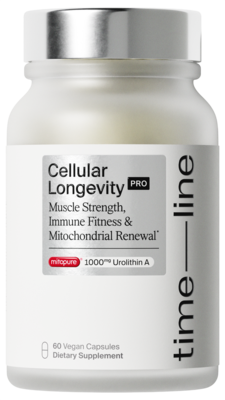
What It Is Urolithin A is a natural compound your gut bacteria make when you eat foods rich in ellagitannins and ellagic acid — pomegranate, strawberries, raspberries, and walnuts. The catch: only about 1 in 8 people carry the specific gut bacteria needed to produce meaningful amounts from food. Taking urolithin A directly bypasses that step and reliably raises blood levels in nearly everyone (Broome et al., Sports Medicine, 2024). How It Works Urolithin A is best described as a "mitophagy activator." Mitophagy is your cells' natural recycling process for clearing out old, damaged mitochondria (the energy factories inside cells) so healthier ones can take their place. Urolithin A supports this cleanup process and helps stimulate the production of fresh mitochondria, while also helping lower markers of inflammation (D'Amico et al., Trends in Molecular Medicine, 2021). What the Research Shows Human clinical trials — mostly in healthy middle-aged and older adults — suggest urolithin A may: Improve muscle endurance (the ability of muscles to keep contracting before fatiguing). In a 4-month randomized trial in older adults, 1,000 mg daily improved hand and leg muscle endurance versus placebo (Liu et al., JAMA Network Open, 2022). Support muscle strength, seen with 500 mg daily over 4 months in overweight middle-aged adults (Broome et al., Sports Medicine, 2024). Improve biomarkers of mitochondrial health and lower inflammatory markers such as C-reactive protein (CRP) in a dose-dependent way (Kuerec et al., Ageing Research Reviews, 2024). Honest Limits of the Evidence It is best thought of as a mitochondrial and healthy-aging support adjunct — not a treatment or cure for any medical condition. Suggested Use Studied doses range from 250 to 2,000 mg daily. The most common effective doses in trials were 500 mg and 1,000 mg once daily. It has a long half-life, so once-daily dosing is typical. Benefits in trials generally appeared after 2 to 4 months of consistent daily use. Can be taken with or without food. Follow the dosing on your specific product label. Safety & Tolerability Urolithin A has been safe and well tolerated in clinical trials at doses up to 2,000–2,500 mg per day, with no genotoxicity and no serious adverse events reported (Heilman et al., Food and Chemical Toxicology, 2017; Djedjibegovic et al., Oxidative Medicine and Cellular Longevity, 2020). The most common side effects are mild and digestive in nature (e.g., stomach upset). Long-term safety beyond a few months has not been fully established. Who Should Check With a Provider First Anyone who is pregnant or breastfeeding — safety has not been studied in these groups. Anyone with a chronic medical condition or taking prescription medications — urolithin A has been tested mainly in healthy adults, not in people with active disease. Talk to your healthcare provider before starting any new supplement. These statements have not been evaluated by the Food and Drug Administration. This product is not intended to diagnose, treat, cure, or prevent any disease.
View protocolMenopause and Sleep Support
 4 more items in Menopause and Sleep Support
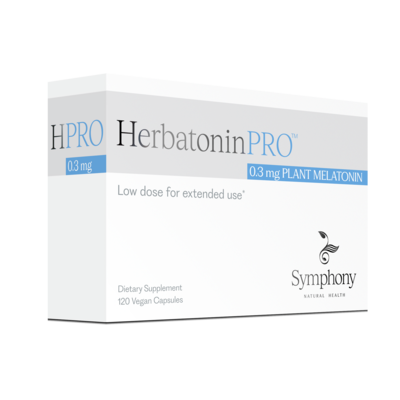
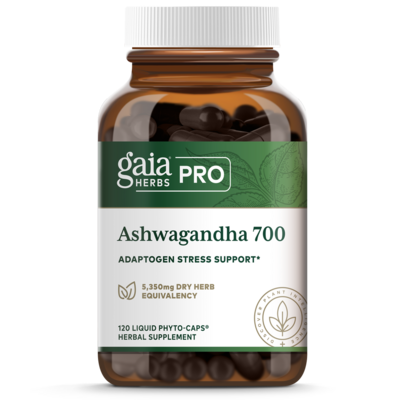
Menopause & Sleep Support Protocol A gentle, evidence-informed combination to support restful sleep, relaxation, and a smoother transition through perimenopause and menopause. These products are intended to complement — not replace — good sleep habits, a balanced diet, and your healthcare provider's guidance. These statements have not been evaluated by the Food and Drug Administration. These products are not intended to diagnose, treat, cure, or prevent any disease. Who this protocol is for Women navigating perimenopause and menopause who are dealing with trouble falling or staying asleep, nighttime restlessness, stress, or a racing mind at bedtime. Everyone is different — you may use all of these or just the ones that fit your needs. Talk with your healthcare provider before starting, especially if you are pregnant or breastfeeding, take prescription medications, or have a medical condition. What's in the protocol 1. Magnesium Glycinate (Pure Encapsulations) Why it's included: Magnesium supports muscle relaxation, nervous-system calm, and healthy sleep. Higher magnesium intake has been linked to better sleep quality and may also support bone and heart health during menopause. The glycinate form is chosen because it is gentle on the stomach and well absorbed. What to know: Evidence for magnesium as a sleep aid is still limited and mixed, so think of it as gentle support. The most common side effect is loose stools — if this happens, lower the dose. If you have kidney problems, check with your provider first, as the dose may need to be adjusted. Typical use: Usually taken in the evening. Follow the label or your provider's instructions. 2. Herbatonin 0.3 mg (Plant-Based Melatonin) Why it's included: Herbatonin is a plant-derived form of melatonin, the hormone that signals your body it's time for sleep. This is a low dose (0.3 mg). Melatonin tends to help most in people who already have disrupted sleep, and some research suggests it may also ease certain menopause-related symptoms. What to know: Take it close to bedtime. Melatonin can cause morning grogginess, vivid dreams, or headache in some people. Results in menopause studies are mixed — it helps some women more than others. Avoid driving after taking it until you know how it affects you. Typical use: One dose shortly before bed. Do not increase the dose without guidance. 3. Ashwagandha (Gaia Herbs) Why it's included: Ashwagandha is an adaptogenic herb traditionally used to help the body cope with stress. Research shows it can modestly improve overall sleep and reduce anxiety, with the best results at higher doses (600 mg or more per day) used for at least 8 weeks. What to know: Do not use if you are pregnant or breastfeeding. Use caution and check with your provider if you have thyroid disease, an autoimmune condition, or take sedatives or thyroid medication. Rare reports of liver irritation exist — stop use and contact your provider if you notice yellowing skin/eyes, dark urine, or unusual fatigue. Typical use: Follow the label; benefits build over several weeks. 4. L-Theanine Why it's included: L-theanine is a calming amino acid found naturally in tea. It promotes relaxation without sedation and has been shown to improve how quickly people fall asleep, daytime alertness, and overall sleep quality. What to know: Generally very well tolerated and safe. Can be taken during the day for calm focus or in the evening to unwind. Typical use: As directed on the label (commonly 100–200 mg). 5. Phosphatidylserine Why it's included: Phosphatidylserine is a natural component of brain cell membranes. It is best known for helping to blunt the body's stress (cortisol) response and supporting memory and focus — useful when stress or a busy mind is interfering with rest. What to know: It is recognized as safe by the FDA. Direct evidence for improving sleep is limited, so it is included mainly for stress and cognitive support rather than as a stand-alone sleep aid. Soy-derived versions may matter if you have a soy allergy — check the label. Typical use: As directed; often taken earlier in the day or evening. 6. Chamomile Tea Why it's included: A time-honored bedtime ritual. Chamomile has been shown to improve sleep quality and ease generalized anxiety, and the warm-drink routine itself helps signal wind-down time. What to know: Avoid if you are allergic to ragweed, daisies, marigolds, or chrysanthemums (the same plant family). Very well tolerated by most people. Typical use: One cup 30–60 minutes before bed. 7. Sleep Formula (Gaia Herbs) Why it's included: A blended herbal formula designed to support relaxation and restful sleep, complementing the other calming ingredients in this protocol. What to know: Because it is a multi-herb blend, review the full ingredient list with your provider to avoid overlap or interactions with your other supplements and medications (for example, additional melatonin or sedative herbs). Do not combine multiple sedating products without guidance. Typical use: Follow the label instructions, typically before bed. Important safety notes for everyone Avoid "stacking" sedatives. Several items here promote relaxation or sleep. Combining them with each other, with alcohol, or with prescription sleep or anxiety medication can cause excessive drowsiness. Introduce one product at a time and see how you respond. Check for interactions. Melatonin, ashwagandha, and the herbal sleep blend can interact with medications (including blood thinners, blood pressure, thyroid, diabetes, sedative, and immune-modulating drugs). Review everything with your pharmacist or provider. Don't drive or operate machinery after taking melatonin or other sedating products until you know how they affect you. Pregnancy and breastfeeding: Do not use ashwagandha or the herbal sleep blend; check with your provider before using any of these products. Give it time and pair with good habits. Herbal and nutrient support works best alongside consistent sleep and wake times, limiting caffeine and alcohol, reducing evening screen light, and a cool, dark bedroom. See your provider if sleep problems persist, if you have loud snoring or pauses in breathing, or if menopause symptoms are significantly affecting your quality of life — effective medical options are available. This information sheet is for general educational purposes only and is not medical advice. Consult your healthcare provider before starting any new supplement, especially if you are pregnant, breastfeeding, taking medications, or managing a health condition.
View protocolBone Health Support
 2 more items in Bone Health Support
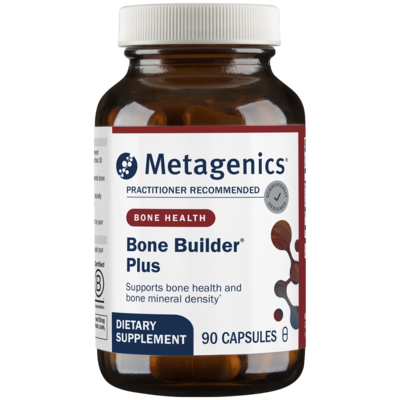
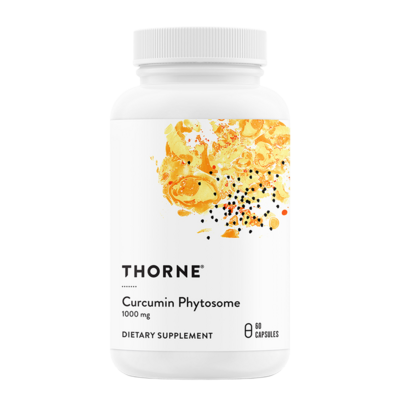
Bone Health Support Protocol A Fullscript-curated supplement protocol to support bone strength and healthy aging This protocol combines the best-established bone nutrients (vitamin D3/K2, magnesium, and dietary calcium) with two complementary botanicals (curcumin and ashwagandha). It is intended to support — not replace — a bone-healthy lifestyle: weight-bearing exercise, adequate protein, not smoking, limiting alcohol, and regular check-ups. Talk with your healthcare provider before starting, especially if you take medications, are pregnant or breastfeeding, or have a medical condition. 1. Bone Builder Plus (Metagenics) — Calcium + bone matrix support What it does: Provides calcium and microcrystalline hydroxyapatite (a bone-derived source of calcium, phosphorus, and collagen matrix) to support bone mineral density. Important — only take if your diet falls short: Aim to get about 1,200 mg of calcium per day from food first (dairy, fortified plant milks, leafy greens, tofu, sardines). Only add a calcium supplement to fill the gap between what you eat and 1,200 mg/day. More is not better. Why the caution: Calcium plus vitamin D reduces hip fracture risk mainly in older adults, but routine high-dose calcium supplements are not recommended for everyone and carry a small increased risk of kidney stones (Manson et al., JAMA, 2024; Eastell et al., Endocrine Society, 2019). Suggested use: Follow label directions, taken with food, and split doses (calcium is best absorbed ≤500–600 mg at a time). 2. Vitamin D3/K2 (Orthomolecular) — The mineralization pair What it does: Vitamin D3 helps your body absorb calcium; vitamin K2 helps direct calcium into bone rather than soft tissue. Together they modestly improve bone mineral density (Kuang et al., Food & Function, 2020). Suggested use: Follow label directions for daily dosing with a meal containing fat (both are fat-soluble). Important safety note — anticoagulants: If you take warfarin (Coumadin) or another vitamin K antagonist , do NOT start a vitamin K2 product without talking to the prescriber who manages your blood thinner — vitamin K can interfere with these medications (Capozzi et al., Maturitas, 2020). Vitamin D dosing is best guided by a blood level (25-hydroxyvitamin D) — ask your provider about testing. 3. Magnesium Glycinate — Bone mineral cofactor What it does: Magnesium is a structural component of bone and supports the activity of vitamin D and calcium. Higher magnesium intake is linked to greater hip and femoral neck bone density (Groenendijk et al., Bone, 2022). The glycinate form is gentle on the stomach and well absorbed. Suggested use: Follow label directions, typically in the evening. Cautions: Very high magnesium can cause loose stools and, in excess, may impair bone mineralization. If you have kidney disease , check with your provider before using, as magnesium clearance is reduced. 4. Curcumin Phytosome (Pure Encapsulations) — Complementary antioxidant support What it does: Curcumin (from turmeric) has antioxidant and anti-inflammatory properties. The "phytosome" form improves absorption. In laboratory and animal studies it helps preserve bone density and reduce bone breakdown (Yang et al., Frontiers in Pharmacology, 2023). Honest evidence note: Most bone-specific evidence is from preclinical (animal/cell) studies; robust human bone-outcome data are still limited. Consider this a complementary support, not a proven osteoporosis treatment. Cautions: Curcumin can have a mild blood-thinning effect and may interact with anticoagulant/antiplatelet medications; stop before surgery and check with your provider if you take these drugs or have gallbladder disease. 5. Ashwagandha (Gaia Herbs) — Adaptogen for stress and overall resilience What it does: Ashwagandha ( Withania somnifera ) is an adaptogenic herb traditionally used to support the body's stress response. Animal studies suggest it may support bone formation, but human bone data are lacking (Mukherjee et al., Journal of Ethnopharmacology, 2021). Honest evidence note: Included here for overall stress and wellness support that indirectly benefits bone health; it is not a proven bone-density agent. Cautions: Avoid in pregnancy and breastfeeding . Use caution if you have thyroid disease (may raise thyroid hormone levels), an autoimmune condition , or take sedatives, thyroid, or immune-suppressing medications . Discuss with your provider first. How the pieces fit together Foundation: Vitamin D3/K2 + magnesium + adequate dietary calcium (supplementing calcium only to fill the gap to ~1,200 mg/day). Complementary support: Curcumin and ashwagandha for antioxidant and stress-resilience support. Who should be especially careful / talk to a provider first Anyone on blood thinners (warfarin and other anticoagulants/antiplatelets) — because of vitamin K2 and curcumin. Anyone with kidney disease or a history of kidney stones — because of magnesium and calcium. Anyone with thyroid or autoimmune disease , or who is pregnant/breastfeeding — because of ashwagandha. Anyone taking prescription medications — check for interactions before starting. General reminders Get bone-relevant labs (vitamin D level; kidney function if relevant) and, when appropriate, a bone density (DEXA) scan through your healthcare provider. Take supplements consistently and with the appropriate meals for best absorption. Do not exceed label doses unless directed by your provider. These statements have not been evaluated by the Food and Drug Administration. These products are not intended to diagnose, treat, cure, or prevent any disease. This information sheet is for educational purposes only and is not a substitute for personalized medical advice.
View protocolSpirulina Protocol
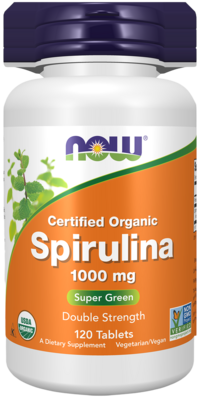
Spirulina (NOW Foods) What it is: Spirulina is a nutrient-dense blue-green algae ( Arthrospira platensis/maxima ) used as a food supplement for centuries. It is naturally rich in complete protein (all essential amino acids), B vitamins, provitamin A (beta-carotene), iron, essential fatty acids, and the plant pigments phycocyanin and carotenoids that give it antioxidant activity. Why it's in this protocol / potential benefits: Antioxidant & anti-inflammatory support — spirulina helps the body scavenge free radicals and has been shown to lower markers of inflammation (such as CRP, IL-6, TNF-α). Heart & metabolic support — clinical research suggests it may modestly support healthy blood pressure, cholesterol/triglyceride levels, blood sugar balance, and body weight. General nutrition & vitality — a concentrated source of protein and micronutrients, often used by those following plant-based diets. Note: These benefits come mostly from small-to-moderate quality studies. Spirulina is a supportive, complementary addition — not a treatment or replacement for prescribed medications or medical care. How to Take It Typical intake: 1–3 grams per day for general wellness. Some studies have used higher amounts, but staying within the label serving is recommended unless a clinician advises otherwise. Take with food to minimize stomach upset. Start with a lower amount and increase gradually as tolerated. Important Safety Information Choose a reputable, tested brand. Poorly sourced algae products can be contaminated with heavy metals, microcystins, or other toxins. NOW Foods products are third-party tested — do not substitute unverified brands. Mild side effects can include digestive upset (stomachache, nausea, diarrhea), headache, or temporary fatigue. These are usually mild and often improve over time. Allergy risk: Rare but serious allergic reactions (including anaphylaxis) have been reported. Anyone with a history of algae, seafood, or significant allergies should be cautious. Stop immediately and seek care for any signs of allergic reaction (rash, swelling, trouble breathing). Autoimmune conditions: Because spirulina can stimulate the immune system, it should be used with caution — and only after discussing with a clinician — by people with autoimmune diseases (e.g., lupus, multiple sclerosis, rheumatoid arthritis, psoriasis). Phenylketonuria (PKU): Spirulina contains phenylalanine and should be avoided by anyone with PKU. Kidney or thyroid conditions: Discuss with a clinician before use; higher rates of side effects have been reported in people with kidney failure or hypothyroidism. Pregnancy & breastfeeding: Safety has not been established — consult a clinician first. Medication interactions: May have additive effects with medications for blood pressure, blood sugar, or immune-modulating/anticoagulant drugs. Review with your clinician or pharmacist. Talk to Your Healthcare Provider Before Starting If You: Have an autoimmune, kidney, thyroid, or bleeding disorder Take prescription medications (especially for blood pressure, diabetes, or immune conditions) Are pregnant, breastfeeding, or planning pregnancy Have PKU or a history of algae/seafood allergy These statements have not been evaluated by the Food and Drug Administration. This product is not intended to diagnose, treat, cure, or prevent any disease. This information sheet is for educational purposes only and does not replace advice from your healthcare provider.
View protocolSauna support protocol
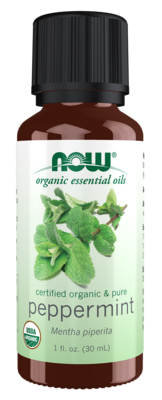 3 more items in Sauna support protocol
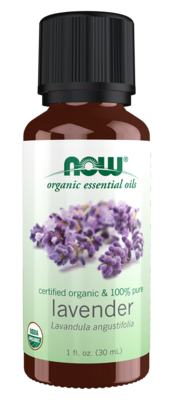
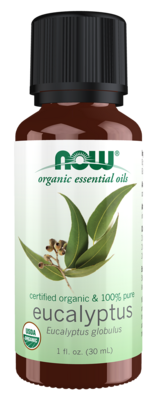
Sauna Aromatherapy Essential Oils — What You Need to Know These pure essential oils are intended to be diluted in water and misted into the air of your sauna to create an aromatic, spa-like experience and support relaxation and easy breathing. They are for inhalation/aromatic use only — not for swallowing, and not for applying undiluted to skin. This information has not been evaluated by the Food and Drug Administration. These products are not intended to diagnose, treat, cure, or prevent any disease. How to Use Safely in the Sauna Always dilute. Add only a few drops (typically 5–10 drops per cup/8 oz of water) to a spray bottle or a ladle of water. Never spray or pour undiluted oil. Mist the air or wood benches — never spray directly onto the heater, rocks, or heating element. Concentrated oil near a hot element is flammable and a fire/burn hazard. Never apply undiluted oil to skin. Heat and sweat increase absorption and the chance of irritation or burning. Ventilate and start with the smallest amount. A little goes a long way in an enclosed, heated space. Store tightly capped, away from heat and light. Old or oxidized oils are more likely to irritate skin and airways. The Oils in This Blend Eucalyptus — Popular for a fresh, "open-airways" sensation; cineole-rich oils are traditionally used to support clear breathing. Caution: Can irritate airways in high concentration. Avoid around infants and young children and use cautiously if you have asthma. Eucalyptus oil is toxic if swallowed. Peppermint / Menthol — Cooling, invigorating aroma; menthol produces a subjective sense of a clearer nose. Caution: Not for infants or young children (menthol/camphor can cause breathing problems). May trigger coughing or irritation in sensitive or asthmatic individuals. Pine / Fir / Spruce — Fresh, forest-like scent traditional in Nordic sauna culture. Caution: Can be a skin/airway irritant when concentrated; use sparingly. Lavender — Floral, calming aroma often used to support relaxation and sleep. Caution: Contains linalool , a common cause of airborne allergic skin reactions (dermatitis), which heat can intensify. Discontinue if you develop a rash, especially on the face, neck, or eyelids. Citrus (e.g., sweet orange, bergamot, lemon) — Bright, uplifting scent. Caution: Contains fragrance allergens (limonene, citral). Some citrus oils are phototoxic — avoid skin contact before sun/UV exposure. Best used aromatically only. Who Should Be Extra Careful or Avoid Use Infants, young children — avoid eucalyptus, peppermint, camphor, and menthol. Pregnancy or breastfeeding — use only lower concentrations and check with your clinician first. Asthma, COPD, or other lung conditions — inhaled oils can occasionally trigger coughing, wheezing, or airway irritation; introduce cautiously. Known fragrance or essential-oil allergies / eczema — airborne contact dermatitis is possible; stop use if a rash develops. Pets — many essential oils are toxic to cats and dogs; do not diffuse around them. Stop use and seek care if you experience: difficulty breathing, wheezing, chest tightness, skin rash or burning, headache, dizziness, or nausea. Important Sauna Safety Reminders (Independent of the Oils) Sauna bathing itself causes real cardiovascular and fluid shifts. To stay safe: Hydrate before and after; limit sessions to a comfortable length. Do not combine sauna use with alcohol — this raises the risk of low blood pressure, fainting, irregular heartbeat, and sudden collapse. Avoid the sauna if you have unstable angina, a recent heart attack, or severe aortic valve narrowing; those with stable heart disease should clear sauna use with their clinician. Step out immediately if you feel lightheaded, faint, nauseated, or overheated . Bottom Line Used correctly — well diluted, misted into the air, never onto the heater or skin — these essential oils can make your sauna more enjoyable. "Natural" does not mean risk-free: respect the dilution guidance, watch for skin or breathing reactions, keep them away from children and pets, and talk with your healthcare provider if you are pregnant, have a lung or heart condition, or have allergies.
View protocol
Featured product collections
Discover groups of products curated by Danielle Douglas MD.
Adrenal Support
20 products

Dr. Danielle MD
Shop the entire wellness catalog, held to a higher standard
Shop practitioner-grade products, each meeting the same bar for quality through Fullscript's standards.
Powered byVerified
Sourced straight from the brand — no resellers or fakes
Enhanced testing
Select products are tested in-house — get exactly what the label promises
Stored and shipped
From certified facilities, to protect product integrity