
Even Keel Health
"Find your Balance and Thrive"
Welcome! Even Keel Health offers high-quality supplements and wellness products, delivered right to your door. Get started with the recommended products from Even Keel Health, or sign in/up to explore the entire product catalog at deep discounts for our patients. If you are already a patient, please sign up with the same email/phone # that is used for your portal/chart so they can be linked.
Mental Health
Endocrine / Hormonal Health
Family Health / General Wellness
Healthy Aging / Longevity
Neurological Health
Up to 30% off your order when you sign up*
Shop the highest quality, rigorously tested supplements
Fast and free shipping for orders over $50
*Discounts may vary by order. Labs and select products not eligible
Existing account? Log in here
Featured public protocols
Recommendations from Even Keel Health, available to anyone who visits this store.
inflammation


Introduction What Is Cognitive Support for Healthy Aging? Cognitive health encompasses the capacity to maintain attention, memory, and mental clarity by supporting the systems that influence brain function. These include mitochondrial efficiency, antioxidant capacity, inflammation balance, adequate nutrient status, and circadian rhythm alignment. (Jost 2025) (Melzer 2021) (Wright 2015) This clinical guide emphasizes proactive, measurable approaches that specifically target inflammation to help sustain optimal brain performance and overall vitality across the aging process. Why Inflammation Matters Inflammation is a fundamental biological process that supports immune defense, tissue repair, and cellular homeostasis. However, when inflammatory triggers persist or regulatory mechanisms fail, inflammation becomes chronic, leading to sustained immune activation, excessive cytokine production, and progressive tissue damage. This maladaptive state is a recognized contributor to many chronic diseases and accelerates biological aging processes. (Rossi 2021) Neuroinflammation promotes neuronal apoptosis, disrupts synaptic communication, and impairs neurogenesis, particularly in regions critical for memory and learning. Inflammatory signalling also contributes to pathological protein changes that underlie neurodegenerative disease pathology. Together, these processes undermine neural resilience, impair cognitive function, and contribute to cognitive decline. (Mekhora 2024) Purpose of the Clinical Guide The Inflammation as a Root Driver for Cognitive Health clinical guide was designed to: Simplify decision-making using standardized, evidence-rated nutrient interventions. Integrate laboratory and biomarker data to identify modifiable inflammatory contributors to cognitive health. Complement the Cognitive Essentials for Healthy Aging clinical guide, enabling providers to integrate anti-inflammatory-focused strategies alongside foundational interventions when addressing cognitive health and function. Labs Essential Labs Essential Labs Inflammation Markers Inflammation markers reflect systemic and neuroinflammatory activity, which has been associated with cognitive decline, slower processing speed, and memory impairments. Elevated inflammatory markers have been linked to structural brain changes and reduced cognitive performance in older adults. (Xie 2022) High-Sensitivity C-Reactive Protein (hs-CRP) Higher midlife hs-CRP levels have been associated with greater long-term declines in overall cognition, particularly in memory performance. These findings reflect chronic, low-grade inflammation rather than acute elevations, with elevated hs-CRP indicating inflammatory activity linked to accelerated cognitive decline and increased vulnerability to late-life cognitive impairment. (Walker 2019) Erythrocyte Sedimentation Rate (ESR) Erythrocyte Sedimentation Rate (ESR) Higher baseline ESR was linked to faster declines in verbal memory among older men (>50 years), poorer baseline attention performance overall and among African Americans, and reduced verbal fluency in older women (>50 years). Additionally, elevated ESR correlated with executive function impairments across older men, African Americans, and the overall population. (Beydoun 2018) Complete Blood Count (CBC) Complete Blood Count (CBC) White Blood Cell (WBC) Count Elevated WBC counts (leukocytosis) (>11,000 per mm3) are independently associated with increased risk of cognitive decline and dementia in both Alzheimer’s and Parkinson’s disease. Leukocytosis has been identified as a risk factor for Parkinson’s dementia and is linked to mechanisms underlying cognitive dysfunction, suggesting that systemic inflammation may accelerate neurodegeneration. (Unda 2021) Higher WBC counts are also inversely associated with brain volume and markers of advanced brain aging, with magnetic resonance imaging (MRI) studies showing that elevated WBCs correlate with accelerated brain atrophy patterns observed in dementia. (Janowitz 2020) Inflammatory Cytokines Inflammatory Cytokines: Tumor Necrosis Factor-α (TNF-α), Interleukin-1β (IL-1β), Interleukin-6 (IL-6), and Adiponectin Elevated inflammatory cytokines, including TNFα, IL-1β, and IL-6, have been associated with mild cognitive impairment (MCI) and Alzheimer’s disease (AD), reflecting both peripheral and central inflammation. Higher adiponectin levels, particularly in women, correlate with smaller hippocampal volume, poorer cognitive performance, and greater MCI risk. Together, these findings link chronic inflammatory signaling to neurodegeneration and cognitive decline. (Shen 2019) (Wennberg 2016) Adiponectin Adiponectin Oxidative Stress Markers Oxidative Stress Markers Oxidative stress markers measure the balance between free radicals and antioxidants, which can influence neuronal health and cognitive longevity. Oxidative stress is significantly elevated in individuals with AD and MCI, highlighting its role in disease progression. (Schrag 2013) F₂-Isoprostane F₂-isoprostanes are stable indicators of oxidative stress, a process central to AD pathology. Elevated levels of F₂-isoprostane subtypes have been found in the urine, blood, and cerebrospinal fluid of AD patients, correlating with cognitive impairment and established AD biomarkers. (Praticò 2000) In a 14-year prospective study, higher urinary F₂-isoprostane levels were associated with increased risk of all-cause dementia and AD, particularly among apolipoprotein E epsilon 4 (APOE ε4) carriers. (Trares 2020) For additional oxidative stress markers that may help in assessment, see the Cognitive Essentials for Healthy Aging clinical guide . Products Curcumin Ingredients Curcumin (from Curcuma longa ) Dosing: 800 mg once daily for at least 24 weeks (W. Wang 2025) Supporting evidence: A 2025 systematic review and meta-analysis of nine randomized controlled trials (N=501) found that curcumin supplementation helps significantly improve global cognitive function due to its proposed antioxidant and anti-inflammatory neuroprotective mechanisms. The beneficial effects are dose- and time-dependent, with an optimal dose of 0.8 g/day and requiring a duration of at least 24 weeks. The effect was found to be more potent in older (60+ years) and Asian participants. (W. Wang 2025) An 18-month, randomized, double-blind, placebo-controlled (RDBPC) trial using 90 mg of curcumin found significant improvements in verbal memory, visual memory, and attention in older adults with memory complaints compared to the placebo. (Small 2018) A 12-month RDBPC study in community-dwelling older adults (n=96) using 1,500 mg/day of a highly bioavailable and standardized curcumin product found that the curcumin group did not experience the cognitive decline observed in the placebo group on the Montreal Cognitive Assessment (MoCA) at 6 months, although no significant differences were found between groups for all other cognitive measures. (Rainey-Smith 2016) Saffron Saffron ( Crocus sativus ) Stigma Extract Dosing: 15 mg twice daily for 4–12 months (Akhondzadeh 2010) (Farokhnia 2014) Supporting evidence: In a 12-month single-blind trial in older adults with MCI, saffron supplementation helped improve memory and attention measures, suggesting potential benefits for cognitive longevity and neuroprotection. (Tsolaki 2016) In a 16-week randomized, placebo-controlled trial in patients with mild to moderate AD, saffron supplementation helped improve cognitive function compared to placebo, supporting its potential for maintaining long-term brain health. (Akhondzadeh 2010) A 12-month double-blind trial comparing saffron with memantine in patients with moderate to severe AD found that saffron demonstrated comparable efficacy in cognitive outcomes, with a favorable safety profile. (Farokhnia 2014) Saffron contains a range of bioactive phytochemicals, including alkaloids, anthocyanins, saponins, tannins, and flavonoids, which are associated with anti-inflammatory activity. ( El Midaoui 2022 )( Maqbool 2022 ) Saffron can affect neurodegenerative disorders through cell signaling pathways, modulation of pro-inflammatory mediators, and inhibition of oxidative events. ( Khazdair 2024 ) Pentadecanoic Acid (C15:0) Pentadecanoic Acid (C15:0) Dosing: 100–200 mg once daily, for a minimum of three months (Robinson 2024) Supporting evidence: Pentadecanoic acid (C15:0) is an odd-chain saturated fatty acid recently characterized as an essential nutrient with notable anti-inflammatory and antiproliferative activities. It also has the capacity to activate adenosine monophosphate-activated protein kinase (AMPK) and inhibit mammalian target of the rapamycin (mTOR)—mechanisms shared with established longevity-promoting compounds. (Venn‐Watson 2022) (Venn-Watson 2023) These combined properties suggest that C15:0 could support neurological health, cognitive function, and memory by dampening neuroinflammation and enhancing energy-sensing pathways critical for neuronal resilience, synaptic maintenance, and long-term functional integrity. (Navakkode 2024) Higher serum C15:0 levels are associated with better cognitive and memory scores, as demonstrated by the results of a cross-sectional study including 372 Chinese adults (mean age 58 years) with type 2 diabetes mellitus. Those with higher plasma C15:0 had higher Mini-Mental State Examination (MMSE), MMSE delayed recall, Montreal Cognitive Assessment (MoCA), and MoCA visual-spatial ability scores. (Shen 2022) In one study, compared to healthy controls, patients with AD had lower free levels of C15:0 in the supernatant fluid fraction of cerebrospinal fluid, while nanoparticle-bound C15:0 was elevated. These findings imply that reduced availability of free C15:0 may contribute to compromised neuronal resilience, while accumulation in bound forms could represent a compensatory but maladaptive response that contributes to AD pathology. (Fonteh 2014) Safety studies at doses up to 250 mg have shown C15:0 is well-tolerated, with no significant adverse events reported. (Robinson 2024)
Hot flashes
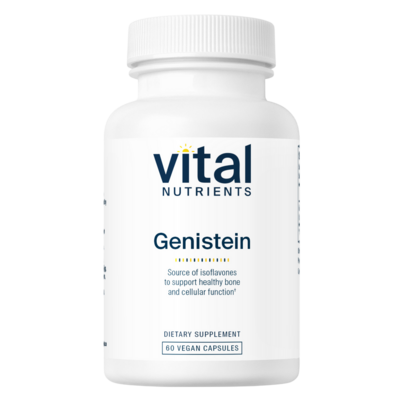
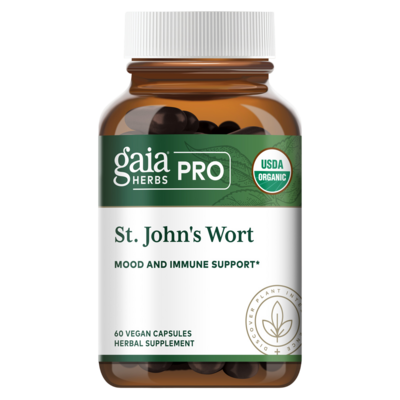
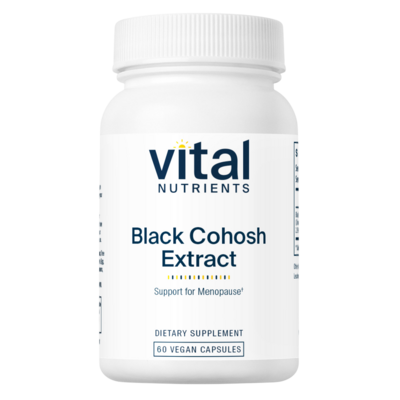 3 more items in Hot flashes
Overview Approximately 50.3% to 82.1% of women going through menopause experience hot flashes and night sweats. ( 21 ) To help manage symptoms, 40-50% of women rely on the use of complementary therapies such as plant-based supplements. ( 8 ) Plant compounds called phytoestrogens have been found to have similar structures and functions when compared to the hormones within humans. ( 1 ) Estradiol is an estrogen steroid hormone that naturally drops throughout a woman’s life cycle. Decreases in estradiol levels create vasomotor instability, which contributes to hot flashes. Utilizing plant compounds is theorized to help compensate for the estradiol drops through a woman’s life cycle. ( 1 ) Lower rates of postmenopausal symptoms have been observed in Asian women. This is thought to be due to the high dietary intake of soybeans, which contain isoflavones. Isoflavones are thought to work as a phytoestrogen and have a high binding affinity to estrogen beta receptors. ( 5 ) This sheds light on the mechanism behind how phytoestrogens are able to reduce hot flash frequency and vaginal dryness scores. ( 8 ) Based on the current research findings, the ingredients in the protocol below have demonstrated efficacy in improving hot flashes associated with menopause. Isoflavones Isoflavones 40-80 mg, total isoflavones per day (dosing varies based on isoflavone), minimum 12 weeks ( 5 )( 7 )( 14 )( 15 )( 19 ) A meta-analysis of 17 trials found reduced frequency (20.6%) and severity (26.2%) of hot flashes when compared to placebo; further analysis found isoflavones with 18.8 mg of genistein were twice as effective for reducing frequency of hot flashes ( 18 ) Daidzein-rich isoflavone supplementation in doses of 40 mg and 60 mg improved frequency of hot flashes by 43% and 41% after 8 weeks, and 52% and 51% after 12 weeks, respectively, when compared to 32% and 39% with placebo, without any alteration of endogenous sex hormones or thyroid hormones ( 14 ) For acute menopausal symptoms, 60 mg of isoflavones for six weeks decreased hot flashes by 57% and night sweats by 43%, with no other changes in serum levels of lipoproteins, estradiol, and follicular stimulating hormones when compared to that of placebo ( 5 ) Mean number of hot flushes decreased by 36.2% and 41.2 % in treatment group compared to 24.0% and 29.3% with placebo at week 6 and 12, respectively ( 7 ) Red clover isoflavones decreased Kupperman Index score at three months and number of hot flushes at one month compared to that of placebo, with no effects on cardiovascular risk markers ( 15 ) Hot flush frequency decreased in a pooled mean analysis when compared to that of placebo while having no statistically significant reported side effects ( 4 ) St. John's wort St. John’s wort ( Hypericum perforatum) 900 mg, three times per day, minimum of 12 weeks ( 2 )( 1 ) or as directed ( 6 ) Women aged 40 to 65 with 3 or more hot flashes per day experienced better quality of life as shown by improvements in baseline questionnaire after 3 months of supplementation ( 2 ) Supplementation produced a significant decrease in Kupperman Index scores as demonstrated by a decrease in the frequency and intensity of hot flashes when compared to that of placebo ( 6 ) Peri- and post-menopausal women receiving SJW extract experienced decreased duration, frequency, and severity of hot flashes compared to placebo, as measured by the Blatt-Kupperman index for climacteric symptoms ( 1 ) Black cohosh Black cohosh ( Actaea racemosa) 100 mg, once per day, 12 weeks ( 10 )( 9 ) Menopausal vasomotor symptoms reduced by 26% in pooled analysis ( 17 ) All three treatment groups (black cohosh, estradiol valerate/progesterone, and estradiol valerate/medroxyprogesterone acetate) experienced decreased Kupperman menopause scores after 3 months; the black cohosh group experienced the lowest incidence of breast tenderness at 12.9% (vs. 36.7% and 14.3%, respectively) and vaginal bleeding at 6.5% (vs. 26.7% and 82.1%, respectively) ( 20 ) In a trial of 122 menopausal women lasting 12 weeks, women with an initial Kupperman Index equal or greater than 20 experienced a 47% reduction in scores from a dried ethanolic extract group, compared to 21% in the placebo group ( 9 ) In a trial of 120 menopausal women lasting 6 months, both the black cohosh and fluoxetine treatment groups experienced significantly decreased Kupperman Index and Beck’s depression scale scores; however, monthly scores for hot flushes and night sweats decreased by 85% in the black cohosh group, compared to 62% in the fluoxetine group ( 16 ) Rhubarb extract Rhubarb extract – ERr 731 4 mg, once per day, 12 weeks ( 13 )( 12 )( 11 ) Menopause Rating Scale (MRS) decreased overall as shown by a decrease in number and severity of hot flushes in treatment group when compared to placebo ( 13 ) Total score for MRS II decreased as shown by decrease in severity of hot flushes, and increase of menopause-specific quality of life; no adverse effects were found as shown by a lack of findings through endometrial biopsies, bleeding, weight changing, blood pressure and heart rate ( 12 ) Number of hot flushes experienced averaged less than 1.4 per day with long-term use (48 weeks) of ERr 731 with no clinically significant adverse events ( 11 ) Vitamin E Vitamin E 400-800 IU, total per day, minimum 4 weeks ( 21 )( 3 ) Severity score and frequency of hot flashes was significantly decreased when compared to placebo ( 21 ) Reduced frequency of hot flashes by one per day compared to placebo following crossover analysis ( 3 ) Evidence rating The following protocols were developed using only a,b,c -quality evidence Learn more about our rating scale References Abdali, K., Khajehei, M., & Tabatabaee, H. R. (2010). Effect of St John’s wort on severity, frequency, and duration of hot flashes in premenopausal, perimenopausal and postmenopausal women: a randomized, double-blind, placebo-controlled study. Menopause , 17 (2), 326–331. https://pubmed.ncbi.nlm.nih.gov/20216274 (B) Al-Akoum, M., Maunsell, E., Verreault, R., Provencher, L., Otis, H., & Dodin, S. (2009). Effects of Hypericum perforatum (St. John’s wort) on hot flashes and quality of life in perimenopausal women: a randomized pilot trial. Menopause , 16 (2), 307–314. https://pubmed.ncbi.nlm.nih.gov/19194342/ (C) Barton, D. L., Loprinzi, C. L., Quella, S. K., Sloan, J. A., Veeder, M. H., Egner, J. R., Fidler, P., Stella, P. J., Swan, D. K., Vaught, N. L., & Novotny, P. (1998). Prospective evaluation of vitamin E for hot flashes in breast cancer survivors. Journal of Clinical Oncology: Official Journal of the American Society of Clinical Oncology , 16 (2), 495–500. https://pubmed.ncbi.nlm.nih.gov/9469333/ (C) Chen, M.-N., Lin, C.-C., & Liu, C.-F. (2015). Efficacy of phytoestrogens for menopausal symptoms: a meta-analysis and systematic review. Climacteric: The Journal of the International Menopause Society , 18 (2), 260–269. https://pubmed.ncbi.nlm.nih.gov/25263312/ (A) Cheng, G., Wilczek, B., Warner, M., Gustafsson, J.-A., & Landgren, B.-M. (2007). Isoflavone treatment for acute menopausal symptoms. Menopause , 14 (3 Pt 1), 468–473. https://pubmed.ncbi.nlm.nih.gov/17290160/ (B) Eatemadnia, A., Ansari, S., Abedi, P., & Najar, S. (2019). The effect of Hypericum perforatum on postmenopausal symptoms and depression: A randomized controlled trial. Complementary Therapies in Medicine , 45 , 109–113. https://pubmed.ncbi.nlm.nih.gov/31331546/ (C) Ferrari, A. (2009). Soy extract phytoestrogens with high dose of isoflavones for menopausal symptoms. The Journal of Obstetrics and Gynaecology Research , 35 (6), 1083–1090. https://pubmed.ncbi.nlm.nih.gov/20025635/ (B) Franco, O. H., Chowdhury, R., Troup, J., Voortman, T., Kunutsor, S., Kavousi, M., Oliver-Williams, C., & Muka, T. (2016). Use of Plant-Based Therapies and Menopausal Symptoms: A Systematic Review and Meta-analysis. JAMA: The Journal of the American Medical Association , 315 (23), 2554–2563. https://pubmed.ncbi.nlm.nih.gov/27327802/ (A) Frei-Kleiner, S., Schaffner, W., Rahlfs, V. W., Bodmer, C., & Birkhäuser, M. (2005). Cimicifuga racemosa dried ethanolic extract in menopausal disorders: a double-blind placebo-controlled clinical trial. Maturitas , 51 (4), 397–404. https://pubmed.ncbi.nlm.nih.gov/16039414/ (B) Gao, L., Zheng, T., Xue, W., Wang, Y., Deng, Y., Zuo, H., & Sun, A. (2018). Efficacy and safety evaluation of Cimicifuga foetida extract in menopausal women. Climacteric: The Journal of the International Menopause Society , 21 (1), 69–74. https://pubmed.ncbi.nlm.nih.gov/29198157/ (C) Hasper, I., Ventskovskiy, B. M., Rettenberger, R., Heger, P. W., Riley, D. S., & Kaszkin-Bettag, M. (2009). Long-term efficacy and safety of the special extract ERr 731 of Rheum rhaponticum in perimenopausal women with menopausal symptoms. Menopause , 16 (1), 117–131. https://pubmed.ncbi.nlm.nih.gov/18978638/ (C) Heger, M., Ventskovskiy, B. M., Borzenko, I., Kneis, K. C., Rettenberger, R., Kaszkin-Bettag, M., & Heger, P. W. (2006). Efficacy and safety of a special extract of Rheum rhaponticum (ERr 731) in perimenopausal women with climacteric complaints: a 12-week randomized, double-blind, placebo-controlled trial. Menopause , 13 (5), 744–759. https://pubmed.ncbi.nlm.nih.gov/16894335/ (B) Kaszkin-Bettag, M., Ventskovskiy, B. M., Solskyy, S., Beck, S., Hasper, I., Kravchenko, A., Rettenberger, R., Richardson, A., & Heger, P. W. (2009). Confirmation of the efficacy of ERr 731 in perimenopausal women with menopausal symptoms. Alternative Therapies in Health and Medicine , 15 (1), 24–34. https://pubmed.ncbi.nlm.nih.gov/19161045/ (C) Khaodhiar, L., Ricciotti, H. A., Li, L., Pan, W., Schickel, M., Zhou, J., & Blackburn, G. L. (2008). Daidzein-rich isoflavone aglycones are potentially effective in reducing hot flashes in menopausal women. Menopause , 15 (1), 125–132. https://pubmed.ncbi.nlm.nih.gov/18257146/ (B) Mainini, G., Torella, M., Di Donna, M. C., Esposito, E., Ercolano, S., Correa, R., Cucinella, G., Stradella, L., Luisi, A., Basso, A., Cerreto, F. V., Cicatiello, R., Matteo, M., & De Franciscis, P. (2013). Nonhormonal management of postmenopausal women: effects of a red clover based isoflavones supplementation on climacteric syndrome and cardiovascular risk serum profile. Clinical and Experimental Obstetrics & Gynecology , 40 (3), 337–341. https://pubmed.ncbi.nlm.nih.gov/24283160/ (C) Oktem, M., Eroglu, D., Karahan, H. B., Taskintuna, N., Kuscu, E., & Zeyneloglu, H. B. (2007). Black cohosh and fluoxetine in the treatment of postmenopausal symptoms: a prospective, randomized trial. Advances in Therapy , 24 (2), 448–461. https://pubmed.ncbi.nlm.nih.gov/17565936/ (C) Shams, T., Setia, M. S., Hemmings, R., McCusker, J., Sewitch, M., & Ciampi, A. (2010). Efficacy of black cohosh-containing preparations on menopausal symptoms: a meta-analysis. Alternative Therapies in Health and Medicine , 16 (1), 36–44. https://pubmed.ncbi.nlm.nih.gov/20085176/ (A) Taku, K., Melby, M. K., Kronenberg, F., Kurzer, M. S., & Messina, M. (2012). Extracted or synthesized soybean isoflavones reduce menopausal hot flash frequency and severity: systematic review and meta-analysis of randomized controlled trials. Menopause , 19 (7), 776–790. https://pubmed.ncbi.nlm.nih.gov/22433977/ (A) Van de Weijer, P. H. M., & Barentsen, R. (2002). Isoflavones from red clover (Promensil) significantly reduce menopausal hot flush symptoms compared with placebo. Maturitas , 42 (3), 187–193. https://pubmed.ncbi.nlm.nih.gov/12161042/ (C) Zheng, T.-P., Sun, A.-J., Xue, W., Wang, Y.-P., Jiang, Y., Zhang, Y., & Lang, J.-H. (2013). Efficacy and safety of Cimicifuga foetida extract on menopausal syndrome in Chinese women. Chinese Medical Journal , 126 (11), 2034–2038. https://pubmed.ncbi.nlm.nih.gov/23769553/ (C) Ziaei, S., Kazemnejad, A., & Zareai, M. (2007). The effect of vitamin E on hot flashes in menopausal women. Gynecologic and Obstetric Investigation , 64 (4), 204–207. https://pubmed.ncbi.nlm.nih.gov/17664882/ (B) Disclaimer: Protocols are intended solely as an informational reference tool for practicing health care professionals. The content provided is not intended to be for medical diagnosis or treatment, is not a substitute for your professional judgment, and is not meant to provide you medical or professional advice. You should evaluate and independently confirm the appropriateness of the content provided, including verifying uses, dosages, warnings and contraindications on product labels, and rely on your experience and judgment and other available resources when applying the provided content to an actual patient care situation. While content has been obtained from sources believed to be reliable, we cannot and do not guarantee the accuracy, validity, timeliness or completeness of the content. We make no representation or warranty, express or implied, including, without limitation, any warranty of merchantability or of fitness for a particular purpose, and you assume full responsibility for the use of the content and products, and agree that Fullscript and its content providers are not responsible or liable for any claim, loss, injury or damage arising from your use of the information. Statements regarding dietary and other health care supplements have not been evaluated by the FDA, and are not intended to diagnose, treat, cure, or prevent any disease.
ADHD 1


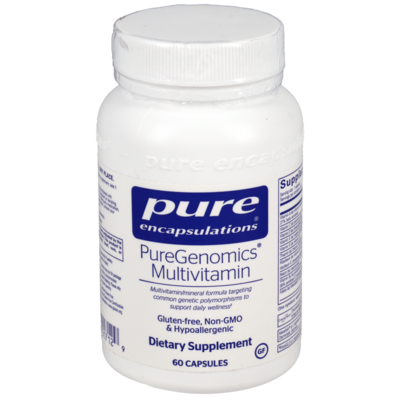 12 more items in ADHD 1
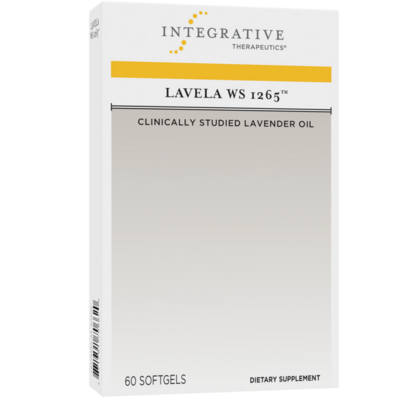
List of supplements that have proven benefits in mental health especially for concentration and memory. These are examples and you have access to the whole catalog if you wish to find other brands or price ranges. Please see handout/ resources for more detailed information on each supplement and why it was chosen.
ADHD Starter Pack
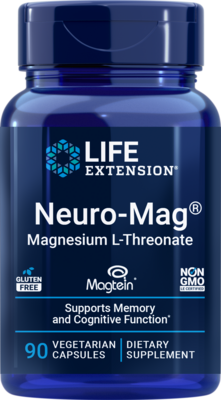
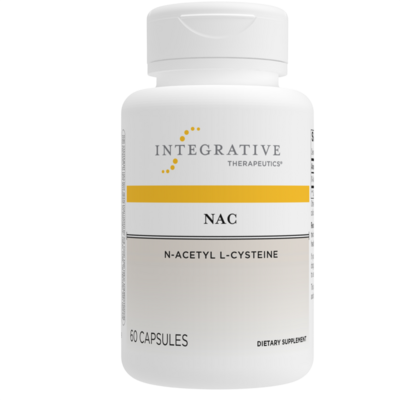
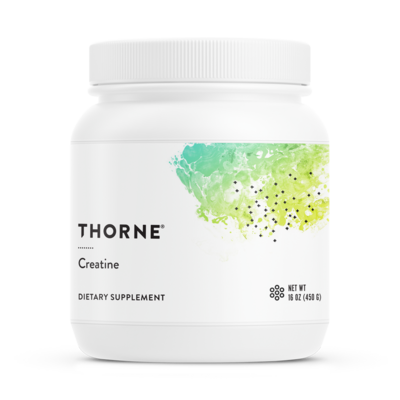 2 more items in ADHD Starter Pack
Hello, It was a pleasure speaking with you. Attached are recommended products that I believe will best support your treatment plan. Please follow the instructions, and reach out if you have any questions. I trust Fullscript to provide professional-grade supplements - clinically vetted for quality, potency, and ingredient accuracy, and shipped directly to your door. Perks you get: Free shipping over $50 HSA/FSA payment options Download the Mobile app for easy reordering Need help? Call Fullscript support at 1-866-807-3828.




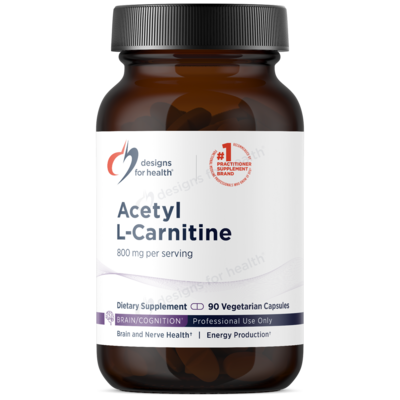
Featured product collections
Discover groups of products curated by Even Keel Health.
ADHD support
46 products

Dr. Scott Keel
Integrative and Lifestyle Medicine Physician with a focus helping those with ADHD and neurodiversity thrive across the lifespan. Treating adults and children.
Focus areas
Mental Health
Women's Health
Neurological Health
States of practice
Virginia
Shop the entire wellness catalog, held to a higher standard
Shop practitioner-grade products, each meeting the same bar for quality through Fullscript's standards.
Powered byVerified
Sourced straight from the brand — no resellers or fakes
Enhanced testing
Select products are tested in-house — get exactly what the label promises
Stored and shipped
From certified facilities, to protect product integrity