Healthy Jasmine's Blood Sugar Support
Products
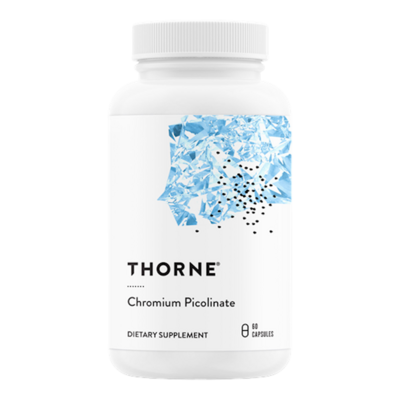
Dosage instructions
- Dosage amount:
1 Capsule
twice per day
For 1 month
Additional notes
"minimum four weeks. Some research indicates chromium supplementation may improve glucose tolerance, though the evidence is inconsistent. Chromium is found in broccoli, grape juice, whole grain products, and some meats."
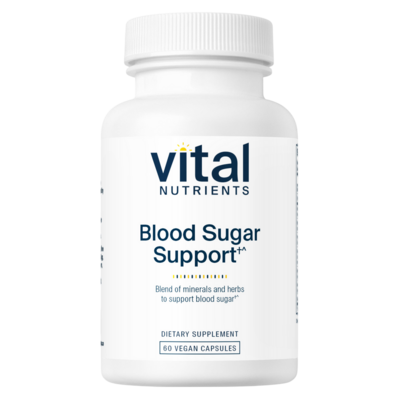
Dosage instructions
- Dosage amount:
2 Capsules
once per day
For 3 months
Additional notes
"minimum 3 months"

Dosage instructions
- Dosage amount:
1 Tablespoon
three times per day
For 2 months
Additional notes
"1 tablespoon for minimum 6 weeks"

Dosage instructions
- Dosage amount:
1 Capsule
once per day
Ongoing
Additional notes
"Probiotic with mixed strains, as directed on bottle"
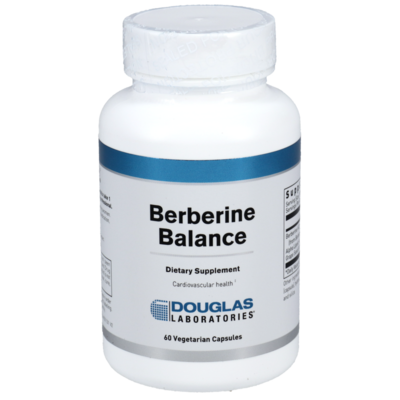
Dosage instructions
- Dosage amount:
1 Capsule
twice per day
For 3 months
Additional notes
"Take 1500mg for 12-weeks on, take two weeks off. Berberine is a natural compound found in several plants, including goldenseal, barberry, and Oregon grape. It has been used in traditional Chinese medicine for centuries to treat various ailments, including diabetes. Studies have shown that berberine has significant potential in managing diabetes and improving blood sugar control. It works by activating an enzyme called AMP-activated protein kinase (AMPK), which plays a crucial role in regulating glucose metabolism. One of the key benefits of berberine is its ability to lower blood sugar levels. It has been found to reduce fasting blood glucose and HbA1c levels, which are important markers for diabetes management. Berberine also improves insulin sensitivity, allowing cells to better utilize glucose for energy. In addition to its glucose-lowering effects, berberine has been shown to have other beneficial effects on diabetes. It can help reduce inflammation, lower cholesterol levels, and improve lipid metabolism. "
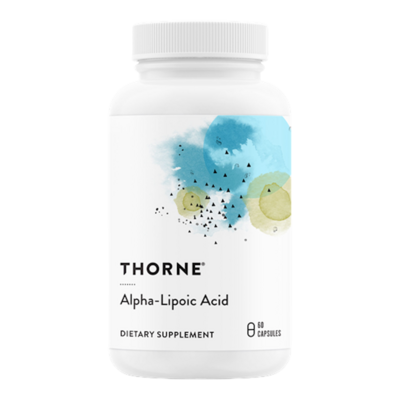
Dosage instructions
- Dosage amount:
1 Capsule
twice per day
Additional notes
"Alpha Lipoic Acid and Diabetes Alpha lipoic acid (ALA) is a powerful antioxidant that plays a crucial role in energy metabolism. It is naturally produced by the body and can also be found in certain foods such as spinach, broccoli, and organ meats. ALA has gained significant attention in the management of diabetes due to its potential benefits in improving insulin sensitivity and reducing oxidative stress. Insulin Sensitivity: In individuals with diabetes, the body's ability to effectively use insulin to regulate blood sugar levels is impaired. ALA has been shown to increase insulin sensitivity, allowing cells to better respond to insulin and utilize glucose for energy. This can help improve glycemic control and reduce the risk of developing complications associated with diabetes."

Dosage instructions
- Dosage amount:
2 Tablets
evening
Ongoing
Additional notes
"Take 1-2 tablets at night. Magnesium as it relates to Diabetes in Health Lower Your Diabetes Risk Magnesium in the Context of Diabetes Magnesium is an essential mineral that plays a crucial role in various bodily functions, including glucose metabolism. In the context of diabetes, magnesium is of particular importance due to its potential benefits in managing blood sugar levels and reducing the risk of complications associated with the disease. Role of Magnesium in Diabetes Magnesium is involved in insulin secretion, action, and utilization. It acts as a cofactor for many enzymes involved in glucose metabolism, helping to regulate blood sugar levels. Magnesium also plays a role in insulin receptor binding, facilitating the entry of glucose into cells. Studies have shown that individuals with diabetes often have lower levels of magnesium compared to those without the condition. This deficiency is thought to contribute to insulin resistance, impaired glucose tolerance, and increased risk of developing type 2 diabetes. Food Sources of Magnesium Magnesium can be obtained through a balanced diet that includes magnesium-rich foods such as: Leafy green vegetables (spinach, kale, Swiss chard) Nuts and seeds (almonds, cashews, pumpkin seeds) Whole grains (brown rice, quinoa, oatmeal) Legumes (black beans, chickpeas, lentils) Avocado Dark chocolate"
Resources
Shop the entire wellness catalog, held to a higher standard
Shop practitioner-grade products, each meeting the same bar for quality through Fullscript's standards.
Powered byVerified
Sourced straight from the brand — no resellers or fakes
Enhanced testing
Select products are tested in-house — get exactly what the label promises
Stored and shipped
From certified facilities, to protect product integrity