Dementia and Brain Health Support
Products

Dosage instructions
- Dosage amount:
2 Capsules
once per day
Ongoing
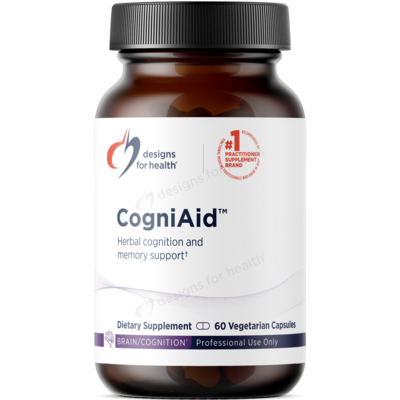
Dosage instructions
- Dosage amount:
2 Capsules
once per day
Ongoing

Sign up for exclusive store pricing
Dosage instructions
- Dosage amount:
1 Softgel
twice per day
Ongoing

Dosage instructions
- Dosage amount:
1 Capsule
three times per day
Ongoing


Dosage instructions
- Dosage amount:
1 Capsule
once per day
Ongoing
Additional notes
"with meals in divided doses."
Lifestyle recommendations
Other
Lifestyle Recommendations for Brain Health & Dementia Support
Lifestyle habits can support overall brain health, physical function, mood, sleep, independence, and quality of life. Focus on small, sustainable changes and involve family members or caregivers when needed.
Nutrition
Follow a predominantly whole-food, plant-forward eating pattern.
- Eat vegetables and fruits every day, especially leafy greens, berries, and other deeply colored produce.
- Include beans, lentils, peas, and other legumes regularly.
- Choose whole grains such as oats, barley, brown rice, quinoa, and whole-grain breads.
- Include healthy sources of omega-3 fats, such as ground flaxseed, chia seeds, and walnuts.
- Minimize highly processed foods, refined carbohydrates, sugary beverages, and foods high in saturated fat.
- Maintain adequate hydration throughout the day.
- Avoid excessive alcohol.
Physical Activity
Movement is one of the most important habits for maintaining brain and cardiovascular health.
Goal: Work toward at least 150 minutes per week of moderate physical activity, as tolerated.
- Walk most days of the week.
- Include strength or resistance exercises approximately 2–3 days per week.
- Incorporate balance and flexibility exercises.
- Break up prolonged periods of sitting with short periods of movement.
- Choose activities that are safe and enjoyable.
Exercise recommendations should be adjusted for mobility limitations, fall risk, cardiovascular disease, and the individual's stage of dementia.
Sleep
Prioritize consistent, restorative sleep.
- Aim for approximately 7–9 hours of sleep each night.
- Maintain regular bedtime and wake times.
- Get exposure to natural morning light.
- Keep the bedroom dark, quiet, and comfortable.
- Limit caffeine later in the day.
- Minimize television, phones, and other stimulating screens near bedtime.
- Discuss loud snoring, witnessed pauses in breathing, excessive daytime sleepiness, or persistent insomnia with your healthcare provider, as these may indicate a treatable sleep disorder.
Keep the Brain Active
Regularly engage the brain in meaningful and enjoyable activities.
Examples include:
- Reading
- Puzzles and word games
- Learning a new skill
- Playing or listening to music
- Gardening
- Arts and crafts
- Cooking with assistance when appropriate
- Reminiscing with photographs
- Games with family or friends
- Spiritual activities, prayer, or scripture reading if meaningful to you
Choose activities that are enjoyable rather than frustrating. Activities may need to be simplified as cognitive impairment progresses.
Stay Socially Connected
Social isolation can negatively affect both physical and cognitive health.
Aim for regular interaction with family, friends, church or faith communities, community organizations, or other supportive groups. Encourage meaningful conversation, shared meals, walks, music, hobbies, and other activities the individual enjoys.
Support Cardiovascular & Metabolic Health
What supports the heart also supports the brain.
Work with your healthcare team to appropriately manage:
- Blood pressure
- Blood sugar/diabetes
- Cholesterol
- Body weight
- Cardiovascular disease
- Tobacco use
Take prescribed medications consistently unless your healthcare provider recommends otherwise.
Protect Hearing and Vision
Untreated hearing or vision impairment can make communication and cognitive difficulties worse.
Have hearing and vision evaluated regularly. Use hearing aids, glasses, or other corrective devices when prescribed.
Reduce Stress
Chronic stress can interfere with sleep, mood, memory, and overall well-being.
Practice a calming activity every day, such as:
- Prayer or meditation
- Deep breathing
- Spending time outdoors
- Gentle stretching
- Listening to relaxing music
- Gratitude practices
- Enjoyable time with family or friends
Establish a Daily Routine
A predictable daily schedule can decrease confusion and anxiety.
Try to maintain consistent times for waking, meals, medications, exercise, activities, and bedtime. Keep frequently used objects in familiar locations and use calendars, clocks, written reminders, pill organizers, and caregiver assistance when appropriate.
Avoid Tobacco and Limit Alcohol
Avoid smoking and other tobacco products. Avoid heavy alcohol consumption. For individuals with established dementia, discuss alcohol use with the healthcare provider because medications, balance problems, falls, and cognitive impairment may make alcohol particularly problematic.
Prevent Falls and Head Injuries
Protecting the brain from additional injury is important.
Keep walking areas well lit and free of clutter, use handrails when appropriate, wear supportive footwear, and address balance or walking difficulties promptly. Consider physical therapy or a home-safety evaluation for individuals at increased risk of falling.
Start Small
Do not try to change everything at once. Begin with 1–2 achievable goals, such as a daily 20-minute walk, adding vegetables to two meals each day, establishing a consistent bedtime, or scheduling regular social activity.
Consistency is more important than perfection.
Resources
- View
Dementia
Shop the entire wellness catalog, held to a higher standard
Shop practitioner-grade products, each meeting the same bar for quality through Fullscript's standards.
Powered byVerified
Sourced straight from the brand — no resellers or fakes
Enhanced testing
Select products are tested in-house — get exactly what the label promises
Stored and shipped
From certified facilities, to protect product integrity