Optional Plan for Immune Resilience
Products
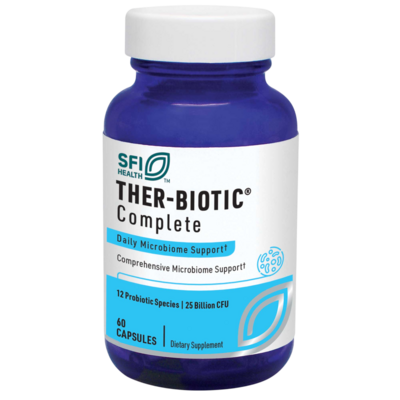
Sign up for exclusive store pricing
Dosage instructions
- Dosage amount:
1.00 Capsule
once per day
Ongoing
Additional notes
"This is a probiotic that requires refrigeration. Take 1 capsule per day with or without food to support a healthy gut microbiome & immune response. "
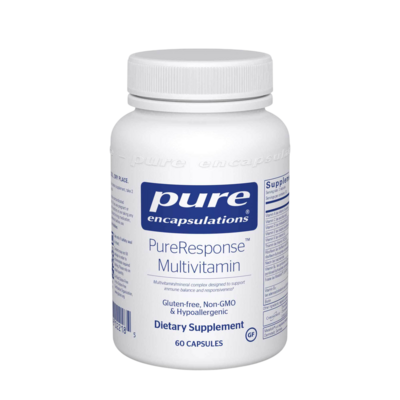
Sign up for exclusive store pricing
Dosage instructions
- Dosage amount:
2.00 Capsules
morning
Take with food
Ongoing
Additional notes
"This is a multivitamin/mineral complex designed to support immune balance and responsiveness. Note that 2 capsules provide 5000 IU of Vitamin D3. Not intended to be taken with other Vitamin D supplements unless directed by a health care provider. "
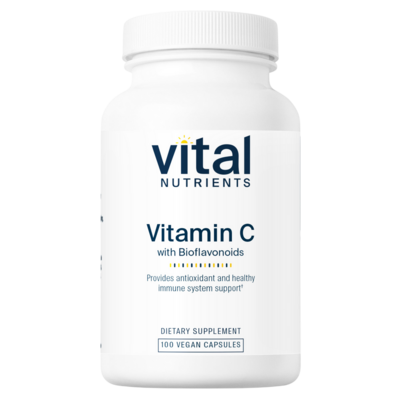
Dosage instructions
- Dosage amount:
1-2 Capsules
three times per day
Take with food
Ongoing
Additional notes
"Vitamin C acts as a vital antioxidant that shields your immune cells from oxidative damage, helping them stay strong and functional. While it may not prevent you from catching a common cold, daily supplementation can help shorten how long you feel sick and supports your body's recovery. Take 1-2 capsules up to 3x/day with meals and reduce the dose if you experience loose stool."
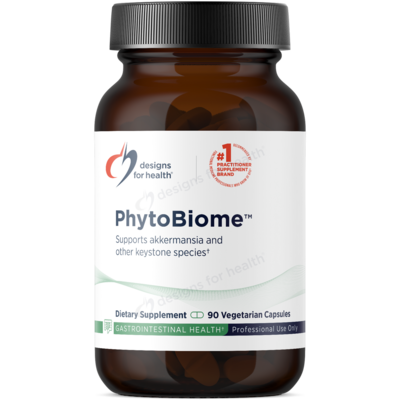
Dosage instructions
- Dosage amount:
3.00 Capsules
once per day
Take with food
Ongoing
Additional notes
"This is a blend of polyphenols which are powerful plant nutrients that protect your immune cells from daily oxidative stress and damage. By maintaining this cellular shield, they help ensure your body's natural defenses can function efficiently and keep you healthy."
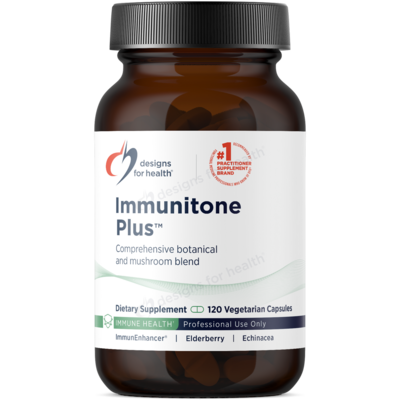
Dosage instructions
- Dosage amount:
3.00 Capsules
once per day
Take with food
Ongoing
Additional notes
"This is a combination of herbs, mushroom extracts and other natural compounds to support a healthy immune response."
Lifestyle recommendations
Nutrition
Part 2: Nourish Your Body with Micronutrient-Rich Whole Foods
A nutrient-dense diet rich in colorful vegetables, fruits, healthy fats, and high-quality proteins provides a continuous supply of antioxidants, vitamins, and minerals. These nutrients protect your cells from stress and nourish your gut microbiome, which is incredibly important since a major part of your immune system actually lives in your digestive tract.
What to Include (Immune-Boosting Foods)
- Gut-Supportive Prebiotic & Probiotic Foods: A healthy microbiome is critical for training immune cells. Include prebiotic fibers (garlic, onions, leeks, asparagus, slightly green bananas) to feed beneficial gut microbes, and fermented foods (sauerkraut, kimchi, kefir) to introduce active cultures.
- Beta-Glucan Rich Foods: Culinary and medicinal mushrooms (shiitake, maitake, oyster mushrooms) contain beta-glucans that support immune surveillance and white blood cell function.
- Zinc-Rich Proteins: Zinc is essential for immune cell development and mucosal integrity. Focus on oysters, pumpkin seeds, grass-fed beef, and lentils.
- Vitamin C & Polyphenol-Rich Produce: Citrus is great, but red bell peppers, broccoli, kiwi, and dark berries (blueberries, blackberries) actually offer exceptionally high concentrations of vitamin C and flavonoids to protect immune cells from oxidative stress.
- Anti-inflammatory Spices: Garlic (allicin), ginger (gingerol), and turmeric (curcumin) provide potent antioxidant and antimicrobial support that can be easily integrated into daily cooking.
To help you get started, here are a couple of ideas for each meal of the day:
Breakfast:
- A pasture-raised egg scramble cooked in extra virgin olive oil with sautéed shiitake mushrooms, spinach, and garlic, served with a side of fresh blueberries.
- Warm chia and/or flax seed pudding made with unsweetened almond milk, topped with a handful of raw pumpkin seeds and fresh blackberries or wild blueberries.
Lunch:
- A warm lentil and quinoa bowl tossed with roasted broccoli, red bell peppers, and pumpkin seeds, drizzled with a lemon-tahini dressing.
- Turkey or chicken breast wrapped in large collard green or romaine leaves with sliced avocado, shredded carrots, and probiotic-rich fermented pickles. Serve alongside a warm cup of organic bone broth.
Dinner:
- Wild-caught salmon baked with ginger and green onions, served with a side of stir-fried bok choy or broccoli and a spoonful of raw, unpasteurized sauerkraut or kimchi.
- Herb-roasted chicken breast or thighs cooked with garlic, rosemary, and thyme. Serve over a bed of sautéed kale and leeks with a side of roasted butternut squash.
Snacks:
- Sliced red bell pepper strips with guacamole or hummus.
- Sliced green apple with raw almond butter dusted with cinnamon.
Interested in More Recipes?
For delicious, simple meal inspiration, I highly recommend exploring this collection of 26 Plant-Based, Immune-Boosting Recipes from Minimalist Baker. This wonderful resource is packed with vibrant, nutrient-dense ideas—like comforting ginger-spiced soups, golden turmeric lattes, and fresh, colorful salads—designed to support your defense systems year-round. Almost all of these recipes require 10 ingredients or less, just one pot, or under 30 minutes to make, making it incredibly easy to bring whole-food immune support into your daily kitchen routine.
What to Limit (Immune-Disrupting Foods)
Highly processed foods, refined sugars, and excessive alcohol can promote systemic inflammation and temporarily suppress your white blood cells' ability to fight off invaders. Minimizing these foods in your daily routine helps prevent unnecessary stress on your immune system, allowing your natural defenses to remain fully charged and responsive. To keep your immune system sharp and minimize inflammation, try to limit these five categories:
1. Ultra-Processed Foods & Refined Carbs
- Limit: Chips, crackers, white bread, pastries, and boxed convenience meals.
- Why: They cause rapid blood sugar spikes that can temporarily slow down your white blood cells and trigger systemic inflammation.
2. Added Sugars & Sweetened Drinks
- Limit: Soda, sweet coffee drinks, energy drinks, candy, and fruit juices.
- Why: High sugar intake directly competes with Vitamin C for entry into your immune cells, weakening their ability to fight off bugs.
3. Industrial Seed Oils
- Limit: Canola, corn, soybean, and cottonseed oils (often found in fried foods and store-bought dressings).
- Why: These are high in omega-6 fats, which in excess promote chronic inflammation and distract your immune system from defending against infections.
4. Excessive Alcohol
- Limit: Sugary cocktails, commercial beers, and daily drinking.
- Why: Alcohol disrupts your gut barrier and microbiome, while temporarily paralyzing key immune cells (like T-cells) that protect your respiratory tract.
5. Artificial Sweeteners & Additives
- Limit: Diet sodas, "sugar-free" processed snacks, and foods with chemical emulsifiers.
- Why: They can damage your beneficial gut bacteria, directly weakening the gut-immune barrier where most of your immune system lives.
Movement
Part 4: Engage in Consistent, Moderate Movement
Staying active with 30 minutes of moderate movement—like a brisk walk or a bike ride—helps boost your circulation so your immune cells can travel and defend your body more efficiently. Just be sure to avoid overtraining, as pushing your body to extremes without enough rest can temporarily lower your natural defenses. Here are two examples of moderate movement schedules, demonstrating how to balance active days with vital recovery to keep the immune system thriving:
The "Daily Rhythm" Brisk Walk & Mobility Routine
This approach focuses on consistent, daily low-impact movement that stimulates lymphatic flow and immune cell circulation without placing excessive physical stress on the body.
What it looks like:
Go for a 30-minute brisk walk 5 days a week at a pace where you can talk but not easily sing. On the alternating days, spend 15 to 20 minutes doing gentle dynamic stretching or yoga to support joint mobility, deep breathing, and muscle recovery.
The "Cardio & Strength" Balanced Routine
If you're looking for a bit more variety, this structure combines moderate cardiovascular exercise with light strength training while building in mandatory rest days to prevent the immune-depleting effects of overtraining.
What it looks like:
Monday & Thursday: 30 minutes of moderate-intensity cycling, swimming, or using an elliptical.
Tuesday & Friday: 30 minutes of bodyweight resistance training (squats, lunges, modified push-ups) or light resistance band exercises.
Wednesday & Weekends: Active recovery and rest. Focus on gentle walks, stretching, and getting plenty of sleep to let the body and immune system regenerate.
Sleep
Part 5: Rest and Rebuild: The Sleep-Immunity Connection
Sleep is a highly active regenerative state for the immune system. When you sleep, your immune system goes to work releasing essential protective proteins called cytokines that help fight off infection and manage inflammation. Getting 7 to 9 hours of deep, restful sleep in a cool, dark room gives your body the uninterrupted time it needs to rebuild, repair, and keep your defenses strong. Here are two practical techniques to improve sleep quality and duration to support year-round immune health:
The "Digital Sunset" & Melatonin Support
Artificial blue light from phones, tablets, and TVs mimics daylight, suppressing your body's natural production of melatonin (the hormone that signals it is time to sleep). Creating a structured wind-down routine helps prepare your brain and body for deep, restorative sleep.
What to do:
Set a "digital sunset" alarm 60 minutes before bed. Turn off all screens and dim the overhead house lights. Spend this hour reading a physical book, journaling, or stretching in dim lighting. Keeping your bedroom completely dark, quiet, and cool (around 65–68°F) further signals your nervous system that it is safe to enter deep, immune-rebuilding sleep cycles.
Morning Light Therapy for Circadian Alignment
Your sleep quality tonight actually begins the moment you wake up. Exposing your eyes to natural sunlight early in the day anchors your circadian rhythm (your internal 24-hour clock). This optimizes your daytime cortisol curve and ensures a robust release of melatonin later in the evening when you need to fall asleep.
What to do:
Within 30 minutes of waking up, step outside without sunglasses for 10 to 15 minutes of natural sunlight exposure. Even on cloudy days, outdoor light is significantly brighter than indoor lighting and effectively stimulates the brain's wakefulness center, setting you up for a better night of sleep and stronger overall immunity.
Stress Management
Part 3: Incorporate Daily Stress Reduction Practices
When you experience ongoing stress, your body releases hormones like cortisol that can wear down your immune system over time, making it harder to stay well. Incorporating simple daily habits like deep breathing, meditation, or a quiet walk in nature helps balance your nervous system, keeping your immune defenses strong and ready. To help you get started, here are two techniques:
The 4-7-8 Breathing Method
This structured breathing technique acts as a natural tranquilizer for the nervous system by stimulating the vagus nerve, which helps transition your body from a "fight-or-flight" stress state into a peaceful "rest-and-digest" state.
How to do it:
Sit comfortably with your back straight. Inhale quietly through your nose for a count of 4 seconds. Hold your breath gently for a count of 7 seconds. Exhale completely through your mouth, making a gentle "whoosh" sound, for a count of 8 seconds. Repeat this cycle for 4 full breaths, twice a day. Even this short practice can help downregulate anxiety and reduce cortisol production.
Sensory-Focused "Forest Bathing" Walk
A quiet, mindful walk in nature does more than clear your mind; physical immersion in green spaces is clinically shown to lower circulating cortisol levels and sympathetic (stress) nervous system activity.
How to do it:
Spend 15 to 20 minutes walking outside in a park, trail, or tree-lined path. Leave your phone in your pocket and actively focus on your five senses: the scent of the trees, the sound of leaves rustling, the feeling of the breeze, and the colors around you. This simple, mindful connection to nature has been shown to reduce physiological stress markers and help maintain robust immune cell activity.
Resources
- View
Immune Supportive Nutrition