Optional Plan for Seasonal Allergy Relief
Products
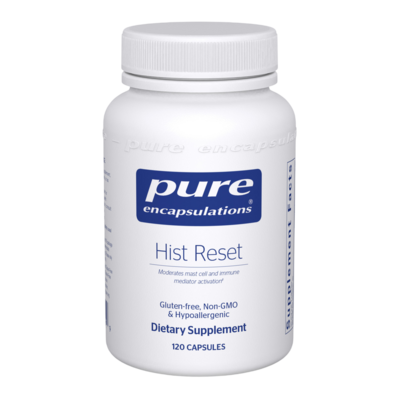
Dosage instructions
- Dosage amount:
1 Capsule
upon waking, afternoon
bedtime
Take with empty stomach
As needed
Additional notes
"This is a formula to provide support to stabilize mast cells, helping to regulate histamine release."
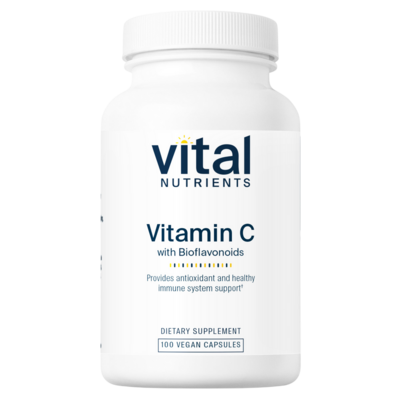
Dosage instructions
- Dosage amount:
1-2 Capsules
three times per day
Take with food
As needed
Additional notes
"Vitamin C supports healthy histamine metabolism. Take to bowel tolerance, reduce the dose if loose stool is experienced."
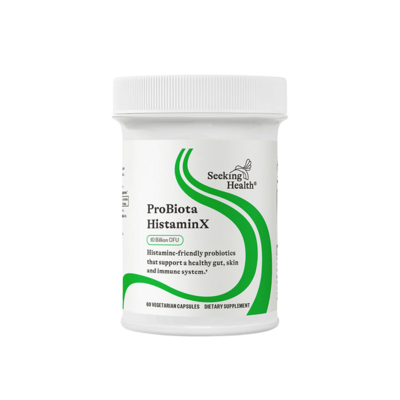
Dosage instructions
- Dosage amount:
1 Capsule
bedtime
Take with empty stomach
As needed
Additional notes
"This is a probiotic formulated with a targeted blend of non-histamine-producing species."
Lifestyle recommendations
Nutrition
Dietary Strategies for Histamine and Allergy Support
Support a reduction of systemic inflammation by temporarily eliminating known food sensitivities while centering your diet around fresh, low-histamine whole foods such as freshly cooked proteins, select green vegetables, berries, and gluten-free grains.
Eliminate Known Sensitivities:
Temporarily remove foods you know you are sensitive to, or consider scheduling functional food sensitivity testing to identify hidden immune-reactive triggers if you are interested.
Focus on Low-Histamine, Whole Foods:
Incorporate plenty of fresh, anti-inflammatory, and naturally low-histamine foods into your daily meals. High-quality examples include:
- Freshly cooked proteins: Chicken, turkey, or wild-caught fish (cooked immediately or frozen, as leftovers build histamine quickly).
- Fresh vegetables: Broccoli, asparagus, zucchini, kale, onions, and garlic (onions and garlic are naturally rich in quercetin).
- Low-histamine fruits: Apples, blueberries, blackberries, and pears (while avoiding high-histamine or histamine-releasing fruits like citrus, strawberries, and bananas).
- Gluten-free grains: Rice, quinoa, and millet.
- Healthy fats: Extra virgin olive oil and freshly opened coconut oil.
Movement
Optimizing Activity and Reducing Pollen Exposure
To prevent allergen-induced flares, strategically time outdoor movement and practice immediate post-exercise hygiene to clear pollen from the body.
- Pollen-conscious timing: Exercise outdoors during the early morning hours or shortly after a heavy rain, as pollen counts are typically at their lowest during these times.
- Indoor alternatives: Transition to indoor workouts (such as yoga, strength training, or stationary cycling) on dry, windy days when pollen counts are forecasted to be high.
- Post-workout rinse: Shower and change your clothes immediately upon returning indoors to wash away pollen lingering on your skin, hair, and workout gear.
Sleep
Nighttime Allergen Minimization
Pollen and mold counts often spike or settle during the night and early morning hours. Preventing these allergens from entering your sleep environment reduces nighttime mast cell activation and morning congestion.
- Close Windows & Use a HEPA air filter: Keep bedroom windows strictly closed during allergy season, especially overnight, and run a high-efficiency particulate air (HEPA) filter in the bedroom to continuously capture airborne allergens.
- Nighttime Showering: Shower and wash your hair immediately before getting into bed. This prevents pollen accumulated during the day from transferring onto your pillowcase and bedding, where you would otherwise breathe it in for 7 to 8 hours.
- Hypoallergenic Bedding: Wash sheets and pillowcases weekly in hot water (at least 130°F) to eliminate pollen and dust mites, and utilize allergen-impermeable covers on pillows and mattresses.
Stress Management
Evening Box Breathing for Nervous System Regulation
High stress and elevated cortisol levels can trigger mast-cell degranulation, which releases histamines and worsens seasonal allergy symptoms. Incorporating deep diaphragmatic breathing —specifically box breathing for 5 minutes before bed — down-regulates the sympathetic nervous system ("fight-or-flight"), helping to stabilize mast cells, lower systemic inflammation, and support restorative sleep.
How to Practice the 4-4-4-4 Method: Visualize breathing along the four sides of a square:
- Inhale (4 seconds): Breathe in slowly and deeply through your nose, focusing on expanding your abdomen (diaphragm) rather than raising your chest.
- Hold (4 seconds): Gently hold your breath at the top of the inhale, keeping your shoulders and jaw completely relaxed.
- Exhale (4 seconds): Slowly and smoothly release all the air out through your mouth or nose.
- Hold (4 seconds): Gently hold your breath empty at the bottom of the exhale before beginning the next cycle.
Examples of How to Incorporate This Practice:
- The Bedtime Transition: Practice lying flat on your back in bed with the lights off. Place one hand on your belly and one on your chest to ensure you are breathing deeply into your abdomen, helping your body transition into a restful, parasympathetic state for sleep.
- A "Reset" During Acute Allergy Flares: If you feel a sudden surge in sinus pressure or breathing discomfort during the day, sit upright in a supportive chair and complete 4 to 5 rounds of box breathing. This helps calm the acute physiological stress response associated with physical airway irritation.