Neuropathic Pain Severe
Products
Sign up for exclusive store pricing
Dosage instructions
- Dosage amount:
2 Units
once per day
Ongoing
Additional notes
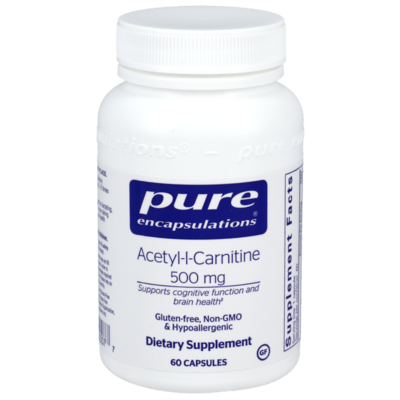
"in divided doses, between meals. Acetyl-L-carnitine (ALC) is a naturally occurring amino acid derivative that has both neuroprotective and antinociceptive effects. The mechanisms of action of ALC are not clear and are likely to be multifactorial, with effects on circulating neurotrophins, mitochondrial function (including anti-apoptotic effects), and synaptic transmission influencing both nerve structure/ function and patient perception of neuropathic symptoms. Clinical trials of several prominent causes of peripheral neuropathy suggest oral doses from 1,000 mg daily to 3,000 mg daily are effective for symptom relief in a majority of patients. Electrophysiological testing and skin biopsies substantiate the regenerative capacity of ALC on nerve innervation. Some studies suggest that the regenerative capacity of ALC continues for up to 24 months after beginning therapy. Tolerance to ALC appears to be excellent with mild, infrequent side effects, including insomnia and gastric irritation. Given the level of evidence of ALC’s therapeutic effects on various types of PN combined with its lack of toxicity, ALC has the potential to dramatically affect the quality of life of patients with PN."
Sign up for exclusive store pricing
Dosage instructions
- Dosage amount:
3 Units
once per day
Ongoing
Additional notes
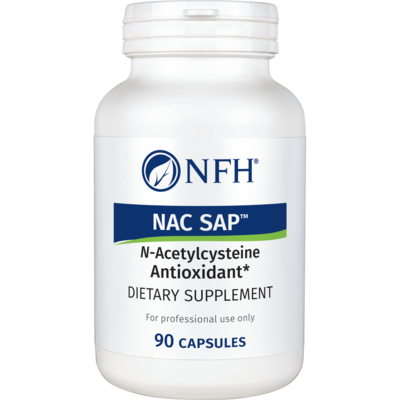
"NAC has been studied extensively to be neuroprotective and an excellent analgesic (pain killer) for nerve pain. Previous studies have demonstrated the favorable effects of NAC supplementation on dyslipidemia and carbohydrate metabolism.48,49 Furthermore, NAC has shown protective effects against diabetes-associated cardiovascular complications and diabetic nephropathy.50,51 Recently, potential applications of NAC in prevention and treatment of peripheral neuropathy resulting from DM and other pathological conditions have been investigated in several experimental studies. In this regard, a study by Kunitomo et al showed that oral administration of NAC can alleviate thermal hyperalgesia in experimental diabetic neuropathy. They also found that supplementation with NAC can show protective effect against progression of diabetic neuropathy through attenuation of oxidative stress conditions and apoptosis.52 In another study, oral administration of NAC inhibited functional and structural abnormalities of the peripheral nerve in diabetic rats irrespective of blood glucose concentrations. This study concluded that protective effect of NAC on peripheral neurons is probably mediated through its modification effects on OTS and inflammatory biomarkers.53 Results of another study showed that overproduction of ROS plays a major role in cisplatin‐induced apoptotic neuronal cell death, and preincubation with NAC can decrease cisplatin-induced sensory neuropathy, probably via blocking the apoptosis pathways.54 Also, results of Naik et al’s study in the experimentally induced chronic constriction injury (CCI) of sciatic nerve of rats showed that endoneurial oxidative stress plays a critical role in generation of neuropathic pain in CCI model, and NAC can cause significant reduction in mechanical, thermal and cold hyperalgesia in CCI rats, probably through ROS scavenging.55 Similar to these findings, another study in an experimental model of CCI in rats revealed that the pain relieving effect of NAC may be related to its modulation effects on oxidative-stress parameters in the spinal cord.56 There are limited clinical trials about influence of NAC supplementation on treatment of neuropathic pain. In this regard, a pilot study on colorectal cancer patients receiving postoperative adjuvant oxaliplatin combined with fluorouracil chemotherapy regimen indicated that oral NAC can reduce the incidence of oxaliplatin-induced neuropathy in colon cancer patients.57 It seems that NAC can prevent oxaliplatin-induced neuropathy through increasing whole blood concentrations of glutathione and decreasing the accumulation of platinum metabolites within the peripheral nervous system.58 Also, in our previous clinical trial, we found that supplementation with NAC as adjuvant therapy to a standard medication significantly improved pain symptoms in patients suffering from rheumatoid arthritis (RA).59 Ameliorative effects of NAC on inflammatory and oxidative stress biomarkers may be the mechanism responsible for its beneficial effects on pain symptoms in RA patients.60 In accordance to these studies, the present study also provided further evidence that NAC can be efficacious in improving neuropathic pain associated with diabetic neuropathy, at least in part via ameliorative effects on oxidative stress. Recent studies on neuropathic pain mechanisms have revealed that over-expression and activity of MMPs are also critical to the development of neuropathic pain. Increased MMPs' activity, especially MMP2 and MMP9, due to their facilitation of inflammatory cytokine maturation and induction of neural inflammation, is associated with neuronal injury, leading to precipitation of neuropathic pain.61 Therefore, MMPs inhibitors may be considered as a potential therapeutic strategy in the management of neuropathic pain. Activation of MMP-9/2 is dependent on the modification of the cysteine residue, and reaction of ROS with thiol groups can activate both MMP-2 and MMP-9.62 Furthermore, experimental studies suggest that proinflammatory cytokines, such as IL-1 and TNF-α can also stimulate the synthesis of MMPs.63 Therefore, the pharmacologic modalities that can prevent the oxidation of cysteine residue on MMP-9/2, such as NAC which contains abundant cysteine residues, may have potential ability to interfere with the activation of MMP-9/2. In this regard, results of a recent experimental study by Li et al on CCI-induced neuropathic pain in rats showed NAC significantly attenuated neuropathic pain through powerful inhibition of the activation of MMPs.29 Activation of MMP-9/2 also plays an important role in opioids-mediated nociception. Considering this fact, results of another study in a rat model of incisional pain demonstrated that NAC can attenuate the development of remifentanil-induced postoperative hyperalgesia via inhibiting MMP-9 activation in dorsal root ganglia.64 In addition to the pathological pathways mentioned previously, recent discoveries have shown that elevated glutamatergic neurotransmission in the CNS is associated with different types of pain, especially neuropathic pain.65 Therefore, it seems that ionotropic or metabotropic glutamate receptors can be considered as potential targets for treatment of neuropathic pain.66 Results of some recent experimental studies reported that an increase in expression or activation of type-2 metabotropic glutamate receptors (mGluR2) can produce antinociceptive effects in inflammatory and neuropathic pain models through reducing glutamate release from primary afferent sensory nerves.67,68 Preliminary evidence revealed that activation of the mGluR2 is another potential mechanism responsible for analgesic activity of NAC. Bernabucci et al in their recent study on mouse models of inflammatory and neuropathic pain, found that NAC could cause analgesia via reinforcing the endogenous activation of mGluR2 receptors.69 Also, some other studies reported that NAC treatment can reverse cocaine-induced metaplasticity and reduce cocaine craving in humans through activation of cystine-glutamate exchange and stimulation of extrasynaptic mGluRs.70,71 Taken together, these findings contribute to describe the clinical efficacy of NAC in the treatment of different chronic types of pain, especially neuropathic pain. The excellent safety and tolerability of the natural antioxidants such as NAC during long term treatment have made them an attractive therapeutic modality in controlling pain compared to conventional medications. Although, severe and in some instances life-threatening anaphylactoid reactions to intravenous administration of NAC have been reported,72 oral administration of NAC is relatively safe and has not caused clinically significant adverse reactions even at doses as high as 8000 mg/day. Mild gastrointestinal disturbance such as nausea, vomiting, and heartburn are the only adverse effects reported of oral administration of NAC.73 Therefore, this margin of safety and excellent efficacy make oral NAC an attractive therapeutic option in models of inflammatory and neuropathic pain."
Dosage instructions
- Dosage amount:
2 Units
once per day
Ongoing
Additional notes
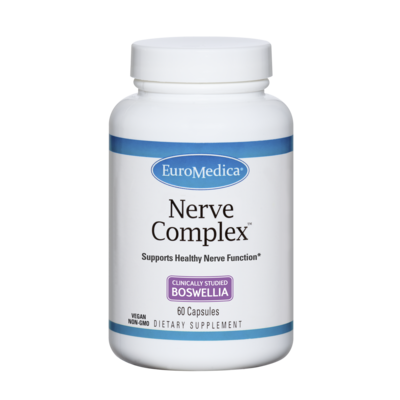
"Nerve Complex is a multivitamin for nerve health. This powerful combination of nutrients provides support for nerve function, proper blood circulation, and blood sugar† metabolism, to help you stay active and comfortable.* • Supports healthy nerve function, especially in the feet and hands • Aids proper blood circulation • Supports healthy blood sugar metabolism*† • Bioactive B-vitamins: to support healthy blood sugar levels already within normal limits, carbohydrate metabolism, and healthy nerve system structure and response.* • Chromium and Zinc: to support proper insulin response and healthy tissue formation and maintenance.* • Alpha Lipoic Acid: supports levels of glutathione, one of the body’s free radical fighters to keep nerve tissue healthy and functioning properly. Clinical studies have shown that use of supplemental alpha lipoic acid can support healthy blood sugar levels† and nerve health.* • Boswellia: uniquely purified to increase levels of key actives compared to unstandardized boswellia. This combination of bioactive B1, B6, and B12, methylfolate, alpha lipoic acid, uniquely standardized boswellia, and highly absorbable chromium chelate provides nutrient support for activity and comfort.*"
Dosage instructions
- Dosage amount:
2 Units
once per day
Ongoing
Additional notes
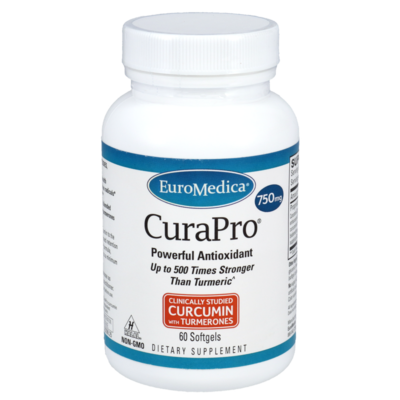
"**You may take up to 10 per day during pain flares or for post-procedure discomfort. Turmeric and curcumin are derived from the turmeric root with turmeric being the spice you know from Indian cooking, and curcumin one of the chemical compounds known as curcuminoids, which are believed to be biologically active. In one study that used adipose MSCs to treat heart attacks, curcumin improved the viability of the cells, reduced scarring in the heart muscle being repaired, and promoted new blood vessel formation (1). In another involving bone marrow MSCs, curcumin improved bone formation (2). The curcuminoids also impact arthritis through anti-inflammatory pathways, down-regulating enzymes such as phospholipase A2, cyclooxygenase-2, and lipoxygenases, and reducing inflammatory cytokines like TNF-alpha-and interleukin-1β (IL-1β), IL-6, and IL-8 (19). All of these effects have translated into real measurable impacts on patients with knee arthritis (20, 23,24). In other studies, Curcumin has been shown to be as effective as common NSAID anti-inflammatories such as Diclofenac and Ibuprofen (21,22). - Christoper Centeno, MD Curapro features a minimum of 500 mg of curcuminoids per softgel: • Results verified in more than 60 PUBLISHED STUDIES, 27 HUMAN CLINICAL TRIALS • Supports liver, brain, heart, and immune health* • Protects cells from oxidative stress and free radicals* • High antioxidant ORAC value >1,500,000** • Patent-protected method using curcumin blended with turmeric essential oil containing ar-turmerone to boost absorption and enhance results CuraPro® is up to 500 times more powerful than turmeric, and has a sustained retention time at meaningful levels in the bloodstream.^ This high-potency formula, featuring a clinically studied curcumin, yields a minimum of 250 mg of curcuminoids per softgel. (1) Liu J, Zhu P, Song P, Xiong W, Chen H, Peng W, Wang S, Li S, Fu Z, Wang Y, Wang H. Pretreatment of adipose derived stem cells with curcumin facilitates myocardial recovery via antiapoptosis and angiogenesis. Stem Cells Int. 2015;2015:638153. doi: 10.1155/2015/638153 (2) Gu Q, Cai Y, Huang C, Shi Q, Yang H. Curcumin increases rat mesenchymal stem cell osteoblast differentiation but inhibits adipocyte differentiation. Pharmacogn Mag. 2012;8:202–208. doi: 10.4103/0973-1296.99285. (19) Akuri MC, Barbalho SM, Val RM, Guiguer EL. Reflections about Osteoarthritis and Curcuma longa. Pharmacogn Rev. 2017;11(21):8–12. doi:10.4103/phrev.phrev_54_16 (20) Henrotin Y, Malaise M, Wittoek R, et al. Bio-optimized Curcuma longa extract is efficient on knee osteoarthritis pain: a double-blind multicenter randomized placebo controlled three-arm study. Arthritis Res Ther. 2019;21(1):179. Published 2019 Jul 27. doi:10.1186/s13075-019-1960-5 (21) Shep D, Khanwelkar C, Gade P, Karad S. Safety and efficacy of curcumin versus diclofenac in knee osteoarthritis: a randomized open-label parallel-arm study. Trials. 2019;20(1):214. Published 2019 Apr 11. doi:10.1186/s13063-019-3327-2 (22) Kuptniratsaikul V, Dajpratham P, Taechaarpornkul W, et al. Efficacy and safety of Curcuma domestica extracts compared with ibuprofen in patients with knee osteoarthritis: a multicenter study. Clin Interv Aging. 2014;9:451–458. Published 2014 Mar 20. doi:10.2147/CIA.S58535 (23) Panahi Y, Rahimnia AR, Sharafi M, Alishiri G, Saburi A, Sahebkar A. Curcuminoid treatment for knee osteoarthritis: a randomized double-blind placebo-controlled trial. Phytother Res. 2014 Nov;28(11):1625-31. doi: 10.1002/ptr.5174. (24) Rahimnia AR, Panahi Y, Alishiri G, Sharafi M, Sahebkar A. Impact of Supplementation with Curcuminoids on Systemic Inflammation in Patients with Knee Osteoarthritis: Findings from a Randomized Double-Blind Placebo-Controlled Trial. Drug Res (Stuttg). 2015 Oct;65(10):521-5. doi: 10.1055/s-0034-1384536."
Sign up for exclusive store pricing
Dosage instructions
Additional notes
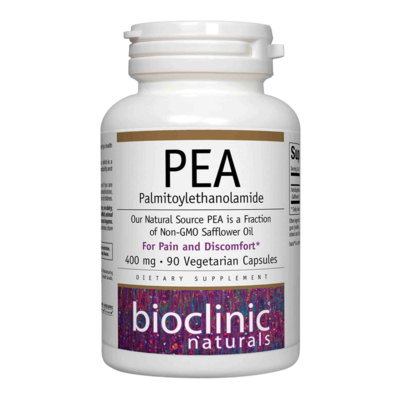
"3 capsules per day. ongoing. PEA is a promising lipid (a fatty substance) that is naturally produced in your own body and used to control pain. It is particularly involved in nerve pain control. Palmitoylethanolamide (PEA) is an endogenously produced lipid that mediates the resolution of neuroinflammation and clinically reduces pain from a variety of sources.PEA is a type of fatty acid ethanolamine produced in microglia and mast cells, where it downregulates the activation of both cell types; levels of PEA are increased in brain areas involved in nociception, and appear to modulate protective responses to both inflammation and pain. The pharmacological properties of PEA with respect to pain, inflammation and mechanism(s) of action in preclinical models have been well reviewed. PEA shows efficacy in a variety of pain models including carrageenan‐ and prostaglandin‐induced hyperalgesia, the formalin test of persistent pain, visceral hyperalgesia produced by instillation of nerve growth factor into the bladder, and the sciatic nerve ligature model of neuropathic pain, whereas the acute thermal pain response is not affected. The proposed mechanism(s) of action of PEA involve effects upon mast cells, CB2‐like cannabinoid receptors, ATP‐sensitive K+‐channels, TRP channels, and NFkB, although the most robust evidence is for an action of PEA upon the nuclear receptor peroxisome proliferator‐activated receptor α (PPARα). These are by no means the only actions of PEA: it can also, for example, interact as an agonist with GPR119, an orphan receptor involved in glucagon‐like peptide‐1 secretion, and will, at least in theory, affect endocannabinoid signalling by acting as a competing substrate for the endocannabinoid homologue anandamide (N‐arachidonoylethanolamine). Some of these actions are shared by the endogenous NAEs N‐oleoylethanolamine and N‐stearoylethanolamine, but clinical data to our knowledge is lacking with respect to these compounds."
Dosage instructions
- Dosage amount:
1 Capsule
once per day
Ongoing
Additional notes
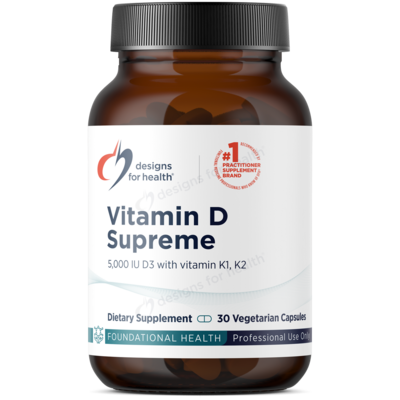
"with a meal. Low Vitamin D levels are extremely common in the Pacific Northwest. Low vitamin D levels can lead to increased general pain and may play a role in arthritis progression. Therefore, we like all of our patients to supplement Vitamin D if they are not already doing so."
Dosage instructions
- Dosage amount:
2 Gels
once per day
Ongoing
Additional notes
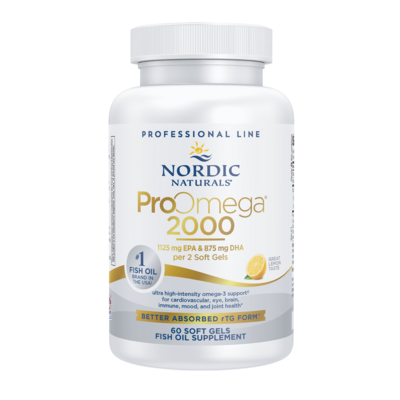
"Take with meals. Fish oil is extremely important for nerve health, joint health, and inflammation control. Fish oils suppress the formation of inflammatory cytokines and eicosanoids and this is believed to be associated with less pain and inflammation. However, rather than shutting down the COX inflammatory pathway (like NSAID drugs-so called “COX inhibitors”) they are metabolized by that pathway into powerful anti-inflammatory molecules known as the resolvins and the protectins. These have been shown to have many effects, not the least of which is activating the the recovery process of inflammation. So unlike NSAID’s (Motrin, Alleve, Ibuprofen, Voltaren, Celebrex) which block an important inflammation pathway and cause sudden death via heart attacks and fatal stomach ulcers, fish oil increases good molecules that can control inflammation. They also do more than just turn down the inflammation knob, they switch inflammation from a bad chronic state to a good recovery state. That last inflammation recovery function likely needs a little explanation. Inflammation is good as it’s the body’s process to allow repair. Treatments like prolotherapy increase acute inflammation to allow tissue repair. However, acute inflammation from an ankle sprain is to be distinguished from it’s evil twin brother-chronic inflammation. This is the kind of inflammation that leads to heart attacks and other chronic diseases and is increased in patients with metabolic syndrome (overweight, high blood pressure, high triglycerides, pre-diabetes). So the fish oil effect that leads to molecules that move inflammation toward recovery phase means that chronic inflammation (which never gets to that recovery phase) gets moved toward something that looks more like helpful acute inflammation (which has a recovery phase). To use another analogy, chronic inflammation is like trying to bake a cake in a 200 degree oven. The oven isn’t hot enough to trigger the chemical processes that “bake” the cake-so all you get is mush. This is like chronic inflammation. However, turn the heat up to 400 degrees, and you get a “baked” cake (this is like acute inflammation). So increasing the recovery phase of inflammation is like turning the heat up in the oven. Which components of fish oil help arthritis? There are a number of different component fatty acids that have been studied, the best known of which are DHA, EPA, and AA. EPA has been shown in a recent study to block the bad chemicals that lead to cartilage degeneration. DHA also has the same, but lesser effect. Another lab study also found that EPA was better than DHA or AA in reducing bad cartilage breakdown chemicals. Finally, a third recent study concluded the same thing (EPA>DHA). DHA was also strongly associated with modulating pain. It up regulates “feel good” endorphins much more strongly than other types of unsaturated fat (in this case olive oil). - Christopher Centeno, MD"
Dosage instructions
- Dosage amount:
2 Capsules
once per day
Ongoing
Additional notes
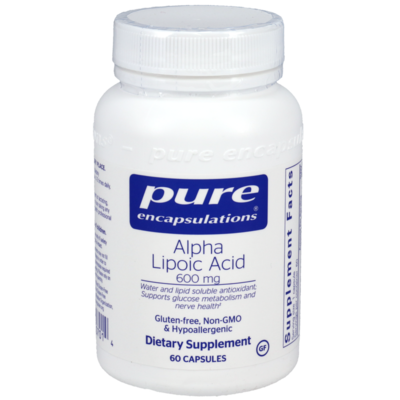
"in divided doses, with meals Alpha lipoic acid (ALA) is vital to nerve health and healing. Alpha lipoic acid is both water and fat soluble which allows it to function in almost any part of the body as an antioxidant. A key component of the metabolic process, alpha lipoic acid produces energy in muscles and directs calories into energy production. In addition, it helps maintain healthy glucose metabolism, supports the nervous system and provides nutritional support for healthy liver function. In one study, alpha lipoic acid decreased serum lactate and pyruvate and promoted healthy glucose metabolism in lean and overweight individuals. Alpha lipoic acid supported nerve health in subjects who participated in a randomized, double-blind, placebo-controlled, multicenter trial. The ability of alpha lipoic acid to modulate nitric oxide metabolite activity and to promote healthy microcirculation accounted for its ability to promote nerve cell health in two separate studies.* ALA recycles antioxidant nutrients such as vitamin C and glutathione, and is a cofactor for several mitochondrial enzymes as well as glutathione reductase.7 It improves glycemic control and insulin sensitivity in type 2 diabetics, endothelial function among individuals with impaired glucose tolerance, and enhances weight loss among obese subjects.8,9,10 It has a well-recognized benefit for the prevention and treatment of peripheral neuropathy among diabetics, improving both symptoms and objective markers of disease, such as nerve conduction velocity.11,12 Its antioxidant and neuroprotective effects may also provide protection against neurodegeneration, and a range of oxidant-associated diseases.13,14"
Shop the entire wellness catalog, held to a higher standard
Shop practitioner-grade products, each meeting the same bar for quality through Fullscript's standards.
Powered byVerified
Sourced straight from the brand — no resellers or fakes
Enhanced testing
Select products are tested in-house — get exactly what the label promises
Stored and shipped
From certified facilities, to protect product integrity