Nicole Ritieni's Dispensary
Welcome! Through Fullscript, Nicole Ritieni's Dispensary offers high-quality supplements and wellness products, delivered right to your door. Get started with the recommended products from Nicole Ritieni's Dispensary, or sign in/up to explore the entire product catalog.
Up to 30% off your order when you sign up*
Shop the highest quality, rigorously tested supplements
Fast and free shipping for orders over $50
*Discounts may vary by order. Labs and select products not eligible
Existing account? Log in here
Featured public protocols
Nicole Ritieni's Dispensary's general recommendations, available to anyone who visits this store.
Blood Sugar Management
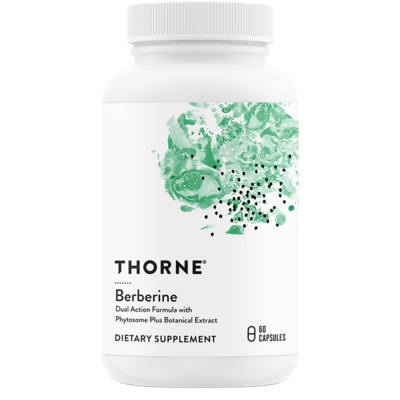
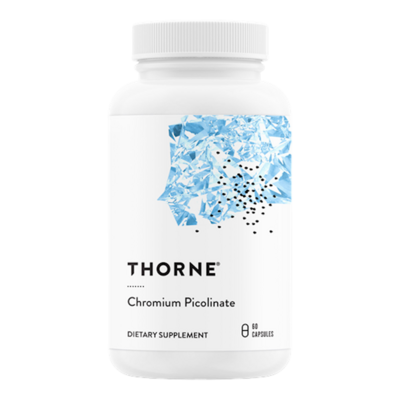
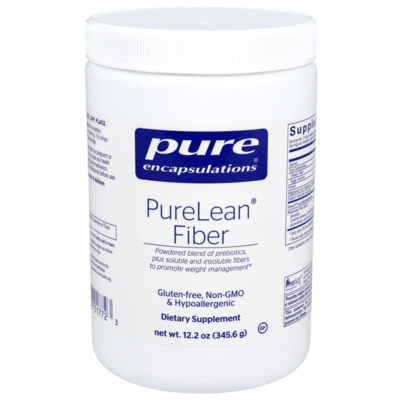 8 more items in Blood Sugar Management
Blood sugar dysregulation is a common problem in the United States with more than 29 million people having diabetes, and 86 million people having prediabetes. ( 16 ) Type 1 diabetes is due to an autoimmune condition that attacks pancreas beta cells and requires insulin to be managed. Type 2 diabetes mellitus (T2DM) is due to a combination of insulin resistance and insufficiency resulting in high blood glucose levels. ( 5 ) Prediabetes describes people with high or poorly controlled blood glucose levels, but not at the point of having type 2 diabetes. ( 16 ) When looking at the breakdown between type 1 and type 2 diabetes, type 2 is more prevalent with a study from 2018 citing between 90.4% to 92.1% of diabetes cases to be type 2. Dysfunctional blood glucose levels impact other aspects of health as well. People with type 2 diabetes have higher risk for vision loss, heart disease, stroke, kidney failure, circulatory issues, and decreased life expectancy. ( 16 ) Additionally, of those with prediabetes, 15-30% progress into type 2 diabetes within five years. ( 16 ) Ameliorating blood glucose dysregulation helps to prevent progression and the need for insulin dependence. The protocol below presents ingredients based on current research findings that might help regulate blood sugar. Berberine Berberine 500 mg, three times per day, minimum 12 weeks ( 7 ) Meta-analysis of patients with T2DM given berberine exhibited better reduction in fasting plasma glucose (FPG), postprandial plasma glucose (PPG) and HbA1c levels compared to control; additionally, treatment was found to be more effective when combined with hypoglycemic medication or when given for less than 90 days with a dose less than 2 grams per day ( 13 ) Meta-analysis of 27 randomized controlled trials found berberine combined with hypoglycemics was more effective than hypoglycemic medications alone, and as equally effective as hypoglycemics when used for T2DM, hyperlipidemia and/or hypertension ( 12 ) Systematic review and meta-analysis of 14 randomized trials found berberine combined with lifestyle alterations to be more effective than lifestyle alterations alone; furthermore, berberine enhanced performance of hypoglycemic drugs ( 7 ) T2DM patients with dyslipidemia given one gram per day of berberine decreased FPG and postload plasma glucose, as well as improved lipid profile demonstrated by decreases in triglycerides, total cholesterol and LDL compared to placebo ( 27 ) Chromium picolinate Chromium picolinate 500 µg, two times per day, minimum four weeks ( 4 ) Current literature confirms a minor reduction in blood glucose when supplemented consistently for four weeks or longer ( 4 ) Chromium supplements should be taken with a carbohydrate-containing meal ( 8 ) Meta-analysis of 13 trials found chromium picolinate supplementation to help with glycemic control in diabetics shown by improvements in FPG and cholesterol ( 23 ) When given 600 mcg per day of chromium picolinate, patients with T2DM experienced improved glycemic control demonstrated by a decrease in fasting glucose concentration by -31.0 mg/dL compared to -14.0 mg/dL in control group ( 20 ) When combined with sulfonylurea, chromium picolinate improved anthropometric markers for body weight, body fat percentage and abdominal fat; additionally, insulin sensitivity improved compared to placebo ( 15 ) 63% of T2DM patients responded to chromium picolinate treatment with improved insulin sensitivity compared to 30% in placebo ( 25 ) Cinnamon Cinnamon 120-360 mg, total per day, minimum 3 months ( 14 ) Systematic review and meta-analysis of 18 studies found cinnamon to be effective in improving glucose as shown by a decrease fasting blood sugar by -19.26 mg/dL compared to placebo ( 17 ) Meta-analysis of 16 randomized controlled trials found cinnamon supplementation to decreased FBG and improve HOMA-IR in patients with T2DM and pre-diabetes ( 6 ) 500 mg of cinnamon bark given twice per day improved BMI, body fat, visceral fat, glycemic control, and lipid profile in patients with T2DM; more pronounced benefits were found in patients with higher baseline BMI ( 26 ) When comparing low dose (120 mg/d), high dose(360 mg/d), and placebo, cinnamon supplementation improved hemoglobic H(1c) and FBG in both low and high dose compared to placebo ( 14 ) Systematic review and meta-analysis of 10 randomized controlled trials found cinnamon to decrease levels of fasting plasma glucose and improve cholesterol levels when supplementing doses from 120 mg/day to 6 mg/day for 4 to 18 weeks ( 3 ) Psyllium husk Psyllium husk 5 g, three times per day, minimum 6 weeks ( 21 ) In diabetic patients, demonstrated minor to moderate reduction in blood glucose levels ( 24 ) 15 g daily is a minimum dose and can be titrated up gradually to patient tolerance with no current literature pointing towards an increased benefit of using more than 15 g daily ( 22 ) Meta-analysis of 35 randomized controlled trials found psyllium to be efficacious lifestyle treatment of patients with T2DM; additionally patients with less glycemic control benefited the most significantly ( 9 ) Improved constipation, body weight, glucose and lipid in patients with type 2 diabetes and chronic constipation with (BMI) 20-47 kg/m2 ( 18 ) Insulin sensitivity improved as demonstrated by decrease in FBS, HbA1c, insulin level, C-peptide, HOMA-IR and HOMA-β % compared to control ( 1 ) Probiotics Probiotics Probiotic with mixed strains, as directed on bottle (2 )( 10) Meta-analysis of 8 randomized controlled trials found probiotics to be effective in improving metabolic control in patients with T2DM, as shown by a reduction in HbA1c and HOMA-IR ( 10 ) When given a mixed probiotic of seven strains of Lactobacillus, Bifidobacterium and Streptococcus for five weeks, patients with T2DM experienced decreased FPG and increased HDL-C ( 21 ) Patients with T2DM experienced decreased HOMA-IR and HbA1c by 0.39% and improved insulin resistance when given a mixed probiotic for 8 weeks ( 11 ) Systematic review and meta-analysis of 13 clinical trials found probiotics to decrease fasting blood glucose and A1c ( 2 ) A 12-week parallel, double-blind, placebo-controlled trial including 76 patients with T2DM found that supplementation with C. beijerinckii, C. butyricum, B. infantis, A. muciniphila , and A. hallii significantly improved glucose total area under the curve (-36.1 mg/dL/180 min), HbA1c (-0.6%), and glucose incremental-AUC (-28.6 mg/dL/180 min) ( 20 ) Evidence rating The following protocols were developed using only a,b,c -quality evidence Learn more about our rating scale References Abutair, A. S., Naser, I. A., & Hamed, A. T. (2016). Soluble fibers from psyllium improve glycemic response and body weight among diabetes type 2 patients (randomized control trial). Nutrition Journal , 15 (1), 86. https://pubmed.ncbi.nlm.nih.gov/27733151/ (C) Akbari, V., & Hendijani, F. (2016). Effects of probiotic supplementation in patients with type 2 diabetes: systematic review and meta-analysis. Nutrition Reviews , 74 (12), 774–784. https://pubmed.ncbi.nlm.nih.gov/27864537/ (A) Allen, R. W., Schwartzman, E., Baker, W. L., Coleman, C. I., & Phung, O. J. (2013). Cinnamon use in type 2 diabetes: an updated systematic review and meta-analysis. Annals of Family Medicine , 11 (5), 452–459. https://pubmed.ncbi.nlm.nih.gov/24019277/ (A) Anderson, R. A., Cheng, N., Bryden, N. A., Polansky, M. M., Cheng, N., Chi, J., & Feng, J. (1997a). Elevated intakes of supplemental chromium improve glucose and insulin variables in individuals with type 2 diabetes. Diabetes , 46 (11), 1786–1791. https://pubmed.ncbi.nlm.nih.gov/9356027/ (C) Bullard, K. M., Cowie, C. C., Lessem, S. E., Saydah, S. H., Menke, A., Geiss, L. S., Orchard, T. J., Rolka, D. B., & Imperatore, G. (2018). Prevalence of Diagnosed Diabetes in Adults by Diabetes Type – United States, 2016. MMWR. Morbidity and Mortality Weekly Report , 67 (12), 359–361. https://pubmed.ncbi.nlm.nih.gov/29596402/ (F) Deyno, S., Eneyew, K., Seyfe, S., Tuyiringire, N., Peter, E. L., Muluye, R. A., Tolo, C. U., & Ogwang, P. E. (2019). Efficacy and safety of cinnamon in type 2 diabetes mellitus and pre-diabetes patients: A meta-analysis and meta-regression. Diabetes Research and Clinical Practice , 156 , 107815. https://pubmed.ncbi.nlm.nih.gov/31425768/ (A) Dong, H., Wang, N., Zhao, L., & Lu, F. (2012). Berberine in the treatment of type 2 diabetes mellitus: a systemic review and meta-analysis. Evidence-Based Complementary and Alternative Medicine: eCAM , 2012 , 591654. https://pubmed.ncbi.nlm.nih.gov/23118793/ (A) Frauchiger, M. T., Wenk, C., & Colombani, P. C. (2004). Effects of acute chromium supplementation on postprandial metabolism in healthy young men. Journal of the American College of Nutrition , 23 (4), 351–357. https://pubmed.ncbi.nlm.nih.gov/15310739/ (C) Gibb, R. D., McRorie, J. W., Jr, Russell, D. A., Hasselblad, V., & D’Alessio, D. A. (2015). Psyllium fiber improves glycemic control proportional to loss of glycemic control: a meta-analysis of data in euglycemic subjects, patients at risk of type 2 diabetes mellitus, and patients being treated for type 2 diabetes mellitus. The American Journal of Clinical Nutrition , 102 (6), 1604–1614. https://pubmed.ncbi.nlm.nih.gov/26561625/ (A) Kasińska, M. A., & Drzewoski, J. (2015). Effectiveness of probiotics in type 2 diabetes: a meta-analysis. Polskie Archiwum Medycyny Wewnetrznej , 125 (11), 803–813. https://pubmed.ncbi.nlm.nih.gov/26431318/ (A) Kobyliak, N., Falalyeyeva, T., Mykhalchyshyn, G., Kyriienko, D., & Komissarenko, I. (2018). Effect of alive probiotic on insulin resistance in type 2 diabetes patients: Randomized clinical trial. Diabetes & Metabolic Syndrome , 12 (5), 617–624. https://pubmed.ncbi.nlm.nih.gov/29661605/ (B) Lan, J., Zhao, Y., Dong, F., Yan, Z., Zheng, W., Fan, J., & Sun, G. (2015). Meta-analysis of the effect and safety of berberine in the treatment of type 2 diabetes mellitus, hyperlipemia and hypertension. Journal of Ethnopharmacology , 161 , 69–81. https://pubmed.ncbi.nlm.nih.gov/25498346/ (A) Liang, Y., Xu, X., Yin, M., Zhang, Y., Huang, L., Chen, R., & Ni, J. (2019). Effects of berberine on blood glucose in patients with type 2 diabetes mellitus: a systematic literature review and a meta-analysis. Endocrine Journal , 66 (1), 51–63. https://pubmed.ncbi.nlm.nih.gov/30393248/ (A) Lu, T., Sheng, H., Wu, J., Cheng, Y., Zhu, J., & Chen, Y. (2012). Cinnamon extract improves fasting blood glucose and glycosylated hemoglobin level in Chinese patients with type 2 diabetes. Nutrition Research , 32 (6), 408–412. https://pubmed.ncbi.nlm.nih.gov/22749176/ (B) Martin, J., Wang, Z. Q., Zhang, X. H., Wachtel, D., Volaufova, J., Matthews, D. E., & Cefalu, W. T. (2006). Chromium picolinate supplementation attenuates body weight gain and increases insulin sensitivity in subjects with type 2 diabetes. Diabetes Care , 29 (8), 1826–1832. https://pubmed.ncbi.nlm.nih.gov/16873787/ (C) https://www.cdc.gov/media/releases/2014/p0610-diabetes-report.html#:~:text=People%20with%20diabetes%20often%20use,for%20Disease%20Control%20and%20Prevention.n (F) More than 29 million Americans have diabetes; 1 in 4 doesn’t know . (2019, February 4). Namazi, N., Khodamoradi, K., Khamechi, S. P., Heshmati, J., Ayati, M. H., & Larijani, B. (2019). The impact of cinnamon on anthropometric indices and glycemic status in patients with type 2 diabetes: A systematic review and meta-analysis of clinical trials. Complementary Therapies in Medicine , 43 , 92–101. https://pubmed.ncbi.nlm.nih.gov/30935562/ (A) Noureddin, S., Mohsen, J., & Payman, A. (2018). Effects of psyllium vs. placebo on constipation, weight, glycemia, and lipids: A randomized trial in patients with type 2 diabetes and chronic constipation. Complementary Therapies in Medicine , 40 , 1–7. https://pubmed.ncbi.nlm.nih.gov/30219432/ (C) Paiva, A. N., Lima, J. G. de, Medeiros, A. C. Q. de, Figueiredo, H. A. O., Andrade, R. L. de, Ururahy, M. A. G., Rezende, A. A., Brandão-Neto, J., & Almeida, M. das G. (2015). Beneficial effects of oral chromium picolinate supplementation on glycemic control in patients with type 2 diabetes: A randomized clinical study. Journal of Trace Elements in Medicine and Biology: Organ of the Society for Minerals and Trace Elements , 32 , 66–72. https://pubmed.ncbi.nlm.nih.gov/26302914/ (C) Perraudeau, F., McMurdie, P., Bullard, J., Cheng, A., Cutcliffe, C., Deo, A., Eid, J., Gines, J., Iyer, M., Justice, N., Loo, W. T., Nemchek, M., Schicklberger, M., Souza, M., Stoneburner, B., Tyagi, S., & Kolterman, O. (2020). Improvements to postprandial glucose control in subjects with type 2 diabetes: a multicenter, double blind, randomized placebo-controlled trial of a novel probiotic formulation. BMJ Open Diabetes Research & Care, 8(1). https://doi.org/10.1136/bmjdrc-2020-001319 (C) Razmpoosh, E., Javadi, A., Ejtahed, H. S., Mirmiran, P., Javadi, M., & Yousefinejad, A. (2019). The effect of probiotic supplementation on glycemic control and lipid profile in patients with type 2 diabetes: A randomized placebo controlled trial. Diabetes & Metabolic Syndrome , 13 (1), 175–182. https://pubmed.ncbi.nlm.nih.gov/30641692/ (B) Rodríguez-Morán, M., Guerrero-Romero, F., & Lazcano-Burciaga, G. (1998). Lipid- and glucose-lowering efficacy of Plantago Psyllium in type II diabetes. Journal of Diabetes and Its Complications , 12 (5), 273–278. https://pubmed.ncbi.nlm.nih.gov/9747644/ (B) San Mauro-Martin, I., Ruiz-León, A. M., Camina-Martín, M. A., Garicano-Vilar, E., Collado-Yurrita, L., Mateo-Silleras, B. de, & Redondo Del Río, M. D. P. (2016). [Chromium supplementation in patients with type 2 diabetes and high risk of type 2 diabetes: a meta-analysis of randomized controlled trials]. Nutricion hospitalaria: organo oficial de la Sociedad Espanola de Nutricion Parenteral y Enteral , 33 (1), 27. https://pubmed.ncbi.nlm.nih.gov/27019254/ (A) Sierra, M., García, J. J., Fernández, N., Diez, M. J., & Calle, A. P. (2002). Therapeutic effects of psyllium in type 2 diabetic patients. European Journal of Clinical Nutrition , 56 (9), 830–842. https://pubmed.ncbi.nlm.nih.gov/12209371/ (C) Wang, Z. Q., Qin, J., Martin, J., Zhang, X. H., Sereda, O., Anderson, R. A., Pinsonat, P., & Cefalu, W. T. (2007). Phenotype of subjects with type 2 diabetes mellitus may determine clinical response to chromium supplementation. Metabolism: Clinical and Experimental , 56 (12), 1652–1655. https://pubmed.ncbi.nlm.nih.gov/17998017/ (B) Zare, R., Nadjarzadeh, A., Zarshenas, M. M., Shams, M., & Heydari, M. (2019). Efficacy of cinnamon in patients with type II diabetes mellitus: A randomized controlled clinical trial. Clinical Nutrition , 38 (2), 549–556. https://pubmed.ncbi.nlm.nih.gov/29605574/ (B) Zhang, Y., Li, X., Zou, D., Liu, W., Yang, J., Zhu, N., Huo, L., Wang, M., Hong, J., Wu, P., Ren, G., & Ning, G. (2008). Treatment of type 2 diabetes and dyslipidemia with the natural plant alkaloid berberine. The Journal of Clinical Endocrinology and Metabolism , 93 (7), 2559–2565. https://pubmed.ncbi.nlm.nih.gov/18397984/ (C) Disclaimer: Protocols are intended solely as an informational reference tool for practicing health care professionals. The content provided is not intended to be for medical diagnosis or treatment, is not a substitute for your professional judgment, and is not meant to provide you medical or professional advice. You should evaluate and independently confirm the appropriateness of the content provided, including verifying uses, dosages, warnings and contraindications on product labels, and rely on your experience and judgment and other available resources when applying the provided content to an actual patient care situation. While content has been obtained from sources believed to be reliable, we cannot and do not guarantee the accuracy, validity, timeliness or completeness of the content. We make no representation or warranty, express or implied, including, without limitation, any warranty of merchantability or of fitness for a particular purpose, and you assume full responsibility for the use of the content and products, and agree that Fullscript and its content providers are not responsible or liable for any claim, loss, injury or damage arising from your use of the information. Statements regarding dietary and other health care supplements have not been evaluated by the FDA, and are not intended to diagnose, treat, cure, or prevent any disease.
Menopause Support
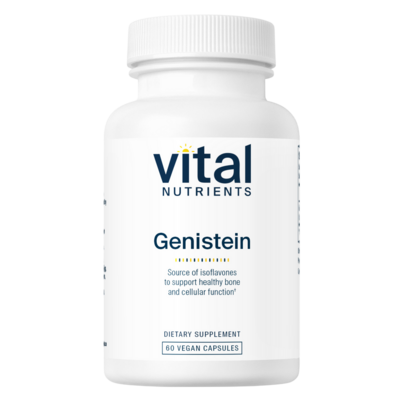
 2 more items in Menopause Support
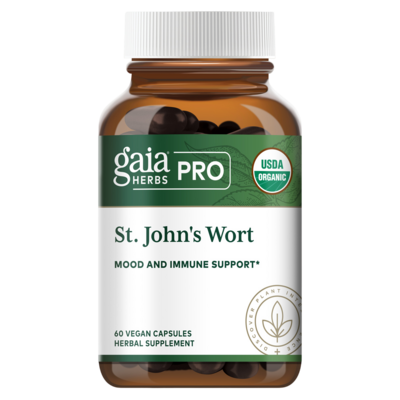
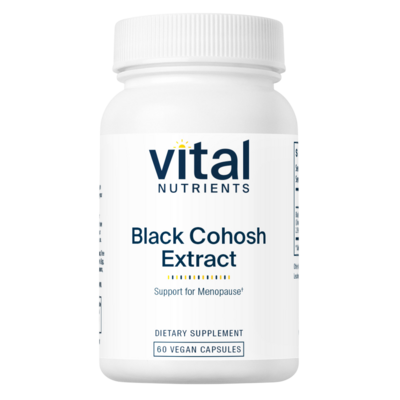
Overview Approximately 50.3% to 82.1% of women going through menopause experience hot flashes and night sweats. ( 21 ) To help manage symptoms, 40-50% of women rely on the use of complementary therapies such as plant-based supplements. ( 8 ) Plant compounds called phytoestrogens have been found to have similar structures and functions when compared to the hormones within humans. ( 1 ) Estradiol is an estrogen steroid hormone that naturally drops throughout a woman’s life cycle. Decreases in estradiol levels create vasomotor instability, which contributes to hot flashes. Utilizing plant compounds is theorized to help compensate for the estradiol drops through a woman’s life cycle. ( 1 ) Lower rates of postmenopausal symptoms have been observed in Asian women. This is thought to be due to the high dietary intake of soybeans, which contain isoflavones. Isoflavones are thought to work as a phytoestrogen and have a high binding affinity to estrogen beta receptors. ( 5 ) This sheds light on the mechanism behind how phytoestrogens are able to reduce hot flash frequency and vaginal dryness scores. ( 8 ) Based on the current research findings, the ingredients in the protocol below have demonstrated efficacy in improving hot flashes associated with menopause. Isoflavones Isoflavones 40-80 mg, total isoflavones per day (dosing varies based on isoflavone), minimum 12 weeks ( 5 )( 7 )( 14 )( 15 )( 19 ) A meta-analysis of 17 trials found reduced frequency (20.6%) and severity (26.2%) of hot flashes when compared to placebo; further analysis found isoflavones with 18.8 mg of genistein were twice as effective for reducing frequency of hot flashes ( 18 ) Daidzein-rich isoflavone supplementation in doses of 40 mg and 60 mg improved frequency of hot flashes by 43% and 41% after 8 weeks, and 52% and 51% after 12 weeks, respectively, when compared to 32% and 39% with placebo, without any alteration of endogenous sex hormones or thyroid hormones ( 14 ) For acute menopausal symptoms, 60 mg of isoflavones for six weeks decreased hot flashes by 57% and night sweats by 43%, with no other changes in serum levels of lipoproteins, estradiol, and follicular stimulating hormones when compared to that of placebo ( 5 ) Mean number of hot flushes decreased by 36.2% and 41.2 % in treatment group compared to 24.0% and 29.3% with placebo at week 6 and 12, respectively ( 7 ) Red clover isoflavones decreased Kupperman Index score at three months and number of hot flushes at one month compared to that of placebo, with no effects on cardiovascular risk markers ( 15 ) Hot flush frequency decreased in a pooled mean analysis when compared to that of placebo while having no statistically significant reported side effects ( 4 ) St. John's wort St. John’s wort ( Hypericum perforatum) 900 mg, three times per day, minimum of 12 weeks ( 2 )( 1 ) or as directed ( 6 ) Women aged 40 to 65 with 3 or more hot flashes per day experienced better quality of life as shown by improvements in baseline questionnaire after 3 months of supplementation ( 2 ) Supplementation produced a significant decrease in Kupperman Index scores as demonstrated by a decrease in the frequency and intensity of hot flashes when compared to that of placebo ( 6 ) Peri- and post-menopausal women receiving SJW extract experienced decreased duration, frequency, and severity of hot flashes compared to placebo, as measured by the Blatt-Kupperman index for climacteric symptoms ( 1 ) Black cohosh Black cohosh ( Actaea racemosa) 100 mg, once per day, 12 weeks ( 10 )( 9 ) Menopausal vasomotor symptoms reduced by 26% in pooled analysis ( 17 ) All three treatment groups (black cohosh, estradiol valerate/progesterone, and estradiol valerate/medroxyprogesterone acetate) experienced decreased Kupperman menopause scores after 3 months; the black cohosh group experienced the lowest incidence of breast tenderness at 12.9% (vs. 36.7% and 14.3%, respectively) and vaginal bleeding at 6.5% (vs. 26.7% and 82.1%, respectively) ( 20 ) In a trial of 122 menopausal women lasting 12 weeks, women with an initial Kupperman Index equal or greater than 20 experienced a 47% reduction in scores from a dried ethanolic extract group, compared to 21% in the placebo group ( 9 ) In a trial of 120 menopausal women lasting 6 months, both the black cohosh and fluoxetine treatment groups experienced significantly decreased Kupperman Index and Beck’s depression scale scores; however, monthly scores for hot flushes and night sweats decreased by 85% in the black cohosh group, compared to 62% in the fluoxetine group ( 16 ) Rhubarb extract Rhubarb extract – ERr 731 4 mg, once per day, 12 weeks ( 13 )( 12 )( 11 ) Menopause Rating Scale (MRS) decreased overall as shown by a decrease in number and severity of hot flushes in treatment group when compared to placebo ( 13 ) Total score for MRS II decreased as shown by decrease in severity of hot flushes, and increase of menopause-specific quality of life; no adverse effects were found as shown by a lack of findings through endometrial biopsies, bleeding, weight changing, blood pressure and heart rate ( 12 ) Number of hot flushes experienced averaged less than 1.4 per day with long-term use (48 weeks) of ERr 731 with no clinically significant adverse events ( 11 ) Vitamin E Vitamin E 400-800 IU, total per day, minimum 4 weeks ( 21 )( 3 ) Severity score and frequency of hot flashes was significantly decreased when compared to placebo ( 21 ) Reduced frequency of hot flashes by one per day compared to placebo following crossover analysis ( 3 ) Evidence rating The following protocols were developed using only a,b,c -quality evidence Learn more about our rating scale References Abdali, K., Khajehei, M., & Tabatabaee, H. R. (2010). Effect of St John’s wort on severity, frequency, and duration of hot flashes in premenopausal, perimenopausal and postmenopausal women: a randomized, double-blind, placebo-controlled study. Menopause , 17 (2), 326–331. https://pubmed.ncbi.nlm.nih.gov/20216274 (B) Al-Akoum, M., Maunsell, E., Verreault, R., Provencher, L., Otis, H., & Dodin, S. (2009). Effects of Hypericum perforatum (St. John’s wort) on hot flashes and quality of life in perimenopausal women: a randomized pilot trial. Menopause , 16 (2), 307–314. https://pubmed.ncbi.nlm.nih.gov/19194342/ (C) Barton, D. L., Loprinzi, C. L., Quella, S. K., Sloan, J. A., Veeder, M. H., Egner, J. R., Fidler, P., Stella, P. J., Swan, D. K., Vaught, N. L., & Novotny, P. (1998). Prospective evaluation of vitamin E for hot flashes in breast cancer survivors. Journal of Clinical Oncology: Official Journal of the American Society of Clinical Oncology , 16 (2), 495–500. https://pubmed.ncbi.nlm.nih.gov/9469333/ (C) Chen, M.-N., Lin, C.-C., & Liu, C.-F. (2015). Efficacy of phytoestrogens for menopausal symptoms: a meta-analysis and systematic review. Climacteric: The Journal of the International Menopause Society , 18 (2), 260–269. https://pubmed.ncbi.nlm.nih.gov/25263312/ (A) Cheng, G., Wilczek, B., Warner, M., Gustafsson, J.-A., & Landgren, B.-M. (2007). Isoflavone treatment for acute menopausal symptoms. Menopause , 14 (3 Pt 1), 468–473. https://pubmed.ncbi.nlm.nih.gov/17290160/ (B) Eatemadnia, A., Ansari, S., Abedi, P., & Najar, S. (2019). The effect of Hypericum perforatum on postmenopausal symptoms and depression: A randomized controlled trial. Complementary Therapies in Medicine , 45 , 109–113. https://pubmed.ncbi.nlm.nih.gov/31331546/ (C) Ferrari, A. (2009). Soy extract phytoestrogens with high dose of isoflavones for menopausal symptoms. The Journal of Obstetrics and Gynaecology Research , 35 (6), 1083–1090. https://pubmed.ncbi.nlm.nih.gov/20025635/ (B) Franco, O. H., Chowdhury, R., Troup, J., Voortman, T., Kunutsor, S., Kavousi, M., Oliver-Williams, C., & Muka, T. (2016). Use of Plant-Based Therapies and Menopausal Symptoms: A Systematic Review and Meta-analysis. JAMA: The Journal of the American Medical Association , 315 (23), 2554–2563 . https://pubmed.ncbi.nlm.nih.gov/27327802/ (A) Frei-Kleiner, S., Schaffner, W., Rahlfs, V. W., Bodmer, C., & Birkhäuser, M. (2005). Cimicifuga racemosa dried ethanolic extract in menopausal disorders: a double-blind placebo-controlled clinical trial. Maturitas , 51 (4), 397–404. https://pubmed.ncbi.nlm.nih.gov/16039414/ (B) Gao, L., Zheng, T., Xue, W., Wang, Y., Deng, Y., Zuo, H., & Sun, A. (2018). Efficacy and safety evaluation of Cimicifuga foetida extract in menopausal women. Climacteric: The Journal of the International Menopause Society , 21 (1), 69–74. https://pubmed.ncbi.nlm.nih.gov/29198157/ (C) Hasper, I., Ventskovskiy, B. M., Rettenberger, R., Heger, P. W., Riley, D. S., & Kaszkin-Bettag, M. (2009). Long-term efficacy and safety of the special extract ERr 731 of Rheum rhaponticum in perimenopausal women with menopausal symptoms. Menopause , 16 (1), 117–131. https://pubmed.ncbi.nlm.nih.gov/18978638/ (C) Heger, M., Ventskovskiy, B. M., Borzenko, I., Kneis, K. C., Rettenberger, R., Kaszkin-Bettag, M., & Heger, P. W. (2006). Efficacy and safety of a special extract of Rheum rhaponticum (ERr 731) in perimenopausal women with climacteric complaints: a 12-week randomized, double-blind, placebo-controlled trial. Menopause , 13 (5), 744–759. https://pubmed.ncbi.nlm.nih.gov/16894335/ (B) Kaszkin-Bettag, M., Ventskovskiy, B. M., Solskyy, S., Beck, S., Hasper, I., Kravchenko, A., Rettenberger, R., Richardson, A., & Heger, P. W. (2009). Confirmation of the efficacy of ERr 731 in perimenopausal women with menopausal symptoms. Alternative Therapies in Health and Medicine , 15 (1), 24–34. https://pubmed.ncbi.nlm.nih.gov/19161045/ (C) Khaodhiar, L., Ricciotti, H. A., Li, L., Pan, W., Schickel, M., Zhou, J., & Blackburn, G. L. (2008). Daidzein-rich isoflavone aglycones are potentially effective in reducing hot flashes in menopausal women. Menopause , 15 (1), 125–132. https://pubmed.ncbi.nlm.nih.gov/18257146/ (B) Mainini, G., Torella, M., Di Donna, M. C., Esposito, E., Ercolano, S., Correa, R., Cucinella, G., Stradella, L., Luisi, A., Basso, A., Cerreto, F. V., Cicatiello, R., Matteo, M., & De Franciscis, P. (2013). Nonhormonal management of postmenopausal women: effects of a red clover based isoflavones supplementation on climacteric syndrome and cardiovascular risk serum profile. Clinical and Experimental Obstetrics & Gynecology , 40 (3), 337–341. https://pubmed.ncbi.nlm.nih.gov/24283160/ (C) Oktem, M., Eroglu, D., Karahan, H. B., Taskintuna, N., Kuscu, E., & Zeyneloglu, H. B. (2007). Black cohosh and fluoxetine in the treatment of postmenopausal symptoms: a prospective, randomized trial. Advances in Therapy , 24 (2), 448–461. https://pubmed.ncbi.nlm.nih.gov/17565936/ (C) Shams, T., Setia, M. S., Hemmings, R., McCusker, J., Sewitch, M., & Ciampi, A. (2010). Efficacy of black cohosh-containing preparations on menopausal symptoms: a meta-analysis. Alternative Therapies in Health and Medicine , 16 (1), 36–44. https://pubmed.ncbi.nlm.nih.gov/20085176/ (A) Taku, K., Melby, M. K., Kronenberg, F., Kurzer, M. S., & Messina, M. (2012). Extracted or synthesized soybean isoflavones reduce menopausal hot flash frequency and severity: systematic review and meta-analysis of randomized controlled trials. Menopause , 19 (7), 776–790. https://pubmed.ncbi.nlm.nih.gov/22433977/ (A) Van de Weijer, P. H. M., & Barentsen, R. (2002). Isoflavones from red clover (Promensil) significantly reduce menopausal hot flush symptoms compared with placebo. Maturitas , 42 (3), 187–193. https://pubmed.ncbi.nlm.nih.gov/12161042/ (C) Zheng, T.-P., Sun, A.-J., Xue, W., Wang, Y.-P., Jiang, Y., Zhang, Y., & Lang, J.-H. (2013). Efficacy and safety of Cimicifuga foetida extract on menopausal syndrome in Chinese women. Chinese Medical Journal , 126 (11), 2034–2038. https://pubmed.ncbi.nlm.nih.gov/23769553/ (C) Ziaei, S., Kazemnejad, A., & Zareai, M. (2007). The effect of vitamin E on hot flashes in menopausal women. Gynecologic and Obstetric Investigation , 64 (4), 204–207. https://pubmed.ncbi.nlm.nih.gov/17664882/ (B) Disclaimer: Protocols are intended solely as an informational reference tool for practicing health care professionals. The content provided is not intended to be for medical diagnosis or treatment, is not a substitute for your professional judgment, and is not meant to provide you medical or professional advice. You should evaluate and independently confirm the appropriateness of the content provided, including verifying uses, dosages, warnings and contraindications on product labels, and rely on your experience and judgment and other available resources when applying the provided content to an actual patient care situation. While content has been obtained from sources believed to be reliable, we cannot and do not guarantee the accuracy, validity, timeliness or completeness of the content. We make no representation or warranty, express or implied, including, without limitation, any warranty of merchantability or of fitness for a particular purpose, and you assume full responsibility for the use of the content and products, and agree that Fullscript and its content providers are not responsible or liable for any claim, loss, injury or damage arising from your use of the information. Statements regarding dietary and other health care supplements have not been evaluated by the FDA, and are not intended to diagnose, treat, cure, or prevent any disease.
Ovarian Health
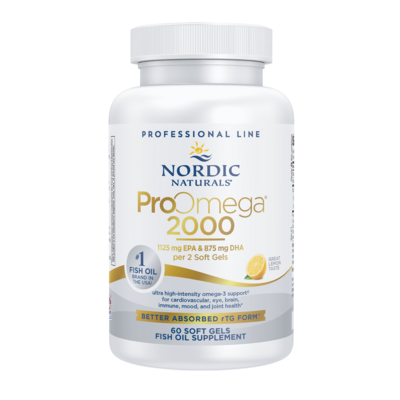 5 more items in Ovarian Health
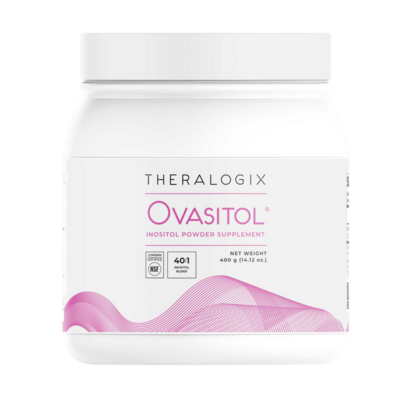
Overview Optimal ovarian wellness may include management of reproductive hormonal or endocrine disorders such as polycystic ovarian syndrome (PCOS), which is reported to affect approximately 6% to 10% of women. ( 3 ) PCOS affects multiple systems, causing problems with reproductive, metabolic, and psychological factors. Reproductive issues such as infertility, adverse pregnancy outcomes, and endometrial cancer are all possibilities. Metabolic factors and possible comorbidities include obesity, type 2 diabetes mellitus, insulin resistance, and metabolic syndrome. ( 11 ) Due to the system-wide nature of PCOS, the intervention targets need to have a similar approach. Common therapies such as pharmaceutical hormone regulation are used in many PCOS patients, as well as metformin for the metabolic aspects. The protocol presented below aims to address different aspects of the root causes for women suffering from PCOS. Inositol 1-2 g inositol (myo-inositol and d-chiro-inositol), minimum 3 months ( 6 )( 19 )( 21 ) In a meta-analysis, myoinositol was found to improve the homeostatic model assessment (HOMA) of insulin resistance and increase estradiol ( 27 ) Women with PCOS given 1200 mg of d-chiro-inositol twice daily experienced improved insulin sensitivity as measured by oral glucose tolerance test ( 4 ) When comparing 6 months of supplementation with 4g of myo-inositol(MI) or 1g of d-chiro-inositol(DCI), both therapies improved ovarian and metabolic functions; however, myoinositol was superior for metabolic function and di-chiro-inositol was superior in decreasing hyperandrogenism ( 21 ) Patients given 2g of inositol twice per day for 3 months at a variety of myo-inositol (MI) to d-chiro-inositol (DCI) ratios, it was found that the 40:1 MI/DCI ratio was ideal for restoring and normalizing ovulation in PCOS patients ( 19 ) Women with PCOS undergoing IVF-ET demonstrated higher pregnancy rates and improved quality of oocytes and embryos when treated with the combination therapy of 1.1 g of MI with 27.6 mg of DCI compared to 500 mg of DCI only ( 6 ) When comparing MI with DCI versus MI alone for 6 months of treatment, both groups had pronounced improvements; however combined MI and DCI was more effective after 3 months of treatment ( 20 ) Omega-3 with Vitamin E 1000 mg of omega-3 with 400 IU vitamin E ( 8 )( 22 ) Insulin resistance decreased as shown by improvements in homeostasis model of insulin resistance (HOMA), decreased insulin, and increased quantitative insulin sensitivity check index; additionally, total and free testosterone improved compared to placebo when given 1000 mg omega-3 fatty acids from flaxseed oil containing 400 mg α-Linolenic acid and 400 IU vitamin E supplements ( 8 ) Obese and/or overweight women with PCOS demonstrated increased total antioxidant capacity, catalase activity, and glutathione levels as well as decreased malondialdehyde concentration compared to placebo when given 2 g of omega-3 with 400 IU of vitamin E ( 23 ) Gene expression, lipid profile, and oxidative stress all improved as shown by downregulated expressed levels of Lp(a) mRNA and Ox-LDL mRNA in peripheral blood mononuclear cells, decreased serum triglycerides, VLDL, total, LDL, and total/HDL, and increased plasma total antioxidant capacity, decreased malondialdehyde levels compared to placebo when supplemented for 12 weeks ( 22 ) PCOS patients improved gene expression as shown by upregulated peroxisome proliferator-activated receptor gamma (PPAR-γ) and mRNA in peripheral blood mononuclear cells and downregulated expressed levels of oxidized low-density lipoprotein receptor (LDLR) mRNA in peripheral blood mononuclear cells compared to placebo when given 1000 mg omega-3 fatty acids from flaxseed oil containing 400 mg α-linolenic acid for 12 weeks ( 18 ) Systematic review and meta-analysis of 9 trials found omega-3 fatty acids may improve insulin resistance in patients with PCOS ( 26 ) Vitamin D 50,000 IU once per week, or once every other week, for a minimum of 8 weeks ( 7 )( 24 ) or 1000 IU per day for a minimum of 12 weeks ( 14 ) When given 50,000 IU once per week, insulin sensitivity improved in IVF candidates with PCOS as demonstrated by decreased insulin and HOMA for insulin resistance (HOMA-IR) compared to placebo; additionally, a decrease in serum anti-Müllerian hormone (AMH) was observed ( 7 ) In a systematic review of 11 studies, it was found that continuous supplementation of vitamin D up to 4000 IU per day was associated with improved insulin sensitivity and HOMA-IR ( 16 ) When comparing vitamin D, placebo, or metformin in the treatment of PCOS, a systematic review and meta-analysis of 9 studies found both metformin and vitamin D individually improved follicular development, while metformin with vitamin D had more pronounced improvements on menstrual cycle regulation ( 9 ) PCOS patients deficient in vitamin D (as defined by a plasma 25-OH vitamin D <20 ng/mL) had decreased fasting plasma glucose and increased HOMA for B-cell function, adiponectin, and serum vitamin D when supplemented 50,000 IU once per week for 8 weeks compared to placebo ( 24 ) When comparing doses of 4,000 IU per day, 1000 IU per day, or placebo, high dose vitamin D had the most pronounced decreases in total testosterone, free androgen index (FAI), hirsutism, and high-sensitivity CRP, and elevations of sex hormone-binding globulin (SHBG) and total antioxidant capacity in insulin-resistant PCOS patients ( 14 ) Berberine 500 mg per day, for a minimum of 3 months ( 5 ) Infertile women with PCOS undergoing IVF experienced decreased total testosterone, free androgen index, fasting glucose, fasting insulin and HOMA-IR, BMI, lipid parameters and total FSH requirement, and an increase in live birth rate and SHBG when given berberine or metformin in comparison to placebo; additionally fewer gastrointestinal adverse events were observed in the berberine group and was superior for live birth weight, lipid parameters, and total FSH compared to metformin ( 1 ) Berberine with cyproterone acetate lead to decreases in the waist circumference and waist-to-hip ratio, total cholesterol (TC), triglycerides (TG), and low-density lipoprotein cholesterol, as well as increase in high-density lipoprotein cholesterol (HDLC) and sex hormone-binding globulin in women with PCOS and insulin resistance compared to metformin and cyproterone acetate group and placebo group ( 25 ) In a meta-analysis and systematic review of 9 randomized controlled trials, berberine was found to be comparable to metformin as demonstrated by no significant differences found between them in alleviating insulin resistance, improving glycolipid metabolism or reproductive endocrine condition ( 17 ) Lipid metabolism improved as shown by improved BMI, HOMA index, FPG, LDL-C, HDL-C, TG, hsCRP in women with and without PCOS who had oral contraceptive induced hypercholesterolemia ( 5 ) Chromium Picolinate 200 µg, per day, minimum 8 weeks ( 12 )( 13 ) Improved glycemic control as demonstrated by significant reductions in fasting plasma glucose, insulin levels, homeostatic model of assessment for insulin resistance, and a significant increase in quantitative insulin sensitivity check index; improved cardio-metabolic risk demonstrated by decreased serum triglycerides, VLDL and total cholesterol concentrations ( 15 ) A systematic review and meta-analysis of 7 randomized controlled trials found overall reductions in BMI, fasting insulin, and free testosterone concentration ( 10 ) When given 1000 μg CrP for 6 months, PCOS patients experienced decreased BMI and FSI, as well as increased chance of ovulation and regular menstruation after five months of treatment compared to placebo ( 2 ) Improved metabolic profile as demonstrated by decreased serum insulin levels, HOMA-IR, HOMA-B (beta cell function) and increase in quantitative insulin sensitivity check index (QUICKI) score compared to placebo ( 12 ) Improved pregnancy rate by 16.7% compared to 3.3% in placebo, decreased prevalence of acne by 20.0 compared to 3.3% in placebo; additionally, chromium improved oxidative stress as shown by increased total antioxidant capacity and decreased hirsutism, serum hsCRP, plasma MDA (malondialdehyde) ( 13 ) Evidence rating The following protocols were developed using only a,b,c -quality evidence Learn more about our rating scale References An, Y., Sun, Z., Zhang, Y., Liu, B., Guan, Y., & Lu, M. (2014). The use of berberine for women with polycystic ovary syndrome undergoing IVF treatment. Clinical Endocrinology , 80 (3), 425–431. https://pubmed.ncbi.nlm.nih.gov/23869585/ (C) Ashoush, S., Abou-Gamrah, A., Bayoumy, H., & Othman, N. (2016). Chromium picolinate reduces insulin resistance in polycystic ovary syndrome: Randomized controlled trial. The Journal of Obstetrics and Gynaecology Research , 42 (3), 279–285. https://pubmed.ncbi.nlm.nih.gov/26663540/ (B) Bozdag, G., Mumusoglu, S., Zengin, D., Karabulut, E., & Yildiz, B. O. (2016). The prevalence and phenotypic features of polycystic ovary syndrome: a systematic review and meta-analysis. Human Reproduction , 31 (12), 2841–2855. https://pubmed.ncbi.nlm.nih.gov/27664216/ (A) Cheang, K. I., Baillargeon, J.-P., Essah, P. A., Ostlund, R. E., Jr, Apridonize, T., Islam, L., & Nestler, J. E. (2008). Insulin-stimulated release of D-chiro-inositol-containing inositolphosphoglycan mediator correlates with insulin sensitivity in women with polycystic ovary syndrome. Metabolism: Clinical and Experimental , 57 (10), 1390–1397. https://pubmed.ncbi.nlm.nih.gov/18803944/ (C) Cicero, A. F. G., Reggi, A., Parini, A., Morbini, M., Rosticci, M., Grandi, E., & Borghi, C. (2014). Berberine and monacolin effects on the cardiovascular risk profile of women with oestroprogestin-induced hypercholesterolemia. High Blood Pressure & Cardiovascular Prevention: The Official Journal of the Italian Society of Hypertension , 21 (3), 221–226. https://pubmed.ncbi.nlm.nih.gov/24728953/ (C) Colazingari, S., Treglia, M., Najjar, R., & Bevilacqua, A. (2013). The combined therapy myo-inositol plus D-chiro-inositol, rather than D-chiro-inositol, is able to improve IVF outcomes: results from a randomized controlled trial. Archives of Gynecology and Obstetrics , 288 (6), 1405–1411. https://pubmed.ncbi.nlm.nih.gov/23708322/ (C) Dastorani, M., Aghadavod, E., Mirhosseini, N., Foroozanfard, F., Zadeh Modarres, S., Amiri Siavashani, M., & Asemi, Z. (2018). The effects of vitamin D supplementation on metabolic profiles and gene expression of insulin and lipid metabolism in infertile polycystic ovary syndrome candidates for in vitro fertilization. Reproductive Biology and Endocrinology: RB&E , 16 (1), 94. https://pubmed.ncbi.nlm.nih.gov/30286768/ (C) Ebrahimi, F. A., Samimi, M., Foroozanfard, F., Jamilian, M., Akbari, H., Rahmani, E., Ahmadi, S., Taghizadeh, M., Memarzadeh, M. R., & Asemi, Z. (2017). The Effects of Omega-3 Fatty Acids and Vitamin E Co-Supplementation on Indices of Insulin Resistance and Hormonal Parameters in Patients with Polycystic Ovary Syndrome: A Randomized, Double-Blind, Placebo-Controlled Trial. Experimental and Clinical Endocrinology & Diabetes: Official Journal, German Society of Endocrinology [and] German Diabetes Association , 125 (6), 353–359. https://pubmed.ncbi.nlm.nih.gov/28407657/ (B) Fang, F., Ni, K., Cai, Y., Shang, J., Zhang, X., & Xiong, C. (2017). Effect of vitamin D supplementation on polycystic ovary syndrome: A systematic review and meta-analysis of randomized controlled trials. Complementary Therapies in Clinical Practice , 26 , 53–60. https://pubmed.ncbi.nlm.nih.gov/28107851/ (A) Fazelian, S., Rouhani, M. H., Bank, S. S., & Amani, R. (2017). Chromium supplementation and polycystic ovary syndrome: A systematic review and meta-analysis. Journal of Trace Elements in Medicine and Biology: Organ of the Society for Minerals and Trace Elements , 42 , 92–96. https://pubmed.ncbi.nlm.nih.gov/28595797/ (A) Gilbert, E. W., Tay, C. T., Hiam, D. S., Teede, H. J., & Moran, L. J. (2018). Comorbidities and complications of polycystic ovary syndrome: An overview of systematic reviews. Clinical Endocrinology , 89 (6), 683–699. https://pubmed.ncbi.nlm.nih.gov/30099747/ (A) Jamilian, M., & Asemi, Z. (2015). Chromium Supplementation and the Effects on Metabolic Status in Women with Polycystic Ovary Syndrome: A Randomized, Double-Blind, Placebo-Controlled Trial. Annals of Nutrition & Metabolism , 67 (1), 42–48. https://pubmed.ncbi.nlm.nih.gov/26279073/ (B) Jamilian, M., Bahmani, F., Siavashani, M. A., Mazloomi, M., Asemi, Z., & Esmaillzadeh, A. (2016). The Effects of Chromium Supplementation on Endocrine Profiles, Biomarkers of Inflammation, and Oxidative Stress in Women with Polycystic Ovary Syndrome: a Randomized, Double-Blind, Placebo-Controlled Trial. Biological Trace Element Research , 172 (1), 72–78. https://pubmed.ncbi.nlm.nih.gov/26613790/ (B) Jamilian, M., Foroozanfard, F., Rahmani, E., Talebi, M., Bahmani, F., & Asemi, Z. (2017). Effect of Two Different Doses of Vitamin D Supplementation on Metabolic Profiles of Insulin-Resistant Patients with Polycystic Ovary Syndrome. Nutrients , 9 (12). https://pubmed.ncbi.nlm.nih.gov/29186759/ (B) Jamilian, M., Zadeh Modarres, S., Amiri Siavashani, M., Karimi, M., Mafi, A., Ostadmohammadi, V., & Asemi, Z. (2018). The Influences of Chromium Supplementation on Glycemic Control, Markers of Cardio-Metabolic Risk, and Oxidative Stress in Infertile Polycystic ovary Syndrome Women Candidate for In vitro Fertilization: a Randomized, Double-Blind, Placebo-Controlled Trial. Biological Trace Element Research , 185 (1), 48–55. https://pubmed.ncbi.nlm.nih.gov/29307112/ (C) Łagowska, K., Bajerska, J., & Jamka, M. (2018). The Role of Vitamin D Oral Supplementation in Insulin Resistance in Women with Polycystic Ovary Syndrome: A Systematic Review and Meta-Analysis of Randomized Controlled Trials. Nutrients , 10 (11). https://pubmed.ncbi.nlm.nih.gov/30400199/ (A) Li, M.-F., Zhou, X.-M., & Li, X.-L. (2018). The Effect of Berberine on Polycystic Ovary Syndrome Patients with Insulin Resistance (PCOS-IR): A Meta-Analysis and Systematic Review. Evidence-Based Complementary and Alternative Medicine: eCAM , 2018 , 2532935. https://pubmed.ncbi.nlm.nih.gov/30538756/ (A) Nasri, K., Hantoushzadeh, S., Aghadavod, E., Taghizadeh, M., & Asemi, Z. (2017). The Effects of Omega-3 Fatty Acids Supplementation on Gene Expression Involved in the Insulin and Lipid Signaling Pathway in Patients with Polycystic Ovary Syndrome. Hormone and Metabolic Research = Hormon- Und Stoffwechselforschung = Hormones et Metabolisme , 49 (6), 446–451. https://pubmed.ncbi.nlm.nih.gov/28235206/ (B) Nordio, M., Basciani, S., & Camajani, E. (2019). The 40:1 myo-inositol/D-chiro-inositol plasma ratio is able to restore ovulation in PCOS patients: comparison with other ratios. European Review for Medical and Pharmacological Sciences , 23 (12), 5512–5521. https://pubmed.ncbi.nlm.nih.gov/31298405/ (C) Nordio, M., & Proietti, E. (2012). The combined therapy with myo-inositol and D-chiro-inositol reduces the risk of metabolic disease in PCOS overweight patients compared to myo-inositol supplementation alone. European Review for Medical and Pharmacological Sciences , 16 (5), 575–581. https://pubmed.ncbi.nlm.nih.gov/22774396/ (C) Pizzo, A., Laganà, A. S., & Barbaro, L. (2014). Comparison between effects of myo-inositol and D-chiro-inositol on ovarian function and metabolic factors in women with PCOS. Gynecological Endocrinology: The Official Journal of the International Society of Gynecological Endocrinology , 30 (3), 205–208. https://pubmed.ncbi.nlm.nih.gov/24351072/ (C) Rahmani, E., Samimi, M., Ebrahimi, F. A., Foroozanfard, F., Ahmadi, S., Rahimi, M., Jamilian, M., Aghadavod, E., Bahmani, F., Taghizadeh, M., Memarzadeh, M. R., & Asemi, Z. (2017). The effects of omega-3 fatty acids and vitamin E co-supplementation on gene expression of lipoprotein(a) and oxidized low-density lipoprotein, lipid profiles and biomarkers of oxidative stress in patients with polycystic ovary syndrome. Molecular and Cellular Endocrinology , 439 , 247–255. https://pubmed.ncbi.nlm.nih.gov/27619403/ (B) Sadeghi, F., Alavi-Naeini, A., Mardanian, F., Ghazvini, M. R., & Mahaki, B. (2020). Omega-3 and vitamin E co-supplementation can improve antioxidant markers in obese/overweight women with polycystic ovary syndrome. International Journal for Vitamin and Nutrition Research. Internationale Zeitschrift Fur Vitamin- Und Ernahrungsforschung. Journal International de Vitaminologie et de Nutrition , 90 (5-6), 477–483. https://pubmed.ncbi.nlm.nih.gov/30961460/ (C) Seyyed Abootorabi, M., Ayremlou, P., Behroozi-Lak, T., & Nourisaeidlou, S. (2018). The effect of vitamin D supplementation on insulin resistance, visceral fat and adiponectin in vitamin D deficient women with polycystic ovary syndrome: a randomized placebo-controlled trial. Gynecological Endocrinology: The Official Journal of the International Society of Gynecological Endocrinology , 34 (6), 489–494. https://pubmed.ncbi.nlm.nih.gov/29271278/ (C) Wei, W., Zhao, H., Wang, A., Sui, M., Liang, K., Deng, H., Ma, Y., Zhang, Y., Zhang, H., & Guan, Y. (2012). A clinical study on the short-term effect of berberine in comparison to metformin on the metabolic characteristics of women with polycystic ovary syndrome. European Journal of Endocrinology / European Federation of Endocrine Societies , 166 (1), 99–105. https://pubmed.ncbi.nlm.nih.gov/22019891/ (C) Yang, K., Zeng, L., Bao, T., & Ge, J. (2018). Effectiveness of Omega-3 fatty acid for polycystic ovary syndrome: a systematic review and meta-analysis. Reproductive Biology and Endocrinology: RB&E , 16 (1), 27. https://pubmed.ncbi.nlm.nih.gov/29580250/ (A) Zeng, L., & Yang, K. (2018). Effectiveness of myoinositol for polycystic ovary syndrome: a systematic review and meta-analysis. Endocrine , 59 (1), 30–38. https://pubmed.ncbi.nlm.nih.gov/29052180/ (A)
Mold Protocol
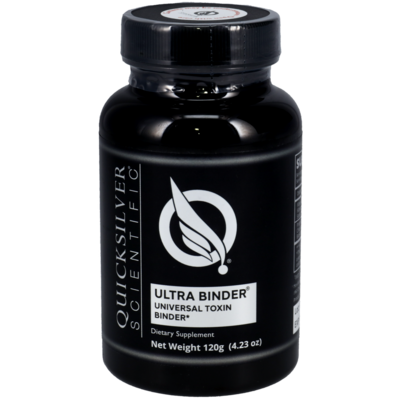
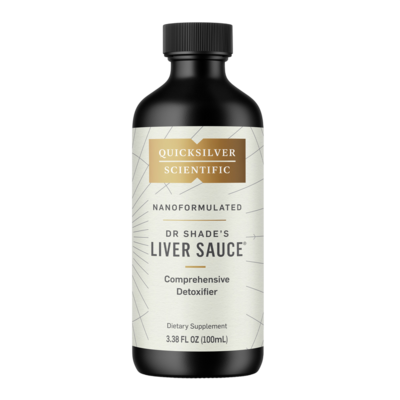
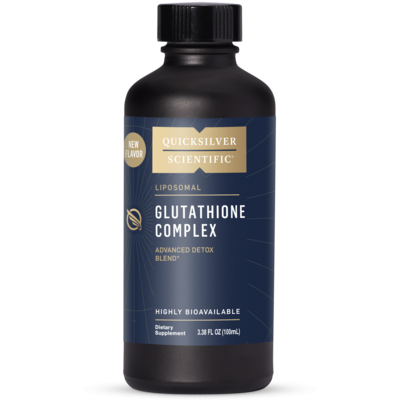 4 more items in Mold Protocol
Quicksilver Scientific + Dr. Jill Carnahan's 30-day protocol designed to address mold exposure. This protocol supports all 3 phases of detoxification, energy production, and electrolyte balance.
Cholesterol
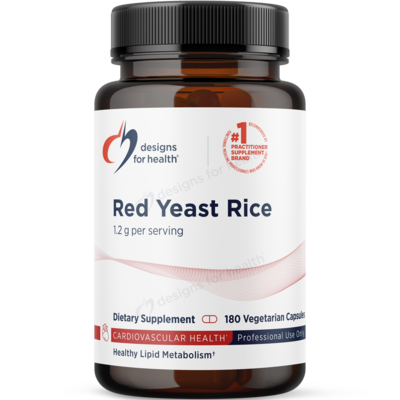
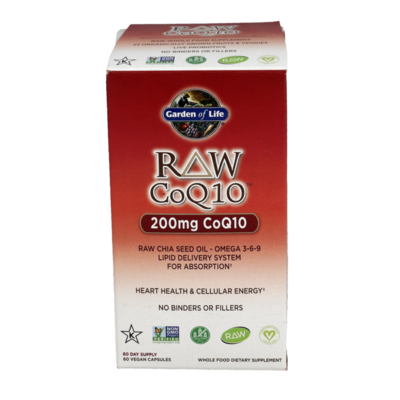 2 more items in Cholesterol
Overview High cholesterol is one of the key markers when evaluating risk of cardiovascular disease, stroke, and related problems. According to the National Health and Nutrition Examination Survey (NHANES), in 2015-2016, 12.5% of adults had high total cholesterol, with men having a higher rate of prevalence. In conjunction, 18% of adults had low high-density lipoprotein (HDL) cholesterol. ( 14 ) Achieving a healthy cholesterol serum level has a valuable impact on decreasing risk for these events, and every bit helps. A decrease of 1 mmol/L in total cholesterol correlates with lower ischemic heart disease mortality. ( 15 ) Problems with blood pressure amplify the risks found with dyslipidemia, and were found to proportionally impact risk reduction when lowering cholesterol. ( 15 ) Based on current research findings presented below, the ingredients in this protocol have demonstrated efficacy in improving cholesterol profile and potentially cardiovascular outcomes. Red yeast rice ( Monascus purpureus) 1200-2400 mg, once per day, minimum 8 to 12 weeks ( 10 ) Patients with dyslipidemia who were unable to continue statin use due to myalgia experienced decreased low-density lipoprotein (LDL) cholesterol by 43 mg/dL (1.11 mmol/L) at 12 weeks, and 0.90 mmol/L at 24 weeks, when taking 1800 mg twice daily, compared to baseline and placebo ( 1 ) A meta-analysis showed weighted mean difference in total cholesterol levels decreased by 0.91 mmol/L, triglycerides by 0.41 mmol/L, and LDL cholesterol by 0.73 mmol/L as well as increased high-density lipoprotein (HDL) by 0.15 mmol/L ( 10 ) Monocolin K-rich red yeast rice was found to be more effective in lowering total cholesterol and LDL cholesterol when compared to GABA-rich red yeast rice in patients with hyperlipidemia ( 24 ) A meta-analysis showed that in a number of small trials, red yeast rice was found to have similar effects to statins in ability to improve cholesterol profile ( 12 ) Coenzyme Q10 (CoQ10) 200 mg, once per day, minimum 3 months ( 23 ) Systematic review and meta-analysis of seven trials found supplementation effective in reducing triglyceride levels observed with consistent supplementation ( 20 ) Meta-analysis of eight trials found total cholesterol decrease of 1.07 (standardized mean difference) and HDL increased by 1.30 (standardized mean difference) in patients with coronary artery disease ( 6 ) Patients with dyslipidemia supplemented with 120 mg of CoQ10 for 24 weeks experienced a decrease in blood pressure, serum triglyceride, and LDL cholesterol; as well as an increase in total antioxidant diastolic blood pressure, and ApoA-I, demonstrating in an overall decrease in cardiovascular disease risk factors, when 120 mg per day ( 26 ) After supplementing with 200 mg for 1 week, an increase in serum CoQ10 correlated with improved HDL cholesterol as well as inhibition of monocyte-derived macrophage foam cell formation, suggesting overall improvement in cardiovascular health ( 25 ) Omega-3 fatty acids 2-4 g, total per day, minimum 3 months (Dose varies greatly based on EPA/DHA content) ( 23 )( 5 )( 9 ) By reducing VLDL, both EPA, and DHA when administered independently resulted in reduced fasting circulating triglyceride levels ( 13 ) Systematic review of six studies found supplementation of EPA or DHA greater than 2 g per day (with greater than or equal to 90% purity) was found to have a triglyceride concentration lowering effect, with DHA having a more significant impact at decreasing triglyceride concentration ( 5 ) Systematic review and meta-analysis found when given omega-3 fatty acids during statin therapy, an improvement in decreasing total cholesterol was demonstrated ( 2 ) Fasting serum triglyceride decreased by 25.9%, 25.5%, and 30.9% in groups supplemented with 2, 3, and 4 grams of omega-3 fatty acids respectively in patients with severe hypertriglyceridemia ( 8 ) When given in addition to rosuvastatin, 4 g per day of omega 3 fatty acids decreased triglyceride levels by 26.3% (11.4% in placebo) and non-HDL-C by 10.7% (2.2% in placebo), with combined supplementation showing the greatest impact in patients with residual hypertriglyceridemia ( 9 ) Garlic (Allium sativum) 400-600 mg, once per day, minimum 12 weeks ( 22 )( 19 ) Increase in HDL (high-density lipoprotein) in addition to a decrease in alipoprotein B and an increase in the LDL/alipoprotein B ratio was observed after supplementation with 6 g/day aged black garlic for 12 weeks ( 7 ) Supplementation decreased total cholesterol by 11.5%, decreased LDL by 13.8% and increased HDL cholesterol by 11.5% in men aged 35-70 with mild hypocholesterolemiam when given 600 mg per day ( 19 ) Meta-analysis of 14 papers found hyperlipidemia improved as demonstrated by n improvement in total cholesterol ( 21 ) Inflammation decreased as demonstrated by a decrease in arterial stiffness index, high-sensitivity C-reactive protein, LDL cholesterol, and total antioxidant status in obese patients compared to placebo, when given 400 mg per day ( 22 ) A meta-analysis showed that, when use of garlic supplementation was continued for at least 2 months, a decrease in total serum cholesterol by 8% and decreased risk of coronary event by 38% was observed in people 50 years of age ( 17 ) Garlic supplementation in patients with hypertension decreased blood pressure, helped to decrease slightly elevated cholesterol and increase immune function as shown by a decrease in blood pressure, and improvement in blood lipids when treated for a minimum of 2 weeks ( 16 ) L-Carnitine 2 g per day, minimum of 12 weeks ( 4 )( 11 ) Patients with hyperlipidemia demonstrated a decrease in lipoprotein (a) by 19.4% compared to 6.7% in placebo group when supplemented with 2 g per day of L-carnitine for 12 weeks; similar decreases in total cholesterol, LDL, apolipoprotein (b), and triacylglycerols ( 4 ) Decreased oxidation of LDL cholesterol occurred as demonstrated by a decrease in oxidized LDL levels by 15.1 U/L compared to 3.0 U/L in placebo, and LDL cholesterol by 0.45 mmol/L compared to 0.16 mmol/L in placebo in patients with type 2 diabetes when given 2 g per day ( 11 ) Decreases in plasma lipoprotein (a) were observed in hypercholesterolemic patients newly diagnosed with type 2 diabetes when supplemented with 1g twice per day of L-carnitine compared to placebo ( 3 ) 77.8% of patients with elevated Lp(a) experienced a reduction in lipoprotein (a) when supplemented compared to 38.9% in placebo; patients with a higher elevation at baseline experienced more significant decreases in Lp(a) with 2 g per day supplementation ( 18 )
Featured product collections
Discover groups of products curated by Nicole Ritieni's Dispensary.
Allergy Support
2 products
Shop the entire wellness catalog, held to a higher standard
Shop practitioner-grade products, each meeting the same bar for quality through Fullscript's standards.
Powered byVerified
Sourced straight from the brand — no resellers or fakes
Enhanced testing
Select products are tested in-house — get exactly what the label promises
Stored and shipped
From certified facilities, to protect product integrity