
Crane Chiropractic & Applied Kinesiology
Welcome! Through Fullscript, Crane Chiropractic & Applied Kinesiology offers high-quality supplements and wellness products, delivered right to your door. Get started with the recommended products from Crane Chiropractic & Applied Kinesiology, or sign in/up to explore the entire product catalog.
Up to 15% off every order when you sign up*
Shop the highest quality, rigorously tested supplements
Fast and free shipping for orders over $50
*Labs and select products not eligible
Existing account? Log in here
Featured public protocols
Crane Chiropractic & Applied Kinesiology's general recommendations, available to anyone who visits this store.
Cardiovascular Health - Blood Pressure Support
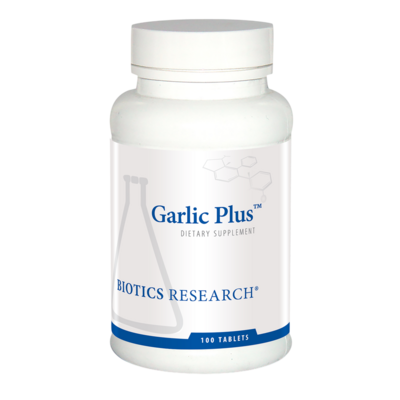
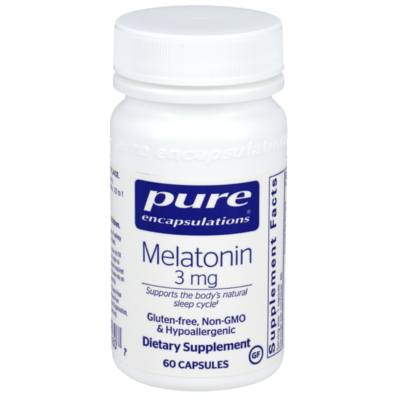
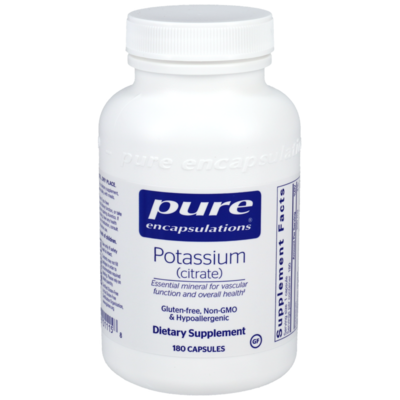
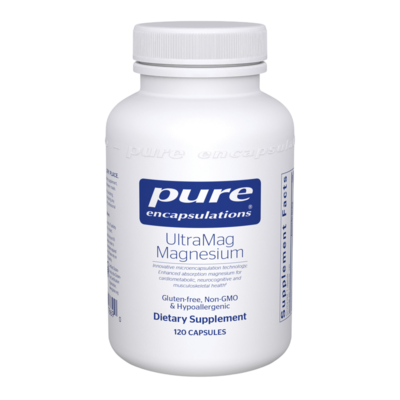
Blood pressure homeostasis is a clear indication of health. Approximately 9 million deaths due to high blood pressure occur each year. ( 16 ) This makes essential hypertension the most prominent disease worldwide. Uncontrolled blood pressure increases the risk for heart-related problems such as stroke, coronary artery disease, and heart failure. When left untreated, high blood pressure may lead to chronic kidney disease, disability, and even death. ( 4 ) Interventions aimed at lowering blood pressure improve comorbidities and outcomes. Patients with uncomplicated grade 1 hypertension experience decreased risk of stroke and death when lowering blood pressure by an average of 3.6 mmHg systolic, and 2.4 mmHg diastolic. ( 23 ) Targeting reductions in blood pressure, as well as underlying mechanisms, is key to an integrative treatment plan. Based on current research findings, the ingredients in this protocol have demonstrated efficacy in improving blood pressure profile. Magnesium 300-450 mg of elemental magnesium, total per day, 1 to 6 months ( 5 )( 26 ) An inverse correlation between levels of circulating magnesium and the incidence of hypertension has been clearly identified ( 12 ) Meta-analysis of three trials (14,876 participants, 6.7 year follow up) found that every 0.1 mmol/L incremental increase in circulating Mg levels was associated with 4% (RR, 0.96; 95% CI: 0.94, 0.99) reduction in hypertension incidence ( 25 ) Patients with insulin resistance, prediabetes, and other chronic noncommunicable diseases supplemented with 365 to 450 mg per day of magnesium had an overall decrease in blood pressure with a mean reduction in systolic by 4.18 mmHg and diastolic by 2.27 mmHg ( 5 ) Supplementation with a median dose of 368 mg per day of magnesium for a median duration of three months increased serum magnesium by 0.05 mmol/L and resulted in decreasing systolic blood pressure by 2.0 mmHg and diastolic blood pressure by 1.78 mmHg ( 26 ) Supplementation with magnesium decrease systolic and diastolic blood pressure by 3-4 mmHg and 2-3 mmHg respectively across trials with a range of 120-973 mg per day supplementation for 3-24 weeks; supplementation with more than 370 mg per day demonstrated an increased effect size ( 14 ) Garlic ( Allium sativum ) 300-960 mg, total per day, minimum 8 to 12 weeks ( 15 )( 18 )( 22 ) Findings across multiple meta-analysis and systematic reviews found supplementation with garlic resulted in a decrease in systolic and diastolic blood pressure ( 19 )( 24 )( 20 ) Analysis found a higher impact for blood pressure lowering effects in subgroups with hypertension than normotensive subjects ( 19 )( 24 )( 20 ) Systolic blood pressure decreased in patients with uncontrolled hypertension after being treated for 12 weeks when compared to placebo; patients with systolic blood pressure more than 140 mmHg experienced more benefits from supplementation ( 18 ) Vitamin C 500 mg total per day, minimum 6 weeks ( 7 )( 10 )( 11 )( 13 ) Supplementation improved blood pressure as shown by an average weighted mean difference for systolic blood pressure decreased by 4.09 and diastolic blood pressure by 2.30 ( 10 ) Risk of cardiovascular disease and stroke decreased as shown by a decrease in systolic blood pressure when supplemented with vitamin C ( 7 ) Supplementation decreased average systolic and diastolic blood pressure with 1-month supplementation, additionally state-trait anxiety inventory and visual analogue mood scale ( 11 ) Pooled analysis found a decrease in systolic blood pressure by 3.84 mmHg and diastolic blood pressure by 1.48 mmHg ( 13 ) Melatonin 2-3 mg, 1-2 hours prior to sleeping, minimum 3 weeks ( 21 )( 9 )( 3 ) Untreated essential hypertension in men demonstrated a decrease in systolic and diastolic blood pressure by 5 mmHg and 4 mmHg respectively when given 2.5 mg of melatonin 1 hour before bed for 3 weeks; this effect was best in patients with essential hypertension ( 21 ) Nocturnal hypertension was decreased with the most effect being seen between 2 am and 5 am in males given 2 mg of controlled-release melatonin 2 hours before bedtime when compared to placebo ( 9 ) Nocturnal blood pressure decreased in women aged 47 to 63 with treated essential hypertension when given 3 mg of slow-release melatonin for 3 weeks 1 hour before bedtime when compared to placebo ( 3 ) Potassium 950-3500 mg (30-90 mmol) total per day, minimum 4 weeks ( 1 )( 2 )( 6 )( 8 ) Intake of at least 90 mmol (3500 mg) per day of potassium correlated with reduction of blood pressure by 4.48 mmHg (systolic) and 2.96 mmHg (diastolic) ( 6 ) Decreased blood pressure in normotensive and hypertensive patients with hypertensive patients having a more significant reduction ( 1 )( 17 ) Elderly patients with untreated hypertension experienced a decrease in supine blood pressure when supplemented with 60 mmol (2346 mg) per day of potassium chloride for 4 weeks ( 8 ) Improvements in blood pressure were observed after 6 weeks of supplementation with potassium; 30 mmol of potassium citrate per day resulted in a decrease in mean blood pressure by 5.22 mmHg, while potassium chloride demonstrated a decrease by 4.70 mmHg ( 2 )
View protocolCardiovascular Health - Cholesterol
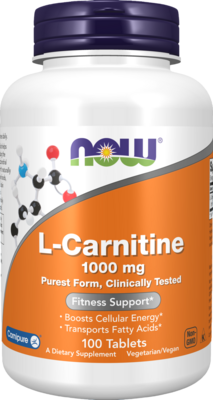
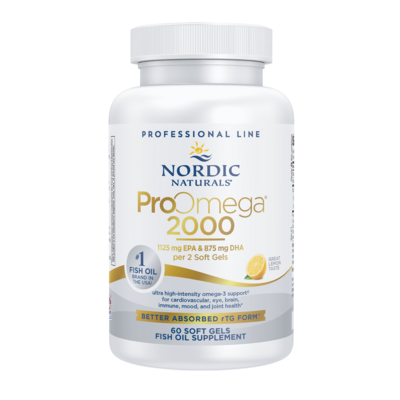 2 more items in Cardiovascular Health - Cholesterol
High cholesterol is one of the key markers when evaluating risk of cardiovascular disease, stroke, and related problems. According to the National Health and Nutrition Examination Survey (NHANES), in 2015-2016, 12.5% of adults had high total cholesterol, with men having a higher rate of prevalence. In conjunction, 18% of adults had low high-density lipoprotein (HDL) cholesterol. ( 14 ) Achieving a healthy cholesterol serum level has a valuable impact on decreasing risk for these events, and every bit helps. A decrease of 1 mmol/L in total cholesterol correlates with lower ischemic heart disease mortality. ( 15 ) Problems with blood pressure amplify the risks found with dyslipidemia, and were found to proportionally impact risk reduction when lowering cholesterol. ( 15 ) Based on current research findings, the ingredients in this protocol have demonstrated efficacy in improving cholesterol profile and potentially cardiovascular outcomes. Red yeast rice ( Monascus purpureus) 1200-2400 mg, once per day, minimum 8 to 12 weeks ( 10 ) Patients with dyslipidemia who were unable to continue statin use due to myalgia experienced decreased low-density lipoprotein (LDL) cholesterol by 43 mg/dL (1.11 mmol/L) at 12 weeks, and 0.90 mmol/L at 24 weeks, when taking 1800 mg twice daily, compared to baseline and placebo ( 1 ) A meta-analysis showed weighted mean difference in total cholesterol levels decreased by 0.91 mmol/L, triglycerides by 0.41 mmol/L, and LDL cholesterol by 0.73 mmol/L as well as increased high-density lipoprotein (HDL) by 0.15 mmol/L ( 10 ) Monacolin K-rich red yeast rice was found to be more effective in lowering total cholesterol and LDL cholesterol when compared to GABA-rich red yeast rice in patients with hyperlipidemia ( 24 ) A meta-analysis showed that in a number of small trials, red yeast rice was found to have similar effects to statins in ability to improve cholesterol profile ( 12 ) Coenzyme Q10 (CoQ10) 200 mg, once per day, minimum 3 months ( 23 ) Systematic review and meta-analysis of seven trials found supplementation effective in reducing triglyceride levels observed with consistent supplementation ( 20 ) Meta-analysis of eight trials found total cholesterol decrease of 1.07 (standardized mean difference) and HDL increased by 1.30 (standardized mean difference) in patients with coronary artery disease ( 6 ) Patients with dyslipidemia supplemented with 120 mg of CoQ10 for 24 weeks experienced a decrease in blood pressure, serum triglyceride, and LDL cholesterol; as well as an increase in total antioxidant diastolic blood pressure, and ApoA-I, demonstrating an overall decrease in cardiovascular disease risk factors, when 120 mg per day ( 26 ) After supplementing with 200 mg for 1 week, an increase in serum CoQ10 correlated with improved HDL cholesterol as well as inhibition of monocyte-derived macrophage foam cell formation, suggesting overall improvement in cardiovascular health ( 25 ) Omega-3 fatty acids 2-4 g, total per day, minimum 3 months (Dose varies greatly based on EPA/DHA content) ( 23 )( 5 )( 9 ) By reducing VLDL, both EPA and DHA, when administered independently, resulted in reduced fasting circulating triglyceride levels ( 13 ) Systematic review of six studies found supplementation of EPA or DHA greater than 2 g per day (with greater than or equal to 90% purity) was found to have a triglyceride concentration lowering effect, with DHA having a more significant impact at decreasing triglyceride concentration ( 5 ) Systematic review and meta-analysis found when given omega-3 fatty acids during statin therapy, an improvement in decreasing total cholesterol was demonstrated ( 2 ) Fasting serum triglyceride decreased by 25.9%, 25.5%, and 30.9% in groups supplemented with 2, 3, and 4 grams of omega-3 fatty acids respectively in patients with severe hypertriglyceridemia ( 8 ) When given in addition to rosuvastatin, 4 g per day of omega-3 fatty acids decreased triglyceride levels by 26.3% (11.4% in placebo) and non-HDL-C by 10.7% (2.2% in placebo), with combined supplementation showing the greatest impact in patients with residual hypertriglyceridemia ( 9 ) Garlic (Allium sativum) 400-600 mg, once per day, minimum 12 weeks ( 22 )( 19 ) Increase in HDL (high-density lipoprotein) in addition to a decrease in apolipoprotein B and an increase in the LDL/apolipoprotein B ratio was observed after supplementation with 6 g/day aged black garlic for 12 weeks ( 7 ) Supplementation decreased total cholesterol by 11.5%, decreased LDL by 13.8% and increased HDL cholesterol by 11.5% in men aged 35-70 with mild hypocholesterolemia when given 600 mg per day ( 19 ) Meta-analysis of 14 papers found hyperlipidemia improved as demonstrated by an improvement in total cholesterol ( 21 ) Inflammation decreased as demonstrated by a decrease in arterial stiffness index, high-sensitivity C-reactive protein, LDL cholesterol, and total antioxidant status in obese patients compared to placebo, when given 400 mg per day ( 22 ) A meta-analysis showed that, when use of garlic supplementation was continued for at least 2 months, a decrease in total serum cholesterol by 8% and decreased risk of coronary event by 38% was observed in people 50 years of age ( 17 ) Garlic supplementation in patients with hypertension decreased blood pressure, helped to decrease slightly elevated cholesterol and increase immune function as shown by a decrease in blood pressure, and improvement in blood lipids when treated for a minimum of 2 weeks ( 16 ) L-Carnitine 2 g per day, minimum of 12 weeks ( 4 )( 11 ) Patients with hyperlipidemia demonstrated a decrease in lipoprotein (a) by 19.4% compared to 6.7% in placebo group when supplemented with 2 g per day of L-carnitine for 12 weeks; similar decreases in total cholesterol, LDL, apolipoprotein (b), and triacylglycerols ( 4 ) Decreased oxidation of LDL cholesterol occurred as demonstrated by a decrease in oxidized LDL levels by 15.1 U/L compared to 3.0 U/L in placebo, and LDL cholesterol by 0.45 mmol/L compared to 0.16 mmol/L in placebo in patients with type 2 diabetes when given 2 g per day ( 11 ) Decreases in plasma lipoprotein (a) were observed in hypercholesterolemic patients newly diagnosed with type 2 diabetes when supplemented with 1g twice per day of L-carnitine compared to placebo ( 3 ) 77.8% of patients with elevated Lp(a) experienced a reduction in lipoprotein (a) when supplemented compared to 38.9% in placebo; patients with a higher elevation at baseline experienced more significant decreases in Lp(a) with 2 g per day supplementation ( 18 )
View protocolCardiovascular Health - Endothelial & Antioxidant Support
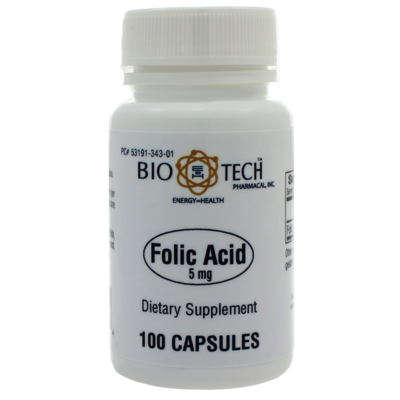
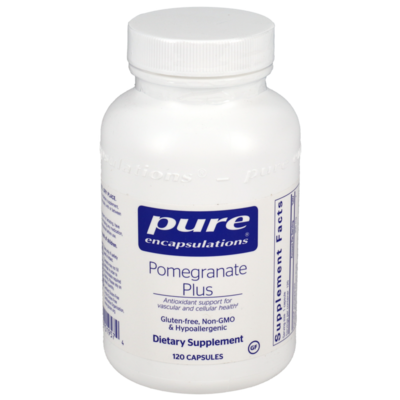
 2 more items in Cardiovascular Health - Endothelial & Antioxidant Support
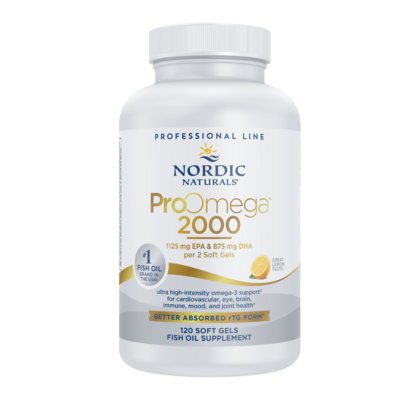
The endothelium refers to the inner cellular lining of blood vessels and lymphatic tissues. Endothelial dysfunction is characterized by a decreased production of vasodilators, such as nitric oxide, and increased endothelium-derived contracting factors. The resulting effects are considered cardiovascular risk factors and independent predictors of cardiac events. ( Desjardins and Balligand 2006 )( Hadi et al. 2005 ) Various factors can increase the risk of endothelial dysfunction, including smoking, aging, hypercholesterolemia, hypertension, hyperglycemia, and a family history of premature atherosclerotic disease. These proinflammatory states increase oxidative stress to which the endothelium is especially vulnerable. Unchecked oxidative stress can increase endothelial permeability and promote leukocyte adhesion. ( Desjardins and Balligand 2006 )( Hadi et al. 2005 ) This protocol highlights five evidence-based dietary ingredients that may help support the vascular endothelium and reduce oxidative stress. Anthocyanins 320 mg total per day for a minimum of 4 weeks (Li et al. 2015) ( Thompson et al. 2017 )( Zhu et al. 2013 ) Anthocyanins are naturally occurring plant compounds that are responsible for the deep red, purple, and blue colors found in many fruits and vegetables. ( Khoo et al. 2017 ) Anthocyanins are known for their anti-inflammatory and antioxidant properties. Studies have found that supplementing with anthocyanins may help reduce inflammatory markers, such as TNF-α, C-reactive protein (CRP), IL-6, and IL-1β, and antioxidant markers, such as total radical-trapping antioxidant parameter (TRAP) and ferric reducing antioxidant power (FRAP). ( Li et al. 2015 )( Xu et al. 2021 )( Zhu et al. 2013 ) Anthocyanins have also been found to support endothelial function by increasing the responsiveness of blood vessels to changes in blood flow (i.e., ↑ flow-mediated dilatation) and decreasing proatherosclerotic activity at the artery wall (i.e., ↓ sVCAM 1). ( Weissgerber 2014 )( Zhu et al. 2011 )( Zhu et al. 2013 ) Studies have also shown that supplementation with anthocyanins may help reduce the risk of blood clots. ( Thompson et al. 2017 ) Coenzyme Q10 Minimum of 100–200 mg once per day for a minimum of 8–12 weeks ( Fan et al. 2017 ) Coenzyme Q10, otherwise known as CoQ10 or ubiquinone, is a fat-soluble, non-essential nutrient that plays an important role in free radical scavenging. ( Díaz-Casado et al. 2019 ) CoQ10 has been shown to decrease inflammatory markers such as CRP, IL-6, and TNF-α. ( Fan et al. 2017 ) Additionally, CoQ10 has also been shown to increase total antioxidant capacity (TAC) and reduce free oxygen radicals like malondialdehyde (MDA). ( Sangsefidi et al. 2020 )( Yoo and Yum 2018 ) These therapeutic properties are likely the mechanism by which CoQ10 improves flow-mediated dilatation and endothelial function. ( Gao et al. 2012 ) Folic acid Minimum of 5 mg total per day for a minimum of 12 weeks (Alian et al. 2012) ( Zamani et al. 2023 ) Folic acid, also known as folate and vitamin B9, is a water-soluble B vitamin that has the potential to improve endothelial dysfunction. ( Stanhewicz and Kenney 2017 ) It has been proposed that folic acid may reduce atherogenesis by decreasing oxidative stress (i.e., ↑ TAC and glutathione (GHS), and ↓ MDA levels), ( Asbaghi et al. 2021 A ) inflammation (i.e., ↓CRP), ( Asbaghi et al. 2021 B ) blood pressure, cholesterol, and homocysteine levels, and by improving glycemic control. ( Zamani et al. 2023 ) Supplementation with 5 mg of folic acid per day for a minimum of 12 weeks has been associated with improved endothelial function as measured by improved flow-mediated dilation (FMD)/FMD% and decreased adhesion molecules (i.e., ↓ VCAM) and microalbuminuria ( Alian et al. 2012 )( Zamani et al. 2023 ) Omega-3 fatty acids 2–4 g total of EPA/DHA per day for a minimum of 12 weeks ( Hu et al. 2019 )( Sekikawa et al. 2019 )( Wang et al. 2012 ) Omega-3 fatty acids, like EPA and DHA, are polyunsaturated fatty acids that are most commonly derived from oily fish. ( Calder 2012 ) Supplementing with omega-3 fatty acids has been shown to decrease atherosclerotic progression and fasting serum triglyceride. ( Kastelein et al. 2014 )( Sekikawa et al. 2019 ) In addition to their antilipidemic and antiatherosclerotic properties, omega-3 fatty acids have also been shown to decrease inflammation (i.e., ↓hs-CRP, IL-6, TNF) ( Guo et al. 2022 )( Mortazavi et al. 2018 ) and improve endothelial function (i.e., ↑ FMD). ( Wang et al. 2012 ) Vitamin C Minimum of 500–2000 mg total per day for a minimum of 2 weeks ( Ashor et al. 2014 )( Ashor et al. 2015 ) Vitamin C (ascorbic acid) is an essential, water-soluble vitamin. ( Lykkesfeldt et al. 2014 ) It is well-known for its anti-inflammatory properties (i.e., ↓ CRP, IL-6) ( Ellulu et al. 2015 ) and ability to reduce free radicals by donating electrons (i.e., ↓ MDA and ↑ sGHS). ( Boonthongkaew et al. 2021 )( Tessier et al. 2009 ) A meta-analysis of 44 randomized controlled trials found that daily supplementation with more than 500 mg of vitamin C reduced endothelial dysfunction as measured by improved FMD, forearm blood flow (FBF), and pulse wave analysis (PWA). ( Ashor et al. 2014 )
View protocolCardiovascular Health - Statin Support
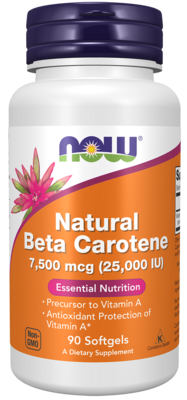
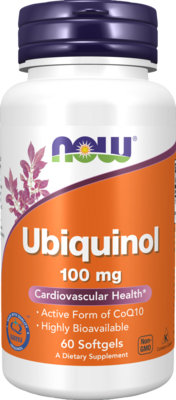
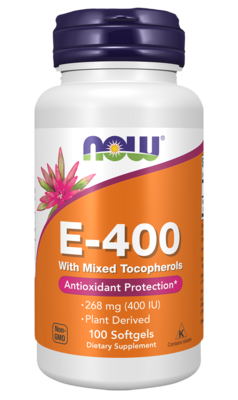
The use of HMG CoA reductase inhibitors (statins) to lower cholesterol is known to cause various nutrient depletions, particularly of Coenzyme Q10 (CoQ10), beta-carotene, and vitamin E. Different statins may result in varying degrees of depletion, necessitating careful discernment and lab testing by healthcare providers to determine the clinical appropriateness of supplementation. CoQ10 supplementation may help prevent or reverse deficiency without impacting the efficacy of statins. ( Langsjoen 2003 )( Littarru 2007 ) Similarly, statin therapy may significantly reduce beta-carotene and vitamin E levels, and targeted supplementation may be required to maintain optimal antioxidant capacity. ( Jula 2002 )( Vasankari 2004 ) CoQ10 100–600 mg per day ( Qu 2018 )( Caso 2017 )( Langsjoen 2003 ) The widespread use of statins to lower cholesterol has been shown to cause a significant depletion of CoQ10. With higher statin usage and doses, CoQ10 deficiency is becoming more prevalent and severe, especially in elderly patients and those with heart failure. CoQ10 supplementation may be beneficial for preventing or reversing deficiency without affecting the efficacy of statins. ( Langsjoen 2003 )( Littarru 2007 ) One study showed that CoQ10 supplementation improved statin‐associated muscle symptoms, including muscle pain, weakness, cramps, and tiredness, regardless of the CoQ10 dosage (100–600 mg per day) or the duration of supplementation (30 days to three months). ( Qu 2018 ) Ubiquinol has been shown to have up to 2–3 times higher bioavailability than ubiquinone. ( Evans 2009 )( Kurowska 2003 ) This suggests that lower doses of ubiquinol may be used to achieve the same effect as higher doses of ubiquinone. Beta-carotene 30 mg per day ( Institute of Medicine 2000 ) In a randomized controlled trial of men with hypercholesterolemia, simvastatin therapy decreased serum beta-carotene levels by 19.5%. ( Jula 2002 ) Another study demonstrated that during the first 12 weeks of statin therapy, low-density lipoprotein (LDL) antioxidant capacity and serum concentrations of beta-carotene decreased by 20%. ( Vasankari 2013 ) Supplementation of 30 mg per day or more of beta-carotene for long periods of time may be associated with carotenodermia (yellow-red skin coloration), but this effect is more cosmetic than adverse and is considered harmless and readily reversible. ( Böhm 2020 ) Vitamin E 100–400 IU per day ( Pruthi 2001 ) During the first 12 weeks of statin therapy, LDL antioxidant capacity and serum concentrations of alpha-tocopherol decreased by 16%. ( Vasankari 2004 ) In the same study, after 52 weeks, serum gamma-tocopherol levels in the simvastatin group returned to baseline, but LDL antioxidant capacity and serum alpha-tocopherol levels remained reduced. ( Vasankari 2004 )
View protocolGastrointestinal Health - Antibiotic Support
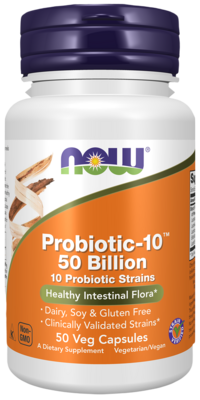
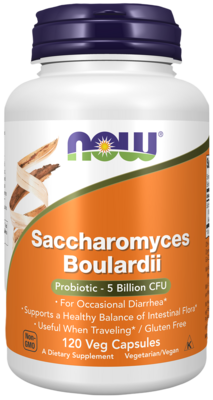
Antibiotics have been shown to disrupt the gastrointestinal flora, contributing to undesirable digestive concerns. It’s estimated that approximately 30% of individuals taking antibiotics experience diarrhea, with symptoms ranging from mild to severe, especially in cases involving Clostridium difficile . ( Newberry 2012 ) Antibiotic-associated diarrhea (AAD) is a primary factor in individuals discontinuing their antibiotic treatment. ( D’Souza 2002 ) Various studies demonstrate that probiotics may help maintain or restore gut microbe diversity during or after antibiotic treatment. Current evidence primarily involves Lactobacillus strains as well as Saccharomyces boulardii . ( Newberry 2012 ) ( Szajewska 2005 ) Lactobacillus strains (e.g., Lactobacillus rhamnosus GG , Lactobacillus reuteri , Lactobacillus casei ) 50–100 billion colony-forming units (CFUs) of a multi-strain probiotic containing Lactobacilli for 1–3 weeks with the onset of antibiotic use or for five days after the last antibiotic dose ( Gao 2010 )( Rodgers 2013 ) A meta-analysis indicates that probiotics, particularly Lactobacilli , show promise in preventing AAD. ( D’Souza 2002 ) A meta-analysis of 63 randomized controlled trials (RCTs) involving 11,811 participants found that probiotics, primarily Lactobacillus -based probiotics, significantly reduced the risk of AAD by 42%. ( Newberry 2012 ) A subgroup analysis of six RCTs found that starting probiotics within two days of antibiotic treatment lowered AAD prevalence by 29% in elderly individuals. ( Zhang (2022) A probiotic blend containing Lactobacillus acidophilus CL1285 and Lactobacillus casei LBC80R Bio-K+ CL1285 significantly reduced the incidence of AAD by 44.1% compared to placebo, with shorter symptom duration for AAD and lower incidence of Clostridium difficile -associated diarrhea (CDAD). The study demonstrated that a higher dose of 100 billion CFUs was more effective and resulted in fewer gastrointestinal symptoms than 50 billion CFUs. ( Gao 2010 ) Saccharomyces boulardii 500–1,000 mg (10–20 billion CFUs) per day, starting with the initiation of antibiotic treatment and continuing for 3 days to 2 weeks. A systematic review of five RCTs found that S. boulardii reduced the risk of AAD from 17.2% to 6.7%. S. boulardii was shown to be moderately effective in preventing AAD in patients taking antibiotics, primarily for respiratory tract infections. ( Szajewska 2005 ) A systematic review of 21 RCTs noted that S. boulardii reduced the risk of AAD from 18.7% to 8.5%. Furthermore, S. boulardii was shown to effectively reduce the risk of AAD in both children and adults, with significant reductions also seen in CDAD in children. ( Szajewska 2015 )
View protocolGastrointestinal Health - Chronic Digestive Discomfort
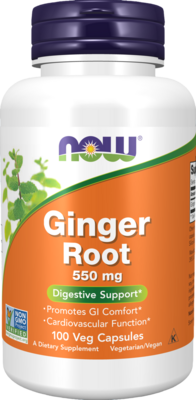
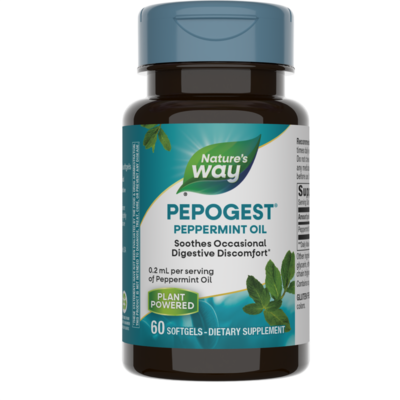
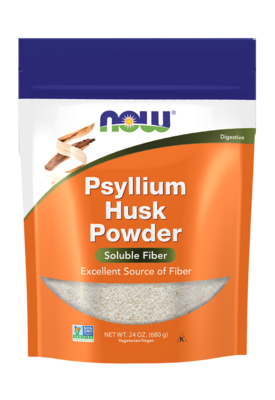
Dysfunctional gastrointestinal processes vary widely. Chronic abdominal pain with persistent or recurrent tendencies may be associated with abnormalities in bowel function and structure. The prevalence of gastrointestinal problems presenting in this way ranges anywhere from 5 to 20% of people being affected. ( Ford and Vandvik, 2012 ) Depending on the symptoms presented, there are a variety of ways to help ameliorate symptoms. For example, antispasmodics such as peppermint oil can help with pain associated with digestive dysfunction. ( Merat et al., 2012 ) Probiotics and fiber contribute to improving stool consistency by creating a healthy microbiota, which can lend to easier passing and serve as an indicator of digestive health. ( Iribarren et al., 2020 )( Liang et al., 2019 )( Palsson et al., 2020 )( Yasukawa et al., 2019 ) Based on current research findings, the ingredients in the protocol below have demonstrated efficacy in improving a variety of factors associated with gastrointestinal upset or digestive dysfunction. Peppermint oil 180 mg, 3 times/day, minimum 4 weeks ( Cash et al., 2016 ); other dosages may vary 42.4% of patients with irritable bowel syndrome (IBS) were pain free after 8 weeks of supplementation with delayed-release peppermint oil compared to 22.2% in placebo. The proportion of patients reporting persistent pain decreased from 42% to 15% in the peppermint oil group, whereas it increased from 33% to 52% in the placebo group. ( Merat et al., 2010 ) Peppermint oil supplementation ameliorated symptoms of IBS at 24 hours, shown by a decrease in Total IBS Symptom Score (TISS) of 19.6%, compared to 10.3% in the placebo group. After 4 weeks, the decrease in TISS scores was 40% in the treatment group compared to 24.3% in the placebo group. ( Cash et al., 2016 ) 75% of patients treated with enteric-coated peppermint oil capsules for 4 weeks experienced at least a 50% reduction in TISS scores compared to 38% in the placebo group. ( Cappello et al., 2007 ) Soluble dietary fiber Ranges widely, from 4.1–40 g per day for 3–16 weeks as per this systematic review ( Nagarajan et al., 2015 ) A systematic review of 22 studies with dose ranging 4.1–40 g per day for 3–16 weeks determined that soluble (but not insoluble) fiber supplementation resulted in a significant improvement in global assessment of symptoms (RR 1.49) as well as abdominal pain scores. ( Nagarajan et al., 2015 ) In patients with a tendency toward diarrhea (IBS-D), 5 g per day of partially hydrolyzed guar gum soluble fiber improved and normalized bristol stool scale ratings after 3 months compared to placebo. ( Yasukawa et al., 2019 ) After 12 weeks, symptom severity improved by 90 points in the psyllium group (10 g per day) (RR 1.60) compared to 29 points in the placebo and 58 points in bran groups in patients with IBS aged 18–65. The group receiving bran had a high dropout rate due to symptoms of IBS worsening. ( Bijkerk et al., 2009 ) A systematic review of 14 studies involving 906 patients found that soluble fiber (but not insoluble fiber) significantly improved IBS symptoms (RR 0.86). ( Moayyedi et al., 2014 ) Probiotics 50 billion CFU, twice per day, minimum 12 weeks, ( Preston et al., 2019 ) or 25–50 billion CFU, 1–3 times per day, as per this systematic review ( Didari et al., 2015 ) A systematic review of 15 studies with 1,793 patients found that probiotics reduced pain and symptom severity scores in patients with IBS. Relative risk (RR) of general symptom improvement for 7 of the key trials was 2.14, in favor of probiotics over placebo. ( Didari et al., 2015 ) Another systematic review of 43 RCTs found that probiotics reduced the risk of persistent symptoms compared to placebo (RR 0.79). Benefits were seen among global IBS, abdominal pain, bloating, and flatulence scores. ( Ford et al., 2014 ) A recent systematic review showed that 7 of 11 of the included studies reported improved IBS symptoms from probiotic supplementation compared to placebo. Multi-strain probiotics with an intervention of 8 weeks or more were more likely to have a benefit. ( Dale et al., 2019 ) Female patients with IBS-D (diarrhea-predominant IBS) and IBS-C (constipation-predominant IBS) experienced improvements in quality of life and stool frequency and consistency when supplemented with 2 capsules per day for 12 weeks of probiotics containing 50 billion CFU of live organisms of Lactobacillus acidophilus CL1285, Lactobacillus casei LBC80R, and Lactobacillus rhamnosus CLR2. ( Preston et al., 2019 ) Ginger 1,200 mg 1 hour before eating, as needed ( Hu et al., 2011 )( Wu et al., 2008 ) Patients with mild-to-moderate ulcerative colitis experienced a decreased severity of disease activity as well as an improvement in quality-of-life scores after 12 weeks of supplementation at 2,000 mg per day compared to placebo. Malondialdehyde levels (but not total antioxidant capacity) also decreased at both 6 and 12 weeks. ( Nikkhah-Bodaghi et al., 2019 ) Two RCTs noted improved digestion, as shown by a faster gastric half-emptying time and increased antral contractions in the treatment group (1,200 mg per day ginger capsule) compared to placebo. ( Hu et al., 2011 )( Wu et al., 2008 ) Patients with a history of motion sickness experienced a delayed onset of nausea after vection cessation and a decrease in tachygastria activity and vasopressin release. ( Lien et al., 2003 )
View protocol
Shop the entire wellness catalog, held to a higher standard
Shop practitioner-grade products, each meeting the same bar for quality through Fullscript's standards.
Powered byVerified
Sourced straight from the brand — no resellers or fakes
Enhanced testing
Select products are tested in-house — get exactly what the label promises
Stored and shipped
From certified facilities, to protect product integrity