
Roots & Rivers Naturopathic Medical Center Fullscript Account
Welcome! Through Fullscript, Roots & Rivers Naturopathic Medical Center Fullscript Account offers high-quality supplements and wellness products, delivered right to your door. Get started with the recommended products from Roots & Rivers Naturopathic Medical Center Fullscript Account, or sign in/up to explore the entire product catalog.
Up to 5% off every order when you sign up*
Shop the highest quality, rigorously tested supplements
Fast and free shipping for orders over $50
*Labs and select products not eligible
Existing account? Log in here
Featured public protocols
Roots & Rivers Naturopathic Medical Center Fullscript Account's general recommendations, available to anyone who visits this store.
Pre and Post Surgery Protocol and Information
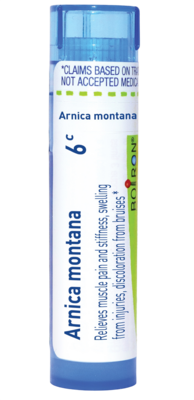
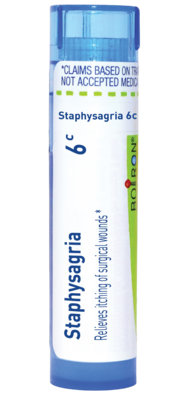
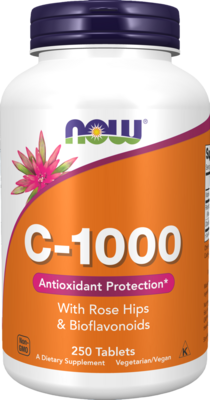 18 more items in Pre and Post Surgery Protocol and Information
**From Dr. Joshua Rubenstein's Handout with some alterations. Please note ingredients and find alternatives if they are your intolerances. PRE & POST SURGICAL INSTRUCTIONS ALWAYS, DURING, BEFORE & AFTER: follow your Carroll Food Intolerance Diet. 1-2 WEEKS BEFORE SURGERY – Vitamin C – 2 grams 3x per day (rosehips are best) Zinc picolinate – 30mg 2x per day after eating (watch for nausea) Vitamin A – 20,000 IU 2x per day High Potency B Complex – 1-2x per day (if you can have bee products, bee pollen is best: 1 teaspoon twice per day) Vitamin E – 400 IU 1x per day If you will be taking antibiotics during the procedure it is a good idea to start probiotic supplementation during this time. Please use a NON-DAIRY Probiotic such as saurkraut juice or Essential Biotic by Allergy research Group . OPTI-RECOVERY by VITANICA is a great option that contains most of these! Take 3 per day. 1-2 DAYS BEFORE SURGERY – Alternate Arnica 6C and Staphysagria 6C every 3 hours while awake. Discontinue Bromelain, vitamin E, fish oils, and vitamin C, or OPTI-RECOVERY. This is to ensure good clotting and minimize interactions with pharmaceuticals during surgery. DAY OF SURGERY – Take Arnica 6C as soon as you wake up on the morning of the surgery. Take Staphysagria 6C right before surgery (or as close to it as possible). AFTER SURGERY - Take Arnica30C as soon after surgery as possible and then every 3 hours, as needed for pain. Continue supplements as initially recommended, adding one additional 400 IU vitamin E capsule per day. Bromelain (found in Boswelya Plus) - 2 capsules daily on an empty stomach. Continue for 5-7 days depending upon the severity of the swelling and bruising. Vitamin C – Aim for 2 grams 3x per day with food. Take enough Vitamin C to "bowel tolerance". That means once you get loose stool from too much Vitamin C, Decrease the dose by 1 gram and stay with that dose. you may use topical Traumeel and Traumeel tablets for pain. OR YOU MAY RESUME OPTI-RECOVERY by VITANICA - 3 per day for 1-2 months. NOTE: A dose is 3-4 pellets put into the cap and then put under the tongue. if adhesion occur after surgery and the wound is closed - you may use castor oil packs daily for 20 minutes. For healthy wound closure (if not intolerant to bees or honey) - you may use manuka honey. apply topically daily on fresh wound. allow time to dry between daily applications. IF YOU TEND TO SCAR USE: DERMATROPIN PMG (1 per day) and GOTU KOLA/CENTELLA (TEA: 1 tsp per cup steeped x 10 minutes, 1-3 cups per day, CAPSULE: 1-2 capsules twice per day. safe for lactation but not during pregnancy)
View protocolA Treatment for Fever
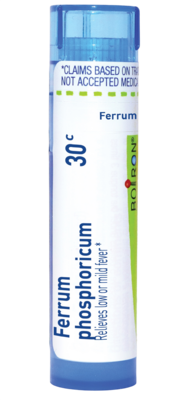
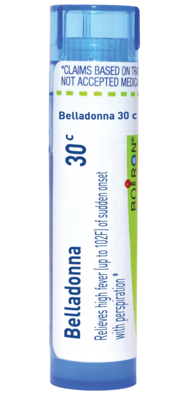
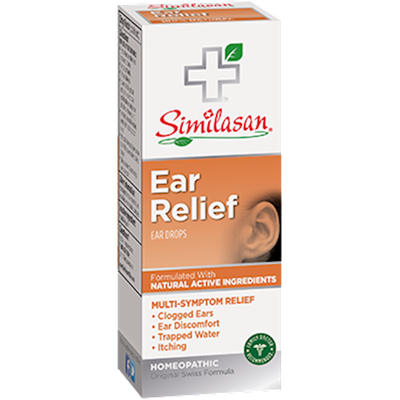
A Treatment for Fever (Notes from Dr. Abell, N.D.) A protocol that I have found works well is to use Ferrum phosphoricum and Belladonna based upon the temperature encountered. • For temperatures of 99°F (37.1°C) to 102°F (38.8°C) administer 2 granules of Ferrum Phosphoricum 30C ( BOI-07136) every 15 minutes until the temperature remains stable. • For temperatures of 102°F (38.8°C) or greater, administer 2 granules of Belladonna 30C (BOI-08139) every 15 minutes until the temperature has stabilized. • Once the fever has broken, no additional medicine needs to be given. If however, the temperature drops below 102°F (38.8°C), an additional dose or 2 of Ferrum phos can be administered. For ear pain, give Capsicum Annuum 6C (BOI-BN0464) – 2 granules every hour as needed to reduce the pain. OR Homeopathic Ear Relief. Massage behind and in front of ear gently 4-5 times per day. Supporting Fevers Through Hydrotherapy from NMI newsletter November 2023 So you treat yourself to some foods that don’t quite agree with you, your job has you stressed out, and you can’t manage to get enough sleep. Next thing you know, you're exhausted, your body aches and you spike a fever. Conventional wisdom might tell you to go grab some Tylenol, but not so fast! Fever is a key component of an appropriate immune response to something foreign entering the body. The immune system works better at elevated temperatures making it able to aggressively defend the body. These high temperature lead to the destruction of invaders and impede the ability of viruses to replicate. A fever is a sign of a healthy immune system and in the vast majority of cases should not be suppressed with medication. Doing so can prolong illness and in some cases, lead to worse outcomes or even death. Instead of using antipyretic medications, fever can be successfully supported through rest, hydration, fasting, and hydrotherapy. What is Hydrotherapy? Hydrotherapy is the use of water to address illness and improve health. It is also one of the original Naturopathic modalities with a long history. Father Sebastian Kneipp, who rid himself of tuberculosis using hydrotherapy, became world famous in the second half of the 19th century for his ability to cure people with his water based therapies. Benedict Lust, The Father of Naturopathy, was charged with bringing Kneipp’s methods to the United States after Kneipp cured Lust’s severe tuberculosis. He would go on to be an immensely impact figure in Naturopathic Medicine and ran a Naturopathic college, sanatorium, journal, and store during the first half of the 20th century. Dr. Otis G. Carroll was cured of his juvenile arthritis by a doctor who had studied with Kniepp. Dr. Carroll would go on to develop Constitutional Hydrotherapy, a beloved foundational hydrotherapy treatment used by traditional Naturopaths. In addition to having a rich history, hydrotherapy is also a fantastic way to help support your body during a fever. It can lower a fever without suppressing the body’s innate healing force. Instead, it gently supports the body in efficiently reaching the temperature that it is trying achieve. With its goal reached, the fever is then able to drop down to a more comfortable level or break entirely. What about Diet? Another very important part of supporting the body’s innate healing powers during a fever is what you do or don’t eat. Your digestive tract takes a great deal of energy and resources to run, energy and resources that are being utilized by your immune system during a fever. Any food consumed won't properly digest and may even provide fuel for the microbial invaders causing the fever. Thusly, eating food will prolong fever and can actually cause it to increase in temperature! It is best to stick to water until your temperature has been below 99 degrees for 6 hours. Once your fever does break, a good first food is vegetable broth or chicken noodle soup, which is as nutritious as it is comforting. A Selection of Hydrotherapy Treatments for Fever Note: One of the worst things you can do is to suppress fevers (there are some exceptions). Pharma has done a good job educating parents that fevers need to be suppressed, they even do it in the ER to not have to deal with the fever. I encourage you to follow the below recommendations to get through different fever episodes. The more often this is done, the fevers go to completion much quicker over time. One becomes stronger because this is how a child’s immune system develops: by having a fever. If you are doing the below items and have any questions or concerns, you must call the office for more individualized considerations. Temperature 99-102 Use warming socks therapy or t-shirt nightly. Take Ferrum Phos 30c Homeopathic Medicine – take 1 dose every 4-6 hours until resolved. Temperature 102-103 Place a towel wet with cold water and then well wrung out onto the stomach. Cover with a wool blanket and let sit for 20 minutes. This will decrease the fever by about 0.5 degree. Take Belladonna 30c every 15 minutes until the temperature stabilizes. Then return to taking Ferrum Phos 30c every 4-6 hours once temperature is below 102. High Fever of 103-106: use a Spanish Mantle (aka Wet Sheet Wrap) Take Belladonna 30c every 15 minutes until the temperature stabilizes. Then return to taking Ferrum Phos 30c every 4-6 hours once temperature is below 102. This treatment is used for high fevers, 103° F or higher. It is not meant to be applied multiple times in a row. Instead it is intended as a one time therapy to be used when circumstances justify bringing the fever down to a lower temperature. Take a thin piece of cotton material, such as a bed sheet and get it completely wet with cold water from the sink. Wring it out well. Wrap the person in the sheet from their armpits to their ankles . Then wrap them in a wool blanket. Leave the wrap on until the sheet has dried, which may take up to 6 hours. It is not harmful to leave the wrap on after it has dried. This method will bring the fever down to 101°-102°F or break it entirely. Do not constantly take the temperature because it is expected that the temperature will rise for the 1 st hour and then being to normalize. The body will quickly warm the cold sheet, drying it out. This dissipates the fever and cools the core of the body, just enough to bring the fever down to a more manageable temperature of 101-102 usually, or by 2 degrees. If the body is ready to break the fever, it will break. But, the fever may need to run one or two more days at the more manageable temperature. Recall, sometimes you will get an elevation on body temperature (which is the correct response) AND THEN it will come down. Remember the body CAN and WILL be able to manage this fever, just as long you do not put food into the stomach. Use once per day. If symptoms are getting worse, repeat and call me. Make sure to be fasting on water only. Anything over 99 degrees, fast on water until it is below 99 for at least 6 hours. Anything of food value (even juice) given during a fever will putrify and raise the fever again in the wrong direction. Parents, the body temperature will at first rise. This is normal! Do not put ice on the body, that is a shock. IMPORTANT NOTES ON FEVER & FASTING Always FAST during a fever. This means drinking only water. Anything of food value ingested during a fever will only make the fever go higher and last longer. You may break the fast after the fever is broken for 6 hours with carrot & celery broth. Sip ½ cup of broth every hour. If there is no rise in temperature and the broth is tolerated well after 2-4 hours and you are hungry, then you may eat the cooked carrots and celery. If this goes well, you may proceed to steamed vegetables and rice. Fasting is used for pain and fever. Break the fast if you are dizzy by drinking carrot-celery electrolyte broth. You may lose 1-2 lbs of weight per day during a fast but as soon as the fast is broken properly, you will regain the weight and usually gain an additional 2-3 lbs. If constipated during the fast – use a 1 cup warm tap water enema and keep doing hydrotherapy. What about Febrile seizures? We see this when the rules have not been followed. Don’t stress the body with feeding. Don’t suppress the fever with a medication. The body is focusing on healing the body. So, follow the rules of nature by water fasting. Food during this time will putrefy and body will direct energy to attempt to digest it, re-directing circulation from the brain. NEVER stop a fever. Do not suppress a fever with ice or NSAIDs (like Tylenol). MANAGE the fever with hydrotherapy, homeopathy, and fasting. Recall, the agreement to stay with this and not to suppress with medication! With the power of the vitality, to suddenly put the brakes on it is dangerous. Trust that the body knows what it is doing (recall the Model of Healing). Call me instead, please. Continue following Carroll Food Intolerance Diet. RECIPE: CARROT & CELERY ELECTROLYTE BROTH: o ½ cup chopped carrots o ½ cup chopped celery o Boil in 2 cups of water until the broth is a rich color. o Sip ½ cup every hour. Taking the body temperature: What is the temperature? This tells us what therapy to do. · Infrared-ear and temporal thermometers are good. · Ear thermometers are not accurate before 6 months of age · Forehead scanners are not the best Thermometer readings are different depending on where you take it. · Oral: average is 98.6F · Rectal temperature is 0.5-1.0 F higher than oral temperature. · Temporal (forehead) and Axillary (armpit) temperature It is common for temperature to increase with hydrotherapy as part of the healing effort of the body so don’t worry if you see an increase at first. The body will normalize. 2 rules of hydrotherapy: 1. Always end with cold 2. Always cover with wool Why Hydrotherapy? ↓pain, ↑vitality, ↑hydration, ↓ fat, ↑T4/T3, ↓cholesterol, ↓TG, ↓alk phos, ↑ body temp, ↓in mean arterial pressure, temporary resolution of chronic constipation.
View protocolGut Microbiome Health (Standard Process)
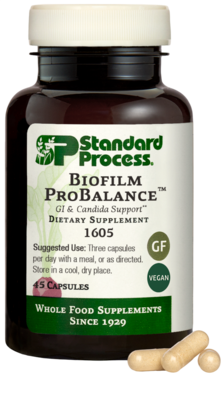
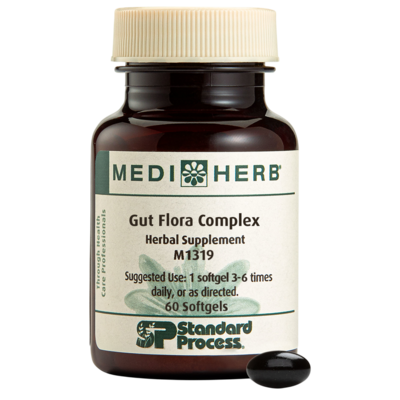
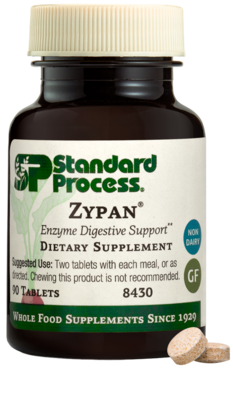
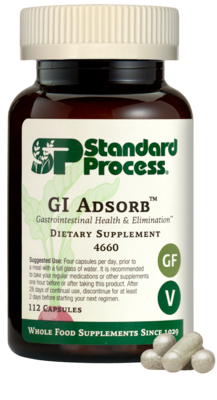
SUPPORT FOR A HEALTHY GUT MICROBIOME A Nutritional Support Protocol - developed and reviewed by the clinical, chiropractic, and naturopathic members of the Standard Process team. *Please double check that you are not intolerance or allergic to a product before purchase* References and Information are from StandardProcess.com SUPPORT FOR A HEALTHY GUT MICROBIOME & FUNCTION The human gastrointestinal tract is the natural habitat for a large and diverse population of microorganisms like bacteria, viruses, and fungi (including yeast). These trillions of organisms and their associated genetic material are collectively referred to as the gut microbiome. A healthy microbiome supports immune function via the gut associated lymphatic tissue (GALT). The balance of the microbiome may become disrupted because of infection, poor diet, medications, or other digestive stressors. This can lead to compromised digestive function and symptoms such as bloating, gas, and bowel movement changes. Microbial communities called biofilms can result in both challenges and benefits to the management of gut health. In the GI tract of healthy individuals, biofilms can form between beneficial organisms and provide them with protection from external challenges while also aiding in nutrient absorption. When changes in the microbial community occur, biofilms can impede this optimization of microbial ecology. In this case, regulation of biofilms can be a supportive tool for maintenance of healthy microbial populations. Supportive Lifestyle Practices Digestion works best when the body is in a parasympathetic state, also known as the “rest and digest” response. Taking the time to sit down while eating a meal and chewing food thoroughly can support greater bioavailability of nutrients and improved gut function. Chronic stress can have a profound effect on gut health, the gut-brain axis, and the microbiome.2-3 Encourage the adoption of stress-modulating tools like meditation, counseling, exercise, hobbies, and spending time with friends and family. Exercise is thought to modulate intestinal microbiome composition. It is associated with increased biodiversity and representation of taxa with beneficial metabolic functions. Consider acupuncture as an adjunctive tool for supporting gut health. Acupuncture has been shown to improve diversity and composition of gut bacteria in those with functional constipation. Whole Foods Nutritional Recommendations If tolerated, increase intake of fruits and vegetables, which are good sources of fiber and polyphenols. These compounds promote gut microbial diversity and improve intestinal permeability. If there appears to be a sensitivity to the fermentable carbohydrates (such as those found in certain fruits, vegetables, and grains), it may be helpful to temporarily reduce the intake of these foods until gut health has improved. Consider utilizing a low FODMAPs diet, the Specific Carbohydrate Diet, or related plan Consider adding a daily cup of soothing bone broth. Bone broth is rich in gut supportive amino acids glycine and glutamine. Both aminos can support gut barrier function and provide microbiome support Slowly incorporate fermented and cultured foods like yogurt, kefir, sauerkraut or kimchi to support gut health with probiotic-rich foods.
View protocolBlood Pressure Support (Standard Process)
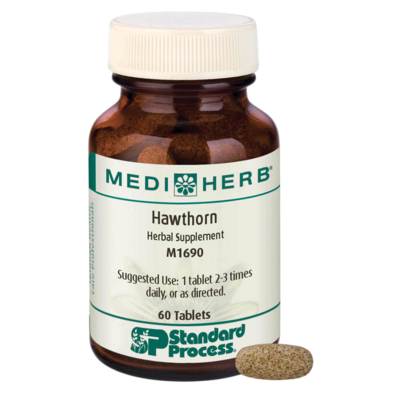 2 more items in Blood Pressure Support (Standard Process)
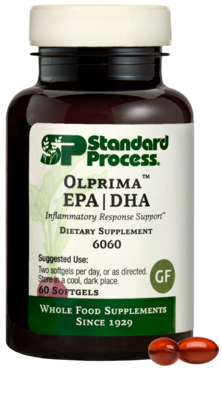
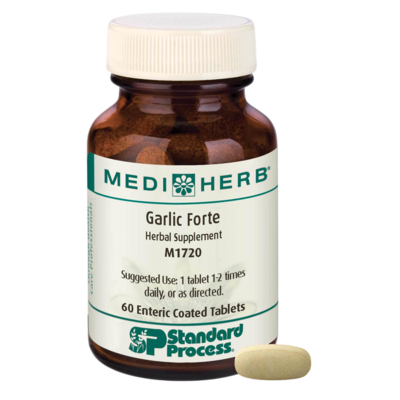
REGULATION OF HEALTHY BLOOD PRESSURE A Nutritional Support Protocol - developed and reviewed by the clinical, chiropractic, and naturopathic members of the Standard Process team. *Please double check that you are not intolerance or allergic to a product before purchase* References and information are from StandardProcess.com CARDIOVASCULAR HEALTH & FUNCTION Promoting healthy function within the various cells and tissues of the cardiovascular system helps ensure proper removal of cellular debris and adequate perfusion and oxygenation of tissues. Healthy heart tissues support blood flow and oxygen delivery while healthy vascular structures are essential for the critical delivery of nutrients and biochemical compounds to bodily tissues. Clinicians can support healthy blood pressure regulation by recommending a balanced diet rich in cardio-supportive nutrients, encouraging smoking cessation and alcohol moderation, educating on stress-reduction and sleep hygiene practices, addressing any underlying infections, and incorporating targeted dietary and herbal supplements SUPPORTIVE LIFESTYLE PRACTICES Participate in at least 150 minutes of moderate exercise per week as physical activity has been shown to reduce both systolic and diastolic blood pressure over time.8 Limit stress through mindfulness, healthy sleep patterns, and self-awareness can help lower systolic blood pressure.9 Yoga has also been found to have a significant effect on lowering both systolic and diastolic blood pressure.10 WHOLE FOODS NUTRITIONAL RECOMMENDATIONS Consume foods rich in magnesium such as buckwheat, kale, Swiss chard, spinach, sweet potato, pumpkin seeds, almonds, and lentils. Higher intake of dietary magnesium is associated with supporting healthy systolic, diastolic, and overall blood pressure already in a healthy range.1,2 Consider incorporating foods that increase nitric oxide (NO) production in the body such as beetroot.3,4 Sonsume foods high in arginine and quercetin. These nutrients possess vasorelaxant properties and are associated with healthy blood pressure levels when consumed.5,6 Increase their daily consumption of foods replete in omega-3 fatty acids, namely eicosapentaenoic acid (EPA) and docosahexaenoic acid (DHA). EPA and DHA display positive effects on blood pressure regulation and modulation of systolic and diastolic pressure.7 Optimal sources include cold-water fatty fish such as salmon, mackerel, sardines, and tuna.
View protocolBlood Glucose Management (Standard Process)
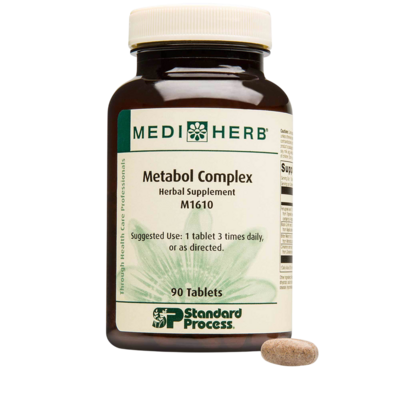
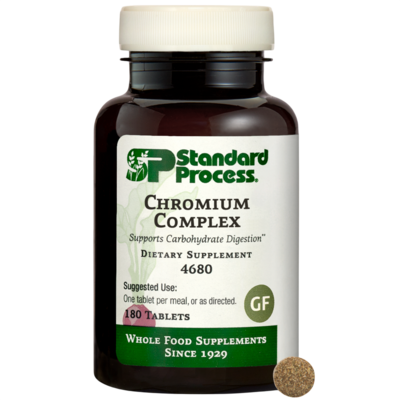
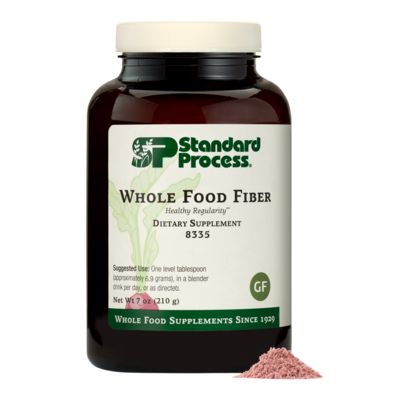
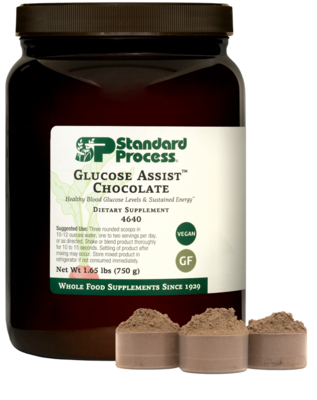
SUPPORT FOR HEALTHY BLOOD GLUCOSE MANAGEMENT A Nutritional Support Protocol - developed and reviewed by the clinical, chiropractic, and naturopathic members of the Standard Process team. *Please double check that you are not intolerance or allergic to a product before purchase* References and information are from StandardProcess.com BLOOD GLUCOSE IMPORTANCE & FUNCTION Glucose, a prominent sugar found in our bloodstream is a monosaccharide, the smallest of the building blocks that make up carbohydrates. Glucose acts as a major fuel source for energy production. Regulation of glucose involves many organs including the nervous system, pancreas, liver, gut, and adipocytes1 . Insulin and glucagon are secreted from the pancreas and act to regulate the amount of glucose in the bloodstream. Glucose mismanagement can lead to an array of inflammatory, cardiovascular, and metabolic issues. Practitioners can support healthy glucose levels by encouraging patients to consume a diet high in fiber, vitamins, and phytonutrients while limiting the amount of refined carbohydrates, highly processed foods and beverages with added sugar. Patients should be encouraged to create healthy exercise habits, limit stress, and optimize sleep patterns to promote glucose regulation. SUPPORTIVE LIFESTYLE PRACTICES Engage in regular exercise. Going for a walk or engaging in light physical activity after a meal has been shown to improve post prandial blood glucose levels2. Long-term elevations of cortisol can lead to persistent high blood sugar3. Consider implementing stress reduction techniques to support healthy cortisol levels. We recommend mindful eating practices such as sitting at the table for a meal, chewing food thoroughly, or serving smaller portions to avoid overeating4. Develop healthy sleep habits as sleep deprivation has been shown to increase oxidative stress and inflammation which has a direct impact on blood glucose5. Whole Foods Nutritional Recommendations Consume foods high in soluble fiber as they have been shown to improve post prandial glucose response6,7. Examples include oats, peas, beans, apples, and carrots. Ensure adequate protein consumption at each meal to stabilize blood glucose levels. Healthy protein sources include poultry, fish, dairy, eggs, legumes, nuts and seeds. A high protein diet lowers blood glucose postprandially, increases satiety, and has a beneficial outcome on glycemic markers. The current recommended dietary allowance (RDA) of protein is 0.8 g protein per kg body weight per day8, however higher intake may be beneficial in certain populations. 9-10 Consume foods rich in polyphenols such as green tea, buckwheat, berries, whole grains, fruits, vegetables, cocoa, and coffee. Polyphenols may suppress glucose release from the liver and improve glucose uptake in peripheral tissues.14 They also have antioxidant activity and can inhibit the formation of advanced glycation end products (AGE). 12-14 Consider the addition of cinnamon to the diet. This popular culinary herb can support improved fasting blood glucose.15
View protocol
Featured product collections
Discover groups of products curated by Roots & Rivers Naturopathic Medical Center Fullscript Account.
a wholesale ALLERGY RESEARCH GROUP
2 products
Shop the entire wellness catalog, held to a higher standard
Shop practitioner-grade products, each meeting the same bar for quality through Fullscript's standards.
Powered byVerified
Sourced straight from the brand — no resellers or fakes
Enhanced testing
Select products are tested in-house — get exactly what the label promises
Stored and shipped
From certified facilities, to protect product integrity