
Dr. Joshua Carter's Fullscript
Welcome! Through Fullscript, Dr. Joshua Carter's Fullscript offers high-quality supplements and wellness products, delivered right to your door. Get started with the recommended products from Dr. Joshua Carter's Fullscript, or sign in/up to explore the entire product catalog.
Up to 15% off your order when you sign up*
Shop the highest quality, rigorously tested supplements
Fast and free shipping for orders over $50
*Discounts may vary by order. Labs and select products not eligible
Existing account? Log in here
Featured public protocols
Recommendations from Dr. Joshua Carter's Fullscript, available to anyone who visits this store.
SIBO Remove Phase
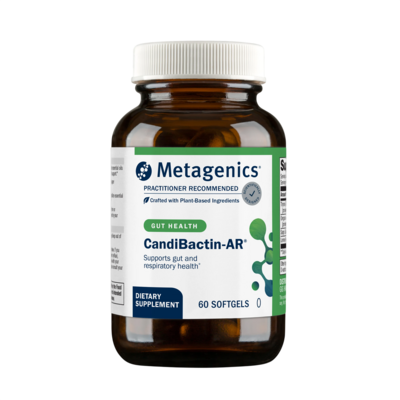
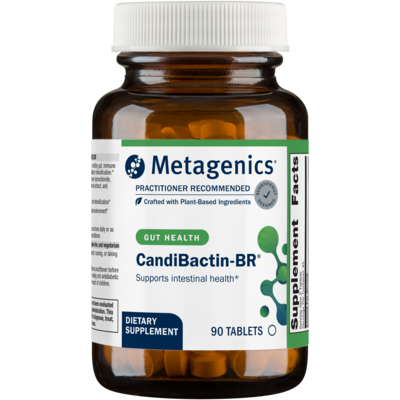
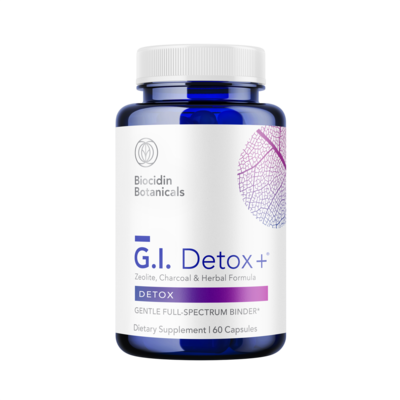 2 more items in SIBO Remove Phase
Plan of Action: 1. Continue SIBO Diet 2. Introduce herbs in this recomendation to remove overgrowth 3. Re-assess in 30 days - rotate herbs if necessary -------------------------------------------------------------------- PHASE 1: REDUCE SIBO SYMPTOMS USING DIET If you have raging SIBO symptoms and/or have just received a positive SIBO diagnosis, the very first thing you want to do is get your symptoms under control. The fastest way to do this is through diet. And while diet is a great short-term symptom management tool, it’s important to keep in mind that diet alone will not heal a bacterial overgrowth in the small intestine. Starving the bacteria of their fuel source helps, but if you continue with such a restricted diet for a long period of time, you also risk starving the beneficial gut bacteria in your large intestine (your microbiome) that play a vital role in your health and that help keep SIBO at bay (1, 2). Tips to reduce inflammation and promote gut healing Another thing to note about the diets we use is that by limiting carbohydrates, we are also limiting inflammation-causing anti-nutrients that are commonly found in grains, legumes, nuts and seeds. While normally tolerated, these foods can be problematic for anyone with a compromised digestive system. By avoiding them in the short-term, we are also helping to reduce gut inflammation. Here are a few tips we give our clients starting Phase 1: > Aim for 70% cooked and 30% raw foods. Cooking vegetables and fruit will lower the fibre and resistant starch content making them less likely to cause you symptoms. > Ensure fruit is ripe, as under-ripe fruit is high in resistant starch which can cause symptoms. > Limit snacking between meals (4-5 hours) to give the migrating motor complex (MMC) a chance to move bacteria and food remnants from the small intestine to the large intestine ready for excretion from the body. > There are other food sources such as alcohol, caffeine and artificial sweeteners that can compromise healing by providing fuel for the bacterial overgrowth. This is why we ask our clients to limit them during SIBO treatment. > Fermented foods; at this stage of healing, we ask our clients to limit fermented foods like sauerkraut, kombucha, kefir, etc, as they generally aggravate symptoms. Our approach to SIBO diets Our clinical approach to diet in both this initial phase, and during phase two, is to focus on reducing symptoms caused by the bacterial overgrowth. We do this by reducing the main food source that the overgrowth feeds on - fermentable carbohydrates. This means that certain carbs in your diet are going to cause some level of bloating, gas, diarrhoea or constipation, etc, if you have SIBO. These include: > Starch - grains, beans, high starch vegetables > Resistant starch - whole grains, seeds, legumes > Soluble fibre - grains, beans, nuts, seeds, vegetables, fruit > Sugar - fruit, dairy, sweeteners > Prebiotics - beans, vegetables, roots, herbs, prebiotic supplements Proteins and fats are your friend at this point and make up the majority of the diet designed to limit SIBO symptoms. Two diet options that are low in fermentable carbohydrates that we like to use with our clients are SCD/low-FODMAP and Paleo/low-FODMAP. For those who are very sensitive to oxalates, histamines, amines, salicylates, sulphur or other food components, or who have food sensitivities, we will layer this over the top, however sometimes you have to compromise with these otherwise there would be (almost) no foods left to eat. PHASE 2 (PART A): REMOVE THE OVERGROWTH With diet keeping symptoms under control, the next step is to remove the overgrowth. There are three main options here; natural antimicrobials, antibiotics and the elemental diet. Because of SIBO’s notorious stubbornness, for many clients their treatment will involve a combination of two or even three of these approaches over successive protocols. Each has its strengths and weaknesses and are more or less suited to different clients - there is no one ‘magic SIBO protocol’ for all SIBO cases. With that in mind, we’ll discuss each one in the order they are most commonly used. Natural herbal antimicrobials for SIBO - preferred SIBO treatment approach My preferred approach involves all-natural eradication protocols using natural herbal antimicrobial supplements for SIBO. Not only do we find them less aggressive, they have also been shown to be at least as effective as antibiotics in clinical trials (4). Two important principles to keep in mind with antimicrobials for a SIBO protocol are: 1) Combine to kill - there are varying types of bacteria and archaea that can cause SIBO and not all antimicrobials can kill off all types. The best way to overcome this is through the use of blends and combinations for maximum effectiveness. 2) Rotate to avoid resistance - bacteria are smart and will adapt quite quickly. While not as common as antibiotic resistance, the effectiveness of a given herb tends to diminish with successive rounds of use. Most SIBO protocols last around 30-60 days per cycle (most clients need to complete multiple cycles, depending on their levels of bacterial overgrowth) and vary by the type of SIBO you have. As a general rule, we like to use berberine, neem and oil of oregano for addressing hydrogen-dominant SIBO and allicin, oil of oregano and neem for methane-dominant SIBO . Other great herbs for SIBO to consider are cinnamon, thyme and pomegranate which also work really well for those with Candida or Blastocystis hominis. You can access some great SIBO supplement blends such as Candibactin AR and BR and Biocidin that have multiple herbs in them. We like to use these when a client has parasites, bacteria or yeast in their large intestine, in addition to SIBO. Another benefit of using antimicrobial supplements for SIBO protocols is that we can use blends that address other issues indirectly, such as hydrogen sulfide SIBO and SIFO (Small Intestinal Fungal Overgrowth), a very common comorbidity for SIBO sufferers, affecting around half of SIBO cases (5). Treating SIBO Biofilm An estimated 75% of bacterial infections, and possibly higher in archaeal and fungal infections, involve biofilms (11, 12, 13). Biofilms are colonies of microorganisms that are protected by an extracellular matrix - which we think of simplistically as a protective home for the infection to live in. This protective home makes the infection up to 1000 times more resistant to antibiotic therapies and therefore, more difficult to kill (11, 14). This is why a SIBO biofilm disruptor should be considered in a comprehensive treatment protocol. Busting up the biofilm whilst using antimicrobials can be achieved by incorporating specific herbal products. We like to use blends such as Biofilm Defence by Kirkman Labs, InterPhase Plus by Klaire Labs or Biofilm Phase-2 Advanced by Priority One as all are well tolerated by our clients and contain the right ingredients to break down biofilms. ilm Defence by Kirkman Labs, InterPhase Plus by Klaire Labs or Biofilm Phase-2 Advanced by Priority One as all are well tolerated by our clients and contain the right ingredients to break down biofilms. To learn more about Biofilms and how to address them in your protocols, read our Biofilm Treatment Protocol blog. PHASE 2 (PART B): SUPPORTING DIGESTION AND DETOXIFICATION Digestion support considerations Whilst taking antimicrobials during this phase, it is also important to support digestion and absorption of the nutrients you eat. We do this because an overgrowth in the small intestine will block the intestinal lining where absorption of the nutrients in the foods we eat happens (15). This means taking supplements like digestive enzymes that help you break down and absorb the foods you eat; stomach acid support from betaine HCL to help with killing off any bad bacteria that is contaminating the foods you eat, which also assists with protein and fat digestion; and nutritional support in the form of anti-inflammatory fish oil capsules and multi-minerals supplements if needed. Detoxing is a MUST The next thing we need to focus on in this phase is supporting the body with detoxification. During die-off of the bacterial overgrowth, there is often a buildup of toxins in the body that needs to be removed. This places excess stress on the liver, our main detoxification organ, so we have our clients support their liver using a herbal blend supplement. We also ask them to use a charcoal and bentonite clay product for a few days each week, when they are actively killing off the overgrowth, to help with removal of the toxins and debris from the gastrointestinal tract. Constipation and toxicity Constipation , which is a very debilitating symptom for those with methane-producing archaea, must be dealt with as an absolute priority ( 16 ). If there is especially-toxic bacteria and archaea-filled waste being stored in the colon for extended periods of time, the body can reabsorb these toxins. This is particularly important for those who experience more severe SIBO die-off symptoms. We must keep the colon clear so we encourage clients to take a poorly absorbed form of magnesium (such as magnesium citrate or oxide) and vitamin C daily, as well as complete a vitamin C flush weekly where constipation is severe. Shared from: https://bellalindemann.com/blog/sibo-series-part-3-treatment References: Heiman, M. L., & Greenway, F. L. (2016). A healthy gastrointestinal microbiome is dependent on dietary diversity. Molecular Metabolism, 5(5), 317–320 Halmos E., et al. (2015). Diets that differ in their FODMAP content alter the colonic luminal microenvironment. Gut, 64(1), 93-100 Bryk, R., et al. (2008). Selective Killing of Nonreplicating Mycobacteria. Cell Host & Microbe, 3(3), 137–145 Chedid, V., et al. (2014). Herbal Therapy Is Equivalent to Rifaximin for the Treatment of Small Intestinal Bacterial Overgrowth. Global Advances in Health and Medicine, 3(3), 16–24 Jacobs, C., et al. (2013). Dysmotility and proton pump inhibitor use are independent risk factors for small intestinal bacterial and/or fungal overgrowth. Aliment Pharmacol Ther, 37(11), 1103-11 Peralta, S., et al. (2009). Small intestine bacterial overgrowth and irritable bowel syndrome-related symptoms: Experience with Rifaximin. World Journal of Gastroenterology : WJG, 15(21), 2628–2631 Low, K., et al. (2010). A combination of rifaximin and neomycin is most effective in treating irritable bowel syndrome patients with methane on lactulose breath test. J Clin Gastroenterol, 44(8), 547-50 Lauritano, E., et al. (2008). Small intestinal bacterial overgrowth recurrence after antibiotic therapy. Am J Gastroenterol, 103(8), 2031-5 Basseri, R. J., Weitsman, S., Barlow, G. M., & Pimentel, M. (2011). Antibiotics for the Treatment of Irritable Bowel Syndrome. Gastroenterology & Hepatology, 7(7), 455–493 Pimentel, M., et al. (2004). A 14-day elemental diet is highly effective in normalizing the lactulose breath test. Dig Dis Sci, 49(1), 73-7 Potera, C. (2010). ANTIBIOTIC RESISTANCE: Biofilm Dispersing Agent Rejuvenates Older Antibiotics. Environmental Health Perspectives, 118(7), A288 Taff, H., et al. (2013). Mechanisms of Candida biofilm drug resistance. Future Microbiol, 8(10), 1325-37 Bang, C., et al. (2014). Biofilm formation of mucosa-associated methanoarchaeal strains. Frontiers in Microbiology, 5, 353 Ramage, G., Saville, S., Thomas, D., & López-Ribot, J. (2005). Candida Biofilms: an Update . Eukaryotic Cell, 4(4), 633–638 Bures, J., et al. (2010). Small intestinal bacterial overgrowth syndrome. World Journal of Gastroenterology : WJG, 16(24), 2978–2990 Triantafyllou, K., Chang, C., Pimentel, M. (2013). Methanogens, methane and gastrointestinal motility. J Neurogastroenterol Motil, 20(1), 31-40 Soifer, L., Peralta, D., Dima, G., Besasso, H. (2010). Comparative clinical efficacy of a probiotic vs. an antibiotic in the treatment of patients with intestinal bacterial overgrowth and chronic abdominal functional distension: a pilot study. Acta Gastroenterol Latinoam, 40(4), 323-7 Riordan, S. (1997). Luminal bacteria and small-intestinal permeability. Scand J Gastroenterol, 32(6), 556-63 Aragon, G., Graham, D., Borum, M., & Doman, B. (2010). Probiotic Therapy for Irritable Bowel Syndrome. Gastroenterology & Hepatology, 6(1), 39–44 Dukowicz, A. C., Lacy, B. E., & Levine, G. M. (2007) . Small Intestinal Bacterial Overgrowth: A Comprehensive Review. Gastroenterology & Hepatology, 3(2), 112–122 Pimentel, M., et al. (2009). Low-Dose Nocturnal Tegaserod or Erythromycin Delays Symptom Recurrence After Treatment of Irritable Bowel Syndrome Based on Presumed Bacterial Overgrowth. Gastroenterology & Hepatology, 5(6), 435–442
Low Ferritin, Anemia, Iron Deficiency
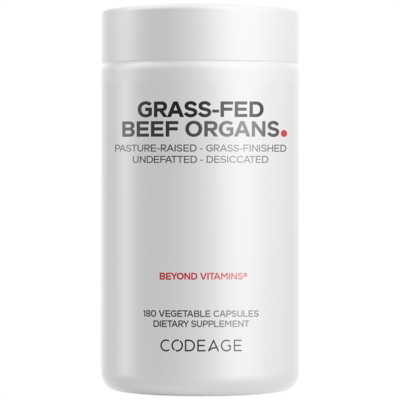
 Low Ferritin, Anemia, Iron Deficiency resource 1Low Ferritin, Anemia, Iron Deficiency resource 2
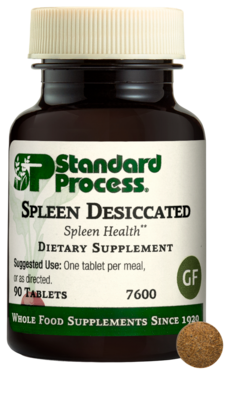
Ferritin level is the best indicator of iron deficiency. Total iron can vary drastically between fasted and unfasted state, thus it is unreliable. Ideal ferritin level is 70-100. Bovine organs are a rich source of highly absorbable heme iron. https://www.doctorkiltz.com/organ-meat-supplements/
Extreme Inflammation
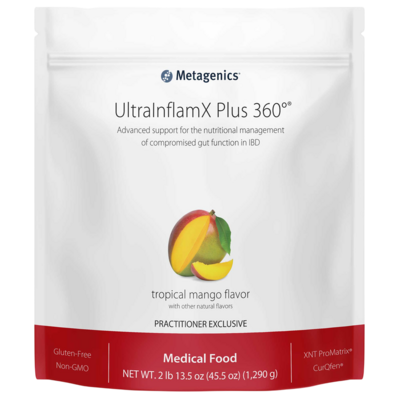
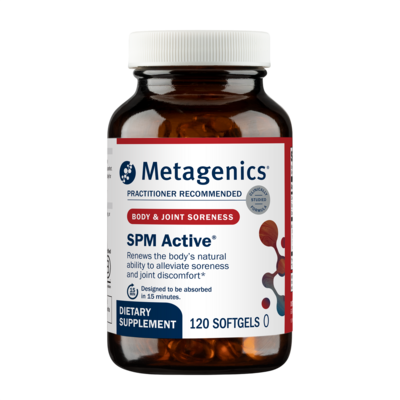
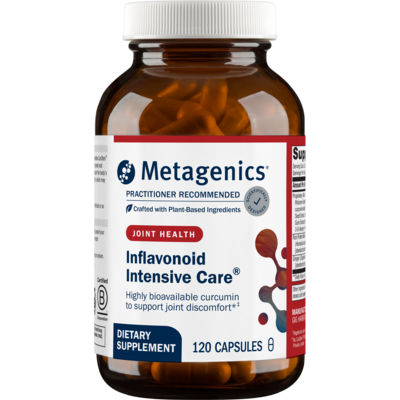
For extreme inflammatory cases, it's helpful to rotate supportive nutrients every waking hour. It's important to provide kinase modulators, to help with the regulation of immune and inflammatory response (UltraInflamX). High EPA fish oil for more anti-inflammatory targeting.
Allergy Protocol
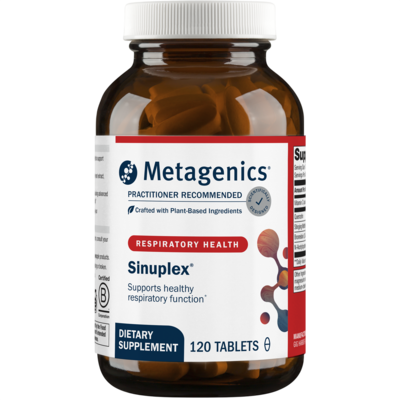
High dose when symptoms are worse. 2 tablets 3-4x p/day until symptoms improve. Then maintenance dose during your allergy season 2 tablets every morning.
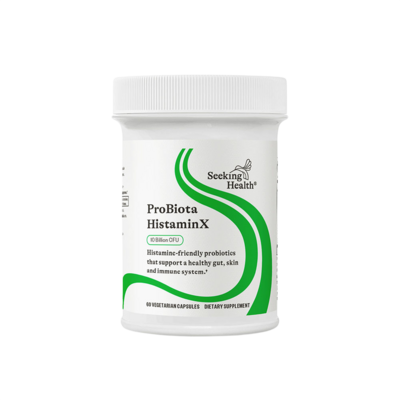
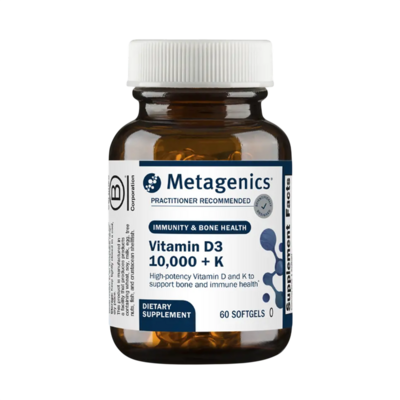
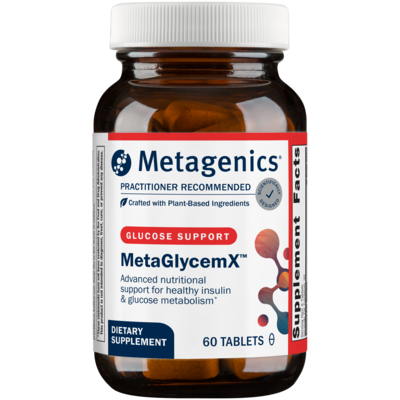
Featured product collections
Discover groups of products curated by Dr. Joshua Carter's Fullscript.
Athletes
3 products
Shop the entire wellness catalog, held to a higher standard
Shop practitioner-grade products, each meeting the same bar for quality through Fullscript's standards.
Powered byVerified
Sourced straight from the brand — no resellers or fakes
Enhanced testing
Select products are tested in-house — get exactly what the label promises
Stored and shipped
From certified facilities, to protect product integrity