
TeleDocWell
Welcome! Through Fullscript, TeleDocWell offers high-quality supplements and wellness products, delivered right to your door. Get started with the recommended products from TeleDocWell, or sign in/up to explore the entire product catalog.
Up to 15% off your order when you sign up*
Shop the highest quality, rigorously tested supplements
Fast and free shipping for orders over $50
*Discounts may vary by order. Labs and select products not eligible
Existing account? Log in here
Featured public protocols
TeleDocWell's general recommendations, available to anyone who visits this store.
Men's comprehensive health support
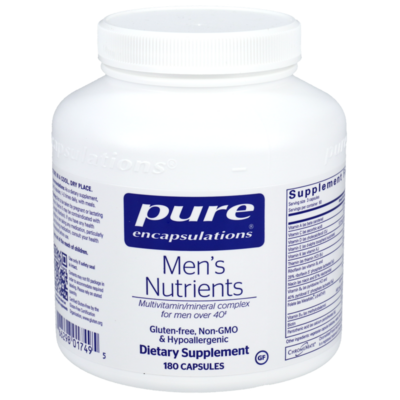
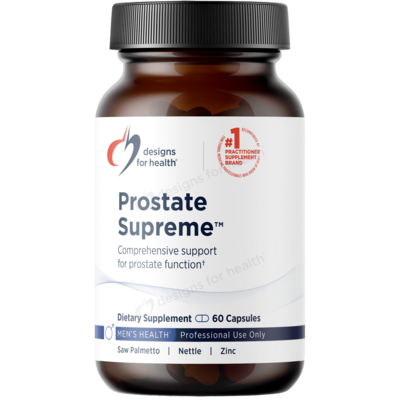
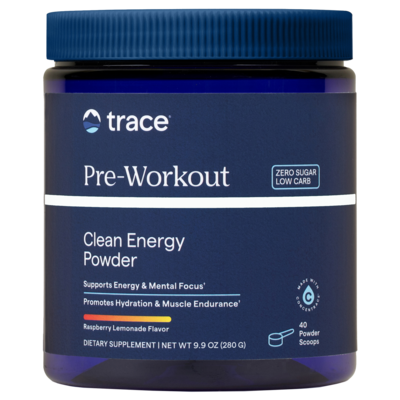 4 more items in Men's comprehensive health support
Providing comprehensive supplement support for men requires a personalized approach, as individual needs vary based on age, diet, lifestyle, activity level, and existing health conditions. It's always best to consult with a healthcare professional (doctor or registered dietitian) before starting any new supplement regimen. However, here's a comprehensive overview of supplements and nutrients commonly considered beneficial for men's health, categorized by their primary benefits: I. Foundational Support (Often Recommended for Most Men): Multivitamin for Men: Why: Even with a healthy diet, it can be challenging to meet all nutrient needs. A good men's multivitamin provides a broad spectrum of essential vitamins and minerals, often with higher levels of nutrients like zinc and selenium, which are particularly important for men's health. Key Nutrients to Look For: Vitamin D3: Crucial for bone health, immune function, testosterone production, and mood. Many men (and adults in general) are deficient. B Vitamins (B6, B12, Folate): Essential for energy production, nerve function, and red blood cell formation. B12 absorption can decrease with age. Vitamin K2: Important for bone and cardiovascular health, directing calcium to bones and away from arteries. Magnesium: Involved in over 300 biochemical reactions, including muscle function, nerve function, energy production, bone health, and blood sugar regulation. Many men are deficient. Zinc: Vital for immune function, prostate health, testosterone production, and sperm health. Selenium: An antioxidant important for thyroid function and prostate health. Considerations: Choose a high-quality multivitamin from a reputable brand, ideally third-party tested. Some men's multivitamins will have specific blends for prostate or energy support. Omega-3 Fatty Acids (EPA & DHA): Why: Essential fats that support cardiovascular health (blood pressure, triglycerides), brain function, joint health, and reduce inflammation. Sources: Fatty fish (salmon, mackerel, sardines) are best. If not consumed regularly, a fish oil or algal oil (for vegans) supplement is recommended. Dosage: Typically 1000-2000 mg of combined EPA and DHA daily. Vitamin D3: Why: Beyond its role in a multivitamin, many men may require higher doses, especially those with limited sun exposure or darker skin tones. It's critical for bone density, immune system strength, and plays a role in testosterone regulation and mood. Dosage: Often 2000-5000 IU daily, but blood levels should be checked to determine optimal dosage. II. Targeted Support (Based on Age, Lifestyle, or Specific Concerns): For Prostate Health (especially for men over 40-50): Saw Palmetto: May help with symptoms of benign prostatic hyperplasia (BPH) by potentially inhibiting the conversion of testosterone to DHT. Research is mixed, but many men report benefit. Beta-Sitosterol: A plant sterol that can help improve urinary flow and reduce other BPH symptoms. Lycopene: An antioxidant (found in tomatoes) that may help protect prostate cells. Zinc: As mentioned, zinc is highly concentrated in the prostate and crucial for its health. Pygeum: An herbal extract from the African cherry tree, used to improve urinary symptoms associated with BPH. Nettle Root: Often combined with saw palmetto and pygeum for prostate symptom relief. Pumpkin Seed Oil: Contains compounds that may support prostate health. For Cardiovascular Health: Coenzyme Q10 (CoQ10): An antioxidant important for cellular energy, particularly in the heart. Levels can decline with age or statin medication use. Magnesium: Essential for healthy heart rhythm and blood pressure regulation. Garlic Extract: May support healthy blood pressure and cholesterol levels. Red Yeast Rice: Contains compounds similar to statins, which can help lower cholesterol. Use with caution and under medical supervision due to potential side effects and interactions with statin drugs. Fiber (soluble): Helps lower LDL ("bad") cholesterol. Psyllium husk or glucomannan are common supplements. For Energy, Vitality, and Testosterone Support: Magnesium & Zinc: Deficiencies in these minerals can impact testosterone levels. Vitamin D: As mentioned, plays a role in testosterone production. Ashwagandha: An adaptogenic herb that may help reduce stress (which can negatively impact testosterone) and improve energy and vitality. Fenugreek: Some studies suggest it may help improve testosterone levels and libido. DHEA: A hormone precursor to testosterone. Should only be used under medical supervision, as it can have hormonal effects. Creatine Monohydrate: Popular for exercise performance, muscle growth, and energy, particularly in active men. B Vitamins: Essential for energy metabolism. For Bone and Joint Health: Calcium: While often included in multivitamins, some men, especially older men or those with dietary restrictions, may need additional calcium. It works synergistically with Vitamin D. Vitamin D3 & K2: Crucial for calcium absorption and proper utilization in bones. Magnesium: Also vital for bone mineral density. Glucosamine & Chondroitin: Popular for joint pain and cartilage support, though research is mixed on their effectiveness. Collagen Peptides: Can support joint health, skin elasticity, and muscle mass. For Cognitive Health: Omega-3 Fatty Acids (DHA): Highly concentrated in the brain and crucial for cognitive function. B Vitamins (especially B12, Folate, B6): Help reduce homocysteine levels, which are linked to cognitive decline. Magnesium: Important for neurotransmitter function and memory. Lion's Mane Mushroom: Traditional use and some preliminary research suggest cognitive benefits. Bacopa Monnieri: An adaptogenic herb used in Ayurveda for memory and cognitive enhancement. III. Important Considerations and Lifestyle Factors: Diet is Paramount: Supplements are meant to supplement a healthy diet, not replace it. Focus on whole foods, fruits, vegetables, lean proteins, and healthy fats. Regular Exercise: Essential for cardiovascular health, muscle maintenance, bone density, mood, and hormone balance. Adequate Sleep: Critical for recovery, hormone regulation (including testosterone), and cognitive function. Stress Management: Chronic stress can negatively impact nearly every aspect of health, including hormonal balance and immune function. Hydration: Often overlooked, but essential for all bodily functions. Regular Check-ups: Regular physicals and blood tests can help identify any deficiencies or health issues that may require specific interventions or supplements. Interactions and Side Effects: Always inform your doctor about any supplements you are taking, especially if you are on prescription medications, as interactions can occur. Some supplements can also have side effects, especially at high doses. Quality Matters: Choose reputable brands that are third-party tested for purity and potency. Look for certifications (e.g., USP, NSF, ConsumerLab.com). By combining a smart dietary strategy with targeted, evidence-based supplementation and healthy lifestyle choices, men can proactively support their overall health and well-being.
Menopausal and libido support
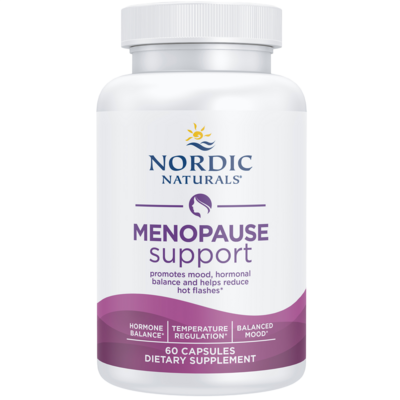
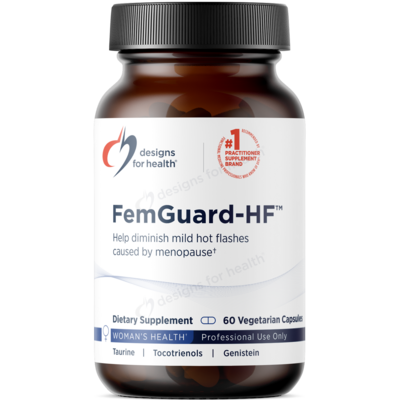
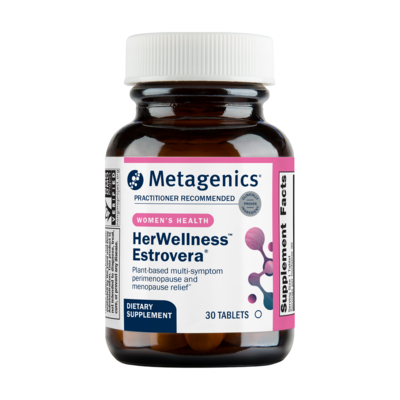 3 more items in Menopausal and libido support
Menopause is a natural transition in a woman's life, typically occurring around age 51, marked by 12 consecutive months without a menstrual period. The preceding period, known as perimenopause, can last for several years and is characterized by fluctuating hormone levels, primarily estrogen and progesterone, leading to a wide array of symptoms. Comprehensive support for menopause often involves a combination of lifestyle adjustments, dietary considerations, and, in some cases, supplements or medical interventions. It's crucial to consult with a healthcare professional before starting any new supplement regimen or making significant lifestyle changes, as individual needs and symptom severity vary. They can rule out other conditions and help create a personalized plan. Here's a comprehensive approach to menopausal support: I. Lifestyle Modifications (Cornerstones of Support): Dietary Adjustments: Phytoestrogens: These are plant compounds that can weakly mimic estrogen in the body. Including them in your diet may help alleviate some symptoms like hot flashes and night sweats. Sources: Soybeans and soy products (tofu, tempeh, edamame, soy milk), flaxseeds, sesame seeds, chickpeas, lentils, other legumes, some whole grains, and certain fruits and vegetables. Calcium and Vitamin D: Essential for bone health, as declining estrogen levels increase the risk of osteoporosis. Sources (Calcium): Dairy products (milk, yogurt, cheese), fortified plant-based milks, leafy green vegetables (kale, collard greens, broccoli), fortified cereals, sardines (with bones), tofu. Sources (Vitamin D): Fatty fish (salmon, mackerel, tuna), fortified dairy/plant milks, egg yolks, some mushrooms. Sunlight exposure also helps the body produce Vitamin D. Balanced Diet: Focus on whole, unprocessed foods, lean proteins, healthy fats, and plenty of fruits and vegetables. Limit Triggers: For some women, caffeine, alcohol, spicy foods, and large meals can trigger or worsen hot flashes and sleep disturbances. Identifying and limiting these can be helpful. Stay Hydrated: Drink plenty of water throughout the day. This can help with overall well-being and may reduce bloating. Regular Exercise: Why: Exercise helps manage weight, improves mood, reduces stress, strengthens bones, improves sleep, and can even help reduce the frequency and severity of hot flashes. Types: Weight-Bearing Exercises: Crucial for bone density (e.g., walking, jogging, dancing, hiking, strength training). Strength Training: Builds and maintains muscle mass, which boosts metabolism and protects bones (e.g., weights, resistance bands, bodyweight exercises like squats and push-ups). Cardiovascular Exercise: Improves heart health, energy levels, and mood (e.g., brisk walking, swimming, cycling, dancing). Flexibility & Balance: Yoga, Pilates, and Tai Chi can improve flexibility, balance, reduce stress, and may help with mood swings and sleep. Pelvic Floor Exercises (Kegels): Strengthen pelvic floor muscles, which can help with urinary incontinence, a common menopausal symptom. Stress Management: Why: Hormonal fluctuations during menopause can make women more susceptible to stress, which can exacerbate symptoms like hot flashes, mood swings, and sleep problems. Techniques: Meditation, deep breathing exercises, yoga, mindfulness, spending time in nature, hobbies, adequate rest, and seeking support from friends or a therapist. Prioritize Sleep: Why: Night sweats and anxiety can disrupt sleep. Good sleep hygiene is vital for overall well-being. Strategies: Maintain a consistent sleep schedule, create a cool and dark bedroom environment, avoid caffeine and alcohol before bed, and establish a relaxing bedtime routine (e.g., warm bath, reading). II. Supplement Support (Discuss with Your Doctor): Bone Health: Calcium: Often recommended at 1000-1200 mg/day (including dietary sources). It's best to get calcium from food first and supplement if needed, taking smaller doses throughout the day for better absorption. Vitamin D3: Crucial for calcium absorption and bone mineralization. Many experts recommend 2000-5000 IU/day, but a blood test can help determine your optimal level. Magnesium: Works synergistically with calcium and Vitamin D for bone health. Also helps with muscle relaxation and sleep. Vitamin K2: Directs calcium to the bones and away from arteries, contributing to bone strength and cardiovascular health. Symptom Relief (Hot Flashes, Night Sweats, Mood Swings): Black Cohosh: One of the most studied herbs for menopausal symptoms, particularly hot flashes and night sweats. Research results are mixed, and it's not recommended for those with liver issues or a history of breast cancer without medical advice. Red Clover: Contains isoflavones (phytoestrogens) that may help with hot flashes, though evidence is inconsistent. Flaxseed (Lignans): A rich source of lignans, a type of phytoestrogen, which may help balance hormones and reduce mild symptoms. Soy Isoflavones: Plant compounds found in soy that can mimic estrogen's effects. May help reduce hot flashes and support bone health. Saffron: May help with mood swings and irritability associated with menopause. Ginseng: Some studies suggest it may improve quality of life and mood during menopause, but it generally doesn't directly alleviate hot flashes. Maca Root: A South American root vegetable that may help alleviate various menopausal symptoms, including mood swings, hot flashes, and energy levels. Evening Primrose Oil (EPO): Contains GLA (gamma-linolenic acid), an omega-6 fatty acid. While popular for menopausal symptoms, strong scientific evidence for its effectiveness in reducing hot flashes is limited. It may help with breast tenderness or skin dryness. St. John's Wort: Primarily used for mild depression and mood swings. Can interact with many medications, so always consult a doctor before use . Chasteberry (Vitex agnus-castus): More commonly used for PMS and perimenopausal symptoms, but some studies suggest it may help with anxiety and hot flashes. Sleep Support: Magnesium: As mentioned, promotes relaxation and can improve sleep quality. Melatonin: A hormone that regulates sleep-wake cycles. Can be helpful for insomnia, especially if sleep patterns are disrupted. Valerian Root: A traditional herbal remedy for insomnia and anxiety. L-Theanine: An amino acid found in green tea, can promote relaxation without drowsiness. 5-HTP: A precursor to serotonin, which can convert to melatonin. May improve sleep and mood. III. Medical Interventions: For severe symptoms, a healthcare provider might discuss: Hormone Replacement Therapy (HRT): The most effective treatment for hot flashes, night sweats, and vaginal dryness. Involves taking estrogen and sometimes progesterone. Your doctor will discuss the benefits and risks based on your individual health profile. Non-Hormonal Medications: Certain antidepressants (SSRIs/SNRIs), gabapentin, or clonidine can be prescribed to manage hot flashes for women who cannot or choose not to take HRT. Vaginal Estrogen: Low-dose topical estrogen creams, rings, or tablets can effectively treat vaginal dryness and discomfort without significant systemic absorption. A holistic approach that combines dietary adjustments, regular exercise, stress management, quality sleep, and targeted supplements (when appropriate) can significantly improve the quality of life during menopause. Regular communication with your healthcare provider is key to navigating this transition safely and effectively.
Insomnia
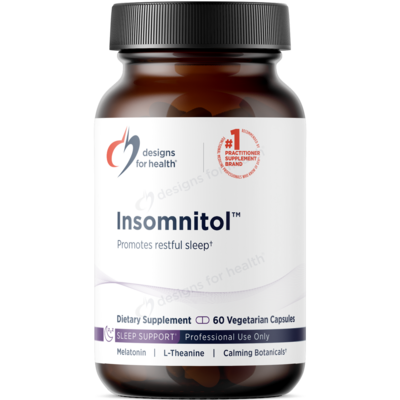
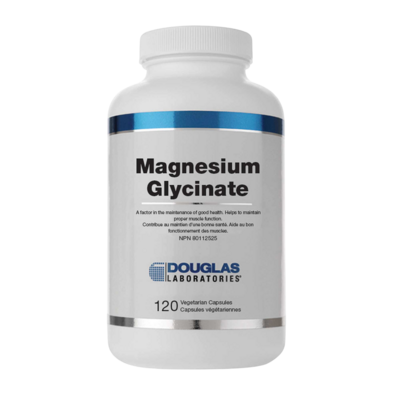
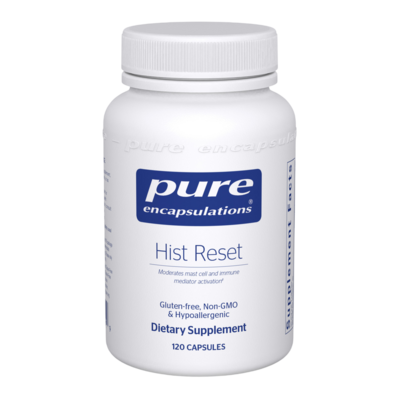
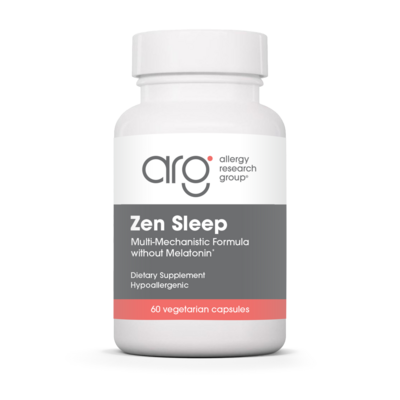
Insomnia Suggestions: Sleep Tips Get daylight exposure Exercise daily – at least 4-8 hours before bedtime Avoid caffeine, nicotine and alcohol before bedtime Don’t dine late, eat a healthy diet early in the evening – foods you should consider: 100% whole grain oats, brown rice, corn or quinoa, nuts, seeds, turkey, tart cherry juice, honey, peanut butter, chamomile tea, Restrict in-bed activity to sleep and sex Have a comfortable mattress and pillow Use excellent bedding Set a cool yet comfortable temperature (65 to 68 degrees) Drown out noise with white noise Try calming scents (Lavender) Have a fixed wake-up time Treat sleep as a priority Be careful with naps Be careful with electronic devices, computers, TV, lighting etc with blue wavelength emission (blocks melatonin production) If you snore, may want to follow up with your PCP for further evaluation (possible sleep apnea) Follow a nightly routine Budget 30 minutes for winding down Dim your lights Unplug from electronics Focus on relaxation Don’t toss and turn – if after 20 minutes you haven’t gotten to sleep, get up and stretch, read or do something else calming in low light before trying to fall asleep again Supplements to consider: Sustained Release Melatonin 3-10mg 5HTP 100-500mg GABA 300-900mg Ashwagandha 500-2000mg Passion Flower 200-400mg Magnesium Glycinate 400mg Lemon Balm 100mg
Mental focus
 2 more items in Mental focus
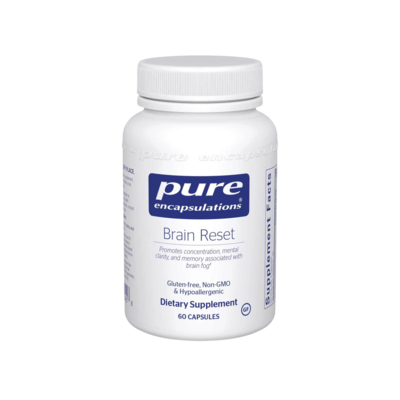
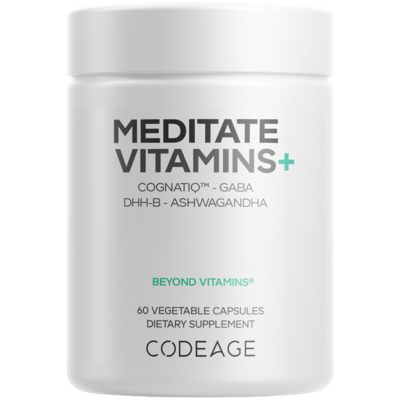
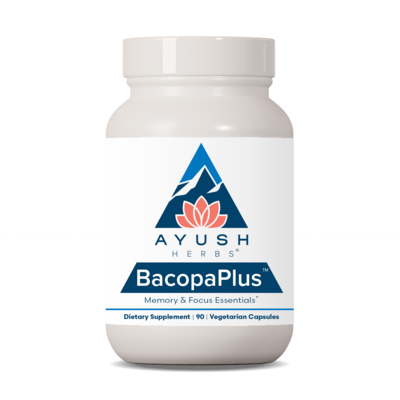
Improving mental focus, concentration, and clarity often involves a combination of lifestyle factors and targeted supplements. While supplements can offer support, they are not a magic bullet and should ideally complement a healthy diet, sufficient sleep, regular exercise, and stress management. I. Foundational Lifestyle & Diet for Optimal Focus: Consistent Sleep: Lack of sleep significantly impairs focus, memory, and cognitive performance. Aim for 7-9 hours of quality sleep per night. Balanced Diet: Fuel your brain with nutrient-dense foods. Complex Carbohydrates: Provide a steady supply of glucose to the brain (whole grains, fruits, vegetables). Lean Proteins: Support neurotransmitter production (fish, poultry, beans, nuts). Healthy Fats: Essential for brain structure and function, especially Omega-3s (avocado, nuts, seeds, fatty fish). Limit Processed Foods & Sugary Drinks: These can lead to energy crashes and "brain fog." Regular Exercise: Boosts blood flow to the brain, reduces stress, and improves alertness and cognitive function. Stress Management: Chronic stress can impair focus and memory. Practice mindfulness, meditation, deep breathing, or engage in relaxing hobbies. Hydration: Dehydration, even mild, can impair cognitive performance. Drink plenty of water throughout the day. Minimize Distractions: Create a conducive environment for focus by limiting digital distractions and multitasking. II. Key Supplements for Mental Focus and Clarity: These supplements often work by enhancing neurotransmitter activity, improving cerebral blood flow, reducing inflammation, or protecting brain cells. Omega-3 Fatty Acids (EPA & DHA): Role: Crucial for brain cell membranes and communication. DHA is a major structural component of the brain, while EPA has anti-inflammatory properties that can support brain health. Adequate levels are linked to improved memory, attention, and overall cognitive function. Form: Fish oil or algal oil (for vegetarians/vegans). Look for supplements with high EPA and DHA content. L-Theanine: Role: An amino acid found primarily in green tea. It promotes relaxation and a "calm alertness" by increasing alpha brain waves and influencing neurotransmitters like GABA. Often combined with caffeine to provide sustained focus without jitters or a crash. Sources: Green tea. Supplement Form: Available alone or in combination with caffeine. Caffeine: Role: A natural stimulant that blocks adenosine (a neurotransmitter that causes drowsiness), leading to increased alertness, improved reaction time, and enhanced focus. Sources: Coffee, tea, cacao. Supplement Form: Anhydrous caffeine, or often combined with L-Theanine. Caution: Excessive intake can lead to jitters, anxiety, and sleep disruption. Individual tolerance varies. B Vitamins (especially B6, B9/Folate, B12): Role: Essential for energy metabolism in the brain and for the synthesis of neurotransmitters (like dopamine, serotonin, and norepinephrine) that regulate focus, mood, and memory. Deficiencies can lead to "brain fog" and fatigue. Sources: Whole grains, lean meats, eggs, leafy greens, legumes. Supplement Form: A B-complex supplement. Methylated forms (L-methylfolate, methylcobalamin) are often preferred for better absorption. Magnesium: Role: Involved in over 300 enzymatic reactions, including nerve transmission, energy production, and synaptic plasticity (how neurons connect and communicate). Specific forms like Magnesium L-threonate are designed to cross the blood-brain barrier effectively, potentially improving memory and cognitive function. Sources: Leafy green vegetables, nuts, seeds, whole grains, dark chocolate. Supplement Form: Magnesium L-threonate, glycinate, or citrate. Ginkgo Biloba: Role: An herbal extract traditionally used to improve cognitive function, primarily by enhancing blood flow to the brain and acting as an antioxidant. Some studies suggest it can improve attention, memory, and mental clarity. Caution: Can interact with blood-thinning medications. Bacopa Monnieri (Brahmi): Role: An Ayurvedic herb known as a "nootropic" that has been studied for its ability to improve memory, learning, and attention, particularly over time with consistent use. It may help the formation of new neural connections. Source: Herbal supplement. Creatine Monohydrate: Role: Widely known for muscle energy, but it also plays a role in brain energy metabolism. May improve short-term memory and reasoning skills, especially in individuals who are stressed or vegetarians/vegans. Source: Supplement (often a powder). Rhodiola Rosea: Role: An adaptogenic herb that helps the body cope with stress and reduce mental fatigue. By combating fatigue, it can indirectly improve focus and stamina during demanding tasks. Source: Herbal supplement. Citicoline (CDP-Choline): Role: A compound that provides choline and cytidine, which are precursors to acetylcholine (a neurotransmitter vital for memory and learning) and phospholipids in brain cell membranes. May improve focus, attention, and memory. Source: Supplement. Phosphatidylserine: Role: A fatty substance that is a key component of cell membranes, particularly in the brain. It supports nerve cell function and communication, and may improve memory, attention, and overall cognitive performance, especially with age-related decline. Source: Supplement. Panax Ginseng (Asian Ginseng): Role: An adaptogenic herb that may improve cognitive performance, reduce mental fatigue, and enhance reaction time and accuracy of attention-related tasks. Source: Herbal supplement. III. Important Considerations and Cautions: Consult a Professional: Always discuss with your doctor or a qualified healthcare professional before starting any new supplements, especially if you have underlying health conditions, are pregnant/breastfeeding, or are taking medications. Some supplements can interact with drugs or have side effects. Identify Root Causes: Sometimes, a lack of focus can be a symptom of underlying issues like sleep deprivation, chronic stress, anxiety, depression, ADHD, or certain medical conditions. Addressing the root cause is crucial. Quality Matters: Choose reputable brands that are third-party tested for purity, potency, and absence of contaminants. Start Low, Go Slow: Begin with the lowest effective dose and gradually increase if needed, while monitoring your response. Patience: Cognitive improvements from supplements may not be immediate and can take weeks or months to become noticeable. Individual Variability: What works for one person may not work for another due to individual biochemistry and genetics. A holistic approach, integrating healthy habits with targeted supplementation, offers the best chance for sustained mental focus and clarity.
Mood support
 5 more items in Mood support
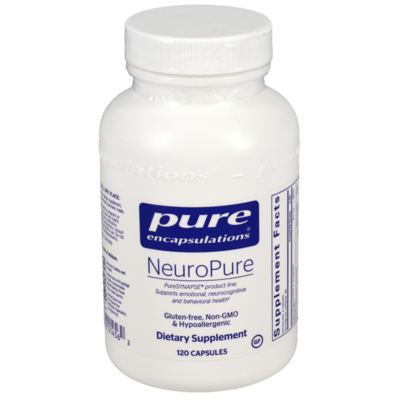
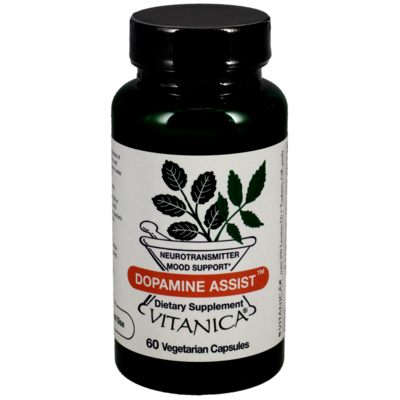
Supporting a healthy mood is a multifaceted endeavor that often involves a combination of lifestyle choices, stress management, and, for some, the strategic use of supplements. It's crucial to understand that supplements are not a substitute for professional mental health care. If you are experiencing persistent low mood, anxiety, or depression, please consult a healthcare provider or mental health professional. Here's a comprehensive look at supplements and nutrients often considered for mood support, along with the foundational lifestyle practices: I. Foundational Lifestyle Practices (Crucial for Mood): Balanced Diet: Emphasize whole, unprocessed foods, plenty of fruits and vegetables, lean proteins, and healthy fats. Limit processed foods, sugary drinks, and excessive caffeine, which can negatively impact mood and energy levels. Regular Exercise: Physical activity is a powerful mood booster, releasing endorphins and reducing stress hormones. Aim for at least 30 minutes of moderate-intensity exercise most days of the week. Adequate Sleep: Poor sleep significantly impacts mood, concentration, and stress resilience. Prioritize 7-9 hours of quality sleep per night. Establish a consistent sleep schedule and a relaxing bedtime routine. Stress Management: Chronic stress depletes neurotransmitters and can lead to anxiety and depression. Incorporate stress-reducing techniques like meditation, deep breathing exercises, yoga, mindfulness, spending time in nature, or engaging in hobbies. Social Connection: Strong social bonds are vital for mental well-being. Connect with friends, family, or community groups. Limit Alcohol and Recreational Drugs: These can worsen mood, disrupt sleep, and interfere with brain chemistry. II. Key Supplements for Mood Support (Discuss with Your Doctor): These supplements work through various mechanisms, such as influencing neurotransmitter levels, reducing inflammation, or supporting brain health. Omega-3 Fatty Acids (EPA & DHA): Role: Essential fatty acids crucial for brain structure and function. EPA, in particular, has anti-inflammatory properties and is linked to mood regulation. Low levels of omega-3s have been associated with depression. Sources: Fatty fish (salmon, mackerel, sardines), flaxseed oil, chia seeds, walnuts. Supplement Form: Fish oil (look for high EPA content), or algal oil for vegans. Vitamin D: Role: Often referred to as the "sunshine vitamin," Vitamin D receptors are found in areas of the brain linked to mood. Deficiency is common and has been correlated with an increased risk of depression and seasonal affective disorder (SAD). Sources: Sunlight exposure, fatty fish, fortified foods. Supplement Form: Vitamin D3 (cholecalciferol). Dosage should be based on blood levels and doctor's recommendation. Magnesium: Role: Involved in over 300 biochemical reactions, including neurotransmitter function, hormone regulation, and stress response. Magnesium deficiency is common and can contribute to anxiety, irritability, and sleep disturbances. Sources: Leafy green vegetables, nuts, seeds, whole grains, dark chocolate. Supplement Forms: Magnesium citrate, glycinate, or L-threonate (for brain penetration) are often well-absorbed. B Vitamins (B Complex): Role: Essential cofactors for the production of neurotransmitters like serotonin, dopamine, and norepinephrine, which regulate mood. Deficiencies in B vitamins (especially B6, B12, and folate) have been linked to depressive symptoms. Sources: Whole grains, lean meats, eggs, leafy greens, legumes. Supplement Form: A comprehensive B-complex supplement. Look for methylated forms of folate (L-methylfolate) and B12 (methylcobalamin) if you have MTHFR gene variations. L-Theanine: Role: An amino acid found primarily in green tea. It promotes relaxation without drowsiness by increasing alpha brain waves and influencing neurotransmitters like GABA (a calming neurotransmitter). It can help reduce anxiety and improve focus. Sources: Green tea. Supplement Form: Available as a standalone supplement. Adaptogenic Herbs: These herbs help the body adapt to stress and promote balance. Ashwagandha (Withania somnifera): An Ayurvedic herb that helps reduce cortisol (stress hormone) levels, improve stress resilience, and may help with anxiety and sleep. Rhodiola Rosea: May help reduce fatigue, improve mood, and enhance mental performance, especially in stressful situations. Holy Basil (Tulsi): Another adaptogen that can help reduce stress and improve mood. 5-HTP (5-Hydroxytryptophan): Role: A precursor to serotonin, the "feel-good" neurotransmitter. It's thought to increase serotonin levels in the brain, potentially helping with mood, sleep, and appetite. Caution: Do not take with antidepressant medications (SSRIs, MAOIs) due to the risk of serotonin syndrome. Consult a doctor. St. John's Wort (Hypericum perforatum): Role: A well-researched herbal remedy for mild to moderate depression. It is believed to work by inhibiting the reuptake of neurotransmitters like serotonin, norepinephrine, and dopamine. Caution: Extremely important to use under medical supervision as it interacts with numerous medications (e.g., antidepressants, birth control, blood thinners, statins) and can cause serious side effects. SAMe (S-Adenosylmethionine): Role: A naturally occurring compound in the body involved in various biochemical reactions, including the synthesis of neurotransmitters. It has shown promise for treating depression, particularly in some studies. Caution: Can interact with antidepressants and may worsen mania in individuals with bipolar disorder. Use under strict medical supervision. Probiotics & Prebiotics (Gut-Brain Axis Support): Role: The gut microbiome produces many neurotransmitters (including a significant portion of the body's serotonin) and influences brain health. A healthy gut can positively impact mood. Sources: Fermented foods (yogurt, kefir, sauerkraut, kimchi) for probiotics; fiber-rich foods (garlic, onions, asparagus, bananas) for prebiotics. Supplement Forms: Probiotic supplements with diverse strains; prebiotic supplements (e.g., inulin, FOS). Saffron: Role: Emerging research suggests saffron extract may have antidepressant properties and help improve mood, possibly by affecting serotonin levels. III. Important Considerations and Cautions: Diagnosis is Key: Supplements are not a substitute for diagnosing and treating underlying mental health conditions. Always seek professional help for persistent mood issues. Drug Interactions: Many supplements can interact with prescription medications, especially antidepressants, anxiety medications, and blood thinners. Always inform your doctor about all supplements you are taking. Quality and Purity: Choose high-quality supplements from reputable brands that conduct third-party testing. Dosage: Follow recommended dosages. Higher doses are not always better and can sometimes be harmful. Individual Response: What works for one person may not work for another. It may take time to find the right combination for you. Side Effects: Even natural supplements can have side effects. Be aware of potential reactions and discontinue use if adverse effects occur. A comprehensive approach to mood support integrates a healthy lifestyle, effective stress management, and, if appropriate, carefully selected supplements under the guidance of a healthcare professional.
Glucose and metabolic support
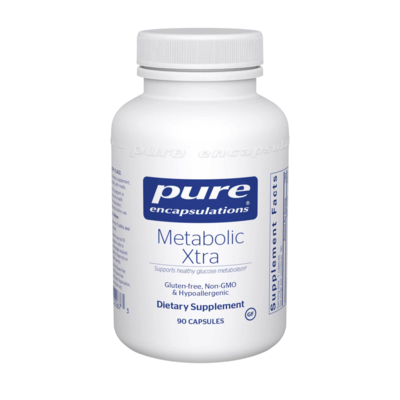
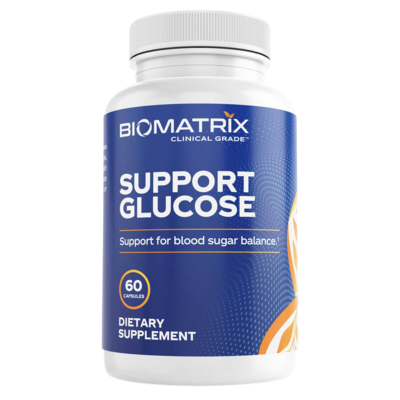
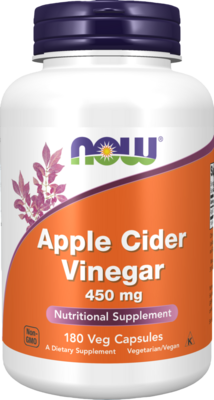 3 more items in Glucose and metabolic support
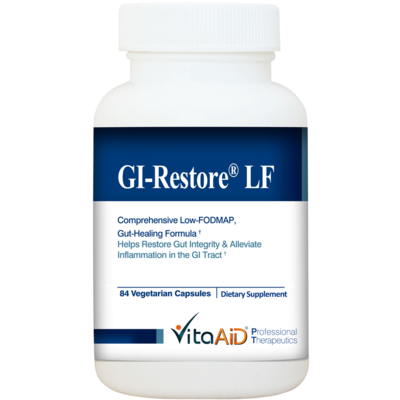
Supporting healthy glucose metabolism and overall metabolic health involves a holistic approach that includes diet, exercise, stress management, and, for some individuals, targeted supplementation. It's especially important to consult with a healthcare professional (doctor, endocrinologist, or registered dietitian) before starting any new supplement regimen, particularly if you have prediabetes, diabetes, or other metabolic conditions, as supplements can interact with medications or have contraindications. Here's a comprehensive look at common supplements and natural compounds believed to support glucose and metabolic health, along with foundational lifestyle recommendations: I. Foundational Lifestyle & Diet: These are the most critical components for glucose and metabolic health. Supplements are supportive and cannot replace these fundamentals. Balanced, Whole-Food Diet: Focus on Fiber: Soluble and insoluble fiber slow glucose absorption, improve satiety, and support gut health. Prioritize fruits, vegetables, whole grains, legumes, nuts, and seeds. Lean Protein: Helps stabilize blood sugar, promotes satiety, and preserves muscle mass. Healthy Fats: Monounsaturated and polyunsaturated fats (avocado, olive oil, nuts, seeds, fatty fish) are crucial for cellular health and can improve insulin sensitivity. Limit Processed Foods & Added Sugars: These are major contributors to insulin resistance and metabolic dysfunction. Regular Physical Activity: Aerobic Exercise: Improves insulin sensitivity and helps with weight management. Strength Training: Builds muscle mass, which is metabolically active and helps the body use glucose more efficiently. Maintain a Healthy Weight: Losing even a small amount of weight can significantly improve insulin sensitivity and metabolic markers. Adequate Sleep: Poor sleep disrupts hormones that regulate appetite and glucose metabolism, leading to insulin resistance and increased cravings. Stress Management: Chronic stress elevates cortisol, which can increase blood sugar levels and contribute to insulin resistance. Hydration: Water is essential for all metabolic processes. II. Key Supplements for Glucose and Metabolic Support: Many of these supplements work through various mechanisms, such as improving insulin sensitivity, reducing glucose absorption, supporting pancreatic function, or providing antioxidant protection. Minerals: Chromium: Role: An essential trace mineral involved in carbohydrate and lipid metabolism. It's believed to enhance insulin signaling and improve the body's response to insulin. Form: Chromium picolinate is a common and well-absorbed form. Natural Sources: Broccoli, grape juice, whole-wheat products, lean beef, brewer's yeast. Magnesium: Role: Involved in over 300 enzymatic reactions, including insulin secretion, binding, and action. Deficiency is common in people with insulin resistance and type 2 diabetes. Form: Magnesium citrate, glycinate, or malate are often well-absorbed. Natural Sources: Leafy green vegetables, nuts, seeds, whole grains, legumes. Zinc: Role: Essential for insulin production, storage, and secretion. It also has antioxidant properties. People with diabetes often have lower zinc levels. Natural Sources: Oysters, beef, pumpkin seeds, lentils. Caution: High doses can interfere with copper absorption. Vitamins: Vitamin D: Role: Plays a role in pancreatic beta-cell function (insulin production) and overall insulin sensitivity. Deficiency is linked to an increased risk of type 2 diabetes. Form: D3 (cholecalciferol) is the most effective form. Natural Sources: Sunlight exposure, fatty fish, fortified foods. B Vitamins (especially B1, B6, B7/Biotin, B12, Folate): Role: Critical for energy metabolism, converting food into usable energy. Deficiencies can impair glucose utilization. Benfotiamine (fat-soluble B1): May be particularly beneficial for nerve health and protecting against advanced glycation end products (AGEs), which are harmful compounds formed when sugar binds to proteins or fats. Natural Sources: Whole grains, lean meats, eggs, leafy greens, legumes. Herbal Extracts & Natural Compounds: Berberine: Role: A compound found in several plants (e.g., goldenseal, barberry). It has shown significant potential in improving insulin sensitivity, reducing glucose production in the liver, and enhancing glucose uptake by cells, often compared to metformin. Caution: Can cause digestive upset (diarrhea, constipation) and interacts with many medications. Must be used under medical supervision. Cinnamon: Role: May improve insulin sensitivity and help lower blood sugar levels. Form: Ceylon cinnamon is generally preferred over Cassia cinnamon, especially for regular use, due to lower coumarin content (which can be liver toxic in high amounts). Alpha-Lipoic Acid (ALA): Role: A potent antioxidant that may improve insulin sensitivity, reduce oxidative stress, and has been used to help with diabetic neuropathy. Form: R-alpha-lipoic acid is the more bioavailable form. Gymnema Sylvestre: Role: An Ayurvedic herb that may reduce sugar absorption in the gut and improve insulin function. Some components may also reduce sugar cravings. Fenugreek: Role: Contains soluble fiber and compounds that may help lower blood sugar by slowing carbohydrate absorption and improving insulin sensitivity. Bitter Melon: Role: Traditionally used for blood sugar control, it contains compounds that may mimic insulin and influence glucose metabolism. Green Tea Extract (EGCG): Role: Contains polyphenols and EGCG (epigallocatechin gallate), which have antioxidant properties and may improve insulin sensitivity and fat metabolism. Resveratrol: Role: A polyphenol found in red grapes and berries. It's an antioxidant and has been studied for its potential effects on metabolic pathways, including those related to glucose metabolism and insulin sensitivity. Nopal (Prickly Pear Cactus): Role: The fiber in nopal may help reduce post-meal blood sugar spikes. White Mulberry Leaf Extract: Role: May help reduce post-meal blood sugar spikes by inhibiting enzymes that break down carbohydrates into glucose. Other Supportive Supplements: Omega-3 Fatty Acids (EPA & DHA): Role: While not directly glucose-lowering, they reduce inflammation, which is often associated with insulin resistance and metabolic syndrome. They also support cardiovascular health. Probiotics: Role: A healthy gut microbiome can influence glucose metabolism and insulin sensitivity. Certain strains may improve these markers. Apple Cider Vinegar (ACV): Role: While not a supplement in capsule form, taking 1-2 tablespoons diluted in water before meals may help reduce post-meal glucose spikes and improve insulin sensitivity. III. Important Considerations and Cautions: Drug Interactions: Many supplements can interact with prescription medications, especially blood sugar-lowering drugs (e.g., metformin, insulin). This can lead to hypoglycemia (dangerously low blood sugar). Individual Response: Not everyone will respond to supplements in the same way. What works for one person might not work for another. Dosage: Adhere to recommended dosages. Higher doses are not necessarily better and can be harmful. Purity and Quality: Choose reputable brands that are third-party tested for purity and potency. Monitoring: If you are using supplements for glucose support, it's essential to monitor your blood sugar levels regularly and work with your healthcare provider to adjust your treatment plan as needed. A comprehensive approach to glucose and metabolic support prioritizes diet and lifestyle changes, with targeted supplements used as an adjunctive strategy under professional guidance.
Magnesium
3 products

Dr. Laura Reis
States of practice
Arizona
Colorado
Florida
Georgia
Idaho
Illinois
Indiana
Maryland
Michigan
Mississippi
Missouri
Montana
Nebraska
Nevada
Tennessee
Utah
Virginia
Washington
Wisconsin
Wyoming
Shop the entire wellness catalog, held to a higher standard
Shop practitioner-grade products, each meeting the same bar for quality through Fullscript's standards.
Powered byVerified
Sourced straight from the brand — no resellers or fakes
Enhanced testing
Select products are tested in-house — get exactly what the label promises
Stored and shipped
From certified facilities, to protect product integrity