
NP Housecalls Nutrition
Welcome! Through Fullscript, NP Housecalls Nutrition offers high-quality supplements and wellness products, delivered right to your door. Get started with the recommended products from NP Housecalls Nutrition, or sign in/up to explore the entire product catalog.
Up to 25% off your order when you sign up*
Shop the highest quality, rigorously tested supplements
Fast and free shipping for orders over $50
*Discounts may vary by order. Labs and select products not eligible
Existing account? Log in here
Featured public protocols
NP Housecalls Nutrition's general recommendations, available to anyone who visits this store.
Urinary Health - NPHC
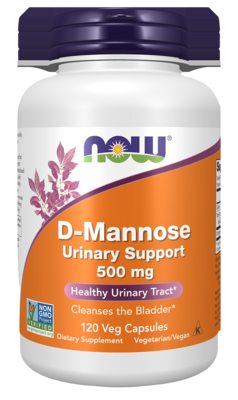
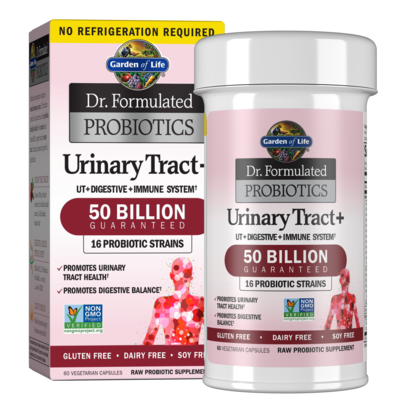
The best RCT on dietary supplements for recurrent UTIs is the MERIT trial , a large, multicenter, double-blind, placebo-controlled study of D-mannose 2 g daily in women with recurrent UTIs. It found no significant reduction in clinically suspected UTIs (primary outcome) or in secondary outcomes (microbiologically confirmed UTIs, antibiotic use, symptom burden, or hospitalizations) 1 . The evidence for cranberry is mixed, with some RCTs showing modest benefits and others showing no effect, and recent AUA/CUA/SUFU guidelines now recommend cranberry as an option for recurrent UTI prophylaxis 2 . Probiotics and D-mannose have inconsistent or limited evidence. Overall, D-mannose is not superior to placebo in primary care, and cranberry may be considered for select patients.
Weight loss - NPHC
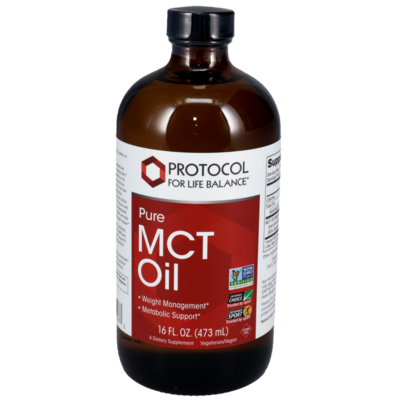
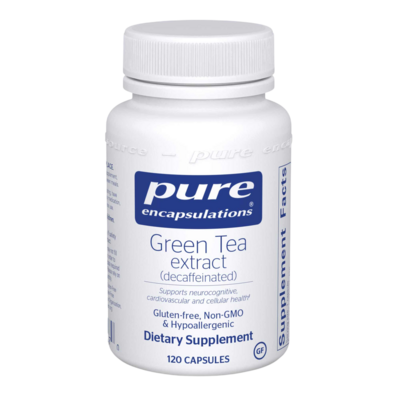
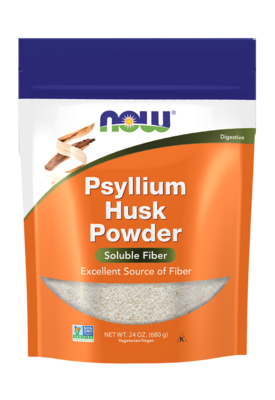
MCT oil is a rapidly absorbed fat 1 that provides quick energy and ketones 2 , making it useful for weight management 3 , cognitive support 4 , and clinical nutrition 5 . It is not a magic bullet 6 ; use modest doses (1–2 tbsp/day) 7 and watch for GI upset 8 . MCT oil is not a substitute for essential fats 9 and should be used alongside a balanced diet 10 . For weight management, take 3–6 grams (about 1 teaspoon) of psyllium husk powder 1 mixed with at least 8 ounces (240 mL) of water or another fluid 2 , 15–30 minutes before meals 3 to enhance satiety and reduce intake 4 . Start with 1 dose per day 5 and titrate to 2–3 doses per day as tolerated, with adequate hydration 6 to minimize GI upset 7 . Expect modest weight loss (≈0.3–0.6 kg over 4–12 weeks) 4 and improved glycemic/lipid markers 8 ; avoid use if you have difficulty swallowing 2 or are on narrow therapeutic index drugs 8 , and separate from medications by at least 2 hours 1 . Use green tea extract for weight management at 300–400 mg EGCG/day 1 with 100–200 mg caffeine 2 , taken 30–60 minutes before meals to support modest weight loss (≈1–2 kg over 12 weeks) 3 and fat oxidation 4 . Start low, monitor for GI upset 5 and liver enzyme changes 6 , and avoid high-dose extracts or prolonged use without supervision 7 . Green tea extract is not a substitute for lifestyle change 8 ; use it as an adjunct with calorie control and activity 9 .
Neuropathic Pain - NPHC
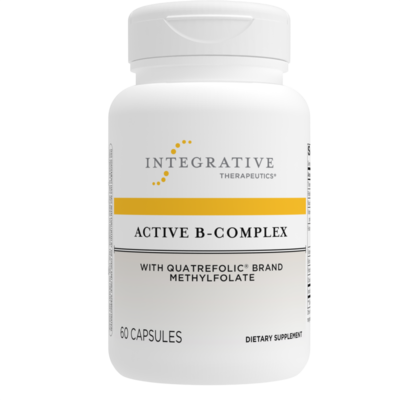
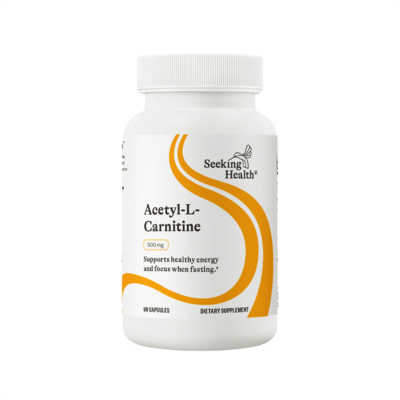
Nutritional supplementation can help neuropathy, especially when deficiencies are present 1 . Vitamin B12 is first-line for B12-deficient neuropathy 2 3 , and B-complex may help diabetic neuropathy, though evidence is mixed 4 5 . Vitamin D supplementation improves pain and mood in diabetic neuropathy 6 7 , and acetyl-L-carnitine reduces pain and supports nerve regeneration 8 9 . Omega-3s show corneal nerve regeneration 10 but not clear symptom benefit 11 ; alpha-lipoic acid has modest symptom effects 12 13 . Supplements are generally safe 4 , but monitor for adverse effects and interactions 2 .
Memory supplement pack NPHC
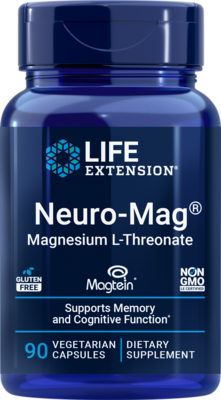
 4 more items in Memory supplement pack NPHC
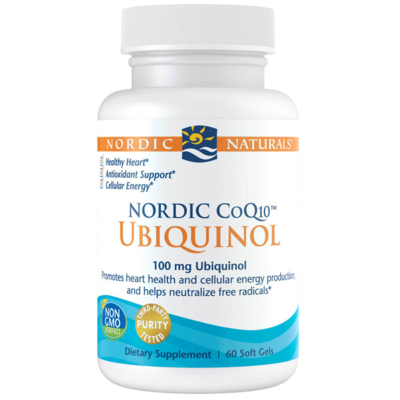
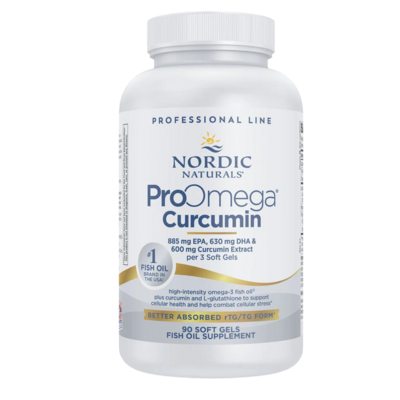
The Dean Ornish Alzheimer’s study evaluated a combination of dietary supplements in adults aged 45–90 with mild cognitive impairment or early dementia. The supplement regimen was integrated with a whole-food, minimally processed, plant-based diet, emphasizing complex carbohydrates from fruits, vegetables, whole grains, legumes, soy products, seeds, and nuts, while minimizing intake of saturated fats, added sweeteners, and refined carbohydrates. The intervention also included daily aerobic exercise (e.g., walking for at least 30 minutes), mild strength training at least three times per week, and regular stress management practices such as stretching, breathing exercises, meditation, and guided imagery. Ornish et al. Alzheimer’s Research & Therapy 2024 https://doi.org/10.1186/s13195-024-01482-z Supplements in the study included: • Omega-3 fatty acids with Curcumin• Multivitamin and Minerals • Coenzyme Q10 • Vitamin C• Vitamin B12 • Magnesium L-Threonate • Hericium erinaceus• Super Bifido Plus Probiotic
Lipid Lowering Options (do not start as a pack)- NPHC
 3 more items in Lipid Lowering Options (do not start as a pack)- NPHC
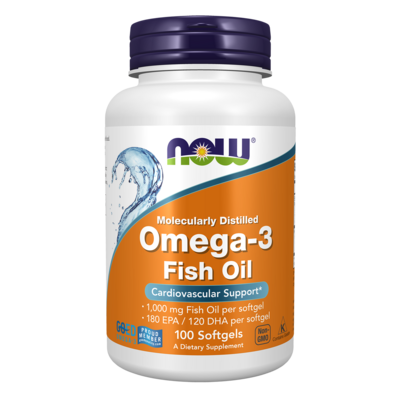
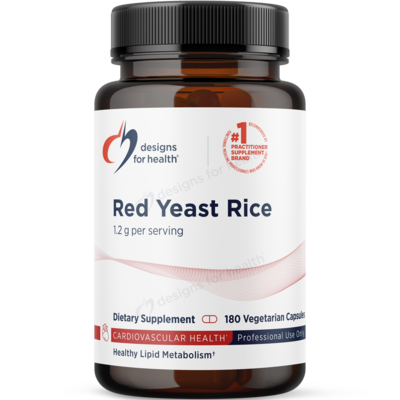
In general all of these should not be taken together or started at one time. Start one at a time and increase based on tolerability and response to treatment. The best supplements for hyperlipidemia are plant sterols/stanols (2–3 g/day) and psyllium (10–12 g/day), which lower LDL-C by 5–15% and 5–10%, respectively 1 2 . Omega-3 fatty acids (EPA/DHA 2–4 g/day) are effective for triglyceride lowering (20–30%) but may increase LDL-C; use cautiously in high-risk patients 3 4 . Red yeast rice can lower LDL-C by 15–25%, but variability and contamination are concerns; use only standardized, citrinin-free products (the product offered here is Citrinin-Free) 5 . Berberine and soluble fibers (beta-glucan, inulin) have modest LDL-C effects and are generally safe; avoid niacin due to adverse effects and limited benefit 6 . Always consult a healthcare provider before starting supplements, especially if taking other medications or having comorbidities.
Joint Pain - NPHC
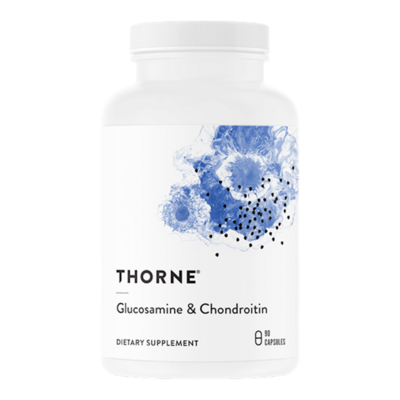
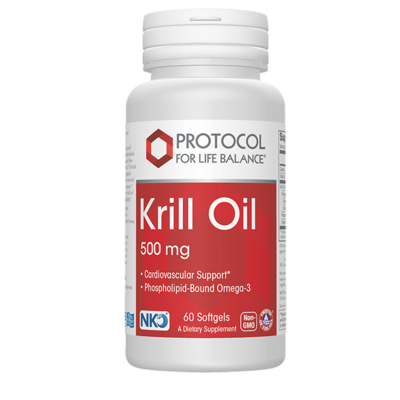
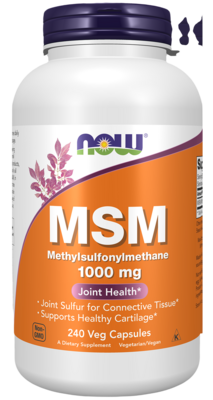
The best RCT for supplements in joint pain/OA is the GAIT trial , a large, multicenter, double-blind, placebo- and celecoxib -controlled study of glucosamine and chondroitin in knee OA that found no significant benefit overall but a small benefit in moderate-to-severe pain 1 . Glucosamine sulfate 1,500 mg/day for 3 years slowed joint space narrowing in a separate RCT 2 . Chondroitin sulfate shows structure-modifying effects in meta-analyses, but pain/function benefits are modest and inconsistent 3 4 . Krill oil and MSM have limited, short-term benefits. Overall, glucosamine sulfate is the most evidence-backed supplement for slowing OA progression, while chondroitin sulfate may help structurally; krill oil and MSM have short-term symptom benefits.
Shop the entire wellness catalog, held to a higher standard
Shop practitioner-grade products, each meeting the same bar for quality through Fullscript's standards.
Powered byVerified
Sourced straight from the brand — no resellers or fakes
Enhanced testing
Select products are tested in-house — get exactly what the label promises
Stored and shipped
From certified facilities, to protect product integrity