
MEM Nutrition and Wellness Dispensary
Welcome! Through Fullscript, MEM Nutrition and Wellness Dispensary offers high-quality supplements and wellness products, delivered right to your door. Get started with the recommended products from MEM Nutrition and Wellness Dispensary, or sign in/up to explore the entire product catalog.
Up to 5% off your order when you sign up*
Shop the highest quality, rigorously tested supplements
Fast and free shipping for orders over $50
*Discounts may vary by order. Labs and select products not eligible
Existing account? Log in here
Featured public protocols
MEM Nutrition and Wellness Dispensary's general recommendations, available to anyone who visits this store.
Supporting Digestion with Enzymes
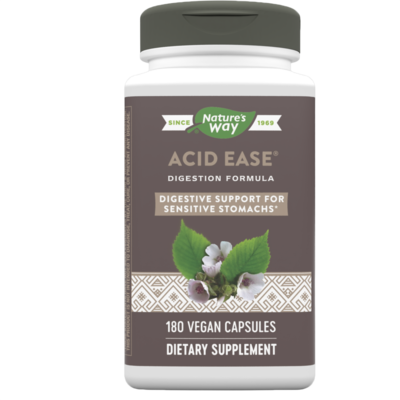
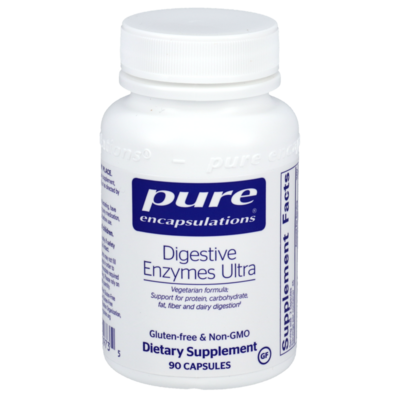
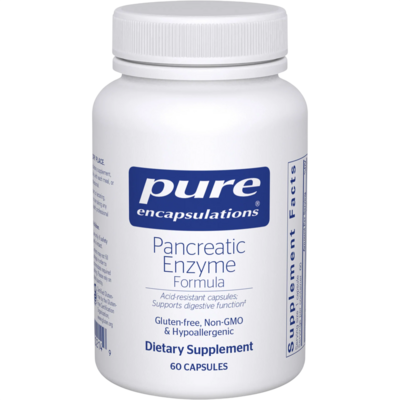 2 more items in Supporting Digestion with Enzymes
Certain digestion conditions such as: Celiac disease, pancreatic insufficiency, and inflammatory bowel disease, can impair your produce of digestive enzymes. Below are some high quality digestive enzyme supplements. Consult your doctor before beginning any new supplementation protocol.
Inside Out Wellness-Microbiome Support
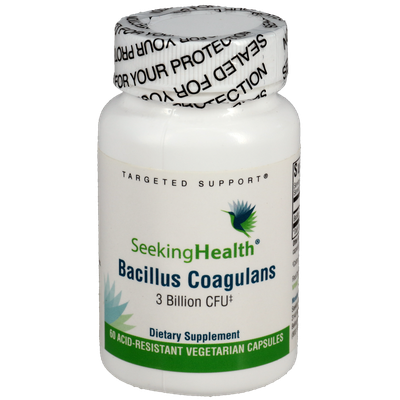
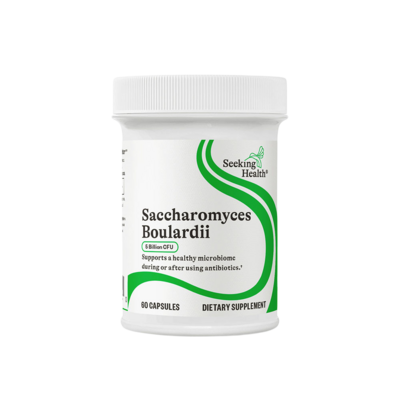
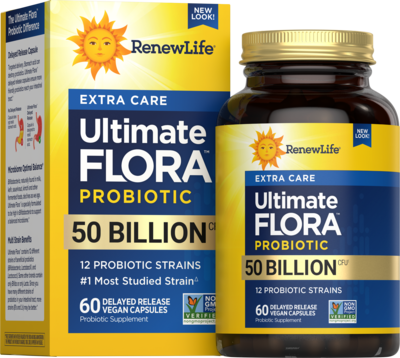 Inside Out Wellness-Microbiome Support resource 1
Supplements for Sports and Performance
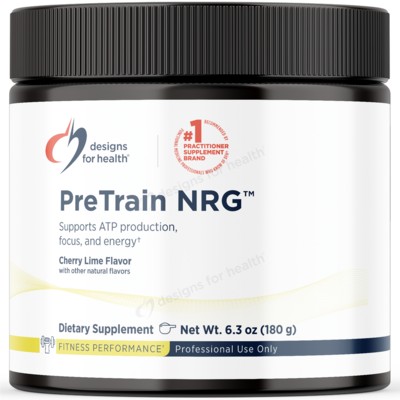
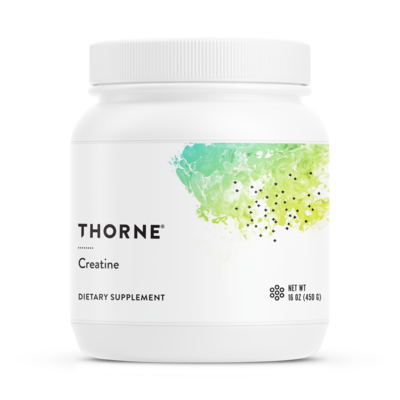
 3 more items in Supplements for Sports and Performance
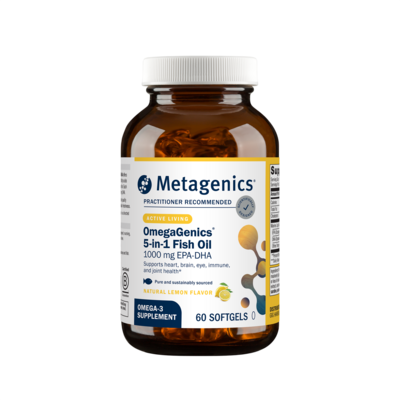
Overview Many dietary supplements have been popularly marketed to improve sports performance; however, only a few key ingredients have strong evidence to support these claims. Table 1 provides an overview of some of the ingredients that have supportive research. Practitioners should be aware that based on an ingredient’s mechanism of action, a performance-enhancing effect may be observed for a certain type of exercise (e.g., aerobic), but these effects may not necessarily translate to another form (e.g., anaerobic). The ingredients included in this protocol may be beneficial for improved exercise performance and body composition outcomes. For example, beta-alanine helps to buffer acid buildup, helping to prevent fatigue. ( Ojeda 2020 ) Caffeine acts as a nervous system stimulant, reducing inhibition and ratings of perceived exertion. ( Doherty 2005 ) Creatine helps to provide additional short-duration energy reserves and muscle hydration. ( Kreider 2017 ) HMB may help to stimulate lipolysis, and in certain populations, may help to stimulate muscle protein synthesis. ( Kerksick 2018 ) Finally, whey protein may help consumers with satiety, ensure adequate protein intake, and help preserve lean muscle mass under energy restriction. ( Wirunsawanya 2018 ) Table 1: Overview of ingredients for exercise performance and body composition Caffeine 3-6 mg/kg body weight to trained or untrained individuals approximately 60 minutes before exercise performance ( Ganio 2009 )( Guest 2021 )( Polito 2016 )( Southward 2018 ) Improved performance in any exercise modality by an average of 11%, potentially mediated by a 5.6% reduced RPE (rate of perceived exertion) compared to placebo. ( Doherty 2005 ) Improved cardiovascular endurance performance ~3% (small effect; 0.22)( Ganio 2009 )( Southward 2018 ) and time trials ~2% (small effect; 0.28-0.45)( Ganio 2009 )( Ribeiro 2017 )( Southward 2018 ) Improved muscular endurance with a small effect by ~18% (SMD = 0.27-0.38) ( Polito 2016 )( Warren 2010 ) and strength with a small effect of ~5-7% (SMD = 0.16-0.37)( Grgic 2019 )( Grgic 2018 )( Warren 2010 ) Improved muscular power with a small effect as measured by improved jump heights (SMD = 0.17-0.29), ( Grgic 2018 ) sprints (SMD = 0.14-0.16), time to complete agility tests (SMD = 0.41), ( Salinero 2019 ) or Wingate tests (SMD = 0.18-0.27; ~3-4%) ( Grgic 2018 ) Up to 300 mg in pregnant women or 400 mg in healthy adults, there does not appear to be a risk of significant health effects. Similar safety profiles exist for children and adolescents consuming 2.5 mg/kg body weight per day. ( Wikoff 2017 ) Nonetheless, the most commonly reported dose-dependent adverse effects of caffeine include insomnia, feelings of restlessness or anxiety, tachycardia, and headaches. ( Guest 2021 ) Creatine monohydrate Loading phase of 0.3 g/kg body weight or ~5 g, four times daily for 5 to 7 days, followed by a maintenance phase of 3 to 5 g per day ongoing ( Kreider 2017 ) Generally, high-intensity and/or repetitive exercise performance is increased by 10 to 20%. ( Kreider 2017 ) Meta-analyses on both upper ( Lanhers 2017 ) and lower ( Lanhers 2015) limb performance showed small strength benefits (effect size = 0.235-0.317), with the largest being on the pectoralis major and minor for the bench press (5.3%). ( Lanhers 2017 ) Shown to be effective for bouts of exertion ~1-10 seconds long, with rest periods of 0.5 to 5 minutes. ( Bemben 2005 )( Butts 2018 ) It may also be helpful for continuous bouts of exertion between 10 seconds and 2 minutes. ( Bemben 2005 ) There are likely no differences in effect size based on age, sex, and training status. ( Lanhers 2017 ) There is insufficient evidence to suggest that other forms of creatine (beyond creatine monohydrate, such as creatine HCl) have superior absorption or effectiveness. ( Jäger 2011 ) Robust evidence shows a small increase in body mass (~0.26 kg, possibly due to increased water retention from hyper-hydration of the muscle) ( Kreider 2017 ) following creatine supplementation during the loading phase, which tends to disappear during the maintenance phase. ( Branch 2003 ) Despite this mass gain, there is no high-quality evidence to suggest ergolytic effects of creatine even in endurance athletes, which may be attributed to creatine’s other benefits (e.g., muscle hydration, heat tolerance, enhanced recovery) ( Kreider 2017 ). One of the longest studies of high-dose creatine supplementation (up to 30 g per day for five years) has shown no detrimental effects in healthy individuals. ( Bender 2016 ) Additionally, there is no compelling evidence that creatine supplementation negatively affects kidney function in healthy or clinical populations. ( Kreider 2017 ) Omega-3 fatty acids (EPA/DHA) 3 g of EPA+DHA in 2:1 ratio for 8 weeks ( Ochi 2018 ) EPA and DHA may improve nitric oxide production. They have been found to reduce vascular resistance, increase cardiac stroke volume, and increase cardiac output, which may result in increased oxygen delivery during exercise and increased VO2max. ( Walser 2008 )( Zebrowska 2015 ) Various RCTs have showed that EPA and DHA have associations with increased lipid peroxidation both post exercise and at rest (e.g., malonaldehyde), in addition to increased antioxidant enzyme activities (e.g., superoxide dismutase, glutathione peroxidase). ( Lewis 2020 ) Improved reaction time and mood was seen across all sports examined in RCTs in this 2020 SR of sport supplementation of EPA and DHA: professional rugby, soccer, athletics, and karate. ( Lewis 2020 ) 13 cyclists were given 660mg EPA and 440mg DHA twice daily for 3 weeks, and versus placebo their NO production and VO2 max were significantly higher with omega-3 supplementation. ( Zebrowska 2015 ) EPA and DHA might decrease post-exercise muscle soreness and improve range of motion. A systematic review noted a reduction of DOMS in six of 12 trials and a lessened range of motion deficit after exercise in three of five trials. They also found interesting findings worthy of further exploration: lessened muscle strength deficit after exercise in two of six trials and a reduction of swelling in the muscle in one of five trials. Results were mixed but generally found no effect on MPS. ( Ochi 2018 ) Supplementary n-3 fatty acids appear to have a low risk of adverse effects, as only one of five randomized controlled trials in a systematic review ( Lewis 2020 ) reported adverse effects, noting poor palatability, gastrointestinal distress, and nausea in 10% of participants. ( Oliver 2016 ) High n-3 consumption may prolong bleeding time; ( Meydani 1991 ) however, the FDA has recognized that intakes of up to 3 g per day of omega-3 fatty acids is generally recognized as safe in humans, even with regards to claims on bleeding tendencies. ( US FDA 2004 ) View Omega-3 fatty acids in the ingredient library HMB Beta-hydroxy-beta-methylbutyrate (HMB) 3 g per day for 3-12 weeks ( Kerksick 2018 ) Increased muscle mass among untrained and elderly subjects by an additional 0.5 to 1 kg versus controls was observed. ( Kerksick 2018 ) Trained athletes supplementing with HMB may have reductions in fat mass, ( Durkalec-Michalski 2015 )( Durkalec-Michalski 2016 )( Durkalec-Michalski 2017 ) though there are mixed results on whether trained athletes tend to gain muscle mass. ( Kerksick 2018 ) Longer training periods (over 6 weeks) and periodization may increase the likelihood of lean mass gain. ( Wilson 2013 ) A 2018 meta-analysis on trained athletes showed a lack of an effect of HMB on bench press strength, leg press strength, body mass, fat-free mass, and fat mass. ( Sanchez-Martinez 2018 ) A 2019 meta-analysis on untrained subjects aged 50 to 80 only showed a small borderline statistically significant effect on handgrip strength (ES=0.19, p=0.06), with no effects found on leg strength, muscle mass, or fat mass. ( Courel-Ibáñez 2019 ) Doses up to 6 g per day have been well tolerated with no adverse effects. ( Wilson 2013 )( Gallagher 2000 ) Whey Protein Whey Protein 20-75 g per day for 2 weeks to 15 months ( Wirunsawanya 2018 ) Whey protein is generally an easy to mix, digest, and absorb milk-derived protein that has a large body of evidence for improving cardiovascular factors and improving body composition. ( Morifuji 2010 )( Sousa 2012 ) A 2018 SR and MA found whey protein supplementation in individuals who are overweight and/or obese to be associated with significant reductions in body weight, and fat mass, and increases in lean mass. With the resultant weight loss, the authors noted significant improvements in systolic and diastolic blood pressure, glucose, high-density lipoprotein, and total cholesterol and fat mass. ( Wirunsawanya 2018 ) Optimal daily protein intake likely reduces the effect of whey protein supplementation. ( Huang 2021 ) For active individuals aiming to improve body composition, this intake is likely 1.6 to 2.4 grams of protein per kilogram of bodyweight. ( Burke 2019 ) Whey protein may be a tool consumers can use to supplement hitting this protein target. A 2018 SR and MA found that whey protein may be a useful tool for those following a hypocaloric diet to lose weight and preserve muscle mass. ( Bergia 2018 ) A 2019 SR and MA of whey protein concentrates, isolates, and hydrosylates noted no adverse effects in any of the trials examined. ( Castro 2019 ) Evidence rating The following protocols were developed using only a,b,c -quality evidence Learn more about our rating scale References A Castro, L. H., S de Araújo, F. H., M Olimpio, M. Y., B de B Primo, R., T Pereira, T., F Lopes, L. A., B S de M Trindade, E., Fernandes, R., & A Oesterreich, S. (2019). Comparative Meta-Analysis of the Effect of Concentrated, Hydrolyzed, and Isolated Whey Protein Supplementation on Body Composition of Physical Activity Practitioners. Nutrients , 11 (9). https://doi.org/10.3390/nu11092047 (F) Bemben, M. G., & Lamont, H. S. (2005). Creatine supplementation and exercise performance: recent findings. Sports Medicine , 35 (2), 107–125. https://doi.org/10.2165/00007256-200535020-00002 (F) Bender, A., & Klopstock, T. (2016). Creatine for neuroprotection in neurodegenerative disease: end of story? Amino Acids , 48 (8), 1929–1940. https://doi.org/10.1007/s00726-015-2165-0 (F) Bergia, R. E., 3rd, Hudson, J. L., & Campbell, W. W. (2018). Effect of whey protein supplementation on body composition changes in women: a systematic review and meta-analysis. Nutrition Reviews , 76 (7), 539–551. https://doi.org/10.1093/nutrit/nuy017 (A) Branch, J. D. (2003). Effect of creatine supplementation on body composition and performance: a meta-analysis. International Journal of Sport Nutrition and Exercise Metabolism , 13 (2), 198–226. https://doi.org/10.1123/ijsnem.13.2.198 (A) Burke, L. M., Castell, L. M., Casa, D. J., Close, G. L., Costa, R. J. S., Desbrow, B., Halson, S. L., Lis, D. M., Melin, A. K., Peeling, P., Saunders, P. U., Slater, G. J., Sygo, J., Witard, O. C., Bermon, S., & Stellingwerff, T. (2019). International Association of Athletics Federations Consensus Statement 2019: Nutrition for Athletics. International Journal of Sport Nutrition and Exercise Metabolism , 29 (2), 73–84. https://doi.org/10.1123/ijsnem.2019-0065 (F) Butts, J., Jacobs, B., & Silvis, M. (2018). Creatine Use in Sports. Sports Health , 10 (1), 31–34. https://doi.org/10.1177/1941738117737248 (F) Courel-Ibáñez, J., Vetrovsky, T., Dadova, K., Pallarés, J. G., & Steffl, M. (2019). Health Benefits of β-Hydroxy-β-Methylbutyrate (HMB) Supplementation in Addition to Physical Exercise in Older Adults: A Systematic Review with Meta-Analysis. Nutrients , 11 (9). https://doi.org/10.3390/nu11092082 (A) Doherty, M., & Smith, P. M. (2005). Effects of caffeine ingestion on rating of perceived exertion during and after exercise: a meta-analysis. Scandinavian Journal of Medicine & Science in Sports , 15 (2), 69–78. https://doi.org/10.1111/j.1600-0838.2005.00445.x (A) Dolan, E., Swinton, P. A., Painelli, V. de S., Stephens Hemingway, B., Mazzolani, B., Infante Smaira, F., Saunders, B., Artioli, G. G., & Gualano, B. (2019). A Systematic Risk Assessment and Meta-Analysis on the Use of Oral β-Alanine Supplementation. Advances in Nutrition , 10 (3), 452–463. https://doi.org/10.1093/advances/nmy115 (A) Durkalec-Michalski, K., & Jeszka, J. (2015). The efficacy of a β-hydroxy-β-methylbutyrate supplementation on physical capacity, body composition and biochemical markers in elite rowers: a randomised, double-blind, placebo-controlled crossover study. Journal of the International Society of Sports Nutrition , 12 , 31. https://doi.org/10.1186/s12970-015-0092-9 (C) Durkalec-Michalski, K., & Jeszka, J. (2016). The Effect of β-Hydroxy-β-Methylbutyrate on Aerobic Capacity and Body Composition in Trained Athletes. Journal of Strength and Conditioning Research / National Strength & Conditioning Association , 30 (9), 2617–2626. https://doi.org/10.1519/JSC.0000000000001361 (B) Durkalec-Michalski, K., Jeszka, J., & Podgórski, T. (2017). The Effect of a 12-Week Beta-hydroxy-beta-methylbutyrate (HMB) Supplementation on Highly-Trained Combat Sports Athletes: A Randomised, Double-Blind, Placebo-Controlled Crossover Study. Nutrients , 9 (7). https://doi.org/10.3390/nu9070753 (B) Gallagher, P. M., Carrithers, J. A., Godard, M. P., Schulze, K. E., & Trappe, S. W. (2000). Beta-hydroxy-beta-methylbutyrate ingestion, Part I: effects on strength and fat free mass. Medicine and Science in Sports and Exercise , 32 (12), 2109–2115. https://doi.org/10.1097/00005768-200012000-00022 (C) Ganio, M. S., Klau, J. F., Casa, D. J., Armstrong, L. E., & Maresh, C. M. (2009). Effect of caffeine on sport-specific endurance performance: a systematic review. Journal of Strength and Conditioning Research / National Strength & Conditioning Association , 23 (1), 315–324. https://doi.org/10.1519/JSC.0b013e31818b979a (A) Grgic, J., & Pickering, C. (2019). The effects of caffeine ingestion on isokinetic muscular strength: A meta-analysis. Journal of Science and Medicine in Sport / Sports Medicine Australia , 22 (3), 353–360. https://doi.org/10.1016/j.jsams.2018.08.016 (A) Grgic, J., Trexler, E. T., Lazinica, B., & Pedisic, Z. (2018). Effects of caffeine intake on muscle strength and power: a systematic review and meta-analysis. Journal of the International Society of Sports Nutrition , 15 , 11. https://doi.org/10.1186/s12970-018-0216-0 (A) Guest, N. S., VanDusseldorp, T. A., Nelson, M. T., Grgic, J., Schoenfeld, B. J., Jenkins, N. D. M., Arent, S. M., Antonio, J., Stout, J. R., Trexler, E. T., Smith-Ryan, A. E., Goldstein, E. R., Kalman, D. S., & Campbell, B. I. (2021). International society of sports nutrition position stand: caffeine and exercise performance. Journal of the International Society of Sports Nutrition , 18 (1), 1. https://doi.org/10.1186/s12970-020-00383-4 (F) Hobson, R. M., Saunders, B., Ball, G., Harris, R. C., & Sale, C. (2012). Effects of β-alanine supplementation on exercise performance: a meta-analysis. Amino Acids , 43 (1), 25–37. https://doi.org/10.1007/s00726-011-1200-z (A) Hoffman, J. R., Varanoske, A., & Stout, J. R. (2018). Effects of β-Alanine Supplementation on Carnosine Elevation and Physiological Performance. Advances in Food and Nutrition Research , 84 , 183–206. https://doi.org/10.1016/bs.afnr.2017.12.003 (F) Huang, L.-P., Condello, G., & Kuo, C.-H. (2021). Effects of Milk Protein in Resistance Training-Induced Lean Mass Gains for Older Adults Aged ≥ 60 y: A Systematic Review and Meta-Analysis. Nutrients , 13 (8). https://doi.org/10.3390/nu13082815 (A) Jäger, R., Purpura, M., Shao, A., Inoue, T., & Kreider, R. B. (2011). Analysis of the efficacy, safety, and regulatory status of novel forms of creatine. Amino Acids , 40 (5), 1369–1383. https://doi.org/10.1007/s00726-011-0874-6 (F) Kerksick, C. M., Wilborn, C. D., Roberts, M. D., Smith-Ryan, A., Kleiner, S. M., Jäger, R., Collins, R., Cooke, M., Davis, J. N., Galvan, E., Greenwood, M., Lowery, L. M., Wildman, R., Antonio, J., & Kreider, R. B. (2018). ISSN exercise & sports nutrition review update: research & recommendations. Journal of the International Society of Sports Nutrition , 15 (1), 38. https://doi.org/10.1186/s12970-018-0242-y (F) Kreider, R. B., Kalman, D. S., Antonio, J., Ziegenfuss, T. N., Wildman, R., Collins, R., Candow, D. G., Kleiner, S. M., Almada, A. L., & Lopez, H. L. (2017). International Society of Sports Nutrition position stand: safety and efficacy of creatine supplementation in exercise, sport, and medicine. Journal of the International Society of Sports Nutrition , 14 , 18. https://doi.org/10.1186/s12970-017-0173-z (F) Lanhers, C., Pereira, B., Naughton, G., Trousselard, M., Lesage, F.-X., & Dutheil, F. (2015). Creatine Supplementation and Lower Limb Strength Performance: A Systematic Review and Meta-Analyses. Sports Medicine , 45 (9), 1285–1294. https://doi.org/10.1007/s40279-015-0337-4 (A) Lanhers, C., Pereira, B., Naughton, G., Trousselard, M., Lesage, F.-X., & Dutheil, F. (2017). Creatine Supplementation and Upper Limb Strength Performance: A Systematic Review and Meta-Analysis. Sports Medicine , 47 (1), 163–173. https://doi.org/10.1007/s40279-016-0571-4 (A) Morifuji, M., Ishizaka, M., Baba, S., Fukuda, K., Matsumoto, H., Koga, J., Kanegae, M., & Higuchi, M. (2010). Comparison of different sources and degrees of hydrolysis of dietary protein: effect on plasma amino acids, dipeptides, and insulin responses in human subjects. Journal of Agricultural and Food Chemistry , 58 (15), 8788–8797. https://doi.org/10.1021/jf101912n (D) Ojeda, Á. H., Cerda, C. T., Salvatierra, M. F. P., Barahona-Fuentes, G., & Aguilera, C. J. (2020). Effects of Beta-Alanine Supplementation on Physical Performance in Aerobic-Anaerobic Transition Zones: A Systematic Review and Meta-Analysis. Nutrients , 12 (9), 2490. https://doi.org/10.3390/nu12092490 (A) Polito, Souza, D. B., Casonatto, J., & Farinatti, P. (2016). Acute effect of caffeine consumption on isotonic muscular strength and endurance: A systematic review and meta-analysis. Science & Sports , 31 (3), 119–128. https://doi.org/10.1016/j.scispo.2016.01.006 (A) Quesnele, J. J., Laframboise, M. A., Wong, J. J., Kim, P., & Wells, G. D. (2014). The effects of beta-alanine supplementation on performance: a systematic review of the literature. International Journal of Sport Nutrition and Exercise Metabolism , 24 (1), 14–27. https://doi.org/10.1123/ijsnem.2013-0007 (A) Ribeiro, B. G., Morales, A. P., Sampaio-Jorge, F., de Souza Tinoco, F., & Leite, T. C. (2017). Acute effects of caffeine intake on athletic performance: A systematic review and meta-analysis. Revista Chilena de Nutricion: Organo Oficial de La Sociedad Chilena de Nutricion, Bromatologia Y Toxicologia , 44 (3), 283–291. https://doi.org/10.4067/S0717-75182017000300283 (A) Salinero, J. J., Lara, B., & Del Coso, J. (2019). Effects of acute ingestion of caffeine on team sports performance: a systematic review and meta-analysis. Research in Sports Medicine , 27 (2), 238–256. https://doi.org/10.1080/15438627.2018.1552146 (A) Sanchez-Martinez, J., Santos-Lozano, A., Garcia-Hermoso, A., Sadarangani, K. P., & Cristi-Montero, C. (2018). Effects of beta-hydroxy-beta-methylbutyrate supplementation on strength and body composition in trained and competitive athletes: A meta-analysis of randomized controlled trials. Journal of Science and Medicine in Sport / Sports Medicine Australia , 21 (7), 727–735. https://doi.org/10.1016/j.jsams.2017.11.003 (A) Saunders, B., Elliott-Sale, K., Artioli, G. G., Swinton, P. A., Dolan, E., Roschel, H., Sale, C., & Gualano, B. (2017). β-alanine supplementation to improve exercise capacity and performance: a systematic review and meta-analysis. British Journal of Sports Medicine , 51 (8), 658–669. https://doi.org/10.1136/bjsports-2016-096396 (A) Sousa, G. T. D., Lira, F. S., Rosa, J. C., de Oliveira, E. P., Oyama, L. M., Santos, R. V., & Pimentel, G. D. (2012). Dietary whey protein lessens several risk factors for metabolic diseases: a review. Lipids in Health and Disease , 11 , 67. https://doi.org/10.1186/1476-511X-11-67 (F) Southward, K., Rutherfurd-Markwick, K. J., & Ali, A. (2018). The Effect of Acute Caffeine Ingestion on Endurance Performance: A Systematic Review and Meta-Analysis. Sports Medicine , 48 (8), 1913–1928. https://doi.org/10.1007/s40279-018-0939-8 (A) Trexler, E. T., Smith-Ryan, A. E., Stout, J. R., Hoffman, J. R., Wilborn, C. D., Sale, C., Kreider, R. B., Jäger, R., Earnest, C. P., Bannock, L., Campbell, B., Kalman, D., Ziegenfuss, T. N., & Antonio, J. (2015). International society of sports nutrition position stand: Beta-Alanine. Journal of the International Society of Sports Nutrition , 12 , 30. https://doi.org/10.1186/s12970-015-0090-y (F) Walser, B., & Stebbins, C. L. (2008). Omega-3 fatty acid supplementation enhances stroke volume and cardiac output during dynamic exercise. European Journal of Applied Physiology , 104 (3), 455–461. https://doi.org/10.1007/s00421-008-0791-x (C) Warren, G. L., Park, N. D., Maresca, R. D., McKibans, K. I., & Millard-Stafford, M. L. (2010). Effect of caffeine ingestion on muscular strength and endurance: a meta-analysis. Medicine and Science in Sports and Exercise , 42 (7), 1375–1387. https://doi.org/10.1249/MSS.0b013e3181cabbd8 (A) Wikoff, D., Welsh, B. T., Henderson, R., Brorby, G. P., Britt, J., Myers, E., Goldberger, J., Lieberman, H. R., O’Brien, C., Peck, J., Tenenbein, M., Weaver, C., Harvey, S., Urban, J., & Doepker, C. (2017). Systematic review of the potential adverse effects of caffeine consumption in healthy adults, pregnant women, adolescents, and children. Food and Chemical Toxicology: An International Journal Published for the British Industrial Biological Research Association , 109 (Pt 1), 585–648. https://doi.org/10.1016/j.fct.2017.04.002 (A) Wilson, J. M., Fitschen, P. J., Campbell, B., Wilson, G. J., Zanchi, N., Taylor, L., Wilborn, C., Kalman, D. S., Stout, J. R., Hoffman, J. R., Ziegenfuss, T. N., Lopez, H. L., Kreider, R. B., Smith-Ryan, A. E., & Antonio, J. (2013). International Society of Sports Nutrition Position Stand: beta-hydroxy-beta-methylbutyrate (HMB). Journal of the International Society of Sports Nutrition , 10 (1), 6. https://doi.org/10.1186/1550-2783-10-6 (F) Wirunsawanya, K., Upala, S., Jaruvongvanich, V., & Sanguankeo, A. (2018). Whey Protein Supplementation Improves Body Composition and Cardiovascular Risk Factors in Overweight and Obese Patients: A Systematic Review and Meta-Analysis. Journal of the American College of Nutrition , 37 (1), 60–70. https://doi.org/10.1080/07315724.2017.1344591 (A) Zanella, P. B., Alves, F. D., & de Souza, C. G. (2017). Effects of beta-alanine supplementation on performance and muscle fatigue in athletes and non-athletes of different sports: a systematic review. The Journal of Sports Medicine and Physical Fitness , 57 (9), 1132–1141. https://doi.org/10.23736/S0022-4707.16.06582-8 (A) Żebrowska, A., Mizia-Stec, K., Mizia, M., Gąsior, Z., & Poprzęcki, S. (2015). Omega-3 fatty acids supplementation improves endothelial function and maximal oxygen uptake in endurance-trained athletes. European Journal of Sport Science: EJSS: Official Journal of the European College of Sport Science , 15 (4), 305–314. https://doi.org/10.1080/17461391.2014.949310 (C) Disclaimer: Protocols are intended solely as an informational reference tool for practicing health care professionals. The content provided is not intended to be for medical diagnosis or treatment, is not a substitute for your professional judgment, and is not meant to provide you medical or professional advice. You should evaluate and independently confirm the appropriateness of the content provided, including verifying uses, dosages, warnings and contraindications on product labels, and rely on your experience and judgment and other available resources when applying the provided content to an actual client care situation. While content has been obtained from sources believed to be reliable, we cannot and do not guarantee the accuracy, validity, timeliness or completeness of the content. We make no representation or warranty, express or implied, including, without limitation, any warranty of merchantability or of fitness for a particular purpose, and you assume full responsibility for the use of the content and products, and agree that Fullscript and its content providers are not responsible or liable for any claim, loss, injury or damage arising from your use of the information. Statements regarding dietary and other health care supplements have not been evaluated by the FDA, and are not intended to diagnose, treat, cure, or prevent any disease.
Anti-Inflammatory Guide
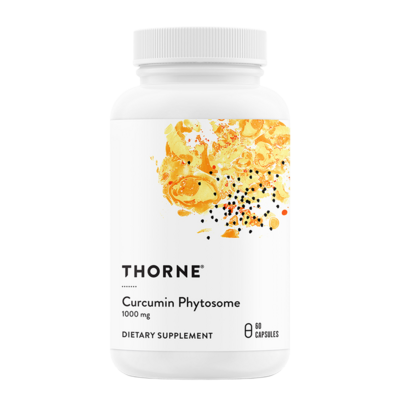
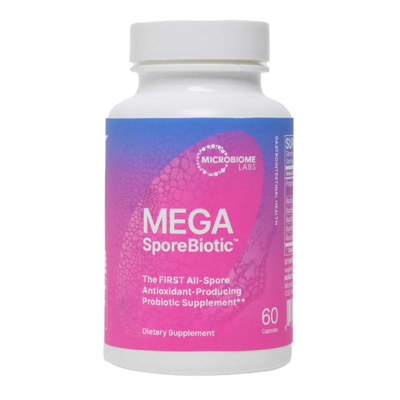
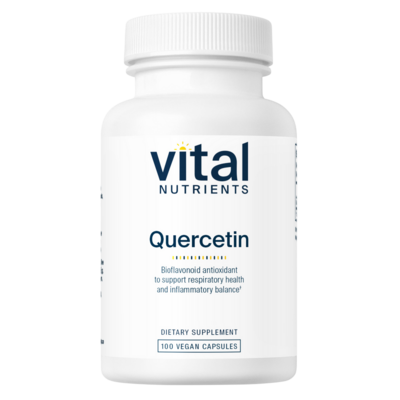
Inflammation can have both positive and negative health effects. Acute inflammation works with the immune system to address infectious and non-infectious cellular damage. ( 1 ) However, when inflammation becomes chronic, it can seriously impact health. For example, studies have shown a correlation between chronic inflammation and all-cause, cancer, cardiovascular, and cerebrovascular mortality. ( 10 )( 12 ) Curcumin Curcumin ( Curcuma longa ) 600–1,000 mg, total per day, minimum 8–10 weeks ( 4 )( 13 ) Curcumin decreased C-reactive protein (CRP) (-0.58 mg/l), tumor necrosis factor-alpha (TNF-α) (-3.48 pg/ml), interleukin 6 (IL-6) (-1.31 pg/ml), and malondialdehyde (MDA) (-0.33 umol/l), and increased superoxide dismutase (SOD) activity (20.51 u/l) and total antioxidant capacity (TAC) (0.21 mmol/l). ( 3 ) In patients with various chronic diseases, curcumin decreased CRP (-3.67 mg/l) and hs-CRP concentrations. ( 4 ) Compared to placebo, curcumin decreased IL-6 by ~49%, TNF-α by ~63%, and MDA by ~38% in patients with diabetes mellitus. ( 13 ) Omega-3 fatty acids (EPA/DHA) 2.5 g, total per day, minimum 12 weeks ( 7 )( 15 ) In patients with various health conditions, omega-3s moderately decreased serum CRP, as well as IL-6 and TNF-α with a smaller effect. ( 5 ) Compared to placebo, omega-3 supplementation decreased total serum cortisol by 19% and IL-6 levels by 33% during a stressful event, and CRP by ~30%, IL-6 by ~22%, and TNF-α by ~16% in patients with chronic kidney disease undergoing hemodialysis. ( 7 )( 15 ) Probiotics 1.6 × 10⁹ CFU, total per day, minimum 8 weeks ( 8 )( 11 ) Prebiotics and probiotics modulate the intestinal microbiome and decrease oxidative stress and inflammation by increasing intestinal anaerobes and maintaining the integrity of the intestinal barrier. ( 6 ) Compared to placebo, a multistrain synbiotic reduced TNF-α by ~6% and hs-CRP by ~10% in postmenopausal females with obesity and a history of hormone-receptor-positive breast cancer. ( 11 ) Compared to placebo, Lactobacillus rhamnosus GG reduced IL1-Beta and lipopolysaccharide concentrations by ~ 35% and ~30%, respectively, in patients with CAD. ( 8 ) Quercetin ≥ 500 mg, total per day, minimum of 8 weeks ( 2 )( 9 )( 14 ) In individuals with chronic diseases, quercetin had a large effect on decreasing IL-6 and a smaller effect on decreasing serum CRP. ( 9 ) Quercetin decreased TNF-α and IL-6 in females with polycystic ovarian syndrome . ( 14 ) Compared to placebo, quercetin increased serum TAC by ~20% in post-myocardial infarction patients. ( 2 ) Evidence rating The following protocols were developed using only a,b,c -quality evidence Learn more about our rating scale References Chen, L., Deng, H., Cui, H., Fang, J., Zuo, Z., Deng, J., Li, Y., Wang, X., & Zhao, L. (2018). Inflammatory responses and inflammation-associated diseases in organs. Oncotarget , 9 (6), 7204–7218. https://doi.org/ 10.18632/oncotarget.23208 Dehghani, F., Sezavar Seyedi Jandaghi, S. H., Janani, L., Sarebanhassanabadi, M., Emamat, H., & Vafa, M. (2021). Effects of quercetin supplementation on inflammatory factors and quality of life in post-myocardial infarction patients: A double blind, placebo-controlled, randomized clinical trial. Phytotherapy Research , 35 (4), 2085–2098. https://doi.org/ 10.1002/ptr.6955 (B) Dehzad, M. J., Ghalandari, H., Nouri, M., & Askarpour, M. (2023). Antioxidant and anti-inflammatory effects of curcumin/turmeric supplementation in adults: A GRADE-assessed systematic review and dose-response meta-analysis of randomized controlled trials. Cytokine , 164 , 156144. https://doi.org/ 10.1016/j.cyto.2023.156144 (A) Gorabi, A. M., Abbasifard, M., Imani, D., Aslani, S., Razi, B., Alizadeh, S., Bagheri-Hosseinabadi, Z., Sathyapalan, T., & Sahebkar, A. (2022). Effect of curcumin on C-reactive protein as a biomarker of systemic inflammation: An updated meta-analysis of randomized controlled trials. Phytotherapy Research , 36 (1), 85–97. https://doi.org/ 10.1002/ptr.7284 (A) Kavyani, Z., Musazadeh, V., Fathi, S., Hossein Faghfouri, A., Dehghan, P., & Sarmadi, B. (2022). Efficacy of the omega-3 fatty acids supplementation on inflammatory biomarkers: An umbrella meta-analysis. International Immunopharmacology , 111 , 109104. https://doi.org/ 10.1016/j.intimp.2022.109104 (A) Lopes, R. de C. S. O., Balbino, K. P., Jorge, M. D. P., Ribeiro, A. Q., Martino, H. S. D., & Alfenas, R. D. C. G. (2018). Modulation of intestinal microbiota, control of nitrogen products and inflammation by pre/probiotics in chronic kidney disease: A systematic review. Nutricion Hospitalaria , 35 (3), 722–730. https://doi.org/ 10.20960/nh.1642 (A) Madison, A. A., Belury, M. A., Andridge, R., Renna, M. E., Rosie Shrout, M., Malarkey, W. B., Lin, J., Epel, E. S., & Kiecolt-Glaser, J. K. (2021). Omega-3 supplementation and stress reactivity of cellular aging biomarkers: An ancillary substudy of a randomized, controlled trial in midlife adults. Molecular Psychiatry , 26 (7), 3034–3042. https://doi.org/ 10.1038/s41380-021-01077-2 (B) Moludi, J., Kafil, H. S., Qaisar, S. A., Gholizadeh, P., Alizadeh, M., & Vayghyan, H. J. (2021). Effect of probiotic supplementation along with calorie restriction on metabolic endotoxemia, and inflammation markers in coronary artery disease patients: A double blind placebo controlled randomized clinical trial. Nutrition Journal , 20 (1), 47. https://doi.org/ 10.1186/s12937-021-00703-7 (C) Ou, Q., Zheng, Z., Zhao, Y., & Lin, W. (2020). Impact of quercetin on systemic levels of inflammation: A meta-analysis of randomised controlled human trials. International Journal of Food Sciences and Nutrition , 71 (2), 152–163. https://doi.org/ 10.1080/09637486.2019.1627515 (A) Proctor, M. J., McMillan, D. C., Horgan, P. G., Fletcher, C. D., Talwar, D., & Morrison, D. S. (2015). Systemic inflammation predicts all-cause mortality: A glasgow inflammation outcome study. PloS One , 10 (3), e0116206. https://doi.org/ 10.1371/journal.pone.0116206 Raji Lahiji, M., Zarrati, M., Najafi, S., Yazdani, B., Cheshmazar, E., Razmpoosh, E., Janani, L., Raji Lahiji, M., & Shidfar, F. (2021). Effects of synbiotic supplementation on serum adiponectin and inflammation status of overweight and obese breast cancer survivors: A randomized, triple-blind, placebo-controlled trial. Supportive Care in Cancer , 29 (7), 4147–4157. https://doi.org/ 10.1007/s00520-020-05926-8 (B) Sharif, S., Van der Graaf, Y., Cramer, M. J., Kapelle, L. J., de Borst, G. J., Visseren, F. L. J., Westerink, J., & SMART study group. (2021). Low-grade inflammation as a risk factor for cardiovascular events and all-cause mortality in patients with type 2 diabetes. Cardiovascular Diabetology , 20 (1), 220. https://doi.org/ 10.1186/s12933-021-01409-0 Usharani, P., Mateen, A. A., Naidu, M. U. R., Raju, Y. S. N., & Chandra, N. (2008). Effect of NCB-02, atorvastatin and placebo on endothelial function, oxidative stress and inflammatory markers in patients with type 2 diabetes mellitus: A randomized, parallel-group, placebo-controlled, 8-week study. Drugs in R&D , 9 (4), 243–250. https://doi.org/ 10.2165/00126839-200809040-00004 (B) Vaez, S., Parivr, K., Amidi, F., Rudbari, N. H., Moini, A., & Amini, N. (2023). Quercetin and polycystic ovary syndrome; inflammation, hormonal parameters and pregnancy outcome: A randomized clinical trial. American Journal of Reproductive Immunology , 89 (3), e13644. https://doi.org/ 10.1111/aji.13644 (B) Valle Flores, J. A., Fariño Cortéz, J. E., Mayner Tresol, G. A., Perozo Romero, J., Blasco Carlos, M., & Nestares, T. (2020). Oral supplementation with omega-3 fatty acids and inflammation markers in patients with chronic kidney disease in hemodialysis. Applied Physiology, Nutrition, and Metabolism , 45 (8), 805–811. https://doi.org/ 10.1139/apnm-2019-0729 (B) Disclaimer: Protocols are intended solely as an informational reference tool for practicing health care professionals. The content provided is not intended to be for medical diagnosis or treatment, is not a substitute for your professional judgment, and is not meant to provide you medical or professional advice. You should evaluate and independently confirm the appropriateness of the content provided, including verifying uses, dosages, warnings and contraindications on product labels, and rely on your experience and judgment and other available resources when applying the provided content to an actual client care situation. While content has been obtained from sources believed to be reliable, we cannot and do not guarantee the accuracy, validity, timeliness or completeness of the content. We make no representation or warranty, express or implied, including, without limitation, any warranty of merchantability or of fitness for a particular purpose, and you assume full responsibility for the use of the content and products, and agree that Fullscript and its content providers are not responsible or liable for any claim, loss, injury or damage arising from your use of the information. Statements regarding dietary and other health care supplements have not been evaluated by the FDA, and are not intended to diagnose, treat, cure, or prevent any disease.
Probiotic Therapy
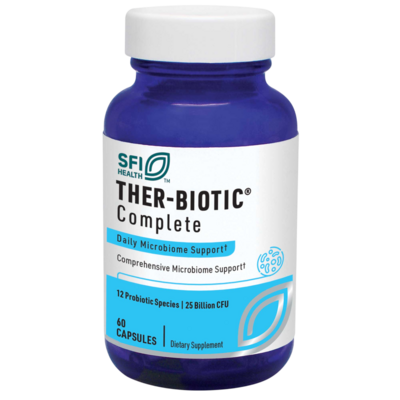
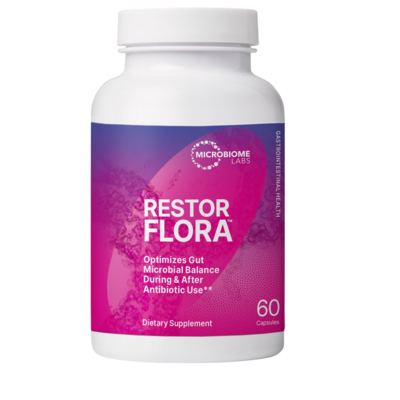 Probiotic Therapy resource 1
When taking probiotics, I recommend what is known as a multi-strain therapy approach. With this approach, you combine four different classes of probiotics to achieve maximum result. These classes include: Lactobacillus Bifidobacterium Saccharomyces boulardii Soil-based Bacillus Strains Higher diversity in the microbiome is associated with better health. Probiotics should be taken daily for at least a month in order to achieve the desired results. I encourage you to consider purchasing right here through Fullscript for a few reasons: 1. You'll get a discount. So, they'll be cheaper right here than other retailers. 2. Fullscript is a small, innovative company, that is making meaningful contributions in the health and wellness space. 3. Fullscript stands behind the quality of their products and their shipping. Please reach out with any questions, or if any products are backordered. To your health! Marie
Featured product collections
Discover groups of products curated by MEM Nutrition and Wellness Dispensary.
Digestive Enzymes, Bile, HCl
9 products
Shop the entire wellness catalog, held to a higher standard
Shop practitioner-grade products, each meeting the same bar for quality through Fullscript's standards.
Powered byVerified
Sourced straight from the brand — no resellers or fakes
Enhanced testing
Select products are tested in-house — get exactly what the label promises
Stored and shipped
From certified facilities, to protect product integrity