Public protocols
Arkum Medical Associates PLLC's general recommendations, available to anyone who visits this store.
Healthy Skin

 2 more items in Healthy Skin
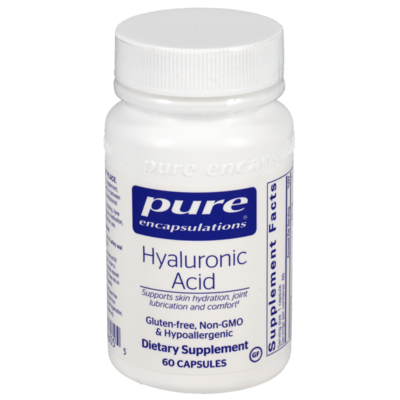
Hello! Contained below is a specially formulated Healthy Skin Pressure Protocol with attached medical journal references. I have sourced the best supplements in the industry, taking into account purity, reputable manufacturing companies, dosage, and cost, to give you the best chance to maintain young, healthy, beautiful skin without relying on expensive creams or medical procedures. These nutraceuticals don't work overnight, but take a minimum of four weeks before most patients will see results. This protocol is designed to work as a bridge to give you time to focus on lifestyle changes of diet, exercise, stress reduction, and sleep hygiene. Please reach out to me at drpetrik@arkummedical.com or come see us at Renew Med Spa if you have any questions. -Dr. P As life expectancy increases, concerns surrounding skin and its integrity while aging increase. Dermal changes are to be expected with age, as a variety of factors contribute to cutaneous health. Environmental factors such as sun exposure, air pollution, and lifestyle choices all play a role in eliciting premature aging and damaging skin cells. ( 13 ) Genetic factors such as ethnicity and gender also play a role. ( 5 ) Hydration levels in skin are found to inversely correlate with age. Elasticity determined by collagen production also decreases. Texture may also change with age as the dermis thins and roughness increases. Increased depth and number of sulci (wrinkles) occur as well. ( 5 ) Addressing these common hallmarks of aging skin may help preserve youthfulness and prevent further damage to the skin barrier. The ingredients presented below help address a variety of common factors in skin aging such as transepidermal water loss and elasticity. Collagen Total of 2.5-10 g per day, minimum 8 weeks ( 2 )( 4) Type I collagen hydrolysate derived from fish has been shown to improve wrinkles and roughness, as well as increase collagen density, skin firmness, skin moisture, and skin elasticity ( 3) ( 10 ) A systematic review of 11 studies found both short and long term collagen supplementation improved wound healing and skin aging factors like elasticity, hydration, and dermal collagen density ( 4 ) BioCell Collagen, collagen from chicken sternal cartilage, improved skin appearance and dryness shown by decreases in facial lines, wrinkles, and crows feet and a 12% increase in skin elasticity and cutaneous collagen content ( 17 ) Skin hydration, collagen density in dermis, and dermal collagen network integrity all improved when given Peptan®F and Peptan®P; additionally ex vivo experiments found supplementation to induce collagen and glycosaminoglycan production ( 2 ) Low-molecular weight collagen improved skin hydration, elasticity and visual assessment of skin wrinkling when compared to placebo ( 10 ) Hyaluronic Acid Oral: 120 mg, once per day, minimum 6 weeks ( 9)( 15 )Topical: Apply 0.1% hyaluronan formulations, twice per day, minimum 2 months ( 16 ) Oral hyaluronic acid has been shown to increase skin moisture content and skin elasticity ( 7 ) (9) Compared to placebo, greater improvements in wrinkle volume ratio, wrinkle area ratio, and whole sulcus volume ratio were observed when oral hyaluronic acid was administered ( 15 ) High (800k) and low (300k) molecular weight oral hyaluronan supplementation both improved skin moisture content and subjective facial aging symptoms compared to placebo; low molecular weight hyaluronan improved moisture content as early as 2 weeks compared to placebo ( 9 ) When using hyaluronic acid in topical form, twice daily application found all tested molecular weights (50, 130, 300, 800, and 2000 kDa) to improve skin hydration and overall elasticity; additionally, 130 and 50 kDa improved mean and max roughness as well as wrinkle depth ( 16 ) Pycnogenol 75-100 mg, total per day, minimum 30 days ( 6 )( 14) Postmenopausal women experienced improved skin hydration, skin elasticity, and increased mRNA expression of hyaluronic acid synthase-1 (HAS-1); a more pronounced effect was found for those suffering from dry skin conditions ( 11 ) Clinical grading of skin photoaging scores and age spot pigmentation decreased in women with mild to moderate photoaging ( 6 ) Women with melasma experienced a decrease in average area affected and pigmentary intensity when supplemented with pycnogenol; additionally, a general effectiveness rate of 80% was found ( 14 ) Turmeric Variable based on form (follow manufacturer’s dose instructions) A systematic review of 18 studies found that skin disease severity improved compared to control in a variety of skin conditions including facial photoaging when using topical and/or ingested turmeric ( 19 ) Herbal combination containing turmeric (but not turmeric extract on its own) decreased transepidermal water loss in skin compared to placebo after four weeks ( 20 ) Hot water extract of curcuma longa improved skin hydration as shown by increased hyaluronan production; additionally, UVB-induced tumor necrosis factor-α and interleukin-1β were inhibited at the mRNA and protein levels ( 1 ) A systematic review of 11 studies found turmeric to improve a variety of skin conditions including facial redness ( 12 ) Astaxanthin 2-6 mg, total per day, minimum 8 weeks ( 8) ( 18) ( 21 ) Male and female subjects experienced improved skin wrinkle and elasticity on crows feet, as well as skin texture, moisture content of corneocyte layer, and corneocyte condition on cheeks; male subjects had improved skin wrinkles, elasticity, and transepidermal water loss on crows feet, as well as moisture content and sebum levels on cheeks ( 18 ) When given in conjunction with 3 g of collagen, 2 mg of astaxanthin per day improved skin elasticity, skin barrier integrity, and transepidermal water loss in photoaged facial skin; gene expression improved as shown by an increase in procollagen type I mRNA expression and a decrease in MMP-1 and -12 mRNA expression ( 21 ) Moisture loss in skin decreased in irradiated skin, while roughness and texture of skin improved in non-irradiated areas when healthy subjects were supplemented with 4 mg of astaxanthin and exposed to UV induced skin deterioration ( 8 ) Evidence rating The following protocols were developed using only a,b,c -quality evidence. Learn more about our rating scale References Asada, K., Ohara, T., Muroyama, K., Yamamoto, Y., & Murosaki, S. (2019). Effects of hot water extract of Curcuma longa on human epidermal keratinocytes in vitro and skin conditions in healthy participants: A randomized, double-blind, placebo-controlled trial. Journal of Cosmetic Dermatology , 18 (6), 1866–1874. https://pubmed.ncbi.nlm.nih.gov/30809971/ (C) Asserin, J., Lati, E., Shioya, T., & Prawitt, J. (2015). The effect of oral collagen peptide supplementation on skin moisture and the dermal collagen network: evidence from an ex vivo model and randomized, placebo-controlled clinical trials. Journal of Cosmetic Dermatology , 14 (4), 291–301. https://pubmed.ncbi.nlm.nih.gov/26362110/ (C) Borumand, M., & Sibilla, S. (2014). Daily consumption of the collagen supplement Pure Gold Collagen® reduces visible signs of aging. Clinical Interventions in Aging , 9 , 1747–1758. https://pubmed.ncbi.nlm.nih.gov/25342893/ (C) Choi, F. D., Sung, C. T., Juhasz, M. L. W., & Mesinkovsk, N. A. (2019). Oral Collagen Supplementation: A Systematic Review of Dermatological Applications. Journal of Drugs in Dermatology: JDD , 18 (1), 9–16. https://pubmed.ncbi.nlm.nih.gov/30681787/ (A) Dąbrowska, A. K., Spano, F., Derler, S., Adlhart, C., Spencer, N. D., & Rossi, R. M. (2018). The relationship between skin function, barrier properties, and body-dependent factors. Skin Research and Technology: Official Journal of International Society for Bioengineering and the Skin , 24 (2), 165–174. https://pubmed.ncbi.nlm.nih.gov/29057509/ (F) Furumura, M., Sato, N., Kusaba, N., Takagaki, K., & Nakayama, J. (2012). Oral administration of French maritime pine bark extract (Flavangenol(®)) improves clinical symptoms in photoaged facial skin. Clinical Interventions in Aging , 7 , 275–286. https://pubmed.ncbi.nlm.nih.gov/22956863/ (C) Göllner, I., Voss, W., von Hehn, U., & Kammerer, S. (2017). Ingestion of an Oral Hyaluronan Solution Improves Skin Hydration, Wrinkle Reduction, Elasticity, and Skin Roughness: Results of a Clinical Study. Journal of Evidence-Based Complementary & Alternative Medicine , 22 (4), 816–823. https://pubmed.ncbi.nlm.nih.gov/29228816/ (C) Ito, N., Seki, S., & Ueda, F. (2018). The Protective Role of Astaxanthin for UV-Induced Skin Deterioration in Healthy People-A Randomized, Double-Blind, Placebo-Controlled Trial. Nutrients , 10 (7). https://pubmed.ncbi.nlm.nih.gov/29941810/ (C) Kawada, C., Yoshida, T., Yoshida, H., Sakamoto, W., Odanaka, W., Sato, T., Yamasaki, T., Kanemitsu, T., Masuda, Y., & Urushibata, O. (2015). Ingestion of hyaluronans (molecular weights 800 k and 300 k) improves dry skin conditions: a randomized, double blind, controlled study. Journal of Clinical Biochemistry and Nutrition , 56 (1), 66–73. https://pubmed.ncbi.nlm.nih.gov/25834304/ (B) Kim, D.-U., Chung, H.-C., Choi, J., Sakai, Y., & Lee, B.-Y. (2018). Oral Intake of Low-Molecular-Weight Collagen Peptide Improves Hydration, Elasticity, and Wrinkling in Human Skin: A Randomized, Double-Blind, Placebo-Controlled Study. Nutrients , 10 (7). https://pubmed.ncbi.nlm.nih.gov/29949889/ (B) Marini, A., Grether-Beck, S., Jaenicke, T., Weber, M., Burki, C., Formann, P., Brenden, H., Schönlau, F., & Krutmann, J. (2012). Pycnogenol® effects on skin elasticity and hydration coincide with increased gene expressions of collagen type I and hyaluronic acid synthase in women. Skin Pharmacology and Physiology , 25 (2), 86–92. https://pubmed.ncbi.nlm.nih.gov/22270036/ (C) Mata, I. R. da, Mata, S. R. da, Menezes, R. C. R., Faccioli, L. S., Bandeira, K. K., & Bosco, S. M. D. (2020). Benefits of turmeric supplementation for skin health in chronic diseases: a systematic review. Critical Reviews in Food Science and Nutrition , 1–15. https://pubmed.ncbi.nlm.nih.gov/32713186/ (A) McDaniel, D., Farris, P., & Valacchi, G. (2018). Atmospheric skin aging-Contributors and inhibitors. Journal of Cosmetic Dermatology , 17 (2), 124–137. https://pubmed.ncbi.nlm.nih.gov/29575554/ (F) Ni, Z., Mu, Y., & Gulati, O. (2002). Treatment of melasma with Pycnogenol. Phytotherapy Research: PTR , 16 (6), 567–571. https://pubmed.ncbi.nlm.nih.gov/12237816/ (C) Oe, M., Sakai, S., Yoshida, H., Okado, N., Kaneda, H., Masuda, Y., & Urushibata, O. (2017). Oral hyaluronan relieves wrinkles: a double-blinded, placebo-controlled study over a 12-week period. Clinical, Cosmetic and Investigational Dermatology , 10 , 267–273. https://pubmed.ncbi.nlm.nih.gov/28761365/ (B) Pavicic, T., Gauglitz, G. G., Lersch, P., Schwach-Abdellaoui, K., Malle, B., Korting, H. C., & Farwick, M. (2011). Efficacy of cream-based novel formulations of hyaluronic acid of different molecular weights in anti-wrinkle treatment. Journal of Drugs in Dermatology: JDD , 10 (9), 990–1000 . https://pubmed.ncbi.nlm.nih.gov/22052267/ (C) Schwartz, S. R., Hammon, K. A., Gafner, A., Dahl, A., Guttman, N., Fong, M., & Schauss, A. G. (2019). Novel Hydrolyzed Chicken Sternal Cartilage Extract Improves Facial Epidermis and Connective Tissue in Healthy Adult Females: A Randomized, Double-Blind, Placebo-Controlled Trial. Alternative Therapies in Health and Medicine , 25 (5), 12–29. https://pubmed.ncbi.nlm.nih.gov/31221944/ (B) Tominaga, K., Hongo, N., Karato, M., & Yamashita, E. (2012). Cosmetic benefits of astaxanthin on humans subjects. Acta Biochimica Polonica , 59 (1), 43–47. https://pubmed.ncbi.nlm.nih.gov/22428137/ (C) Vaughn, A. R., Branum, A., & Sivamani, R. K. (2016). Effects of Turmeric (Curcuma longa) on Skin Health: A Systematic Review of the Clinical Evidence. Phytotherapy Research: PTR , 30 (8), 1243–1264. https://pubmed.ncbi.nlm.nih.gov/27213821/ (A) Vaughn, A. R., Clark, A. K., Notay, M., & Sivamani, R. K. (2018). Randomized Controlled Pilot Study of Dietary Supplementation with Turmeric or Herbal Combination Tablets on Skin Barrier Function in Healthy Subjects. Journal of Medicinal Food , 21 (12), 1260–1265. https://pubmed.ncbi.nlm.nih.gov/30457892/ (C) Yoon, H.-S., Cho, H. H., Cho, S., Lee, S.-R., Shin, M.-H., & Chung, J. H. (2014). Supplementating with dietary astaxanthin combined with collagen hydrolysate improves facial elasticity and decreases matrix metalloproteinase-1 and -12 expression: a comparative study with placebo. Journal of Medicinal Food , 17 (7), 810–816. https://pubmed.ncbi.nlm.nih.gov/24955642/ (C)
BHRT


These are the beneficial supplements to maximize your Bioidentical Hormone Replacement Therapy and Thyroid treatment.
Front Line Covid-19 Critical Care Alliance Prevention protocol for COVID-19
 6 more items in Front Line Covid-19 Critical Care Alliance Prevention protocol for COVID-19
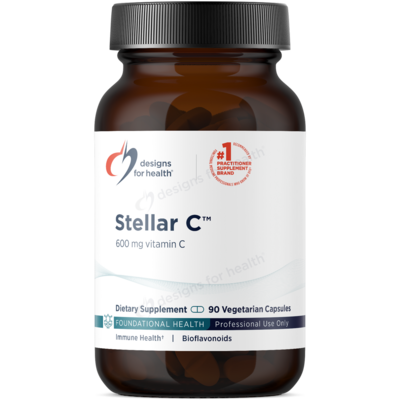
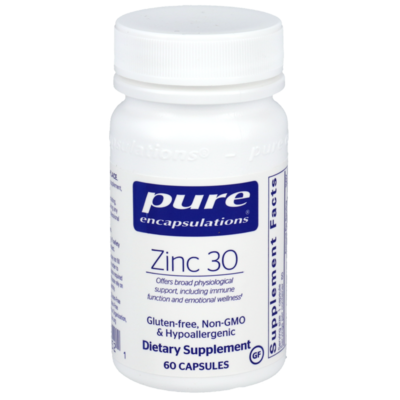
Pre-Exposure Prevention Antiseptic antimicrobial mouthwash: gargle twice daily (do not swallow) Choose mouthwashes containing chlorhexidine, povidone-iodine, cetylpyridinium chloride, or the combination of eucalyptus, menthol, and thymol. Vitamin D: dosing varies; optimal target is greater than 50 ng/ml Table 1 presents a safe and practical treatment schedule for raising serum concentrations in non-urgent situations. The dosing schedule illustrated in Table 2 should be used when recent serum concentration levels are unavailable. Vitamin C: 500 mg twice daily Zinc: 20-50 mg/day Commercial zinc supplements are commonly formulated as zinc oxide or salts with acetate, gluconate, and sulfate. Melatonin: 1-6 mg nightly (slow/extended) Begin with 1 mg and increase as tolerated to 6 mg at night. Causes drowsiness. Some patients are intolerant to melatonin, having very disturbing and vivid dreams; in these patients, it may be best to start with a 0.3 mg slow-release tablet and increase slowly, as tolerated. Elderberry syrup, supplements or gummies: follow manufacturer’s dosing recommendations Take during periods of high transmission of COVID-19, influenza, and RSV. A triple combination containing elderberry, Vitamin C, and zinc may be a convenient approach. Patients with autoimmune disease should take for 2 weeks or less and monitor their symptoms closely. Resveratrol/Quercetin/Pterostilbene Combination Flavonoid supplement: 400-500 mg daily The safety of these phytochemicals has not been determined in pregnancy and they should therefore be avoided. Due to the possible drug interaction between quercetin and ivermectin, these drugs should not be taken simultaneously (i.e., should be staggered morning and night). Ivermectin(Substitute Black Cumin Seed Oil if unable to obtain a prescription): In the current situation of abundant natural immunity along with the recent circulation of less severe and more highly transmissible variants, chronic weekly or bi-weekly ivermectin prophylaxis is no longer applicable to most people.The following prophylaxis approaches with ivermectin can be considered and applied based on patient preference, comorbid status, immune status, and in discussion with their provider: Bi-weekly ivermectin at 0.2mg/kg; can be considered in those with significant comorbidity and lack of natural immunity or immunosuppressive states or those with long COVID or post-vaccine syndrome who are not already on ivermectin as treatment Daily ivermectin just prior to and during periods of high possible exposure such as travel, weddings, conferences, etc. Immediate initiation of daily ivermectin at treatment doses (0.4mg/kg) upon first symptoms of a viral syndrome
Joint Pain


 2 more items in Joint Pain
Hello! Contained below is a specially formulated Joint Pain Protocol with attached medical journal references. I have sourced the best supplements in the industry, taking into account purity, reputable manufacturing companies, dosage, and cost, to give you the best chance to control your pain without relying on opioids or NSAIDs. These nutraceuticals don't work overnight, but take a minimum of four weeks before most patients will see results. This protocol is designed to work as a bridge so that you may avoid or reduce prescribed pharmaceuticals and to give you time to focus on lifestyle changes of diet, exercise, stress reduction, and sleep hygiene. Please reach out to me at drpetrik@arkummedical.com if you have any questions. -Dr. P Joint pain and degradation has been steadily increasing throughout the past two decades. Incidence of osteoarthritis (OA) in the hip and knee increased from an estimated 6-8% in early industrial and prehistoric years to 16% in postindustrial people, which is 2.1 fold higher. ( 25 ) Additionally, the years of life lived with this disability rose from 10.5 million in 1990 to 17.1 million in 2010. ( 8 ) A variety of features make up osteoarthritis. Of these features, pooled prevalence for cartilage defects is 24% and meniscal tear is 10%. ( 9 ) Osteoarthritis prevalence and contributing features increases with age. Risk for OA is associated with obesity, prior trauma, female sex, and old age. ( 4 ) Comorbidities contribute to increased pain and/or decreased physical function. Common comorbidities with osteoarthritis are cardiac disease, hypertension, back pain, and diabetes, or a combination of them. ( 5 ) Mainstream prevention and treatment for osteoarthritis relies on pain management through nonsteroidal anti-inflammatory drugs (NSAIDs), glucocorticoid injections, exercise therapy, bracing, and kinesiotaping. Additionally, integrative treatments such as acupuncture, heat therapy, topical herbs, and supplements, are widely accepted as well. ( 18 ) Managing pain and inflammation as well as preventing further degradation of the affected joints is key to helping patients with OA and related joint concerns. In the protocol below we present ingredients associated with improved pain management, prevention of degradation, and improvement of joint function. Glucosamine chondroitin Glucosamine chondroitin 1500 mg of glucosamine sulfate combined with 800-1200 mg of chondroitin sulfate total per day, for a minimum of 6-24 months ( 14 )( 11 ) Chondroitin sulfate combined with glucosamine sulfate is comparable to celecoxib treatment as demonstrated by decreased Western Ontario and McMaster osteoarthritis index (WOMAC) by 50.1%, with 79.7% of patients fulfilling Outcome Measures in Rheumatology Clinical Trials and Osteoarthritis Research Society International (OMERACT-OARSI) ( 14 ) When given CS and GH, similarly patients treated with the 200 mg of celecoxib had a decrease of WOMAC by 50.2% with 79.3% fulfilling OMERACT-OARSI; additionally both groups reduced joint swelling and effusion by more than 50% ( 14 ) Combined supplementation of glucosamine sulfate with chondroitin sulfate decreased joint space narrowing by a mean difference of 0.10 mm when compared to placebo over 2 years in patients with chronic knee pain and medial tibio-femoral compartment narrowing ( 11 ) In a meta-analysis of common knee and hip osteoarthritis therapies, it was found that celecoxib had the largest effect size, followed by combined supplementation of glucosamine and chondroitin, both demonstrating effect in improving physical function when compared to placebo as well as being ideal for stiffness ( 27 ) S-adenosyl methionine (SAMe) 1200 mg, one to two times per day, minimum 30 days ( 23 ) Demonstrated effectiveness at reducing symptoms of osteoarthritis ( 22 ) Multiple RDBPC studies demonstrated comparable pain reduction to OTC pharmaceuticals like naproxen and nabutone ( 6 )( 16 ) When compared with celecoxib, SAMe had no difference in efficacy for isometric joint function; additionally both demonstrated similar reductions in pain ( 22 ) Decreases in pain intensity on visual analog scale by 13.0 and 15.7 were observed in SAMe and nabumetone therapy, respectively ( 16 ) When compared with naproxen, SAMe demonstrated similar analgesic activity and fewer side effects ( 6 ) Turmeric (Curcuma longa) 500 mg Meriva® or 400 mg of curcumin, two to four times per day, minimum 30 days ( 1 )( 10 ) Curcuma longa extract ameliorates pain as demonstrated by improvements in visual analog scale (VAS) and WOMAC; additionally decreases in oxidative stress and inflammation occurred as shown by improved viz., IL-1β, ROS, and MDA ( 24 ) When used for acute pain management, 2g per day of meriva (corresponding to 400 mg of curcumin) was comparable to 1g dose of acetaminophen while having improved gastric tolerability in comparison ( 10 ) When compared to 800 mg per day of ibuprofen, 2g per day of curcuma extract was equally effective in ameliorating pain as shown by similar WOMAC scores; subsequently, less gastrointestinal adverse effects were observed with curcuma extract than ibuprofen ( 19 ) Bio-optimized curcuma longa extract supplementation decreased visual analog pain scores by 29.5% in low dose group and 36.5% in high dose group, compared to 8 mm in placebo group in patients with OA; although adverse events were not significant a general trend of more adverse events was noted in the high dose group; the comparison suggests that patients finding difficulty with high doses will still benefit when given a lower dose ( 13 ) Boswellia 338 mg of standardized extract, minimum 4 weeks ( 20 )( 26 ) or 150 mg of boswellic acid in addition to curcumin supplement ( 12 ) Patients with knee OA experienced a decrease in pain and frequency of swelling as well as an increase in knee flexion and walking distance when compared to placebo ( 17 ) Physical function improved after 120 days, as demonstrated by a decrease in stiffness and increase in knee joint; inflammation also improved as shown by a decrease in CRP, osteophytes, and pain ( 20 ) When given in addition to curcumin, boswellic acid improved the efficacy of curcuminoids to decrease pain shown by WOMAC score and improve physical performance ( 12 ) A meta-analysis of seven trials (including 545 patients) showed reduced weighted mean difference for visual analog scale pain scores (-8.33), WOMAC pain scores (-14.22), WOMAC stiffness scores (-10.04), and improved WOMAC joint function (-10.75), for Boswellia extract compared to control, when taken for a minimum of four weeks ( 26 ) Pycnogenol 100-200 mg per day, minimum of 3 weeks ( 15 )( 2 ) Inflammation improved as demonstrated by a decrease in CRP from 3.9 mg/l to 1.1 mg/l (compared to control decreasing to 3.6 mg/l), decrease in free radicals to 70.1% of baseline, and a decrease of fibrinogen to 61.8% of baseline ( 3 ) Pain decreased as shown by an improvement in WOMAC and VAS, as well as decreased use of analgesic pharmaceuticals (NSAIDs) while no improvements were observed in placebo ( 7 ) Decreased WOMAC by 56% (9.6% in placebo), drug use by 58% (less than 1% in placebo), gastrointestinal complications by 63% (3% in placebo), foot edema by 79% (1% in placebo), and treatment cost (no notable change in placebo); additionally walking distance increased from 68 m at baseline to 198 m compared to 65 m at baseline to 88 m in placebo ( 2 ) When given in the 3 weeks prior to knee arthroplasty, gene expression of cartilage degradation markers were downregulated in chondrocytes; MMP3, MMP13, cytokine IL1B, and ADAMTS-5 protein concentration decreased, suggesting improvements in catabolic and inflammatory processes ( 15 ) Evidence rating The following protocols were developed using only a,b,c -quality evidence. Learn more about our rating scale References Belcaro, G., Cesarone, M. R., Dugall, M., Pellegrini, L., Ledda, A., Grossi, M. G., Togni, S., & Appendino, G. (2010). Efficacy and safety of Meriva®, a curcumin-phosphatidylcholine complex, during extended administration in osteoarthritis patients. Alternative Medicine Review: A Journal of Clinical Therapeutic , 15 (4), 337–344. https://pubmed.ncbi.nlm.nih.gov/21194249/ (C) Belcaro, G., Cesarone, M. R., Errichi, S., Zulli, C., Errichi, B. M., Vinciguerra, G., Ledda, A., Di Renzo, A., Stuard, S., Dugall, M., Pellegrini, L., Errichi, S., Gizzi, G., Ippolito, E., Ricci, A., Cacchio, M., Cipollone, G., Ruffini, I., Fano, F., … Rohdewald, P. (2008). Treatment of osteoarthritis with Pycnogenol. The SVOS (San Valentino Osteo-arthrosis Study). Evaluation of signs, symptoms, physical performance and vascular aspects. Phytotherapy Research: PTR , 22 (4), 518–523. https://pubmed.ncbi.nlm.nih.gov/18386255/ (B) Belcaro, G., Cesarone, M. R., Errichi, S., Zulli, C., Errichi, B. M., Vinciguerra, G., Ledda, A., Di Renzo, A., Stuard, S., Dugall, M., Pellegrini, L., Gizzi, G., Ippolito, E., Ricci, A., Cacchio, M., Cipollone, G., Ruffini, I., Fano, F., Hosoi, M., & Rohdewald, P. (2008). Variations in C-reactive protein, plasma free radicals and fibrinogen values in patients with osteoarthritis treated with Pycnogenol. Redox Report: Communications in Free Radical Research , 13 (6), 271–276. https://pubmed.ncbi.nlm.nih.gov/19017467/ (B) Blagojevic, M., Jinks, C., Jeffery, A., & Jordan, K. P. (2010). Risk factors for onset of osteoarthritis of the knee in older adults: a systematic review and meta-analysis. Osteoarthritis and Cartilage / OARS, Osteoarthritis Research Society , 18 (1), 24–33. https://pubmed.ncbi.nlm.nih.gov/19751691/ (A) Calders, P., & Van Ginckel, A. (2018). Presence of comorbidities and prognosis of clinical symptoms in knee and/or hip osteoarthritis: A systematic review and meta-analysis. Seminars in Arthritis and Rheumatism , 47 (6), 805–813. https://pubmed.ncbi.nlm.nih.gov/29157670/ (A) Caruso, I., & Pietrogrande, V. (1987). Italian double-blind multicenter study comparing S-adenosylmethionine, naproxen, and placebo in the treatment of degenerative joint disease. The American Journal of Medicine , 83 (5A), 66–71. https://pubmed.ncbi.nlm.nih.gov/3318442/ (B) Cisár, P., Jány, R., Waczulíková, I., Sumegová, K., Muchová, J., Vojtassák, J., Duraćková, Z., Lisý, M., & Rohdewald, P. (2008). Effect of pine bark extract (Pycnogenol) on symptoms of knee osteoarthritis. Phytotherapy Research: PTR , 22 (8), 1087–1092. https://pubmed.ncbi.nlm.nih.gov/18570266/ (B) Cross, M., Smith, E., Hoy, D., Nolte, S., Ackerman, I., Fransen, M., Bridgett, L., Williams, S., Guillemin, F., Hill, C. L., Laslett, L. L., Jones, G., Cicuttini, F., Osborne, R., Vos, T., Buchbinder, R., Woolf, A., & March, L. (2014). The global burden of hip and knee osteoarthritis: estimates from the global burden of disease 2010 study. Annals of the Rheumatic Diseases , 73 (7), 1323–1330. https://pubmed.ncbi.nlm.nih.gov/24553908/ (A) Culvenor, A. G., Øiestad, B. E., Hart, H. F., Stefanik, J. J., Guermazi, A., & Crossley, K. M. (2019). Prevalence of knee osteoarthritis features on magnetic resonance imaging in asymptomatic uninjured adults: a systematic review and meta-analysis. British Journal of Sports Medicine , 53 (20), 1268–1278. https://pubmed.ncbi.nlm.nih.gov/29886437/ (A) Di Pierro, F., Rapacioli, G., Di Maio, E. A., Appendino, G., Franceschi, F., & Togni, S. (2013). Comparative evaluation of the pain-relieving properties of a lecithinized formulation of curcumin (Meriva(®)), nimesulide, and acetaminophen. Journal of Pain Research , 6 , 201–205. https://pubmed.ncbi.nlm.nih.gov/23526055/ (C) Fransen, M., Agaliotis, M., Nairn, L., Votrubec, M., Bridgett, L., Su, S., Jan, S., March, L., Edmonds, J., Norton, R., Woodward, M., Day, R., & LEGS study collaborative group. (2015). Glucosamine and chondroitin for knee osteoarthritis: a double-blind randomised placebo-controlled clinical trial evaluating single and combination regimens. Annals of the Rheumatic Diseases , 74 (5), 851–858. https://pubmed.ncbi.nlm.nih.gov/24395557/ (B) Haroyan, A., Mukuchyan, V., Mkrtchyan, N., Minasyan, N., Gasparyan, S., Sargsyan, A., Narimanyan, M., & Hovhannisyan, A. (2018). Efficacy and safety of curcumin and its combination with boswellic acid in osteoarthritis: a comparative, randomized, double-blind, placebo-controlled study. BMC Complementary and Alternative Medicine , 18 (1), 7. https://pubmed.ncbi.nlm.nih.gov/29316908/ (B) Henrotin, Y., Malaise, M., Wittoek, R., de Vlam, K., Brasseur, J.-P., Luyten, F. P., Jiangang, Q., Van den Berghe, M., Uhoda, R., Bentin, J., De Vroey, T., Erpicum, L., Donneau, A. F., & Dierckxsens, Y. (2019). Bio-optimized Curcuma longa extract is efficient on knee osteoarthritis pain: a double-blind multicenter randomized placebo-controlled three-arm study. Arthritis Research & Therapy , 21 (1), 179. https://pubmed.ncbi.nlm.nih.gov/31351488/ (B) Hochberg, M. C., Martel-Pelletier, J., Monfort, J., Möller, I., Castillo, J. R., Arden, N., Berenbaum, F., Blanco, F. J., Conaghan, P. G., Doménech, G., Henrotin, Y., Pap, T., Richette, P., Sawitzke, A., du Souich, P., Pelletier, J.-P., & MOVES Investigation Group. (2016). Combined chondroitin sulfate and glucosamine for painful knee osteoarthritis: a multicentre, randomised, double-blind, non-inferiority trial versus celecoxib. Annals of the Rheumatic Diseases , 75 (1), 37–44. https://pubmed.ncbi.nlm.nih.gov/25589511/ (C) Jessberger, S., Högger, P., Genest, F., Salter, D. M., & Seefried, L. (2017). Cellular pharmacodynamic effects of Pycnogenol® in patients with severe osteoarthritis: a randomized controlled pilot study. BMC Complementary and Alternative Medicine , 17 (1), 537. https://pubmed.ncbi.nlm.nih.gov/29246219/ (C) Kim, J., Lee, E. Y., Koh, E.-M., Cha, H.-S., Yoo, B., Lee, C. K., Lee, Y. J., Ryu, H., Lee, K. H., & Song, Y. W. (2009). Comparative clinical trial of S-adenosylmethionine versus nabumetone for the treatment of knee osteoarthritis: an 8-week, multicenter, randomized, double-blind, double-dummy, Phase IV study in Korean patients. Clinical Therapeutics , 31 (12), 2860–2872. https://pubmed.ncbi.nlm.nih.gov/20110025/ (C) Kimmatkar, N., Thawani, V., Hingorani, L., & Khiyani, R. (2003). Efficacy and tolerability of Boswellia serrata extract in treatment of osteoarthritis of knee–a randomized double blind placebo controlled trial. Phytomedicine: International Journal of Phytotherapy and Phytopharmacology , 10 (1), 3–7. https://pubmed.ncbi.nlm.nih.gov/12622457/ (C) Kolasinski, S. L., Neogi, T., Hochberg, M. C., Oatis, C., Guyatt, G., Block, J., Callahan, L., Copenhaver, C., Dodge, C., Felson, D., Gellar, K., Harvey, W. F., Hawker, G., Herzig, E., Kwoh, C. K., Nelson, A. E., Samuels, J., Scanzello, C., White, D., … Reston, J. (2020). 2019 American College of Rheumatology/Arthritis Foundation Guideline for the Management of Osteoarthritis of the Hand, Hip, and Knee. Arthritis Care & Research , 72 (2), 149–162. https://pubmed.ncbi.nlm.nih.gov/31908149/ (F) Kuptniratsaikul, V., Dajpratham, P., Taechaarpornkul, W., Buntragulpoontawee, M., Lukkanapichonchut, P., Chootip, C., Saengsuwan, J., Tantayakom, K., & Laongpech, S. (2014). Efficacy and safety of Curcuma domestica extracts compared with ibuprofen in patients with knee osteoarthritis: a multicenter study. Clinical Interventions in Aging , 9 , 451–458. https://pubmed.ncbi.nlm.nih.gov/24672232/ (C) Majeed, M., Majeed, S., Narayanan, N. K., & Nagabhushanam, K. (2019). A pilot, randomized, double-blind, placebo-controlled trial to assess the safety and efficacy of a novel Boswellia serrata extract in the management of osteoarthritis of the knee. Phytotherapy Research: PTR , 33 (5), 1457–1468. https://pubmed.ncbi.nlm.nih.gov/30838706/ ( C) McAlindon, T. E., LaValley, M. P., Gulin, J. P., & Felson, D. T. (2000). Glucosamine and chondroitin for treatment of osteoarthritis: a systematic quality assessment and meta-analysis. JAMA: The Journal of the American Medical Association , 283 (11), 1469–1475. https://pubmed.ncbi.nlm.nih.gov/10732937/ (A) Najm, W. I., Reinsch, S., Hoehler, F., Tobis, J. S., & Harvey, P. W. (2004). S-adenosyl methionine (SAMe) versus celecoxib for the treatment of osteoarthritis symptoms: a double-blind cross-over trial. [ISRCTN36233495]. BMC Musculoskeletal Disorders , 5 , 6. https://pubmed.ncbi.nlm.nih.gov/15102339/ (C) Pavelká, K., Gatterová, J., Olejarová, M., Machacek, S., Giacovelli, G., & Rovati, L. C. (2002). Glucosamine sulfate use and delay of progression of knee osteoarthritis: a 3-year, randomized, placebo-controlled, double-blind study. Archives of Internal Medicine , 162 (18), 2113–2123. https://pubmed.ncbi.nlm.nih.gov/12374520/ (B) Srivastava, S., Saksena, A. K., Khattri, S., Kumar, S., & Dagur, R. S. (2016). Curcuma longa extract reduces inflammatory and oxidative stress biomarkers in osteoarthritis of knee: a four-month, double-blind, randomized, placebo-controlled trial. Inflammopharmacology , 24 (6), 377–388. https://pubmed.ncbi.nlm.nih.gov/27761693/ (B) Wallace, I. J., Worthington, S., Felson, D. T., Jurmain, R. D., Wren, K. T., Maijanen, H., Woods, R. J., & Lieberman, D. E. (2017). Knee osteoarthritis has doubled in prevalence since the mid-20th century. Proceedings of the National Academy of Sciences of the United States of America , 114 (35), 9332–9336. https://pubmed.ncbi.nlm.nih.gov/28808025/ (D) Yu, G., Xiang, W., Zhang, T., Zeng, L., Yang, K., & Li, J. (2020). Effectiveness of Boswellia and Boswellia extract for osteoarthritis patients: a systematic review and meta-analysis. BMC Complementary Medicine and Therapies , 20 (1), 225. https://pubmed.ncbi.nlm.nih.gov/32680575/ (A) Zhu, X., Wu, D., Sang, L., Wang, Y., Shen, Y., Zhuang, X., Chu, M., & Jiang, L. (2018). Comparative effectiveness of glucosamine, chondroitin, acetaminophen or celecoxib for the treatment of knee and/or hip osteoarthritis: a network meta-analysis. Clinical and Experimental Rheumatology , 36 (4), 595–602. https://pubmed.ncbi.nlm.nih.gov/29465368/ (A)
High Blood Pressure

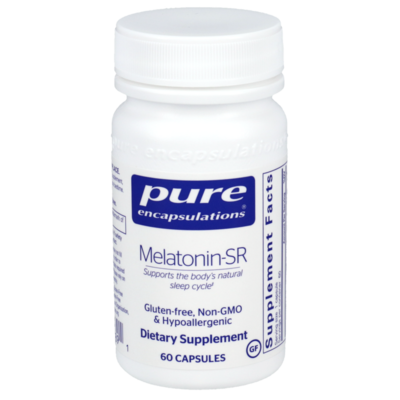 2 more items in High Blood Pressure
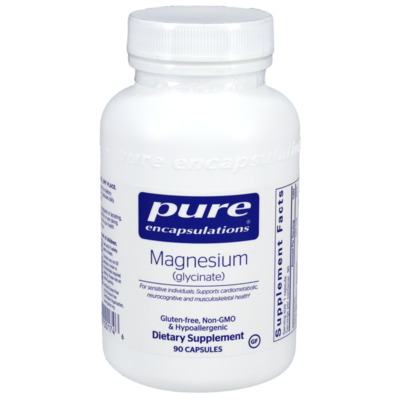
Hello! Contained below is a specially formulated High Blood Pressure Protocol with attached medical journal references. I have sourced the best supplements in the industry, taking into account purity, reputable manufacturing companies, dosage, and cost, to give you the best chance to control your blood pressure without relying on pharmaceuticals for the rest of your life. These nutraceuticals don't work overnight, but take a minimum of four weeks before most patients will see results. This protocol is designed to work as a bridge so that you may avoid or reduce prescribed pharmaceuticals and to give you time to focus on lifestyle changes of diet, exercise, stress reduction, and sleep hygiene. Please reach out to me at drpetrik@arkummedical.com if you have any questions. -Dr. P Blood pressure homeostasis is a clear indication of health. Approximately 9 million deaths due to high blood pressure occur each year. ( 16 ) This makes essential hypertension the most prominent disease worldwide. Uncontrolled blood pressure increases the risk for heart-related problems such as stroke, coronary artery disease, and heart failure. When left untreated, high blood pressure may lead to chronic kidney disease, disability, and even death. ( 4 ) Interventions aimed at lowering blood pressure improve comorbidities and outcomes. Patients with uncomplicated grade 1 hypertension experience decreased risk of stroke and death when lowering blood pressure by an average of 3.6 mmHg systolic, and 2.4 mmHg diastolic. ( 23 ) Targeting reductions in blood pressure, as well as underlying mechanisms, is key to an integrative treatment plan. Based on current research findings presented below, the ingredients in this protocol have demonstrated efficacy in improving blood pressure profile. Magnesium 300-450 mg of elemental magnesium, total per day, 1 to 6 months ( 5 )( 26 ) An inverse correlation between levels of circulating magnesium and the incidence of hypertension has been clearly identified ( 12 ) Meta-analysis of three trials (14,876 participants, 6.7 year follow up) found that every 0.1 mmol/L incremental increase in circulating Mg levels was associated with 4% (RR, 0.96; 95% CI: 0.94, 0.99) reduction in hypertension incidence ( 25 ) Patients with insulin resistance, prediabetes, and other chronic noncommunicable diseases supplemented with 365 to 450 mg per day of magnesium had an overall decrease in blood pressure with a mean reduction in systolic by 4.18 mmHg and diastolic by 2.27 mmHg ( 5 ) Supplementation with a median dose of 368 mg per day of magnesium for a median duration of three months increased serum magnesium by 0.05 mmol/L and resulted in decreasing systolic blood pressure by 2.0 mmHg and diastolic blood pressure by 1.78 mmHg ( 26 ) Supplementation with magnesium decrease systolic and diastolic blood pressure by 3-4 mm Hg and 2-3 mm Hg respectively across trials with a range of 120-973 mg per day supplementation for 3-24 weeks; supplementation with more than 370 mg per day demonstrated an increased effect size ( 14 ) Garlic (Allium sativum) 300-960 mg, total per day, minimum 8 to 12 weeks ( 15 )( 18 )( 22 ) Findings across multiple meta-analysis and systematic reviews found supplementation with garlic resulted in a decrease in systolic and diastolic blood pressure ( 19 )( 24 )( 20 ) Analysis found a higher impact for blood pressure lowering effects in subgroups with hypertension than normotensive subjects ( 19 )( 24 )( 20 ) Systolic blood pressure decreased in patients with uncontrolled hypertension after being treated for 12 weeks when compared to placebo; patients with systolic blood pressure more than 140 mmHg experienced more benefits from supplementation ( 18 ) Vitamin C 500 mg total per day, minimum 6 weeks ( 10 )( 7 )( 11 )( 13 ) Supplementation improved blood pressure as shown by an average weighted mean difference for systolic blood pressure decreased by 4.09 and diastolic blood pressure by 2.30 ( 10 ) Risk of cardiovascular disease and stroke decreased as shown by a decrease in systolic blood pressure when supplemented with vitamin C ( 7 ) Supplementation decreased average systolic and diastolic blood pressure with 1-month supplementation, additionally state-trait anxiety inventory and visual analogue mood scale ( 11 ) Pooled analysis found a decrease in systolic blood pressure by 3.84 mm Hg and diastolic blood pressure by 1.48 mm Hg ( 13 ) Melatonin 2-3 mg, 1-2 hours prior to sleeping, minimum 3 weeks ( 21 )( 9 )( 3 ) Untreated essential hypertension in men demonstrated a decrease in systolic and diastolic blood pressure by 5 mmHg and 4 mmHg respectively when given 2.5 mg of melatonin 1 hour before bed for 3 weeks; this effect was best in patients with essential hypertension ( 21 ) Nocturnal hypertension was decreased with the most effect being seen between 2 am and 5 am in males given 2 mg of controlled-release melatonin 2 hours before bedtime when compared to placebo ( 9 ) Nocturnal blood pressure decreased in women aged 47 to 63 with treated essential hypertension when given 3 mg of slow-release melatonin for 3 weeks 1 hour before bedtime when compared to placebo ( 3 ) Potassium 950-3500 mg (30-90 mmol) total per day, minimum 4 weeks ( 6 )( 1 )( 8 )( 2 ) Intake of at least 90 mmol (3500 mg) per day of potassium correlated with reduction of blood pressure by 4.48 mmHg (systolic) and 2.96 mmHg (diastolic) ( 6 ) Decreased blood pressure in normotensive and hypertensive patients with hypertensive patients having a more significant reduction ( 1 )( 17 ) Elderly patients with untreated hypertension experienced a decrease in supine blood pressure when supplemented with 60 mmol (2346 mg) per day of potassium chloride for 4 weeks ( 8 ) Improvements in blood pressure were observed after 6 weeks of supplementation with potassium; 30 mmol of potassium citrate per day resulted in a decrease in mean blood pressure by 5.22 mmHg, while potassium chloride demonstrated a decrease by 4.70 mmHg ( 2 ) References Binia, A., Jaeger, J., Hu, Y., Singh, A., & Zimmermann, D. (2015). Daily potassium intake and sodium-to-potassium ratio in the reduction of blood pressure: a meta-analysis of randomized controlled trials. Journal of Hypertension , 33 (8), 1509–1520. https://pubmed.ncbi.nlm.nih.gov/26039623/ (A) Braschi, A., & Naismith, D. J. (2008). The effect of a dietary supplement of potassium chloride or potassium citrate on blood pressure in predominantly normotensive volunteers. The British Journal of Nutrition , 99 (6), 1284–1292. https://pubmed.ncbi.nlm.nih.gov/18053306/ (B) Cagnacci, A., Cannoletta, M., Renzi, A., Baldassari, F., Arangino, S., & Volpe, A. (2005). Prolonged melatonin administration decreases nocturnal blood pressure in women. American Journal of Hypertension , 18 (12 Pt 1), 1614–1618. https://pubmed.ncbi.nlm.nih.gov/16364834/ (C) Cicero, A. F. G., Grassi, D., Tocci, G., Galletti, F., Borghi, C., & Ferri, C. (2019). Nutrients and Nutraceuticals for the Management of High Normal Blood Pressure: An Evidence-Based Consensus Document. High Blood Pressure & Cardiovascular Prevention: The Official Journal of the Italian Society of Hypertension , 26 (1), 9–25. https://pubmed.ncbi.nlm.nih.gov/30671873/ (F) Dibaba, D. T., Xun, P., Song, Y., Rosanoff, A., Shechter, M., & He, K. (2017). The effect of magnesium supplementation on blood pressure in individuals with insulin resistance, prediabetes, or noncommunicable chronic diseases: a meta-analysis of randomized controlled trials. The American Journal of Clinical Nutrition , 106 (3), 921–929. https://pubmed.ncbi.nlm.nih.gov/28724644/ (A) Filippini, T., Violi, F., D’Amico, R., & Vinceti, M. (2017). The effect of potassium supplementation on blood pressure in hypertensive subjects: A systematic review and meta-analysis. International Journal of Cardiology , 230 , 127–135. https://pubmed.ncbi.nlm.nih.gov/28024910/ (A) Fotherby, M. D., Williams, J. C., Forster, L. A., Craner, P., & Ferns, G. A. (2000). Effect of vitamin C on ambulatory blood pressure and plasma lipids in older persons. Journal of Hypertension , 18 (4), 411–415. https://pubmed.ncbi.nlm.nih.gov/10779091/ (C) Fotherby, M. D., & Potter, J. F. (1992). Potassium supplementation reduces clinic and ambulatory blood pressure in elderly hypertensive patients. Journal of Hypertension , 10 (11), 1403–1408. https://pubmed.ncbi.nlm.nih.gov/1336526/ (C) Grossman, E., Laudon, M., Yalcin, R., Zengil, H., Peleg, E., Sharabi, Y., Kamari, Y., Shen-Orr, Z., & Zisapel, N. (2006). Melatonin reduces night blood pressure in patients with nocturnal hypertension. The American Journal of Medicine , 119 (10), 898–902. https://pubmed.ncbi.nlm.nih.gov/17000226/ (C) Guan, Y., Dai, P., & Wang, H. (2020). Effects of vitamin C supplementation on essential hypertension: A systematic review and meta-analysis. Medicine , 99 (8), e19274. https://pubmed.ncbi.nlm.nih.gov/32080138/ (A) Hajjar, I. M., George, V., Sasse, E. A., & Kochar, M. S. (2002). A randomized, double-blind, controlled trial of vitamin C in the management of hypertension and lipids. American Journal of Therapeutics , 9 (4), 289–293. https://pubmed.ncbi.nlm.nih.gov/12115017/ (C) Han, H., Fang, X., Wei, X., Liu, Y., Jin, Z., Chen, Q., Fan, Z., Aaseth, J., Hiyoshi, A., He, J., & Cao, Y. (2017). Dose-response relationship between dietary magnesium intake, serum magnesium concentration and risk of hypertension: a systematic review and meta-analysis of prospective cohort studies. Nutrition Journal , 16 (1), 26. https://pubmed.ncbi.nlm.nih.gov/28476161/ (A) Juraschek, S. P., Guallar, E., Appel, L. J., & Miller, E. R., 3rd. (2012). Effects of vitamin C supplementation on blood pressure: a meta-analysis of randomized controlled trials. The American Journal of Clinical Nutrition , 95 (5), 1079–1088. https://pubmed.ncbi.nlm.nih.gov/22492364/ (A) Kass, L., Weekes, J., & Carpenter, L. (2012). Effect of magnesium supplementation on blood pressure: a meta-analysis. European Journal of Clinical Nutrition , 66 (4), 411–418. https://pubmed.ncbi.nlm.nih.gov/22318649/ (A) Nakasone, Y., Nakamura, Y., Yamamoto, T., & Yamaguchi, H. (2013). Effect of a traditional Japanese garlic preparation on blood pressure in prehypertensive and mildly hypertensive adults. Experimental and Therapeutic Medicine , 5 (2), 399–405. https://pubmed.ncbi.nlm.nih.gov/23404465/ (C) Noubiap, J. J., Nansseu, J. R., Nyaga, U. F., Sime, P. S., Francis, I., & Bigna, J. J. (2019). Global prevalence of resistant hypertension: a meta-analysis of data from 3.2 million patients. Heart , 105 (2), 98–105. https://pubmed.ncbi.nlm.nih.gov/30087099/ (A) Poorolajal, J., Zeraati, F., Soltanian, A. R., Sheikh, V., Hooshmand, E., & Maleki, A. (2017). Oral potassium supplementation for management of essential hypertension: A meta-analysis of randomized controlled trials. PloS One , 12 (4), e0174967. https://pubmed.ncbi.nlm.nih.gov/28419159/ (A) Ried, K., Frank, O. R., & Stocks, N. P. (2010). Aged garlic extract lowers blood pressure in patients with treated but uncontrolled hypertension: a randomised controlled trial. Maturitas , 67 (2), 144–150. https://pubmed.ncbi.nlm.nih.gov/20594781/ (B) Ried, K., Frank, O. R., Stocks, N. P., Fakler, P., & Sullivan, T. (2008). Effect of garlic on blood pressure: a systematic review and meta-analysis. BMC Cardiovascular Disorders , 8 , 13. https://pubmed.ncbi.nlm.nih.gov/18554422/ (A) Ried, K. (2016). Garlic Lowers Blood Pressure in Hypertensive Individuals, Regulates Serum Cholesterol, and Stimulates Immunity: An Updated Meta-analysis and Review. The Journal of Nutrition , 146 (2), 389S – 396S. https://pubmed.ncbi.nlm.nih.gov/26764326/ (A) Scheer, F. A. J. L., Van Montfrans, G. A., van Someren, E. J. W., Mairuhu, G., & Buijs, R. M. (2004). Daily nighttime melatonin reduces blood pressure in male patients with essential hypertension. Hypertension , 43 (2), 192–197. https://pubmed.ncbi.nlm.nih.gov/14732734/ (C) Sobenin, I. A., Andrianova, I. V., Fomchenkov, I. V., Gorchakova, T. V., & Orekhov, A. N. (2009). Time-released garlic powder tablets lower systolic and diastolic blood pressure in men with mild and moderate arterial hypertension. Hypertension Research: Official Journal of the Japanese Society of Hypertension , 32 (6), 433–437. https://pubmed.ncbi.nlm.nih.gov/19390538/ (B) Sundström, J., Arima, H., Jackson, R., Turnbull, F., Rahimi, K., Chalmers, J., Woodward, M., Neal, B., & Blood Pressure Lowering Treatment Trialists’ Collaboration. (2015). Effects of blood pressure reduction in mild hypertension: a systematic review and meta-analysis. Annals of Internal Medicine , 162 (3), 184–191. https://pubmed.ncbi.nlm.nih.gov/25531552/ (A) Wang, H.-P., Yang, J., Qin, L.-Q., & Yang, X.-J. (2015). Effect of garlic on blood pressure: a meta-analysis. Journal of Clinical Hypertension , 17 (3), 223–231. https://pubmed.ncbi.nlm.nih.gov/25557383/ (A) Wu, J., Xun, P., Tang, Q., Cai, W., & He, K. (2017). Circulating magnesium levels and incidence of coronary heart diseases, hypertension, and type 2 diabetes mellitus: a meta-analysis of prospective cohort studies. Nutrition Journal , 16 (1), 60. https://pubmed.ncbi.nlm.nih.gov/28927411/ (A) Zhang, X., Li, Y., Del Gobbo, L. C., Rosanoff, A., Wang, J., Zhang, W., & Song, Y. (2016). Effects of Magnesium Supplementation on Blood Pressure: A Meta-Analysis of Randomized Double-Blind Placebo-Controlled Trials. Hypertension , 68 (2), 324–333. https://pubmed.ncbi.nlm.nih.gov/27402922/ (A)
Glori Love's Collagen Recommendation
Hello. It was a pleasure speaking with you. Attached you can find the products I think will be best suited to help. Please follow the instructions and follow up if you have any questions. Glori recommends one scoop mixed in a warm beverage once a day. If you have a lot of atrophy of the face, take two scoops a day for two weeks and then once a day after that.
Shop the entire wellness catalog, held to a higher standard
Shop practitioner-grade products, each meeting the same bar for quality through Fullscript's standards.
Powered byVerified
Sourced straight from the brand — no resellers or fakes
Enhanced testing
Select products are tested in-house — get exactly what the label promises
Stored and shipped
From certified facilities, to protect product integrity