Public protocols
Recommendations from Bonza Health, available to anyone who visits this store.
Rebuild: Muscle & Bone

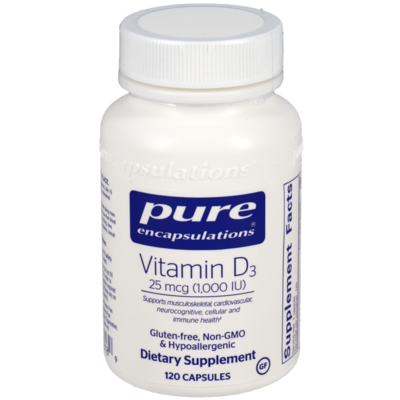
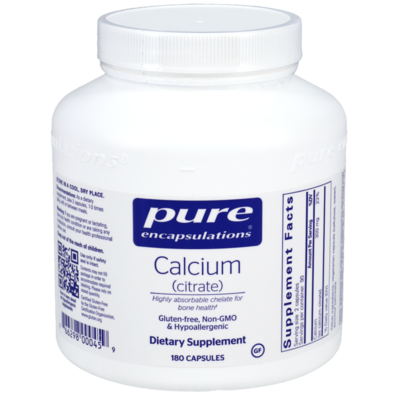
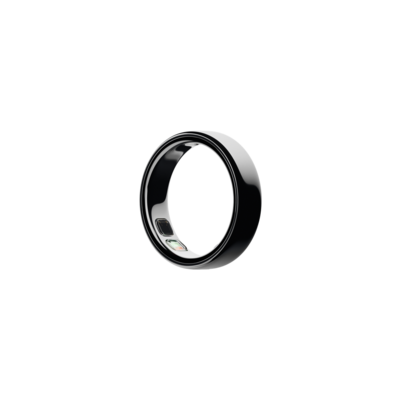
For protecting muscle and bone once you’re feeling better (Chapter 14 of Doctor in the Hot Seat ). After 40, women lose muscle and bone faster, and strength training is the foundation for slowing that. These tools support it, and they don’t replace it. Creatine monohydrate, 5 g daily (Grade B): adds to strength-training gains. Mix it into water, coffee or a smoothie. It can raise lab creatinine without harming your kidneys, so tell your doctor you take it. Vitamin D3, 1,000 IU daily with a meal (Grade A when low): supports bone health. Get your level checked. If it’s low, your clinician may recommend a higher dose for a short time and then recheck. Calcium citrate, 2 capsules (300 mg) daily, only if your diet falls short: most women get enough from dairy, fortified plant milk, calcium-set tofu and leafy greens. If you don’t, this fills the gap. More isn’t better, so count your food calcium first. If you have a history of kidney stones, check with your clinician. Oura Ring 5: tracks activity, steps and recovery, so you can see when your body is ready for a hard strength session and when to take an easier day. The ring is 10% off through this store. Protein: aim for roughly 1.0–1.2 g per kg of body weight daily from food, using a protein powder if you fall short. Ask whether a DEXA scan is right for you, and pair this protocol with Tool T20, “My 12-Week Rebuild Plan.” Grades (A/B/C) are from my book, Doctor in the Hot Seat; see my storefront welcome note for the key. Not intended to diagnose, treat, cure or prevent any disease. I may earn a commission.
Rebuild: Metabolic Health
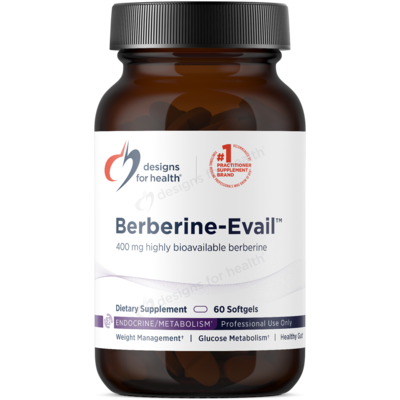
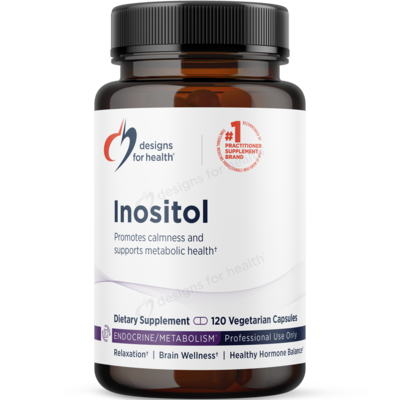
For rising blood sugar, insulin resistance, creeping cholesterol, or a middle that changed even though your habits didn’t (Chapter 11 of Doctor in the Hot Seat ). As estrogen falls, insulin resistance rises, so this is physiology, not willpower. Start with labs: A1c, fasting insulin, lipids and ApoB. Then build on strength training, protein and fiber. These tools support those habits, and they don’t replace them. Berberine-Evail, 1 softgel twice daily with meals (Grade B): 400 mg of berberine per softgel, in a form designed for better absorption. Berberine lowers glucose and A1c in randomized trials. It interacts with many medications, can upset your stomach and may lower blood pressure. Check with your clinician first, especially if you take diabetes, blood pressure or blood-thinning medications. Don’t use it if you are pregnant or breastfeeding. Note: the softgel contains bovine gelatin. Inositol 900 mg, 2 capsules twice daily (Grade C): a gentle, vegetarian option, especially if berberine doesn’t agree with you. Small trials in postmenopausal women with metabolic syndrome used about 4 g of myo-inositol a day and showed better insulin sensitivity, blood pressure and lipids, but no change in weight. Mild stomach upset is possible. Creatine monohydrate, 5 g daily (Grade B): supports the muscle that clears blood sugar, when paired with strength training. It can raise lab creatinine without harming your kidneys, so tell your doctor you take it. Oura Ring 5: tracks steps, activity and sleep, all of which affect blood sugar. Short sleep raises insulin resistance the next day, so watching your sleep is part of metabolic care. The ring is 10% off through this store. Start with berberine or inositol, not both, and recheck your labs in 3 months. What I don’t recommend: chromium. The evidence is inconsistent, the American Diabetes Association doesn’t recommend it, and it can interact with diabetes and thyroid medications. If your numbers are climbing, ask whether metformin or another medication is right for you. Bring Tool T16, “Is Metformin Right for Me?” Grades (A/B/C) are from my book, Doctor in the Hot Seat; see my storefront welcome note for the key. Not intended to diagnose, treat, cure or prevent any disease. I may earn a commission.
Relieve: Mood and Stress
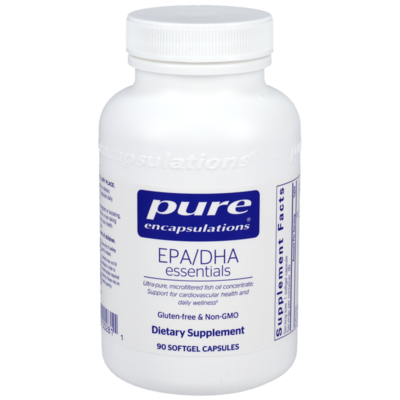

For irritability, anxiety, rage or low mood that feels new in your 40s (Chapters 6 and 9 of Doctor in the Hot Seat ). Shifting estrogen and progesterone really do affect mood, so it isn’t just stress, and you’re not imagining it. For many women, hormone therapy, CBT or an antidepressant helps most. These tools can support that care. EPA/DHA Essentials, 3 softgels daily with meals (Grade B): EPA-predominant omega-3 has modest benefit as an add-on for low mood. Note: this is fish oil in a gelatin capsule. Vegetarians can choose an algae omega-3 instead. Daily Calm, 1 capsule twice daily between meals: combines saffron, ashwagandha, L-theanine and GABA. Saffron (Grade B): several small trials, including in perimenopausal women, at the 30 mg daily dose this provides. Ashwagandha root extract (Grade B): lowers perceived stress and cortisol. Rare liver injury has been reported, and it may raise thyroid hormone. Avoid it in pregnancy, and check with your clinician if you have thyroid disease. Oura Ring 5: tracks heart rate variability, a window into your nervous system’s stress load, along with sleep and your cycle. Many women see mood dips line up with poor sleep or a certain week of their cycle, and that pattern is useful to bring to your clinician. The ring is 10% off through this store. Important: none of these treats major depression. If your mood is low most days, if you’ve lost interest in things you used to enjoy, or if you have thoughts of harming yourself, please talk to your doctor. You can call or text 988 any time. Check with your clinician before combining supplements with antidepressants or other medications. Bring Tool T8, “My Mood Check,” and Tool T13, “My Stress Load Scorecard,” to your next visit. Grades (A/B/C) are from my book, Doctor in the Hot Seat; see my storefront welcome note for the key. Not intended to diagnose, treat, cure or prevent any disease. I may earn a commission.
Relieve: Sleep
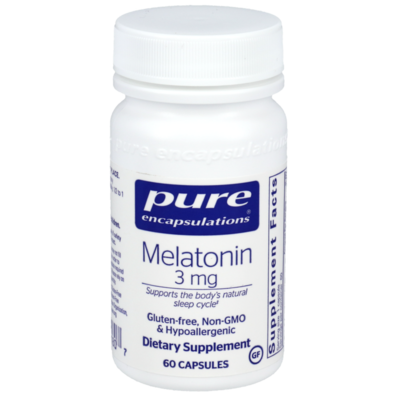
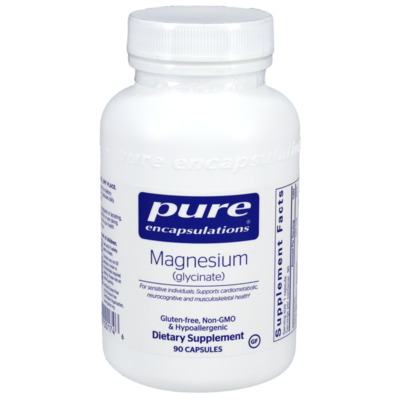
For trouble falling asleep and the 3 a.m. wake-ups (Chapter 7 of Doctor in the Hot Seat ). In perimenopause, night sweats, falling progesterone, anxiety and sometimes sleep apnea all chip away at sleep. Treating the cause usually helps more than any supplement. Progesterone at bedtime, treating hot flashes, and CBT-I (cognitive behavioral therapy for insomnia) are the most effective options. These tools can help alongside them. Melatonin 3 mg, 1 to 2 hours before bed (Grade B): modest benefit for falling asleep. It helps less with early-morning waking. Some women do just as well on a lower dose, so less can be more. It can cause next-day grogginess. Check with your clinician if you take blood thinners, sedatives or other sleep medications. Magnesium glycinate, 1–2 capsules in the evening (Grade C): low-risk, and may help with sleep and nighttime leg cramps. The glycinate form is gentle on the stomach, while other forms can loosen stools. Avoid it if you have kidney disease unless your doctor approves. Oura Ring 5: shows what’s actually happening at night: when you wake, how long you sleep, your temperature spikes from night sweats, and your heart rate variability, which reflects stress. Track it for a few weeks to see what helps, and share the data with your clinician. The ring is 10% off through this store. When to ask for more help: if you snore, wake with headaches, or feel unrefreshed after a full night, ask about a sleep apnea test. Its risk rises in perimenopause. Grades (A/B/C) are from my book, Doctor in the Hot Seat; see my storefront welcome note for the key. Not intended to diagnose, treat, cure or prevent any disease. I may earn a commission.
Relieve: Hot Flashes & Night Sweats

For hot flashes and night sweats, especially if you can’t or don’t want to use hormones yet (Chapter 7 of Doctor in the Hot Seat ). To be straight with you: the Menopause Society does not recommend supplements for hot flashes. Hormone therapy works best, and fezolinetant is an effective non-hormonal prescription option. SSRIs and SNRIs, gabapentin, CBT and clinical hypnosis also have good evidence. If hot flashes are disrupting your life, please talk with your clinician about these first. Rhubestryn, 1 capsule daily (Grade C): rhapontic rhubarb extract at the 4 mg dose used in clinical trials. A few small trials, mostly from one manufacturer, showed fewer hot flashes. Give it 4 to 12 weeks. Do not use it if you are pregnant or nursing, and report any new bleeding or breast changes to your clinician. Oura Ring 5: tracks your skin temperature, heart rate and sleep every night. You can watch night sweats show up as temperature spikes, and see whether anything you try is actually working. The ring is 10% off through this store. Simple things that help tonight: keep your bedroom cool, use breathable sheets and wicking pajamas, and limit alcohol and late caffeine.
Restore: Energy (Recommend Labs First)
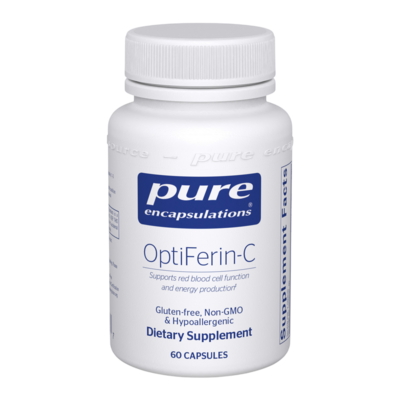
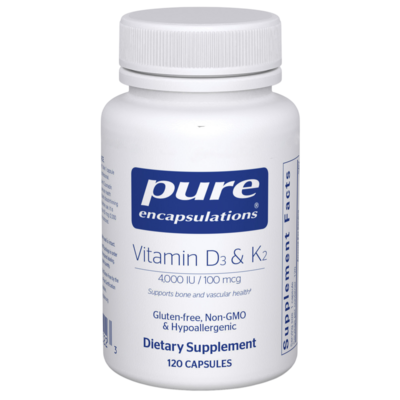
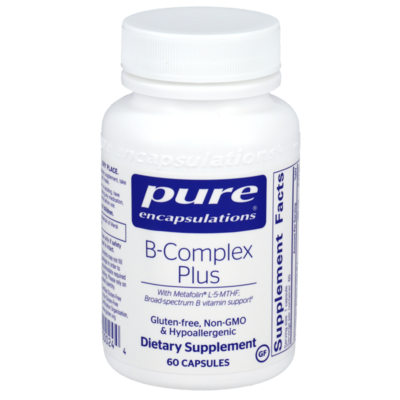
Restore: Energy (Labs First) For the exhaustion that sleep doesn’t fix (Chapter 8 of Doctor in the Hot Seat ). Fatigue in perimenopause usually has a cause we can measure, so test before you supplement: ferritin and an iron panel, TSH, free T4 and TPO antibodies, vitamin D and B12. Then take only what your labs show you need. Iron, Optiferin-C (Grade A, only if ferritin is low): low iron stores are one of the most common, most fixable causes of fatigue in perimenopause, especially with heavier periods. Take it every other morning, which absorbs better than daily dosing. Take it 4 hours apart from thyroid medication or calcium. Recheck ferritin in about 3 months, and don’t take iron if your levels are normal. Vitamin D3 & K2 (Grade A when low): corrects a deficiency that’s common and easy to check. Recheck your level rather than raising the dose indefinitely. If you take warfarin, talk with your clinician first because of the vitamin K. Vitamin B12, methylcobalamin (Grade A when low): low B12 can look like fatigue, brain fog or tingling. It’s more likely if you’re vegetarian or take metformin. It’s single-ingredient and biotin-free, so it won’t distort your thyroid labs. If your labs are normal and you’re still exhausted, look next at sleep, mood, stress load and hormones.
Vegetarian Midlife Essentials
 2 more items in Vegetarian Midlife Essentials
I’m a vegetarian, and these are the gaps I watch for in myself and my patients. Plant-based eating is a cornerstone of lifestyle medicine, but midlife raises the bar for protein and a few key nutrients. Start with labs: B12, ferritin and vitamin D (Tool T3, “My Lab Request”). Plant protein (DFH Plant Protein Meal), 1 scoop daily: makes it realistic to reach about 1.0–1.2 g of protein per kg of body weight daily. Mix it into water, plant milk or a smoothie. Creatine monohydrate, 5 g daily (Grade B): vegetarians start with lower muscle creatine stores, so the benefit with strength training can be greater. It can raise lab creatinine without harming your kidneys, so tell your doctor you take it. Vitamin B12 (Grade A): the nutrient vegetarians are most likely to run low on, and low B12 can look like fatigue, brain fog or numbness. Get your level checked, especially if you take metformin. Vitamin D3 & K2 (Grade A when low): supports bone health. Recheck your level rather than raising the dose indefinitely. If you take warfarin, talk with your clinician first because of the vitamin K. Algae omega-3 (OmegaGenics Algae), 2 softgels daily: the vegetarian alternative to fish oil, providing EPA and DHA without fish. Vegetarian, not vegan? Eggs, Greek yogurt and cottage cheese make protein much easier.
Restore: Hair & Skin

 2 more items in Restore: Hair & Skin
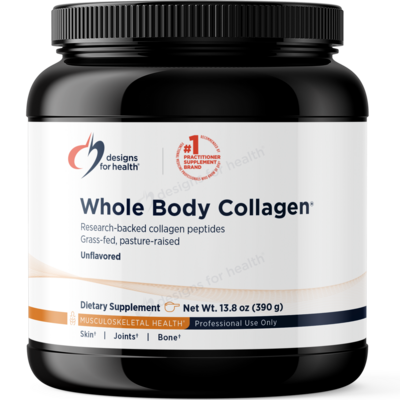
For thinning hair, more shedding, and skin that’s changing after 40. Hair loss in perimenopause usually has a cause we can measure, so start with labs: ferritin, thyroid, vitamin D and B12. Then supplement only what’s low. Iron (Grade A, only if ferritin is low): low iron stores are the most common fixable cause of thinning hair in perimenopause. Alternate-day morning dosing absorbs best. Take it 4 hours apart from thyroid medication or calcium, and recheck your level instead of taking it indefinitely. Vitamin D3 (Grade A, if low): corrects deficiency, which is common and easy to check. B12 (Grade A, if low, vegetarian or on metformin): single-ingredient and biotin-free. Protein powder: hair is made of protein. Use it if you can’t reach your daily target from food. Collagen peptides (Grade C, optional for skin): small, mostly industry-funded trials. Note: collagen comes from cows or fish, so it isn’t vegetarian. Please skip biotin and “hair, skin and nails” blends. Biotin can falsify thyroid and hormone lab results, and it doesn’t help hair unless you’re deficient. For skin, daily sunscreen and a retinoid matter more than any supplement. Bring Tool T19, “My Hair Loss Workup Checklist,” to your next visit.
Shop the entire wellness catalog, held to a higher standard
Shop practitioner-grade products, each meeting the same bar for quality through Fullscript's standards.
Powered byVerified
Sourced straight from the brand — no resellers or fakes
Enhanced testing
Select products are tested in-house — get exactly what the label promises
Stored and shipped
From certified facilities, to protect product integrity