Public protocols
Simple Smart Nutrition's general recommendations, available to anyone who visits this store.
Start Here: Your Basic Health & Wellness Protocol (more info below)
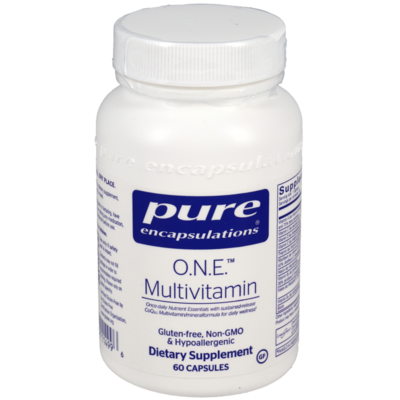
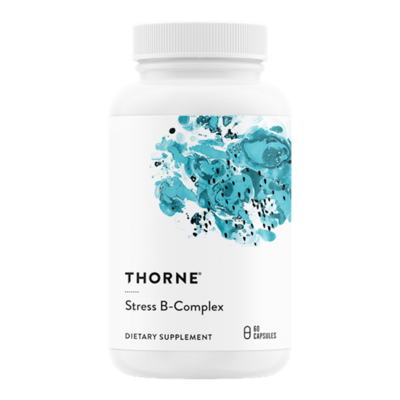
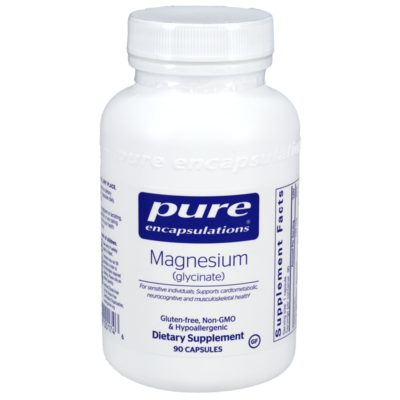 5 more items in Start Here: Your Basic Health & Wellness Protocol (more info below)
Most all people should be taking a variety of supplements for general health, wellbeing and longevity. Even with a healthy diet, it is very difficult to ingest all the nutrients and micronutrients that your body needs to function optimally. Getting a good foundation of nutrition is essential before moving forward with your health. If you don't cover the basics, it's like painting a house with cracked foundation--it's not going to do a lot of good. Here are my suggestions for your basic health and wellness to help you optimize your health, strengthen your immune system, lower inflammation, and fight chronic disease. Basic Health and Wellness Supplement Protocol Why You Need Foundational Supplements—Even with a Healthy Diet** Even the healthiest diets often fall short in providing all the essential nutrients your body needs to function at its best. Without a solid nutritional foundation, it’s like painting a house with a cracked foundation—your health improvements won’t hold. That’s why I recommend a core supplement protocol to support your immune system, reduce inflammation, and help prevent chronic disease. These basics will set the stage for lasting health, energy, and longevity. Core Supplement Protocol for Health & Wellness** **1. Comprehensive Multivitamin/Mineral** Fills in nutritional gaps and supports overall health. Many people still need extra amounts of key vitamins and minerals, which are included separately below. **2. B-Complex Vitamins** Essential for energy, mood, sleep, brain function, and reducing inflammation. Most people are deficient, especially if you’re stressed, active, drink alcohol, or have digestive issues. ➡️ *Important:* Look for methylated forms (methylfolate and methylcobalamin) to ensure absorption, especially if you have the MTHFR gene variant (which over half the population does). **3. Vitamin C** A powerful antioxidant that fights free radicals, boosts immunity, supports skin and tissue repair, and helps adrenal function and cortisol balance. It’s water-soluble and easily depleted, so regular supplementation is important. **4. Omega-3 Fatty Acids (EPA/DHA)** Fight inflammation, support heart and brain health, protect DNA, and strengthen the immune system. Most diets are heavy in inflammatory omega-6 oils, so it's critical to supplement with high-quality omega-3s and avoid seed oils like canola, soybean, safflower, sunflower, corn, and margarine. **5. Magnesium** Involved in over 300 body processes. Helps with sleep, muscle recovery, mood, digestion, heart rhythm, and more. ➡️ *Recommended types:* Glycinate** – well-tolerated, calming Malate** – good for sore muscles L-threonate** – supports brain and focus Avoid magnesium oxide (poor absorption) and citrate (can cause diarrhea). Aim for \~400mg daily, taken at night.* 6. Vitamin D3 + K2** Most people are deficient. Together, these support bone health, immune function, energy, mood, and prevent calcium from building up in arteries. Always take them together—K2 ensures calcium goes to bones, not arteries. 7. Digestive Enzymes** Aid in breaking down protein, carbs, and fats—especially helpful as we age or if you experience bloating, gas, or nutrient deficiencies. Take just before meals for best results. Please Note: Please consult with your physician or health care provider when starting ANY new supplements--especially if you are on medication or being treated for any medical condition. If you experience any adverse effects, please discontinue all supplements and consult with your doctor. Any health advice or suggestions are not meant to treat, diagnose or prescribe for any disease condition.Information, supplement recommendations, and protocols provided are merely suggestions, and not meant to replace medical treatment for any health problem or condition and are at the member’s discretion as to how they are used.Any adverse effects of the supplements are the member's responsibility. You may be entitled to a refund if you experience an adverse event. Report any adverse events here.
Reduce Harmful Chemical Estrogens (Fight Cancer)
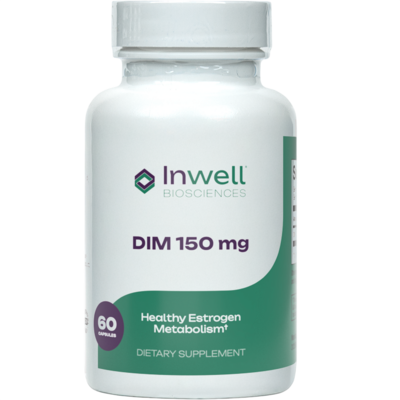
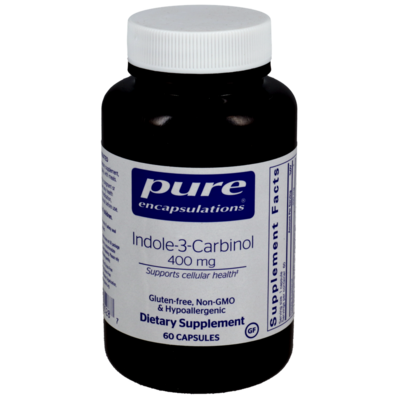
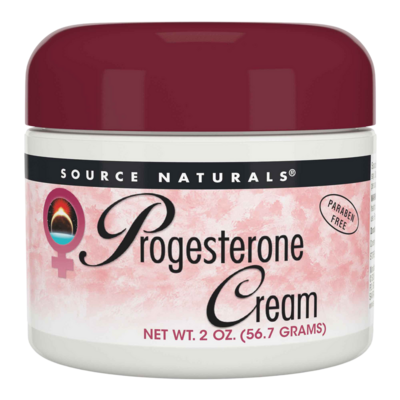 4 more items in Reduce Harmful Chemical Estrogens (Fight Cancer)
🚫 Xenoestrogens and How to Avoid Them What Are Xenoestrogens? Xenoestrogens are synthetic chemicals that mimic estrogen in the body, disrupting natural hormone balance in both men and women. These compounds accumulate in body fat, reproductive tissue, and endocrine glands, amplifying estrogenic effects and causing hormonal chaos. Exposure to xenoestrogens is linked to: Estrogen Dominance Increased risk of breast and reproductive cancers Weight gain (especially in the abdomen and chest) Hormonal imbalances, mood disturbances, and thyroid dysfunction These chemicals are pervasive — found in foods, cosmetics, plastics, cleaning products, pesticides, and even drinking water. Common Sources of Xenoestrogens Personal Care Products: Shampoos, lotions, cosmetics (especially those with parabens) Plastics: Water bottles, food containers, plastic wraps (especially when heated) Household Items: Non-organic cleaners, air fresheners, pesticides, herbicides Processed and Commercial Foods: Packaged foods, non-organic meat, dairy, and eggs (due to hormones and pesticide accumulation) Environmental Contamination: Runoff from agriculture and waste treatment introduces xenoestrogens into waterways and drinking supplies Chemicals to Watch Out For Bisphenol A (BPA) – plastics and food containers Phthalates – plastics and personal care products Parabens – lotions and cosmetics Atrazine – herbicide Nonylphenol – detergents and cleaners Red dyes (FD&C Red No. 3) and preservatives like BHA and propyl gallate Note: A recent study found 31 estrogen-mimicking food additives hidden in processed foods. How Xenoestrogens Affect Health 🛡 How to Minimize Xenoestrogen Exposure ✅ Eat organic, grass-fed meats and wild-caught fish ✅ Choose organic dairy and pasture-raised eggs ✅ Avoid plastic containers — use glass or stainless steel instead ✅ Never microwave food in plastic ✅ Avoid pesticides and herbicides — buy organic, especially the "Dirty Dozen"* produce list ✅ Use natural personal care and household cleaning products ✅ Avoid cheap cosmetics, lotions, and shampoos with parabens and phthalates ✅ Skip bottled water — drink from glass or stainless steel 🥦 Foods That Combat Xenoestrogens Cruciferous Vegetables: Broccoli, kale, cabbage, radishes (detox estrogen) Onions and Garlic: High in quercetin, an anti-estrogenic antioxidant Omega-3 Fatty Acids: Found in wild fish, flaxseeds, and grass-fed meats (balance hormones) Green Tea and Citrus Fruits: Powerful antioxidants supporting detox pathways Organic Dairy, Raw Nuts, Seeds, Olive Oil, Avocados: Provide anti-inflammatory, hormone-supportive nutrients ⚡ Final Tip While it’s impossible to avoid all xenoestrogens, small daily changes make a big difference over time — protecting your hormones, your fertility, your weight, and your overall health. Please Note: Please consult with your physician or health care provider when starting ANY new supplements--especially if you are on medication or being treated for any medical condition. If you experience any adverse effects, please discontinue all supplements and consult with your doctor. Information, supplement recommendations, and protocols provided are merely suggestions, and not meant to replace medical treatment for any health problem or condition and are at the member’s discretion as to how they are used. Any adverse effects of the supplements are the member's responsibility. You may be entitled to a refund if you experience an adverse event. Report any adverse events here.
Midlife Hormone Reset Protocol
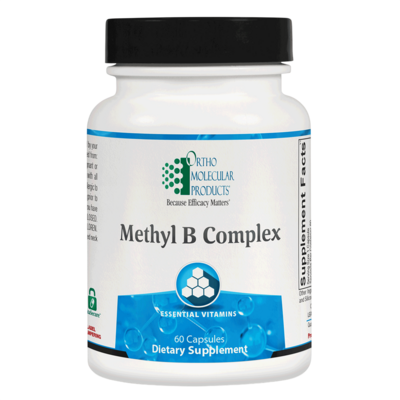
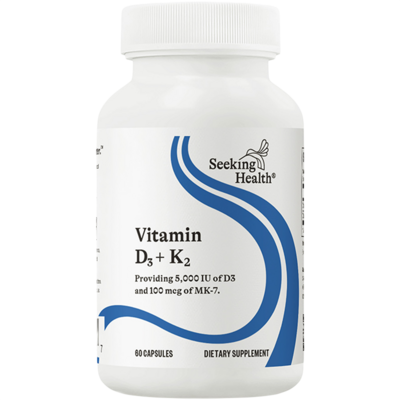
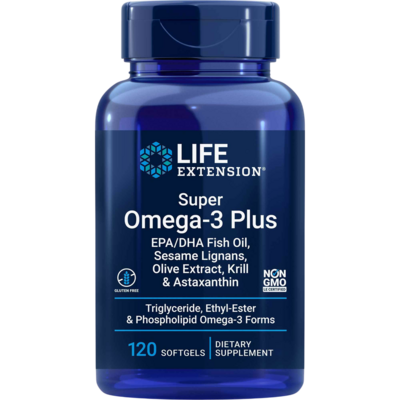 5 more items in Midlife Hormone Reset Protocol
🌸 Hormone Reset Protocol Overview Understanding Midlife Hormonal Shifts Hormonal fluctuations during midlife can spill into every area of life: sleep disruption, irritability, anxiety, PMS, weight gain, and mood swings. Managing and understanding your hormones, while supporting balance, naturally are the keys to regaining control — and feeling like yourself again. Around age 45–50, progesterone levels drop sharply, while estrogen declines gradually. This creates an imbalance known as estrogen dominance . This can trigger symptoms like: Bloating, heavy periods, weight gain Anxiety, depression, irritability Insomnia, fatigue, low sex drive Hair loss, immune dysfunction, inflammation Progesterone is also necessary for healthy thyroid hormone conversion . Low progesterone can worsen thyroid symptoms such as fatigue, depression, weight gain, and nutrient depletion. A Natural Path Back to Balance The foundation of hormonal balance starts with: Eliminating inflammatory foods (sugar, processed foods, refined grains, dairy, seed oils). Eating whole, organic foods : vegetables, fiber-rich foods, pasture-raised meats, wild fish, healthy fats. Getting rid of xenoestrogens (chemical based estrogens in personal care products, cleaning supplies, pesticides and more. Supporting the body with supplements that balance your health and hormones naturally. Managing stress through meditation, sound sleep, and daily movement. Testing : I reccomend you get a full thyroid panel and hormone labwork done, if symptoms persist. 🌿 Natural Supplements to Support Hormonal Balance 1. B Vitamins (Methylated Forms) Crucial for hormone regulation, energy, healthy moods, methylation, DNA repair, neurotransmitter production (serotonin, dopamine). Reduce inflammation and support mood, energy, and metabolism. Recommended : Activated B-Complex with methylfolate and methylcobalamin. 2. Vitamin D3 + K2 Essential for hormone receptor health, bone density, immune strength, and mood. Works synergistically: D3 boosts immunity; K2 directs calcium to bones and teeth. Recommended : 2,000–5,000 IU D3 daily with K2. 3. Omega-3 Fatty Acids Reduces inflammation, supports brain function, cardiovascular health, and hormone communication. Helps alleviate PMS, depression, anxiety, and dryness issues during menopause. Recommended : EPA/DHA high-concentration fish oil. 4. Magnesium (Glycinate, Malate, or Threonate Form) Critical for sleep, energy, adrenal function, muscle relaxation, mood stabilization. Lowers blood pressure, improves sleep quality, reduces anxiety, helps you feel relaxed. Recommended : 200–400 mg at bedtime. Avoid magnesium oxide, it is poorly absorbed. 6. Adaptogenic Herbs (Ashwagandha, Rhodiola, Eleuthero) Rebuilds adrenal health, balances cortisol, improves resilience to stress. Recommended : Adaptogen complex blends, once or twice daily. 7. Natural Progesterone (OTC Cream) Balances estrogen dominance, helps you sleep better, feel calmer, helps brain fog and bone health. Supports healthy thyroid function. Important for PMS, and estrogen related cancer prevention. Use : 20 mg (pea-sized amount) of natural progesterone cream daily from day 14–26 of your cycle (cycling women). You may increase as needed from there, up to 100-200mg. Best used at night although some women use AM/PM. Use for postmenopausal women as well, although up to 200+ mg may be needed. Doctor prescription is advised. 8. DHEA Precursor hormone to estrogen and testosterone. Supports energy, libido, cognitive function, and adrenal recovery. Recommended : Start with 25mg DHEA daily. 9. Sleep Support (Melatonin + Magnesium +Progesterone) Deep sleep regulates cortisol and hormone rhythms, helps you feel calmer and in control. Essential for fat burning, energy restoration, and emotional balance. Recommended : Nightly sleep formulas with melatonin, magnesium, and calming botanicals. 🛑 Important Reminders Always consult your physician or healthcare provider before beginning new supplements. Monitor any adverse reactions; discontinue supplements if needed. This protocol is intended to support wellness and is not a substitute for individualized medical care. Full hormone and thyroid panels are strongly recommended if symptoms persist. 🌟 Combining clean eating, effective supplementation, stress management, and lab testing offers the most powerful pathway to hormone harmony, vibrant energy, and graceful aging. 🌟 If symptoms persist, I will refer you to a bioidentical hormone therapy program through a trusted provider to help you safely and powerfully restore balance. Report any adverse events here.
Seasonal Allergy Toolbox for You
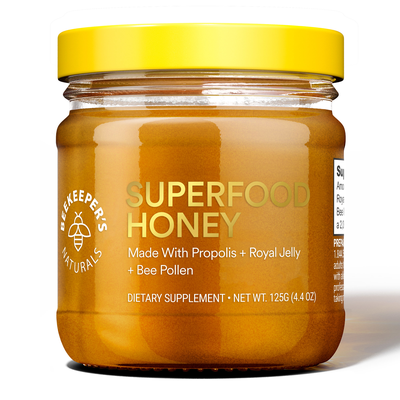 8 more items in Seasonal Allergy Toolbox for You
Your Seasonal Allergy Toolbox Don’t you love spring? The days get longer, the sun is warmer, and the birds are chirping. What’s more, everything is budding and flowering. And that brings us to…allergies. If you have seasonal allergies, instead of enjoying the beauty of spring, you may be busy dealing with itchy, watery eyes, a runny nose and lots of sneezing. Spring becomes the enemy if you have bad allergies. Seasonal allergies are our bodies’ response to pollen in the air. Your innate immune system interprets pollen as a dangerous pathogen, and it sends out an army of Immunoglobulin E to mount an attack. This attack takes the form of histamine which produces the watery eyes, runny nose, the itching, and sneezing, and sinus headaches. What’s more, climate change and increased CO2 have created longer, more powerful pollen producing plants. Why do the immune systems of people with seasonal allergies have the tendency to overreact to pollen? Back in primal days, humans often had populations of parasites such as hookworms, pinworms, roundworms, tape worms and others . While that sounds pretty gross, those parasites kept the immune system busy instead of going after innocent things like pollen. What’s more, kids who grew up in a less-than-sterile environment, like they did back in our ancestors’ days, exposed to outside dirt, pets, livestock, dirty dishes, poor hygiene, and no hand sanitizer, had stronger immune systems as well. Genetics also is part of the picture. Neanderthal fossilized feces show evidence of a lot of parasites taking up residence, and their DNA has evidence of immunity genes that fought off the parasites. When ancient humans interbred with Neanderthals, these genes carried over into the offspring. Populations with the most Neanderthal DNA, such as those from Europe or Asian descent seem to have the most hay fever and allergies. It seems having powerful immunity doesn’t do as well in a modern sterile environment. Inflammation is a big reason why so many people have allergies—whether they are seasonal allergies, food allergies or environmental allergies. Excessive inflammation due to a poor, high sugar/starch diet, refined and processed foods, too much alcohol, or exposure to environmental toxins all increases overall inflammation. When inflammation is high, reactions to other potential allergens is also going to be bigger. The key is to reduce inflammation and reduce allergic reactions. My allergy doctor once likened this to “the straw that breaks the camel’s back.” In other words, you can load your body up with various types of things that cause or increase inflammation, until it breaks the camel’s back, and you start having bad reactions. Those reactions can take the form of rashes, eczema, brain fog, achiness, stuffy nose, sinusitis, asthma, wheezing, sleeplessness, anxiety, irritability, depression—or any combination of the above. Nutrition also plays a big part, especially vitamin D levels, vitamin C levels, B12, iron, and zinc deficiencies. Each of these nutrients play an important part in your immune and inflammatory response and deficiencies of any of these can increase inflammation and lower your immunity. How does one naturally reduce seasonal allergies? First, the obvious answer is not to load up on over-the-counter allergy prescriptions. These medications have undesirable side effects. Antihistamines often cause dry mouth, dehydration, drowsiness and/or agitation, reduced co-ordination, reaction speed. They can also cause blurred vision and constipation. The better choice is to reduce overall inflammation, which not only aids your allergies, but is great for your overall health. How do you start reducing inflammation? Cutting out sugar, processed foods, inflammatory vegetable oils, and removing all grain makes a huge difference. It’s known --at least anecdotally--that people who give up grains often report their seasonal allergies go away. I know, I tried it and was shocked to see my previously severe seasonal allergies suddenly fade into the background. Along with that, my aches and pains receded, as did brain fog, rashes, stuffy nose, and congestion. It works! Getting your gut health back in shape is super important too, so the next step is to calm your gut. Food allergies and intolerances not only increase inflammation, but are also the consequence of poor gut health. When the gut is inflamed, there is an increased risk of gut permeability, and that allows for additional allergens to circulate in your system further stimulating an immune response. Remove potential food allergies and sensitivities, at least during allergy season. If you aren’t sure which foods are provoking problems, you can do a short 7-day elimination diet, and remove dairy, gluten, corn, white potatoes, and any other problem foods you may be aware of. Eat More Omega 3 Fats Wild caught fish are known to have a good amount of omega 3 fats in them. Omega 3 fatty acids are made up of eicosapentaenoic acid (EPA) and docosahexaenoic acid (DHA) components; both of these have been shown to lower inflammation. This study also shows that increased intake of omega 3 fatty acids reduces seasonal rhinitis. 100% grass fed beef also contains higher amounts of omega 3 fats. Additionally, cod liver oil would help as well, since it provides omega 3’s, vitamin D, and vitamin A—all of which modulate the allergic response . Raw Local Honey Raw, local honey contains small amounts of local circulating pollen and by introducing small amounts of this pollen, it can lower the reaction to certain pollens and reduce sensitivity. Researchers have found that eating honey from local pollen prior to allergy season commences reduces allergy symptoms, resulting in less need for other allergy medication. But in order for this to work, the honey must include pollens you are allergic to. Reduce Alcohol Intake Reducing alcohol or avoiding alcohol will help improve allergies in two different ways: 1-Alochol is highly inflammatory to the gut, so cutting back or completely eliminating alcohol calms inflammation in the gut. This helps you repopulate your gut with healthy bacteria, lowering overall inflammation in the gut and system wide. Because inflammation is reduced, allergic reactions improve. 2-Alcohol—especially beer and wine, contains large quantities of sulfites and histamines. Histamines initiate the process to remove allergens from your body. Histamines can cause sneezing, eye watering, itching and more. Histamines are a big part of your body reacting to allergens, so reducing your levels of histamines helps to reduce allergic response overall. Reduce Stress High stress levels can cause worsening allergic responses and while it may seem counterproductive, getting outside and getting some exercise can reduce overall allergy reactions, while reducing stress. Pollen levels are highest mid-morning so if you do want to get out, getting out early in the day or later in the early evening may be the best time. Meditating, believe it or not can also reduce stress and help allergy symptoms. Lifestyle Lifestyle makes a huge difference in allergy reactions. One of the first things to do is to stop your exposure to toxic chemicals in commercial home cleaning agents, laundry detergents, personal care items, antibacterial cleaners and hand sanitizers, and switch to a more natural approach, Apple cider vinegar makes a safe and effective natural cleaner for most all surfaces, and washing your hands with a natural soap instead of harsh antibacterial soap is just as effective at removing harmful germs and is far gentler to your system. Getting a good night’s sleep is also effective at calming cortisol levels and counteracting stress, as well as aiding your allergic reactions. Overall, I noticed a huge reduction in my seasonal allergies when I switched to a Paleo diet, removed grains and sugars, got better sleep, and removed all other inflammatory foods from my diet. Supplements for Seasonal Allergies Vitamin D A vitamin D deficiency has tied to allergies, including seasonal allergic rhinitis, asthma, eczema, and even anaphylaxis. Vitamin D is important for regulating immune system cells and slowing down the release of histamines. There are several studies that suggest vitamin D supplements may reduce inflammation and allergic reactions. One study had the participants who were low in vitamin D take vitamin D supplements along and antihistamines. Those participants showed much improved allergy symptoms after just eight weeks. And this study also showed that adding in vitamin D supplementation improved allergy symptoms as well. Probiotics I am generally not an advocate for probiotics. Each of us has a unique microbiome and it’s somewhat difficult to ‘guess’ as to which probiotics will benefit your particular health needs. However, getting a good general probiotic mix can help lessen allergy symptoms and reduce inflammation in the gut. Specific probiotics have been shown to improve seasonal allergies , including B.longum, B.lactis, L.paracasei, L. rhamnosus , B infantis, and L.acidophilus. Magnesium There are a few studies have found that magnesium supplementation in people with seasonal allergies reduces IgE levels and allergy symptoms. Because many people are magnesium deficient these days, this can be a safe and easy thing to try—with plenty of other good health benefits as well. There are many forms of magnesium that will work but magnesium glycinate is often one of the best forms for overall health—without the digestive complaints. Spirulina Spirulina is a type of microalgae that comes from Latin America, Africa, and Asia. Spirulina has been highly valued as a nutrient-dense supplement that is abundant in protein, vitamins, fats, and minerals. It’s also a potent immunomodulator --meaning that it works to calm the immune system without suppressing it. It has shown some efficacy in reducing the symptoms of seasonal allergies, even compared to an over-the-counter antihistamine drug. Quercetin In studies, quercetin prevents immune cells from releasing histamines , which are the chemicals that cause allergic reactions. This means that taking quercetin may help reduce symptoms of allergies, including runny nose, watery, itchy eyes, hives, and even swelling of the face and lips. Quercetin is a powerful antioxidant found in many fruits and vegetables and it has quite a few health benefits including lowering inflammation, fighting heart disease, and protecting against cancer. Black Seed Oil Black seed oil is considered a powerful medicinal substance that has been used for thousands of years to treat chronic diseases, inflammation, and allergies. In one study, people put black seed oil drops in their noses to treat mild, moderate, or severe cases of allergic rhinitis, aka hay fever. After 6 weeks, 9 out of 10 people said their sneezing, itchy eyes, stuffy nose, and other symptoms got better or went away completely . In addition, black seed oil promotes wound healing, hair growth, reduces acne, heals psoriasis, improves blood sugar, and helps with weight loss. Glutithione In the case of allergies, glutathione helps your body eliminate excess histamine. Your body makes glutathione, but it gets depleted rapidly when your liver is working overtime to process chemicals – whether they are environmental toxins, medications, allergens, or just alcohol. And like Black Seed Oil, lowering histamine levels in the body help with sneezing, itchy eyes, stuffy noise and other allergy symptoms. There you go, that is your seasonal allergy toolbox. Hopefully this will help you avoid sneezing, watering eyes, and itchiness that goes along with seasonal allergies. To your health! https://www.marksdailyapple.com/seasonal-allergies-treatment/#ref-14 https://www.healthline.com/program/allergy https://www.verywellhealth.com/natural-allergy-remedies-89245 cell.com/…/abstract/S0002-9297(15)00485-1 ncbi.nlm.nih.gov/pmc/articles/PMC1241165 ncbi.nlm.nih.gov/pubmed/20497148 ncbi.nlm.nih.gov/pubmed/17456213 pubmed.ncbi.nlm.nih.gov/31464382 https://pubmed.ncbi.nlm.nih.gov/20158528/ https://pubmed.ncbi.nlm.nih.gov/31464382/ ncbi.nlm.nih.gov/pmc/articles/PMC3269601 https://pubmed.ncbi.nlm.nih.gov/34166843/ https://pubmed.ncbi.nlm.nih.gov/26874366/ ncbi.nlm.nih.gov/pubmed/16015268 ncbi.nlm.nih.gov/pubmed/17634174 https://pubmed.ncbi.nlm.nih.gov/34920650/ hindawi.com/journals/ja/2014/983635 ncbi.nlm.nih.gov/pubmed/6202731 ncbi.nlm.nih.gov/pubmed/21196761 https://www.researchgate.net/publication/279538706_Magnesium_Supplementation_in_allergic_diseases_Rhinitis https://pubmed.ncbi.nlm.nih.gov/32773785/ https://pubmed.ncbi.nlm.nih.gov/28093815/ https://pubmed.ncbi.nlm.nih.gov/15878494/
LIVER and KIDNEY Suppport Protocol
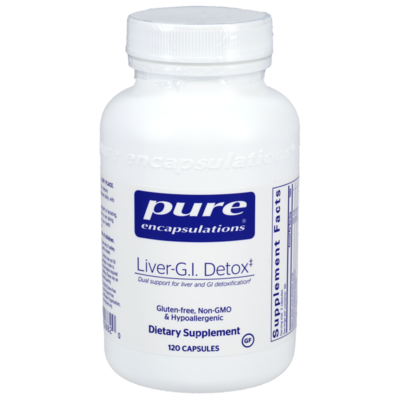
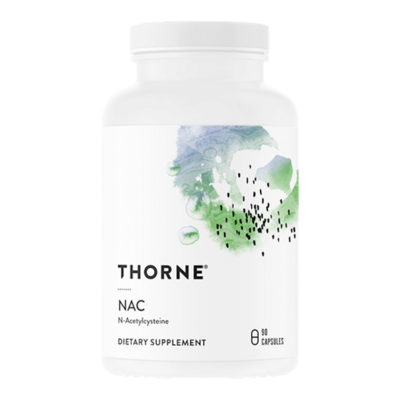 3 more items in LIVER and KIDNEY Suppport Protocol
LIVER AND KIDNEY SUPPORT PROTOCOL. These supplements should be taken in addition to a good basic supplement plan that includes digestive enzymes, a multivitamin/mineral supplement, and omega 3's. It is suggested for optimal liver and kidney health, that you avoid alcohol, smoking and taking additional creatine supplements. If you have high blood glucose or high blood sugar, it is important that you talk with a doctor to mange both.
Bone Health (Click Below to find out more)
 10 more items in Bone Health (Click Below to find out more)
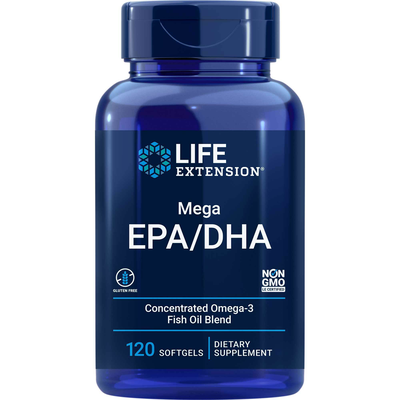
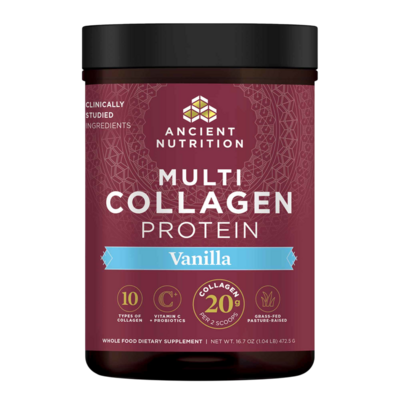
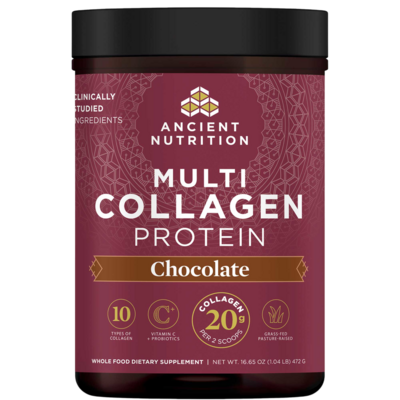
Are you at increased risk for bone fractures? The answer is most likely, yes—if you are a women, over the age of 50. Athletes, especially bike riders, also can be at risk for osteoporosis. This condition causes bone breakdown at a much higher rate, making your bones more fragile and putting you at a much higher risk of bone fractures. Read on to find out how to protect your bones along with suggested Bone Health supplements to be taken with the Basic Health and Wellness Supplement Protocol. Osteoporosis is an under diagnosed condition, often discovered when it’s too late to reverse. However, learning to prevent this condition before it develops into full-blown osteoporosis is the key to a longer, healthier life. Before osteoporosis develops, osteopenia occurs. Osteopenia is low bone density, when the bones cannot rebuild as well. Osteopenia literally means, “poor bones”. Osteopenia often leads to osteoporosis, which is generally very difficult, if not impossible to reverse once your bones get to this point. Prevention is key. The skeleton is made of living, dynamic tissue that requires proper nutrition, exercise, and care that the rest of the body needs for good health. Your bones actually play an important role in metabolism, hormone production, blood cell formation, and immune health. Bone health becomes more critical as we age. Few things in the body are as important to your longevity, mobility, and quality of life--as your bone health . Your skeleton is a living organ that not only provides a protective structure for your soft tissues and organs, but it also serves as the storehouse for essential minerals used by the body. Bones are continuously in a process of tearing down old bone tissue and growing new bone tissue through a process called remodeling. Older bone is broken down, where it comes out in the urine. New bone matrix is laid down that then becomes hardened and mineralized. The process of bone remodeling is in response to the stress placed on the bones. Bones also serve as a mineral storehouse which is affected by hormones that respond to changes in blood calcium and phosphorus. When calcium and phosphorus are in short supply these minerals will be taken out of the bones to serve other functions in the body. When excess bone breakdown occurs , combined with low levels of bone rebuilding, osteopenia, or ‘thinning’ of the bones results. This progresses to osteoporosis, which literally means “porous bones”, that can easily break with little force. Osteopenia and osteoporosis are usually silent, and go unnoticed until you experience bone fractures. Major bone breaks cause problems with mobility, disability, and even life-threatening complications like pneumonia. About 20 percent of seniors who break a hip are still at high risk of dying within one year. The most common symptoms of osteoporosis include: Fractures in the hip, the spine or wrist bones . Limited mobility, along with difficulty completing everyday activities. Bone pain, which can be both permanent and intense. Loss of height or more than one inch. Hunched or stooped posture. “Dowager’s hump” which occurs when the vertebrae in the upper back become weaker or develop tiny breaks in the bones. Causes of Osteopenia and Osteoporosis Often, chronic inflammation anywhere in the body can increase the risk of bone loss. Other risk factors include: · Being female · Asian descent or northern European descent; having a small frame or being thin · Sarcopenia, or low muscle mass · Celiac disease or non-celiac gluten sensitivity (even undetected gluten sensitivity) · Chronic inflammation in the body · Sedentary lifestyle with no stress on the bones · Diet—High sugar, processed foods, alcohol, soda · Smoking cigarettes · Too much calcium in diet or from supplements (higher than 500mg/day) causes an imbalance in the other minerals needed for bones · Decrease in estrogen and progesterone in women (hysterectomy, perimenopause, or menopause), low levels of testosterone in men · Aging · High thyroid /hyperthyroid condition · Nutritional deficiencies in vitamin D, vitamin K2, magnesium, phosphorus, boron, and other trace minerals. · Long term use of certain medications · High chronic stress levels · Extreme weight loss, severe dieting, malnutrition, poor protein intake Other health conditions can lead to osteoporosis. These health conditions include: Breast, prostate cancer, or other sex-hormone related cancers Diabetes, type 1 or 2 Hyperparathyroidism Cushing’s syndrome Inflammatory bowel disease Autoimmune diseases including rheumatoid arthritis (RA), lupus, multiple sclerosis, Graves’ disease Parkinson’s disease Female athlete triad--irregular/absent periods, premature menopause AIDS/HIV Chronic obstructive pulmonary disease (COPD), including emphysema Chronic kidney disease Liver disease, including biliary cirrhosis Organ transplants Spinal cord injuries C ertain medications can also decrease bone density. These medications include: · Corticosteroids · Thyroid Supplements · Hormone Blocking Drugs · Diabetes Medications · Proton Pump Inhibitors or Antacids · Mood Stabilizers Containing Lithium · Some Blood Thinners · Loop Diuretics · Anticonvulsant Medicines for Epilepsy · Antiretroviral Therapies · Tramadol Pain Reliever Conventional Treatment for Osteoporosis Conventional medical treatment for osteoporosis usually involves prescription medications. There are a wide variety of medications available that act on your bones, your hormones, or other physiological functions. Conventional treatment is usually a class of drugs called Bisphosphonates. These drugs include Fosamax, Boniva, Actonel, Alendronate, Actonel, Atelvia, Reclast, Zometa and more. Bisphosphonates have been noted to have a significant collection of adverse side effects. While they help to reduce some vertebral fractures they do not help in reducing hip and leg fractures . Other serious adverse effects of bisphosphonates include esophageal bleeding, stomach or esophageal ulcers, death of the jawbone (osteonecrosis) vomiting, bone pain, nausea, and acid reflux. Because bisphosphonates inhibit dynamic bone remodeling and rebuilding stage of bone growth, the bones become very brittle—and more prone to breaking. Femur breakage is often a result of being on bisphosphonates. Natural Treatments for Osteopenia and Osteoporosis The very most important thing you can do for your bone health is prevention. Bone health is critically dependent on getting the proper nutrients in the diet, effective and healthy ‘stress’ on the bones, and supplementing if necessary. You can prevent bone loss by knowing your bone density, especially early on, so you can catch bone loss and take steps to prevent it. Frequent screening for bone density, every few years past the age of 40, is crucial to catch this bone disease before it gets too far. Bones need stress to become stronger and to stay strong. You can place healthy stress on your bones with weight resistance. Supplements for Stronger Bones 1. Calcium-- While most conventional doctors will direct you to take in more calcium, calcium is usually not the problem. In fact, people in the United States have one of the highest intakes of calcium, through dairy products and calcium supplements, yet, the US also has one of the highest rates of osteoporosis in the world. In this study published in the New England Journal of Medicine , Harvard researchers evaluated evidence on dairy consumption and health outcomes, including growth and development, cancer risk, bone health, and body weight. The conclusion was that high consumption of dairy products does not protect against bone fractures in adults and it may increase the risk for fractures, prostate cancer, and endometrial cancer. 2. Magnesium—I n terms of bone health, magnesium is often defined as the forgotten mineral. Magnesium and calcium must exist in the proper balance for bones to absorb these minerals. It is known that a magnesium deficiency will contribute to osteoporosis by acting directly on the bone cells and indirectly by impacting on the secretion and the activity of parathyroid hormone (which governs bone health) and by promoting low grade inflammation. Evaluating Magnesium/Calcium balance seems to be one of the more important assessments in terms of measuring bone density, but it is often overlooked. Optimizing Mg intake is probably the most effective, low-cost measure against osteoporosis. About 80% of the population is deficient in magnesium. 3. Protein--Protein makes up about half the volume of bone and about one-third of its mass . In healthy bones, the bone matrix is undergoing continuous turnover and remodeling, and an adequate supply of amino acids and minerals are needed to support the formation and maintenance of bone across the life span. Older adults tend to eat less protein than younger people, but because they need to feed not only their muscles--but their bones--older adults should be sure to include plenty of high-quality protein in their diets. 4. Vitamin K2— Vitamin K2, or menaquinone, is an often-overlooked vitamin which serves a very important role in bone density. While vitamin K1 comes mostly from leafy greens, it is a little more difficult to get vitamin K2 from our diets. Vitamin K2 is found primarily in grass fed dairy, sauerkraut, natto--a Japanese dish made from fermented soybeans, and grass-fed butter, meat, liver, and egg yolks. Vitamin K2 works with vitamin D to help shuttle calcium in the body out of the blood vessels and into the bones and teeth. Vitamin K2 can lower the risk of cardiovascular damage and improve overall heart health, and bone health. According to this 2015 review article , K2 activates a protein that prevents calcium deposits from forming in the walls of blood vessels. Instead, vitamin K-2 promotes healthy bone mineral density by working with osteocalcin, a protein that binds calcium to bones and teeth. 5. Vitamin D— Vitamin D is a very important part of bone density. Research shows that low levels of vitamin D intakes can lead to bone demineralization . Low vitamin D levels slows calcium absorption, and the body will take calcium from the bones to maintain proper calcium concentrations. 6. Omega 3 Fatty Acids-- Omega-3 fatty acids found in fish oils have been shown to decrease markers of inflammation and decrease death due to heart disease. Several studies in animals suggest that fish oil (with high levels of EPA and DHA) supplementation inhibits bone break down. Omega 3’s also help to increase the amount of calcium absorbed from the diet and enhance the calcium placement in the bones. Anything that causes inflammation will also activate the osteoclasts, the bone cells that break down old and brittle bone material . When inflammation becomes chronic, it causes the bone-breakdown to go into overtime. Too much osteoclast activity causes more bone thinning and ultimately osteoporosis. That’s where the omega 3 fatty acids come in. Omega 3 fatty acids tune down the inflammatory signaling that causes the accelerated bone breakdown. So, omega 3 fats slow down bone loss and protect the bones. 7. Collagen— Collagen is a protein found abundantly in the body. It is used to make up the connective tissue, joints, ligaments, and tendons. Collagen is by far, one of the major substances in the bones. As we age, collagen production in the body decreases, along with bone mass. Collagen supplements can slow bone breakdown. Collagen also helps the bones retain their resilience and prevent brittleness. In this 1-year study, women took a calcium supplement with 5 grams of collagen or the calcium supplement without collagen. At the end of the study, the women taking the collagen had significantly lower blood levels of proteins that promote bone breakdown than those taking only the calcium supplement. One other study found similar results. The women taking the collagen showed an increase of up to 7% in their bone mineral density compared to those not taking collagen. 8. Boron-- Scientists have known for many years that boron is essential for healthy bones. Boron plays an important role in osteogenesis, and its deficiency has been shown to adversely impact bone development and regeneration. Boron influences the production and activity of steroid hormones, actions via which this trace mineral is involved in the prevention of calcium loss and bone demineralization. Boron supplementation has repeatedly been shown to markedly reduce urinary excretion of both calcium and magnesium and to increase serum levels of estradiol and calcium absorption in peri- and postmenopausal women. Boron also beneficially impacts vitamin-D utilization. Supplementation with boron stimulates bone growth in vitamin-D deficient animals and alleviates dysfunctions in mineral metabolism characteristic of vitamin-D deficiency 9. Hormones— The sex hormones (for men and women) are also extremely important in regulating the growth of the skeleton and maintaining the mass and strength of bone. The female hormones estrogen and progesterone, as well as testosterone, have positive effects on bone health in men and women. These hormones are essential to bone health because they promote the activity of the osteoblasts, the bone building cells. Many women take bioidentical estrogen and progesterone and testosterone to help keep their bones strong. Men often take testosterone to help with bone loss. What About Calcium? Your conventional doctor may tell you to take calcium supplements of 1000-1200 mg a day and nothing else. Unfortunately, studies show that calcium supplementation not only throws off the natural balance needed between magnesium and calcium, but it may also collect on the blood vessel walls, the kidneys and other delicate organs.There seems to be a link between calcium intake and heart disease. A study published in the British Medical Journal showed calcium supplements are associated with an increased risk of myocardial infarction. Your best bet is to get calcium from your diet, but you don’t have to load up on dairy foods. Dark leafy greens are one of the best sources of dietary calcium, and they contain a good balancing dose of magnesium, iron, potassium, and manganese. They also provide a good dose of K, C, E and B vitamins. Dark green vegetables also include many powerful phytonutrients including beta-carotene, lutein, and zeaxanthin, which protect our cells from damage and our eyes from age-related problems, among many other effects. Dark green leaves, like kale, and chard even contain small amounts of omega-3 fats. Sardines also provide a good dose of healthy calcium and omega 3 fats as well. Key Points for Better Bone Health · Bone scans early on (age 30-40). Bones scans regularly starting at age 50. · Cigarette smoking decreases bone mass. · Avoid eating foods that contain gluten. Gluten is a common cause of bone loss. · Eat a healthy diet, including lots of brightly colored vegetables, healthy proteins, and healthy fats. · Avoid processed foods, omega 6 fats, sugar, and grains. · Go easy on dairy products. · Work on getting more vitamin K2 in your diet from grass fed butter, cheese, natto, meat and egg yolks. · Review medications that may speed up bone loss with your physician and avoid taking them for long periods of time. · Reduce inflammation as much as possible. · Get regular weight bearing or weight resistance exercise. Stress your bones! Take supplements to protect your bone health. Please Note: Please consult with your physician or health care provider when starting ANY new supplements--especially if you are on medication or being treated for any medical condition. If you experience any adverse effects, please discontinue all supplements and consult with your doctor. Information, supplement recommendations, and protocols provided are merely suggestions, and not meant to replace medical treatment for any health problem or condition and are at the member’s discretion as to how they are used. Any adverse effects of the supplements are the member's responsibility. You may be entitled to a refund if you experience an adverse event. Report any adverse events here.
My Personal Daily Supplement Protocol (Click Below to Read More)
 7 more items in My Personal Daily Supplement Protocol (Click Below to Read More)
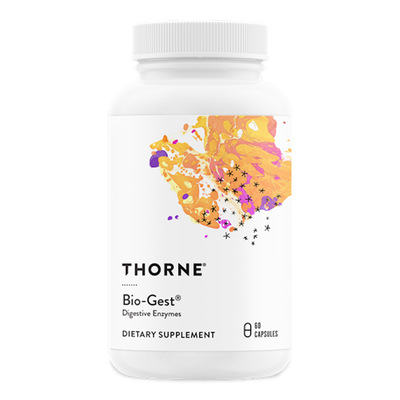
I often get asked what supplements I take on a daily basis. I have been taking supplements since I was in my 20's, but the supplements have changed--depending on my current health situation. I took completely different supplements when I was a vegan; and of course, I modified my supplement intake when I was pregnant three times as well. I changed my supplements around when I started eating meat and when I changed my diet to become more Paleo/low carb as well. I took specific supplements to help me through peri-menopause and menopause. And now that I am 63, and post-menopausal, and still very physically active, I take a few new ones that are specifically for longevity, energy, more efficient fat burning, and for better cognitive function. I have to say though, through the years, I have always had a few core supplements that I never run out of. Here's my list: Digestive Enzymes -As we age, our digestive enzymes get less effective, and for some of us, with a tendency towards food allergies or gluten sensitivity, we may need digestive enzymes all the time. There are a variety of enzymes on the market--and I've probably tried them all--but there are a few important ingredients you need to look for. You will want a digestive enzyme to include enzymes that digest fats, protein, and carbohydrates. My favorite ingredient that I have found to be most effective for this is Pancreatin. Pancreatin contains amylase, lipase and trypsin to help you metabolize carbs, fats, and protein .There are various strengths of pancreatin, so you may need to experiment with this to see which one works best for you. Sometimes pancreatin is all you need. For those of us with gluten issues, pancreatin is a key ingredient for effective digestion. Pancreatin in stronger concentrations is also known to help if you are prone to pancreatitis or have pancreatin insufficiency. The other ingredient in a digestive enzyme to look for is ox bile. Bile is an important substance our bodies make to dissolve fats, especially cholesterol. Bile is a digestive liquid that’s produced in the liver to break down fats. Bile is continually secreted from the cells of the liver and then passed to the gallbladder. In the gallbladder, bile is stored and concentrated by the absorption of water and small electrolytes. After we eat, our bile duct opens and allows bile, enzymes and secretions to do their jobs. Bile is effective to: break down and eliminate cholesterol, fight off infections in our digestive system, promote gallbladder health, dissolve gallstones, help with digestion of fats, trigger the release of glutithione, and help eliminate bilirubin (dead red blood cells the liver needs to clear). A high quality multi-vitamin/mineral supplement --I've changed this up quite a few times, but I really like the multi that Pure makes called, "One". It contains all the vitamins, minerals and micronutrients I need to have a good nutrition base, including choline (a supplement that protects the liver and the brain), iodine for thyroid health, boron which helps protect the bones, and zeaxanthin and lutein for eye health. The great thing is, it doesnt contain super high quantities, so if I wanted to add in a few things (like zinc during flu season), it wont overload my system. B Complex Vitamins --We all need B complex vitamins. B complex vitamins are water soluble and they easily wash out of our bodies. Most all people get far too little B vitamins. B vitamins are very important to maintaining energy levels, helping you relax, sleeping, eliminating anxiety and irritability, and improving mental focus. B vitamins are especially important to help prevent anxiety and depression. Since B vitamins are water soluble they are easily depleted, especially if you are physically active, drink alcohol, are stressed out, or have absorption problems. For example a gluten sensitivity can cause a deficiency in B vitamins. One thing to keep in mind, over half the population has a genetic variant that cannot process regular forms of folate or folic acid, and vitamin B12. So it's important to take a B vitamin supplement that contains methylfolate and methylcobalamin which are specific forms of folate and B12 that the body can absorb. So if you've ever taken B vitamins and think they didnt work that well, that may be why. I never run out of B vitamins, I notice the energy slump that I tend to get, as well as the mental slump if I run out. Vitamin C-- Another important water soluble vitamin that is also a super antioxidant, anti-inflammatory nutrient that I try to never run out of. Vitamin C is an antioxidant that helps protect your cells against the effects of free radicals — molecules produced when your body breaks down food, exercise, exposure to tobacco smoke, sun exposure, X-rays or other sources. Free radicals might play a role in inflammation, heart disease, aging, cancer and other diseases. Vitamin C also works with collagen to maintain the integrity of the skin. Without vitamin C, collagen cannot do its work. Vitamin C is also a powerful immune booster and can help fight off colds, flu and other viruses or shorten the length and severity of your illness. I've been taking vitamin C since I was a kid to fight off colds, and it does really work. Vitamin C is also valuable if you happen to have allergies and has even been shown to help boost your mood. And you can take a lot of it when you need it most--it's very well tolerated by the body even in high doses. Vitamin D3 and K2- -I generally only take vitamin D during the winter months, since I tend to be outdoors a lot in the summer. However, I now take vitamin D3 year 'round, I just take less of it in the summertime. As we age, our abilty to turn sunshine into vitamin D diminishes, so it's important to be sure you are getting enough. Research shows most of us are low in vitamin D3 and K2. Benefits of Vitamin D include bone health, immune support, cancer prevention, energy mood and brain support. Why Should Vitamin D Be Taken with Vitamin K2?Current research shows a synergistic relationship between Vitamin K2 and Vitamin D3. Taking Vitamin D3 with Vitamin K2 helps to ensure the calcium transported by the Vitamin D is absorbed by your bones and teeth where it's needed, rather than accumulating in deposits in your arteries. Omega 3s are an essential fatty acid which most of us do not get enough of. Omega 3's are important for immune function, to lower system wide inflammation, to protect the cardiovascular system, to keep bones strong and protect the skin and other body systems from cancer. Our food system is heavily weighted on omega 6 fatty acids, which are highly inflammatory and compete in the cells with omega 3's. Your best option is to supplement with omega 3's and avoid ALL vegetable seed oils including canola, soybean, safflower, sunflower, corn, and anything labeled "vegetable oil". I recommend an Omega 3 supplement with high levels of EPA and DHA especially. Omega 3s have been shown to be especially important for longevity and better health with aging. Omega3s help reduce inflammation in the brain, prevent depression and anxiety and increase cognitive ability, no matter what our age. Magnesium-- Magnesium is essential in over 300 important processes in the body. Most of the population ~80% or so are deficient in magnesium. Magnesium is necessary for a regular heartbeat. In fact, if a person went to the hospital with an irregular or fast heartbeat, they would be given magnesium. If you eat a diet high in calcium, you will need more magnesium. If you are an athlete, someone who works out outside and sweats often, you need more magnesium. People who consume alcohol on a regular basis, also need magnesium, as do those who do not eat large quantities of green vegetables. Magnesium helps balance your mood, helps you feel calm, helps your muscles relax and be less sore after exercise, helps keep you regular, and it helps with deeper, restful sleep. I recommend everyone take at least 400mg a day (take in the evening). There are several kinds of magnesium: magnesium malate which is good for sore muscles, magnesium glycinate, which is good if your digestive system is sensitive to Mg (it can sometimes cause loose stools), magnesium threonate for better mental function and to eliminate anxiety, etc. Avoid Magnesium oxide it is not absorbed well, and Mg citrate can cause diarrhea. Zinc is a powerful immune booster and is valuable to our moods, alertness and cognitive powers as well. In addition, zinc is important as a building block for testosterone and other hormones, and it supports the thyroid function. I take a little extra zinc in the fall and winter to help me fight off colds, flu and other viruses. Always be sure to take zinc with copper, and include quercetin with your zinc (some vitamin C supplements include quercetin). Quercetin is important to help get zinc INSIDE the cells where it is the most protective. NMN-- The molecule nicotinamide adenine dinucleotide , otherwise known as NAD or NAD+, is getting a lot of attention in the health and medical community for its powerful metabolic and anti-aging properties. NAD is used to help restore healthy cell functioning and promote recovery for both physical and mental health conditions. Nicotinamide mononucleotide, or NMN , is another molecule that’s important to your health, and NMN supplements support your body’s production of NAD+. NMN, or nicotinamide mononucleotide, is a cellular molecule that’s considered a precursor to NAD+. This means NMN will chemically transform into NAD+ in your cells. When you think about NMN vs. NAD+, remember that these two molecules work together to metabolize energy in your cells. After NMN is absorbed into your bloodstream, it converts into NAD+. Then the NAD+ is stored in your muscles and vital organs, helping them function in peak condition. What is NAD+, and how does NAD+ Work? NAD, or nicotinamide adenine dinucleotide, is a molecule or coenzyme found in every cell in your body. The part of the NAD coenzyme that performs important functions is known as NAD+.NAD+ has two important roles — to help protein regulate the functions in your cells and to turn nutrients into energy. The process of converting food to energy is what helps you stay alive. NAD+ supports all the crucial functions of your cells, affecting your sleeping and waking cycles, your neurological health, and the health of your vital organs. As people grow older, their levels of NAD+ naturally decrease. Stress on the body and mind may cause NAD+ levels to decline even further. Low NAD+ levels increase your risk for many health conditions, like heart disease, Alzheimer’s disease, and Type 2 diabetes. One of the fastest ways to stimulate your body’s NAD+ production is to increase levels of NMN. There is evidence that NMN’s boost to NAD levels may be able to improve health in the heart, liver, muscles, and kidneys, and even slow down the progression of diabetes and Alzheimer’s. Beyond their role in making NAD+, NMN molecules have their own health benefits. NMN supplements can aid your body’s insulin production and glucose tolerance. They have positive effects on overall metabolism as well. NMN supplements are the easiest way to raise NMN levels. Low volumes of NMN are also found in certain foods like broccoli, avocado, cucumber, and cabbage. Berberine-- Did you know that berberine is an anti-aging substance as effective at controlling blood sugar as metformin (Glucophage)? Berberine is a compound typically found in various plants such as barberry, Oregan grape, tree turmeric, Philodendron, and Goldenseal. It’s a bright yellow color and is often used as a dye. Berberine has come under the spotlight in the Western world because of its ability to regulate blood sugar levels, to activate the longevity pathway AMPK , which is the metabolism’s master switch to help with weight loss, blood sugar control and even fight cancers. The beneficial effects of berberine in diabetes and obesity treatment are in part expressed through stimulation of the AMP-activated protein kinase (AMPK) signaling pathway. AMPK, an enzyme found in cells, is a metabolic master switch that helps regulate cell energy. It is one of the key identified longevity pathways. When energy levels are low, berberine activates AMPK which in turn signals cells to ramp up fat burning for energy. Berberine has been proven to provide anti-inflammatory properties that benefit brain health, gut health, and nearly everything else in the body. Berberine has been studied in several neurological conditions and has been linked to protecting the function of the extremely important blood-brain barrier (BBB). Anti-inflammatory effects of berberine have also been found in the gut by reducing pro-inflammatory substances known as cytokines. Berberine is also effective at lowering LDL cholesterol levels in the blood and increases HDL cholesterol and effectively helps to lower triglyceride levels, which are often a reflection of blood sugar levels. Berberine is also being studied at being effective and killing cancer cells, preventing tumor growth and helping the body become more receptive to other conventional cancer treatments. All in all, berberine is a very powerful longevity tool to help fight aging and preserve youthfulness. Please Note: Please consult with your physician or health care provider when starting ANY new supplements--especially if you are on medication or being treated for any medical condition. If you experience any adverse effects, please discontinue all supplements and consult with your doctor. Information, supplement recommendations, and protocols provided are merely suggestions, and not meant to replace medical treatment for any health problem or condition and are at the member’s discretion as to how they are used. Any adverse effects of the supplements are the member's responsibility. You may be entitled to a refund if you experience an adverse event. Report any adverse events here.
Get a Better Night's Sleep (Find Out More Below)
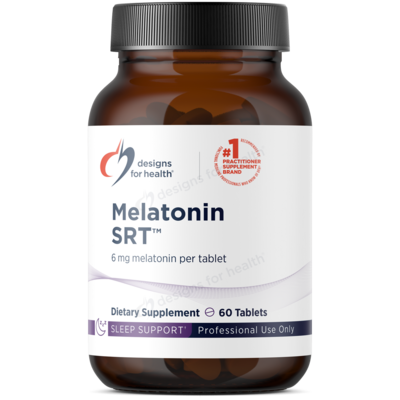
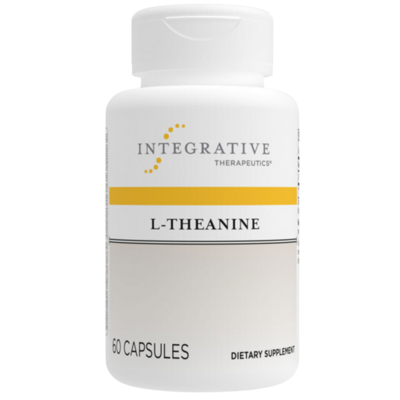
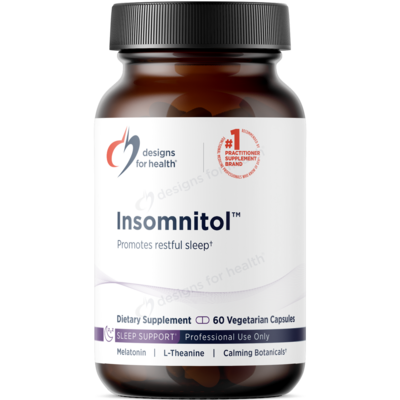 3 more items in Get a Better Night's Sleep (Find Out More Below)
Poor sleep can increase stress, cause weight gain, contribute to irritation, anxiety and depression, and even put a strain on your relationships. Nothing can be more frustrating than tossing and turning all night and being tired all day. Before you look at supplements for better sleep, always start with a good nutritional foundation, The Basic Health and Wellness Supplement Protocol. Some of the primary causes of insomnia include: NOT Getting enough exercise or activity during the day Sneaky amounts of caffeine in drinks, food or medications Junk food additives that can overstimulate your brain such as MSG and others Dehydration Artificial sweeteners, especially aspartame Drinking too much alcohol Stress—probably the biggest reason we miss out on sleep on occasion Hormone Imbalance (women) We know prescription sleeping pills are certainly not the best solution for sleep. Sleeping pills can cause a lot of unpleasant side effects from headaches and sleep hangovers to nausea, irritability, and dizziness. They can also cause you to do crazy things like raid the fridge at night in a sleepy stupor, drive in your sleep, sleep-walk, grind your teeth, snore, or have sleep apnea, and more. Lets talk instead about some great natural ways to promote a sound and restful sleep—with only good, healthy side effects! Magnesium Magnesium helps your muscles relax and it helps you feel more calm. Magnesium also helps with the deep sleep phases. Magnesium is super important for about 300 functions in our body, so its important for overall health, as well as sleeping. Epsom salts contain magnesium so a hot bath is also an awesome way to relax and get to sleep. L-Theanine Theanine is a natural chemical that helps calm down the activity in the brain. Theanine increases other calming neurotransmitters like serotonin, GABA and glycine in the brain. These neurotransmitters all help you sleep better—without any hangover the next day. In fact, you will feel calm and rested instead. Be aware, however, some people are sensitive to theanine and the after-effects of theanine may cause some rebound anxiety. Melatonin Melatonin is a natural brain chemical that can be affected by light and darkness. As we age, we make less of it. Melatonin can be taken in a supplement which will help you get to sleep—and you don’t need much. The biggest problem with taking melatonin is that you may wake up when it wears off—often in the middle of the night. To solve this, you can take melatonin in a time release form. It is better if you only take it once in a while when you are changing time zones, drink too much, stare at your computer too late at night or just end up in a cycle of waking up at night. Blue light from your electronic devices like your cell phone can suppress melatonin. This definitely messes with your body’s natural ability to get sleepy. You can either wear orange goggles or—add these two powerful antioxidant carotenoids, lutein and zeaxanthin which help you become sleepy. These two carotenoids are especially good for your eyes. Collagen is also excellent for sleep. Try a nice steaming mug of collagen/bone broth before bed. The primary amino acid in bone broth or collagen is glycine, which is very effective for inducing sleep. Glycine also helps lower your body temperature, which induces sleep, and it restores your natural REM pattern to your sleep as well. Progesterone for Women Peri-menopause and menopause starts when hormone production starts to decline. Estrogen, progesterone and testosterone all work together and affect mood, energy, sex drive, brain function—and sleep. Progesterone plummets in a woman's 40's, way before menopause ever starts. Progesterone is a relaxing, “feel good” hormone for women. It really helps to promote a sense of calm--getting rid of anxiety and irritability. Progesterone increases production of the brain chemical GABA that helps promote sleep. If you are a woman in her 40s and having trouble sleeping at night, it's a good guess you may need progesterone. Progesterone is safe and easy to use. You can An over-the-counter natural cream can be applied right before bed for a better night's sleep and a calmer outlook the next day. Progesterone also helps your thyroid function better--helping it convert the storage form of T4 into the active T3 thyroid hormones. Progesterone is also known to help eliminate brain fog and help you lose weight. And, last but not least... SEX! Sex helps stimulate endorphins, oxytocin and vasopressin—hormones which help create feelings of attachment, security, and relaxation, and it helps you sleep like a baby. Maybe your partner will be interested in helping you get a good night’s sleep. If none of these things help, visit your doctor to have blood work done to check hormone and thyroid levels, and to rule out any other health conditions. Here’s to a deep and restful night’s sleep! There is nothing better than waking up feeling refreshed and well rested. Please Note: Please consult with your physician or health care provider when starting ANY new supplements--especially if you are on medication or being treated for any medical condition. If you experience any adverse effects, please discontinue all supplements and consult with your doctor. Information, supplement recommendations, and protocols provided are merely suggestions, and not meant to replace medical treatment for any health problem or condition and are at the member’s discretion as to how they are used. Any adverse effects of the supplements are the member's responsibility. You may be entitled to a refund if you experience an adverse event. Report any adverse events here.
Athletic Performance and Recovery (Read More Here)
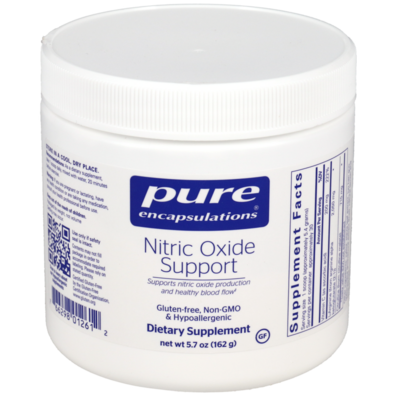
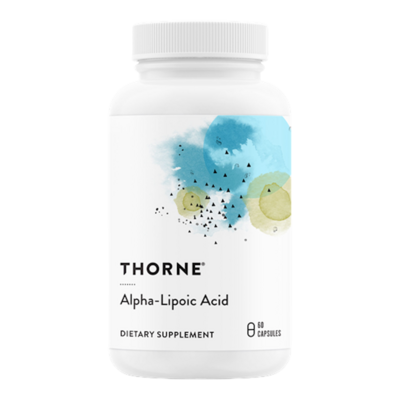
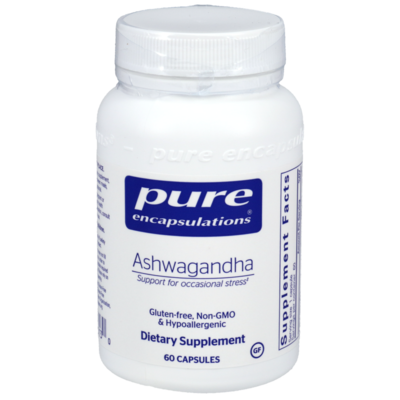 10 more items in Athletic Performance and Recovery (Read More Here)
Whether you are a weekend warrior or a serious competitive athlete, it's no surprise you want to increase your speed, up your power, and maximize your endurance. And there's always room for improvement. In addition to following the Basic Health and Wellness supplement protocol, here are some recommendations to improve athletic performance. Key to an athlete's routine should first be lifestyle factors. These lifestyle habits have a significant contribution to training, performance, recovery and outcome. 1. Getting a good night's sleep -- Sleep is an essential component of health and well-being, with significant impacts on physical development, emotional regulation, cognitive performance, and quality of life. Along with being an integral part of the recovery and muscle adaptation between bouts of exercise, evidence suggests that sleep duration and sleep quality in athletes is closely associated with performance and competitive success. In addition, better sleep may reduce the risk of both injury and illness in athletes, not only optimizing health but also potentially enhancing performance through better training. 2. Healthy Diet --Diet is always a key point of contention and for athletes, it's no different. There are some who say a vegan or vegetarian diet works well for athletes and other camps push keto. While an athlete may be able to perform well on these types of diet, maximum performance relies on plentiful, healthy sources of protein, meat with absorbable heme-iron, healthy fats, including saturated fats and omega 3 fatty acids, high antioxidant vegetables and a healthy non-grain carbohydrate intake. Many endurance athletes think it's 'ok' to eat whatever junk food they want, since they burn so many calories, but I beg to differ. Processed junk food contains highly inflammatory omega 6 vegetable oils, sugars, chemical additives, dyes, and artificial flavorings. No amount of exercise can erase the damage of processed foods. Processed foods will add extra inflammation to your body and make recovery even more difficult. Even if you need to eat more calories to support your sport, get those calories from grass fed meat, chicken and wild-caught fish; non grain carbs like sweet potatoes, quinoa, and root veggies, and load up on healthy fats like butter (which contains an anti-inflammatory agent), coconut oil, and olive oil. 4. Recovery-- While taking off a day or two--or more for recovery seems to be the antithesis of what an athlete should be doing, recovery is actually a key factor to improvement and cannot be overlooked. Recovery is how the body adapts to exercise and makes the improvements necessary to get better. Recovery is becoming increasingly important to the high-performing athlete in an effort to reduce rebuild muscle and tendons, combat fatigue and enhance performance. Some of the more common recovery techniques utilized by athletes include hot or cold water therapy, active recovery, stretching, compression garments and massage. Recent research suggests that hydrotherapy, compression and massage can enhance acute performance when utilized appropriately. Adequate recovery has been shown to result in the restoration of physiological and psychological processes, so that the athlete can compete or train again at an appropriate level. Don't forget that mental recovery is as important as physical recovery. Supplements Nutritional supplements have long been studied to give athletes an edge in performance. The following is a listing of a some of the key supplements that have been shown to be effective for athletic performance. Every body is different, and every sport has different demands, so finding the correct combination of nutrition and supplements is often a 'trial and error' approach, or better left up to your coach and/or health care specialist to determine. The following is a list of the best evidenced-based supplementation for a variety of athletes and sports. -Omega 3 fatty acids are important to to aid in recovery, lower inflammation and help increase muscle growth. -Magnesium is also an integral part of the athlete's plan. Mg is an essential mineral involved in energy metabolism, cardiorespiratory function, and muscle actions. The general population, even physically active individuals, is documented to have insufficient Mg intake. Exercise performance may be compromised with deficient Mg levels. Magnesium malate is the best form of Mg that helps ease stiff sore muscles and helps you sleep better. Magnesium glycinate is also extremely helpful for overall benefits of magnesium. A number of studies have evaluated the association between Mg levels and exercise performance and found that the need for Mg increased as activity level goes up. Some studies indicate Mg may improve exercise performance via enhancing glucose availability in the brain, muscle and blood; and reducing/delaying lactate accumulation in the muscle. Research findings suggest Mg supplementation may improve the efficiency of energy metabolism, while other studies indicate Mg supplementation may improve performance parameters in both aerobic and anaerobic exercises. -B vitamins-- B-vitamins (thiamin, riboflavin, vitamin B-6) are necessary in the energy-producing pathways of the body, while folate and vitamin B-12 are required for the synthesis of new cells, such as the red blood cells, and for the repair of damaged cells. Other B vitamins are essential for nerve function and quick reaction times, as well as lowering inflammatory substances in the body. Active individuals with poor or marginal nutritional status for a B-vitamin may have decreased ability to perform exercise at high intensities. Current research suggests that exercise increases requirements for riboflavin and vitamin B-6, along with folate and B-12. B vitamins should always include methylfolate and methylcobalamin for optimal absorption. -Vitamin C-- Vitamin C is important for connective tissue repair. Although beneficial to athletes participating in a variety of sports, vitamin C is especially important to body builders whose training causes the most connective tissue damage. Vitamin C is an important cofactor along with collagen, in helping the body repair muscles, tendons, joints, and other soft tissue. Vitamin C is also important to athletes because, as an antioxidant, it may help to reverse some of the oxidative damage that may occur from exercise. This oxidative damage, caused by free radicals, may interfere with the cells’ ability to function normally and is believed to play a role in many different health conditions, including the aging process, cancer, and heart disease. Vitamin C promotes a healthy immune system and may help to prevent the dip in immune function that may occur right after exercise. -Collagen-- Collagen is very important to musculoskeletal system including cartilage, joints, tendons, ligaments and bones. A recent clinical study performed in the UK demonstrated that the subjects who were supplemented with collagen experienced 20% less muscle soreness after intense exercise, compared with those who received a placebo dose. The subjects also reported an increase in sports performance, along with accelerated recovery from training. Because collagen is a protein containing high levels of certain amino acids it offers performance and recovery benefits that go far beyond plain protein supplementation. Collagen not only supplements muscle regeneration, it helps to build and maintain strong tendons, ligaments and other connective tissue. Studies backing the multiple benefits of collagen peptides in supporting connective tissues include: • Regenerating cartilage and reducing joint inflammation •Reducing joint discomfort • Supporting connective tissues • Preventing injuries, especially repetitive use injuries There is good evidence that collagen supplementation speeds up healing time for all types of injuries, whether to the brain, the body tissues, the skin or muscle and connective tissue. -L-Citrulline-- L-Citruline helps to increase nitric oxide in the blood. By controlling the diameter of blood vessels, nitric oxide (NO) helps regulate blood flow. So, during exercise, neurons release NO from nerves and endothelial cells in and around the working muscles. From there, NO diffuses to nearby smooth muscle cells lining the blood vessels, leading to relaxation and vessel dilation. This results in more rich, oxygenated blood flowing during athletic competition or training. Taking L-citrulline raises blood arginine higher than does taking L-arginine. In one study on cyclists, taking L-citrulline (6 g/day) showed L-citrulline increased the average heart rate, average power, and the average rating of perceived exertion. -Creatine -- Creatine is a nitrogen-based compound found in muscle and is found in milk, meat, fish, and shellfish. A typical diet supplies 1 to 2 g of creatine per day. Creatine is now widely used among recreational, collegiate, and professional athletes. Creatine is one of the most popular and effective sports supplements on the market. Creatine is a tasteless powder that dissolves in liquids and is marketed as creatine monohydrate or as a combination with phosphorous. The majority of creatine (95%) is stored in skeletal muscle (fast twitch, type II). Creatine serves to postpone fatigue for sports-enhancing results. Studies on creatine supplementation demonstrate increases in performance and strength in short-duration, maximal-intensity exercises, as measured by 1-repetition maximum, muscular power, number of repetitions, muscular endurance, speed, and total force. -NMN- -NMN is a precursor to NAD+, which is a coenzyme involved in over the majority of physiological processes in the body. NAD+ and NMN have also gained attention due to their relationship with slowing down the aging process—low levels are associated with common diseases of aging such as metabolic syndrome and cardiovascular disease. New research is looking at NMN on aerobic capacity. Here’s what's been found so far: Liao et al. found a significant relationship between NMN supplements and specific measures of endurance capacity. Key markers that increased include: Oxygen uptake (VO2) Percentages of maximum oxygen uptake (VO2max%) First ventilatory threshold (VT1, the point at which ventilation exceeds VO2max) Power at second ventilatory threshold (VT2) The results were dose-dependent; the high NMN dosage group resulted in greater changes in VO2 and VO2max% than the medium dosage group. -Ashwaganda-- Ashwaganda is well-known as an adaptogen, helping reduce anxiety, stress levels, and cortisol. Proven biological activities in humans show ashwaganda to be highly beneficial for athletes. Building strength and speed are the main goals of many athletes. More strength translates into more maximal effort and muscle mass. Research shows that supplementing with ashwaganda helps promote muscle growth and strength. One study looked at ashwaganda on strength and recovery. Results showed ashwaganda group had significantly greater increases in strength with a significant gain in muscle size, greater reduction in exercise induced muscle damage, increased t estosterone levels, and reduction in body fat. Other research on ashwaganda investigated ashwaganda in elite cyclists. The study showed that cyclists taking ashwaganda significantly improved VO2 max, increased time to exhaustion, and improved endurance capacity. Natural testosterone levels decline as you age. Studies show Ashwagandha can improve testosterone levels. Results from one study showed a 15% increase in testosterone and an 18% increase in DHEA, a precursor to testosterone. And don't worry ladies, ashwaganda will not give you a hairy chest and deep voice. Ashwaganda is a valuable performance enhancing natural supplement for women too. Additional note: See Testosterone Boosting Supplement Protocol for Men, as many of these have positive effects on athletic performance as well. There are many other supplements purported to have benefits for athletic performance as well and they are too numerous to mention. As more research comes out, I will continue to add information to this protocol. -Curcumin is a known anti-inflammatory and an athlete's best friend. In a meta-analysis of 11 different studies, participants who supplemented with curcumin displayed reduced inflammation and oxidative stress, decreased pain and muscle damage, superior recovery and muscle performance, better psychological and physiological responses (thermal and cardiovascular) during training and improved gastrointestinal function . Curcumin supplementation appears to be safe and beneficial for sport and physical exercise in human beings. -Electrolytes are necessary for athletes during recovery and during competition as well. Electrolytes work to sustain total body water, as deficits and dehydration will strain on the heart and significantly degrade athletic performance . Vigorous exercise, especially in humidity, and during warm/hot weather induce sweat production, which contains both water and electrolytes. Daily water (4-10 L) and sodium (3500-7000 mg) losses in active athletes during hot weather exposure can induce water and electrolyte deficits. A loss of electrolytes such as sodium, potassium and magnesium can cause heart arrythmias, dizziness, and loss of consciousness. Plain water actually makes the problem of electrolyte imbalance and dehydration even worse. Below are Suggestions for supplements with the above ingredients. You are also welcome to shop the store with the catalog to find your personal favorites. Please Note: Information, supplement recommendations, and protocols provided are suggestions, and not meant to replace medical treatment for any health problem or condition and are at the member’s discretion as to how they are used. Please consult with your physician or health care provider when starting ANY new supplements--especially if you are on medication or being treated for any medical condition. If you experience any adverse effects, please discontinue all supplements and consult with your doctor. Any adverse effects of the supplements are the member's responsibility. You may be entitled to a refund if you experience an adverse event. Report any adverse events here.
Shop the entire wellness catalog, held to a higher standard
Shop practitioner-grade products, each meeting the same bar for quality through Fullscript's standards.
Powered byVerified
Sourced straight from the brand — no resellers or fakes
Enhanced testing
Select products are tested in-house — get exactly what the label promises
Stored and shipped
From certified facilities, to protect product integrity