PreConception Journey
Products

Dosage instructions
- Dosage amount:
3.00 Capsules
once per day
For 6 months
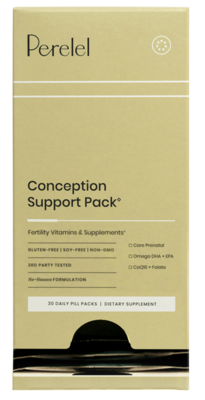
Dosage instructions
- Dosage amount:
1.00 Packet
once per day
For 6 months

Dosage instructions
- Dosage amount:
3.00 Capsules
once per day
For 6 months
Lifestyle recommendations
Nutrition
Nutritional Priorities
1. Protein sufficiency (foundation of reproductive hormones)
- Aim: ~25–35g protein per meal
- Supports ovulation, progesterone production, and egg quality
- Includes: eggs, wild fish, poultry, grass-fed meats, legumes (if tolerated)
2. Healthy fats (cell membrane + hormone synthesis)
- Emphasize omega-3s (EPA/DHA), olive oil, avocado, nuts/seeds
- Supports fetal brain development and anti-inflammatory signaling
- Reduce industrial seed oils (high omega-6 burden)
3. Blood sugar stability (critical for ovulation quality)
- Pair carbs with protein + fat
- Focus on fiber-rich, low-glycemic carbohydrates
- Avoid prolonged fasting or extreme carb restriction in under-resourced patients
4. Micronutrient repletion (“fertility nutrient density”)
Key nutrients emphasized in Functional Medicine and OB/GYN preconception care:- Folate (preferably methylfolate form)
- Vitamin B12 + B6 (methylation and progesterone support)
- Iron (ferritin optimization before pregnancy)
- Vitamin D (immune + implantation support)
- Zinc + selenium (ovarian and thyroid function)
- Magnesium (stress regulation, ovulation support)
- Choline (neural tube + brain development)
5. Gut and detox support
- Fiber daily (25–35g target if tolerated)
- Cruciferous vegetables for estrogen metabolism support
- Fermented foods for microbiome diversity
- Hydration with electrolytes for phase I/II detox pathways
Simple Plate Framework
Each meal should ideally include:
- 1–2 palms of protein
- 1–2 fists of colorful vegetables
- 1 thumb of healthy fat
- Optional smart carbohydrate (based on metabolic needs)
Reminder
Preconception nutrition is not about restriction—it is about building reserves. The goal is to create a nutrient-rich internal environment that supports optimal fertility signaling, mitochondrial energy production, and early embryonic development. Egg and sperm development reflect the prior ~90–120 days of nutritional status so start early. You are building the biological blueprint before the pregnancy even begins.
Movement
Exercise Guidelines for Preconception Health
Movement is one of the most powerful ways to support hormone balance, insulin sensitivity, ovulation regularity, and sperm quality during the preconception phase. The goal is not extreme fitness—it’s metabolic flexibility, strength, and nervous system balance.
With medical clearance, Aim for 150–300 minutes per week of moderate activity + 2–3 days of strength training.
Sleep
Sleep Guidelines for Preconception Health
Quality sleep is one of the most powerful (and often overlooked) foundations of fertility and hormone balance. In the preconception phase, optimizing sleep helps regulate ovulation, improve egg quality, support testosterone and sperm health, and stabilize cortisol and insulin signaling.
Aim for 7.5–9 hours of consistent sleep nightly.
Core Sleep Principles
- Keep a consistent sleep and wake time (even on weekends)
- Get morning sunlight within 30–60 minutes of waking to anchor circadian rhythm
- Dim lights 1–2 hours before bed to support melatonin production
- Avoid screens or use blue light filters after sunset
- Keep the bedroom cool, dark, and quiet (65–68°F ideal for most people)
Evening Routine Support
- Finish eating 2–3 hours before bed to support overnight repair
- Limit alcohol and caffeine (especially after noon)
- Use a wind-down routine: stretching, journaling, prayer, or calming breathwork
- Magnesium glycinate may support relaxation when appropriate
Hormone & Fertility Connection
Poor sleep can increase cortisol, disrupt luteinizing hormone (LH) signaling, reduce progesterone balance, and impair insulin sensitivity—all of which can affect conception timing and early implantation.
Think of sleep as your nightly hormone reset. Consistency matters more than perfection
Stress Management
Stress Management for Preconception Health
Chronic stress can disrupt ovulation, lower progesterone, impair sperm quality, and interfere with implantation. In the preconception phase, the goal is not eliminating stress—but improving recovery and nervous system flexibility.
Prioritize daily downshifting practices: consistent sleep, morning sunlight, slow breathing, time outdoors, and intentional pauses throughout the day. Even 5–10 minutes of calm regulation can meaningfully shift cortisol balance and reproductive signaling.
Support your body by signaling safety—fertility thrives in a regulated nervous system.
Resources
Shop the entire wellness catalog, held to a higher standard
Shop practitioner-grade products, each meeting the same bar for quality through Fullscript's standards.
Powered byVerified
Sourced straight from the brand — no resellers or fakes
Enhanced testing
Select products are tested in-house — get exactly what the label promises
Stored and shipped
From certified facilities, to protect product integrity