Neos Functional Medicine
Welcome! Through Fullscript, Neos Functional Medicine offers high-quality supplements and wellness products, delivered right to your door. Get started with the recommended products from Neos Functional Medicine, or sign in/up to explore the entire product catalog.
Up to 25% off your order when you sign up*
Shop the highest quality, rigorously tested supplements
Fast and free shipping for orders over $50
*Discounts may vary by order. Labs and select products not eligible
Existing account? Log in here
Featured public protocols
Neos Functional Medicine's general recommendations, available to anyone who visits this store.
Longevity
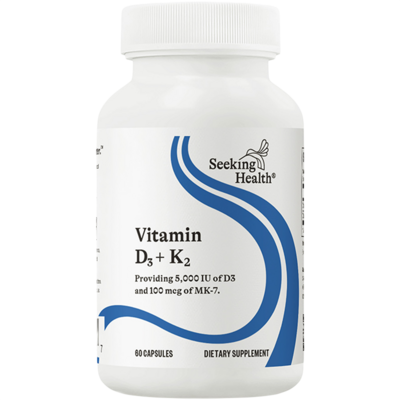
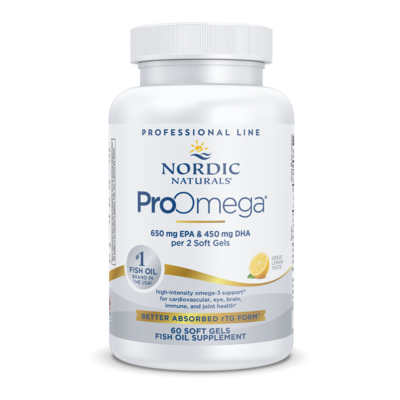
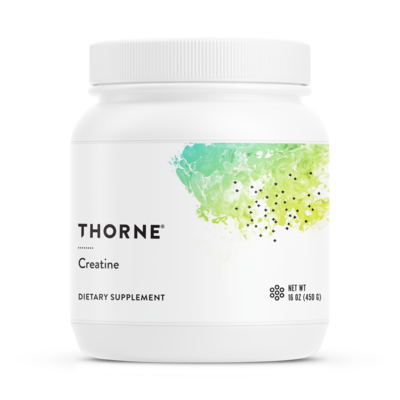 7 more items in Longevity
Speak with your medical provider before beginning any supplement. Interactions with prescription medications are common and these recommendations are general education, not individualized care. Understanding Longevity Longevity is a term that gets used loosely, so it helps to separate two things. Lifespan is how long you live. Healthspan is how long you live well, with intact function, mobility, cognition, and independence. The gap between those two numbers in the average person is roughly a decade of decline. Closing that gap is the actual goal. Aging is not a single process. Researchers describe a set of underlying mechanisms that accumulate over time: cellular senescence, mitochondrial dysfunction, chronic low grade inflammation, impaired autophagy and cellular cleanup, genomic instability, telomere attrition, epigenetic drift, and loss of protein quality control. Most age related disease traces back to some combination of these rather than to independent, unrelated conditions. That is why the same interventions tend to influence cardiovascular disease, cognitive decline, and metabolic dysfunction simultaneously. What actually moves the needle The uncomfortable truth is that the highest impact levers are the least exciting ones. Muscle mass and strength are among the strongest predictors of mortality and of independence in later decades. Cardiorespiratory fitness is similarly powerful. Sleep drives glymphatic clearance in the brain and the repair processes that run overnight. Metabolic health, meaning insulin sensitivity and body composition, sits upstream of most chronic disease. Sustained social connection and cognitive engagement have effect sizes that rival many medical interventions. Avoiding smoking, excess alcohol, and prolonged sedentary time removes accelerants. Supplements and advanced interventions layer on top of that foundation. They do not replace it, and no compound compensates for poor sleep, low muscle mass, and metabolic dysfunction. Measuring rather than guessing This is where the approach separates from generic wellness advice. Chronological age tells you very little. Biological markers tell you a great deal. Inflammatory status, ApoB and Lp(a), fasting insulin and A1c, hormone panels, thyroid function, kidney and liver markers, VO2 max, grip strength, body composition, bone density, and genetic variants that shape how an individual handles nutrients, detoxification, and cardiovascular risk all contribute to a real picture. Tracking those over time shows whether what you're doing is working, rather than assuming it is. Genetics set the terrain. They do not set the outcome. Knowing the terrain simply means you stop applying generic protocols to a specific person. Additional supplements - Spermidine for autophagy support. - Curcumin in a bioavailable form for the inflammatory pathway. - A protein powder, since protein adequacy is arguably the highest impact nutritional lever for preserving muscle with age. - Fisetin and quercetin if you want a senolytic category (limited data here) Not medical advice. Education only. If you live in California or Florida, book a genetic/longevity consultation @ neosfm.com
<3 Cardiometabolic Risk and ApoB

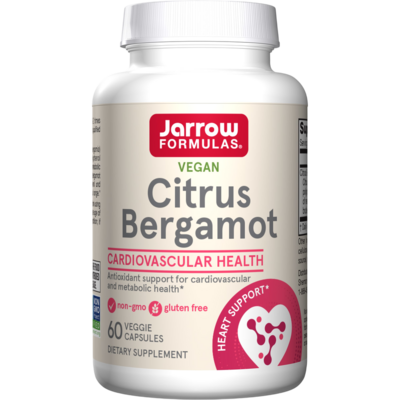
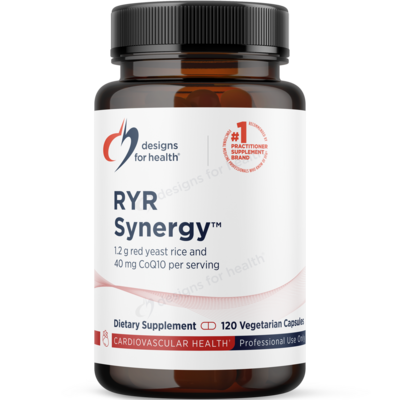 4 more items in <3 Cardiometabolic Risk and ApoB
Speak with your medical provider before beginning any supplement. Interactions with prescription medications are common and these recommendations are general education, not individualized care. Understanding Cardiometabolic Risk and ApoB Cardiovascular disease remains the leading cause of death, and the frustrating part is how often it arrives in people who were told their cholesterol was fine. That gap usually comes down to what was measured. The standard lipid panel reports total cholesterol, LDL cholesterol, HDL cholesterol, and triglycerides. LDL cholesterol measures the amount of cholesterol carried inside LDL particles. It does not measure how many particles there are. Two people can have identical LDL cholesterol values while one carries that cholesterol in a modest number of large particles and the other in a much larger number of small, dense ones. The second person is at meaningfully higher risk, and a standard panel will not distinguish between them. ApoB solves this. Every atherogenic particle carries exactly one apolipoprotein B molecule. LDL, VLDL, IDL, and Lp(a) all count. So measuring ApoB gives you a direct particle count of everything capable of entering the arterial wall and starting plaque. Atherosclerosis is fundamentally a problem of particles crossing the endothelium and getting stuck, so counting particles tracks risk better than measuring their cargo. This is one of the clearest examples of the difference between normal and optimal. Reference ranges on a lab report reflect population distribution, not what's ideal. A value that falls inside the range for the general population is not the same as a value associated with low event risk, especially over decades. What else belongs in the picture Lp(a) is largely genetically determined and should be measured at least once in a lifetime. Many people carrying elevated Lp(a) have no idea, and it changes the calculus around how aggressively everything else should be managed. Insulin resistance drives a great deal of cardiometabolic risk and shows up in the lipid pattern well before glucose becomes abnormal. High triglycerides with low HDL is a fairly reliable fingerprint of it. Inflammatory and functional markers add resolution. High sensitivity CRP reflects vascular inflammation. Homocysteine ties into methylation status and endothelial function. Blood pressure, visceral fat distribution, and cardiorespiratory fitness carry as much weight as any lab value, and fitness in particular is one of the strongest predictors of all cause mortality there is. Coronary artery calcium scoring answers a different question than any blood test can. It tells you whether disease is already present rather than estimating whether it might develop. The point of looking at all of this together is that risk is not a single number. It is a picture, and the earlier you see it clearly, the more you can actually do about it. Not medical advice. Education only. If you live in California or Florida, book a metabolic consultation @ neosfm.com
Blood Sugar Management
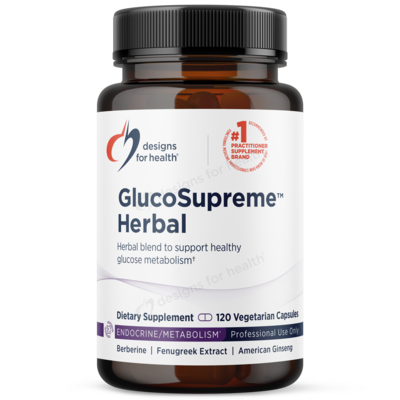
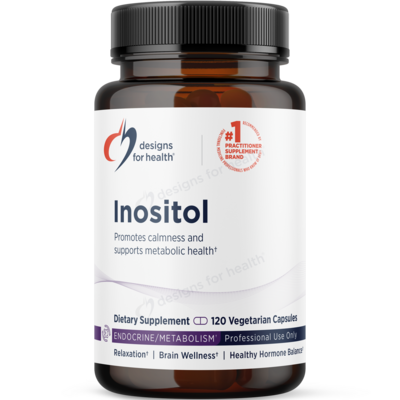
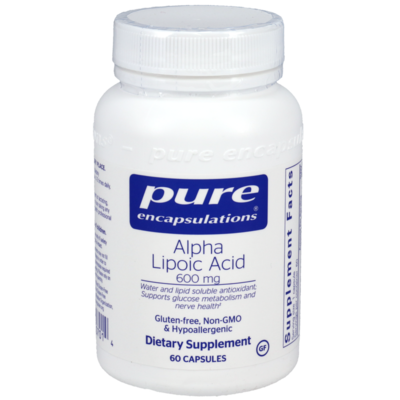 4 more items in Blood Sugar Management
Speak with your medical provider before beginning any supplement. Interactions with prescription medications are common and these recommendations are general education, not individualized care. Any agent that lowers blood sugar should be added one at a time with blood sugar and side effects closely monitors. Understanding Blood Sugar and Insulin Sensitivity Most people think blood sugar problems start when a glucose reading comes back high. In reality, the process starts years earlier and glucose is the last thing to change. Insulin's job is to move glucose out of the bloodstream and into cells. When cells become less responsive to that signal, the pancreas compensates by producing more insulin. For a long time this works. Glucose stays normal because insulin is doing extra work to keep it there. A standard fasting glucose looks fine the entire time. Meanwhile insulin is running high, and elevated insulin itself drives fat storage, inflammation, blood pressure, and the lipid changes that show up as high triglycerides and low HDL. Eventually the compensation fails and glucose rises. That is the point at which most people get told they have a problem, but the underlying dysfunction has been building for a decade or more. This is why fasting insulin, HOMA IR, and a hemoglobin A1c read against optimal rather than diagnostic thresholds tell you far more than a single glucose value. What drives it Muscle is the largest disposal site for glucose in the body. Low muscle mass and low activity mean fewer places for glucose to go, which is a large part of why resistance training improves insulin sensitivity so reliably. Visceral fat, the fat around the organs rather than under the skin, is metabolically active and directly contributes to insulin resistance. Someone can be thin by appearance and still carry a problematic amount of it. Sleep deprivation reduces insulin sensitivity measurably after even a few short nights. Chronic stress raises cortisol, which raises glucose by design. Meal composition and timing matter, particularly refined carbohydrate eaten alone versus alongside protein, fat, and fiber. Sedentary time after eating removes the easiest available opportunity for muscle to take up glucose. Certain medications and thyroid dysfunction contribute as well. Genetics set the baseline, but they are rarely the whole story. Why glucose variability matters, not just the average Two people can share an identical A1c while one runs relatively steady and the other swings between sharp spikes and reactive lows. The second person tends to experience more energy crashes, more cravings, more hunger, and more oxidative stress, even though the average looks the same. Smoothing the curve is a legitimate goal in itself, not just a means to lowering the number. The encouraging part is that insulin sensitivity is highly responsive to intervention. It improves faster than almost any other metabolic parameter when the right inputs change. Not medical advice. Education only. If you live in California or Florida, book a metabolic consultation @ neosfm.com
IBS-C (Constipation prone individuals)
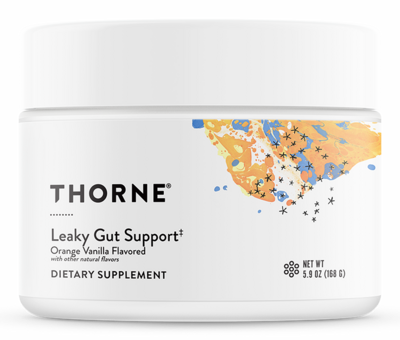
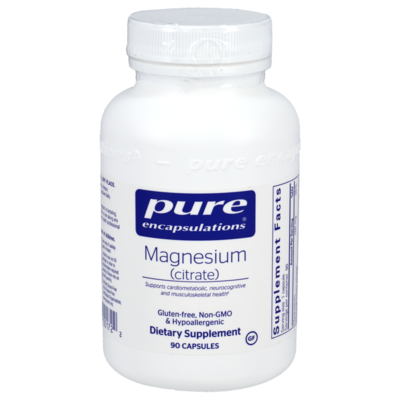
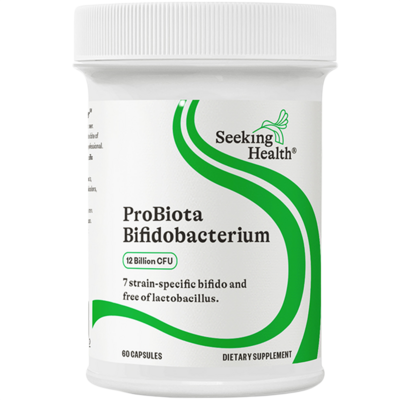 3 more items in IBS-C (Constipation prone individuals)
Speak with your medical provider before beginning any supplement. Interactions with prescription medications are common and these recommendations are general education, not individualized care. The cause of underlying constipation should ALWAYS be investigated before self-treating. Understanding Constipation Constipation is one of those complaints that gets brushed off as minor, but it tells you something real about how the gut is functioning. Broadly, it means stools are hard, difficult to pass, or coming less often than they should. Frequency alone doesn't define it. Someone going daily can still be constipated if passing a stool takes straining and effort, and someone going every other day comfortably may be perfectly fine. What matters more is ease, form, and whether things feel complete afterward. The digestive tract moves waste through by rhythmic muscular contraction. Anything that slows that rhythm, dehydrates the stool, or disrupts the environment inside the colon can create backup. What tends to drive it The causes are rarely singular. Low fluid intake and low fiber are the two most common, and they compound each other. Beyond that, medications are a frequent and underappreciated culprit, particularly opioids, certain antidepressants, iron, calcium, and anticholinergics. GLP-1 medications slow gastric emptying by design, which is part of why they work and also why constipation shows up so often on them. Thyroid function matters here. An underactive thyroid slows motility throughout the entire digestive tract. So do low magnesium status, disrupted gut bacteria, chronic stress and the shift out of the rest and digest state, sedentary patterns, pelvic floor dysfunction, and simply ignoring the urge to go when it arrives. Travel and schedule disruption throw off the colon's own daily rhythm more than most people expect. Recurrent constipation that doesn't respond to reasonable measures deserves a real workup rather than an indefinite laxative habit. Fiber is not one thing This is where a lot of people go wrong. Fiber gets treated as a single nutrient you either get enough of or don't, and the reality is more layered. Soluble fiber dissolves in water and forms a gel. It softens stool, adds moisture, and slows transit slightly, which is why it helps with both constipation and loose stools. Insoluble fiber does not dissolve. It adds bulk and mechanical stimulation, which speeds transit for some people and makes things distinctly worse for others. Fermentability adds another layer. Highly fermentable fibers feed bacteria and produce short chain fatty acids that nourish the colon lining, which is genuinely valuable, but in a gut that's already sluggish or bacterially overgrown, aggressive fermentation shows up as bloating, gas, and discomfort. Less fermentable options tend to be better tolerated when the system is sensitive. The practical takeaway is that more fiber is not automatically better. Adding a large amount of the wrong type to a gut that's already backed up and underhydrated will reliably make someone feel worse. Type, amount, pace of introduction, and fluid all have to move together. Water and movement Fiber without adequate fluid is counterproductive. It bulks without softening, and you end up with a larger, drier, harder stool. Hydration is what allows fiber to do what it's supposed to do. Movement matters through a different mechanism. Physical activity stimulates the coordinated contractions that push contents through the colon, and even modest daily walking has measurable effect. Prolonged sitting does the opposite. Position at the toilet also plays a bigger role than most people realize, since the anatomy of the rectum is more favorable to elimination in a squat than in a seated position. None of this replaces individualized evaluation. If this is a persistent pattern for you, it's worth looking at underlying drivers rather than managing the symptom indefinitely. If you live in California or Florida , book a gut reset consultation @ neosfm.com Not medical advice. Education only.
Zzz SLEEP

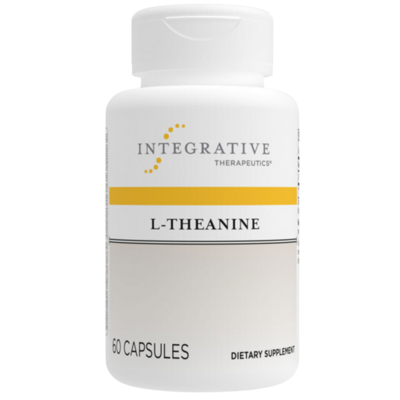
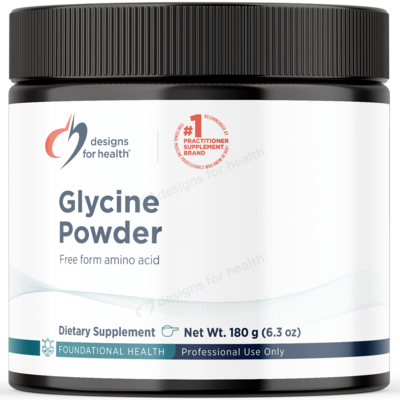
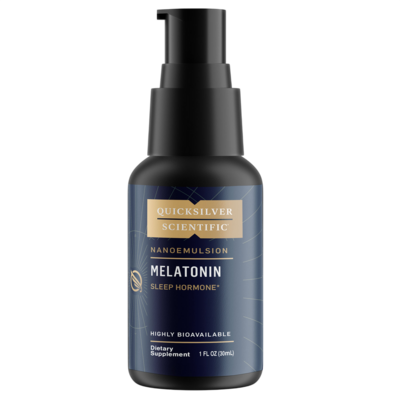
Speak with your medical provider before beginning any supplement. Interactions with prescription medications are common and these recommendations are general education, not individualized care. Understanding Sleep Most people think of sleep as time off. The body treats it as one of the most metabolically active windows of the day. Growth hormone is released in pulses during deep sleep. The brain runs its glymphatic clearance process, flushing metabolic waste that accumulates during waking hours. Memory gets consolidated. Testosterone production in men happens largely during sleep, which is why chronically short sleepers often show suppressed levels regardless of what else they're doing right. Insulin sensitivity, appetite regulation, immune function, and cortisol rhythm all depend on it. Duration is only part of the picture. Sleep moves through cycles of light sleep, deep slow wave sleep, and REM, roughly every ninety minutes. Each stage does different work. Eight hours of fragmented, shallow sleep is not equivalent to seven hours of well structured sleep. When people say they slept plenty and still feel wrecked, the architecture is usually where the problem lives. What tends to disrupt it Sleep problems split roughly into trouble falling asleep, trouble staying asleep, and waking unrefreshed despite adequate time in bed. They often have different drivers. Circadian misalignment is the most common and the most fixable. The body sets its internal clock primarily through light exposure. Bright light in the morning anchors the rhythm. Bright light at night, particularly from screens at close range, delays melatonin release and pushes the whole clock later. Irregular sleep and wake times keep the system from ever settling into a pattern. Cortisol dysregulation shows up constantly. Cortisol should be highest in the morning and low at night. When that curve flattens or inverts, people describe being tired all day and wired at bedtime. Chronic stress, overtraining, and inconsistent schedules all contribute. Then there's the physiological layer. Alcohol reliably fragments sleep and suppresses REM even when it helps someone fall asleep faster. Caffeine has a half life long enough that an afternoon coffee is still active at bedtime for many people, especially slow metabolizers. Late heavy meals, blood sugar instability causing three in the morning wakeups, nocturia, an overly warm room, untreated sleep apnea, thyroid dysfunction, perimenopausal hormone shifts, and low magnesium status all show up regularly. Sleep apnea deserves specific mention because it's badly underdiagnosed, particularly in men over forty and in anyone carrying extra weight. Loud snoring, witnessed pauses in breathing, morning headaches, or persistent unrefreshing sleep warrant real evaluation rather than a supplement. Why chasing sedation misses the point There's a meaningful difference between being sedated and actually sleeping well. Plenty of things will knock a person out while degrading the quality of what follows. Alcohol is the clearest example. Some sleep aids do something similar, producing unconsciousness without restoring normal architecture, which is why people wake up groggy and still unrestored. The goal is not simply to lose consciousness faster. It's to restore the conditions that let normal sleep happen on its own, then support the stages that do the repair work. That's a different project, and it usually means addressing the underlying driver rather than layering something on top of it. Other Optional Recommendations : Adaptogens for the cortisol driven presentations. Ashwagandha has the strongest sleep specific data. Phosphatidylserine for the elevated evening cortisol pattern specifically. GABA support such as PharmaGABA, and passionflower or lemon balm for the milder cases. 5HTP for a subset (do not combine) with serotonergic medications such as SSRI, SNRI and other medications. Inositol, useful for the anxious wakeup. Blood sugar support for the three in the morning waker, which is a distinct presentation and often the one people are most surprised to hear has a metabolic explanation. Practice good sleep hygeine, Not medical advice. Education only. If you live in California or Florida, book a consultation @ neosfm.com
GLP Support
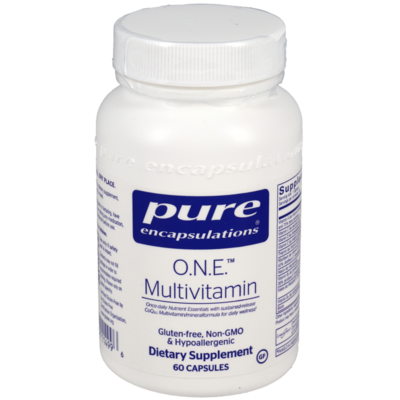
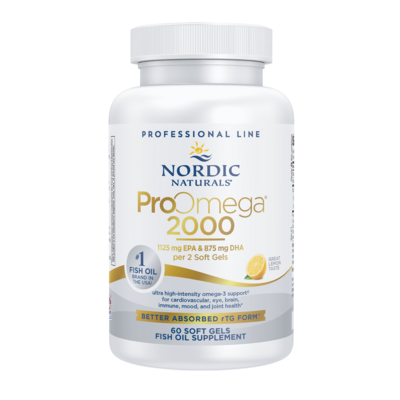 4 more items in GLP Support
Speak with your medical provider before beginning any supplement. Interactions with prescription medications are common and these recommendations are general education, not individualized care. Why protein, hydration, and resistance training matter on GLP-1 therapy GLP-1 medications work in large part by reducing appetite and slowing gastric emptying. That is exactly what makes them effective, but it also means most people are simply eating far less than they used to. When overall intake drops sharply, the body doesn't only pull from fat stores. It also draws on lean tissue, and muscle is metabolically expensive to keep. Losing it quietly lowers your resting metabolic rate, which is the very thing you want protected for the long run. Protein gives the body the raw material it needs to preserve that tissue while fat loss happens. Resistance training gives it the signal to actually hold onto it. One without the other tends to underperform. Hydration matters for a different reason. Reduced food volume means less water coming in from meals, and slowed digestion combined with lower fiber and fluid intake is a common driver of the constipation, fatigue, headaches, and lightheadedness people report on these medications. Much of what gets labeled a side effect is really an intake gap. The goal is not just weight on the scale going down. It is body composition going in the right direction, so results hold after the medication phase ends. Not medical advice. Education only. If you live in California or Florida, book a metabolic reset consultation @ neosfm.com
Favorites
11 products
Shop the entire wellness catalog, held to a higher standard
Shop practitioner-grade products, each meeting the same bar for quality through Fullscript's standards.
Powered byVerified
Sourced straight from the brand — no resellers or fakes
Enhanced testing
Select products are tested in-house — get exactly what the label promises
Stored and shipped
From certified facilities, to protect product integrity