Men's Testosterone Support
Products
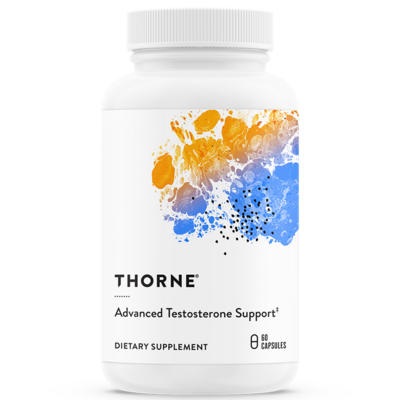
Dosage instructions
- Dosage amount:
2 Capsules
once per day
Ongoing
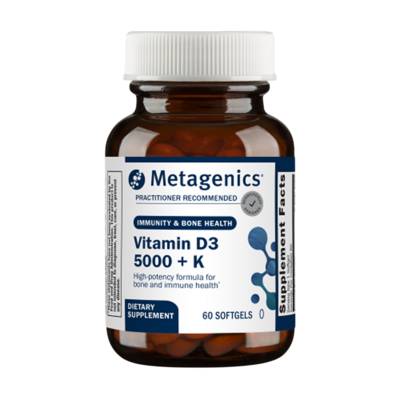
Dosage instructions
- Dosage amount:
1.00 Softgel
once per day
Ongoing
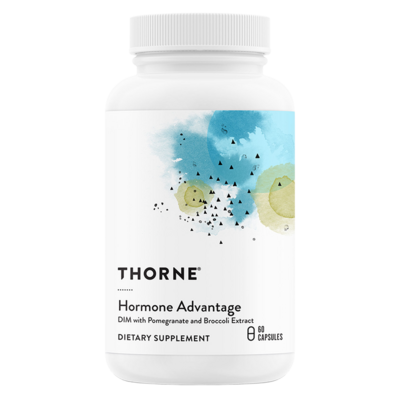
Sign up for exclusive store pricing
Dosage instructions
- Dosage amount:
3 Capsules
once per day
Ongoing
Lifestyle recommendations
Nutrition
Nutrition for Healthy Testosterone
Your diet plays an important role in supporting healthy testosterone production, body composition, energy levels, and overall metabolic health. While no single food or supplement will dramatically increase testosterone, consistent healthy eating habits can help optimize hormone function.
Key Nutrition Recommendations
- Prioritize protein: Aim for 1.6–2.2 g/kg (0.7–1.0 g/lb) of ideal body weight per day if you are resistance training. Include lean meats, poultry, fish, eggs, Greek yogurt, cottage cheese, tofu, legumes, or protein supplements as needed.
- Eat healthy fats daily: Testosterone is synthesized from cholesterol, so avoid extremely low-fat diets. Include sources such as olive oil, avocados, nuts, seeds, natural nut butters, eggs, and fatty fish. Approximately 25–35% of daily calories from healthy fats is appropriate for most men.
- Choose quality carbohydrates: Emphasize fruits, vegetables, beans, oats, quinoa, brown rice, sweet potatoes, and other minimally processed carbohydrates to support exercise performance and recovery.
- Eat plenty of vegetables: Aim for 5–9 servings of vegetables and fruits daily, focusing on a variety of colorful produce to provide antioxidants and micronutrients.
- Include omega-3 fats: Eat fatty fish (such as salmon, sardines, trout, or mackerel) at least 2–3 times per week, or discuss omega-3 supplementation with your provider if appropriate.
- Support key nutrients: Ensure adequate intake of zinc, magnesium, selenium, and vitamin D, which are important for normal testosterone production and reproductive health. Deficiencies should be corrected if identified.
- Stay hydrated: Drink enough water throughout the day, especially around exercise.
Maintain a Healthy Body Weight
Excess body fat—particularly abdominal (visceral) fat—can contribute to lower testosterone levels by increasing inflammation and conversion of testosterone to estrogen. Even a 5–10% reduction in body weight in overweight men can improve hormone balance and overall health.
Limit Foods That Can Work Against Hormone Health
- Minimize sugar-sweetened beverages and excessive added sugars.
- Limit ultra-processed foods and frequent fast food.
- Moderate alcohol intake, as excessive alcohol can negatively affect testosterone production and recovery.
- Avoid crash diets or prolonged severe calorie restriction, which can lower testosterone and reduce muscle mass.
Meal Timing
- Eat a protein-rich meal within 1–2 hours after resistance training to support muscle recovery.
- Avoid prolonged under-eating if your goal is to build or maintain muscle mass.
- Consistent meal patterns and adequate calorie intake help support optimal hormone production.
Movement
Exercise is one of the most effective lifestyle interventions to support healthy testosterone levels, although its effect is generally modest compared with treating true hypogonadism. The biggest benefits come from improving body composition, insulin sensitivity, sleep, and overall metabolic health.
For men aiming to optimize testosterone naturally or support testosterone replacement therapy, the combination of:
- 3–4 days/week of resistance training
- 150+ minutes/week of aerobic activity
- 1–2 HIIT sessions/week (optional)
- 7.5–9 hours of sleep
- Maintaining a healthy body composition
provides the strongest evidence-based lifestyle foundation for supporting testosterone production, sexual health, muscle mass, and long-term metabolic health.
Weekly exercise recommendations
1. Resistance training (highest impact)
Resistance training produces a temporary rise in testosterone after workouts and, over time, helps maintain lean muscle mass and reduce visceral fat, both of which support healthy hormone levels.
Goal: 3–4 sessions per week
Moderate to heavy loads (70–85% of one-repetition maximum)
2. Cardiovascular exercise
Avoid excessive endurance training (e.g., very high-volume marathon training) without adequate recovery, as prolonged overtraining may suppress testosterone.
Goal: 150–300 minutes/week of moderate-intensity activity OR 75–150 minutes/week of vigorous activity
3. High-intensity interval training (HIIT)
HIIT can improve:
- Body fat reduction
- Insulin sensitivity
- Cardiovascular fitness
It should complement—not replace—strength training.
Goal: 1–2 sessions/week
4. Recovery
Recovery is as important as training:
- Sleep: 7.5–9 hours/night
- At least 1–2 recovery days/week
- Adequate protein intake (approximately 1.6–2.2 g/kg/day for men actively building or preserving muscle)
- Avoid chronic caloric restriction, as severe dieting can lower testosterone.
Sleep
Sleep is one of the strongest modifiable factors affecting testosterone production. Most daily testosterone secretion occurs during sleep, particularly during the first several hours of uninterrupted sleep and during REM sleep.
Research has shown:
- 5 hours of sleep for one week can reduce daytime testosterone levels by approximately 10–15% in healthy young men.
- Chronic sleep restriction (<6 hours/night) is associated with:
- Lower total and free testosterone
- Reduced libido
- Erectile dysfunction
- Decreased muscle protein synthesis
- Increased body fat
- Lower energy and mood
Men with chronic insomnia or shift work often have persistently lower testosterone than those with regular sleep schedules.
For most adult men:
- 7.5–9 hours per night is associated with the best testosterone production.
- 7–8 hours is generally considered the minimum target for healthy testosterone levels.
- Aim for consistent bedtimes and wake times, as circadian rhythm is important for normal testosterone secretion.
Resources
Shop the entire wellness catalog, held to a higher standard
Shop practitioner-grade products, each meeting the same bar for quality through Fullscript's standards.
Powered byVerified
Sourced straight from the brand — no resellers or fakes
Enhanced testing
Select products are tested in-house — get exactly what the label promises
Stored and shipped
From certified facilities, to protect product integrity