Public protocols
Recommendations from Root Causes Clinic, available to anyone who visits this store.
Detoxification pathway support
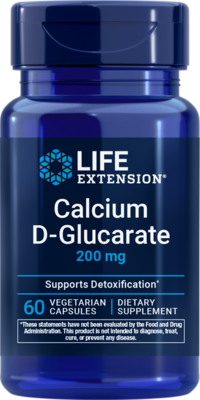
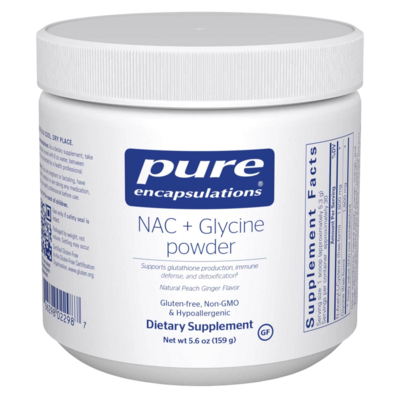

Detoxification Support Guide for Sensitive Patients A practical guide for patients with MCAS, multiple sensitivities, or poor tolerance of foods, medications, supplements, or environmental exposures. By: Sajad Zalzala, MD 1) Why are we talking about “detoxification support”? Many patients with MCAS or multiple sensitivities report that they react strongly to foods, chemicals, medications, supplements, fragrances, mold exposure, or environmental triggers. This does not always mean that the body is failing to detoxify. However, some patients may benefit from gentle support of the body’s normal processing and elimination systems, especially when there are clues of: poor medication or supplement tolerance chemical sensitivity mold/toxin exposure concerns hormone sensitivity constipation or sluggish elimination elevated homocysteine or methylation concerns oxidative stress or low glutathione reserve The goal is not to force detox . The goal is to gently support tolerance and resilience. 2) The three pathways we may support This guide focuses on three common support pathways: A) Glucuronidation support Supplement: Calcium D-glucarate Main idea: Helps support the body’s glucuronidation pathway and may reduce beta-glucuronidase activity in the gut. B) Methylation support Supplement: Trimethylglycine, also called TMG or anhydrous betaine Main idea: Supports methyl-donor status and homocysteine metabolism. C) Glutathione support Supplement: N-acetylcysteine, also called NAC Main idea: Provides cysteine, a building block used by the body to make glutathione. 3) Important principle: start low, go slow Patients with MCAS or multiple sensitivities may react to doses that are usually considered “small.” For this reason, the best approach is usually: start with one supplement only use a very small amount increase slowly track symptoms stop if symptoms clearly worsen wait until back to baseline before trying something else Do not start all three supplements at once. If you react, it will be hard to know which one caused the problem. 4) Which one should I start first? For most sensitive patients, a reasonable starting order is: Step 1: Calcium D-glucarate This is often a good first option because it is usually less stimulating and does not contain sulfur. Step 2: TMG / anhydrous betaine This may be helpful for methylation and homocysteine support, but in some people it can feel activating. Step 3: NAC NAC can be very helpful for glutathione support, but some sensitive patients react to sulfur-containing supplements, so it is often introduced after the other two. 5) When might the order be changed? Your clinician may change the order depending on your history. Consider starting with TMG if you have: elevated homocysteine known methylation concerns poor methylfolate or methyl-B12 tolerance fatigue or brain fog patterns suggestive of methylation stress Consider starting with NAC earlier if you have: strong oxidative stress concerns toxin or mold exposure concerns chronic mucus or respiratory congestion known tolerance of sulfur-containing foods or supplements Consider starting with calcium D-glucarate if you have: multiple sensitivities hormone sensitivity constipation suspected toxin recirculation poor tolerance of NAC or sulfur supplements 6) Step 1: Calcium D-glucarate What is it? Calcium D-glucarate is a supplement form of D-glucaric acid. It is often used to support glucuronidation, one of the body’s normal pathways for processing and eliminating certain hormones, chemicals, medications, and metabolic byproducts. Why might it be used? Clinicians may consider calcium D-glucarate when there are concerns about: chemical sensitivity mold or toxin exposure hormone sensitivity estrogen recirculation constipation or sluggish elimination poor tolerance of environmental exposures Product form Powder can be hard to find. Capsules are usually fine. Sensitive patients may open a capsule and take only a partial amount. Starting dose Start with approximately: 1/8 to 1/4 capsule once daily or every other day Stay there for several days before increasing. Typical target range A common target range is: 500–1,500 mg per day Some clinicians may use up to: 3,000 mg per day Higher dosing should be individualized and supervised. Possible side effects Calcium D-glucarate is usually well tolerated, but possible side effects include: loose stool stomach upset headache changes in hormone-related symptoms symptom flare in highly sensitive patients Cautions Use extra caution if you are pregnant, breastfeeding, taking hormone therapy, taking oral contraceptives, using chemotherapy medications, taking seizure medications, taking transplant medications, or taking multiple prescription medications. 7) Step 2: TMG / betaine What is it? TMG stands for trimethylglycine. It is also called betaine. TMG acts as a methyl donor and helps support homocysteine metabolism. Why might it be used? Clinicians may consider TMG when there are concerns about: elevated homocysteine methylation stress poor tolerance of methylfolate or methyl-B12 fatigue brain fog low methyl-donor intake Product form Powder is often ideal because it allows very small dosing. Capsules may also be opened and divided. Starting dose Start with a tiny amount, such as: a pinch of powder or about 1/8 capsule once daily or every other day Typical target range A practical target range is: 500–2,000 mg per day Some patients may use: up to 3,000 mg per day Higher doses should be individualized. Possible side effects TMG may cause: increased energy anxiety or overstimulation insomnia headache nausea loose stool body odor mood changes Timing tip If TMG feels activating, take it earlier in the day. Avoid evening dosing if it worsens sleep. Cautions Use extra caution if you have bipolar disorder, severe anxiety, insomnia, high methionine levels, complex psychiatric medication regimens, or significant cardiovascular risk factors. Your clinician may consider checking homocysteine, B12, folate status, and possibly lipid markers if using higher doses long term. 8) Step 3: NAC What is it? NAC stands for N-acetylcysteine. It provides cysteine, a building block the body can use to make glutathione. Glutathione is one of the body’s major antioxidant and detoxification-support molecules. Why might it be used? Clinicians may consider NAC when there are concerns about: oxidative stress toxin exposure mold exposure low glutathione reserve chronic inflammation mucus or respiratory congestion medication burden Product form Capsules are common and can often be opened. Powder is available, but it may have a sulfur smell or taste that some sensitive patients dislike. Starting dose Sensitive patients may start with: 50–100 mg once daily or every other day This may be approximately 1/8 of a 600 mg capsule. Typical target range A common target is: 600 mg once daily Then, if tolerated: 600 mg twice daily This equals: 1,200 mg per day Higher-dose range Some clinicians use higher doses, such as: 1,800–2,400 mg per day This should be done with clinician guidance. For highly sensitive patients, higher doses are not always better. The goal is tolerance and benefit, not reaching the highest dose. Possible side effects NAC may cause: nausea reflux loose stool headache sulfur odor flushing itching rash wheezing or bronchospasm in susceptible patients increased sensitivity symptoms Cautions Use extra caution if you have asthma, active ulcers, reflux, bleeding disorders, take anticoagulants, have upcoming surgery, or take multiple prescription medications. Stop and contact your clinician if NAC causes wheezing, chest tightness, throat tightness, swelling, or symptoms concerning for an allergic reaction. 9) How to increase doses A cautious titration plan: Days 1–3 or 1–7 Start with a tiny amount once daily or every other day. If tolerated Increase slightly. Hold each new dose for 3–7 days , or longer if very sensitive. If symptoms worsen Return to the last tolerated dose or stop. If symptoms flare significantly Stop the supplement and wait until you are back to baseline before trying anything else. 10) What benefits should patients look for? Possible benefits may include: improved tolerance of foods or supplements fewer sensitivity flares improved energy clearer thinking improved bowel regularity reduced chemical sensitivity improved hormone-related symptoms improved resilience after exposures Response varies. Some patients notice changes within 1–4 weeks. Others may require 6–12 weeks. Some patients may not notice benefit. 11) What symptoms should patients track? Track symptoms briefly each day, especially during dose changes. Helpful items to track: sleep energy mood anxiety or irritability headaches flushing itching or hives congestion wheezing reflux stool changes food tolerance chemical sensitivity menstrual or hormone-related symptoms overall symptom flares A simple 1–2 sentence daily note is usually enough. Example: “Started 1/8 capsule calcium D-glucarate. Mild headache first day, no hives, sleep okay.” 12) What to do if side effects occur Mild symptoms Examples: mild headache, mild nausea, slightly loose stool, mild temporary fatigue. What to do: hold the dose do not increase wait several days consider reducing to the last tolerated dose Moderate symptoms Examples: clear flare of itching, flushing, insomnia, anxiety, irritability, GI upset, or fatigue. What to do: stop the supplement wait until back to baseline consider retrying later at a much lower amount or move to the next supplement Severe symptoms Examples: throat tightness, wheezing, swelling, faintness, chest pain, severe hives, severe agitation, or symptoms concerning for anaphylaxis. What to do: stop immediately seek urgent medical care if symptoms are severe notify your clinician 13) Purchasing guidance Look for products that are: single-ingredient clearly labeled with milligrams per capsule or scoop free of artificial colors, flavors, and sweeteners free of unnecessary herbs or “detox blends” free of proprietary blends third-party tested when possible from reputable brands or professional dispensaries Reasonable places to purchase may include: professional supplement dispensaries local pharmacies reputable supplement retailers Vitacost-type retailers Amazon, preferably from the brand’s official storefront or a reputable seller Avoid products with long ingredient lists, gummies, flavored powders, “detox complexes,” stimulant blends, or unclear dosing. 14) Label-reading tips For calcium D-glucarate Look for: Calcium D-glucarate Do not confuse this with: calcium gluconate Calcium gluconate is a calcium supplement and is not the same thing. For TMG Look for: Trimethylglycine or TMG or betaine Do not confuse betaine with betaine HCl. Betaine HCl is used for stomach acid support and is different. For NAC Look for: N-acetylcysteine or NAC Avoid NAC products mixed with many other ingredients unless specifically recommended. 15) Special situations requiring clinician guidance Please speak with your clinician before starting this protocol if you: are pregnant or breastfeeding are a child or adolescent have a seizure disorder have bipolar disorder or severe anxiety have asthma or recurrent wheezing have kidney disease have liver disease have active ulcers or severe reflux take blood thinners take hormone therapy or oral contraceptives take seizure medications take chemotherapy medications take transplant medications take multiple prescription medications have a history of anaphylaxis or severe supplement reactions 16) Sample slow-start schedule This is only an example. Your clinician may adjust it. Weeks 1–2: Calcium D-glucarate Start with 1/8 to 1/4 capsule daily or every other day. If tolerated, slowly increase toward 500 mg/day. Weeks 3–4: TMG Add a tiny amount of TMG. Start with a pinch of powder or 1/8 capsule daily or every other day. If tolerated, slowly increase toward 500–1,000 mg/day. Weeks 5–6: NAC Add NAC last. Start with 50–100 mg daily or every other day. If tolerated, slowly increase toward 600 mg/day, then possibly 600 mg twice daily. 17) Practical “how-to” checklist Choose one supplement to start. Choose a simple product with minimal ingredients. Start with a tiny dose. Take it earlier in the day at first. Track symptoms daily. Hold each dose for several days before increasing. Do not add the next supplement until the first is clearly tolerated. Stop if symptoms clearly worsen. Return to baseline before trying another supplement. Reassess after 6–12 weeks for meaningful benefit. 18) Simple tracking table Date Supplement / dose Benefits noticed Side effects Sleep Bowel changes Continue / hold / stop 19) Acknowledgment / informed use statement By choosing to use this detoxification support protocol after reading this guide, you acknowledge that: this information is educational and is not a substitute for individualized medical advice these supplements are supportive tools and are not treatments or cures for MCAS or multiple sensitivities responses vary from person to person supplements can cause side effects or interact with medications sensitive patients should start cautiously and monitor closely you should stop and seek medical advice if concerning reactions occur you agree to consult your clinician before starting or changing doses, especially if you have complex medical conditions, severe reactions, or take prescription medications 20) Key takeaway The goal is not to force detoxification or reach the highest dose. The goal is to identify what your body tolerates, support normal elimination pathways gently, and improve resilience over time. For many sensitive patients: Calcium D-glucarate first → TMG second → NAC third is a reasonable starting sequence. For others, the order may be adjusted based on symptoms, labs, medication history, and clinician judgment.
Shop the entire wellness catalog, held to a higher standard
Shop practitioner-grade products, each meeting the same bar for quality through Fullscript's standards.
Powered byVerified
Sourced straight from the brand — no resellers or fakes
Enhanced testing
Select products are tested in-house — get exactly what the label promises
Stored and shipped
From certified facilities, to protect product integrity