Hashimoto’s Nutrition & Supplement Foundations
Products
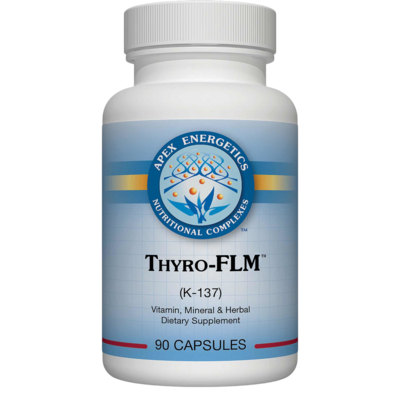
Dosage instructions
- Dosage amount:
2 Capsules
morning
Take with food
For 3 months
For Antioxidant support
Additional notes
"Take two capsules in the morning."
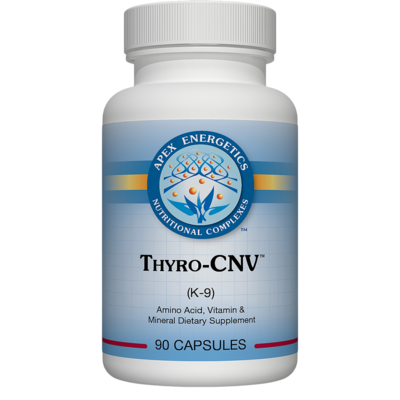
Dosage instructions
- Dosage amount:
1 Capsule
morning
evening
Take with food
For 3 months
For Thyroid support
Additional notes
"Take one capsule in the morning and one in the evening. This supplement supports optimal thyroid chemistry."
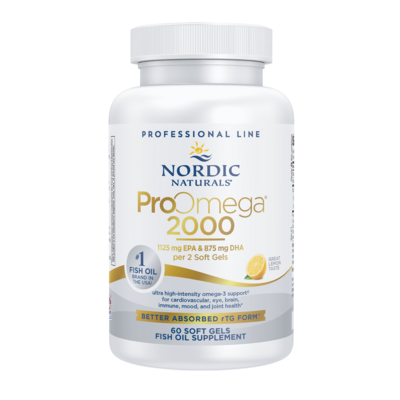
Dosage instructions
- Dosage amount:
2 Softgels
morning
Take with food
For 3 months
For Inflammation support
Additional notes
"Provides concentrated EPA and DHA omega-3 fatty acids to support healthy fatty-acid balance, normal inflammatory signaling, cardiovascular health, and immune function. I include omega-3s as part of the broader nutritional foundation for Hashimoto's rather than relying on any single nutrient or supplement as the strategy."
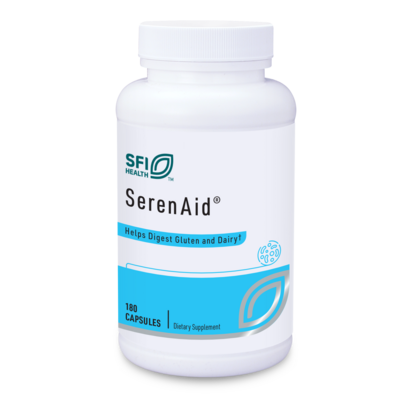
Dosage instructions
- Dosage amount:
2 Capsules
morning, afternoon
evening
For 3 months
For Digestive support
Additional notes
"This is a great digestive enzyme that I recommend taking at the beginning of each meal. 2 capsules per meal. Use a higher dose with meals higher in protein. This is essential for more through digestion and breakdown of potentially inflammatory food proteins that could trigger an immune response."
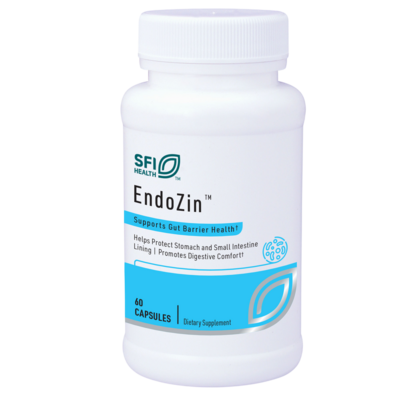
Dosage instructions
- Dosage amount:
1 Capsule
evening
Take with food
For 3 months
For GI lining support
Additional notes
"1 capsule per day. Take this at night before bed on an empty stomach. This supplement is designed to "Seal and Heal" the digestive tract wall and improve intestinal permeability."
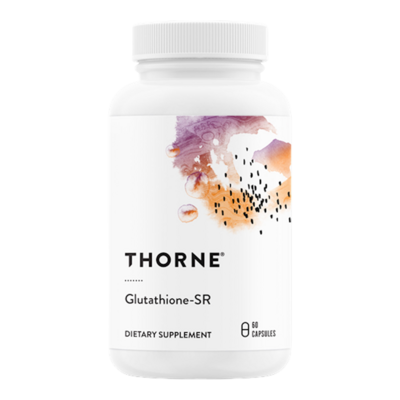
Dosage instructions
- Dosage amount:
1.00 Capsule
bedtime
Take with empty stomach
For 3 months
For Antioxidant support

Dosage instructions
- Dosage amount:
1.00 Capsule
evening
Take with food
For 3 months
For Muscular support
Additional notes
"Once per day with dinner."
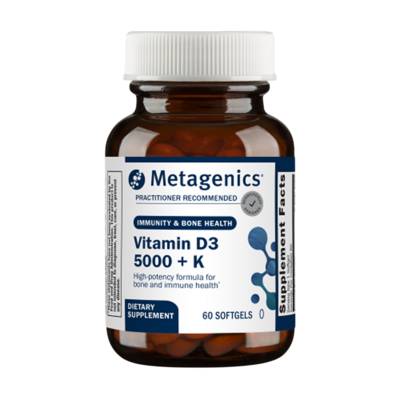
Dosage instructions
- Dosage amount:
1.00 Softgel
once per day
Take with food
For 3 months
For Immune support
Additional notes
"Vitamin D status can be important for immune, thyroid, bone, and overall health, but I do not recommend assuming that everyone with Hashimoto's needs 5,000 IU of vitamin D indefinitely. Do not begin this product unless your vitamin D status has been tested and supplementation is appropriate for you. If you use this dose, vitamin D should be retested, typically within about 8 to 12 weeks, and the dose should be adjusted based on your results rather than continued long term without monitoring. This formula also contains vitamin K, so people taking anticoagulant medication should review its use with the clinician managing that medication."
Lifestyle recommendations
Nutrition
Nutrition is one of the most important foundations in this program.
For many people with Hashimoto’s, I prefer beginning with a structured elimination-style diet because it gives you an opportunity to remove common problem foods for a period of time and learn from your response. An autoimmune paleo-style approach may also be useful.
A ketogenic diet can be another option, particularly when blood-sugar regulation, insulin resistance, appetite, or metabolic health are important concerns. A Mediterranean-style diet can also be a very healthy approach, but you may still want to individualize foods such as gluten-containing grains, dairy, legumes, and nightshades depending on your response.
Choose one dietary strategy and follow it consistently rather than trying to combine several diets at the same time.
Prioritize whole foods, adequate protein, vegetables, healthy fats, and meals that help you maintain stable energy throughout the day. Avoid routinely adding iodine, kelp, seaweed concentrates, or iodine-containing thyroid supplements unless there is a specific reason for doing so and your healthcare professional is monitoring it.
If you have celiac disease, gluten avoidance is medically necessary. If you do not have celiac disease, a structured gluten-free elimination period can still provide useful information about how you respond.
Use the dietary guides and meal plans included with this program to help make the process practical rather than perfect.
Movement
Regular movement can support metabolic health, circulation, muscle function, mood, sleep, and overall resilience. With Hashimoto’s, the goal is not to exercise as hard as possible. The goal is to build activity that your body can recover from consistently.
Aim for some form of movement most days. Walking, mobility work, light cycling, resistance training, and other activities you enjoy can all be useful. When tolerated, include strength training approximately 2 to 3 times per week and moderate aerobic activity during the week.
Pay attention to how you feel during exercise and, just as importantly, how you recover afterward. If a workout leaves you unusually exhausted for the rest of the day or the following day, reduce the intensity, duration, or frequency and build back gradually.
During periods of significant fatigue or an autoimmune flare, gentle movement may be more appropriate than intense training. Consistency is more important than pushing through exhaustion.
Sleep
Sleep is an important part of immune regulation, metabolic health, recovery, cognitive function, and how you feel day to day.
Try to keep your bedtime and wake time reasonably consistent, including on weekends. Give yourself enough time in bed to get the amount of sleep you personally need rather than relying on caffeine to compensate for chronic sleep loss.
Create a simple wind-down period during the last 30 to 60 minutes before bed. Reduce work, stimulating media, and bright light when possible. A darker, cooler, quiet bedroom can also make sleep easier.
Morning daylight exposure and regular daytime movement can help reinforce a healthy sleep-wake rhythm.
If you routinely wake feeling unrefreshed, snore heavily, wake gasping, have witnessed pauses in breathing, experience persistent insomnia, or struggle with excessive daytime sleepiness, discuss this with an appropriate healthcare professional. Sleep apnea and other sleep disorders deserve proper evaluation rather than simply being treated as “Hashimoto’s fatigue.”
Stress Management
Stress management is not about eliminating stress from your life. The goal is to give your nervous system regular opportunities to shift out of a high-alert state and improve how you respond to the stress you cannot avoid.
One of the simplest tools is controlled breathing. A useful technique is the physiological sigh: take a deep breath in through your nose, take a second smaller breath in through the nose to fully expand the lungs, and then slowly exhale through your mouth. Repeating this a few times can be a simple way to reduce acute physiological arousal.
You can also use slower nasal breathing with a longer exhale, such as breathing in gently through the nose and allowing the exhale to be longer and slower than the inhale.
Choose one stress-management practice that you can realistically repeat every day. This might include breathing exercises, meditation, prayer, gentle yoga, time outdoors, journaling, music, or another activity that helps you slow down.
Time management matters too. Constantly feeling behind, overscheduled, or interrupted can become its own source of stress. Identify the highest-priority tasks for the day, reduce unnecessary commitments where possible, create periods without notifications or interruptions, and leave some margin between activities instead of scheduling every minute.
Social connection also matters. Make time for supportive relationships and activities that give you a sense of connection, purpose, and enjoyment.
Use the Goal-Setting Strategies & Worksheet and My Action Plan included with this program to choose a small number of realistic changes rather than trying to overhaul your entire life at once.
Resources
Shop the entire wellness catalog, held to a higher standard
Shop practitioner-grade products, each meeting the same bar for quality through Fullscript's standards.
Powered byVerified
Sourced straight from the brand — no resellers or fakes
Enhanced testing
Select products are tested in-house — get exactly what the label promises
Stored and shipped
From certified facilities, to protect product integrity