Public protocols
Dr. Brooke Foreman's general recommendations, available to anyone who visits this store.
Fall Health Recommendations 2023
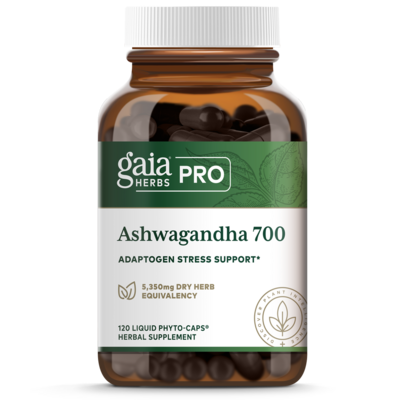
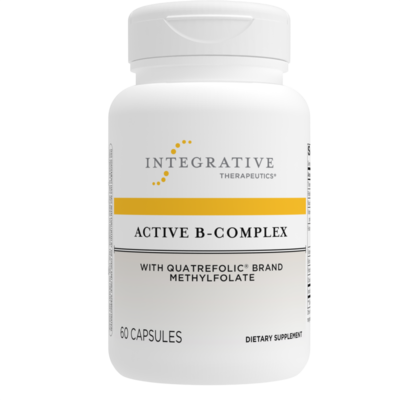
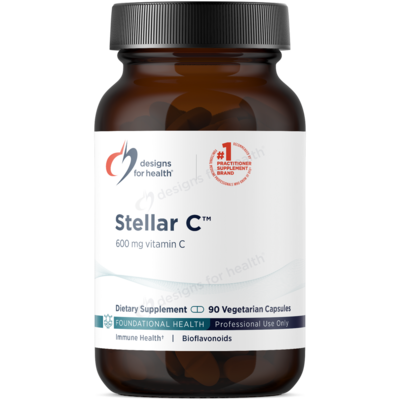 10 more items in Fall Health Recommendations 2023
Happy Fall Winter Y'all! Fall in Chinese Medicine is a time of reflection and introspection, assimilation, and clearance of all that we have gained in the previous seasons of spring and summer . Fall is associated with the Lungs, Large Intestine, and the Metal element. Fall can be a beautiful yet challenging time of the year. The arrival of cooler temperatures and shorter days can significantly impact our immune health, mood, and resilience to stress.
COVID 19 - Long Haul Symptom Support Protocol
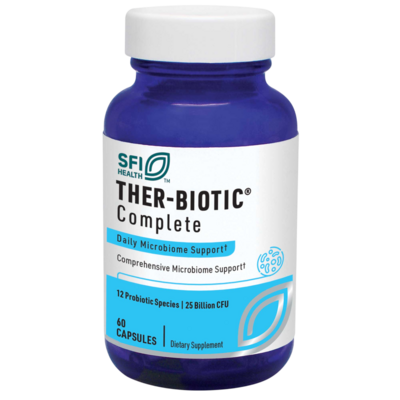
 5 more items in COVID 19 - Long Haul Symptom Support Protocol
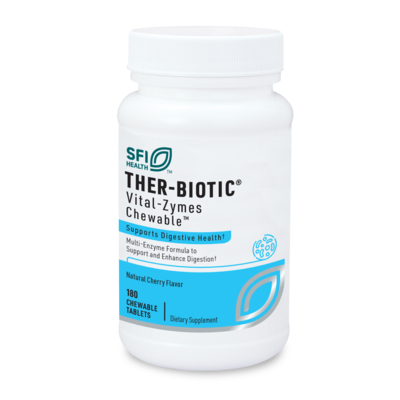
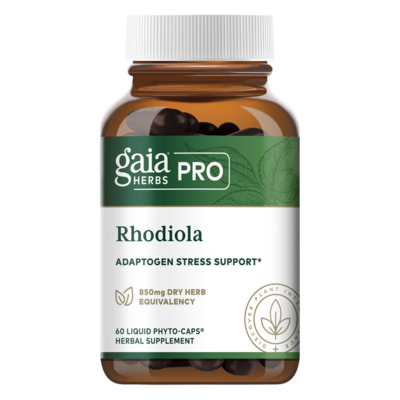
This is a protocol from a colleague Dr. Luriko Ozeki. PRINT OUT THE ATTACHED PROTOCOL FOR EASE OF FOLLOWING PROTOCOL --> https://www.iyashiwellness.com/wp-content/uploads/2023/08/Iyashi-Wellness-Covid-19-Long-Haul-Guide.pdf This simple, at-home protocol can be used for adults & teens with COVID 19 long haul symptoms. Using these protocols as early as possible after an active COVID-19 infection can be very supportive for relieving/eliminating symptoms. PLEASE DOWNLOAD THE PDF ATTACHMENT OF THE PROTOCOL BELOW. It's best to have these products on hand prior to a COVID diagnosis so that early intervention can begin as soon as possible.
Exercise Pain & Recovery
 6 more items in Exercise Pain & Recovery
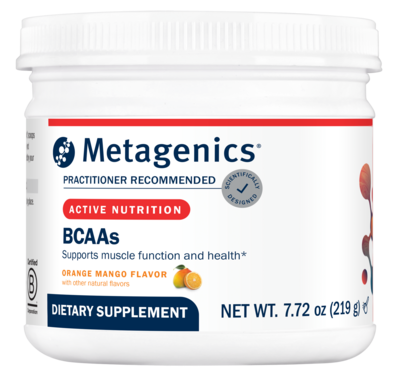
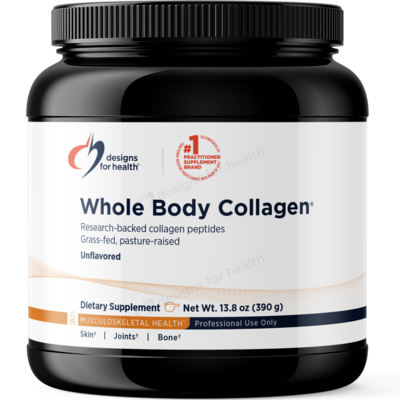
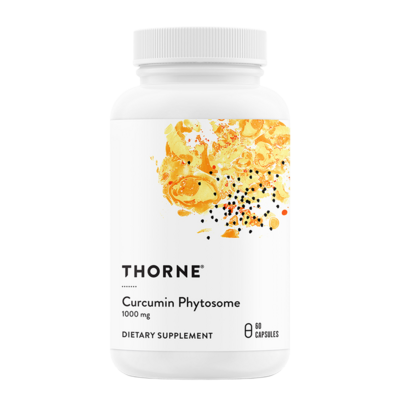
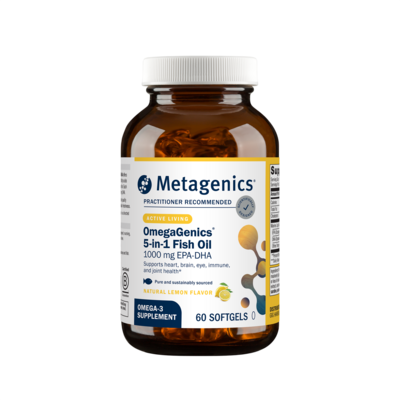
Many dietary supplements are marketed to athletes for purposes that extend beyond the classic ergogenic aid definitions. Examples include supplements that help to reduce exercise-induced pain & inflammation and improve recovery. During and especially after athletic activity, the body has a number of responses in order to help it recover and adapt. Many of these responses involve some level of local inflammation and muscle soreness that peaks within 24 to 48 hours after the exercise, usually referred to collectively as delayed onset muscle soreness (DOMS). These processes may contribute to various functional deficits such as reduced strength and/or range of motion. ( Davis 2007 ) The ingredients selected for this protocol may help improve symptoms of exercise-related pain and aid in recovery. For example, branched-chain amino acids (BCAAs) may provide extra quantities of certain amino acids that may help to reduce markers of exercise-related damage. ( Khemtong 2021 ) Collagen acts to provide strength and elasticity to connective tissues. ( Dressler 2018 ) Curcumin reduces many inflammatory markers and may shorten recovery time from exercise. ( Fang 2020 )( Suhett 2021 ) Magnesium may reduce inflammation and cortisol levels and improve immunological function, all aiding in recovery. Finally, omega-3 fatty acids have effects on cyclooxygenase-2 expression and the metabolism of arachidonic acid. ( Ochi 2018 )
Exercise Performance & Body Composition
 5 more items in Exercise Performance & Body Composition
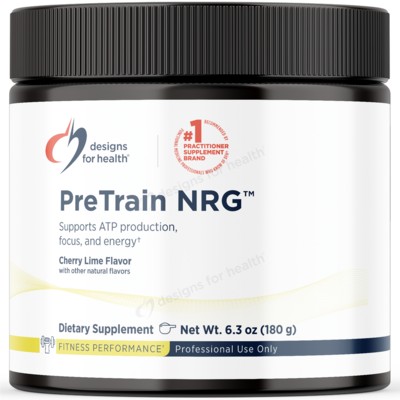
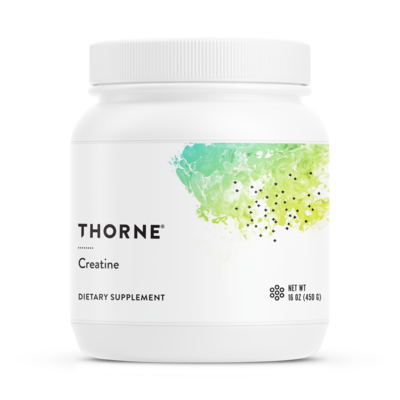
Many dietary supplements have been popularly marketed to improve sports performance; however, only a few key ingredients have strong evidence to support these claims. You should be aware that based on an ingredient’s mechanism of action, a performance-enhancing effect may be observed for a certain type of exercise (e.g., aerobic), but these effects may not necessarily translate to another form (e.g., anaerobic). The ingredients included in this protocol may be beneficial for improved exercise performance and body composition outcomes. For example, beta-alanine helps to buffer acid buildup, helping to prevent fatigue. ( Ojeda 2020 ) Caffeine acts as a nervous system stimulant, reducing inhibition and ratings of perceived exertion. ( Doherty 2005 ) Creatine helps to provide additional short-duration energy reserves and muscle hydration. ( Kreider 2017 ) HMB may help to stimulate lipolysis, and in certain populations, may help to stimulate muscle protein synthesis. ( Kerksick 2018 ) Finally, whey protein may help consumers with satiety, ensure adequate protein intake, and help preserve lean muscle mass under energy restriction. ( Wirunsawanya 2018 ) Some can't tolerate whey (dairy) so alternate proteins have been added to the protocol as substitutions.
Gastrointestinal Health – Chronic Digestive Discomfort
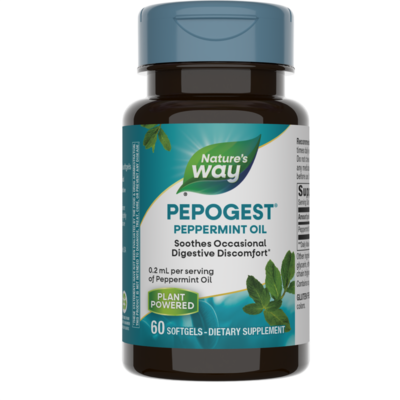
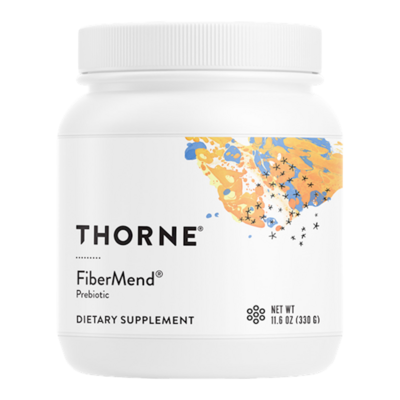
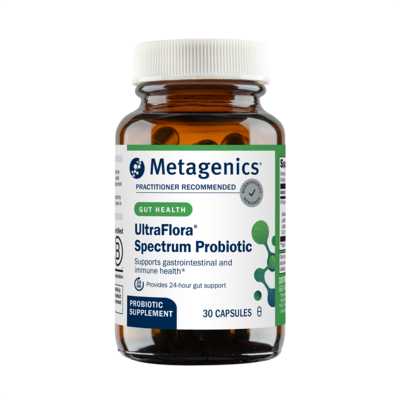 8 more items in Gastrointestinal Health – Chronic Digestive Discomfort
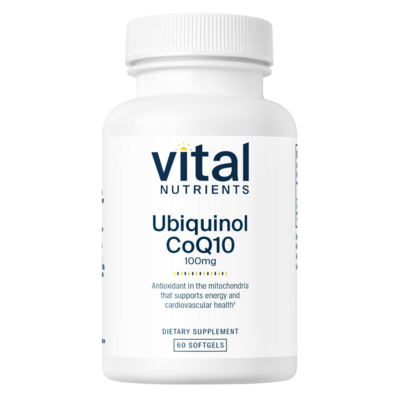
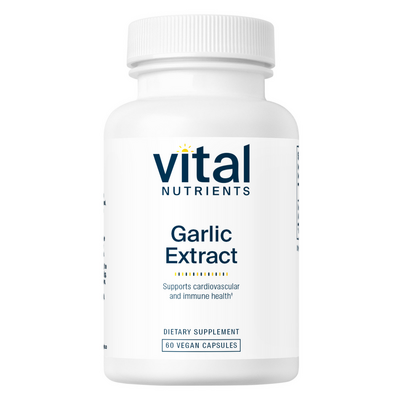
Cardiovascular Health - Cholesterol Support
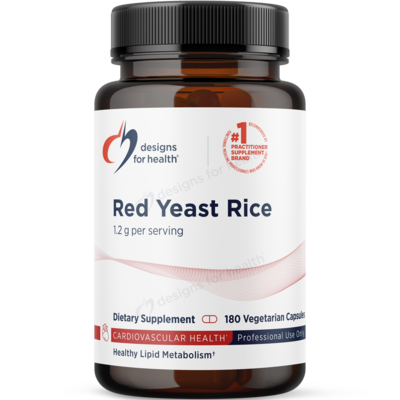
 7 more items in Cardiovascular Health - Cholesterol Support
High cholesterol is one of the key markers when evaluating risk of cardiovascular disease, stroke, and related problems. According to the National Health and Nutrition Examination Survey (NHANES), in 2015-2016, 12.5% of adults had high total cholesterol, with men having a higher rate of prevalence. In conjunction, 18% of adults had low high-density lipoprotein (HDL) cholesterol. ( 14 ) Achieving a healthy cholesterol serum level has a valuable impact on decreasing risk for these events, and every bit helps. A decrease of 1 mmol/L in total cholesterol correlates with lower ischemic heart disease mortality. ( 15 ) Problems with blood pressure amplify the risks found with dyslipidemia, and were found to proportionally impact risk reduction when lowering cholesterol. ( 15 ) Based on current research findings presented below, the ingredients in this protocol have demonstrated efficacy in improving cholesterol profile and potentially cardiovascular outcomes.
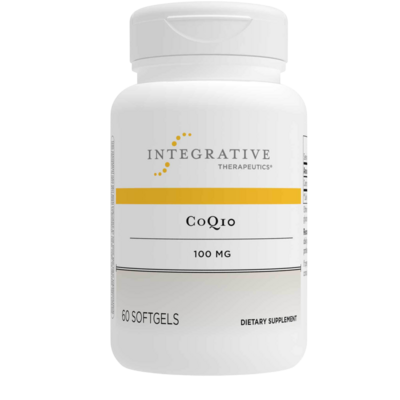
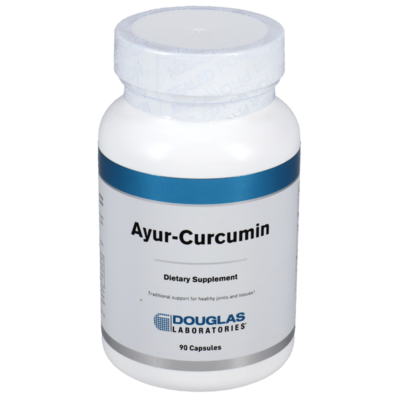
Healthy Aging - Antioxidant Support
 9 more items in Healthy Aging - Antioxidant Support
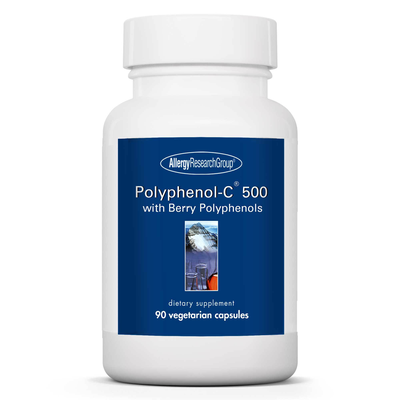
Even though aging is an inevitable part of life, most of us want to hold onto our youthfulness for as long as possible. We can’t stop ourselves from aging, but we can make dietary and lifestyle changes to slow certain aging processes and reduce our risk of age-related disease
Healthy Aging – Elevated Homocysteine
 2 more items in Healthy Aging – Elevated Homocysteine
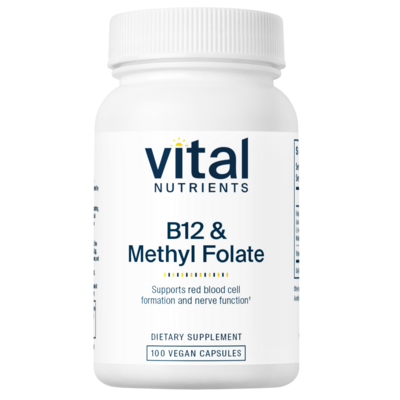
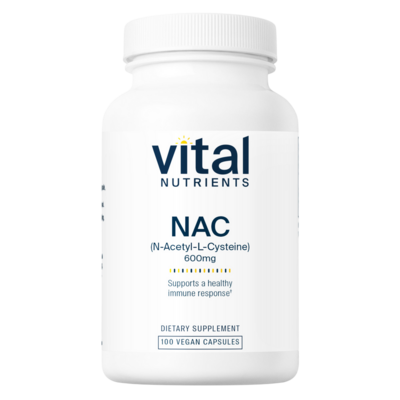
Homocysteine is a non-essential amino acid and metabolite of methionine, an essential amino acid obtained in the diet. ( 20 ) Homocysteine is involved in vitamin B-dependent methylation cycles that generate and breakdown the universal methyl-group donor, S-adenosyl-methionine (SAMe). Disruptions in this cycle, whether caused by reduced enzymatic expression or activity of various methylation cycle proteins including methylenetetrahydrofolate reductase (MTHFR), pyridoxal-5’-phosphate (P5P), or cystathionine B-synthase (CBS), may theoretically lead to elevated levels of homocysteine. ( 28 ) Normal homocysteine levels can range from 5-15 μmol/L, while hyperhomocysteinemia occurs when homocysteine levels are elevated beyond 15 μmol/L. ( 35 ) Hyperhomocysteinemia can be further classified as mild (16-30 μmol/L), intermediate (31-100 μmol/L), or severe (>100 μmol/L). ( 20 ) Hyperhomocysteinemia has been linked to numerous diseases, including: Age-related conditions, such as Alzheimer’s disease, Parkinson’s disease, and stroke Endocrine-related conditions, such as diabetes, hypothyroidism, insulin resistance, and osteoporosis Endothelial-related conditions, including cerebrovascular and vascular diseases Other conditions, such as end-stage renal disease, various cancers, schizophrenia, and complications in pregnancy ( 1 )( 20 )( 28 ) A number of factors may contribute to hyperhomocysteinemia, including: Genetic polymorphisms of methylation enzymes, such as MTHFR, CBS, methionine synthase, and methionine synthase reductase Nutrient deficiencies, such as folate, vitamin B6, vitamin B12, or betaine deficiencies Diet and lifestyle considerations, such as excess methionine intake, smoking, excess alcohol or caffeine intake, and sedentarism ( 1 )( 33 ) Please see the following articles for more information on the impact of nutrition on the methylation process and on supporting patients with MTHFR polymorphisms .
Shop the entire wellness catalog, held to a higher standard
Shop practitioner-grade products, each meeting the same bar for quality through Fullscript's standards.
Powered byVerified
Sourced straight from the brand — no resellers or fakes
Enhanced testing
Select products are tested in-house — get exactly what the label promises
Stored and shipped
From certified facilities, to protect product integrity