Public protocols
Dr. Clair Hamilton, ND, LAc's general recommendations, available to anyone who visits this store.
Immune Support Kit
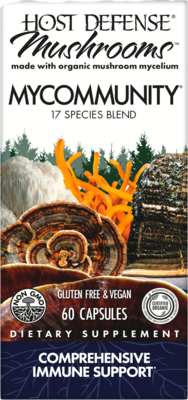
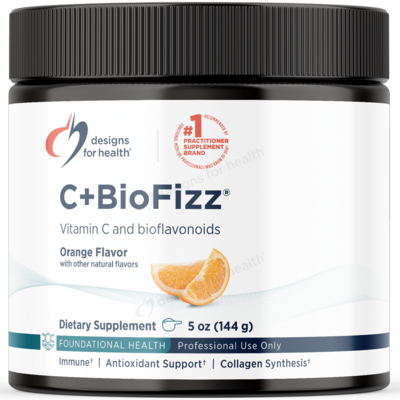
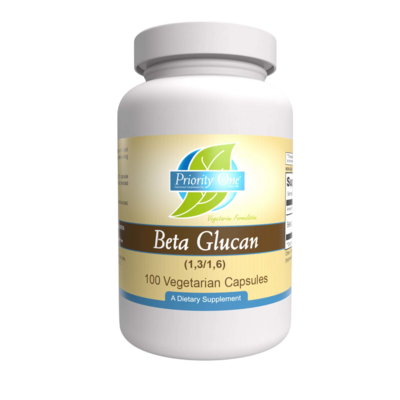 4 more items in Immune Support Kit
As the warmest days of summer season start to fade, we are also bound to see a return of common colds and other immune challenges. To help with this, I recommend that you stock your home medicinary in advance with some of my favorite recommendations for supporting your body's natural defenses. Black Seed Oil: Research shows that the anti-inflammatory and immune regulatory properties of this herb can help reduce the duration and severity of viral infections (this includes COVID-19). Small clinical trials suggest it may shorten viral illness and lower autoantibody levels in some autoimmune conditions. Check with your provider if you take medications or are pregnant Zinc and Elderberry Lozenges: tend to sell out once cold season is in full swing, so stock up early. Zinc interferes with viral replication in the mouth and throat and shortens upper respiratory illnesses. Lozenges should contain between 3-5 mg zinc (no citric or tartaric acid, no artificial flavors or sweeteners). Elderberry is rich in anthocyanins and other flavonoids, reducing the ability of certain viral strains (influenza) to take hold in the throat tissues. Vitamin C : Work up gradually from 2,000 to 4,000 mg daily for immune support. (Buffered formats will be less likely to cause loose stool, which can happen with high doses of vitamin C.) Beta Glucans: These therapeutic mushroom components stand out for their effects on immune function. Research suggests they improve the immune system's ability to respond to and resolve infections, help train its modulating response, reduce allergy symptoms over the long term, and support psychological well-being and mood. They're well tolerated in autoimmune conditions and as adjunctive support alongside immunosuppressant therapies. Pulsed mycotherapy means cycling medicinal-grade mushroom blends two weeks on, two weeks off, a rhythm that supports immune function and resilience.
Make this smoothie
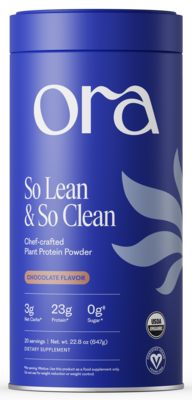
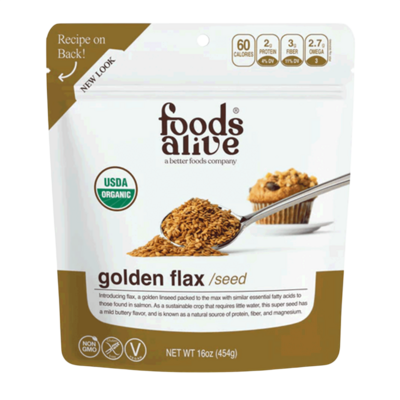
RECIPE -1.5-2 organic banana, frozen -2 scoops Ora Organic Protein Powder -2 Tbs organic hulled hemp hearts -1 Tbs organic fresh ground flax seeds -6 ounces of organic cold coffee or water (the hemp seeds make it creamy so no nut milk needed)
Protection + Recovery from Exposure to Wildfire Smoke
 3 more items in Protection + Recovery from Exposure to Wildfire Smoke
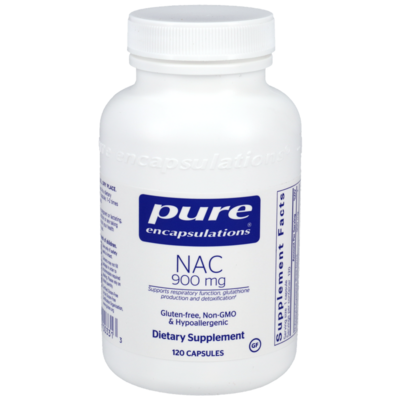
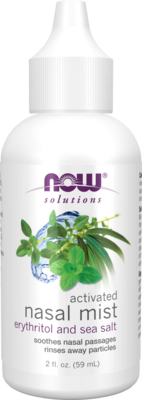
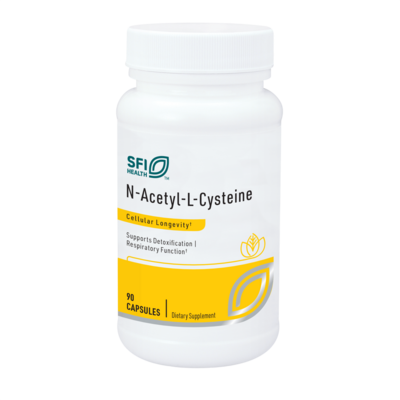
For protecting the lungs and body from the toxic effects of particulate / ambient wildfire smoke exposure, I recommend working with N-Acetyl Cysteine (NAC). The gold standard for rehabilitating lung tissue and breathing capacity following exposure to wildfire smoke is nebulized glutathione (something that typically requires medical supervision), but oral NAC is a precursor to glutathione and can be used for to support detoxification pathways preventatively and safely. Oral NAC is taken with food. See below for additional supplements and supports for your home apothecary to help carry you through. Supplements are in addition to taking other protective measures, such as: extra hydration, nasal irrigation, moderating outdoor activity levels (use an NK95 mask for high AQI days and follow guidelines), as well as indoor air purifiers and humidifiers. To Do once the smoke passes: wet dust, wipe down surfaces, wet vac/vacuum shampoo carpets, and wash curtains and bedclothes after extensive smoke exposure. These measures reduce our exposure to some of the carcinogenic compounds that linger following wild fire.
Adaptogenic Support
 2 more items in Adaptogenic Support
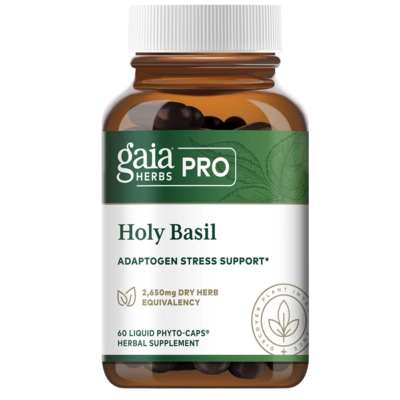
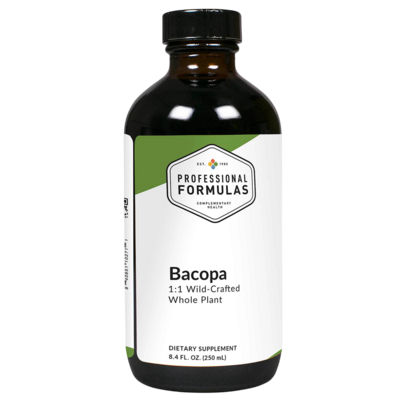
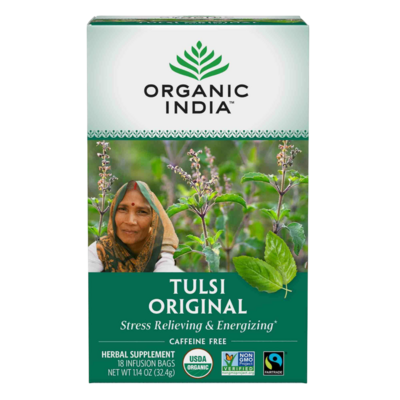
Nervous Depletion. Fatigue. Exhaustion. Burnout. We have all experienced the signs of accumulated stress at one point or another. Since stress has such broad implication on health, I like to be quite specific about supporting it. Physiologically, we can perceive the impact of accumulated stress on our systems in three phases, or levels of severity. Alarm Stage: At first, the body responds to elevated stress by trying to speed up and meet additional demands, secreting excess catecholamines. Increased secretions of catecholamines (adrenaline) maintain a levels of mobilization and sympathetic activation for as long as possible. This phase might include anxiety, irritability, mood issues, interpersonal and decision-making impacts, but physical stamina is not as deeply affected. Bacopa monnieri (Water hyssop): Bacopa is adaptogenic for the cognitive effects that come from overwork, over-stimulation and excessive attentional demands. It is is considered neuroprotective for the resistance phase of stress and supports mental focus. It is considered a bit more sedating allowing those with anxiety to experience energy with calm. Preliminary studies have shown this herb to be a helpful herbal addition to the management of ADHD. Ashwagandha (Withania somnifera): The species name somnifera means ‘sleep-inducing’ in Latin. As an adaptogen, consider Ashwaganda as half-relaxing and half-energizing. Well-suited for those whose stress causes insomnia and who may need more help winding down, this adaptogen protects your energy by letting you rest when you need to. Ashwagandha has positive effects on the endocrine, nervous, immune and cardiovascular systems. Long used as a specific in thyroid conditions, the appropriate use of Withania for autoimmunity has recently come into theoretical doubt because of its classification as a nightshade (solanaceae family), although it has fewer irritating constituents than other more potent nightshades. Some nightshades are known to instigate inflammation in some people. Resistance Stage: Over time, the body begins to adapt to higher daily stress demands. The stress hormone cortisol, which controls energy levels throughout the day as well as the sleep-wake cycle, begins to be affected. This phase may include interruptions in sleep and changes in daily energy levels. It may be accompanied by a sense of numbness or decreased mental or emotional capacity. Holy Basil ( Ocimum sanctum ): Ocimum sanctum (Holy Basil or tulsi) is in the mint (Lamiaceae) family. From India, this plant has been used traditionally as a tea in the treatment of diabetes, stress, ulcers and inflammation. Constituents in Ocimum have anti-stress effects in that they help to normalize hyperglycemia (high blood sugar) and excess serum cortisol from chronic stress. Ocimum has anti-inflammatory properties. Rhodiola ( Rhodiola rosea ): Rhodiola, commonly called Arctic Rose, grows out of rock crevices in Northern Europe and Siberia. Think of this herbs as a hardy adaptogen especially for the mood. Thought to elevate serotonin levels, Rhodiola can address symptoms of oscillating mood, anxiety, depression, insomnia, and OCD. It should not be combined with SSRI or MAOIs. Studies show that rhodiola helps improve functioning during stressful situations. Exhaustion Stage: While our nervous systems are well-equipped to recover from short bursts of stress, prolonged high stress can compound and more deeply impact the stress-response system (also referred to as the neuroendocrine immune system or hypothalamci pituitary axis). At this level, the impacts of prolonged stress may compound as deeper physical symptoms: reduced immunity, hormonal issues, changes in metabolism (weight loss or weight gain), skin or hair issues, accumulated body pain such as muscle tension and headaches. Siberian Ginseng ( Eleutherococcus senticosus ): Considered a tonic for the exhaustion phase of prolonged stress, Eleuthrococcus enhances physical stamina (especially in adverse conditions), and boosts baseline energy levels. It is thought to strengthen the threshold at which the body experiences distress, improving resiliency over time. This herb boosts immune function and may be helpful for those seeking to recover from states of suppressed white blood cell counts (e.g. chemotherapy or prolonged illness). It can also support the immune system in ways that reduce allergic reactivity. Hopefully warning signs in the earlier stages of stress nudge us towards seeking rest and recovery, but occasionally, that’s out of reach for longer than we can healthfully withstand. Getting to the roots of our stress can be big work. Thankfully, there are botanical medicines called 'adaptogenic herbs' specifically suited for re-balancing the stress response system. I often find myself introducing patients to adaptogens during visits and find them to be depth of resource. What are adaptogenic herbs? Certain plants and herbs are considered “adaptogenic” because of their capacity to increase adaptability, survival, physical stamina, and resilience in stress and aging. Although modern research is beginning to understand more about how adaptogens work, actually adaptogenic herbs have been used traditionally for millennia. How do they work? Adaptogens impact cellular signaling in our stress hormone, immune, and neurological system. We’ve been trained to accept the ways that pharmaceutical medications affect our physiology, but adaptogens operate via a slightly different paradigm that does not quite match a drug framework (‘ligand-receptor model’). Trying to understand herbal medicine asks us to shift the way we relate to our bodies and how they can heal. For now, here are three traits of adaptogenic herbs. They are: Non-toxic : adaptogenic herbs are considered generally safe for most people when taken at normal doses; they more often have side benefits than negative side effects Pleiotrophic : capable of having a multitude of therapeutic effects at once Harmonizing : adaptogens have an equilibrating effect on the stress response system, capable of tonifying weakness and calming agitation Over 70 plants are considered adaptogenic, however each plant has a slightly different way of supporting the mind-body. Some are more energizing and others are more soothing or leveling. Certain adaptogenic herbs can be considered better for physical fatigue while others are better for mental/emotional depletion. I’ll share a little bit about some of the adaptogens that appear frequently in my practice so that you can familiarize yourself with these kinds of herbs and perhaps consider this form of support for yourself one day. How to work with Adaptogens In my experience, working with adaptogenic herbs occurs best under the following circumstances: Selection: I recommend selecting your adaptogenic support with the help of an experienced practitioner who knows herbs, can take into consideration your specific health profile (including any other supplements or medications you are taking), and your nervous system tendencies. Respect constitution: Some herbal medicines are derived from the root part of the plant, others from the leaves, and should be prepared differently. Some people’s bodies respond differently to different delivery formats. Choosing the appropriate format e.g subtle water-based extracts, stronger decoctions, or encapsulated powders, may affect the desired response. Quality: Seek verifiable sources that can vouch for eco-sustainability, potency, and purity of the contents. Consistency: Regular use over time is most likely to help nurture rebalancing effects (e.g consistently for 6-8 weeks prior to re-evaluating). Of course, adaptogens aren’t meant to cure everything, but they can play an important role in regaining equilibrium after high stress periods. I like to encourage people to develop a relationship with the characteristics and qualities of the herbs that they are taking. Remember that we have co-evolved with our plant allies over millenia . . . so maybe connecting to the long history of adaptogen-human survival will help you overcome some forms of daily stressors. REFERENCES ❍ Agrawal P, Rai V, Singh RB. Randomized placebo-controlled, single blind trial of holy basil leaves in patients with noninsulin-dependent diabetes mellitus. Int J Clin Pharmacol Ther 1996; 34(9):406–9. ❍ Panossian AG. Adaptogens: A historical overview and perspective. Natural Pharmacy 2003;7(4):1,19-20. ❍ Vinod A, Sathianarayanan S, Babu AE, Sadanandan P, Venu AK, Venkidasamy B. Bacopa monnieri for Disorders Affecting Brain: Current Perspectives. Currently Top Med Chem 2022;22(23):1909-1929. doi: 10.2174/1568026622666220119111538. ❍ Jamshidi N, Cohen MM. The Clinical Efficacy and Safety of Tulsi in Humans: A Systematic Review of the Literature. Evid Based Complement Alternat Med. 2017;2017:9217567. doi: 10.1155/2017/9217567. ❍ Ishaque S, Shamseer L, Bukutu C, Vohra S. Rhodiola rosea for physical and mental fatigue: a systematic review. Complement Altern Med . 2012 May 29;12:70. doi: 10.1186/1472-6882-12-70. ❍ Todorova V, Ivanov K, Delattre C, Nalbantova V, Karcheva-Bahchevanska D, Ivanova S. Plant Adaptogens-History and Future Perspectives. Nutrients . 2021 Aug 20;13(8):2861. doi: 10.3390/nu13082861.
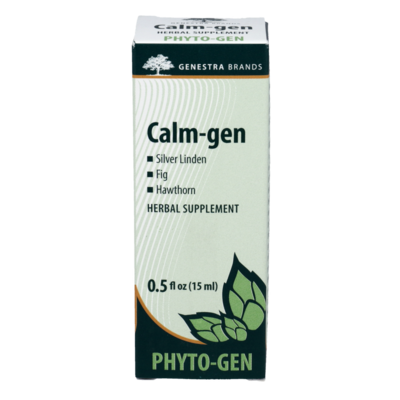
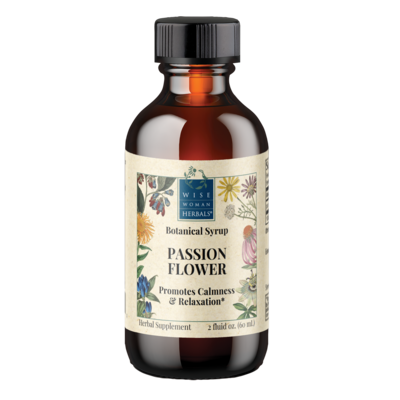
Gentle Calming Supports for Anxiety
 3 more items in Gentle Calming Supports for Anxiety
Please check with your individual health care practitioner or doctor about incorporating any of the following calming, anxiety-soothing supports into your regular routine. Check for any interactions with existing medications. These offerings are not a replacement for individualized medical advice.
Reducing Allergic Hypersensitivity
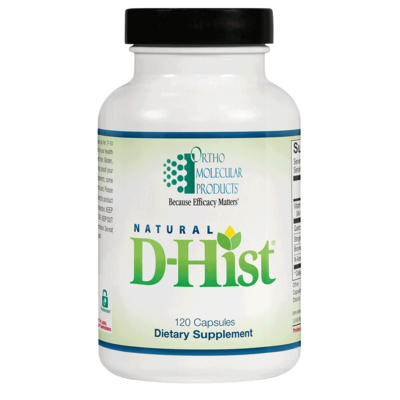
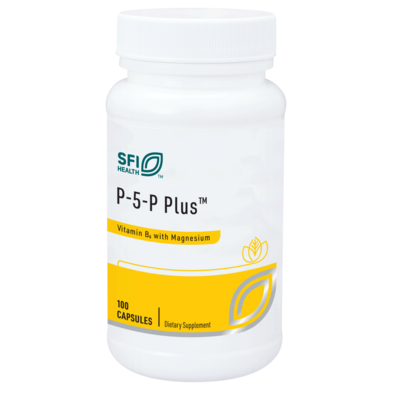
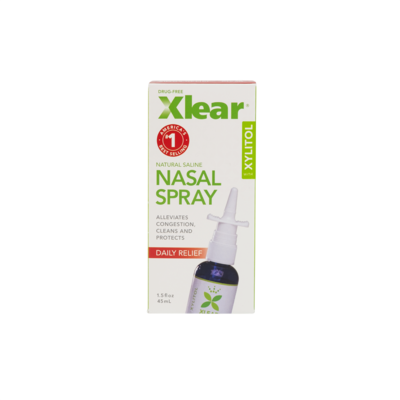
The following recommendations are best taken in conjunction with specific, personalized and thorough medical care and are not a substitute for working with your own doctor's recommendation . . . however, there a few go-to's and favorites that I recommend for many people who tend to struggle with allergic conditions. FIRST, A WORD ABOUT DIETARY + LIFESTYLE THERAPY During acute allergy flares and during your higher seasonal allergy months, it's a good idea to combine any medication/supplement approach with good dietary practices. A couple of important tips are to: avoid your food allergens + sensitivities, avoid consuming excessive histamines in your diet (fermented foods), and eliminate dairy, sugar, alcohol to support immune health and reduce allergic inflammatory reactivity. You may also want to make sure that household carpeting, upholstery, curtains, rugs, or high-traffic areas get deep cleaned to reduce the particulate burden on your breathing. Investing in an air purifier may help you reduce your overall allergic body burden. NUTRIENTS + BOTANICALS In addition, I do recommend the nutrients and botanicals below as a helpful way to shift the immune system out of hyper-allergic reactivity. My first pick would be Natural D-Hist (3 caps twice daily x 21 days). If you haven't tried working with it, I would start there. D-Hist contains botanicals and nutrients that reduce mast cell reactivity over time. Mast cell degranulation is an important step in the allergy cascade and consistent use of D-Hist can help diminish the intensity. There are a few other items included below; I do recommend giving them a try. A NOTE ABOUT ALLERGY MEDS A few special notes about anti-allergy medications: (1) Please DO NOT abruptly discontinue allergy or respiratory-supporting medications without consulting with your care team. (2) Second-generation antihistamines (H1 blockers like Allegra, Claritin, Zyrtec) are not altogether BAD. Often they are an important part of allergy maintenance plan, but they can have a few unwanted side effects over long-term, chronic use. Check with your practitioner about how and when to taper and/or combine with other strategies. (3) We do know that chronic use of benadryl has been linked with early onset dementia and Alzheimer's. So that's a good motivation to find an anti-allergy plan that works well for you. (4) For folks with mast cell disorders and chronic allergic reactivity, you may be interested in working with a special compounded allergy med called Cromolyn, which is not always available through conventional clinics. Again, check in with your personal practitioner with your questions. AND FINALLY, SOME NATUROPATHIC THOUGHTS If you're still not having any luck shifting your overall allergic tendency, there may be some other underlying factors at play. Commonly, I see allergies ramp up under other physiologic conditions such as: (1) a specific hormonal picture (low DHEA is a culprit); (2) the post-COVID milieu; (3) gut imbalances. Again, check in with your provider to get individualized guidance.
Skin Care Favorites
 5 more items in Skin Care Favorites
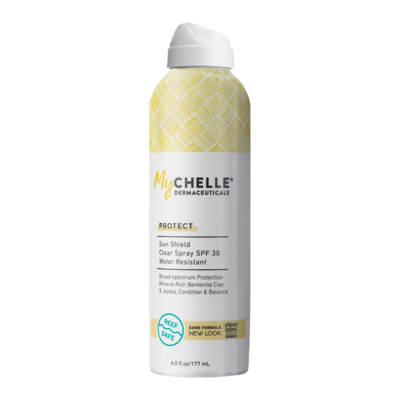
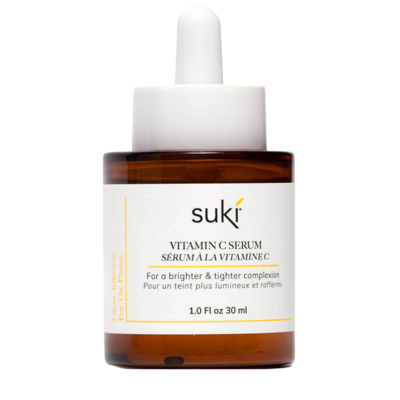
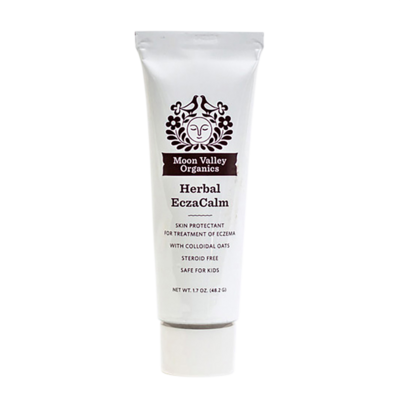
Everyday we find out about another group of chemicals or additives that are found in commonly used household and personal care products and can be linked to chronic disease. Below are several of my favorite skincare products that are highly rated for their clean and safe ingredient profiles. In a nutshell, what I would share with you is that far too many women are counting calories when they should be counting chemicals. Many of the ingredients found in conventional personal care products high in fragrances and synthetics (everything from makeup to dry shampoo, perfumes and fragrances to skincare products) are found to be associated with endocrine disruption (hormone dysregulation), obesity/weight gain, autoimmunity, or cancer. Follow the Environmental Working Group or the National Association of Environmental Medicine to stay up to date.
Liver Detoxification Support
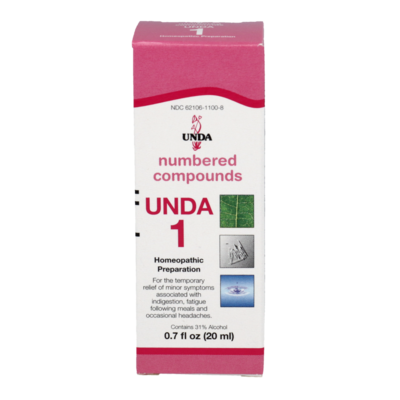
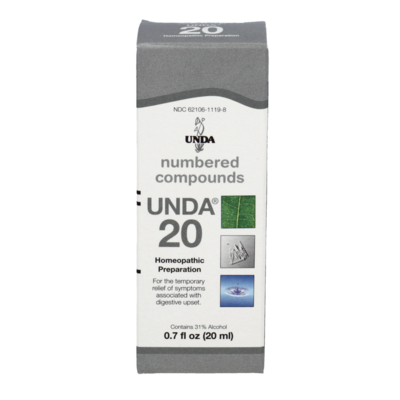
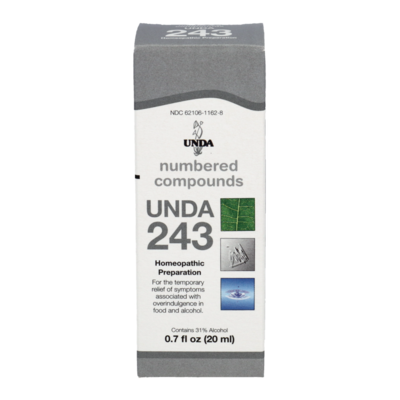 5 more items in Liver Detoxification Support
Doing an additional liver detoxification protocol should definitely be something that you do with the support, guidance, and assistance of a qualified health professional who knows your specific health condition. In addition, while there are many 'heroic' or 'drastic' detox protocols out there, no short term protocol is as good or effective as having daily foundational health practices in place (nourishment, environmental toxin avoidance, sleep, rest, movement, healthy relationships, joy/pleasure/fun). Below are some of the supports that I find very helpful in supporting the detoxification process to make the most of your foundations of health.
Shop the entire wellness catalog, held to a higher standard
Shop practitioner-grade products, each meeting the same bar for quality through Fullscript's standards.
Powered byVerified
Sourced straight from the brand — no resellers or fakes
Enhanced testing
Select products are tested in-house — get exactly what the label promises
Stored and shipped
From certified facilities, to protect product integrity