
Dr. Meg's Supplements for SUCCESS
Welcome! Through Fullscript, Dr. Meg's Supplements for SUCCESS offers high-quality supplements and wellness products, delivered right to your door. Get started with the recommended products from Dr. Meg's Supplements for SUCCESS, or sign in/up to explore the entire product catalog.
Up to 10% off your order when you sign up*
Shop the highest quality, rigorously tested supplements
Fast and free shipping for orders over $50
*Discounts may vary by order. Labs and select products not eligible
Existing account? Log in here
Featured public protocols
Dr. Meg's Supplements for SUCCESS's general recommendations, available to anyone who visits this store.
Are Our Foods Losing Their Minerals? 🌱

Are Our Foods Losing Their Minerals? 🌱 You can buy fresh produce, eat a variety of vegetables, and prioritize a whole-food diet—and still wonder: Am I actually getting all the nutrients I need? It turns out, the answer may depend on more than what’s on your plate. It starts with the soil. Plants depend on soil for minerals like magnesium, zinc, iron, copper, and manganese. But decades of intensive farming can remove these nutrients faster than they're replaced. At the same time, modern crops have been bred to produce more food per acre—and some research suggests those higher yields can come with a trade-off: fewer minerals in every bite. This doesn’t mean fruits and vegetables aren’t nutritious. Far from it. But it does mean that eating a healthy diet today may not always provide the same mineral density it once did—and making sure you get enough essential minerals may be more important than ever. This month, we’re following the science from the soil all the way to your cells. Want to geek out deeper? Click the links to explore the studies. 🔬 Here’s What You’ll Learn: 🌱 How repeated farming can slowly drain minerals from soil 🌾 Why modern high-yield crops may contain fewer minerals 🧑🌾 What nearly two decades of soil testing tells us about intensive agriculture ❤️ Why getting enough essential minerals matters for long-term health 💧 How broad-spectrum mineral support can help fill nutritional gaps 1. Growing food can slowly drain minerals from the soil Study: El-Fouly, M. M., et al. (2010). Depletion of Zn, Fe, Mn and Cu from cultivated Egyptian soils by field crops. Journal of Food Agriculture and Environment. 8. 713-720. 🔗 Link to Study Key Highlights: Researchers compared soils and crops from 11 agricultural regions in Egypt. Cultivated soils showed depletion of zinc, iron, manganese, and copper when these nutrients weren't replenished with fertiliser. Repeatedly harvesting the same crops removes minerals from the soil, creating the potential for reserves to decline over time. Why It Matters: Every crop we harvest takes nutrients with it. If those minerals aren't returned to the soil, it's a little like repeatedly withdrawing money without making another deposit. Over time, depleted soil may make it harder to grow crops with an optimal balance of essential nutrients. 2. Bigger crop yields don't always mean more nutrition Study: Fan, M. S., et al. (2008). Evidence of decreasing mineral density in wheat grain over the last 160 years. Journal of Trace Elements in Medicine and Biology, 22(4), 315–324. 🔗 Link to Study Key Highlights: Researchers analysed wheat from a farming experiment spanning more than 160 years. Zinc, iron, copper, and magnesium concentrations in wheat declined significantly beginning around the introduction of modern high-yield wheat varieties. Soil mineral levels remained stable, pointing to a “dilution effect” from higher-yielding wheat varieties rather than soil depletion. Why It Matters: This study introduces an important twist: depleted soil isn't the whole story. When crops are bred to grow bigger or produce more grain, the minerals inside the plant may become more diluted. In other words, we're getting more food from the field—but potentially less of certain minerals in each serving. 3. Intensive farming can change soil nutrition within decades Study: Nyiraneza, J., et al. (2019). Long-term changes in soil nutrient status under intensive agriculture in Prince Edward Island, Canada. Communications in Soil Science and Plant Analysis, 50(20), 2505–2520. 🔗 Link to Study Key Highlights: Researchers tracked hundreds of soil sampling locations from 1998 through 2015. Extractable sulfur and magnesium declined substantially over the study period. The percentage of surveyed soils considered high in sulfur fell dramatically by the final sampling cycles. Why It Matters: Mineral depletion isn't just something that happens over generations. This research shows meaningful changes can occur within a relatively short period under intensive agriculture. It reinforces why soil health and nutrient replacement matter—not only for the quantity of crops we grow, but ultimately for the nutritional quality of our food supply. 4. Mineral intake matters for long-term human health Study: Yazdanpanah, N., et al. (2024). Dietary mineral intake and risk of cardiovascular, cancer, and all-cause mortality in the Golestan Cohort Study. Nutrients, 16(3), 344. 🔗 Link to Study Key Highlights: Researchers followed dietary patterns in more than 41,000 adults. They examined nine essential minerals, including magnesium, zinc, selenium, potassium, calcium, and iron. Relationships differed between individual minerals and health outcomes, highlighting the importance—and complexity—of overall mineral nutrition. Why It Matters: Minerals may be tiny, but their jobs are anything but. Your cells depend on them for energy production, hydration, nerve signalling, antioxidant defences, and hundreds of enzyme reactions. This research is a reminder that mineral nutrition isn't about chasing one trendy nutrient—it's about getting a broad spectrum of essential minerals over a lifetime. In Summary Eating healthy food still matters enormously—but its nutritional value starts long before it reaches your plate. Research shows that intensive farming can reduce mineral reserves in soil, while modern high-yield crops may contain lower concentrations of certain minerals even when the soil itself isn't depleted. That makes mineral nutrition worth paying attention to. A varied, whole-food diet should always be the foundation, but targeted mineral support can help fill the gaps when modern food doesn't provide everything your cells need. IT is important to put the minerals back in! BodyBio ReMineralize provides a full spectrum of macro and trace minerals to help: ✓ Replenish essential minerals that may be missing from modern diets ✓ Support cellular energy and enzyme function ✓ Promote healthy hydration and electrolyte balance ✓ Provide broad-spectrum mineral support for everyday wellness
Parasite Purge with Dr. Meg
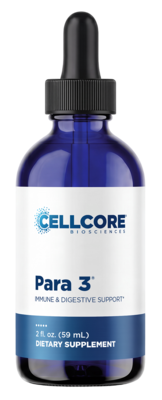
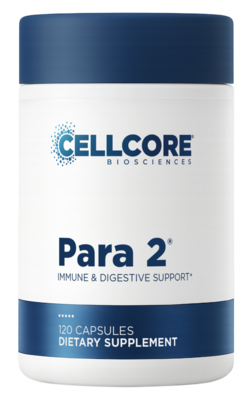
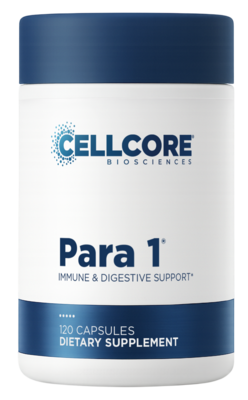 4 more items in Parasite Purge with Dr. Meg
CellCore’s Para Kit is a comprehensive intestinal cleansing system designed to support the body’s natural defenses against unwanted intestinal organisms while promoting healthy microbial balance, digestive clearance, and elimination. Key Benefits Supports the body’s natural defenses against unwanted intestinal organisms Promotes healthy intestinal microbial balance and a balanced gut environment Encourages digestive clearance and elimination of unwanted intestinal material Provides broad-spectrum botanical support for intestinal and digestive health Provides daily binding support to aid the elimination of unwanted compounds See the dosing information attached, and reach out to Dr. Meg for a more personalized dosing structure.
The Missing Link in Estrogen Metabolism


The Missing Link in Estrogen Metabolism: For women moving through perimenopause and postmenopause, declining estrogen is often viewed primarily through the lens of hormone levels and replacement. But estrogen does not operate independently. Its synthesis, metabolism, and clearance are closely connected to choline availability, phosphatidylcholine production, and the liver pathways that support both. This article explores an often-overlooked relationship between estrogen and phosphatidylcholine—specifically, how estrogen regulates PC synthesis through the PEMT pathway and why declining estrogen can increase a woman’s dependence on dietary choline and phospholipids. We’ll also examine how genetics, nutrient intake, fatty acid status, and other physiological demands can widen this gap, and what this means when supporting women before and after menopause. The Missing Link to Estrogen in Perimenopause and Postmenopause Most practitioners treat estrogen and choline as two separate conversations. They are not. Estrogen can't be made, moved through the body, or cleared out safely without enough choline and phosphatidylcholine on hand — and estrogen is what tells the liver to make more choline in the first place. Break that loop, which happens routinely in perimenopause and post-menopause, and whatever estrogen a patient has, whether it's her own or from therapy, stops doing what it's supposed to do. Why Choline Is Essential to Estrogen A patient's estrogen level on paper does not tell you much if her body can’t do anything with it. Making it, moving it around, and getting rid of it once it is done its job all draw on the same pool of methyl donors and phospholipids that choline feeds. Clearance is where this shows up most clearly. The liver disarms estrogen through COMT, an enzyme that methylates catechol estrogens into water-soluble compounds the body can excrete. That reaction runs on SAMe, and choline is one of the main ways the body keeps its SAMe supply stocked: it gets oxidized into betaine, and betaine hands off a methyl group through BHMT to regenerate methionine, which becomes SAMe. A 2025 study out of South Africa actually measured this in women on estrogen-containing birth control. How much of their estrogen got safely methylated corresponded with their betaine, DMG, and SAMe levels — not with how much estrogen was circulating (Venter et al., 2025, Scientific Reports) [1]. So choline touches estrogen twice over. PEMT ties it to how much the body makes in response to estrogen, which we'll get to below. Methylation ties it to whether that estrogen clears safely once it's done its work. What the Research Shows: Optimal Estrogen vs. Poor Estrogen Metabolism Adequate estrogen through perimenopause and postmenopause does real protective work. A 2023 review of randomized trials found it helps bone density, has direct effects on vascular smooth muscle (cell turnover, fibrinolysis, apoptosis), and slowed cognitive decline in women who already had mild impairment [2]. The European Menopause and Andropause Society puts it plainly in their position statement: falling estrogen raises risk for vasomotor symptoms, cardiovascular disease, bone loss, cognitive decline, and all-cause mortality [3]. Data from women who have had their ovaries removed tells the same story — more coronary disease, more fractures, worse cognition and sexual function [4]. Where it gets more complicated: estrogen that doesn't clear well is its own liability. When methylation capacity is limited, catechol estrogens build up instead of getting safely methoxylated, and they can oxidize into genotoxic quinones and reactive oxygen species [1]. Which is really the point here: a patient doesn't just need more estrogen, or even a normal-looking estrogen number. She needs estrogen her body can actually make, use, and get rid of. Choline and PC status dictates all three. The Other Half of the Loop: How Estrogen Drives Choline Production via PEMT It works the other way too — estrogen itself controls how much choline the body makes on its own. Phosphatidylcholine is the most abundant phospholipid in every cell membrane, and patients get it two ways: from dietary choline, or from PEMT, a liver enzyme that converts phosphatidylethanolamine into PC on its own. Estrogen binds a response element near the PEMT gene and turns its transcription up in a dose-dependent way in human hepatocytes, which is the actual mechanism behind why premenopausal women need less choline from food than everyone else (Resseguie et al., 2007, The FASEB Journal) [5]. There's a common SNP, rs12325817, sitting right next to that response element. The risk allele can't bind the estrogen receptor or FOXA1, so it blocks PEMT from getting its hormonal boost no matter where a woman is in menopause [6]. Once estrogen drops — at menopause, or sooner in someone carrying that SNP — PEMT-driven PC synthesis drops with it, and diet becomes almost the only source left. The Evidence: Four Studies That Define the Risk These four studies, all out of Steven Zeisel's group at UNC, lay out the risk in direct terms. Resseguie et al., 2007 (The FASEB Journal 21(10):2622-32). 17β-estradiol increased PEMT transcription, protein, and enzyme activity in primary human and mouse hepatocytes in a dose-dependent manner — the first direct evidence that estrogen governs PC synthesis in human liver tissue. [5] Resseguie et al., 2010 (Journal of Biological Chemistry 286(2):1649-58). Mapped the estrogen response element in PEMT and identified rs12325817 as the polymorphism most strongly linked to choline-deficiency-associated liver dysfunction (p<0.00006); the risk allele fails to bind the estrogen receptor or FOXA1. [6] Fischer et al., 2010 (The American Journal of Clinical Nutrition 92(5):1113-9). Randomized trial of 49 women (27 premenopausal, 22 postmenopausal) on a very-low-choline diet. 73% of postmenopausal women on placebo developed organ dysfunction (hepatic or muscle damage) versus only 18% of those given estrogen replacement — direct clinical proof that estrogen protects against choline deficiency. Premenopausal women's own risk rose with rs12325817 allele count: 13% (0 alleles), 43% (1 allele), 80% (2 alleles). [7] Zeisel, 2011 (The Journal of Nutrition 141(3):531-4). Synthesized this body of work: estrogen-induced PEMT expression explains why premenopausal women are comparatively resistant to choline deficiency, while postmenopausal women and men are not. [8] The same group had already spotted the pattern a few years earlier, before anyone knew why it was happening: on a low-choline diet, 80% of postmenopausal women and 77% of men developed organ dysfunction, compared with 44% of premenopausal women [9]. Why the Gap Widens in Practice The PEMT-estrogen research describes a baseline risk. In practice, three other things stack on top of it. Diet is the most obvious one. Choline is the nutrient U.S. adults are most consistently short on. NHANES data spanning 2003 to 2018, covering almost 40,000 adults, found intake below the adequate level the entire time, supplements included [10]. Another NHANES analysis found only 8% of the population hits adequate choline intake even counting multivitamin use [11]. Among adults over 60, 96% fall short [12]. Then there's fatty acid status. Building PC and repairing membranes both need a steady supply of polyunsaturated fats to attach to the phospholipid backbone. A patient who's low on essential fatty acids is short on raw material even when her choline intake and PEMT activity are otherwise fine. And there's chronic stress . Sustained sympathetic and HPA-axis activation raises oxidative load on cell membranes, and lipid peroxidation breaks phospholipids down faster than the body can replace them. That's mechanistic reasoning more than a direct trial finding in this specific population, but it points the same direction: a patient under chronic stress is drawing from the same phospholipid pool a postmenopausal, PEMT-limited liver is already struggling to refill. Put it together and the membrane is getting hit from three sides at once: less synthesis, less raw material, faster breakdown. Choline and PC status in a postmenopausal patient isn't a standalone micronutrient issue — it's one piece of a bigger membrane problem. Clinical Takeaway For a postmenopausal patient, or anyone carrying rs12325817, diet alone usually won't cover it. Most adults don't hit adequate choline intake even before the estrogen-driven loss is factored in. Giving PC directly sidesteps the whole PEMT bottleneck — you are handing the body the finished phospholipid instead of asking a stalled enzyme to build it from a precursor. That is the case for the BodyBio PC here. It delivers phosphatidylcholine directly, supporting membrane structure and hepatic lipid transport whether or not PEMT is getting its usual estrogen signal — which makes it the straightforward answer for a patient whose own synthesis is compromised by menopause, genotype, or just years of poor diet, low fatty acid status, and chronic stress. Contributed by Dr. John Kim, PharmD, BodyBio Clinical Science Liaison References Venter G et al. (2025). Scientific Reports, 15(1), 31468. Yoon BK. (2023). Climacteric, 26(3), 193–197. Cano A et al. (2020). Maturitas, 139, 90–97. Adelman MR & Sharp HT. (2017). American Journal of Obstetrics and Gynecology, 218(3), 269–279. Resseguie ME et al. (2007). FASEB Journal, 21(10), 2622–2632. Resseguie ME et al. (2010). Journal of Biological Chemistry, 286(2), 1649–1658. Fischer LM et al. (2010). American Journal of Clinical Nutrition, 92(5), 1113–1119. Zeisel SH. (2011). Journal of Nutrition, 141(3), 531–534. Fischer LM et al. (2007). American Journal of Clinical Nutrition, 85(5), 1275–1285. Freedman MR, Fulgoni VL & Lieberman HR. (2024). American Journal of Clinical Nutrition, 119(5), 1309–1320. Wallace TC, McBurney M & Fulgoni VL. (2014). Journal of the American College of Nutrition, 33(2), 94–102. Agarwal S & Fulgoni VL. (2024). Nutrients, 16(11), 1779.
DAO: The Enzyme at the Center of the Dietary Histamine Conversation
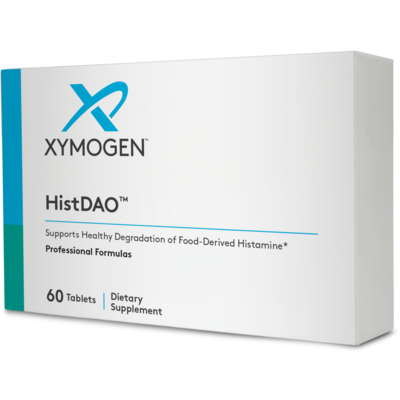
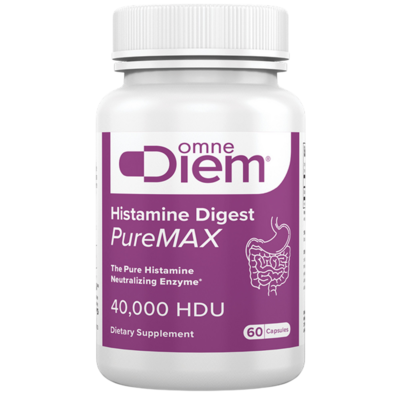
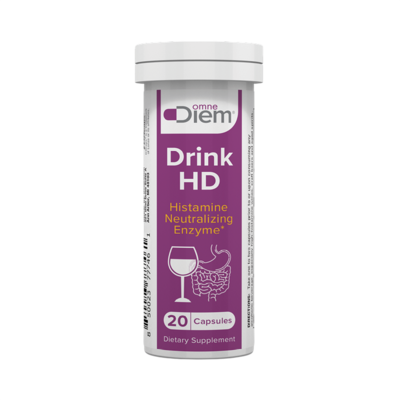 2 more items in DAO: The Enzyme at the Center of the Dietary Histamine Conversation
DAO: The Enzyme at the Center of the Dietary Histamine Conversation Diamine oxidase (DAO) is the enzyme your gut uses to break down histamine from food before it reaches your bloodstream. When the body’s natural DAO activity can’t keep up with its overall histamine load, occasional discomfort is often the first clue. Read on to learn more about how DAO plays an important role in understanding histamine sensitivity and how you can help support your body’s natural response to histamine overload. What Is DAO (Diamine Oxidase)? Histamine occurs naturally in the body and in many foods. Two enzymes clear it: DAO, in the gut lining, and HNMT (Histamine N-methyltransferase), inside cells. DAO helps your body clear excess histamine in the body, especially from foods that carry high histamine such as leftovers, fermented products and beverages like red wine, or aged meats and cheese. Where Is DAO Produced, and Why Does DAO Activity Vary? Most DAO is produced in the small intestine lining, plus the kidneys and, during pregnancy , the placenta. Activity varies person to person; lower activity is associated with a histamine-heavy diet, alcohol (which competes with DAO along the same pathway), intestinal-lining conditions, some medications, and genetics. 1 Why Do I React More on Certain Days From High Histamine Foods and Not Other Days? One of the most confusing things about histamine intolerance is how unpredictable it feels. This is where the histamine bucket metaphor comes into play. Every day, your bucket starts at a different level, depending on a variety of factors, including stress, hormones , and the food you eat. Same food, same person, different starting level — that’s the variable most people miss. How Do You Know If Your DAO Is Low? Because DAO acts in the gut, its effects tend to show up shortly after eating foods that are either high in histamine, or are histamine liberators : digestive discomfort, facial flushing, itching, nasal congestion, or a pounding head tied to certain foods. Food-related discomfort can have many causes, so these patterns are worth discussing with a healthcare provider rather than self-diagnosing. Nutrient Cofactors DAO Depends On Like most enzymes, DAO depends on specific nutrients. The clearest example is copper: DAO belongs to a family of copper-containing amine oxidases, making copper a structural, catalytic part of the enzyme. What Are HDUs? HDU stands for Histamine-Degrading Unit — a lab measurement of how much histamine a set amount of DAO enzyme can break down under standardized conditions. It’s how DAO potency is compared across products, similar to USP or FCC units for other enzymes. A higher HDU count means more measured activity per capsule, not a different type of DAO — from a standard formula’s 30,000 HDU up to a purer formula’s 40,000 HDU . How Do I Support My DAO Enzyme Levels? Typically, lowering dietary histamine intake, and giving your gut extra DAO when needed via supplementation, is the standard way to support your body’s overall histamine load and the natural clearing process. Choosing fresher foods over aged, fermented, or leftovers is one way many people find helpful, along with DAO supplementation. Check out our Low Histamine Shopping List , which also includes links to healthy, tasty recipes you can try as a good starting point. Pea vs. Porcine-Derived DAO Supplements DAO supplements are sourced from porcine (pork) kidney or from peas. Porcine-derived DAO is behind most published human research, with an established safety profile and HDU-measurable activity. Pea-derived DAO’s advantage is dietary inclusivity for vegetarian, vegan, or religious needs — but human trials are limited, and it isn’t well established that active DAO survives extraction from peas (dried pea powder contains none). That’s why DAOgest® is porcine-derived. See our full comparison for more.* How Long Before Eating Should I Take DAO Supplements? For optimal effectiveness, we recommend taking OmneDiem’s Histamine Digest 15–30 minutes before consuming a meal or beverage. This allows the DAO enzyme to be present in your digestive tract and ready to assist the body’s natural process of breaking down histamine from the food you consume. How Are DAO Supplements Different From Antihistamines? Antihistamines work after the fact, blocking histamine receptors once histamine is already circulating. A DAO enzyme supplement works earlier, in the gut, helping support the breakdown of dietary histamine before it’s absorbed — used proactively, before a meal, rather than reactively.* If you’re taking antihistamines for allergies, a DAO supplement isn’t a replacement for them. Talk with your healthcare provider before adding a DAO supplement to your antihistamine routine. FAQ About DAO Supplements What is Histamine Intolerance? Histamine intolerance describes what happens when more histamine comes in — from food, or the body’s own release — than DAO can break down in the gut, so dietary histamine builds past a person’s individual tolerance. Because effects can show up across the gut, skin, sinuses, sleep, and mood, it’s easily mistaken for other things, and standard testing has real limits, so many people go a long time without a clear answer. It isn’t a formal diagnosis in the way an allergy is — it’s a pattern of sensitivity that people and their healthcare providers work through case by case. Read more in Histamine Intolerance Is Real . What is DAO deficiency? “DAO deficiency” describes gut DAO activity that doesn’t keep pace with dietary histamine, rather than a single diagnosable condition. A healthcare provider is the right resource for evaluating persistent symptoms. What’s the Difference Between a Food Allergy and a Food Intolerance? A food allergy is an immune-system response that can trigger a sudden, severe reaction — including anaphylaxis — from even a small amount. A food intolerance is a digestive-system issue, often tied to an enzyme shortfall (DAO for dietary histamine, lactase for lactose), with symptoms usually limited to discomfort like gas and bloating. 1 OmneDiem’s DAO enzyme supplements support the normal breakdown of dietary histamine and have no effect on food allergies. If you suspect a true food allergy, seek immediate medical attention. This page is for general educational purposes only and isn’t intended as medical advice. Talk with a trusted healthcare provider for your individual health needs.
Supplement Spotlight: Resolvin
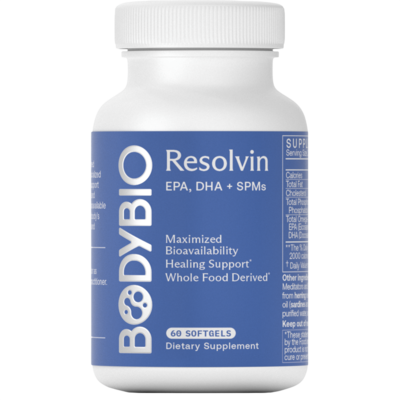
For this month’s Research Roundup, we are breaking down the science behind herring roe (aka caviar) —the ingredient that makes Resolvin our go-to for a healthy inflammatory response.* 🧪 Herring roe is packed with fats that trigger lipid mediators ( SPMs , specifically) to balance out good cholesterol, keep glucose steady, and improve skin conditions like psoriasis. While natural supplement research always takes a backseat to pharmaceutical research, these small studies share promising results that caviar is a delicacy for our immune system and our taste buds. 🐟 Want to dig deeper? Explore the links in the studies. Here’s What You’ll Learn: 🔍 Why the fats in herring roe are a good match against psoriasis 💊 How herring roe triggers SPM biosynthesis 🧑🔬 Why scientists think roe can help with appetite regulation 🧠 How glucose tolerance went up after participants took herring roe 1. Significant improvements were noticed in patients who used herring roe for psoriasis The Study: Tveit, K. S., Brokstad, K. A., Berge, R. K., Sæbø, P. C., Hallaråker, H., Brekke, S., Meland, N., & Bjørndal, B. (2020). A Randomized, Double-blind, Placebo-controlled Clinical Study to investigate the efficacy of Herring Roe Oil for treatment of Psoriasis. Acta dermato-venereologica, 100 (10), adv00154. https://doi.org/10.2340/00015555-3507 Key Highlights: This study compares herring roe oil supplements to a placebo supplement in human patients (the gold standard) Each herring roe capsule had 22% EPA and 66% DHA (some of it bound to phospholipids for better absorption) Many patients who took herring roe oil saw improvement in lesions, itching, redness, and scaling compared to the placebo group Why It Matters: For psoriasis patients, these findings suggest natural treatment options are available to target the inflammatory response at its root.* A lot of modern treatments focus on suppressing symptoms, while herring roe works to replenish the missing nutrients (like fats) that make the immune system work.* 2. Herring roe triggered SPM biosynthesis* The Study: Ringheim-Bakka, T. A., Saliani, A., Østbye, T. K., Mildenberger, J., Dooley, M., Busygina, M., Pedersen, M. E., Solberg, N. T., Dalli, J., & Gammelsaeter, R. (2026). Herring roe PLs promote SPM biosynthesis in macrophages and a keratinocyte/fibroblast coculture as a model of psoriasis. Journal of lipid research, 6 7(4), 101016. https://doi.org/10.1016/j.jlr.2026.101016 Key Highlights: The fats in herring roe oil triggered broad SPM production in cells Resolvin E3 and resolvin E2 were the strongest SPMs measured A marker linked to tissue repair showed up in immune cells Why It Matters: This cell-based study dives into the “how it works” behind herring roe’s positive results for psoriasis. It suggests the fats in herring roe oil trigger immune cells to produce more SPMs—which may lead to tissue repair.* That’s a fancy way of saying it nudges the immune cells to calm down the inflammatory response and return to baseline.* 3. Herring roe changes how we break down fats* The Study: Nishimura, M., Ohkawara, T., Kobayashi, H., Sato, Y., Munekata, M., & Nishihira, J. (2016). The effects of herring-roe lyophilized powder on lipid metabolism. Journal of traditional and complementary medicine, 6 (3), 247–251. https://doi.org/10.1016/j.jtcme.2015.04.002 Key Highlights: Free fatty acid levels were improved in participants who took herring roe (these are fats circulating in the bloodstream) Participants in this study also had higher levels of good cholesterol Leptin (the hormone that manages appetite) slightly increased in participants, so herring roe may also help reduce cravings* Why It Matters: Herring roe seems to help the body shift its fat metabolism in a favorable direction—lowering circulating free fatty acid levels and raising protective cholesterol. This is important, especially since we’re balancing higher levels of unhealthy fats in our diets with lower exposure to the healthy fats (like ones found in herring roe). Studies like this give us a window into the nutritional fat debate—showcasing how well-sourced fat isn’t the enemy, but probably a missing piece to our nutrition.* 4. The phospholipids in herring roe may improve glucose sensitivity* The Study: Bjørndal, B., Strand, E., Gjerde, J., Bohov, P., Svardal, A., Diehl, B. W., Innis, S. M., Berger, A., & Berge, R. K. (2014). Phospholipids from herring roe improve plasma lipids and glucose tolerance in healthy, young adults. Lipids in health and disease, 13 , 82. https://doi.org/10.1186/1476-511X-13-82 Key Highlights: HDL (aka “good cholesterol”) levels improved in people who took a herring roe supplement During an oral glucose test, participants showed improved glucose tolerance—processing a sugar challenge more efficiently Choline and betaine levels went up in blood levels, and fasting triglycerides decreased (which is good news for heart health) Why It Matters: Simply adding herring roe to the participants' diets helped improve good cholesterol levels, glucose tolerance, and triglyceride levels, hinting that the benefits of herring roe’s SPMs may extend beyond heart-related markers and into metabolic function.* The study also leads us to consider the bigger picture behind modern nutrition advice. A simple boost in healthy fats can do a lot for our metabolic health. In Summary Now for a little history lesson. 📚 The ancient Persians harvested caviar from the Caspian Sea because they believed it had “healing powers” and could improve stamina. Fact or fiction? That’s for you to decide. Our particular interest in herring roe stems from its whole food quality. Our bodies are more likely to absorb nutrients in their whole food form*—and herring roe is an easy way to make it happen. Reach for it next time you have a psoriasis breakout, blood sugar crash, or want to keep your fatty acid profile well-balanced. ⚖️ Supplement SPOTLIGHT: Featured Product: BodyBio Resolvin Your ultimate nutritional tool to combat inflammation and restore balance throughout the body on a cellular level. BodyBio Resolvin combines herring roe with phospholipids and fatty acids for a well-rounded fish oil approach. It’s nutrient-dense and sourced using gentle extraction, so the oil isn’t rancid before it reaches your supplement cabinet like so many fish oils. ✔️ Packed full of EPA and DHA fatty acids (like a regular fish oil supplement) ✔️ Phospholipids that improve supplement bioavailability* ✔️ Helps resolve inflammation and return the body to balance* ✔️ The actual results regular fish oil supplements make you think you’re getting 👉 Shop Resolvin below:
The 7 Most Common Nutrient Deficiencies in Hashimoto's
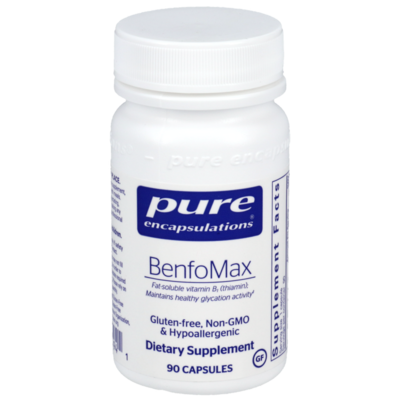
 9 more items in The 7 Most Common Nutrient Deficiencies in Hashimoto's
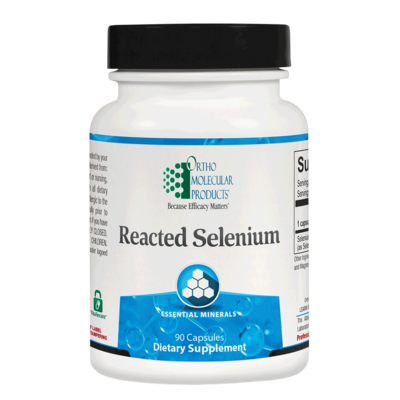
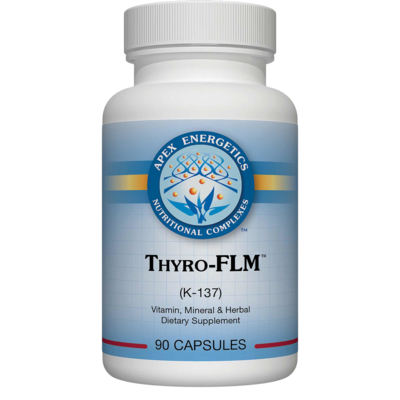
The 7 Most Common Nutrient Deficiencies in Hashimoto’s Why Are People with Hashimoto’s Prone to Nutrient Depletions? While macronutrients — carbs, fats, and proteins — are the three basic components of our diet, micronutrients are the vitamins and minerals that are vital to our well-being. Most people with Hashimoto’s have numerous micronutrient deficiencies. [2] In fact, I would argue that due to our current farming practices and the Standard American Diet (S.A.D.), micronutrient depletions are a factor for most people! Nutrient deficiencies can occur as a result of eating nutrient-poor foods or foods with less bioavailable (easily and readily absorbed and used) nutrients, following a calorie-restricted diet, having inflammation from infections or food sensitivities , taking certain medications , or having an imbalance of gut bacteria . Even people who are eating organic, nutrient-dense diets are at risk for micronutrient deficiencies, as factors like low stomach acid , fat malabsorption , and a deficiency in digestive enzymes will result in many of us not being able to properly break down the nutrients from the foods we eat. A lack of sufficient thyroid hormones can also lead to nutrient deficiencies, as it makes nutrient extraction from food more difficult and less efficient. Furthermore, these nutrient deficiencies can contribute to the development of Hashimoto’s, which in turn makes it more difficult to extract nutrients, and creates a cycle that can be difficult to break. I believe that restoring one’s nutrient levels through nutrient-dense foods, supplementation, and optimizing digestion, are some of the fastest ways to feel better with Hashimoto’s and begin to restore the body! The 7 Most Common Nutrient Deficiencies in Hashimoto’s From research and experience, I’ve concluded that the most common nutrient deficiencies in Hashimoto’s are (in no particular order): Selenium Vitamin D Vitamin B12 Iron/ Ferritin (the iron storage protein) Thiamine Zinc Magnesium I have separated the supplements into two groups: ones that can be safely supplemented with little or no nutrient testing, and ones that require testing for nutrient deficiencies prior to consumption. 4 Supplements Safe to Consume Without Getting Tested for Nutrient Deficiencies: I often see nutrient deficiencies in my clients with Hashimoto’s. Four supplements that I recommend taking, which generally produce a positive benefit and with very few side effects, are thiamine, magnesium, selenium, and zinc. Unlike vitamin D, B12, and ferritin, I don’t generally recommend testing for these nutrients before supplementation. Deficiencies can usually be addressed by supplementing these nutrients in the doses recommended below. Most people with Hashimoto’s have deficiencies in these nutrients, and I’ve seen very limited adverse reactions with supplementation (please check the special considerations/cautions sections under each supplement heading to learn about adverse reactions). Thiamine Thiamine (vitamin B1) is responsible for converting carbohydrates into energy. It also helps with the digestion of proteins and fats. Thiamine is necessary for the proper release of hydrochloric acid in the stomach, which is required for proper protein digestion — essential for healing from Hashimoto’s. It has been found to often be deficient in people with Hashimoto’s and Crohn’s disease. I wrote an article about thiamine a couple of years ago, and I still get hugs from readers at conferences, as well as messages from people who have turned their life around using thiamine. I recently received a letter from a reader who started on disability due to her thyroid fatigue and, with the use of thiamine, was able to return back to work! Thiamine helped me resolve my fatigue and the low blood pressure I battled for as long as I could remember. (It was sometimes as low as 80/50 mmHg!) My blood pressure has always tested normal after I started this supplement a few years ago. Research suggests that a dose of 600 mg of thiamine per day can turn fatigue around in three to five days. In my survey of 2232 people with Hashimoto’s, 36 percent of respondents reported that B1 supplementation made them feel better. Signs of thiamine deficiency can include: having Hashimoto’s or other autoimmune conditions, irritable bowel syndrome (IBS) , fatigue, low blood pressure, low stomach acid , brain fog, and/or adrenal and blood sugar issues. People with thiamine deficiencies may also feel worse after drinking alcohol or taking an L-glutamine supplement. Recommended Supplements: Benfomax from Pure Encapsulations Dose : 600 mg per day* *Please note: All dosage recommendations in this article are intended for adults. Please consult with your pediatrician before giving supplements to children. Expected Benefits : More energy, better brain function, stabilized blood pressure, and improved blood sugar tolerance When to Expect to See Benefits : Usually 3 to 5 days How Long to Take : 3 months to 2 years Special Considerations : If you have an adverse reaction to thiamine (which is rare), I recommend detoxifying the liver with a liver support protocol . I’ve found that sensitivities to B vitamins could be a symptom of “liver congestion,” a condition that can lead to multiple chemical sensitivities and numerous symptoms. Precautions : Thiamine is generally safe if taken in the recommended dosages. One exception to this is for people with cancer, as thiamine can influence the growth of tumor cells. Because of this unusual dose-response pattern, I strongly advise working with an integrative cancer specialist if you have a thiamine deficiency and cancer. Additionally, there is some evidence to suggest that digoxin can reduce the body’s ability to absorb and utilize thiamine, especially when taken in combination with furosemide. Check with your health practitioner if you are on other medications or if you have other health conditions, to ensure thiamine is safe for you. Selenium I used to have panic attacks… but they stopped after I started taking selenium (and balancing my blood sugar ). I’ve seen this time and time again, and it makes me so happy to see improvements with this one inexpensive nutrient! Selenium deficiency has been recognized as an environmental trigger for Hashimoto’s, and most people with Hashimoto’s are at risk for this deficiency, which can manifest as increased anxiety , fatigue , and depression . Populations at higher risk of selenium deficiency include those with IBS and celiac disease. In my personal experience and my experience with clients, I have seen that IBS symptoms often show up many years before a thyroid condition is recognized. I often wonder if one of the mechanisms behind this is the depletion of selenium. Because cereals and grains tend to be higher in selenium, people who follow grain-free diets and eat non-processed foods may also be at a greater risk of selenium deficiency. Numerous studies support using selenium in Hashimoto’s, Graves’ , and pregnancy. In fact, selenium can help prevent postpartum Hashimoto’s. A dose of 200 mcg per day has been found to reduce TPO antibodies by about 50 percent within three months! Additionally, 62 percent of my readers have reported increased energy levels with the same dose. When combined with myo-inositol, selenium has been shown to be beneficial in a dose as low as 83 mcg. Consuming both of these together may not only reduce thyroid antibodies, but may also reduce TSH. Myo-inositol can also support blood sugar levels and healthy hormone balance, so if these are areas where you need support, a combined supplement like Rootcology’s Selenium + Myo-Inositol might work really well for you!* Recommended Supplement : Reacted Selenium (contains 200 mcg of selenium per capsule) or Selenium + Myo-Inositol in Thyroid FLM (contains 83 mcg of selenium per capsule) Dose : 200-400 mcg per day on its own, or 83 mcg per day if combined with myo-inositol Expected Benefits : Less anxiety, better T4 to T3 conversion, lower thyroid antibodies, more energy, less hair loss, fewer palpitations When to Expect to See Benefits : Usually 3 to 5 days for symptoms to start improving, and 3 full months to see a reduction in thyroid antibodies How Long to Take : 3 months to 2 years Special Considerations : Selenium is best utilized when it is formulated with methionine, a sulfur-containing amino acid. Ingredients may show up as selenium methionine or selenomethionine. As this version of selenium contains sulfur, this may cause an adverse reaction in those with a CBS mutation and those who are sulfur-sensitive. Precautions : Selenium can cause adverse reactions if you have an iodine deficiency. While iodine can both trigger and exacerbate Hashimoto’s, some people may be deficient in it and may benefit from a low-dose iodine supplement. Up to 250 mcg of iodine has been well-tolerated in people with Hashimoto’s, and most multi and prenatal vitamins contain anywhere from 150-250 mcg. (Read more about this in my article on iodine and Hashimoto’s .) Selenium has a narrow therapeutic index, and doses of under 100 mcg per day (when used as monotherapy) may not be sufficient for improving Hashimoto’s symptoms and markers, while doses in excess of 800 mcg per day can be toxic. The RDA in the United States lists 400 mcg of selenium per day as the upper limit, while a study done in China found signs of toxicity at doses of 900 mcg. [19] Please keep in mind that everyone’s chemistry is different, and you may have an underlying health issue that adds risk to you reacting to selenium supplements, so I always recommend that you discuss any type of supplementation with your practitioner. Additionally, it is important to note that some foods and herbal supplements, such as those taken for lactation support, may be sources of selenium. These include Brazil nuts, burdock root, alfalfa, fenugreek, fennel seed, catnip, chamomile, garlic, cayenne, nettle, oat-straw, yarrow, peppermint, sarsaparilla, lemongrass, ginseng, hawthorn berry, rose hips, and raspberry leaf. Please consult with your practitioner to determine the most appropriate dosage for you, to avoid selenium toxicity. Magnesium I’ve heard magnesium referred to as a “miracle nutrient,” and I couldn’t agree more! Magnesium is necessary for more than 300 biochemical reactions in the body: it supports the immune system, maintains normal nerve and muscle function, regulates the heartbeat, strengthens bones, keeps blood glucose levels steady, and plays a role in the production of energy. [20] Magnesium deficiency can cause migraines, headaches, insomnia, menstrual cramps, anxiety, joint pain, and a whole host of other symptoms (including intolerance to loud noises), while supplementation can resolve them. I have witnessed the miracle of magnesium for myself, personally, in the realm of menstrual cramps. I used to get cramps that were so horrific, I often had to miss school and work on the first day of my menses. I remember a time during my pharmacy internship when I had to physically lay down in the back of the pharmacy because my menstrual cramps were unbearable. With enough magnesium on board, my menstrual cramps are thankfully a thing of the past! Additionally, studies show that long-term use can help with normalizing the appearance of the thyroid gland on ultrasound tests, and magnesium may also help reduce thyroid and breast nodules. [21] Recommended Supplement : Magnesium Citrate Powder by Designs for Health or Magnesium (glycinate) by Pure Encapsulations . Choose citrate if you tend to be constipated; glycinate if your stools tend to be on the looser side. (Please note that Rootcology supplements only ship to the U.S. at this time. International readers may consider Magnesium (citrate powder) by Pure Encapsulations .) Dose : 100 to 400 mg daily, at bedtime (Note: Do not exceed 400 mg per day.) Expected Benefits: Reduced anxiety, reduced palpitations, more energy, improvements to the appearance of the thyroid during ultrasound tests (when used long-term), reduced menstrual cramps, better sleep, relief from constipation, migraines, cramps, and pain. When to Expect to See Benefits : This really depends on an individual’s set of symptoms. In my experience, clients see benefits with anxiety, insomnia, menstrual cramps, and even migraines/headaches, within the first week. I have also seen menstrual cramps reduced by 80-90 percent within the first month, and pain continues to decrease with continued use. With regard to normalizing thyroid appearances on ultrasound tests, this may take 8 months to a few years of use. How Long to Take : 3 months to lifetime Special Considerations : Make sure to space your magnesium by at least four hours from thyroid medications, iron supplements, and calcium supplements, as magnesium can block their absorption. I prefer taking magnesium at bedtime because it promotes restful sleep. Magnesium citrate can cause loose stools, which may be a good or a bad side effect, depending on which direction you tend to swing. Consider magnesium glycinate if you tend to experience diarrhea, or magnesium citrate if you tend to be more constipated. Keep in mind that, for some people, the glycinate version can worsen anxiety symptoms. If you are prone to anxiety, the citrate version would be a better choice. Precautions : When taken in the recommended dosage, magnesium is generally considered safe. However, do not take magnesium if you are taking levodopa/carbidopa, as it can reduce the effectiveness of this drug. There may be moderate interactions with some other medications, so check with your doctor if you have any concerns. [22] Note that Rootcology Magnesium Citrate powder contains ingredients that could cause sensitivity or allergic reactions to those with corn or pineapple allergies. Zinc Zinc is involved as a catalyst in many different pathways in the body. It’s also very important for gut health, immune function, tissue healing, the conversion of T4 to T3, and the production of TSH. It can help tighten the intestinal junctions of those with intestinal permeability as well. Symptoms of zinc deficiency include poor wound healing, impaired taste and smell, and thin, brittle, peeling, or white-spotted nails. Those low in zinc may also have a weakened immune system and suffer from allergies, frequent colds, or respiratory infections. Low alkaline phosphatase (ALP) on a blood test can provide an indirect indication of zinc deficiency (the optimal range for alkaline phosphatase is 70-90 IU/L). Depleted zinc levels can result in diarrhea, hair loss, impotence, loss of appetite, skin issues (acne, rashes, canker sores, foot fungus), depression, impaired vision, low sperm count, ADHD, unexplained weight loss, a lack of alertness, and open sores on the skin. Over 52 percent of my surveyed readers reported feeling better after starting zinc supplementation. Who is at Risk for Deficiency : Since zinc is needed to form TSH, those who are constantly producing TSH are more likely to develop deficiencies in zinc. If you have celiac disease or any other malabsorption syndrome that has caused intestinal damage, you may have an impaired ability to absorb zinc. Recommended Supplement : Zinc by Pure Dose : 30 mg per day (larger doses require a doctor’s supervision) Special Considerations : To ensure proper absorption, zinc supplements should be taken with food. I’ve also found that taking 500 mg of evening primrose oil , twice per day, improves the absorption of zinc (available via Fullscript – if you don’t have an account, you can sign up using my credentials here ). (Thanks to Trudy Scott for the tip!) Doses should be no more than 30 mg per day without your doctor’s supervision. This is because doses above 40 mg may cause a depletion in copper levels. Zinc supplementation can also deplete one’s iron levels. Precautions: Doses should be no more than 30 mg per day without a doctor’s supervision. Doses above 40 mg may cause a depletion in copper and/or iron levels. Zinc supplementation may also not be appropriate for those with HIV/AIDS, those taking antibiotics or penicillamine (Cuprimine, Depen), or those with renal (kidney) dysfunction. Some individuals may experience nausea, diarrhea, vomiting, headaches, or a “metallic taste” in the mouth when supplementing with zinc. This may be a sign of zinc toxicity or overdose, and you may need to cut back on your dose or avoid zinc supplementation altogether. [27] As always, please consult with your local practitioner to determine if zinc supplementation is appropriate for you. The 3 Most Important Thyroid Nutrient Tests Vitamin D, B12, and ferritin are very common nutrient deficiencies that I’ve seen in those with Hashimoto’s, but unlike the ones mentioned above, require testing before starting supplementation. Most doctors will order these tests for you if you ask, and the tests should be covered by your insurance. If you do not have a doctor who is willing to order the tests for you, or if you have a high-deductible insurance plan, I’ve provided links for self-ordering options for each of the tests below, as well as a guideline for your optimal reference range, and my preferred supplement choice. Additionally, we can also run a Micronutrient panel can be used to test for thiamine and magnesium deficiencies. However, selenium and zinc levels are not reliably found via blood tests. Please note : The lab interpretation guide I provide below is based on functional labs. In some cases, doctors may consider your numbers “normal” when you are indeed deficient. Make sure to be an educated and empowered patient, and always ask for a copy of your own labs so that you don’t miss out on the life-changing effects of these important nutrients! Vitamin D Recommended Test : I recommend testing for vitamin D deficiency with the Vitamin D 25-Hydroxyvitamin or 25(OH)D test, then retesting within three months once you start supplementing, to make sure that you are getting enough, but not too much. In contrast to most vitamins which are water-soluble and are excreted by the body in excess, vitamin D is fat-soluble and can build up. Understanding Your Results : Vitamin D levels should be between 80 and 90 ng/mL for optimal thyroid receptor and immune system function. Vitamin B12 Recommended Test : You can test your B12 (cobalamin) levels through your healthcare provider or through the blood spot test attached in Fullscript . This is not a routine test but is covered by most insurance plans. Levels may be low, even if all other screening tests for iron and anemia come out within the reference range. Understanding Your Results : Optimal B12 levels should be between 900-1100 pg/mL. Please note: most labs will not flag low B12 levels unless they are under 200 pg/mL. Ferritin Recommended Test : Ferritin levels may be low, even if all other screening tests for iron and anemia come out within the reference range. You need to specifically test for ferritin. Understanding Your Results : Normal ferritin levels for women are between 12-150 ng/mL. According to some experts, ferritin levels of at least 40 ng/mL are required to stop hair loss, while levels of at least 70 ng/mL are needed for hair regrowth. The optimal ferritin level for thyroid function is between 90-110 ng/mL. How to Access Thyroid Nutrient Tests All of the above labs can be ordered by your primary care doctor or endocrinologist, and are covered by most insurance plans. I believe that these tests should be the standard of care for everyone with Hashimoto’s, but you may need to request them from your doctor. Please note : If you don’t have a doctor that can order the labs for you, you can order each of the labs separately, or you can order the full Thyroid Warrior Panel with Dr. Meg. 3 Supplements Safe to Consume After Getting Tested for Nutrient Deficiencies I recommend getting tested for the following nutrient deficiencies before starting on supplements in order to ensure optimal levels. Vitamin D Vitamin D deficiency is more commonly found in people with Hashimoto’s — 68 percent of my readers with Hashimoto’s reported also being diagnosed with vitamin D deficiency — and deficiency has been correlated with the presence of antithyroid antibodies . Research done in Turkey found that 92 percent of Hashimoto’s patients were deficient in vitamin D, and another 2013 study found that low vitamin D levels were associated with higher thyroid antibodies and worse disease prognosis. According to my 2015 survey, 74 percent of my readers felt better after taking a vitamin D supplement! This isn’t surprising, as vitamin D supplements can improve our mood and help us reduce thyroid antibody levels. Both thyroid peroxidase and thyroglobulin antibodies were reduced in a Polish trial of 18 women who were supplementing with vitamin D, to reach a target level of 60 ng/mL. [30] I’ve personally found that most of my clients who are in remission from Hashimoto’s keep their levels of vitamin D between 60-80 ng/mL. Who is at Risk for Deficiency : Anyone who is not a full-time lifeguard in Southern California may be at risk. 🙂 Vitamin D deficiency is rampant, especially in most North Americans, Europeans, and Australians — and it affects a large number of people with Hashimoto’s. A low-fat diet or fat malabsorption issue increases the risk. Recommended Supplement : Vitamin D3 by Metagenics with K2 Dose : I generally recommend a dose of 2,000-5,000 IU for my clients, with a recheck in 3 months. Special Considerations : I also recommend spending time in the sunshine to get more vitamin D if you have Hashimoto’s. If you don’t live in a warm climate, get to one! You have an official prescription for a beach vacation from yours truly! Precautions : Be sure to keep monitoring your levels if you’re using more than 2,000 IU of vitamin D per day, as large doses can cause hypercalcemia (signs include headache, weakness, nausea, vomiting, and constipation). Individuals with hyperparathyroidism or kidney disease are at particular risk. If pregnant or lactating, consult your physician before taking vitamin D3. 10,000 IU is for short-term or intermittent use only. Vitamin D supplementation may result in hypercalcemia in certain individuals taking digoxin or thiazide diuretics. Vitamin B12 Vitamin B12 helps us with our energy production. Low levels are commonly associated with Hashimoto’s and may lead to fatigue, depression, neurological issues, impaired digestion, brain fog, tingling extremities, nerve damage, seizures, and anemia. Who is at Risk for Deficiency : Vegans and vegetarians are at the greatest risk, due to the fact that B12 is only found in animal foods and cannot be synthesized by the human body. Those with pernicious anemia (a type of autoimmune condition), H. pylori , and SIBO may also be susceptible. In my survey of 2232 people with Hashimoto’s, 33 percent reported that they had tested as deficient in this all-important vitamin, and 76 percent said they felt better after taking a B12 supplement. Recommended Supplement : MF B complex Dose : 1 capsule daily with first meal of the day. Monitoring : You can’t really overdose on B12, as it’s water-soluble, but I always recommend doing the initial test and retesting three months later, to track and monitor your progress. Special Considerations : Be sure to use the sublingual version, as swallowing B12 may result in inadequate absorption. Injections are also available and are highly effective; however, the sublingual form is just as effective, much less expensive, and pain-free. If you have the COMT V158M gene mutation or mitochondrial issues, connect with Dr. Meg to make sure you are on the right supplemet. Precautions : This product is generally safe, with no known drug interactions. However, please check with your doctor if you are on other medications. In addition, if you have pernicious anemia, please note that it’s often triggered by H. pylori , which can trigger both Hashimoto’s and pernicious anemia. Treatment can reverse both conditions! Ferritin Ferritin is our iron storage protein. Low levels are commonly associated with Hashimoto’s and may lead to fatigue, difficulty breathing, and hair loss. According to my 2015 survey of readers, supplementation made 63 percent of them feel better. Who is at Risk for Deficiency : Women who menstruate and/or are postpartum may be at increased risk due to blood loss. Health conditions that affect our gut microbiota, including SIBO , H. pylori , and low stomach acid , can also cause a ferritin deficiency. [34] Vegan/vegetarian diets, various co-factor deficiencies (article coming soon), and heavy metal toxicity (including copper toxicity) are also factors when it comes to low ferritin levels. [35] Recommended Supplement : Body Bio Liposomal C and Iron Bisglycinate. Dose : Take in AM, 2 hours away from food and coffee or tea Special Considerations : Ferritin can be deficient due to numerous root causes, including a lack of stomach acid that helps us absorb iron from iron-rich foods — so if supplementing does not address your levels, you will need to do some more digging. Precautions : Having too much ferritin in your body can be toxic. I recommend retesting your ferritin levels to ensure that your body is not overloaded. If you have elevated ferritin levels, you may have iron overload and may benefit from blood donations. Monitoring Your Thyroid Hormones When Supplementing Whenever you start a lifestyle or complementary intervention to address Hashimoto’s, it’s important to work with your doctor to monitor your thyroid symptoms, thyroid hormones, and thyroid antibodies. Selenium, vitamin D, zinc, and magnesium can impact your levels of thyroid hormones. This could potentially reduce your requirement (or need) for thyroid meds. So as you move forward with supplementation, please look out for the following symptoms of being overmedicated: rapid or irregular heartbeat, nervousness, irritability or mood swings, muscle weakness or tremors, diarrhea, heat intolerance, menstrual irregularities, hair loss, weight loss, insomnia, chest pain, and/or excessive sweating. I recommend testing thyroid hormone levels every six to 12 weeks while taking supplements, to ensure your thyroid medication dosage is optimized, or sooner, if you are showing any of the above symptoms. Thyroid medications are goldilocks hormones — they need to be used in just the right dose — and there are risk factors of being overmedicated. Testing TSH, T4, T3, and the two most common Hashimoto’s antibodies (TPO and TG antibodies — you can read more about thyroid tests here ) is an important part of ensuring that the lifestyle changes you are making are both safe and helpful. 🙂 If your doctor is ordering these thyroid labs for you, be sure to request a copy so that you can see them for yourself and ensure that they are interpreted correctly. If you aren’t able to use your physician for ordering, or have a high deductible insurance plan as I do, you may also wish to self-order your own thyroid monitoring labs. I recommend my Journeys lab panels for monitoring your progress, which can be ordered anywhere in the US. Action Steps In summary, the most important nutrient depletions to address in those with Hashimoto’s include thiamine , selenium , magnesium ( citrate or glycinate ), ferritin , B12 , vitamin D , and zinc . Thiamine, selenium, zinc, and magnesium are safe and helpful for most people with Hashimoto’s, and most people will see a significant benefit from these supplements. Vitamin D, vitamin B12, and ferritin require testing before supplementing, but also give great results — so be sure to request lab tests for these three nutrients, to see if you would benefit from supplementation. As with all supplements, please be sure to consult with your healthcare practitioner to determine the dosage and duration that is right for you, and to ensure they do not interact with any other supplements or medications that you may currently be taking. Medically reviewed by Izabella Wentz, PharmD, FASCP
Featured product collections
Discover groups of products curated by Dr. Meg's Supplements for SUCCESS.
Acid Reflux/ Gerd/ GI
28 products

Dr. Meg Landis
Welcome to your path to wellness! Dr. Meg's practice revolves around YOU! Together we will focus on getting to your root cause: why do you feel they way you feel? We will create a customized plan that will help you reach your goals for WELLNESS! I am honored to join you on this journey!
My websiteFocus areas
Environmental Health
Gastrointestinal Health
Immune Health
Endocrine / Hormonal Health
States of practice
Alabama
Alaska
Arizona
Arkansas
California
Colorado
Connecticut
Delaware
District of Columbia
Florida
Georgia
Hawaii
Idaho
Illinois
Indiana
Iowa
Kansas
Kentucky
Louisiana
Maine
Maryland
Massachusetts
Michigan
Minnesota
Mississippi
Missouri
Montana
Nebraska
Nevada
New Hampshire
New Jersey
New Mexico
New York
North Carolina
North Dakota
Ohio
Oklahoma
Oregon
Pennsylvania
Puerto Rico
Rhode Island
South Carolina
South Dakota
Tennessee
Texas
Utah
Vermont
Virginia
Washington
West Virginia
Wisconsin
Wyoming
Shop the entire wellness catalog, held to a higher standard
Shop practitioner-grade products, each meeting the same bar for quality through Fullscript's standards.
Powered byVerified
Sourced straight from the brand — no resellers or fakes
Enhanced testing
Select products are tested in-house — get exactly what the label promises
Stored and shipped
From certified facilities, to protect product integrity