
Dr. Meg's Supplements for SUCCESS
Welcome! Through Fullscript, Dr. Meg's Supplements for SUCCESS offers high-quality supplements and wellness products, delivered right to your door. Get started with the recommended products from Dr. Meg's Supplements for SUCCESS, or sign in/up to explore the entire product catalog.
Up to 10% off every order when you sign up*
Shop the highest quality, rigorously tested supplements
Fast and free shipping for orders over $50
*Labs and select products not eligible
Existing account? Log in here
Featured public protocols
Dr. Meg's Supplements for SUCCESS's general recommendations, available to anyone who visits this store.
DAO: The Enzyme at the Center of the Dietary Histamine Conversation
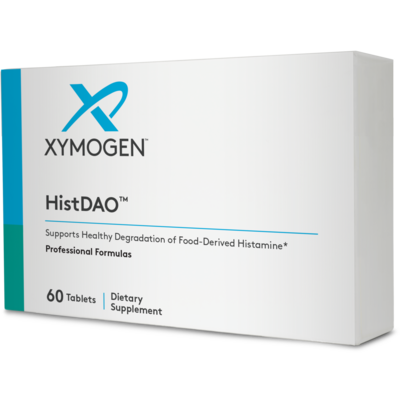
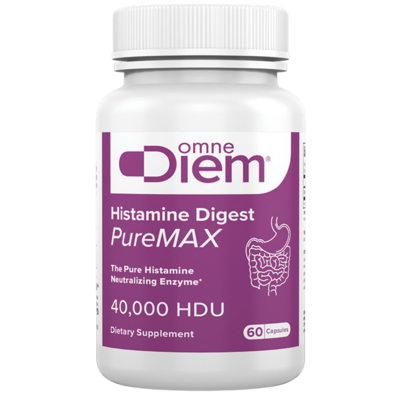
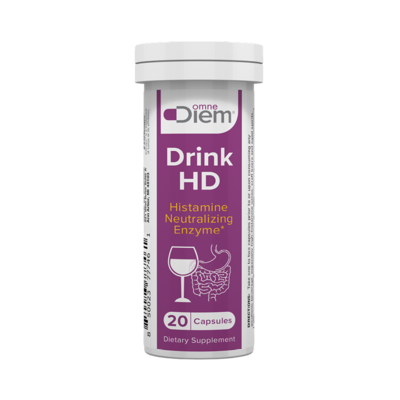 2 more items in DAO: The Enzyme at the Center of the Dietary Histamine Conversation
DAO: The Enzyme at the Center of the Dietary Histamine Conversation Diamine oxidase (DAO) is the enzyme your gut uses to break down histamine from food before it reaches your bloodstream. When the body’s natural DAO activity can’t keep up with its overall histamine load, occasional discomfort is often the first clue. Read on to learn more about how DAO plays an important role in understanding histamine sensitivity and how you can help support your body’s natural response to histamine overload. What Is DAO (Diamine Oxidase)? Histamine occurs naturally in the body and in many foods. Two enzymes clear it: DAO, in the gut lining, and HNMT (Histamine N-methyltransferase), inside cells. DAO helps your body clear excess histamine in the body, especially from foods that carry high histamine such as leftovers, fermented products and beverages like red wine, or aged meats and cheese. Where Is DAO Produced, and Why Does DAO Activity Vary? Most DAO is produced in the small intestine lining, plus the kidneys and, during pregnancy , the placenta. Activity varies person to person; lower activity is associated with a histamine-heavy diet, alcohol (which competes with DAO along the same pathway), intestinal-lining conditions, some medications, and genetics. 1 Why Do I React More on Certain Days From High Histamine Foods and Not Other Days? One of the most confusing things about histamine intolerance is how unpredictable it feels. This is where the histamine bucket metaphor comes into play. Every day, your bucket starts at a different level, depending on a variety of factors, including stress, hormones , and the food you eat. Same food, same person, different starting level — that’s the variable most people miss. How Do You Know If Your DAO Is Low? Because DAO acts in the gut, its effects tend to show up shortly after eating foods that are either high in histamine, or are histamine liberators : digestive discomfort, facial flushing, itching, nasal congestion, or a pounding head tied to certain foods. Food-related discomfort can have many causes, so these patterns are worth discussing with a healthcare provider rather than self-diagnosing. Nutrient Cofactors DAO Depends On Like most enzymes, DAO depends on specific nutrients. The clearest example is copper: DAO belongs to a family of copper-containing amine oxidases, making copper a structural, catalytic part of the enzyme. What Are HDUs? HDU stands for Histamine-Degrading Unit — a lab measurement of how much histamine a set amount of DAO enzyme can break down under standardized conditions. It’s how DAO potency is compared across products, similar to USP or FCC units for other enzymes. A higher HDU count means more measured activity per capsule, not a different type of DAO — from a standard formula’s 30,000 HDU up to a purer formula’s 40,000 HDU . How Do I Support My DAO Enzyme Levels? Typically, lowering dietary histamine intake, and giving your gut extra DAO when needed via supplementation, is the standard way to support your body’s overall histamine load and the natural clearing process. Choosing fresher foods over aged, fermented, or leftovers is one way many people find helpful, along with DAO supplementation. Check out our Low Histamine Shopping List , which also includes links to healthy, tasty recipes you can try as a good starting point. Pea vs. Porcine-Derived DAO Supplements DAO supplements are sourced from porcine (pork) kidney or from peas. Porcine-derived DAO is behind most published human research, with an established safety profile and HDU-measurable activity. Pea-derived DAO’s advantage is dietary inclusivity for vegetarian, vegan, or religious needs — but human trials are limited, and it isn’t well established that active DAO survives extraction from peas (dried pea powder contains none). That’s why DAOgest® is porcine-derived. See our full comparison for more.* How Long Before Eating Should I Take DAO Supplements? For optimal effectiveness, we recommend taking OmneDiem’s Histamine Digest 15–30 minutes before consuming a meal or beverage. This allows the DAO enzyme to be present in your digestive tract and ready to assist the body’s natural process of breaking down histamine from the food you consume. How Are DAO Supplements Different From Antihistamines? Antihistamines work after the fact, blocking histamine receptors once histamine is already circulating. A DAO enzyme supplement works earlier, in the gut, helping support the breakdown of dietary histamine before it’s absorbed — used proactively, before a meal, rather than reactively.* If you’re taking antihistamines for allergies, a DAO supplement isn’t a replacement for them. Talk with your healthcare provider before adding a DAO supplement to your antihistamine routine. FAQ About DAO Supplements What is Histamine Intolerance? Histamine intolerance describes what happens when more histamine comes in — from food, or the body’s own release — than DAO can break down in the gut, so dietary histamine builds past a person’s individual tolerance. Because effects can show up across the gut, skin, sinuses, sleep, and mood, it’s easily mistaken for other things, and standard testing has real limits, so many people go a long time without a clear answer. It isn’t a formal diagnosis in the way an allergy is — it’s a pattern of sensitivity that people and their healthcare providers work through case by case. Read more in Histamine Intolerance Is Real . What is DAO deficiency? “DAO deficiency” describes gut DAO activity that doesn’t keep pace with dietary histamine, rather than a single diagnosable condition. A healthcare provider is the right resource for evaluating persistent symptoms. What’s the Difference Between a Food Allergy and a Food Intolerance? A food allergy is an immune-system response that can trigger a sudden, severe reaction — including anaphylaxis — from even a small amount. A food intolerance is a digestive-system issue, often tied to an enzyme shortfall (DAO for dietary histamine, lactase for lactose), with symptoms usually limited to discomfort like gas and bloating. 1 OmneDiem’s DAO enzyme supplements support the normal breakdown of dietary histamine and have no effect on food allergies. If you suspect a true food allergy, seek immediate medical attention. This page is for general educational purposes only and isn’t intended as medical advice. Talk with a trusted healthcare provider for your individual health needs.
Supplement Spotlight: Resolvin
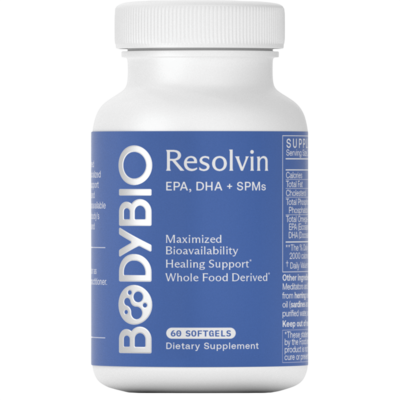
For this month’s Research Roundup, we are breaking down the science behind herring roe (aka caviar) —the ingredient that makes Resolvin our go-to for a healthy inflammatory response.* 🧪 Herring roe is packed with fats that trigger lipid mediators ( SPMs , specifically) to balance out good cholesterol, keep glucose steady, and improve skin conditions like psoriasis. While natural supplement research always takes a backseat to pharmaceutical research, these small studies share promising results that caviar is a delicacy for our immune system and our taste buds. 🐟 Want to dig deeper? Explore the links in the studies. Here’s What You’ll Learn: 🔍 Why the fats in herring roe are a good match against psoriasis 💊 How herring roe triggers SPM biosynthesis 🧑🔬 Why scientists think roe can help with appetite regulation 🧠 How glucose tolerance went up after participants took herring roe 1. Significant improvements were noticed in patients who used herring roe for psoriasis The Study: Tveit, K. S., Brokstad, K. A., Berge, R. K., Sæbø, P. C., Hallaråker, H., Brekke, S., Meland, N., & Bjørndal, B. (2020). A Randomized, Double-blind, Placebo-controlled Clinical Study to investigate the efficacy of Herring Roe Oil for treatment of Psoriasis. Acta dermato-venereologica, 100 (10), adv00154. https://doi.org/10.2340/00015555-3507 Key Highlights: This study compares herring roe oil supplements to a placebo supplement in human patients (the gold standard) Each herring roe capsule had 22% EPA and 66% DHA (some of it bound to phospholipids for better absorption) Many patients who took herring roe oil saw improvement in lesions, itching, redness, and scaling compared to the placebo group Why It Matters: For psoriasis patients, these findings suggest natural treatment options are available to target the inflammatory response at its root.* A lot of modern treatments focus on suppressing symptoms, while herring roe works to replenish the missing nutrients (like fats) that make the immune system work.* 2. Herring roe triggered SPM biosynthesis* The Study: Ringheim-Bakka, T. A., Saliani, A., Østbye, T. K., Mildenberger, J., Dooley, M., Busygina, M., Pedersen, M. E., Solberg, N. T., Dalli, J., & Gammelsaeter, R. (2026). Herring roe PLs promote SPM biosynthesis in macrophages and a keratinocyte/fibroblast coculture as a model of psoriasis. Journal of lipid research, 6 7(4), 101016. https://doi.org/10.1016/j.jlr.2026.101016 Key Highlights: The fats in herring roe oil triggered broad SPM production in cells Resolvin E3 and resolvin E2 were the strongest SPMs measured A marker linked to tissue repair showed up in immune cells Why It Matters: This cell-based study dives into the “how it works” behind herring roe’s positive results for psoriasis. It suggests the fats in herring roe oil trigger immune cells to produce more SPMs—which may lead to tissue repair.* That’s a fancy way of saying it nudges the immune cells to calm down the inflammatory response and return to baseline.* 3. Herring roe changes how we break down fats* The Study: Nishimura, M., Ohkawara, T., Kobayashi, H., Sato, Y., Munekata, M., & Nishihira, J. (2016). The effects of herring-roe lyophilized powder on lipid metabolism. Journal of traditional and complementary medicine, 6 (3), 247–251. https://doi.org/10.1016/j.jtcme.2015.04.002 Key Highlights: Free fatty acid levels were improved in participants who took herring roe (these are fats circulating in the bloodstream) Participants in this study also had higher levels of good cholesterol Leptin (the hormone that manages appetite) slightly increased in participants, so herring roe may also help reduce cravings* Why It Matters: Herring roe seems to help the body shift its fat metabolism in a favorable direction—lowering circulating free fatty acid levels and raising protective cholesterol. This is important, especially since we’re balancing higher levels of unhealthy fats in our diets with lower exposure to the healthy fats (like ones found in herring roe). Studies like this give us a window into the nutritional fat debate—showcasing how well-sourced fat isn’t the enemy, but probably a missing piece to our nutrition.* 4. The phospholipids in herring roe may improve glucose sensitivity* The Study: Bjørndal, B., Strand, E., Gjerde, J., Bohov, P., Svardal, A., Diehl, B. W., Innis, S. M., Berger, A., & Berge, R. K. (2014). Phospholipids from herring roe improve plasma lipids and glucose tolerance in healthy, young adults. Lipids in health and disease, 13 , 82. https://doi.org/10.1186/1476-511X-13-82 Key Highlights: HDL (aka “good cholesterol”) levels improved in people who took a herring roe supplement During an oral glucose test, participants showed improved glucose tolerance—processing a sugar challenge more efficiently Choline and betaine levels went up in blood levels, and fasting triglycerides decreased (which is good news for heart health) Why It Matters: Simply adding herring roe to the participants' diets helped improve good cholesterol levels, glucose tolerance, and triglyceride levels, hinting that the benefits of herring roe’s SPMs may extend beyond heart-related markers and into metabolic function.* The study also leads us to consider the bigger picture behind modern nutrition advice. A simple boost in healthy fats can do a lot for our metabolic health. In Summary Now for a little history lesson. 📚 The ancient Persians harvested caviar from the Caspian Sea because they believed it had “healing powers” and could improve stamina. Fact or fiction? That’s for you to decide. Our particular interest in herring roe stems from its whole food quality. Our bodies are more likely to absorb nutrients in their whole food form*—and herring roe is an easy way to make it happen. Reach for it next time you have a psoriasis breakout, blood sugar crash, or want to keep your fatty acid profile well-balanced. ⚖️ Supplement SPOTLIGHT: Featured Product: BodyBio Resolvin Your ultimate nutritional tool to combat inflammation and restore balance throughout the body on a cellular level. BodyBio Resolvin combines herring roe with phospholipids and fatty acids for a well-rounded fish oil approach. It’s nutrient-dense and sourced using gentle extraction, so the oil isn’t rancid before it reaches your supplement cabinet like so many fish oils. ✔️ Packed full of EPA and DHA fatty acids (like a regular fish oil supplement) ✔️ Phospholipids that improve supplement bioavailability* ✔️ Helps resolve inflammation and return the body to balance* ✔️ The actual results regular fish oil supplements make you think you’re getting 👉 Shop Resolvin below:
The 7 Most Common Nutrient Deficiencies in Hashimoto's
 9 more items in The 7 Most Common Nutrient Deficiencies in Hashimoto's
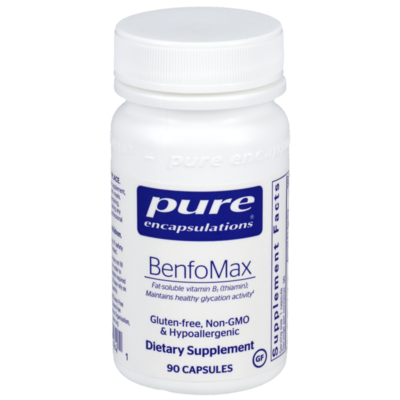
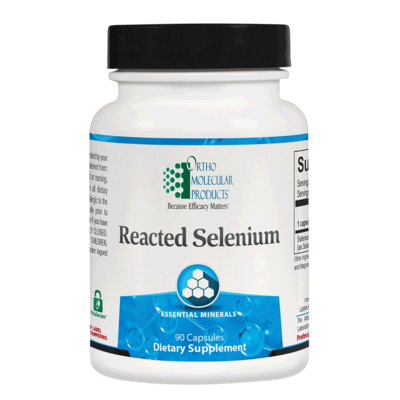
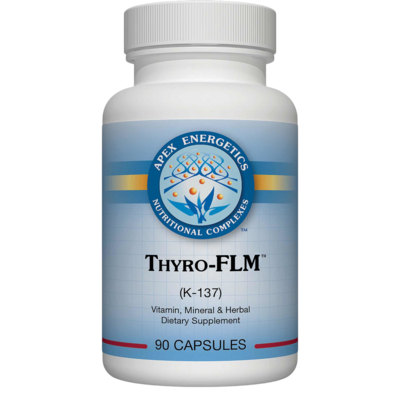
The 7 Most Common Nutrient Deficiencies in Hashimoto’s Why Are People with Hashimoto’s Prone to Nutrient Depletions? While macronutrients — carbs, fats, and proteins — are the three basic components of our diet, micronutrients are the vitamins and minerals that are vital to our well-being. Most people with Hashimoto’s have numerous micronutrient deficiencies. [2] In fact, I would argue that due to our current farming practices and the Standard American Diet (S.A.D.), micronutrient depletions are a factor for most people! Nutrient deficiencies can occur as a result of eating nutrient-poor foods or foods with less bioavailable (easily and readily absorbed and used) nutrients, following a calorie-restricted diet, having inflammation from infections or food sensitivities , taking certain medications , or having an imbalance of gut bacteria . Even people who are eating organic, nutrient-dense diets are at risk for micronutrient deficiencies, as factors like low stomach acid , fat malabsorption , and a deficiency in digestive enzymes will result in many of us not being able to properly break down the nutrients from the foods we eat. A lack of sufficient thyroid hormones can also lead to nutrient deficiencies, as it makes nutrient extraction from food more difficult and less efficient. Furthermore, these nutrient deficiencies can contribute to the development of Hashimoto’s, which in turn makes it more difficult to extract nutrients, and creates a cycle that can be difficult to break. I believe that restoring one’s nutrient levels through nutrient-dense foods, supplementation, and optimizing digestion, are some of the fastest ways to feel better with Hashimoto’s and begin to restore the body! The 7 Most Common Nutrient Deficiencies in Hashimoto’s From research and experience, I’ve concluded that the most common nutrient deficiencies in Hashimoto’s are (in no particular order): Selenium Vitamin D Vitamin B12 Iron/ Ferritin (the iron storage protein) Thiamine Zinc Magnesium I have separated the supplements into two groups: ones that can be safely supplemented with little or no nutrient testing, and ones that require testing for nutrient deficiencies prior to consumption. 4 Supplements Safe to Consume Without Getting Tested for Nutrient Deficiencies: I often see nutrient deficiencies in my clients with Hashimoto’s. Four supplements that I recommend taking, which generally produce a positive benefit and with very few side effects, are thiamine, magnesium, selenium, and zinc. Unlike vitamin D, B12, and ferritin, I don’t generally recommend testing for these nutrients before supplementation. Deficiencies can usually be addressed by supplementing these nutrients in the doses recommended below. Most people with Hashimoto’s have deficiencies in these nutrients, and I’ve seen very limited adverse reactions with supplementation (please check the special considerations/cautions sections under each supplement heading to learn about adverse reactions). Thiamine Thiamine (vitamin B1) is responsible for converting carbohydrates into energy. It also helps with the digestion of proteins and fats. Thiamine is necessary for the proper release of hydrochloric acid in the stomach, which is required for proper protein digestion — essential for healing from Hashimoto’s. It has been found to often be deficient in people with Hashimoto’s and Crohn’s disease. I wrote an article about thiamine a couple of years ago, and I still get hugs from readers at conferences, as well as messages from people who have turned their life around using thiamine. I recently received a letter from a reader who started on disability due to her thyroid fatigue and, with the use of thiamine, was able to return back to work! Thiamine helped me resolve my fatigue and the low blood pressure I battled for as long as I could remember. (It was sometimes as low as 80/50 mmHg!) My blood pressure has always tested normal after I started this supplement a few years ago. Research suggests that a dose of 600 mg of thiamine per day can turn fatigue around in three to five days. In my survey of 2232 people with Hashimoto’s, 36 percent of respondents reported that B1 supplementation made them feel better. Signs of thiamine deficiency can include: having Hashimoto’s or other autoimmune conditions, irritable bowel syndrome (IBS) , fatigue, low blood pressure, low stomach acid , brain fog, and/or adrenal and blood sugar issues. People with thiamine deficiencies may also feel worse after drinking alcohol or taking an L-glutamine supplement. Recommended Supplements: Benfomax from Pure Encapsulations Dose : 600 mg per day* *Please note: All dosage recommendations in this article are intended for adults. Please consult with your pediatrician before giving supplements to children. Expected Benefits : More energy, better brain function, stabilized blood pressure, and improved blood sugar tolerance When to Expect to See Benefits : Usually 3 to 5 days How Long to Take : 3 months to 2 years Special Considerations : If you have an adverse reaction to thiamine (which is rare), I recommend detoxifying the liver with a liver support protocol . I’ve found that sensitivities to B vitamins could be a symptom of “liver congestion,” a condition that can lead to multiple chemical sensitivities and numerous symptoms. Precautions : Thiamine is generally safe if taken in the recommended dosages. One exception to this is for people with cancer, as thiamine can influence the growth of tumor cells. Because of this unusual dose-response pattern, I strongly advise working with an integrative cancer specialist if you have a thiamine deficiency and cancer. Additionally, there is some evidence to suggest that digoxin can reduce the body’s ability to absorb and utilize thiamine, especially when taken in combination with furosemide. Check with your health practitioner if you are on other medications or if you have other health conditions, to ensure thiamine is safe for you. Selenium I used to have panic attacks… but they stopped after I started taking selenium (and balancing my blood sugar ). I’ve seen this time and time again, and it makes me so happy to see improvements with this one inexpensive nutrient! Selenium deficiency has been recognized as an environmental trigger for Hashimoto’s, and most people with Hashimoto’s are at risk for this deficiency, which can manifest as increased anxiety , fatigue , and depression . Populations at higher risk of selenium deficiency include those with IBS and celiac disease. In my personal experience and my experience with clients, I have seen that IBS symptoms often show up many years before a thyroid condition is recognized. I often wonder if one of the mechanisms behind this is the depletion of selenium. Because cereals and grains tend to be higher in selenium, people who follow grain-free diets and eat non-processed foods may also be at a greater risk of selenium deficiency. Numerous studies support using selenium in Hashimoto’s, Graves’ , and pregnancy. In fact, selenium can help prevent postpartum Hashimoto’s. A dose of 200 mcg per day has been found to reduce TPO antibodies by about 50 percent within three months! Additionally, 62 percent of my readers have reported increased energy levels with the same dose. When combined with myo-inositol, selenium has been shown to be beneficial in a dose as low as 83 mcg. Consuming both of these together may not only reduce thyroid antibodies, but may also reduce TSH. Myo-inositol can also support blood sugar levels and healthy hormone balance, so if these are areas where you need support, a combined supplement like Rootcology’s Selenium + Myo-Inositol might work really well for you!* Recommended Supplement : Reacted Selenium (contains 200 mcg of selenium per capsule) or Selenium + Myo-Inositol in Thyroid FLM (contains 83 mcg of selenium per capsule) Dose : 200-400 mcg per day on its own, or 83 mcg per day if combined with myo-inositol Expected Benefits : Less anxiety, better T4 to T3 conversion, lower thyroid antibodies, more energy, less hair loss, fewer palpitations When to Expect to See Benefits : Usually 3 to 5 days for symptoms to start improving, and 3 full months to see a reduction in thyroid antibodies How Long to Take : 3 months to 2 years Special Considerations : Selenium is best utilized when it is formulated with methionine, a sulfur-containing amino acid. Ingredients may show up as selenium methionine or selenomethionine. As this version of selenium contains sulfur, this may cause an adverse reaction in those with a CBS mutation and those who are sulfur-sensitive. Precautions : Selenium can cause adverse reactions if you have an iodine deficiency. While iodine can both trigger and exacerbate Hashimoto’s, some people may be deficient in it and may benefit from a low-dose iodine supplement. Up to 250 mcg of iodine has been well-tolerated in people with Hashimoto’s, and most multi and prenatal vitamins contain anywhere from 150-250 mcg. (Read more about this in my article on iodine and Hashimoto’s .) Selenium has a narrow therapeutic index, and doses of under 100 mcg per day (when used as monotherapy) may not be sufficient for improving Hashimoto’s symptoms and markers, while doses in excess of 800 mcg per day can be toxic. The RDA in the United States lists 400 mcg of selenium per day as the upper limit, while a study done in China found signs of toxicity at doses of 900 mcg. [19] Please keep in mind that everyone’s chemistry is different, and you may have an underlying health issue that adds risk to you reacting to selenium supplements, so I always recommend that you discuss any type of supplementation with your practitioner. Additionally, it is important to note that some foods and herbal supplements, such as those taken for lactation support, may be sources of selenium. These include Brazil nuts, burdock root, alfalfa, fenugreek, fennel seed, catnip, chamomile, garlic, cayenne, nettle, oat-straw, yarrow, peppermint, sarsaparilla, lemongrass, ginseng, hawthorn berry, rose hips, and raspberry leaf. Please consult with your practitioner to determine the most appropriate dosage for you, to avoid selenium toxicity. Magnesium I’ve heard magnesium referred to as a “miracle nutrient,” and I couldn’t agree more! Magnesium is necessary for more than 300 biochemical reactions in the body: it supports the immune system, maintains normal nerve and muscle function, regulates the heartbeat, strengthens bones, keeps blood glucose levels steady, and plays a role in the production of energy. [20] Magnesium deficiency can cause migraines, headaches, insomnia, menstrual cramps, anxiety, joint pain, and a whole host of other symptoms (including intolerance to loud noises), while supplementation can resolve them. I have witnessed the miracle of magnesium for myself, personally, in the realm of menstrual cramps. I used to get cramps that were so horrific, I often had to miss school and work on the first day of my menses. I remember a time during my pharmacy internship when I had to physically lay down in the back of the pharmacy because my menstrual cramps were unbearable. With enough magnesium on board, my menstrual cramps are thankfully a thing of the past! Additionally, studies show that long-term use can help with normalizing the appearance of the thyroid gland on ultrasound tests, and magnesium may also help reduce thyroid and breast nodules. [21] Recommended Supplement : Magnesium Citrate Powder by Designs for Health or Magnesium (glycinate) by Pure Encapsulations . Choose citrate if you tend to be constipated; glycinate if your stools tend to be on the looser side. (Please note that Rootcology supplements only ship to the U.S. at this time. International readers may consider Magnesium (citrate powder) by Pure Encapsulations .) Dose : 100 to 400 mg daily, at bedtime (Note: Do not exceed 400 mg per day.) Expected Benefits: Reduced anxiety, reduced palpitations, more energy, improvements to the appearance of the thyroid during ultrasound tests (when used long-term), reduced menstrual cramps, better sleep, relief from constipation, migraines, cramps, and pain. When to Expect to See Benefits : This really depends on an individual’s set of symptoms. In my experience, clients see benefits with anxiety, insomnia, menstrual cramps, and even migraines/headaches, within the first week. I have also seen menstrual cramps reduced by 80-90 percent within the first month, and pain continues to decrease with continued use. With regard to normalizing thyroid appearances on ultrasound tests, this may take 8 months to a few years of use. How Long to Take : 3 months to lifetime Special Considerations : Make sure to space your magnesium by at least four hours from thyroid medications, iron supplements, and calcium supplements, as magnesium can block their absorption. I prefer taking magnesium at bedtime because it promotes restful sleep. Magnesium citrate can cause loose stools, which may be a good or a bad side effect, depending on which direction you tend to swing. Consider magnesium glycinate if you tend to experience diarrhea, or magnesium citrate if you tend to be more constipated. Keep in mind that, for some people, the glycinate version can worsen anxiety symptoms. If you are prone to anxiety, the citrate version would be a better choice. Precautions : When taken in the recommended dosage, magnesium is generally considered safe. However, do not take magnesium if you are taking levodopa/carbidopa, as it can reduce the effectiveness of this drug. There may be moderate interactions with some other medications, so check with your doctor if you have any concerns. [22] Note that Rootcology Magnesium Citrate powder contains ingredients that could cause sensitivity or allergic reactions to those with corn or pineapple allergies. Zinc Zinc is involved as a catalyst in many different pathways in the body. It’s also very important for gut health, immune function, tissue healing, the conversion of T4 to T3, and the production of TSH. It can help tighten the intestinal junctions of those with intestinal permeability as well. Symptoms of zinc deficiency include poor wound healing, impaired taste and smell, and thin, brittle, peeling, or white-spotted nails. Those low in zinc may also have a weakened immune system and suffer from allergies, frequent colds, or respiratory infections. Low alkaline phosphatase (ALP) on a blood test can provide an indirect indication of zinc deficiency (the optimal range for alkaline phosphatase is 70-90 IU/L). Depleted zinc levels can result in diarrhea, hair loss, impotence, loss of appetite, skin issues (acne, rashes, canker sores, foot fungus), depression, impaired vision, low sperm count, ADHD, unexplained weight loss, a lack of alertness, and open sores on the skin. Over 52 percent of my surveyed readers reported feeling better after starting zinc supplementation. Who is at Risk for Deficiency : Since zinc is needed to form TSH, those who are constantly producing TSH are more likely to develop deficiencies in zinc. If you have celiac disease or any other malabsorption syndrome that has caused intestinal damage, you may have an impaired ability to absorb zinc. Recommended Supplement : Zinc by Pure Dose : 30 mg per day (larger doses require a doctor’s supervision) Special Considerations : To ensure proper absorption, zinc supplements should be taken with food. I’ve also found that taking 500 mg of evening primrose oil , twice per day, improves the absorption of zinc (available via Fullscript – if you don’t have an account, you can sign up using my credentials here ). (Thanks to Trudy Scott for the tip!) Doses should be no more than 30 mg per day without your doctor’s supervision. This is because doses above 40 mg may cause a depletion in copper levels. Zinc supplementation can also deplete one’s iron levels. Precautions: Doses should be no more than 30 mg per day without a doctor’s supervision. Doses above 40 mg may cause a depletion in copper and/or iron levels. Zinc supplementation may also not be appropriate for those with HIV/AIDS, those taking antibiotics or penicillamine (Cuprimine, Depen), or those with renal (kidney) dysfunction. Some individuals may experience nausea, diarrhea, vomiting, headaches, or a “metallic taste” in the mouth when supplementing with zinc. This may be a sign of zinc toxicity or overdose, and you may need to cut back on your dose or avoid zinc supplementation altogether. [27] As always, please consult with your local practitioner to determine if zinc supplementation is appropriate for you. The 3 Most Important Thyroid Nutrient Tests Vitamin D, B12, and ferritin are very common nutrient deficiencies that I’ve seen in those with Hashimoto’s, but unlike the ones mentioned above, require testing before starting supplementation. Most doctors will order these tests for you if you ask, and the tests should be covered by your insurance. If you do not have a doctor who is willing to order the tests for you, or if you have a high-deductible insurance plan, I’ve provided links for self-ordering options for each of the tests below, as well as a guideline for your optimal reference range, and my preferred supplement choice. Additionally, we can also run a Micronutrient panel can be used to test for thiamine and magnesium deficiencies. However, selenium and zinc levels are not reliably found via blood tests. Please note : The lab interpretation guide I provide below is based on functional labs. In some cases, doctors may consider your numbers “normal” when you are indeed deficient. Make sure to be an educated and empowered patient, and always ask for a copy of your own labs so that you don’t miss out on the life-changing effects of these important nutrients! Vitamin D Recommended Test : I recommend testing for vitamin D deficiency with the Vitamin D 25-Hydroxyvitamin or 25(OH)D test, then retesting within three months once you start supplementing, to make sure that you are getting enough, but not too much. In contrast to most vitamins which are water-soluble and are excreted by the body in excess, vitamin D is fat-soluble and can build up. Understanding Your Results : Vitamin D levels should be between 80 and 90 ng/mL for optimal thyroid receptor and immune system function. Vitamin B12 Recommended Test : You can test your B12 (cobalamin) levels through your healthcare provider or through the blood spot test attached in Fullscript . This is not a routine test but is covered by most insurance plans. Levels may be low, even if all other screening tests for iron and anemia come out within the reference range. Understanding Your Results : Optimal B12 levels should be between 900-1100 pg/mL. Please note: most labs will not flag low B12 levels unless they are under 200 pg/mL. Ferritin Recommended Test : Ferritin levels may be low, even if all other screening tests for iron and anemia come out within the reference range. You need to specifically test for ferritin. Understanding Your Results : Normal ferritin levels for women are between 12-150 ng/mL. According to some experts, ferritin levels of at least 40 ng/mL are required to stop hair loss, while levels of at least 70 ng/mL are needed for hair regrowth. The optimal ferritin level for thyroid function is between 90-110 ng/mL. How to Access Thyroid Nutrient Tests All of the above labs can be ordered by your primary care doctor or endocrinologist, and are covered by most insurance plans. I believe that these tests should be the standard of care for everyone with Hashimoto’s, but you may need to request them from your doctor. Please note : If you don’t have a doctor that can order the labs for you, you can order each of the labs separately, or you can order the full Thyroid Warrior Panel with Dr. Meg. 3 Supplements Safe to Consume After Getting Tested for Nutrient Deficiencies I recommend getting tested for the following nutrient deficiencies before starting on supplements in order to ensure optimal levels. Vitamin D Vitamin D deficiency is more commonly found in people with Hashimoto’s — 68 percent of my readers with Hashimoto’s reported also being diagnosed with vitamin D deficiency — and deficiency has been correlated with the presence of antithyroid antibodies . Research done in Turkey found that 92 percent of Hashimoto’s patients were deficient in vitamin D, and another 2013 study found that low vitamin D levels were associated with higher thyroid antibodies and worse disease prognosis. According to my 2015 survey, 74 percent of my readers felt better after taking a vitamin D supplement! This isn’t surprising, as vitamin D supplements can improve our mood and help us reduce thyroid antibody levels. Both thyroid peroxidase and thyroglobulin antibodies were reduced in a Polish trial of 18 women who were supplementing with vitamin D, to reach a target level of 60 ng/mL. [30] I’ve personally found that most of my clients who are in remission from Hashimoto’s keep their levels of vitamin D between 60-80 ng/mL. Who is at Risk for Deficiency : Anyone who is not a full-time lifeguard in Southern California may be at risk. 🙂 Vitamin D deficiency is rampant, especially in most North Americans, Europeans, and Australians — and it affects a large number of people with Hashimoto’s. A low-fat diet or fat malabsorption issue increases the risk. Recommended Supplement : Vitamin D3 by Metagenics with K2 Dose : I generally recommend a dose of 2,000-5,000 IU for my clients, with a recheck in 3 months. Special Considerations : I also recommend spending time in the sunshine to get more vitamin D if you have Hashimoto’s. If you don’t live in a warm climate, get to one! You have an official prescription for a beach vacation from yours truly! Precautions : Be sure to keep monitoring your levels if you’re using more than 2,000 IU of vitamin D per day, as large doses can cause hypercalcemia (signs include headache, weakness, nausea, vomiting, and constipation). Individuals with hyperparathyroidism or kidney disease are at particular risk. If pregnant or lactating, consult your physician before taking vitamin D3. 10,000 IU is for short-term or intermittent use only. Vitamin D supplementation may result in hypercalcemia in certain individuals taking digoxin or thiazide diuretics. Vitamin B12 Vitamin B12 helps us with our energy production. Low levels are commonly associated with Hashimoto’s and may lead to fatigue, depression, neurological issues, impaired digestion, brain fog, tingling extremities, nerve damage, seizures, and anemia. Who is at Risk for Deficiency : Vegans and vegetarians are at the greatest risk, due to the fact that B12 is only found in animal foods and cannot be synthesized by the human body. Those with pernicious anemia (a type of autoimmune condition), H. pylori , and SIBO may also be susceptible. In my survey of 2232 people with Hashimoto’s, 33 percent reported that they had tested as deficient in this all-important vitamin, and 76 percent said they felt better after taking a B12 supplement. Recommended Supplement : MF B complex Dose : 1 capsule daily with first meal of the day. Monitoring : You can’t really overdose on B12, as it’s water-soluble, but I always recommend doing the initial test and retesting three months later, to track and monitor your progress. Special Considerations : Be sure to use the sublingual version, as swallowing B12 may result in inadequate absorption. Injections are also available and are highly effective; however, the sublingual form is just as effective, much less expensive, and pain-free. If you have the COMT V158M gene mutation or mitochondrial issues, connect with Dr. Meg to make sure you are on the right supplemet. Precautions : This product is generally safe, with no known drug interactions. However, please check with your doctor if you are on other medications. In addition, if you have pernicious anemia, please note that it’s often triggered by H. pylori , which can trigger both Hashimoto’s and pernicious anemia. Treatment can reverse both conditions! Ferritin Ferritin is our iron storage protein. Low levels are commonly associated with Hashimoto’s and may lead to fatigue, difficulty breathing, and hair loss. According to my 2015 survey of readers, supplementation made 63 percent of them feel better. Who is at Risk for Deficiency : Women who menstruate and/or are postpartum may be at increased risk due to blood loss. Health conditions that affect our gut microbiota, including SIBO , H. pylori , and low stomach acid , can also cause a ferritin deficiency. [34] Vegan/vegetarian diets, various co-factor deficiencies (article coming soon), and heavy metal toxicity (including copper toxicity) are also factors when it comes to low ferritin levels. [35] Recommended Supplement : Body Bio Liposomal C and Iron Bisglycinate. Dose : Take in AM, 2 hours away from food and coffee or tea Special Considerations : Ferritin can be deficient due to numerous root causes, including a lack of stomach acid that helps us absorb iron from iron-rich foods — so if supplementing does not address your levels, you will need to do some more digging. Precautions : Having too much ferritin in your body can be toxic. I recommend retesting your ferritin levels to ensure that your body is not overloaded. If you have elevated ferritin levels, you may have iron overload and may benefit from blood donations. Monitoring Your Thyroid Hormones When Supplementing Whenever you start a lifestyle or complementary intervention to address Hashimoto’s, it’s important to work with your doctor to monitor your thyroid symptoms, thyroid hormones, and thyroid antibodies. Selenium, vitamin D, zinc, and magnesium can impact your levels of thyroid hormones. This could potentially reduce your requirement (or need) for thyroid meds. So as you move forward with supplementation, please look out for the following symptoms of being overmedicated: rapid or irregular heartbeat, nervousness, irritability or mood swings, muscle weakness or tremors, diarrhea, heat intolerance, menstrual irregularities, hair loss, weight loss, insomnia, chest pain, and/or excessive sweating. I recommend testing thyroid hormone levels every six to 12 weeks while taking supplements, to ensure your thyroid medication dosage is optimized, or sooner, if you are showing any of the above symptoms. Thyroid medications are goldilocks hormones — they need to be used in just the right dose — and there are risk factors of being overmedicated. Testing TSH, T4, T3, and the two most common Hashimoto’s antibodies (TPO and TG antibodies — you can read more about thyroid tests here ) is an important part of ensuring that the lifestyle changes you are making are both safe and helpful. 🙂 If your doctor is ordering these thyroid labs for you, be sure to request a copy so that you can see them for yourself and ensure that they are interpreted correctly. If you aren’t able to use your physician for ordering, or have a high deductible insurance plan as I do, you may also wish to self-order your own thyroid monitoring labs. I recommend my Journeys lab panels for monitoring your progress, which can be ordered anywhere in the US. Action Steps In summary, the most important nutrient depletions to address in those with Hashimoto’s include thiamine , selenium , magnesium ( citrate or glycinate ), ferritin , B12 , vitamin D , and zinc . Thiamine, selenium, zinc, and magnesium are safe and helpful for most people with Hashimoto’s, and most people will see a significant benefit from these supplements. Vitamin D, vitamin B12, and ferritin require testing before supplementing, but also give great results — so be sure to request lab tests for these three nutrients, to see if you would benefit from supplementation. As with all supplements, please be sure to consult with your healthcare practitioner to determine the dosage and duration that is right for you, and to ensure they do not interact with any other supplements or medications that you may currently be taking. Medically reviewed by Izabella Wentz, PharmD, FASCP
Fire Team Essentials
 6 more items in Fire Team Essentials
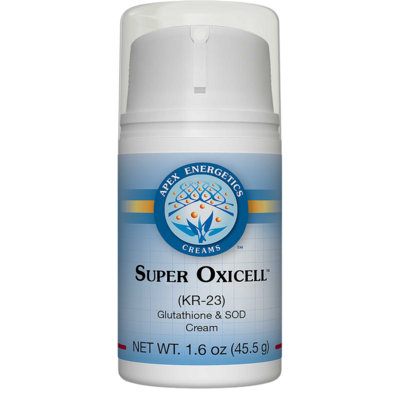
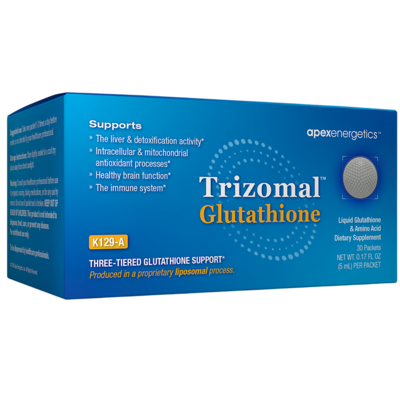
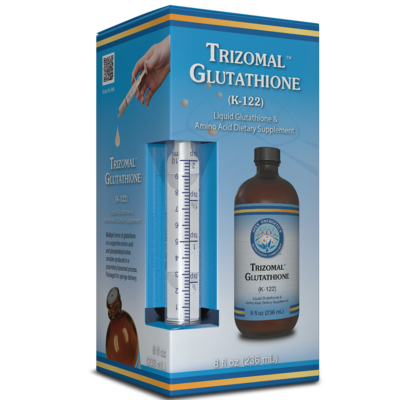
REVEAL MRI Firefighter Health and Occupational Exposure Program The Exposure You Cannot See Reducing your toxic burden, supporting your body's own detox pathways, and catching problems early. Meg Landis, ND · President, Reveal MRI In July 2022, the International Agency for Research on Cancer reclassified occupational exposure as a firefighter as Group 1: carcinogenic to humans. That is the same category as tobacco smoke and asbestos. It moved up from "possibly carcinogenic," where it had sat for decades, because the evidence finally became undeniable. You already know the job is dangerous. This handout is about the part of the danger that does not happen on the fireground: the exposure that accumulates quietly over a career and shows up later. There is a lot you can do about it. Some of it is free, some involves testing and targeted support, and all of it works better the earlier you start. Why the Fire Service Carries a Heavier Load A modern structure fire is not a wood fire. It is a chemistry experiment. Today's buildings and contents are largely synthetic, and when they burn they release benzene, formaldehyde, polycyclic aromatic hydrocarbons (PAHs), hydrogen cyanide, and heavy metals. It reaches you three ways. Inhalation is the obvious one, and SCBA handles it well when it is on. The gap is overhaul, when the fire is knocked down, the air looks clear, and packs come off, even though benzene and PAH concentrations can remain well above safe limits. Skin absorption is the underrated route: absorption rises with skin temperature, and neck, jaw, groin, and hands are the thinnest-skinned areas. Ingestion is the most preventable, as soot on hands transfers to food, water bottles, and phones. Exposure does not end at the scene. Contaminated gear off-gasses in the apparatus cab, the bay, and the station. If gear is stored near sleeping quarters or thrown in a personal vehicle, the exposure continues for hours after the call, and it follows you home. Why Heavy Metals Build Up in Fire Personnel Heavy metals behave differently from other toxins. Metals are elements and cannot be metabolized into something harmless, so they deposit in bone, kidney, liver, and nervous tissue and stay there for decades unless actively mobilized and eliminated. Where the metals come from Everything metal in a burning building releases into the smoke and ash. Lead from older paint, solder, pipes, and vehicle fires. Cadmium from rechargeable batteries and electronics. Mercury from fluorescent lamps and switches. Arsenic from pressure-treated lumber. Manganese, nickel, and chromium from welding and industrial occupancies. These are released as fine particulate and vapor, which means they are inhaled deep into the lung and deposited on skin. Wildland and wildland-urban interface incidents add another layer: burning soil, treated structures, and vehicles concentrate metals, and SCBA is generally not in use on those assignments at all. What Accumulated Exposure Can Affect Chronic exposure to combustion byproducts, heavy metals, and persistent chemicals has been associated with a wide range of health effects. The strength of evidence varies considerably by condition. Some links are well established, while others are areas of active research: - Cancers of the bladder, lung, colon, prostate, testis, and kidney; mesothelioma; non-Hodgkin lymphoma and multiple myeloma - Cardiovascular disease, adverse lipid profiles, and metabolic syndrome - Kidney injury, thyroid dysfunction, and reduced fertility - Neurocognitive effects, chronic fatigue, poor recovery, sleep disruption, and autoimmune conditions Step One: Reduce the Exposure (This Part Is Free) Before any supplement or test, this is where the largest risk reduction lives. None of it costs anything: - Keep SCBA on through overhaul. Air that looks clear is not clear. The single highest-yield change most crews can make. - Gross decon on scene, then wipes. Wet down and brush off gear before it goes back on the rig, then wipe neck, jaw, throat, hands, and face before you leave. - Shower within the hour. The longer contaminants sit on warm skin, the more crosses it. - Keep gear out of the cab, quarters, and your vehicle. Bag it or use exterior compartments, and clean your hood regularly. - Wash hands before eating, and document every exposure. Exposure records matter enormously for presumptive cancer coverage later. Step Two: Know Your Numbers You do not have to take my word for this. In March 2026, the Special Operations Sub-Committee of Southern Nevada Fire Operations formally recommended adopting a urine heavy metal screen for all employees, either at pre-hire or annually. The recommendation was driven in part by Underwriters Laboratories findings showing rising heavy metal concentrations in modern smoke, largely from the growing prevalence of batteries. That recommendation covers the departments across Southern Nevada. Whether or not your department has implemented it yet, the testing is available now. The Reveal MRI medical team, which is made up of board-certified physicians, orders and manages these lab panels, so the ordering, the draw, and the results all run through them. The two panels - Chronic monitoring: urine. Quest Heavy Metals Comprehensive Panel, Urine (test code 14573), ordered through the Reveal MRI medical team. Screens arsenic, cadmium, lead, mercury, cobalt, and thallium, plus urine creatinine. That creatinine matters: it corrects your results for how hydrated you were when you gave the sample, so a number is not skewed just because you had been drinking water all shift. Results in roughly 3 to 4 business days. - Acute monitoring: whole blood. For a known significant exposure. Timing matters here: the recommended draw window is 3 to 4 hours after the exposure. Miss that window and the result is much less informative. Before you give a sample Avoid all seafood and red wine for 72 hours before your collection. This is not optional. Seafood contains large amounts of organic arsenic that is harmless and passes straight through you, but it will drive your total arsenic result up and can produce a scary-looking number that means nothing. Red wine can similarly affect results. A shrimp cocktail two days before your draw can cost you a week of unnecessary worry and possibly a repeat trip to the lab. What these tests do and do not tell you I want you to go in with accurate expectations, because this is where people get misled. These panels measure recent and ongoing exposure, which is why annual trending is the point. One result is a data point; five annual results show whether your exposure is rising, holding steady, or falling after you change your decon habits. What they do not measure is total accumulated body burden. Most cumulative lead sits in bone and does not appear in a routine sample. Read them alongside your symptoms and exposure history, not as a single pass or fail verdict. If your department has not adopted the recommendation yet, establish a baseline now through the Reveal MRI medical team. The value compounds over a career. Once results are back, you receive a personalized interpretation and an individual treatment plan built around them. Step Three: Support Your Body's Detox Pathways Your body has a sophisticated system for neutralizing and eliminating foreign compounds, largely Phase I and Phase II enzymes in the liver plus the kidneys, gut, and skin. It works well, but it was not designed for this volume. The good news is that Phase II capacity is not fixed. It can be upregulated, and there is human clinical trial evidence for how. Why This Is a Daily Practice Your exposure is not a single event. It is a shift, and then another shift, across a career. The chemicals and metals arrive continuously, so the support has to be continuous as well. Lab results are easy to misread here: a normal result means nothing was elevated in the window sampled, not that nothing is accumulating or that your pathways are keeping up. Do not wait for an abnormal lab value to begin. Every firefighter on the job benefits from a daily detoxification practice, whatever the numbers say. The purpose of testing is to tell us how aggressive to be and what to target, not whether to start at all. How to order. Everything except Broc Shot is in my Fullscript store at us.fullscript.com/welcome/drmeg, under the Favorites tab in the list called Fire Team. Broc Shot is ordered separately at the link below. Broc Shot and Sulforaphane Of everything I recommend here, sulforaphane has the strongest human evidence, and that evidence is specifically about the pollutants firefighters encounter. It is produced when glucoraphanin, concentrated in broccoli seed and sprout, meets the enzyme myrosinase. It activates NRF2, the master switch for the body's Phase II detoxification machinery, including the glutathione S-transferases that tag benzene and acrolein for excretion. A randomized controlled trial in Qidong, China, followed 291 participants over 12 weeks. Against placebo, a broccoli sprout beverage produced 61 percent greater urinary excretion of the benzene metabolite and 23 percent greater excretion of the acrolein metabolite, sustained across the full 12 weeks. Neither compound is incidental to your work: benzene is documented in essentially all structure fires, and acrolein is a major product of burning synthetics. Many broccoli supplements provide glucoraphanin without active myrosinase, and without that enzyme the conversion to sulforaphane is poor. Broc Shot uses whole broccoli seed powder with added myrosinase, and seed carries far more glucoraphanin than young sprout powder. They also donate a shot to firefighters for every shot sold. Order Broc Shot: https://brocshot.com/DRMEGLANDIS Glutathione for Daily Detoxification Sulforaphane turns up the enzymes. Glutathione is what those enzymes work with, which is why the two belong together. It is the body's primary intracellular antioxidant and the substrate for glutathione S-transferases, and its thiol group binds mercury, cadmium, and lead directly, carrying them out through bile and urine. Every conjugation reaction spends glutathione, so heavy exposure depletes your stores exactly when you need them most. - Trizomal Glutathione, from Apex Energetics. Plain oral glutathione absorbs poorly, so this liposomal liquid combines S-acetyl L-glutathione for intracellular delivery, reduced glutathione for systemic support, and N-acetyl L-cysteine, the rate-limiting precursor your body uses to build its own. Available as an 8 ounce bottle or single-serving packets, which are far easier to keep in a locker or gear bag. - Super Oxicell, the Apex Energetics topical cream. A second daily route, applied rather than swallowed. Super Oxicell carries a higher concentration of glutathione and superoxide dismutase per application than standard Oxicell, plus a bioflavonoid complex, alpha lipoic acid, CoQ10, SAMe, and vitamins B2, B3, and B6. It also supplies glycine, cysteine, and glutamic acid, the three amino acids your body assembles into glutathione, so it supports your own production as well. One pump morning, afternoon, and evening. A cream can also be applied over a specific area rather than only systemically, and applying it over the thyroid is a common approach given that thyroid dysfunction sits on the list above. For most fire personnel I would start with the liposomal liquid. Super Oxicell works well alongside it, or as the main option for anyone who would rather not add another liquid to their morning. Metal Free & Chemical Cleanse For heavy metals specifically, sulforaphane is helpful but incomplete, because metals must be bound and carried out, not just enzymatically processed. This formula combines herbs traditionally used for metal mobilization and elimination: Cilantro, alfalfa, and parsley leaf carry the chelating work, loosening metals from tissue and binding them for elimination through the liver and urinary tract. Stinging nettle adds anti-inflammatory support, and cleavers stimulates the kidneys and lymphatic system. Agaricus and chaga mushroom are immune-modulating and support liver function. The formula also includes fullerene, a cage-structured carbon molecule added for its binding and antioxidant properties. Binding and elimination matter together: the goal is to move metals out of the body, not from one tissue into another. That is why elimination support is built into the formula, and why I prefer to supervise this rather than have people run aggressive protocols alone. Your Individual Treatment Plan Which products you need, at what doses and in what order, depends on your results. Once your heavy metals results come back, you receive a personalized interpretation and an individual treatment plan. Two firefighters with the same years on the job can have very different results, and should not get the same protocol. Your plan takes into account: - Which metals are elevated, and by how much - Your kidney and liver function, since those are the exit routes and must be working before anything is mobilized - Your exposure history, assignment, symptoms, and any medications or supplements you take - How aggressively to proceed, and when to retest to confirm it is working A detox protocol without a follow-up test is guesswork. That is why we establish a baseline first. Please do not start a metal detox protocol on your own. If you have significant accumulated burden, mobilizing it too aggressively can make you feel considerably worse before you feel better. Get your labs drawn first through the Reveal MRI medical team, then let us build the plan around what those results actually show. Step Four: Screen Early with the Hero Package Reducing exposure and supporting elimination are risk-reduction strategies. Neither one is a guarantee. Given a Group 1 occupational classification, early detection belongs in your plan alongside them. Why screening matters in this population NIOSH followed a pooled cohort of career firefighters from San Francisco, Chicago, and Philadelphia. That cohort had 9 percent more cancer diagnoses and 14 percent more cancer deaths than expected. Two things make the picture more serious than those percentages alone suggest: - The risk is not spread evenly. Mesothelioma, testicular cancer, non-Hodgkin lymphoma, multiple myeloma, and bladder, colorectal, prostate, and thyroid cancers are all substantially more elevated than the average. - Cancer is what the fire service is dying of. IAFF data attribute 66 percent of career firefighter line-of-duty deaths between 2002 and 2019 to cancer, against 18 percent for heart disease. What the Hero Package includes - Reveal Full Body MRI. High-resolution anatomic imaging across multiple organ systems in one session, with no ionizing radiation. Its real value is covering organs with no routine screening test at all: kidney, liver, pancreas, brain, and spine. - Reveal Low-Dose Lung CT. Standard lung screening guidelines key on smoking history, generally requiring roughly 20 pack-years, which excludes most firefighters who never smoked. Your lung risk is occupational rather than tobacco-related, so the standard criteria miss you. Low-dose CT is also the one component here with a demonstrated mortality benefit in randomized trials. - Galleri Multi-Cancer Early Detection Test. A blood test that looks for cancer-associated DNA methylation patterns across more than 50 cancer types. It covers the blind spot in the other two: multiple myeloma and non-Hodgkin lymphoma are elevated in firefighters and largely invisible on whole-body imaging. Each covers what the others miss. The Reveal MRI medical team, whose physicians are board certified, also orders the Quest panels from Step Two, so imaging, blood work, and metals testing are coordinated through one program under physician oversight. Where to Start If you take nothing else from this handout: - This week: SCBA through overhaul, wipes on scene, shower within the hour, gear out of the cab and the house. Free, and the highest-yield thing here. - This month: baseline labs through the Reveal MRI medical team, including the urine heavy metals panel. No seafood or red wine for 72 hours beforehand. - Ongoing: daily sulforaphane and glutathione suit essentially anyone in the fire service. Targeted metal detox is built individually once your results are back. - Annually: your NFPA 1582 physical, age- and risk-appropriate screening, and a conversation about the Hero Package. Bring your exposure history if you have one, and bring your questions. We are here for you every step of the way. Disclosures These statements have not been evaluated by the FDA. The products discussed are dietary supplements and are not intended to diagnose, treat, cure, or prevent any disease. Whole-body MRI is not currently endorsed as routine screening for asymptomatic adults by major preventive-services guidelines. Galleri is a laboratory-developed test and has not been approved by the FDA. I may receive compensation from purchases made through the product links here; you are under no obligation to use them. This handout is general educational information, not individual medical advice, and does not replace your department's occupational health program, your NFPA 1582 physical, or evaluation by your own physician. Do not begin a detoxification protocol without clinical supervision, particularly if you have kidney or liver disease, or are pregnant or nursing. Sources: SNFO Special Operations Sub-Committee (2026); Quest tests 14573 and 10255; IARC Monographs Vol. 132 (2022); Egner et al., Cancer Prev Res 2014; NIOSH firefighter cohort. Meg Landis, ND · President, Reveal MRI · 702.767.1267 · mlandis@revealmri.com
Pendulum GLP-1 Probiotic
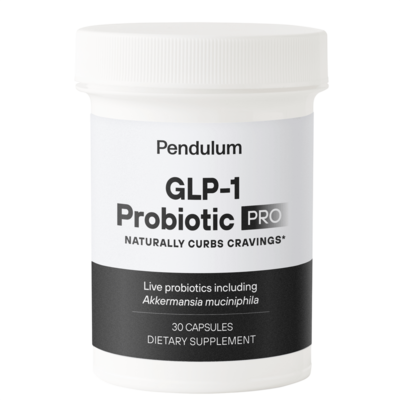
91% reported reduced food cravings. What might explain it? What’s the mechanism? One of the most compelling findings from Pendulum’s recent 274-person consumer study was that 91% of participants reported reduced food cravings after six weeks of using GLP-1 Probiotic . Naturally, that raises an important question: What could explain those results? There is emerging science connecting the gut microbiome to natural GLP-1 production and discuss how specific probiotic strains, including Akkermansia muciniphila and Clostridium butyricum , and how they support pathways involved in satiety and glucose regulation. These specefic strains are the reason people are seeing such a positive and beneficial difference with this probiotic and their weight loss goals!
Timeline/ Urolithin A
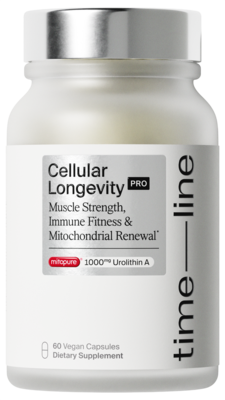
Timeline MitoPure (Urolithin A) — The Case For It & Why Your Mitochondria will LOVE IT! Explore the benefits of healthy mitochondria on human health Our clinical studies proved that Urolithin A contributes to healthy mitochondria. We know that optimal mitochondrial function is particularly essential to heart, kidney, eye, brain, skin and muscle function. A molecule your body wants but usually can't make Urolithin A is a postbiotic your gut bacteria produce from ellagitannins in pomegranates, walnuts, and berries. The problem is that most people simply don't have the microbiome to make meaningful amounts. Timeline's research found that only about 12% of subjects had detectable urolithin A at baseline, and even after pomegranate juice, only around 40% converted the precursors. MitoPure removes that bottleneck entirely — direct supplementation delivered more than six-fold higher plasma exposure than pomegranate juice. Two softgels give you six times more urolithin A than a glass of 100% pure pomegranate juice. Timeline + 2 It works upstream, at the cellular level MitoPure activates mitophagy — the body's system for clearing out damaged mitochondria so healthy ones can replace them. Muscle function begins declining in our 30s as mitochondria lose efficiency, and mitophagy cleans up defective mitochondria so the system can repair and improve its performance. Rather than masking symptoms of aging, it targets one of the recognized root mechanisms. Timeline reports mitochondrial renewal increasing by 39% over placebo after 16 weeks. Timeline Timeline Real strength gains, without changing your workout A four-month randomized, placebo-controlled trial in middle-aged adults showed significant improvements in muscle strength of around 12%, plus clinically meaningful improvements in aerobic endurance (peak VO2) and physical performance on the 6-minute walk test. Notably, participants achieved this without changing their exercise routine — meaning it stacks on top of whatever training you're already doing. PubMed The Chalkboard Mag Benefits expanding well beyond muscle In 2025, results from the MitoImmune study published in Nature Aging validated for the first time that MitoPure rejuvenated the immune system in humans, with improved immune cell function and reduced inflammatory markers over four weeks. The findings included increased naïve CD8+ T-cell levels, reduced exhaustion markers, a shift toward cleaner energy metabolism in immune cells, and enhanced immune-cell activity. Preclinical work is now pointing toward brain, cardiovascular, and mood benefits as well, and Timeline has launched CLARITY, its 25th clinical trial and the largest brain aging study ever run on a finished supplement product. Mitopure + 3 An unusually strong safety record A randomized, double-blind, placebo-controlled trial found urolithin A safe and well tolerated in adults aged 65 to 90. The 2025 immune trial likewise reported strong safety and tolerability with no serious adverse events. MitoPure is manufactured to greater than 98% purity. Timeline + 2 Backed by serious science, not marketing Over 18 years, Timeline has invested more than $50 million in research and clinical development, producing 25 registered human trials and over 80 global patents — and its research was recognized as a top-40 winner in the XPRIZE Healthspan award. Clinical trials, developed in collaboration with the Swiss Federal Institute of Technology in Lausanne (EPFL), have involved over 2,000 participants. It's the only clinically tested and validated form of urolithin A, with efficacy demonstrated across multiple placebo-controlled trials. Mitopure + 2 How to get the most from it Take 500mg daily for at least four months — that's the protocol used in the clinical trials. Research shows improvements in cellular energy, muscle strength, and cellular renewal at four months, with benefits continuing to build over time. Consistency is the whole game here. MitoPure (Urolithin A) — Clinician Summary 1. Mechanism is genuinely well-characterized — strongest part of the case Urolithin A is a mitophagy activator: it upregulates clearance of dysfunctional mitochondria. Timeline's first-in-human work showed it induces a molecular signature of improved mitochondrial and cellular health. Mitochondrial renewal increased 39% over placebo at 16 weeks. This is a plausible, mechanistically coherent target for age-related decline, not a hand-wave. Timeline Timeline 2. Safety and tolerability A randomized, double-blind, placebo-controlled trial in adults aged 65–90 found it safe and well tolerated. The 2025 immune trial reported no serious adverse events. Manufactured to >98% purity. For a supplement, this is an unusually clean record — that matters when patients are otherwise self-prescribing from far murkier shelves. Timeline + 2 3. Solves a real bioavailability problem Only ~12% of people have detectable urolithin A at baseline; even after pomegranate intake, only ~40% convert precursors. So "just eat pomegranates" is not equivalent advice for most patients. Direct supplementation gave >6-fold higher plasma exposure. Timeline Timeline 4. Muscle strength signal The pivotal 4-month RCT in middle-aged adults showed ~12% improvement in muscle strength and clinically meaningful gains in peak VO2 and 6-minute walk, though it missed its primary endpoint of peak power output. Worth knowing before you cite the 12% figure: a 2025 systematic review concluded there is insufficient evidence to support urolithin A for muscle function in any population, while noting the data justify larger trials. A recent meta-analysis found only five small short-term RCTs (n=236), graded the certainty as low, and treated the strength outcomes as exploratory rather than reproducible. One trial in adults 65–90 found no significant improvement over placebo. PubMed + 3 5. Immune findings — new, high-profile, single trial The MitoImmune study in Nature Aging reported improved immune cell function and reduced inflammatory markers over four weeks. Findings included increased naïve CD8+ T-cells and reduced exhaustion markers. Promising and well-published. Mitopure Timeline The reasons that hold up: You likely can't make it yourself. Only about 12% of people have detectable urolithin A at baseline, and even after pomegranate intake only ~40% convert the precursors. So this isn't a nutrient you can reliably get from food — for most people it's supplement or nothing. That's a genuinely unusual argument in a category full of things you could just eat. Timeline The mechanism targets something real. Mitochondrial quality declines with age, and mitophagy is the clearance system that maintains it. The first-in-human work showed a molecular signature of improved mitochondrial and cellular health, with mitochondrial renewal up 39% over placebo at 16 weeks. Timeline Timeline The downside is small. Safe and well tolerated in a placebo-controlled trial of adults aged 65–90; no serious adverse events in the 2025 immune trial. The main cost of being wrong is money, not health. Timeline Timeline There's a real efficacy signal. A 4-month RCT showed ~12% improvement in muscle strength plus gains in aerobic endurance and walk distance, though it missed its primary endpoint. A 2025 Nature Aging trial reported improved immune cell function and lower inflammatory markers. PubMed Mitopure
Featured product collections
Discover groups of products curated by Dr. Meg's Supplements for SUCCESS.
Acid Reflux/ Gerd/ GI
28 products

Dr. Meg Landis
Welcome to your path to wellness! Dr. Meg's practice revolves around YOU! Together we will focus on getting to your root cause: why do you feel they way you feel? We will create a customized plan that will help you reach your goals for WELLNESS! I am honored to join you on this journey!
My websiteFocus areas
Environmental Health
Gastrointestinal Health
Immune Health
Endocrine / Hormonal Health
States of practice
Alabama
Alaska
Arizona
Arkansas
California
Colorado
Connecticut
Delaware
District of Columbia
Florida
Georgia
Hawaii
Idaho
Illinois
Indiana
Iowa
Kansas
Kentucky
Louisiana
Maine
Maryland
Massachusetts
Michigan
Minnesota
Mississippi
Missouri
Montana
Nebraska
Nevada
New Hampshire
New Jersey
New Mexico
New York
North Carolina
North Dakota
Ohio
Oklahoma
Oregon
Pennsylvania
Puerto Rico
Rhode Island
South Carolina
South Dakota
Tennessee
Texas
Utah
Vermont
Virginia
Washington
West Virginia
Wisconsin
Wyoming
Shop the entire wellness catalog, held to a higher standard
Shop practitioner-grade products, each meeting the same bar for quality through Fullscript's standards.
Powered byVerified
Sourced straight from the brand — no resellers or fakes
Enhanced testing
Select products are tested in-house — get exactly what the label promises
Stored and shipped
From certified facilities, to protect product integrity