Public protocols
Dr. Patricia Mills' Fullscript Account's general recommendations, available to anyone who visits this store.
Mast Cell Activation Support
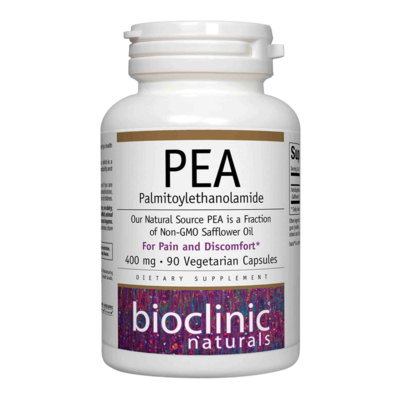
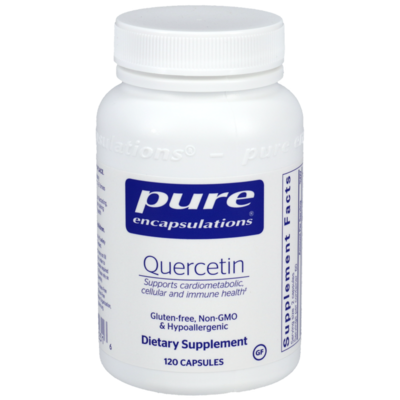
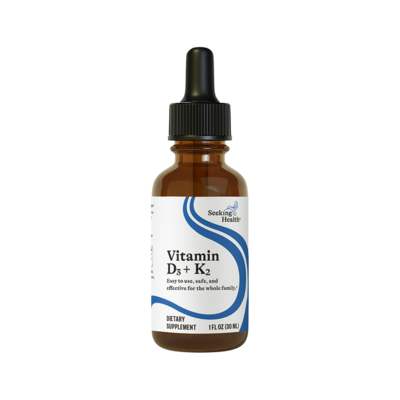 4 more items in Mast Cell Activation Support
Mast Cell Activation Syndrome (MCAS) How It Is Diagnosed - And What Science Says About Supportive Supplements Mast Cell Activation Syndrome, or MCAS, is a condition where part of your immune system becomes overly reactive. It can be confusing, frustrating, and difficult to diagnose - because symptoms can affect many different parts of the body. Let’s break it down clearly. What Are Mast Cells? Mast cells are immune cells found throughout your body - especially in your: Skin Gut Lungs Blood vessels Nervous system Their job is protective. When they detect a threat, they release chemical messengers like: Histamine Prostaglandins Leukotrienes Cytokines These chemicals help fight infection and coordinate healing. But in MCAS, mast cells release these chemicals too easily, too often, or in excessive amounts - sometimes without a clear trigger (Molderings et al., 2011; Castells & Butterfield, 2019). What Are the Symptoms of MCAS? Because mast cells live in many tissues, symptoms often affect multiple systems at once. Common symptoms include: Flushing, itching, hives (skin affected) Nasal congestion or wheezing (sinuses or lungs affected) Abdominal pain, bloating, diarrhea (gut affected) Headaches or brain fog (brain affected) Rapid heart rate or lightheadedness (heart and blood vessels/cardiovascular system affected) Fatigue (brain and nervous system affected) Sensitivity to foods, smells, medications, heat, or stress (nervous system and more affected) Symptoms often flare and settle. They can resemble allergic reactions or even anaphylaxis. How Is MCAS Diagnosed? Diagnosis is not based on symptoms alone. International expert guidelines require all three of the following criteria (Weiler et al., 2019; Valent et al., 2024; Parente et al., 2023): 1. Recurrent attacks affecting at least two organ systems Episodes usually resemble allergic or anaphylaxis-like reactions. For a diagnosis to be made, symptoms must involve more than one body system at the same time. For example, someone might experience digestive symptoms along with brain symptoms such as dizziness or brain fog, or skin symptoms like hives along with gut or cardiovascular symptoms. 2. Objective evidence that mast cells were activated during the episode This is the key laboratory step. The most important test is serum tryptase , drawn within about 4 hours of a flare and compared to your baseline level. Doctors use what is called the “120% + 2 rule” : Event tryptase must be ≥ baseline × 1.2 + 2 ng/mL (Valent et al., 2024; Weiler et al., 2019; Beck et al., 2019). If tryptase does not rise, other supportive tests may include urine measurements of: N-methylhistamine Leukotriene E4 (LTE4) Prostaglandin D2 metabolites These are collected a few hours after symptoms and compared with baseline levels (Voelker & Pongdee, 2024; Hamilton, 2024). 3. Clear improvement with mast-cell–directed treatment Improvement with medications such as: H1 antihistamines H2 antihistamines Cromolyn Leukotriene blockers supports the diagnosis (Weiler et al., 2019; Parente et al., 2023). If baseline tryptase is persistently elevated or other concerning features are present, doctors may test for a more severe version of mast cell activation called clonal mast cell disease (mastocytosis) using: KIT D816V genetic testing Bone marrow biopsy Specialized mast cell markers (Romantowski et al., 2021; Navarro-Navarro et al., 2025). Standard Medical Treatment Comes First First-line therapy for MCAS typically includes medications that: Block histamine (H1 and H2 blockers) Stabilize mast cells (cromolyn, ketotifen) These are considered foundational (Molderings et al., 2011; Molderings et al., 2016; Castells & Butterfield, 2019). Supplements are sometimes used as adjuncts - meaning add-ons to medical treatment - not replacements for it. Some people choose to try supplements on their own if they have symptoms of mast cell activation but do not meet the full diagnostic criteria for MCAS and are therefore not prescribed medication. In either case, it is important to understand what the science actually says about these supplements before using them for symptom support or disease management. A Reality Check About Supplements Before discussing nutrients, it’s important to understand: Most supplement research is not specific to MCAS Many studies are cell-based or animal studies Dedicated large MCAS trials are limited People with MCAS often react to fillers or additives (Schofield & Afrin, 2019) Higher doses are not always better Supplements should be individualized and supervised by a clinician familiar with mast cell disorders. Palmitoylethanolamide (PEA): A Key Mast Cell Modulator PEA is a fatty acid compound your body naturally produces to help calm inflammation. It works by: Activating PPAR-alpha receptors Modulating the endocannabinoid system Reducing mast cell activation Early human research showed PEA can directly reduce mast cell activation - a mechanism sometimes called the “ALIAmide” effect (Facci et al., 1995; Skaper et al., 2013). Human Evidence Relevant to Mast Cells Functional dyspepsia (upper gut discomfort) Functional dyspepsia is a digestive condition where you have ongoing upper stomach discomfort without an ulcer, infection, or visible problem on standard tests. Common symptoms include burning or aching pain in the upper abdomen, feeling overly full after small meals, bloating, nausea, or early fullness when eating. It is sometimes described as chronic “indigestion” with no clear structural cause. Researchers found patients with functional dyspepsia had impaired natural PEA release and increased mast cell activation. Adding PEA to biopsy tissue reduced mast cell activation and pain signaling (Sarnelli et al., 2020). Mastocytosis Altered PEA metabolism has been observed in patients with systemic mastocytosis (Ferrara et al., 2019). Irritable Bowel Syndrome A randomized trial found PEA reduced abdominal pain, even though mast cell numbers did not change - suggesting calming effects rather than elimination (Cremon et al., 2017). Allergic rhinitis A placebo-controlled trial showed reduced histamine and inflammatory markers with PEA supplementation (Briskey et al., 2023). Typical Doses Studied 300–600 mg per day is most common Some trials use up to 1200 mg short term Systematic reviews suggest higher doses do not always add benefit (Gabrielsson et al., 2016; Bortoletto et al., 2024; Galla et al., 2024). Other Nutrients That Influence Mast Cells 1. Flavonoids (Plant Compounds) Certain plant compounds strongly inhibit mast cell mediator release in lab and animal studies. Notable examples: Quercetin Luteolin Resveratrol Curcumin EGCG (green tea) Quercetin and luteolin are among the most studied dietary mast cell inhibitors (Theoharides & Bielory, 2004; Kaag & Lorentz, 2023). Most human quercetin trials use 500–1000 mg/day (500 mg once or 500 mg twice daily) for up to 12 weeks. In human studies, luteolin supplements are usually taken in amounts of about 50 to 100 mg per day for several weeks or months. There is no official recommended dose, and we do not yet have strong long term safety data for higher amounts. EGCG has shown dose-dependent mast cell stabilization in animal models (Islam et al., 2025). For adults, most research suggests keeping total supplemental EGCG around 200 to 300 mg per day. Doses above 800 mg per day are generally not recommended because higher amounts have been linked to potential liver stress or toxicity. Human MCAS-specific trials remain limited. 2. Vitamins and Minerals Vitamin D Helps stabilize mast cells. Deficiency is associated with increased spontaneous activation (Liu et al., 2017). Vitamin C Helps degrade histamine and reduce mast cell degranulation (Molderings et al., 2011). Vitamin B6 May work synergistically with vitamin C to inhibit mast cell release (Kazama et al., 2022). Magnesium and zinc Have shown mast cell–stabilizing effects in experimental models (Kazama et al., 2025). 3. Gut-Derived Metabolites Your gut microbiome influences mast cell behavior. Butyrate and propionate , produced by healthy gut bacteria, strongly inhibit human mast cell activation through epigenetic mechanisms (Folkerts et al., 2020). Certain amino acid combinations may also reduce mast cell mediator release in gut models (Uranga et al., 2020). The Bottom Line MCAS is diagnosed using three required criteria : Recurrent multi-system symptoms Laboratory evidence of mast cell mediator rise during flares Improvement with mast-cell–targeted therapy (Weiler et al., 2019; Valent et al., 2024; Parente et al., 2023) Standard medications remain foundational. Research suggests that several supplements - especially PEA - may help calm mast cells at a biological level. Other supportive nutrients include flavonoids, vitamin D, vitamin C with B6, magnesium, zinc, and gut-derived short-chain fatty acids. However: Dedicated MCAS trials are limited Individual tolerance varies Supplements should be adjunctive, not replacements Professional supervision is essential Mast cell biology is complex - and personalized care matters. If you see yourself in these symptoms, know that you are not alone, and with the right testing, guidance, and personalized support, it is possible to better understand your body and calm the cycle of mast cell activation. References Molderings G et al. Mast cell activation disease: diagnostic workup and therapy. J Hematol Oncol. 2011. PMID: 21306600. Castells M, Butterfield J. Mast cell activation syndrome and mastocytosis. J Allergy Clin Immunol Pract. 2019. PMID: 30910418. Weiler C et al. AAAAI Mast Cell Disorders Committee Work Group Report: Mast Cell Activation Syndrome (MCAS) Diagnosis and Management. J Allergy Clin Immunol. 2019. PMID: 31537491. Valent P et al. Reversible Elevation of Tryptase Over the Individual's Baseline. Curr Allergy Asthma Rep. 2024. PMID: 38521914. Parente R et al. Secretory and Membrane-Associated Biomarkers of Mast Cell Activation. Int J Mol Sci. 2023. PMID: 37109806. Beck S et al. Biomarkers in Human Anaphylaxis. Front Immunol. 2019. PMID: 31057633. Voelker D, Pongdee T. Urine Mast Cell Mediators in MCAS. Curr Allergy Asthma Rep. 2024. PMID: 38331348. Hamilton M. Mast Cell Activation Syndrome and Gut Dysfunction. Curr Gastroenterol Rep. 2024. PMID: 38520738. Romantowski J et al. Application of Allergy Diagnostic Methods in Mast Cell Disorders. Int J Mol Sci. 2021. PMID: 33668645. Navarro-Navarro P et al. Improved diagnostic screening of clonal mast cell diseases. Blood. 2025. Molderings G et al. Pharmacological treatment options for MCAD. Naunyn Schmiedebergs Arch Pharmacol. 2016. PMID: 27180236. Schofield J, Afrin L. Medication excipient reactivity in MCAS. Am J Med Sci. 2019. PMID: 31097234. Facci L et al. Mast cells express a peripheral cannabinoid receptor. Proc Natl Acad Sci USA. 1995. PMID: 7724575. Skaper SD et al. Glia and mast cells as targets for palmitoylethanolamide. Mol Neurobiol. 2013. PMID: 23440402. Sarnelli G et al. Impaired duodenal PEA release underlies mast cell activation. Cell Mol Gastroenterol Hepatol. 2020. PMID: 33189806. Ferrara AL et al. Altered endocannabinoid metabolism in mastocytosis. J Immunol Res. 2019. PMID: 31281611. Cremon C et al. PEA and polydatin in IBS. Aliment Pharmacol Ther. 2017. PMID: 28083828. Briskey D et al. PEA supplementation in allergic rhinitis. Nutrients. 2023. PMID: 38066668. Gabrielsson L et al. PEA pharmacokinetics and efficacy. Br J Clin Pharmacol. 2016. PMID: 26817640. Bortoletto R et al. PEA supplementation systematic review. Brain Behav Immun Health. 2024. PMID: 38719586. Galla R et al. Dose-dependent effects of PEA. Int J Mol Sci. 2024. PMID: 39201487. Theoharides TC, Bielory L. Mast cells as targets of dietary supplements. Ann Allergy Asthma Immunol. 2004. PMID: 15328675. Kaag S, Lorentz A. Dietary effects on mast cells. Cells. 2023. PMID: 37960888. Islam M et al. EGCG stabilizes mast cells in vivo. Inflammopharmacology. 2025. PMID: 39962387. Liu Z et al. Vitamin D and mast cell stabilization. Allergy. 2017. PMID: 28261828. Kazama I et al. Pyridoxine and vitamin C synergism. Cell Physiol Biochem. 2022. PMID: 35383741. Kazama I et al. Magnesium and zinc stabilize mast cells. Cell Physiol Biochem. 2025. PMID: 40023811. Folkerts J et al. Butyrate inhibits human mast cell activation. Allergy. 2020. PMID: 32083336. Uranga J et al. Nutraceutical regulation of mast cells. Molecules. 2020. PMID: 33023128.
Candida & Yeast Support
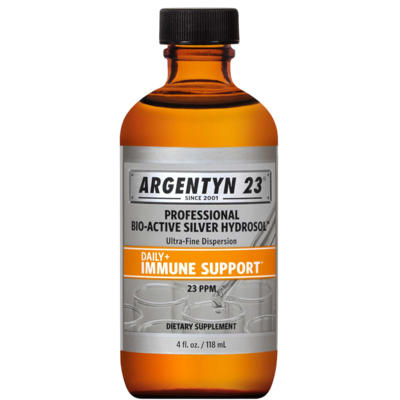
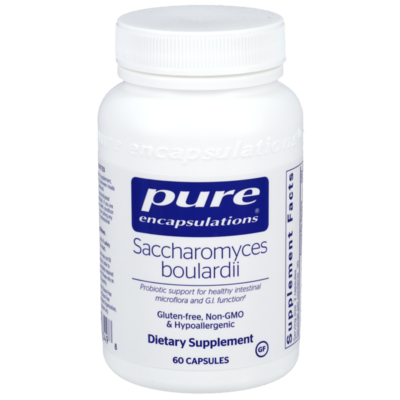
This Fullscript community plan that I specially created for you reflects the standalone protocol Dr. Carolyn Dean used during her years in medical practice —and the one she reports seeing the most consistent improvements with when supporting patients with yeast overgrowth, particularly in the gut. The approach combines nano silver , used for its broad antimicrobial properties, with Saccharomyces boulardii , a beneficial probiotic yeast that helps displace pathogenic yeast, support gut barrier function, and restore microbial balance . Dr. Dean discusses this protocol, including when and how she used it clinically, in my interview on the Wild Wisdom Show . 🎥 Watch the full conversation here: https://ca.fullscript.com/plans/drpatriciamills-candida-yeast-solution As always, this plan is shared for educational purposes and reflects Dr. Dean’s clinical experience rather than a one-size-fits-all recommendation.
Healthy Hair Supplements | Hair Loss & Thinning
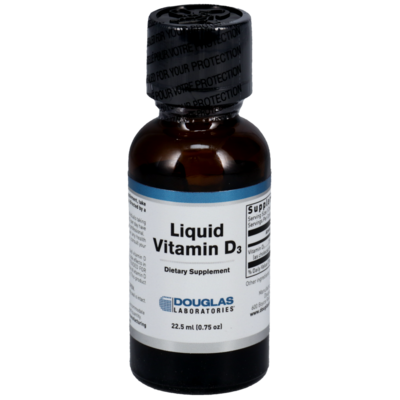
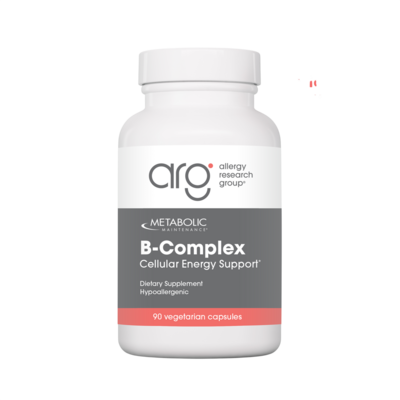
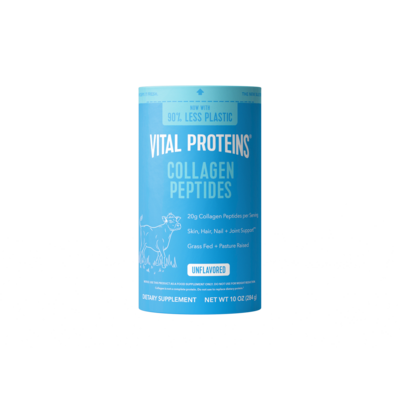 5 more items in Healthy Hair Supplements | Hair Loss & Thinning
Do Supplements Really Help With Hair Loss? What the Research Says Hair loss and thinning can be incredibly frustrating—especially when you feel like you’re doing everything “right.” Many people turn to nutritional supplements in hopes of thicker, healthier hair. But do they actually work? The short answer: Some supplements can help , but mostly when they correct an underlying deficiency or support specific types of hair loss. Others have weaker evidence, and some can even cause harm if misused. This article brings together scientific findings on the most studied nutrients and botanicals—including iron, vitamin D, amino acids, collagen, biotin, botanical blends, and silica (orthosilicic acid and horsetail). Why Hair Loss Happens Hair loss is often caused by a combination of factors, including: Nutrient deficiencies Hormonal changes Stress and inflammation Genetics Aging Scalp issues (e.g., inflammation, dandruff, candida) Because hair follicles are highly active tissues, they need steady access to nutrients. When your body is low on iron, vitamin D, zinc, amino acids, or other building blocks, hair health often suffers (Almohanna et al., 2018; Milani & Colombo, 2023; Leavitt et al., 2025). Supplements With the Strongest Evidence 1. Iron (only if deficient) Iron deficiency—especially low ferritin (iron storage)—is one of the most common nutritional causes of hair loss, particularly in women. Studies show that correcting low iron levels can significantly improve shedding and hair density (Almohanna et al., 2018; Bassino et al., 2020; Milani & Colombo, 2023). ⚠️ Important: Do not take iron unless bloodwork confirms deficiency. Excess iron can be harmful. To know what blood work shows iron deficiency even if iron stores look normal, watch this VIDEO . 2. Vitamin D (only if deficient) Low vitamin D levels have been linked to multiple types of hair loss, including telogen effluvium and alopecia areata. Supplementing improves outcomes mainly when levels are low (Almohanna et al., 2018; Bassino et al., 2020; Leavitt et al., 2025). If your vitamin D is normal, supplementing does not appear to improve hair. 3. Amino Acids Hair is made of keratin—a protein rich in amino acids like cysteine, lysine, methionine, and taurine. Some studies show modest improvements in hair growth and strength when these amino acids are supplemented (Milani & Colombo, 2023; Bassino et al., 2020; Maguiña, 2020). They are especially helpful if your diet is low in protein or you have trouble absorbing nutrients. Otherwise these amino acids can also be obtained through a whole foods diet that includes enough protein, targeting between 20-30 grams per meal. 4. Collagen Peptides Emerging research shows collagen peptides may support hair thickness, growth, and follicle strength (Pappelbaum et al., 2024; Milani & Colombo, 2023). Collagen may work by: Providing amino acids needed for keratin Supporting the skin and connective tissue around hair follicles More studies are needed, but results so far are promising. 5. Botanical and Herbal Supplements Certain plant extracts have shown benefits in women with thinning hair, including: Pumpkin seed oil Saw palmetto Ginseng Pea sprout extract Flavonoid-rich plants Clinical trials demonstrate improvements in hair density, thickness, and shedding (Drake et al., 2022; Ablon & Kogan, 2021; Grothe et al., 2019; Ahmed et al., 2025). Results vary depending on the product and formulation. 6. Multinutrient Blends (e.g., Nutrafol, Viviscal) These blends combine multiple active ingredients such as collagen, amino acids, herbs, vitamins, and minerals. Studies show moderate improvements in hair density and reduced shedding, especially in women with age-related or stress-related thinning (Drake et al., 2022; Ablon & Kogan, 2021; Marimuthu et al., 2022; Martin-Biggers & De Campos, 2024). Because they contain many ingredients, it’s hard to determine which components create the benefit. Biotin: Helpful or Overhyped? Biotin (vitamin B7) is one of the most popular hair supplements—but the reality is: 👉 Biotin only helps if you are deficient , which is rare (Almohanna et al., 2018; Bassino et al., 2020; Burns & Senna, 2020). 👉 Taking extra biotin when you don’t need it does not improve hair growth. 👉 High doses can interfere with lab tests , including thyroid and cardiac tests (Upadhyay et al., 2024). Unless you have symptoms of deficiency or your doctor tests your levels, biotin is generally unnecessary. Taking a low dose B complex vitamin (with no more than 50 mg of Vitamin B6 per day) is often sufficient to ensure that our overall B vitamin stores are adequate, as they can get depleted with inflammation, and it is rare to have a single vitamin deficiency. What About Zinc and Selenium? These minerals are important for hair follicle activity—but excessive supplementation can backfire and even cause hair loss (Almohanna et al., 2018; Bassino et al., 2020). Take them only if a deficiency is confirmed. Alternatively, keep the total dose of zinc to 15mg per day maximum, and get selenium from Brazil nuts or fish - this will ensure you get these nutrients in adequate amounts. Silica for Hair: What the Research Shows Silica (silicon) supports collagen production and may strengthen hair structure. The two main supplemental forms are: 1. Orthosilicic Acid (OSA) – Best Evidence Choline-stabilized orthosilicic acid (ch-OSA) is the most absorbable form. A major clinical trial found that 10 mg of silicon (as ch-OSA) daily for 9 months in women with fine hair significantly improved: Hair tensile strength Thickness Cross-sectional area (Wickett et al., 2007; De Araújo et al., 2016) This is the most compelling silica evidence to date. 2. Horsetail (Equisetum arvense) – Limited Evidence Horsetail is a natural source of silica, but: It is much less bioavailable than OSA Quality varies between brands It may accumulate heavy metals if poorly sourced Most studies include horsetail as part of a blend , not on its own (De Araújo et al., 2016; Kesika et al., 2023) You may see benefits when horsetail is included in products like Viviscal, but you cannot attribute results solely to silica. 3. Arginine Silicate Complex Promising in animal studies but not tested in humans for hair growth (Komorowski et al., 2019; Sylla et al., 2021). Safety Considerations Before starting supplements, it’s important to know: Correcting a deficiency gives the biggest benefit (iron, vitamin D, zinc) Too much vitamin A, zinc, or selenium can cause hair loss High dose biotin can interfere with medical tests Horsetail supplements must be high-quality to avoid contamination - OSA may be a better option Multi-ingredient blends can be helpful but expensive Always discuss supplements with your healthcare provider, especially if you take medications or have medical conditions. When to See a Doctor If you notice: Sudden or patchy hair loss Hair coming out in clumps New shedding after a major illness Accompanying symptoms like fatigue, weight change, or irregular periods …it’s important to get evaluated. Testing for iron, ferritin, vitamin D, thyroid function, inflammation markers, and assessing symptoms for B vitamin deficiency can reveal underlying causes. Bottom Line Some supplements truly can help hair thinning and loss—but mainly in the right person and with the right diagnosis. Evidence is strongest for: Iron (if deficient) Vitamin D (if deficient) Amino acids Collagen peptides Certain botanical blends Silica in the form of orthosilicic acid Supplements like biotin or horsetail may help some people, but for most, they offer little benefit unless a deficiency is present. A targeted approach—based on your symptoms, bloodwork, and the root cause of your hair changes—is the safest and most effective way to use supplements for hair health. References Ablon G. et al. A Randomized, Double-Blind, Placebo-Controlled Study of a Nutraceutical Supplement for Promoting Hair Growth in Perimenopausal, Menopausal, and Postmenopausal Women With Thinning Hair. J Drugs Dermatol. 2021. PMID: — DOI: 10.36849/jdd.2021.5701 Ahmed A. et al. Herbal Remedies for Hair Loss: A Review of Efficacy and Safety. Skin Appendage Disord. 2025. PMID: — DOI: 10.1159/000542876 Almohanna H. et al. The Role of Vitamins and Minerals in Hair Loss: A Review. Dermatol Ther. 2018. PMID: — DOI: 10.1007/s13555-018-0278-6 Bassino E. et al. Protective Role of Nutritional Plants Containing Flavonoids in Hair Follicle Disruption. Int J Mol Sci. 2020. PMID: — DOI: 10.3390/ijms21020523 Burns L. & Senna M. Supplement use among women experiencing hair loss. Int J Women Dermatol. 2020. PMID: — DOI: 10.1016/j.ijwd.2020.01.002 De Araújo L. et al. Use of silicon for skin and hair care. An Bras Dermatol. 2016. PMID: — DOI: 10.1590/abd1806-4841.20163986 Drake L. et al. Evaluation of the Safety and Effectiveness of Nutritional Supplements for Treating Hair Loss: A Systematic Review. JAMA Dermatol. 2022. PMID: — DOI: 10.1001/jamadermatol.2022.4867 Grothe T. et al. Clinical evaluation of pea sprout extract in the treatment of hair loss. Phytother Res. 2019. PMID: — DOI: 10.1002/ptr.6528 Kesika P. et al. Role and Mechanisms of Phytochemicals in Hair Growth and Health. Pharmaceuticals. 2023. PMID: — DOI: 10.3390/ph16020206 Komorowski J. et al. Effects of Arginine Silicate Complex and Magnesium Biotinate on Hair and Nail Growth in Rats. Curr Dev Nutr. 2019. PMID: — DOI: 10.1093/cdn/nzz031.p06-026-19 Leavitt A. et al. Addressing the Root Causes of Female Hair Loss and Non-Pharmaceutical Interventions. J Drugs Dermatol. 2025. PMID: — DOI: 10.36849/jdd.8763 Maguiña P. Safety and Efficacy of Deeply Rooted® Nutraceutical for Hair Growth in Women. J Cosmetics Dermatol Sci Appl. 2020. PMID: — DOI: 10.4236/jcdsa.2020.103016 Marimuthu C. et al. Effects of Trichovitals® on Hair Growth. Res J Top Cosmet Sci. 2022. DOI: 10.52711/2321-5844.2022.00001 Martin-Biggers J. & De Campos M. Dietary Supplement for Hair Growth: A Randomized Controlled Study. J Clin Aesthet Dermatol. 2024. Milani M. & Colombo F. Oral supplement containing amino acids, iron, selenium, and collagen for hair loss. Skin Res Technol. 2023. DOI: 10.1111/srt.13381 Pappelbaum K. et al. Collagen peptides and hair loss prevention. J Funct Foods. 2024. DOI: 10.1016/j.jff.2024.106124 Sylla S. et al. Novel supplement and serum effects on hair, skin, nails. Curr Dev Nutr. 2021. DOI: 10.1093/cdn/nzab037_084 Upadhyay R. et al. SesZen-Bio™ for hair and scalp health: RCT. Int J Clin Trials. 2024. DOI: 10.18203/2349-3259.ijct20240929 Wickett R. et al. Effect of choline-stabilized orthosilicic acid on hair tensile strength. Arch Dermatol Res. 2007. DOI: 10.1007/s00403-007-0796-z
Interstitial Cystitis Relief
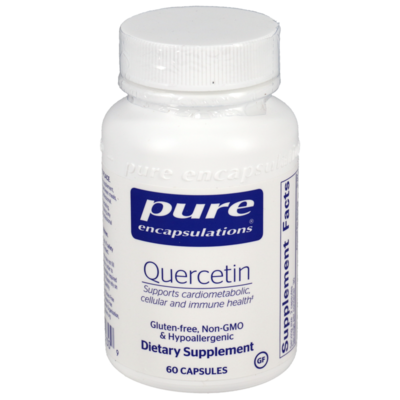
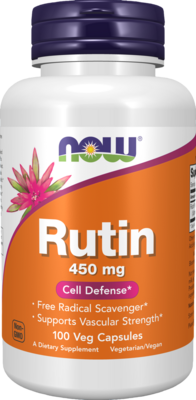
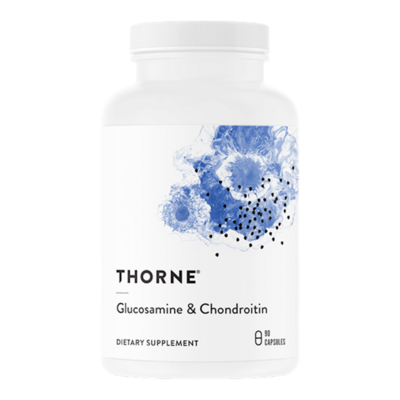
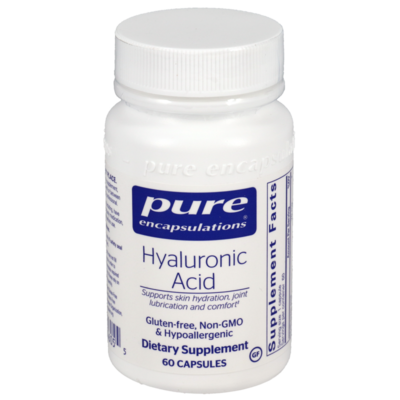
If you’re living with interstitial cystitis (IC), also known as bladder pain syndrome, you know how uncomfortable and frustrating it can be. That constant ache, pressure, or burning can feel like a urinary tract infection that never quite goes away. IC often develops when the bladder’s protective lining becomes irritated or inflamed, and the surrounding muscles tighten—creating a cycle of pain and urgency. Two supplements with promising research may help: CystoProtek and quercetin . CystoProtek combines nutrients that support your bladder wall and reduce inflammation, including chondroitin, glucosamine, hyaluronate, and plant antioxidants like quercetin and rutin. Studies show that consistent use can ease pain and urinary symptoms. Quercetin, which is also found naturally in apples, onions, and berries, helps calm inflammation and protect your bladder cells from oxidative stress. Because CystoProtek can be difficult to find , I’ve created a Fullscript community plan that includes the individual ingredients used in this supplement. This makes it easy for you to purchase the same researched components in one place and begin supporting your bladder health naturally.
Kidney Stone(s) Be Gone!
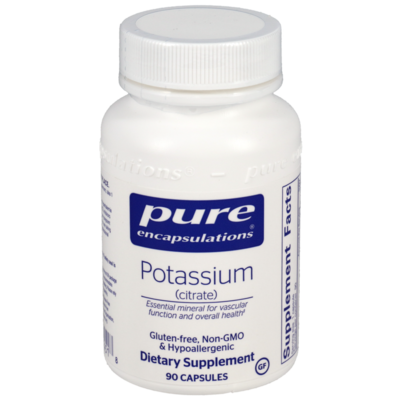
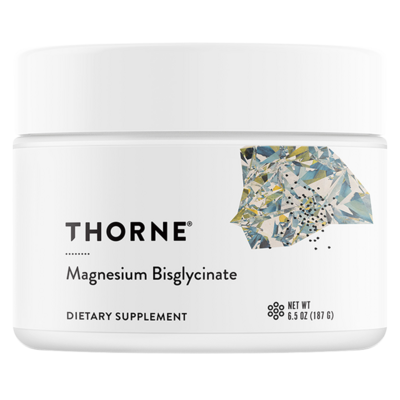
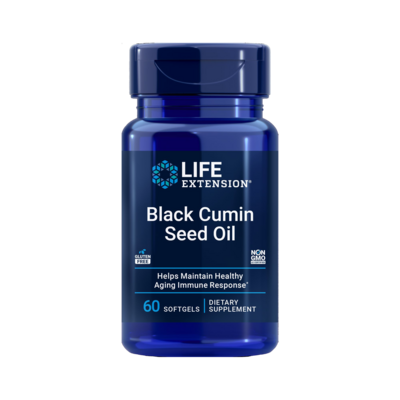
If you’ve ever had a kidney stone, you know how painful it can be—and how much you want to avoid another one. The good news is, you can take simple, natural steps to protect your kidneys and reduce your risk. Certain supplements like magnesium , potassium citrate , and Nigella sativa (black seed) can help keep your urine chemistry balanced, dissolve small stones, and support overall kidney health. 💊 Magnesium helps stop stones before they start by binding oxalate in your gut and keeping calcium crystals from clumping together. 🍋 Potassium citrate keeps your urine less acidic and boosts natural citrate levels, which helps dissolve stones and prevents new ones. 🌿 Nigella sativa (black seed) supports your kidneys with antioxidants, lowers inflammation, and can even help shrink or pass stones more easily.
Shop the entire wellness catalog, held to a higher standard
Shop practitioner-grade products, each meeting the same bar for quality through Fullscript's standards.
Powered byVerified
Sourced straight from the brand — no resellers or fakes
Enhanced testing
Select products are tested in-house — get exactly what the label promises
Stored and shipped
From certified facilities, to protect product integrity