Public protocols
Dr. Pettitt - Dispensary's general recommendations, available to anyone who visits this store.
Post Covid Hair Loss
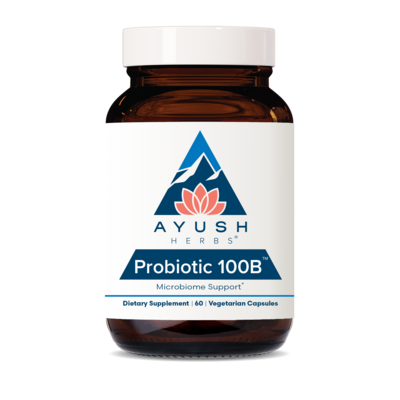
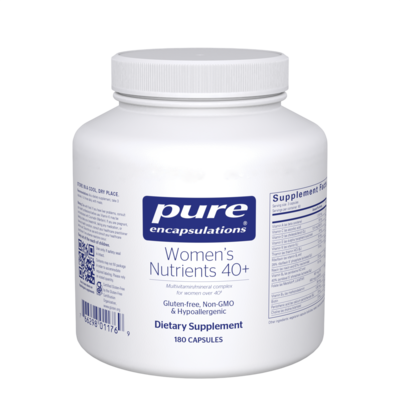
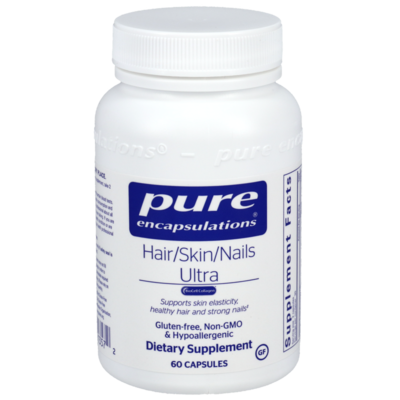 2 more items in Post Covid Hair Loss
Long-term side effects following COVID-19 infection have caused many devastating symptoms, from loss of taste and smell to brain fog and fatigue. Hair loss has also been reported as a common symptom. While this side effect could be one of the most alarming, it is short lived in most circumstances. What causes hair loss? Patients who experience hair loss from SARS-CoV-2 infection may notice clumps of hair falling out during their daily combings or while washing their hair in the shower. The phenomenon is known as telogen effluvium. About 90 percent of hairs on our scalp are in a growth phase, called anagen, and about 10 percent of hairs are in a resting phase, called telogen. On our scalp, anagen lasts for about three years, and then hairs begin transitioning into telogen, which lasts between two to six months. At the end of telogen, our hairs are shed from their follicles and gradually replaced by new anagen hairs. Then, the growth cycle continues. On average, people shed about 100 to 150 hairs a day. But when an individual experiences a stressful event, such as COVID-19 infection, our bodies can prematurely shift a greater than normal proportion of growing anagen hairs into a resting telogen state. “Instead of the usual 10 percent of hairs that are in the resting and shedding phase, up to 50 percent of hairs are resting and shedding, which is much more than normal,” says Powell Perng, MD , a dermatologist and specialist in hair loss (alopecia) at University of Utah Health. What can trigger hair loss? Viral infections Hospitalization Surgery Childbirth Medications, especially hormonal medications Thyroid dysfunction Entering menopause Significant emotional stress How long does hair shedding last? The good news is the majority of telogen effluvium cases are over in about three to six months, when those additional hairs that were prematurely shifted into telogen have shed. According to Perng, this characteristic recovery happens after an inciting event, such as COVID-19 infection. When that period is over, those hairs will slowly shift back to normal. Telogen effluvium does not cause a person to lose their hair follicles. While hair may not temporarily grow, the hair follicles are still present, and hair will eventually regrow. Even after the shedding has stopped, patients may notice their hair is not as thick as it once was. Perng says that’s because of how slowly the hair grows on average, which is about a centimeter a month. “If someone has shoulder length hair, it can take over two years for the new hairs to reach that length again and for a ponytail to feel full again,” he says. In less than 10 percent of cases, patients may experience a condition called chronic telogen effluvium , where excessive hair shedding can persist beyond six months. “This can last for a couple months to a couple years, and usually no obvious cause can be found,” Perng says. “In this situation, we treat the symptoms the best we can with medical therapy.” Chronic telogen effluvium can be a symptom for long COVID patients. This is likely because their bodies are undergoing a significant amount of stress and are still not quite back to normal. Perng reassures patients who experience chronic telogen effluvium that they will not lose all of their hair, because the proportion of telogen hairs never exceeds 50 percent. COVID-19 infection and hair shedding According to published reports , hair shedding following COVID-19 infection can occur a little sooner than average. Instead of three months from an inciting event, it may be closer to two months. Other studies have also noticed faster recovery, around two to three months compared to six months on average. Treatments Covid 19 is an overwhelming inflammatory condition. It also depletes the body of the nutrients required to synthesize and maintain cells. So it makes sense then, to utilize anti-inflammatory supplements and replete the lost nutrients. Of course there are conventional medications such as Bicalutamide, Dutasteride, Spironolactone and Minoxidil but medications can be tricky and some are toxic to the liver or suppress TESTOSTERONE (who wants that?!?!?)
The Gut Microbiome and Covid 19
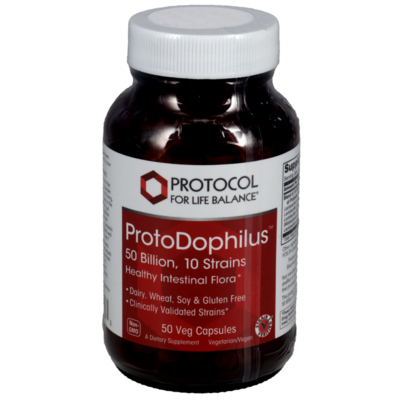
In case you haven’t noticed yet, illness never affects two people in the exact same way, when infected with the exact same bacteria or virus. One person may get a slight cough for days while others end up with symptoms that linger for months. We see this with all infections, and right now we’re seeing this with COVID. 🤔 Why does this happen? More importantly, is there anything we can do to increase our odds of being one of those who just gets a mild cough? The questions still outnumber the answers, but more research is showing that our body’s response to the COVID infection is linked (at least in part) to… ...... THE GUT MICROBIOME. The journal Gut BMJ recently reported that hospitalized patients with COVID-19 had alterations in their gut microbiome compared to people who tested negative for the virus. They also found: 👉 Depletion of beneficial gut microbes in patients with COVID correlated with higher levels of cytokines and inflammatory markers in the blood. 👉 Gut microbes known to modulate immune function remained low 30 days after symptom resolution. This isn't the first study to look at the possible link between the gut microbiome and individual responses to the virus. In July, a survey published in The Lancet reported that 85% of people struggling with long-haul symptoms also experienced some sort of gastrointestinal symptoms. All of this makes logical sense. We know that disruption in the gut microbiome can break down gut barrier function, aggravate inflammation, and alter immune function. I cannot promise you for certain that improving your gut health will strengthen your immune response to any virus. But I can promise you that improving your gut health will do no harm. 🌱 In functional medicine, we use testing, diet, supplements (sometimes probiotics—but not for everyone!), and other lifestyle changes to support optimal gut health. For more information on how we can help, please contact our office at 928.813.2522! #chapteronewellness #healthcarenotsickcare #healthybody #healthyaging #healthy #guthealth #gutimmuneaxis #gutbrainaxis #holistichealth #holistic #nutrients #nutrition #wellness #hownottodie #investinyou #health
Metabolic Health – Blood Sugar Support
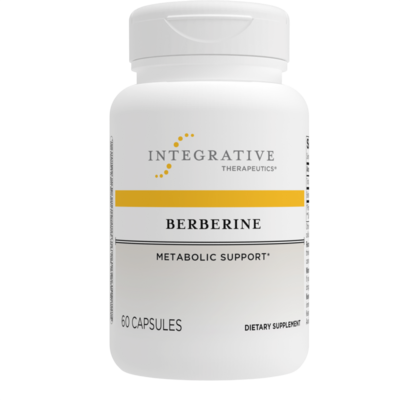
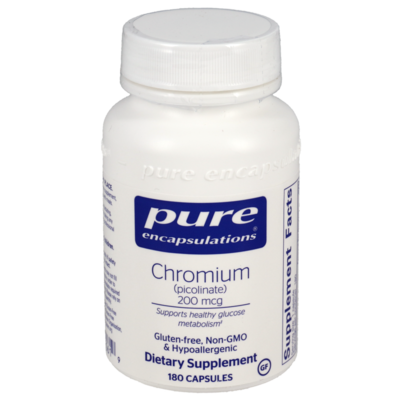
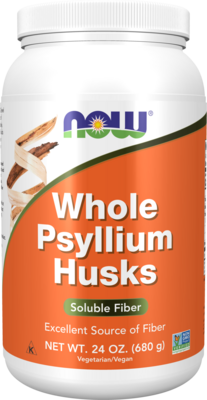
Also available, products containing the combination of ingredients included in the protocol: Pure Encapsulations Metabolic Xtra: https://us.fullscript.com/p/stores/products/catalog/show?productID=71621 Allergy Research Group Glucose Tolerance II w/ Glucevia: https://us.fullscript.com/p/stores/products/catalog/show?productID=78693
Metabolic Health – Fatty Liver Support
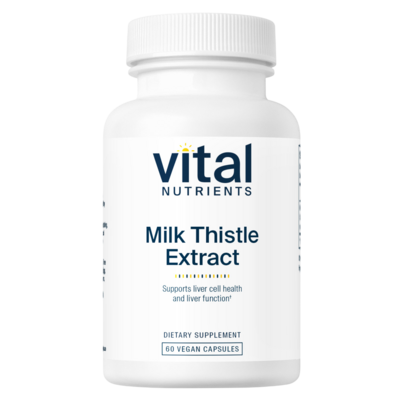
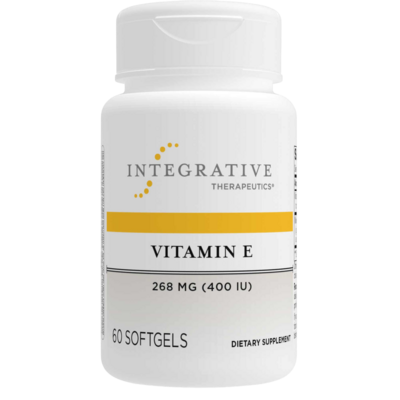
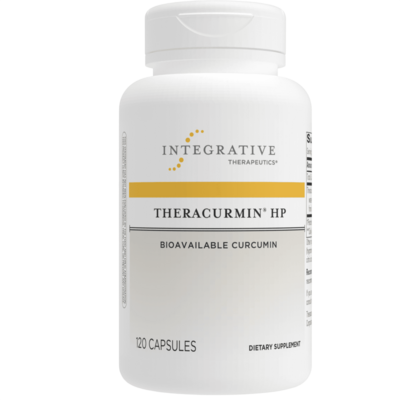 2 more items in Metabolic Health – Fatty Liver Support
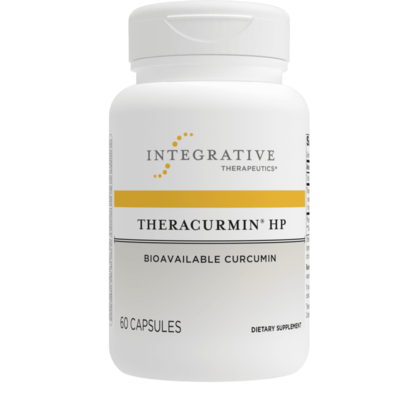
Fatty liver diseases The increasing incidence of nonalcoholic fatty liver disease (NAFLD) in children and adults in industrialized countries is mainly attributed to the ongoing epidemic of obesity and type 2 diabetes mellitus . NAFLD results from the abnormal accumulation of fat (steatosis) in the liver in the absence of heavy alcohol consumption. Although the condition is considered to be largely benign, NAFLD can progress to a more severe disease called nonalcoholic steatohepatitis (NASH) with increased risks of cirrhosis , hepatocellular carcinoma (liver cancer), and cardiovascular disease (81) . Oxidative stress is thought to be one of the possible mechanisms responsible for prompting inflammatory processes that can lead to the progression of NAFLD to NASH. Causes and risk factors for both types of NAFLD include: Certain infections (e.g., hepatitis C) Certain health conditions in which your body improperly stores fat Certain pharmaceutical medications (e.g., amiodarone, diltiazem, glucocorticoids methotrexate, etc.) Certain toxins High triglyceride and/or cholesterol levels Insulin resistance Metabolic syndrome Overweight or obesity Rapid weight loss Type 2 diabetes Vit E In the multicenter PIVENS (PIoglitazone versus Vitamin E versus placebo for the treatment of Nonalcoholic Steatohepatitis) trial, 247 nondiabetic subjects with NASH were randomized to receive 30 mg/day of pioglitazone (an insulin-sensitizing drug), 800 IU/day (536 mg/day) of RRR -α-tocopherol, or a placebo for 96 weeks (83) . Only vitamin E supplementation significantly increased the overall rate of improvement in histological abnormalities that characterize NASH on liver biopsies. Reishi Mushrooms Japanese red reishi mushrooms have been found to help detoxify the liver through a variety of mechanisms. A 2017 study on the triterpenoids and polysaccharide peptides—compounds found in Ganoderma lucidum—were found to reduce mild fatty liver conditions to normal. Milk Thistle Milk thistle, or silymarin, is an herb known for its liver-protecting effects . Studies have found that milk thistle, alone or in combination with vitamin E, help reduce insulin resistance, inflammation and liver damage in people with NAFLD Theracumin Theracurmin has been reported to be effective against a variety of pathological conditions including cardiovascular disease, esophageal cancer, inflammatory bowel disease, and osteoarthritis. However, no basic or clinical studies regarding the efficacy of theracurmin against NAFLD, including hepatic steatosis, have been performed. In this study, we evaluated the preventive effect of theracurmin on hepatic steatosis in mice fed with a high fat diet (HFD). We uncovered that theracurmin treatment prevented the accumulation of TG and total cholesterol (T-CHO), as well as the lipid peroxidation, normally observed in the livers of HFD-fed mice. Our findings suggested that theracurmin is protective against NAFLD through lipid metabolism and oxidative stress modulation, and has therapeutic potential. (NIH) Artichoke Like milk thistle, Cynara scolymus , commonly known as artichoke, is a member of the Asteraceae family. Traditionally, artichoke was used in the treatment of certain conditions such as hyperlipidemia. ( 9 ) Modern research has demonstrated the lipid-lowering, bile-enhancing, antioxidant, and most significantly, hepatoprotective effects of artichoke. ( 1 ) Bioactive compounds identified in artichoke responsible for its antioxidant effects include luteolin, cynarin, caffeic acid, and chlorogenic acid. ( 9 ) Artichoke leaf extract has been shown to reduce ALT and AST levels and may improve symptoms associated with NASH. Also available, products containing the combination of ingredients included in the protocol: Nature's Way Artichoke: https://us.fullscript.com/p/stores/products/catalog/show?productID=56306 Vital Nutrients Liver Support II: https://us.fullscript.com/p/stores/products/catalog/show?productID=58346 Wise Woman Herbals Hepacaps: https://us.fullscript.com/p/stores/products/catalog/show?productID=81021
Covid
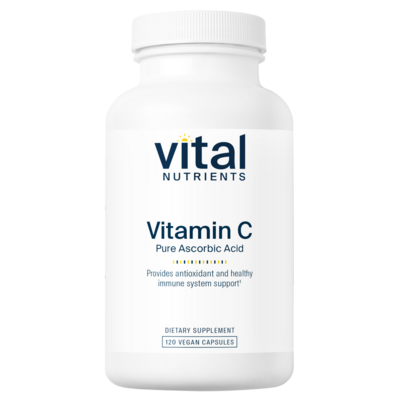
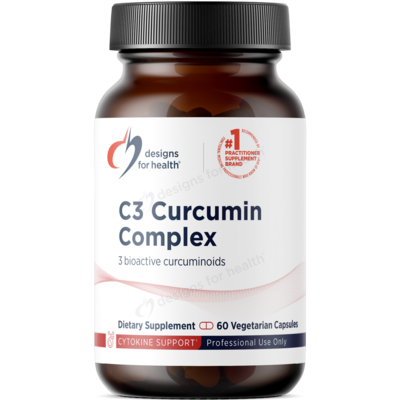
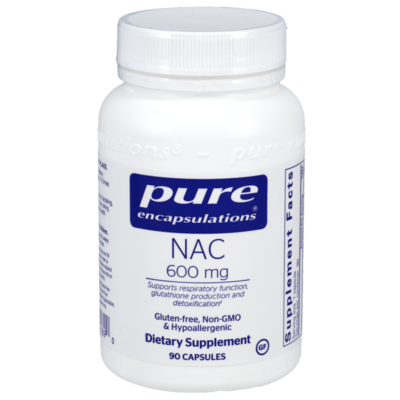
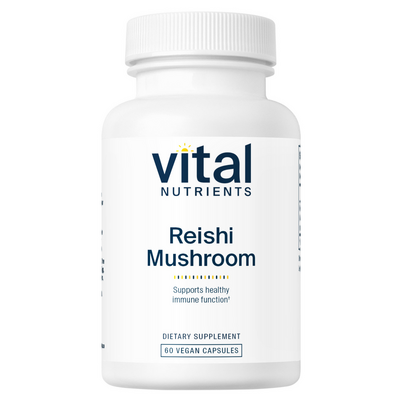
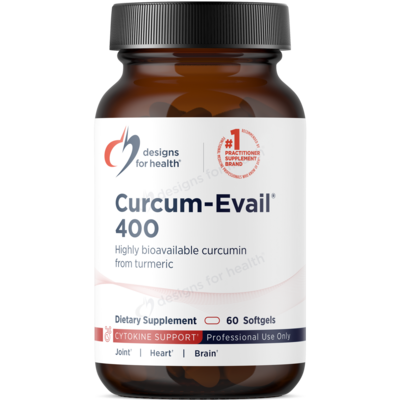
It’s a good time to boost your immune system as schools and sports and businesses are beginning to reopen. Strengthening your immune system decreases your risk for more serious complications from COVID -19. **** How might IV vitamin C work in COVID-19 patients? There are several theories about how IV vitamin C may help treat COVID-19: **** Very high vitamin C levels may create free radicals that destroy viruses and bacteria. Our body’s cells have defenses against these free radicals, but viruses do not. Vitamin C renews the body’s antioxidant protection. Serious infections can use up our body’s vitamin C and other antioxidants very quickly. Vitamin C is a vital part of the immune system. Daily vitamin C from food + supplements is enough to support healthy immunity. (Linus Pauling Inst) **** Curcumin and Covid Several polyphenolic compounds extracted from natural products were identified with varied antiviral mechanisms such as targeting virus host specific interactions, viral entry, replication, and assembly. In line with these findings, curcumin, is one of the natural compounds that has been widely investigated for its antiviral effects. Curcumin extracted from Curcuma longa, exhibits a wide range of therapeutic properties including antioxidant, anti-microbial, anti-proliferative, anti-inflammatory, neuroprotective and cardioprotective properties.(NIH) **** NAC and Covid NAC exhibits a mucolytic effect due to its free sulfhydryl group which reduces disulfide bonds in the mucus glycoproteins matrix, thereby lowering mucus viscosity; and NAC is a potent antioxidant with a direct effect on certain oxidant species. NAC decreases angiotensin II bonds to angiotensin II type 1 receptors. In the COVID-19 context, NAC could block excessive production of angiotensin II, which cannot be cleaved to angiotensin 1–7 by ACE2, decreasing pulmonary disease severity https://www.ncbi.nlm.nih.gov/pmc/articles/PMC7359418/ **** Mushrooms and Covid Mushrooms exert antimicrobial activity against viral agents, gram‐positive and gram‐negative bacteria, and parasites in vitro and in vivo. Since the mechanism is immunomodulatory and not antibiotical, the mushrooms should be active against multi‐drug resistant microbes as well. Moreover, since they also have anti‐inflammatory properties, they may be suited for treatment of the severe lung inflammation that often follows COVID‐19 infection. Components of mushrooms can significantly reduce bacteraemia and increase survival in mice with pneumococcal sepsis, and improve symptoms and quality of life in IBD patients via an anti‐inflammatory effect. Hence, such mushroom extracts could have prophylactic or therapeutic effect against the pneumonic superinfection and severe lung inflammation that often complicates COVID‐19 infection https://www.ncbi.nlm.nih.gov/pmc/articles/PMC7404338/ ****
Shop the entire wellness catalog, held to a higher standard
Shop practitioner-grade products, each meeting the same bar for quality through Fullscript's standards.
Powered byVerified
Sourced straight from the brand — no resellers or fakes
Enhanced testing
Select products are tested in-house — get exactly what the label promises
Stored and shipped
From certified facilities, to protect product integrity