Public protocols
Erica Leazenby's Dispensary's general recommendations, available to anyone who visits this store.
Immune Support for Covid, Colds and Flu
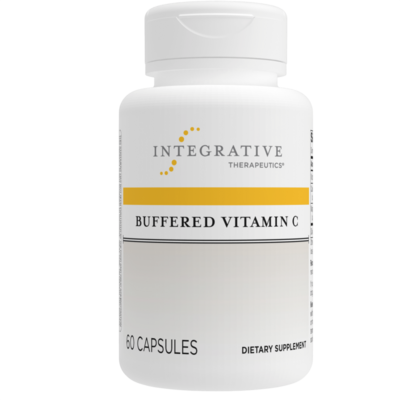
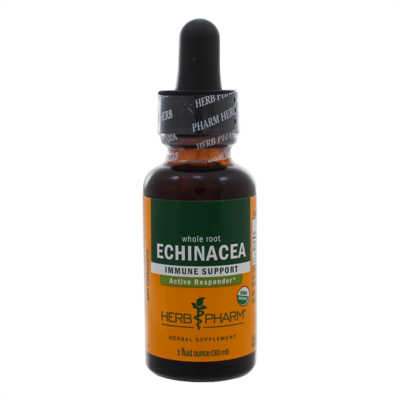
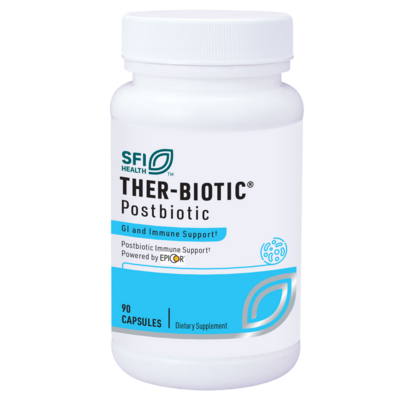 9 more items in Immune Support for Covid, Colds and Flu
Vitamin C 1 g, once per day in adults 3 to 4 g, once per day at the onset of the common cold symptoms for the cold’s duration in adults1 Reduces the duration of the common cold by approximately a half-day, or by 8% in adults Reduces time of confinement by approximately six hours and fever duration by approximately a half-day, relieves chest pain and chills by approximately eight hours Improves antimicrobial and natural killer (NK) cell activities, lymphocyte levels, chemotaxis, delayed T cell responses, sympathetic nervous response, and induces anti-reactive oxygen species activity For more information on the uses of Vitamin C in other conditions, please refer to the Vitamin C reference guide . Echinacea purpurea Prevention: 0.9 mL, three times per day (equivalent to 2400 mg of extract), minimum 4 months7 Acute: Up to 4.5 mL liquid extract (equivalent to 4000 mg), once per day at the first stage of cold development7 Reduces the relative risk of cold development by 10-58% Reduces days with symptoms by 26% (1.4 days) and symptom scores by 23% 52% fewer patients requiring concomitant use of aspirin, paracetamol, or ibuprofen Reduces the incidence of cumulative viral infections by 26% and recurring infections by 59%, including influenza virus and parainfluenza virus Increases associated counts for white blood cells, monocytes, neutrophils, and natural killer cells, and suppresses superoxide production in the later-phase of the cold by neutrophils Zinc 75-100 mg of elemental zinc as zinc acetate or zinc gluconate lozenges, once per day, within 24 hours of the onset of common cold symptoms, minimum 1 to 2 weeks cold Reduces cold duration by 33%, or by approximately 1.65 to 3 days in healthy adults colds Zinc acetate equivalently reduces the duration by 40% and zinc gluconate reduces the duration by 28%, while other sources indicate greater efficacy with zinc acetate in healthy adults Reduces the incidence of cold symptoms after 5-7 days in healthy adults Reduces the duration of muscle soreness by 54%, cough by 46%, voice hoarseness by 43%, nasal congestion by 37%, nasal discharge by 34%, scratchy throat by 33%, sneezing by 22%, and sore throat by 18% in healthy adults Reduces the incidence of common cold development, absence from school, and antibiotic use in children Improves anti-inflammatory and antioxidant profile via reductions in plasma interleukin-1 receptor antagonist (IL-1ra), intercellular adhesion molecule-1 (ICAM-1), TNF-ɑ, MDA, HAE, and 8-oHdG, and increases in IL-2 mRNA in mononuclear cells in healthy adults Probiotics Probiotics may reduce the incidence of colds with minor effects on prevention, as well as improve influenza vaccination efficacy for A/H1N1, A/H3N2, and B strains, but is dependent on strain and population. Cold -- 1 billion CFU of Lactobacillus paracasei 8700:2 (DSM 13434) & Lactobacillus plantarum HEAL 9 (DSM 15312), once per day for 3 months Reduces the incidence of developing more than one common cold episode and number of days with a cold Reduces total symptom scores & pharyngeal symptoms of cold Reduces B lymphocyte proliferation Influenza -- 10 billion CFU of Lactobacillus fermentum CECT5716, once per day for 2 weeks before influenza vaccination and two weeks after Reduces the incidence of influenza 5-months after vaccination compared to vaccine alone Increases natural killer cells, T-helper response, and IgA levels -- 10 billion CFU of Lactobacillus rhamnosus GG, twice per day for 4 weeks after influenza vaccination Increases seroprotection for the H3N2 strain during the supplementation period -- 500 mg of Saccharomyces cerevisiae (EpiCor®), once per day for 12 weeks Reduces the incidence of cold/flu symptoms with or without prior vaccination Reduces the duration of symptoms with prior vaccination References link: https://fullscript.com/protocol/cold-and-flu-support
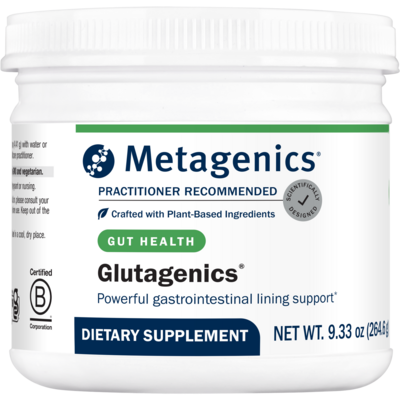
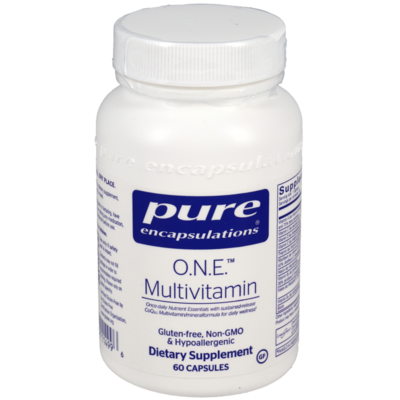
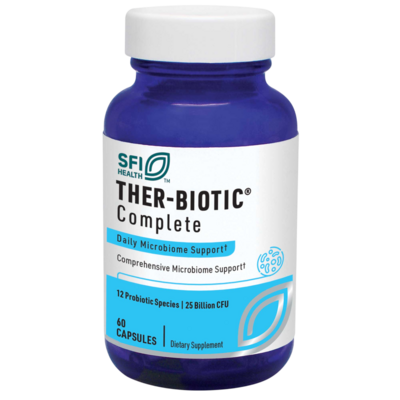
Shop the entire wellness catalog, held to a higher standard
Shop practitioner-grade products, each meeting the same bar for quality through Fullscript's standards.
Powered byVerified
Sourced straight from the brand — no resellers or fakes
Enhanced testing
Select products are tested in-house — get exactly what the label promises
Stored and shipped
From certified facilities, to protect product integrity