Public protocols
Esea Medica's general recommendations, available to anyone who visits this store.
PCOS Support
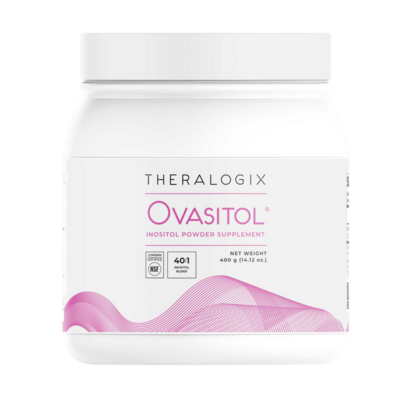
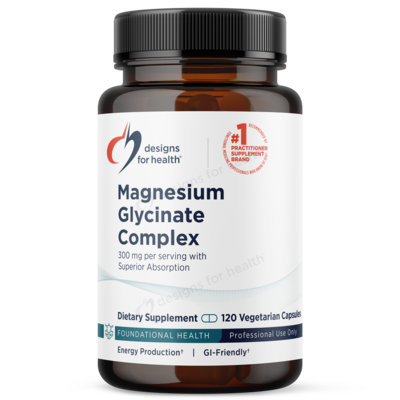
Ovasitol® Inositol Powder Supplement by Theralogix One of the most researched nutrients and ratios for PCOS and supports insulin signaling, helps regulate menstrual cycles and improves ovarian response. Magnesium Glycinate Complex by Design For Health Playss a critical role in glucose metabolism, cortisolregulation, and sleep. The glycinate form is well-tolerated and highly absorbable.
Post-Antibiotic Recovery
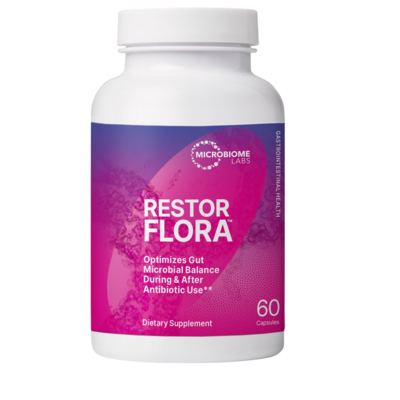
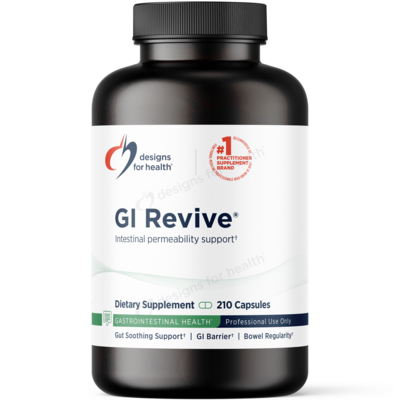
Here's the Post-Antibiotic Recovery collection: Antibiotics do what they're designed to do — and the collateral damage is real. Every course clears the target pathogen and takes a significant portion of your beneficial microbiome with it, stripping the mucosal lining, depleting key nutrients, and leaving an ecological void that opportunistic organisms are primed to fill. What happens in the weeks after antibiotics matters as much as the course itself. This collection is designed for that critical recovery window — rebuilding the microbiome from the ground up, repairing the intestinal lining, and restoring the immune terrain before dysbiosis has the chance to take hold. These are my trusted post-antibiotic recovery essentials, selected for strategic microbiome reseeding, mucosal repair, and gut immune restoration. When to use each: RestorFlora (Microbiome Labs) — Begin during the antibiotic course and continue for a minimum of four weeks after completion. This combination of spore-based probiotics and Saccharomyces boulardii is specifically formulated to survive the hostile post-antibiotic environment where conventional probiotics fail. S. boulardii has robust clinical evidence for reducing antibiotic-associated diarrhea and C. diff risk, while the spore-based strains begin reconditioning the microbial environment before reseeding can take full effect. GI Revive (Designs for Health) — Take daily throughout the recovery phase and continue for four to six weeks post-antibiotic. This comprehensive mucosal repair formula combines L-glutamine, DGL licorice root, aloe vera, zinc carnosine, and slippery elm to address every layer of intestinal damage antibiotics leave behind. The gut lining takes the hardest hit during antibiotic use — and no amount of probiotic reseeding holds if the mucosal architecture isn't rebuilt first. Functional Lab Considerations GI-MAP: Run four to six weeks post-recovery to assess whether the microbiome has reestablished diversity, confirm pathogen clearance, and identify any opportunistic overgrowth — Candida, Klebsiella, and C. diff are the most common post-antibiotic colonizers and won't always produce obvious symptoms in early stages. OAT testing: Detects yeast and fungal metabolites, bacterial dysbiosis byproducts, and mitochondrial stress patterns that emerge after antibiotic-driven microbiome disruption — often before GI symptoms appear. Micronutrient testing: Antibiotics deplete B12, folate, vitamin K2, magnesium, and zinc reliably — testing identifies which deficiencies need targeted repletion to support full recovery. Lifestyle Considerations Begin a diverse, fiber-rich whole food diet immediately after completing the antibiotic course — varied plant fiber is the most powerful microbiome diversity driver available and feeds the beneficial strains you're working to reestablish. Introduce fermented foods gradually one to two weeks into recovery — sauerkraut, kefir, kimchi, and plain yogurt introduce live organisms and organic acids that support microbial recolonization when the environment is ready to receive them. Avoid sugar, refined carbohydrates, and alcohol through the full recovery window — all three selectively feed Candida and opportunistic bacteria that thrive in the post-antibiotic ecological vacuum. Prioritize sleep and stress reduction — cortisol dysregulation directly impairs gut immune recovery and slows the mucosal repair process that makes lasting microbiome restoration possible. If future antibiotic courses are necessary, begin S. boulardii on day one of the prescription and continue four weeks beyond the last dose — timing matters more than most people realize. The information provided here is for educational purposes only and is not intended as a substitute for professional medical advice, diagnosis, or treatment. 📧 jules@eseamedica.com | 🌐 www.eseamedica.com
Chronic Fatigue & Energy Support
 2 more items in Chronic Fatigue & Energy Support
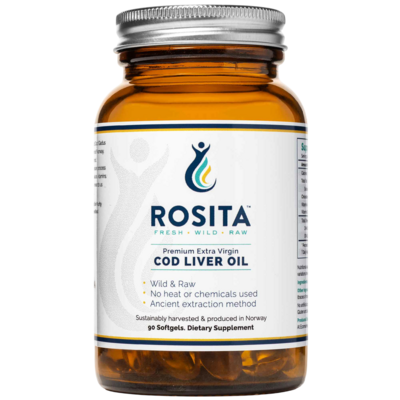
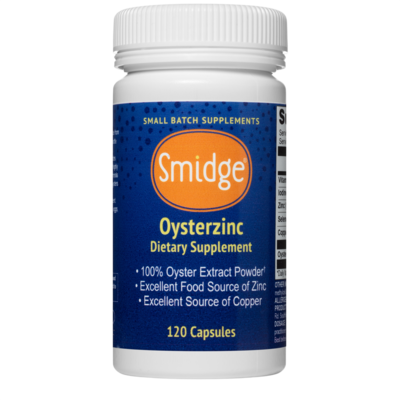
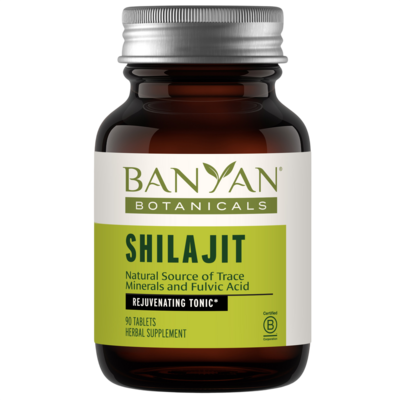
Fatigue that doesn't resolve with rest isn't a sleep problem — it's a cellular problem. True chronic fatigue lives at the level of the mitochondria: the organelles responsible for converting nutrients into usable energy. When mitochondrial function is compromised by toxic burden, nutrient depletion, chronic inflammation, or oxidative stress, no amount of caffeine, sleep, or willpower closes the gap. This collection addresses energy production at the source — not by stimulating the nervous system, but by restoring the biological machinery that makes energy possible in the first place. These are my trusted chronic fatigue and energy essentials, selected for deep mitochondrial support, cellular repair, and sustainable energy restoration. When to use each: Rosita Extra Virgin Cod Liver Oil (Rosita Real Foods) — Take daily with food. This is one of the purest and most bioavailable sources of omega-3 fatty acids, vitamin A, and vitamin D in their naturally occurring, synergistic ratios. Mitochondrial membranes are composed largely of fatty acids — their integrity directly determines how efficiently the electron transport chain produces ATP. Rosita's cold-extracted, wild-caught formula is in a class of its own for purity and bioavailability. Oysterzinc (Smidge) — Take daily with food. Whole food oyster-derived zinc and copper in their naturally occurring ratios — two of the most critical cofactors in mitochondrial enzyme function, thyroid hormone conversion, and cellular respiration. Zinc deficiency is among the most common and most underdiagnosed nutrient drivers of fatigue, immune suppression, and poor recovery, and whole food sources outperform isolated zinc salts in absorption and cofactor completeness. Shilajit Tablets (Banyan Botanicals) — Take daily, morning or midday. Shilajit is one of the most studied adaptogens for mitochondrial energy production — its fulvic acid content directly enhances electron transport chain efficiency and CoQ10 function, while its mineral density supports the full cofactor matrix required for ATP synthesis. Clinical studies show significant improvements in fatigue scores, physical performance, and testosterone levels with consistent use. Vitamin C (Vibrant Health) — Take daily with food. Beyond immune support, vitamin C is an essential cofactor in carnitine synthesis — the molecule responsible for shuttling fatty acids into the mitochondria to be burned as fuel. Without adequate vitamin C, fat oxidation stalls, carnitine production drops, and fatigue becomes the default state. It also protects mitochondria from oxidative damage generated by energy production itself. BodyBio PC Liquid (Body Bio) — Take daily, mixed into water or juice. Phosphatidylcholine is the primary phospholipid in every cell membrane in the body — and mitochondrial membranes in particular depend on PC integrity to maintain electrochemical gradients and efficient energy transfer. In chronic fatigue, membrane degradation is a consistent finding. PC replenishment restores membrane fluidity, supports liver detoxification, and directly improves cellular communication and energy output over time. Functional Lab Considerations OAT testing: The single most valuable test for chronic fatigue — identifies mitochondrial dysfunction markers, Krebs cycle disruption, CoQ10 insufficiency, B vitamin depletion, and microbial metabolites that directly suppress cellular energy production. GI-MAP: Chronic gut infection, dysbiosis, and elevated intestinal inflammation are among the most common and most overlooked drivers of systemic fatigue — the immune burden of an inflamed gut is metabolically expensive and drains energy systemically. Micronutrient testing: Magnesium, B12, folate, iron, ferritin, CoQ10, vitamin D, and zinc are the most clinically relevant fatigue-associated deficiencies and should be assessed before building any energy protocol. Lifestyle Considerations Anchor your wake time — circadian rhythm is the master regulator of mitochondrial biogenesis, and inconsistent sleep-wake timing is one of the fastest ways to degrade cellular energy output regardless of what you supplement. Morning sunlight within 30 minutes of waking sets cortisol rhythm, supports mitochondrial activation, and establishes the light-dark cycle that governs every downstream energy and hormonal process. Avoid pushing through fatigue with stimulants — caffeine and sugar mask the signal without addressing the terrain, accelerate adrenal depletion, and consistently make the underlying mitochondrial dysfunction worse over time. Cold exposure in short, intentional doses stimulates mitochondrial biogenesis — the creation of new mitochondria — through PGC-1alpha activation, one of the most powerful mitochondrial renewal pathways available without pharmaceutical intervention. Reduce toxic burden actively — heavy metals, mold mycotoxins, and persistent organic pollutants directly inhibit mitochondrial enzyme function and are a primary driver of fatigue that doesn't respond to nutrition or sleep intervention alone. The information provided here is for educational purposes only and is not intended as a substitute for professional medical advice, diagnosis, or treatment. 📧 jules@eseamedica.com | 🌐 www.eseamedica.com
Early Immune Support Protocol
 2 more items in Early Immune Support Protocol
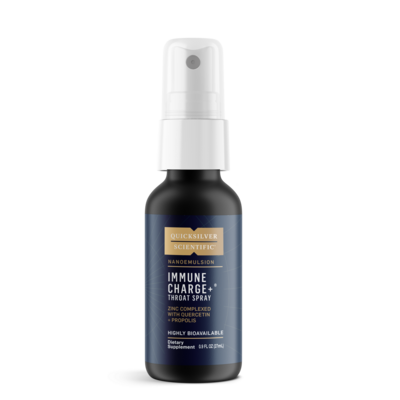
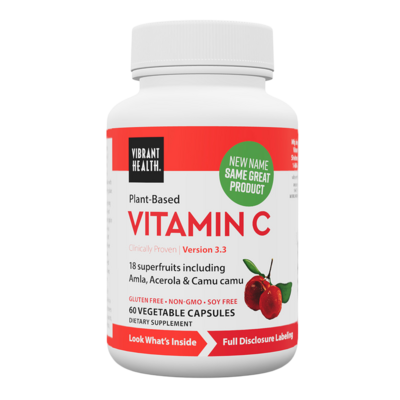
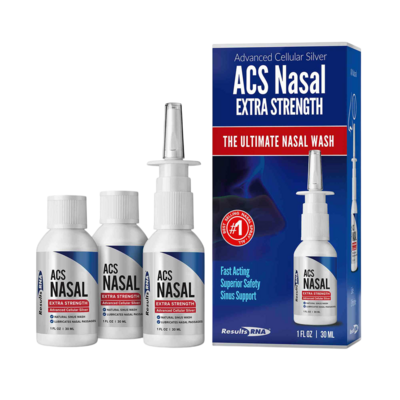
The window between first symptom and full immune activation is the most important and most underutilized moment in immune health. Most people wait until they're sick to act — but the terrain that determines whether a pathogen takes hold is built long before exposure. This collection is designed for that critical early window: the scratchy throat, the sudden fatigue, the feeling that something is coming. Act early, act strategically, and give your immune system exactly what it needs to do its job without interference. These are my trusted early immune essentials, selected for fast-acting, targeted support the moment your body signals it needs reinforcement. When to use each: Immune Charge+ Throat Spray (Quicksilver Scientific) — Use at the very first sign of immune challenge — scratchy throat, sudden fatigue, unusual chills. Liposomal zinc, elderberry, and vitamin C delivered directly through the oral mucosa for near-immediate absorption. This is your first-response tool, not a daily maintenance supplement. Vitamin C (Vibrant Health) — Begin high-dose vitamin C at first symptom and continue through recovery. Vitamin C concentrates in immune cells at levels 50 to 100 times higher than plasma, directly fueling neutrophil and lymphocyte activity. It's not a preventive myth — it's a cofactor the immune system runs on, and demand skyrockets the moment a threat is detected. ACS Nasal Extra Strength (Results RNA) — Use as a nasal spray at first sign of upper respiratory symptoms. Silver sol delivered directly to the nasal passages — where most respiratory pathogens first colonize — disrupts microbial activity at the point of entry before it has the opportunity to descend into the lower respiratory tract. 5 Defenders Mushroom Extract Blend Powder (Real Mushrooms) — Begin at first sign and continue daily through recovery. This blend of reishi, chaga, turkey tail, maitake, and shiitake delivers beta-glucans that directly modulate innate immune activity — training immune cells to respond with precision rather than overreaction. Turkey tail in particular has robust clinical data for NK cell and T-cell activation. Manuka Honey & Propolis Lozenges (Manuka Health) — Use throughout the day at first sign of throat irritation or immune activation. Manuka honey's methylglyoxal content and propolis's flavonoid-rich antimicrobial profile work together to coat the throat mucosa, reduce local inflammation, and create a hostile environment for pathogens at the point of entry. Lifestyle Considerations Sleep is the single most impactful immune intervention — cytokine production, T-cell activity, and immune memory consolidation all peak during deep sleep. Cutting sleep short during early illness is the most reliable way to lose the window. Eliminate sugar immediately at first sign — glucose and vitamin C compete for the same cellular uptake receptors, and high blood sugar directly impairs neutrophil function within hours of consumption. Prioritize warmth and rest over pushing through — the fever response is an intelligent immune strategy, not a malfunction. Support it rather than suppress it when safe to do so. Direct sun exposure during early illness supports rapid vitamin D mobilization, circadian immune rhythm, and melatonin production — all of which directly amplify the acute immune response. Reduce food volume and increase broth, mineral water, and warm liquids — digestive energy is metabolically expensive, and redirecting it toward immune activity is what the body is already trying to do when appetite drops during illness. The information provided here is for educational purposes only and is not intended as a substitute for professional medical advice, diagnosis, or treatment. 📧 jules@eseamedica.com | 🌐 www.eseamedica.com
Constipation Relief
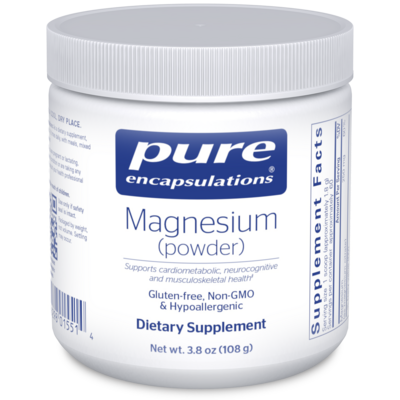
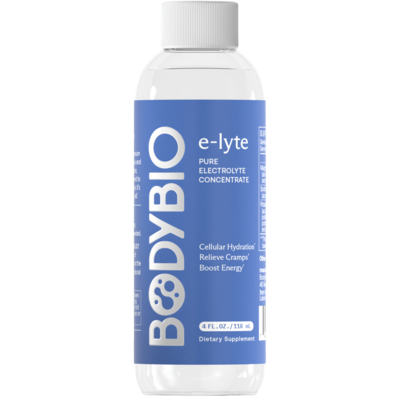

Constipation is one of the most common and most misunderstood digestive complaints. It's rarely just about fiber or water intake — it's a signal that something upstream has stalled: low stomach acid, sluggish bile flow, electrolyte depletion, a dysregulated nervous system, or a colon that simply isn't getting the hydration and mineral support it needs to move. This collection addresses the most common terrain drivers directly, so you're supporting motility at the root rather than forcing a response. These are my trusted constipation relief essentials, selected to support gentle, consistent, and sustainable digestive movement. When to use each: Magnesium Powder (Pure Encapsulations) — Take in the evening with water. Magnesium draws fluid into the colon, softens stool, and relaxes the smooth muscle of the intestinal wall. One of the most effective and physiologically appropriate interventions for sluggish motility — and most people are already deficient. E-Lyte (Body Bio) — Use daily in water to replenish sodium, potassium, and trace minerals. A dehydrated colon is a stiff colon — and electrolyte imbalance is one of the most overlooked drivers of chronic constipation, especially in clients who drink plenty of water but still can't move things through. Senna Tea (Buddha Teas) — Use short-term or situationally when relief is needed and other supports haven't been sufficient. Senna stimulates peristaltic contractions directly. Not intended for daily long-term use, but a clean, gentle option compared to synthetic laxatives when occasional intervention is needed. Functional Lab Considerations GI-MAP : Identifies dysbiosis, low secretory IgA, and pathogen patterns that slow motility; also flags low Akkermansia and butyrate-producing bacteria that directly support colonic movement. Organic Acid testing : Detects mitochondrial dysfunction and neurotransmitter imbalances — including low serotonin metabolites — that impair the enteric nervous system's ability to drive peristalsis. Lifestyle Considerations Hydrate with mineral-rich water first thing in the morning before coffee — the gastrocolic reflex is strongest upon waking and responds well to warm water with electrolytes. Movement is non-negotiable — even a 20-minute walk after meals activates the migrating motor complex and directly stimulates bowel motility. Address cortisol and nervous system dysregulation as primary drivers — the enteric nervous system is downstream of the autonomic nervous system, and a body in chronic stress does not prioritize elimination. Squatting position during elimination (a footstool under the feet) mechanically straightens the anorectal angle and makes complete evacuation significantly easier. The information provided here is for educational purposes only and is not intended as a substitute for professional medical advice, diagnosis, or treatment.
Food Poisoning Support
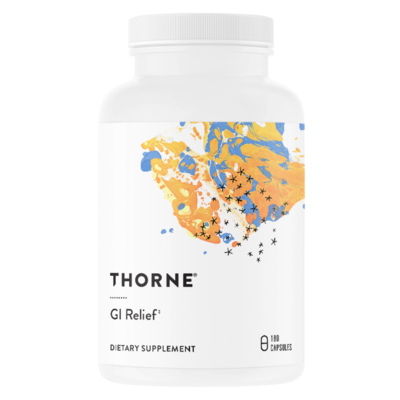
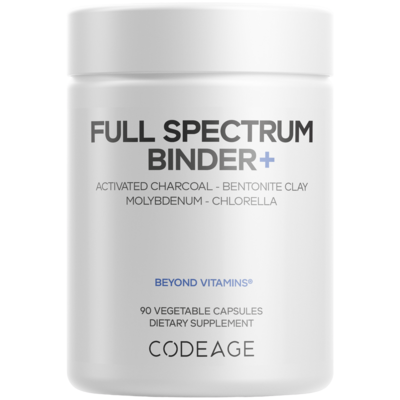
Food poisoning hits fast and hard — and what you do in the first 24 to 72 hours matters more than most people realize. The acute phase is the body doing exactly what it's designed to do: purging, inflaming, and mobilizing immune defenses to clear the threat. The goal isn't to suppress that process — it's to support it intelligently, protect the gut lining, bind toxins before they recirculate, and begin rebuilding the microbiome before opportunistic bacteria move in to fill the void left behind. These are my trusted food poisoning essentials, selected for acute gut protection, toxin clearance, and rapid microbiome recovery. When to use each: RestorFlora (Microbiome Labs) — Start immediately and continue through recovery. This spore-based probiotic and Saccharomyces boulardii combination is specifically designed for acute GI disturbance — it survives the hostile environment of an inflamed gut, crowds out pathogenic organisms, and begins restoring microbial balance from day one. S. boulardii in particular has strong clinical evidence for reducing duration and severity of infectious diarrhea. GI-Relief (Thorne) — Use throughout the acute and recovery phase. This formula supports the mucosal lining directly — the first layer of defense that takes the brunt of the damage during a GI infection. Ingredients like slippery elm, deglycyrrhizinated licorice, and bismuth work together to coat, soothe, and begin repairing intestinal tissue while the immune response clears the pathogen. Binder+ (Codeage) — Take away from food and other supplements during the acute phase. Binders are critical during food poisoning because bacterial toxins — not just the bacteria themselves — drive much of the systemic inflammation, nausea, and malaise. Activated charcoal, zeolite, and other binding agents in this formula intercept toxins in the gut before they get absorbed and recirculate systemically, significantly reducing symptom severity and duration. Functional Lab Considerations GI-MAP: Run 2 to 4 weeks post-recovery to assess whether pathogens have fully cleared, identify any residual dysbiosis, and evaluate gut immune markers like secretory IgA that may need targeted support. OAT testing: Useful post-acute to identify lingering microbial metabolites, assess mitochondrial impact of the infection, and guide recovery protocol if fatigue, brain fog, or digestive disruption persist. Lifestyle Considerations Prioritize electrolyte replenishment over food in the first 24 hours — the body loses sodium, potassium, and magnesium rapidly through vomiting and diarrhea, and rehydration is the most critical acute intervention. Reintroduce food slowly and strategically — bone broth, cooked vegetables, and easily digestible starches before anything fermented, raw, or high-fiber. Avoid dairy, sugar, and alcohol through the full recovery window, as all three feed opportunistic organisms and slow mucosal repair. Rest is not optional — the immune response to a GI infection is metabolically expensive, and pushing through depletes the resources the body needs to clear and recover. The information provided here is for educational purposes only and is not intended as a substitute for professional medical advice, diagnosis, or treatment. 📧 jules@eseamedica.com | 🌐 www.eseamedica.com
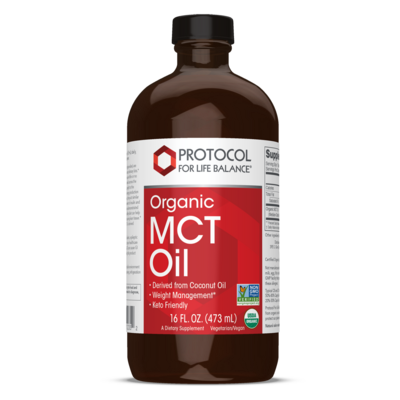
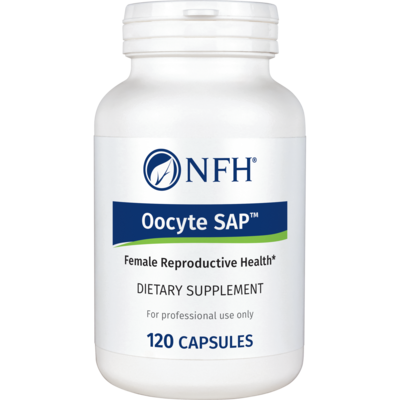
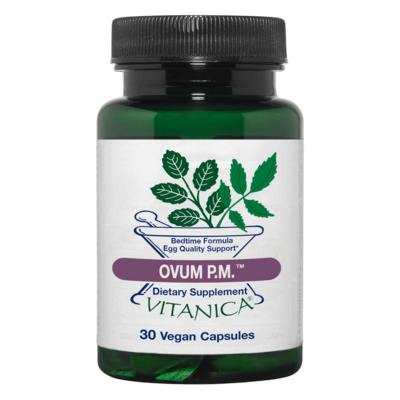
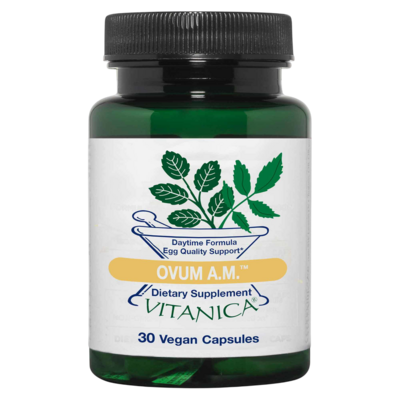
Shop the entire wellness catalog, held to a higher standard
Shop practitioner-grade products, each meeting the same bar for quality through Fullscript's standards.
Powered byVerified
Sourced straight from the brand — no resellers or fakes
Enhanced testing
Select products are tested in-house — get exactly what the label promises
Stored and shipped
From certified facilities, to protect product integrity