Public protocols
46 of FITology.LIFE's general recommendations, available to anyone who visits this store.
Whey Protein
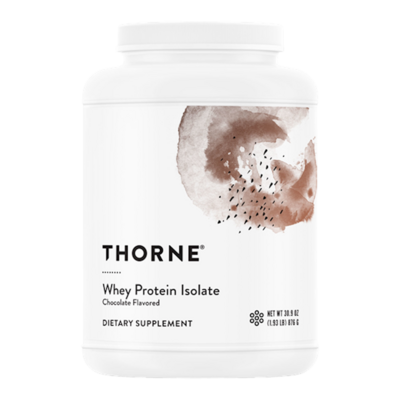
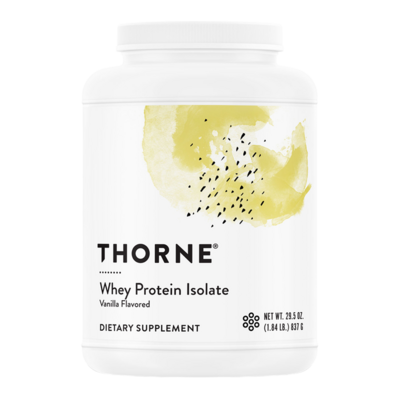
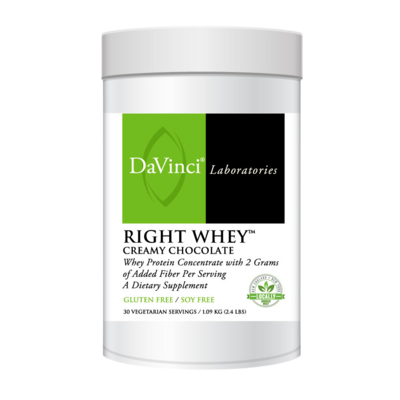
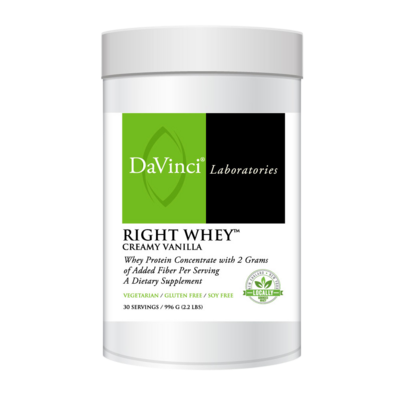
Whey protein is one of the primary proteins found in dairy products. A byproduct of the cheese-making process, whey protein provides substantial amounts of the essential amino acids that are needed to carry out the functions that proteins perform in the body. Whey protein powder can be added to liquids and soft foods, or blended with ice and fresh fruit to make a smoothie. People commonly take whey protein to improve athletic performance and address nutritional deficiencies or problems. Benefits of whey protein: - Is an excellent source of high quality protein - Promotes muscle growth - May lower blood pressure - May help reduce inflammation - May enhance the body’s antioxidant defenses - Is highly satiating (filling), which may help reduce hunger - Can help you lose weight
View protocolFish Oil
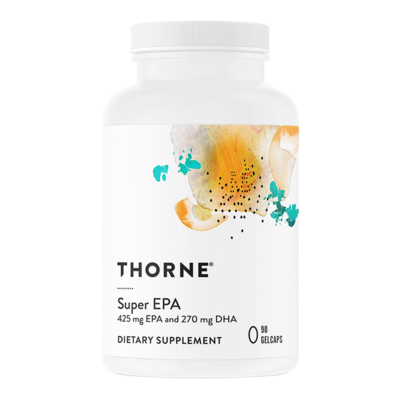
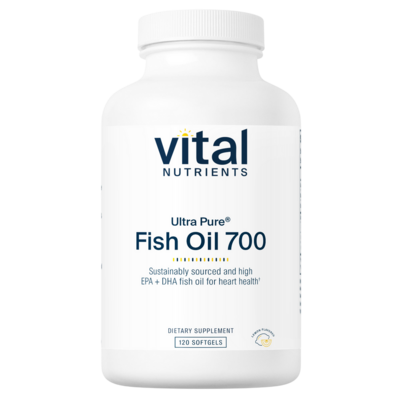
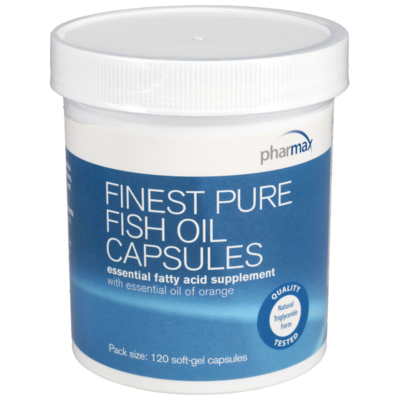
Fish oil is a dietary source of omega-3 fatty acids. Your body needs omega-3 fatty acids for many functions, from muscle activity to cell growth. Omega-3 fatty acids are derived from food. They can't be manufactured in the body. Fish oil contains two omega-3s called docosahexaenoic acid (DHA) and eicosapentaenoic acid (EPA). Dietary sources of DHA and EPA are fatty fish, such as salmon, mackerel and trout, and shellfish, such as mussels, oysters and crabs. Some nuts, seeds and vegetable oils contain another omega-3 called alpha-linolenic acid (ALA). Fish oil supplements come in liquid, capsule and pill form. Mainly, people take fish oil for its anti-inflammatory effects. Benefits of fish oil: May benefit depression and anxiety May improve eye health Could promote brain health during pregnancy and early life May improve risk factors for heart disease May reduce symptoms of ADHD in children Could reduce symptoms of metabolic syndrome May reduce inflammation Might benefit autoimmune diseases May help prevent age-related mental decline and Alzheimer’s disease
View protocolFiber
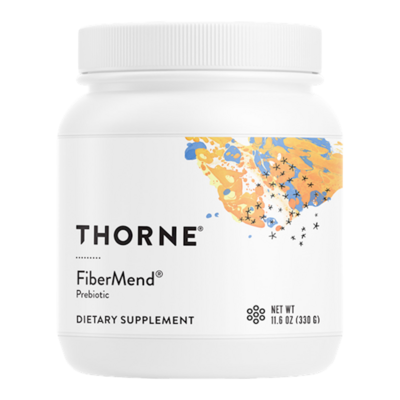
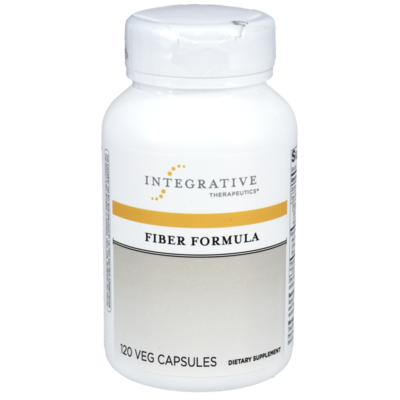
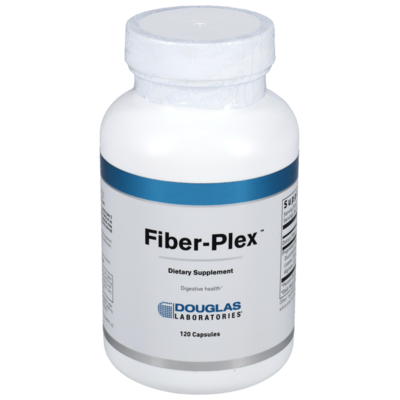
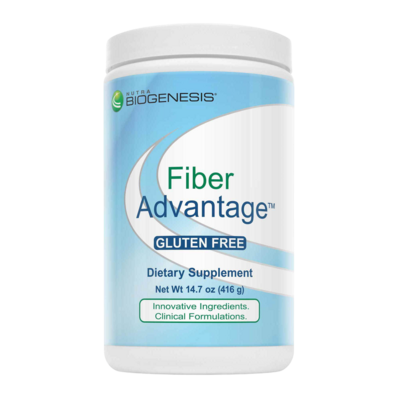
Dietary fiber, also known as roughage, is the indigestible part of plant foods. Fiber has a host of health benefits, including reducing the risk of heart disease and type 2 diabetes. Fiber is mostly in vegetables, fruits, whole grains, and legumes. To attain proper daily fiber levels it’s best to eat real whole foods. Supplementing fiber will help when diet is lacking. According to the Academy of Nutrition and Dietetics, the recommended intake for dietary fiber in a 2,000 calorie diet is: 25 grams per day for adult females 38 grams per day for adult males Benefits of fiber: Normalizes bowel movements Helps maintain bowel health Lowers cholesterol levels Helps control blood sugar levels Aids in achieving healthy weight
View protocolLongevity Support
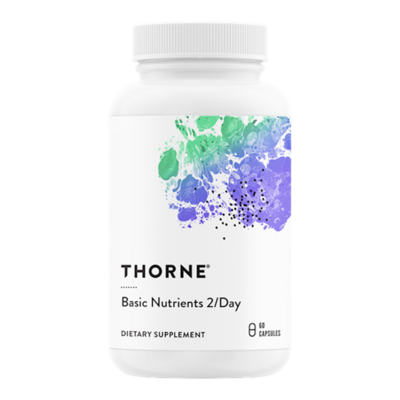
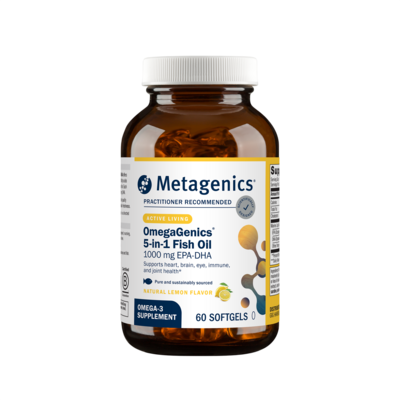
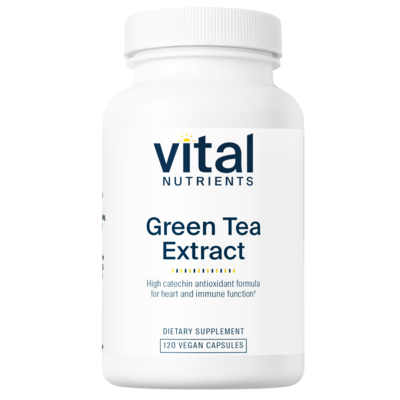 7 more items in Longevity Support
Global life expectancy has been increasing over the last few decades. During this time the rate of age-related diseases has been increasing as well. Improving quality of life and longevity is essential to having a full healthy and vibrant community of aging adults. Different biomarkers, such as oxidative stress and vitamin D status, may provide insight into risk of developing a chronic disease at an older age. For example, increased levels of oxidative stress are associated with frailty and sarcopenia in geriatric populations. Vitamin D status can act as an indicator for possible ill health when aging. Telomere length and integrity have been found to correlate with all-cause mortality. Therefore, addressing a range of age-associated biomarkers and risk factors is key in increasing life expectancy and improving quality of life in later years. Due to the nature of this protocol focusing on all-cause mortality, telomere length, and long-term risk reduction, the supportive research selected below primarily focuses on systematic reviews, meta-analyses, and/or observational cohort studies. Multivitamin Multivitamin use was associated with a 5.1% longer telomere length of leukocyte DNA in women aged 35 to 74 Multivitamins containing a combination of minerals and herbs improved ratings of calmness and decreased perceived mental stress in healthy women aged 50-75 years within a few hours after administration Multivitamin supplementation in elderly women was associated with an increase in inhibitory neural processes, indicating a possible improvement in neural efficiency during memory retrieval Multivitamins were shown to improve alertness, daily functioning, and mood according to overall score on depression, anxiety, and stress scale in men aged 50-69 years old Omega-3 fatty acids Omega-3 PUFAs in middle to late aged adults decreased inflammation as demonstrated by reductions in IL-1β, TNF-α, and IL-6 Improved inflammation, immune cell aging, and decreased oxidative stress by 15% in healthy sedentary overweight middle-aged and older adults; Additionally telomere lengths were found to increase when omega 6 to omega-3 ratios decreased Meta-analysis of 13 RCTs found marine-sourced omega-3 supplementation was associated with decreased risk of myocardial infarction, coronary heart disease, cardiovascular disease, and related mortality, in a dose-dependent fashion Green tea 300 mg, total per day, minimum of 14 days; or 1-5 cups per day of brewed green tea Cohort analysis of 313,381 subjects followed for a mean of 17.3 years found that high consumption of green tea (≥ 5 cups/day) decreased all-cause mortality; moderate consumption (3-4 cups per day) decreased respiratory- and cancer-related mortality Systematic review and meta-analysis of 39 cohort studies found that for each cup of tea consumed (estimated 338 mg total flavonoids), there was a decreased risk of CVD mortality (4%), CVD events (2%), stroke (4%), and all-cause mortality (1.5%) Green tea extract modulated inflammation by improving total antioxidant status, myeloperoxidase and lactoferrin release Vitamin D Minimum 800-2000 IU/day Systematic review and meta-analysis of 52 trials found a decrease in all-cause mortality with vitamin D3 supplementation and a decrease of 16% for risk of cancer death Meta-analysis of 159 trials found vitamin D3 to decrease mortality in independently living and institutionalized care elderly Systematic review and meta-analysis of 73 cohort studies and 22 randomized controlled trials found an inverse association of vitamin D levels with risk of cardiovascular disease, cancer, and all-cause mortality; supplementation decreased overall mortality in older adults Meta-analysis of 42 randomized controlled trials found a decrease in all-cause mortality when supplemented long term (3 years or more) B-Complex vitamin Systematic review and meta-analysis of 18 articles found supplement decreased stress status in healthy and at-risk populations (those at risk for poor nutrient status or poor mood status) Long term supplementation (2 years) of B-complex improved health-related quality of life in older adults with elevated homocysteine Total plasma homocysteine was found to be 30% lower than placebo when supplemented long-term (2 years) with B-complex in patients with mild cognitive impairment; cognitive decline also slowed and executive function stabilized
View protocolExercise Pain and Recovery Support
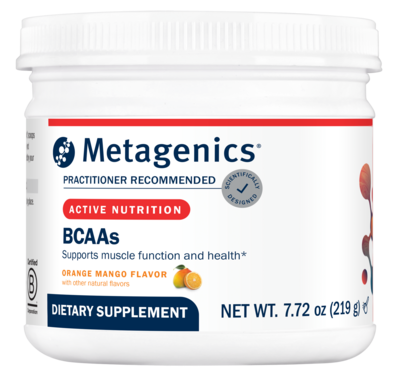
 6 more items in Exercise Pain and Recovery Support
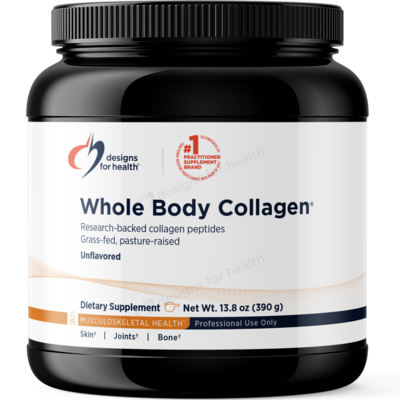
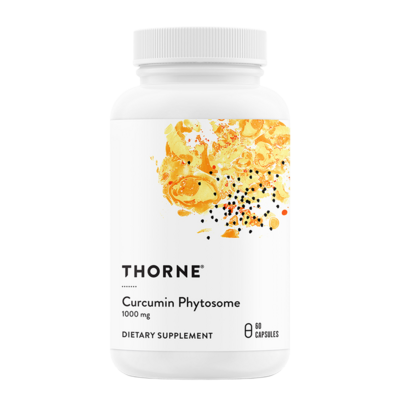
Many dietary supplements are marketed to athletes for purposes that extend beyond the classic ergogenic aid definitions. Examples include supplements that help to reduce exercise-induced pain & inflammation and improve recovery. During and especially after athletic activity, the body has a number of responses in order to help it recover and adapt. Many of these responses involve some level of local inflammation and muscle soreness that peaks within 24 to 48 hours after the exercise, usually referred to collectively as delayed onset muscle soreness (DOMS). These processes may contribute to various functional deficits such as reduced strength and/or range of motion. The ingredients selected for this protocol may help improve symptoms of exercise-related pain and aid in recovery. For example, branched-chain amino acids (BCAAs) may provide extra quantities of certain amino acids that may help to reduce markers of exercise-related damage. Collagen acts to provide strength and elasticity to connective tissues. Curcumin reduces many inflammatory markers and may shorten recovery time from exercise. Magnesium may reduce inflammation and cortisol levels and improve immunological function, all aiding in recovery. Finally, omega-3 fatty acids have effects on cyclooxygenase-2 expression and the metabolism of arachidonic acid. Branched-chain amino acids (BCAAs) BCAAs include the three essential amino acids leucine, isoleucine, and valine. BCAAs and especially leucine have been reported to activate mTOR, thereby promoting muscle protein synthesis, though there is controversy around these claims. BCAAs have been postulated to improve recovery since they have been shown to reduce markers of oxidative damage and muscle soreness. A 2017 systematic review found that BCAA supplementation may reduce skeletal muscle damage markers when muscle damage was low-to-moderate, the BCAA daily intake was high (over 200 mg per kilogram body weight) and prolonged (greater than ten days), and the BCAAs were taken prior to exercise. A 2021 meta-analysis showed that BCAA supplementation reduced creatinine kinase levels, but not plasma lactate dehydrogenase, two markers indicative of muscle damage and soreness, after resistance exercise in trained males. BCAAs may reduce delayed-onset muscle soreness with a moderate effect (effect size = 0.73), particularly within 48 hours post-exercise, according to a 2019 meta-analysis. No adverse effects of BCAA supplementation were noted, which is consistent with the fact that BCAAs are simply a small source of protein in the diet. Collagen Collagen is responsible for elasticity and firmness of tendons, ligaments, and connective tissues, and comprises one of the most predominant components of the extracellular matrix. The ankle joint as an example is 70% collagen. During supplementation, a considerable proportion accumulates in tissue structures, and may stimulate extracellular matrix expression and biosynthesis within connective tissues. Collagen may improve activity-related joint pain compared with placebo when ingesting 5 to 10 g per day over 12 to 24 weeks in young athletes with functional knee issues. Tendon and ligament repair may be improved with collagen supplementation; 100 athletes with chronic ankle instability were given 5 to 15 g of collagen per day over three to six months. Mechanical stability (measured by ankle stiffness with an ankle anthropometer) significantly improved, and the number of ankle sprains at 6-month follow-ups was reduced. In addition to aiding in joint pain and tissue repair, collagen may also help to fuel other metrics of recovery, as it was as effective for restoring different strength metrics between sessions of resistance and aerobic exercise. Curcumin Curcumin may improve athletic performance by reducing inflammation, supporting mitochondrial biogenesis, and reducing oxidative stress. Two recent systematic reviews showed that curcumin reduced inflammatory markers (TNF-ɑ, IL-6, IL-8, and IL-10), decreased pain and muscle damage (creatinine kinase levels), and led to superior recovery and muscle performance (i.e., quicker reduction of DOMS scores and subsequent restoration of muscle strength) in athletes. Dosing for curcumin supplementation for athletes varies widely based on the specific product extracts, ranging from 180 mg per day of Theracurmin® to 500 mg per day of Meriva®, to 6,000 mg of less common formulations. Curcumin is recognized by the U.S. Food and Drug Administration as “Generally Recognized as Safe.” A 2016 meta-analysis examined the use of curcumin supplementation for pain relief and reported the following side effects in eight randomized controlled trials: gastrointestinal disturbances (dyspepsia, abdominal pain/distention, nausea/vomiting, loose stool), fever, pitting edema, and throat infection. All side effects were reported as mild, and none were responsible for withdrawal from the studies. Magnesium Magnesium is an essential micronutrient and a cofactor for over 325 enzymatic reactions involved in cellular metabolism. It has important roles in protein synthesis, cellular energy production and storage, and cell growth and reproduction. Due to these roles, it has been proposed that magnesium may improve fitness in athletes. Athletes may be at greater risk of magnesium deficiency. Approximately 60% of athletes were reported to consume less magnesium than the estimated average requirement, compared to about 20% of the general population averages, which may be a result of magnesium depletions associated with higher intensity exercise. Overall, the benefits of magnesium supplementation for athletes yields mixed results. However, a 2019 systematic review found beneficial effects of magnesium supplementation on strength measures (e.g., standing long jump and one-repetition maximums) and exercise-induced inflammation, DNA damage, cortisol, and immunological blood markers when provided in doses of 300 to 500 mg per day. Magnesium has been examined in non-athletes for other pain- and inflammatory-related conditions such as muscle cramps and migraine headaches. Magnesium supplementation has been shown to effectively reduce migraine intensity and frequency. The evidence for prophylactic magnesium supplementation for leg cramps is weak, though the studied populations were primarily older adults and pregnant women, so further research in athletes is warranted. Adverse effects of magnesium supplementation are not commonly noted in research; however, the Lowest Observed Adverse Effect Level set by the Institute of Medicine for magnesium supplementation is 360 mg per day. Doses at or above this dose were noted to potentially contribute to diarrhea via an osmotic effect. Omega-3 fatty acids (EPA/DHA) EPA may have anti-inflammatory effects through inhibition of cyclooxygenase-2 expression and metabolism of arachidonic acid. EPA and DHA are precursors to the ‘5-series’ leukotrienes, protectins, and maresins, each of which possess unique anti-inflammatory actions. EPA and DHA might decrease post-exercise muscle soreness and improve range of motion. A systematic review noted a reduction of DOMS in six of 12 trials and a lessened range of motion deficit after exercise in three of five trials. They also found interesting findings worthy of further exploration: lessened muscle strength deficit after exercise in two of six trials and a reduction of swelling in the muscle in one of five trials. Results were mixed but generally found no effect on MPS. A 2020 review found that trials with positive outcomes such as improved recovery, reduced injury risk, and reduced illness risk tended to have a dose of over 2 g EPA+DHA, a duration over eight weeks, and study populations of untrained (vs. trained) participants. A 2020 systematic review of studies in athletes also showed that four out of the five included RCTs demonstrated consistent benefit of fish oil supplementation for reducing the inflammatory markers IL-6 and TNF-ɑ, muscle soreness, and creatine kinase levels. Supplementary n-3 fatty acids appear to have a low risk of adverse effects, as only one of five randomized controlled trials in a systematic review reported adverse effects, noting poor palatability, gastrointestinal distress, and nausea in 10% of participants. High n-3 consumption may prolong bleeding time; however, the FDA has recognized that intakes of up to 3 g per day of omega-3 fatty acids is generally recognized as safe in humans, even with regards to claims on bleeding tendencies.
View protocolComprehensive Menopause Support

 3 more items in Comprehensive Menopause Support
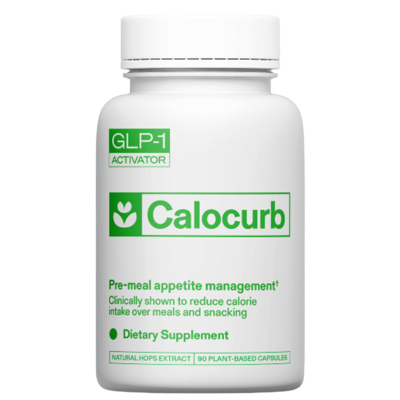
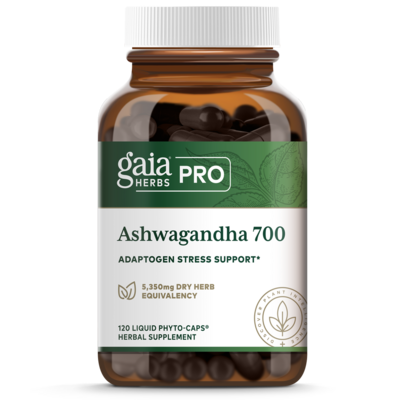
This comprehensive protocol embraces a whole-person approach to menopause, addressing a range of symptoms beyond the typical hot flashes. The protocol features targeted ingredients to support various aspects of menopausal health: Amarasate® for weight management, and Maca-GO® for hormonal balance, libido, and hot flashes. Additionally, collagen is included for joint and muscle health, while calcium and vitamin D support bone health. Magnesium aids in sleep, stress reduction, and musculoskeletal well-being. Ashwagandha is included for its benefits in reducing stress, enhancing cognitive function, and balancing hormones. This holistic approach ensures that common but often overlooked symptoms are effectively managed. While the ingredients in this protocol have demonstrated benefits, research specifically targeting peri and postmenopausal women is still evolving. This protocol is designed with the broader goal of supporting menopausal health, incorporating ingredients that may offer valuable support even as research in this specific population continues to develop. Amarasate® Dosing: 125–250 mg, twice per day Significantly reduced hunger (30%) and food cravings (40%) in women during a 24-hour water-only fast; both high-dose (500 mg) and low-dose (250 mg) treatments, administered 16 and 20 hours into the fast, led to a significant reduction in appetite and cravings compared to placebo. Decreased post-fast ad libitum energy intake by up to 14.5% in women. Reduced pre-meal cravings for savory foods and post-meal cravings for sugary foods in women. Increased preprandial ghrelin and postprandial levels of CCK, GLP-1 (600%), and PYY (400%), while reducing postprandial insulin, glucose-dependent insulinotropic peptide (GIP), and pancreatic polypeptide responses without affecting blood glucose levels; this modulation of hormone levels suggests enhanced satiety signals and improved metabolic control without causing hypoglycemia. Maca-GO® Dosing: 1 g twice per day for three months Reduced menopausal symptoms by 84% in early postmenopausal women and 74–82% in perimenopausal women. Significantly decreased FSH levels while simultaneously increasing LH, estrogen, and progesterone levels in early postmenopausal women after eight months of supplementation. Increased bone density markers in early-postmenopausal women after four months of supplementation. Increased HDL cholesterol levels, reduced LDL cholesterol levels and triglycerides, and helped maintain a healthy body weight in early postmenopausal women after four months of supplementation. Significantly reduced hot flashes, night sweats, vaginal dryness, and nervousness, and enhanced libido, mood, energy levels, and concentration in perimenopausal women after four months of supplementation. Ashwagandha ( Withania somnifera ) Dosing: 300 mg of ashwagandha root extract twice per day for a minimum of eight weeks Stress: 125 mg of Sensoril® standardized extract once per day for eight weeks decreased stress and anxiety score (62%), serum cortisol (14.5%), systolic blood pressure (SBP) (1.6%), and diastolic blood pressure (DBP) (5.6%). Cognitive function: 600 mg of ashwagandha root extract per day for eight weeks increased immediate and general memory, executive function, attention, and information processing speed. Hormonal balance: 300 mg twice per day of ashwagandha root extract positively influenced hormonal parameters, with increased serum estradiol and decreased serum FSH and LH levels. Vasomotor symptoms: 300 mg twice per day of ashwagandha root extract significantly decreased menopause rating scale scores, reflecting improvements in psychological, somatic-vegetative, and urogenital symptoms. Calcium and vitamin D Dosing: >1,000 mg of calcium per day and >800 IU of vitamin D per day, ongoing Hypertension: >800 IU per day of vitamin D and >1,000 mg of calcium decreased SBP (~1.5–4 mmHg and 1.14 mmHg, respectively) and DBP (~1.2–2.2 mmHg and 0.71 mmHg, respectively). Osteoporosis and fractures: A meta-analysis including eight randomized controlled trials (RCTs) with 30,970 participants found that calcium and vitamin D supplementation reduced the relative risk of total fracture by 15% and hip fracture by 30% in community-dwelling and institutionalized middle-aged to older adults. Vaginal atrophy: 1,000 IU of vitamin D as a vaginal suppository, every night before bed for eight weeks, to postmenopausal women decreased vaginal pH and genitourinary atrophy symptom scores such as pain, dryness, and paleness and increased Vaginal Maturation Index and the number of superficial cells. Collagen Dosing: Variable depending on collagen type, ongoing Hypertension: 2.9 g per day of chicken-derived collagen hydrolysate for 12 weeks may decrease SBP and increase serum nitric oxide (NO). Osteoarthritis: 2 g per day of chicken-derived hydrolyzed collagen type II BioCell® and 40 g per day of chicken-derived cartilage, undenatured type II collagen UC-II® for 70–180 days, respectively, may decrease visual analog scale (VAS) pain, Western Ontario and McMaster Universities Osteoarthritis Index (WOMAC) scores, and joint stiffness. Osteoporosis: 5 g per day of bioactive collagen peptides, Fortibone®, for 12 months may increase spine and neck bone mineral density. Skin aging: 2.5 g per day of porcine-derived bioactive collagen peptides, Verisol® type I collagen, for four weeks may decrease eye wrinkle volume by 20% and increase procollagen type I and elastin content by 65%. Magnesium Dosing: 320 mg to >1 g per day (depending on the form) for a minimum of eight weeks Depression: Postmenopausal women with depressive symptoms exhibit notably lower magnesium levels (14.28 ± 2.13 mg/L) than those without depressive symptoms (16.30 ± 3.51 mg/L). Supplementing with 320–500 mg of magnesium per day for eight weeks may decrease the risk for depression and Beck scores. Hypertension: 365–450 mg of elemental magnesium for 1–6 months decreased SBP (-4.18 mmHg) and DBP (-2.27 mmHg) in individuals with insulin resistance, prediabetes, or noncommunicable chronic diseases. Osteoporosis: 1,830 mg of magnesium citrate per day for 30 days in postmenopausal women decreased serum intact parathyroid hormone (iPTH) and urinary deoxypyridinoline and increased serum osteocalcin. Sleep issues: 500 mg of magnesium oxide twice daily for eight weeks increased sleep time, sleep efficiency, and serum melatonin levels and decreased sleep onset latency and serum cortisol levels. Magnesium glycinate has a greater absorption rate than magnesium oxide and could provide similar benefits at a lower dose with fewer side effects (24% vs. 4%).
View protocolExercise Performance And Body Composition
 4 more items in Exercise Performance And Body Composition
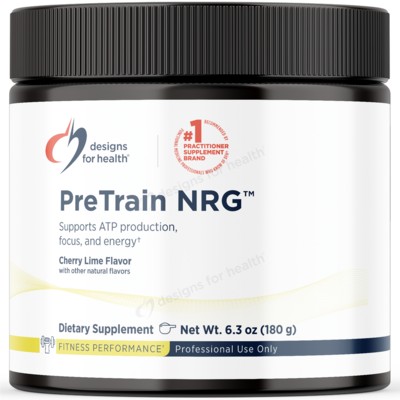
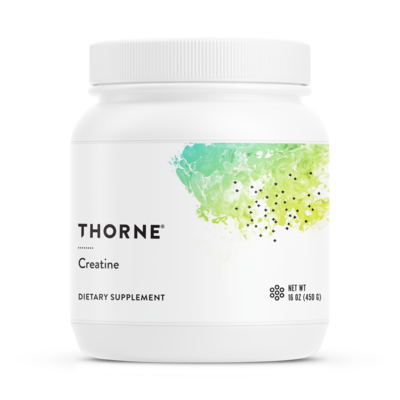
Exercise Performance And Body Composition Overview Many dietary supplements have been popularly marketed to improve sports performance; however, only a few key ingredients have strong evidence to support these claims. Table 1 provides an overview of some of the ingredients that have supportive research. Practitioners should be aware that based on an ingredient’s mechanism of action, a performance-enhancing effect may be observed for a certain type of exercise (e.g., aerobic), but these effects may not necessarily translate to another form (e.g., anaerobic). The ingredients included in this protocol may be beneficial for improved exercise performance and body composition outcomes. For example, beta-alanine helps to buffer acid buildup, helping to prevent fatigue. Caffeine acts as a nervous system stimulant, reducing inhibition and ratings of perceived exertion. Creatine helps to provide additional short-duration energy reserves and muscle hydration. HMB may help to stimulate lipolysis, and in certain populations, may help to stimulate muscle protein synthesis. Finally, whey protein may help consumers with satiety, ensure adequate protein intake, and help preserve lean muscle mass under energy restriction. Caffeine 3-6 mg/kg body weight to trained or untrained individuals approximately 60 minutes before exercise performance Improved performance in any exercise modality by an average of 11%, potentially mediated by a 5.6% reduced RPE (rate of perceived exertion) compared to placebo. Improved cardiovascular endurance performance ~3% (small effect; 0.22) and time trials ~2% (small effect; 0.28-0.45) Improved muscular endurance with a small effect by ~18% (SMD = 0.27-0.38) and strength with a small effect of ~5-7% (SMD = 0.16-0.37) Improved muscular power with a small effect as measured by improved jump heights (SMD = 0.17-0.29), sprints (SMD = 0.14-0.16), time to complete agility tests (SMD = 0.41), or Wingate tests (SMD = 0.18-0.27; ~3-4%) Up to 300 mg in pregnant women or 400 mg in healthy adults, there does not appear to be a risk of significant health effects. Similar safety profiles exist for children and adolescents consuming 2.5 mg/kg body weight per day. Nonetheless, the most commonly reported dose-dependent adverse effects of caffeine include insomnia, feelings of restlessness or anxiety, tachycardia, and headaches. Creatine monohydrate Loading phase of 0.3 g/kg body weight or ~5 g, four times daily for 5 to 7 days, followed by a maintenance phase of 3 to 5 g per day ongoing Generally, high-intensity and/or repetitive exercise performance is increased by 10 to 20%. Meta-analyses on both upper and lower limb performance showed small strength benefits (effect size = 0.235-0.317), with the largest being on the pectoralis major and minor for the bench press (5.3%). Shown to be effective for bouts of exertion ~1-10 seconds long, with rest periods of 0.5 to 5 minutes. It may also be helpful for continuous bouts of exertion between 10 seconds and 2 minutes. There are likely no differences in effect size based on age, sex, and training status. There is insufficient evidence to suggest that other forms of creatine (beyond creatine monohydrate, such as creatine HCl) have superior absorption or effectiveness. Robust evidence shows a small increase in body mass (~0.26 kg, possibly due to increased water retention from hyper-hydration of the muscle) following creatine supplementation during the loading phase, which tends to disappear during the maintenance phase. Despite this mass gain, there is no high-quality evidence to suggest ergolytic effects of creatine even in endurance athletes, which may be attributed to creatine’s other benefits (e.g., muscle hydration, heat tolerance, enhanced recovery). One of the longest studies of high-dose creatine supplementation (up to 30 g per day for five years) has shown no detrimental effects in healthy individuals. Additionally, there is no compelling evidence that creatine supplementation negatively affects kidney function in healthy or clinical populations. Omega-3 fatty acids (EPA/DHA) 3 g of EPA+DHA in 2:1 ratio for 8 weeks EPA and DHA may improve nitric oxide production. They have been found to reduce vascular resistance, increase cardiac stroke volume, and increase cardiac output, which may result in increased oxygen delivery during exercise and increased VO2max. Various RCTs have showed that EPA and DHA have associations with increased lipid peroxidation both post exercise and at rest (e.g., malonaldehyde), in addition to increased antioxidant enzyme activities (e.g., superoxide dismutase, glutathione peroxidase). Improved reaction time and mood was seen across all sports examined in RCTs in this 2020 SR of sport supplementation of EPA and DHA: professional rugby, soccer, athletics, and karate. 13 cyclists were given 660mg EPA and 440mg DHA twice daily for 3 weeks, and versus placebo their NO production and VO2 max were significantly higher with omega-3 supplementation. EPA and DHA might decrease post-exercise muscle soreness and improve range of motion. A systematic review noted a reduction of DOMS in six of 12 trials and a lessened range of motion deficit after exercise in three of five trials. They also found interesting findings worthy of further exploration: lessened muscle strength deficit after exercise in two of six trials and a reduction of swelling in the muscle in one of five trials. Results were mixed but generally found no effect on MPS. Supplementary n-3 fatty acids appear to have a low risk of adverse effects, as only one of five randomized controlled trials in a systematic review reported adverse effects, noting poor palatability, gastrointestinal distress, and nausea in 10% of participants. High n-3 consumption may prolong bleeding time; however, the FDA has recognized that intakes of up to 3 g per day of omega-3 fatty acids is generally recognized as safe in humans, even with regards to claims on bleeding tendencies. Beta-hydroxy-beta-methylbutyrate (HMB) Only available in the U.S. 3 g per day for 3-12 weeks Increased muscle mass among untrained and elderly subjects by an additional 0.5 to 1 kg versus controls was observed. Trained athletes supplementing with HMB may have reductions in fat mass, though there are mixed results on whether trained athletes tend to gain muscle mass. Longer training periods (over 6 weeks) and periodization may increase the likelihood of lean mass gain. A 2018 meta-analysis on trained athletes showed a lack of an effect of HMB on bench press strength, leg press strength, body mass, fat-free mass, and fat mass. A 2019 meta-analysis on untrained subjects aged 50 to 80 only showed a small borderline statistically significant effect on handgrip strength (ES=0.19, p=0.06), with no effects found on leg strength, muscle mass, or fat mass. Doses up to 6 g per day have been well tolerated with no adverse effects. Whey Protein 20-75 g per day for 2 weeks to 15 months Whey protein is generally an easy to mix, digest, and absorb milk-derived protein that has a large body of evidence for improving cardiovascular factors and improving body composition. A 2018 SR and MA found whey protein supplementation in individuals who are overweight and/or obese to be associated with significant reductions in body weight, and fat mass, and increases in lean mass. With the resultant weight loss, the authors noted significant improvements in systolic and diastolic blood pressure, glucose, high-density lipoprotein, and total cholesterol and fat mass. Optimal daily protein intake likely reduces the effect of whey protein supplementation. For active individuals aiming to improve body composition, this intake is likely 1.6 to 2.4 grams of protein per kilogram of bodyweight. Whey protein may be a tool consumers can use to supplement hitting this protein target. A 2018 SR and MA found that whey protein may be a useful tool for those following a hypocaloric diet to lose weight and preserve muscle mass. A 2019 SR and MA of whey protein concentrates, isolates, and hydrosylates noted no adverse effects in any of the trials examined.
View protocolCold and Flu Support
 6 more items in Cold and Flu Support
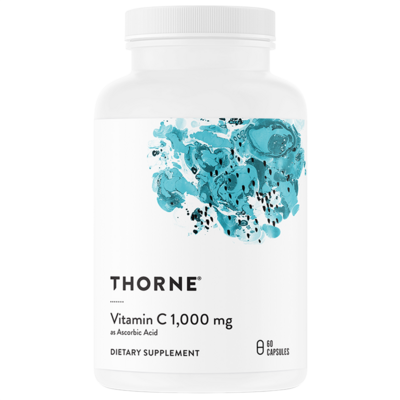
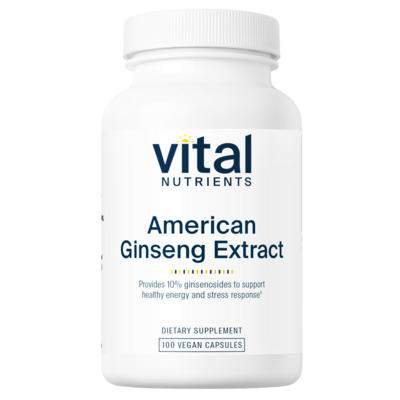
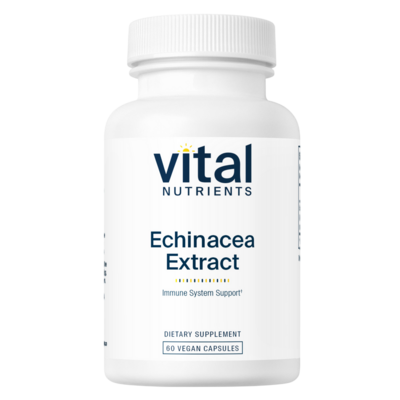
Overview Seasonal occurrences of cold and flu are to be expected. Targeting the immune system during this time has the potential to help decrease the frequency, severity, or duration of cold and flu symptoms. Decreasing the risk of developing a cold or flu is possible through prophylactic supplementation, especially among high-risk populations, such as in children, the elderly, or those with compromised immune systems. In the event a cold or flu does occur, the desired focus of supplementation may shift to decreasing the duration and severity of symptoms. Zinc may be considered in this case; when given during the initial 24 hours of symptom onset, it has been shown to reduce the number of patients with symptoms after one week. Vitamin C is another popular remedy to decrease the length of a cold and has the potential to decrease duration by approximately half a day. The ingredients present in the protocol below reflect research findings that demonstrate efficacy when used prophylactically and therapeutically to support physiological immune function in regards to cold and flu. Vitamin C Adults: 1 g daily as an ongoing maintenance dose, or 3 to 4 g daily at the onset of symptoms and for the duration of illness Children: 1 to 2 g daily as an ongoing maintenance dose Reduces the duration of the common cold by approximately a half-day, or by 8% in adults and by 14-18% in children Reduces time of confinement by approximately six hours and fever duration by approximately a half-day, relieves chest pain and chills by approximately eight hours when given an extra therapeutic dose at the time of onset of cold Improves antimicrobial and natural killer (NK) cell activities, lymphocyte levels, chemotaxis, delayed T cell responses, sympathetic nervous response, and induces anti-reactive oxygen species activity Decreased duration of cold by 59% and increased weekly activity levels by 39.5% when compared to placebo in otherwise healthy adult males American ginseng ( Panax quinquefolius ) 400 mg, once per day, minimum 8-16 weeks in healthy adults as a preventative measure Reduces the duration of colds or acute respiratory infections by approximately 5-6 days Reduces the incidence of colds by 25%, the incidence of influenza and respiratory syncytial virus, and the relative risk of respiratory symptoms by 48% Reduces total symptom severity score for sore throat, runny nose, sneezing, nasal congestion, malaise, fever, headache, hoarseness, earaches, and cough Echinacea purpurea Prevention: 0.9 mL, three times per day (equivalent to 2400 mg of extract), minimum 4 months Acute: Up to 4.5 mL liquid extract (equivalent to 4000 mg), once per day at the first stage of cold development Reduces the relative risk of cold development by 10-58% Reduces days with symptoms by 26% (1.4 days) and symptom scores by 23% 52% fewer patients requiring concomitant use of aspirin, paracetamol, or ibuprofen Reduces the incidence of cumulative viral infections by 26% and recurring infections by 59%, including influenza virus and parainfluenza virus Increases associated counts for white blood cells, monocytes, neutrophils, and natural killer cells, and suppresses superoxide production in the later phase of the cold by neutrophils Zinc 75-100 mg of elemental zinc as zinc acetate or zinc gluconate lozenges, once per day, within 24 hours of the onset of common cold symptoms, minimum 1 to 2 weeks cold Reduces cold duration by 33%, or by approximately 1.65 to 3 days in healthy adults cold Zinc acetate equivalently reduces the duration by 40% and zinc gluconate reduces the duration by 28%, while other sources indicate greater efficacy with zinc acetate in healthy adults Reduces the incidence of cold symptoms after 5-7 days in healthy adults and children Reduces the duration of muscle soreness by 54%, cough by 46%, voice hoarseness by 43%, nasal congestion by 37%, nasal discharge by 34%, scratchy throat by 33%, sneezing by 22%, and sore throat by 18% in healthy adults Reduces the incidence of common cold development, absence from school, and antibiotic use in children Improves anti-inflammatory and antioxidant profile via reductions in plasma interleukin-1 receptor antagonist (IL-1ra), intercellular adhesion molecule-1 (ICAM-1), TNF-ɑ, MDA, HAE, and 8-oHdG, and increases in IL-2 mRNA in mononuclear cells in healthy adults Reduces duration of symptoms particularly when given within the first 24 hours of symptom onset Probiotics (Pediatric) Probiotics may reduce the incidence of colds with minor effects on prevention, as well as improve influenza vaccination efficacy for A/H1N1, A/H3N2, and B strains, but is dependent on strain and population. Common Cold 5 billion CFU of Lactobacillus acidophilus NCFM (ATCC 700396), twice per day, minimum 6 months Reduces the incidence of fever by 53%, cough by 41%, and antibiotic use by 68% Reduces the duration of fever, coughing, and rhinorrhea by 32% Reduces days absent from childcare by 32% Influenza 10 billion CFU of Bifidobacterium animalis subs. lactis Bi-07 (ATCC PTA-4802) & Lactobacillus acidophilus NCFM (ATCC 700396), twice per day for 6 months Reduces the incidence of fever by 73%, rhinorrhea by 73%, cough by 62%, and antibiotic use by 84% Reduces the duration of fever, coughing, and rhinorrhea by 48% Reduces days absent from childcare by 28% Probiotics (Adult) Probiotics may reduce the incidence of colds with minor effects on prevention, as well as improve influenza vaccination efficacy for A/H1N1, A/H3N2, and B strains, but is dependent on strain and population. Common Cold 1 billion CFU of Lactobacillus paracasei 8700:2 (DSM 13434) & Lactobacillus plantarum HEAL 9 (DSM 15312), once per day for 3 months Reduces the incidence of developing more than one common cold episode and number of days with a cold Reduces total symptom scores & pharyngeal symptoms of cold Reduces B lymphocyte proliferation Influenza 10 billion CFU of Lactobacillus fermentum CECT5716, once per day for 2 weeks before influenza vaccination and two weeks after Reduces the incidence of influenza 5-months after vaccination compared to vaccine alone Increases natural killer cells, T-helper response, and IgA levels 10 billion CFU of Lactobacillus rhamnosus GG, twice per day for 4 weeks after influenza vaccination Increases seroprotection for the H3N2 strain during the supplementation period 500 mg of Saccharomyces cerevisiae (EpiCor®), once per day for 12 weeks Reduces the incidence of cold/flu symptoms with or without prior vaccination Reduces the duration of symptoms with prior vaccination
View protocolThyroid Support
 3 more items in Thyroid Support
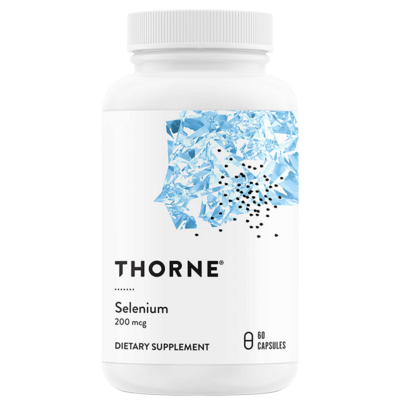
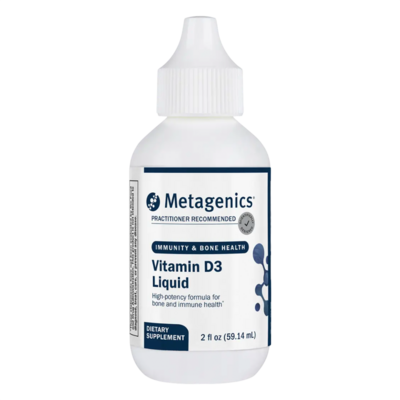
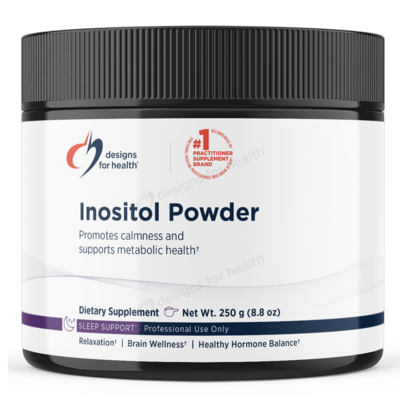
Overview Suboptimal or underactive thyroid function can lead to a condition known as hypothyroidism, which affects approximately 4.6% of people in the US (age 12 and older). Hashimoto’s thyroiditis is the most common cause of an underactive thyroid in developed countries, while iodine deficiency is the most common cause worldwide. Other causes might include goiter, genetic disorders, or radiation treatment/exposure. Conventional treatment tends to focus on replacing the low levels of thyroid hormones with pharmaceutical sources such as levothyroxine. Supporting thyroid function can be achieved through other methods as well. Based on current research findings, the ingredients in the protocol below have demonstrated efficacy in improving a variety of factors associated with an underactive or suppressed thyroid. Selenium 200 μg, total per day of selenomethionine, minimum 3 months A decrease between 20% and 63.6% in anti-TPO marker was observed Meta-analysis of 16 randomized controlled trials found supplementation of selenium to decreased TPOAb (serum thyroid peroxidase) in people receiving LT4 therapy and newly diagnosed untreated patients Meta-analysis of 4 studies found selenium decreased TPOab and increased chance of reporting improved well-being or mood compared to control while having no impact on LT4 therapy in patients with Hashimoto’s 17.2% of patients with autoimmune thyroiditis and mild subclinical hypothyroidism demonstrated restored euthyroidism, and 31.3% of patients responded to treatment (83 mcg selenomethionine/day for four months) compared to 3.1% in control Decreased anti-TPO (anti-thyroid peroxidase) in women with Hashimoto’s who were given 200 mcg of l-selenomethionine per day for 6 months Zinc, in addition to selenium supplementation, increased fT3 mean serum, fT4 mean serum, and decreased TSH; when compared to selenium alone, additional zinc improved thyroid function in overweight or obese female hypothyroid patients Vitamin D 2000 IU, total per day, minimum 6 months It has been demonstrated that low levels of serum 25-hydroxyvitamin D is related to thyroid auto-immune diseases like Hashimotos Vitamin D has been linked to a decrease in thyroid autoimmunity in Hashimoto’s thyroiditis treated with levothyroxine. The impact is more significant for thyroid peroxidase than thyroglobulin antibodies The combination of Simvastatin and vitamin D supplementation had a stronger effect in reducing concentrations of thyroid peroxidase and thyroglobulin antibodies than vitamin D supplementation alone Improved disease control in female patients with Hashimoto’s was demonstrated by a decrease in Th17/Tr1 ratio compared to placebo when given 50,000 IU once per week for 6 months as cholecalciferol Women treated with levothyroxine demonstrated reduced thyroid autoimmunity when given 2000 IU per day of vitamin D compared to control as demonstrated by a decrease in titers for thyroid antibodies and improved thyroid peroxidase to thyroglobulin Patients with Hashimoto’s who have a euthyroid state were tested for vitamin D deficiency and found that 85.3% of patients were deficient at the beginning of the study; supplementation improved condition as shown by a decrease in serum anti-tpo by 20.3% when supplemented 1200-4000 IU of vitamin D for 4 months Myo-inositol 600 mg, total per day, minimum 6 months Thyroid nodules decreased in size, number, and elasticity and TSH decreased in patients with subclinical hypothyroidism when given myo-inositol with selenium for 6 months Myo-inositol supplementation in addition to selenium decreased TSH, TPOAb, and TgAb, as well as decreased size and stiffness of thyroid nodules compared to selenium alone Supplementation was effective in achieving euthyroidism for patients with Hashimoto’s as shown by improved thyroid panel (TSH, TPOAb, TgAb, fT3, fT4) and improved QOL When given in addition to selenomethionine, myo-inositol supplementation decreased TSH more effectively compared to selenomethionine alone in patients with subclinical hypothyroidism Ashwagandha 600 mg once per day for a minimum of 8 weeks 600 mg per day of ashwagandha was effective for achieving euthyroidism as shown by improved TSH, T3, and T4 compared to placebo in patients with subclinical hypothyroid Patients with bipolar disorder experienced secondary thyroid benefits as shown by improved TSH and T4 compared to baseline when given ashwagandha extract for 8 weeks Cordyceps sinensis 6 g, total per day, minimum 24 weeks Preliminary research shows that Cordyceps sinensis may balance the proportion between helper T cells and cytotoxic T cells In addition, Cordyceps sinensis may contribute to a significant decrease in anti-TPO antibodies in Hashimoto’s thyroiditis patients
View protocol
Powered by Fullscript
Explore the entire wellness catalog
High-quality wellness products, ready to shop the moment you join.
Sign up for FITology.LIFE's store2M+
Patients served
50k+
Products to shop
Up to 15%
Off when you sign up