Public protocols
Dr. Jaydee Robles's general recommendations, available to anyone who visits this store.
Cardiovascular Health - Cholesterol Support
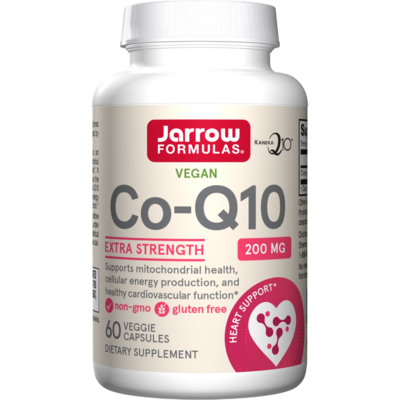
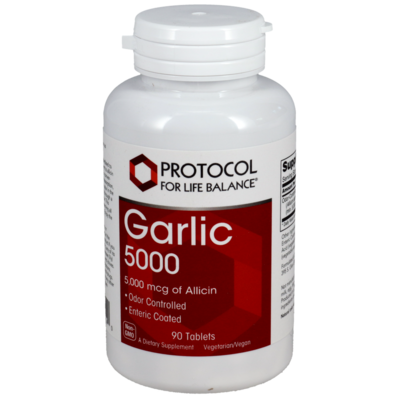
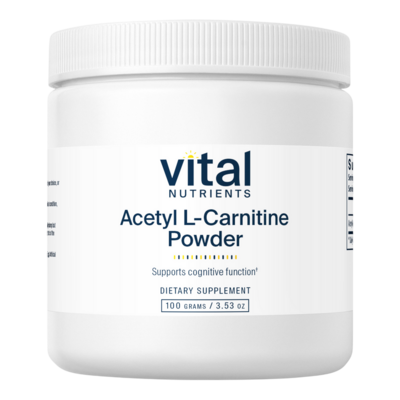 2 more items in Cardiovascular Health - Cholesterol Support
Metabolic Health – Blood Sugar Support
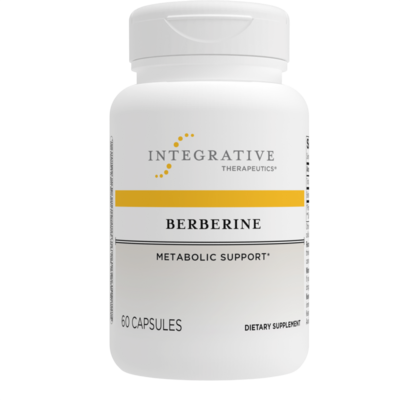
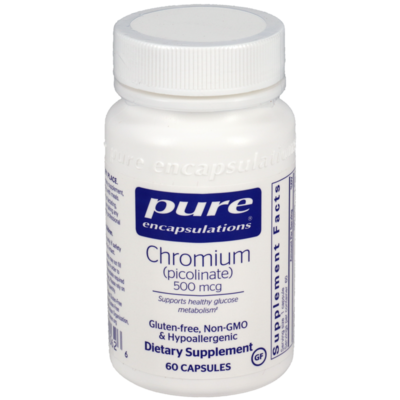
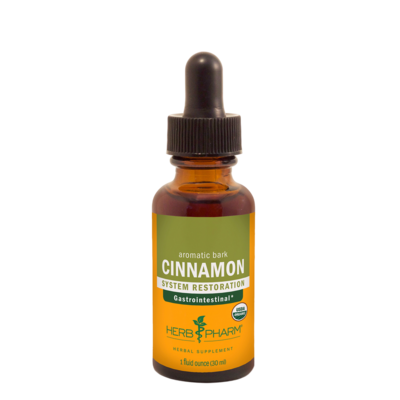 8 more items in Metabolic Health – Blood Sugar Support
Cardiovascular Health - Blood Pressure Support
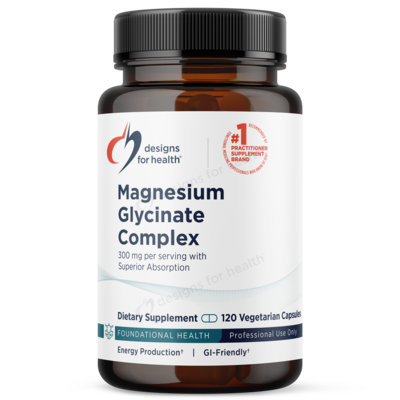
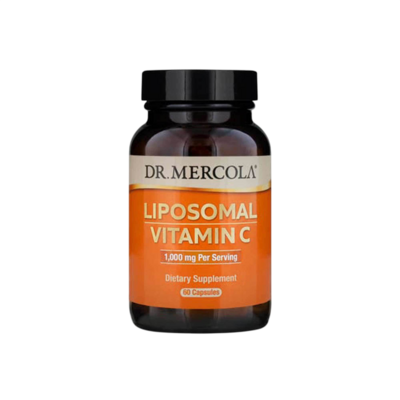 4 more items in Cardiovascular Health - Blood Pressure Support
Immune Health
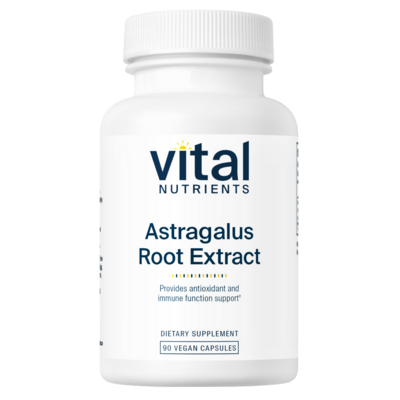
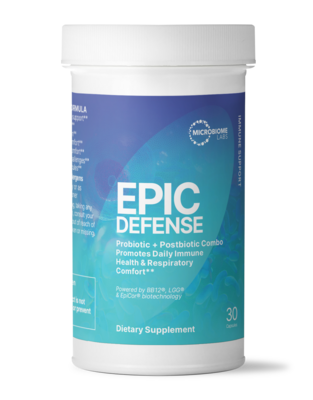
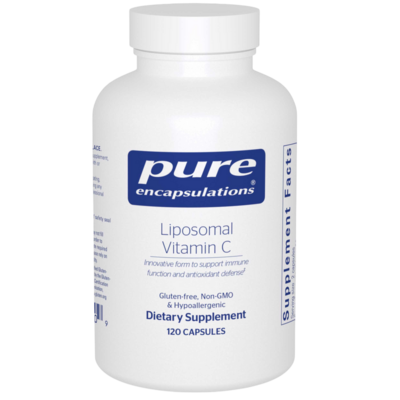 7 more items in Immune Health
Supporting the immune system is essential for maintaining overall health. Deficiencies in key vitamins and minerals—including vitamin C and zinc—have been shown to impair immune responses and increase vulnerability to illness. (Tourkochristou 2021) Other ingredients like astragalus and probiotics have also demonstrated potential in supporting immune resilience. (Li 2022) (Mazziotta 2023) Furthermore, beta-glucans, particularly those derived from yeast and fungi, have also been shown to modulate both innate and adaptive immunity, contributing to enhanced immune defense. (Murphy 2020) There is a growing interest in strengthening immunity. (Crawford 2022) The ingredients selected for this protocol form the basis of a targeted approach to general immune support aimed at enhancing physiological defenses. Astragalus ( Astragalus membranaceus ) Dosing: 500–2,000 mg standardized extract daily, taken in divided doses for up to 2–3 months (Tang 2009) (Zou 2013) (Ny 2021) Supporting evidence: In preclinical and clinical studies, astragalus polysaccharides have demonstrated immunomodulatory effects to support both innate and adaptive immune responses. Specifically, they may increase phagocytic and natural killer (NK) cell activity and support antibody production. (Chen 2020) (Li 2022) One review explored the effects of astragalus on upper respiratory tract infection (URTI) in children with nephrotic syndrome (n=130). Children, aged 1.5–14 years, who were coadministered astragalus granules with prednisone for at least three months had a significantly reduced incidence of URTI compared to those who received prednisone monotherapy. (Zou 2013) Astragalus’ immunosupportive properties have been studied specifically in relation to hepatitis B virus (HBV). In a clinical trial involving 208 Chinese patients (age range 25–56 years) with chronic HBV, treatment with an astragalus-based compound led to significantly greater rates of symptom resolution and recovery of liver function (65.5%) compared to the control group receiving drugs in regular clinical use in traditional Chinese medicine (TCM) for viral hepatitis—silibinin, oleanolic acid, and Yiganling (28.3%). (Tang 2009) A separate study concluded that astragalus polysaccharides act as a potent adjuvant to the hepatitis B subunit vaccine, enhancing both humoral and cellular immune responses. (Du 2011) Probiotics Dosing: Variable depending on formulation and patient age Supporting evidence: Probiotics support the immune system by modulating gut microbiota composition, enhancing gut barrier function, and interacting with immune cells to regulate inflammatory responses. (Yan 2011) A Cochrane review including 23 individual randomized controlled trials (RCTs) and one cluster RCT found that probiotics likely reduce the risk of experiencing at least one episode of acute URTI and may reduce the mean duration of URTI episodes by about 1.2 days. Probiotics also likely reduce the use of antibiotics for treating URTIs. The most common probiotic doses used in the included studies were between 1–100 billion colony-forming units (CFU) per day for more than three months. (Zhao 2022) A double-blind, placebo-controlled RCT evaluated the effects of probiotic supplementation on the incidence and duration of cold and influenza-like symptoms in healthy children aged 3–5 years (n=326) over a six-month winter period. Children received twice-daily placebo, Lactobacillus acidophilus NCFM, or L. acidophilus NCFM plus Bifidobacterium animalis subsp. lactis Bi-07. Both probiotic groups showed significant reductions in the incidence and duration of fever (53% and 72.7%), cough (41.4% and 62.1%), and rhinorrhea (28.2% and 58.5%) compared with placebo, along with fewer antibiotic prescriptions and childcare absences. (Leyer 2009) In a double-blind, placebo-controlled RCT with 65 healthy adults aged 18–44 years, a supplement containing L. plantarum PBS067, L. acidophilus PBS066, and B. lactis BL050 more effectively alleviated and reduced the duration of cold symptoms (e.g., fever, muscle pain) and reduced pro-inflammatory cytokine levels over a six-week treatment period compared to placebo. (Lungaro 2025) Research suggests that certain Lactobacillus strains can act as adjuvants to influenza vaccination. In animal models and humans, oral supplementation or nasal administration of Bifidobacteria and Lactobacilli before and after vaccination has been shown to enhance systemic and mucosal immune responses, increasing vaccine-specific immunoglobulin G (IgG) and secretory immunoglobulin A (IgA) production, improving seroconversion rates, and modulating T helper cell activity and cytokine balance. (Davidson 2011) (Rizzardini 2012) (Jung 2020) (Tonetti 2020) In a randomized trial of 198 college students, daily supplementation with Lactobacillus rhamnosus LGG® and Bifidobacterium animalis ssp. lactis BB-12® for 12 weeks helped significantly reduce the duration and severity of upper respiratory infections by two days and 34%, respectively, compared to placebo. (Smith 2013) In a small clinical study, Lactobacillus rhamnosus GG (LGG®) supplementation helped enhance immune response to the H3N2 influenza strain, with 84% of participants achieving protective antibody levels compared to 55% in the placebo group. These findings suggest LGG® may serve as a useful adjuvant to improve influenza vaccine efficacy, particularly in populations with weaker immune responses. (Davidson 2011) Vitamin C Dosing: 250–1,000 mg daily, ongoing (Hemilä 2013) Supporting evidence: Vitamin C supports immune function by maintaining the integrity of the epithelial barrier, a critical first line of defense against pathogen entry into the body. It also enhances the proliferation, differentiation, and activity of immune cells, including neutrophils, B cells, and T cells, thereby improving the efficiency of pathogen killing and clearance. (Carr 2017) Vitamin C is a potent antioxidant that scavenges reactive oxygen species (ROS) and reduces inflammation. (Gęgotek 2022) Weak antioxidant defenses can weaken the immune system and increase susceptibility to illness and disease. (Khadim 2021) Research suggests that ongoing vitamin C supplementation may reduce the risk of the common cold. A subgroup analysis from a Cochrane review found that regular supplementation reduced incidence by 50% in individuals under high physical stress, such as marathon runners, skiers, and soldiers (n=598). In other studies, vitamin C was associated with an 8% reduction in adults and an 18% reduction in children. (Hemilä 2013) Vitamin D Dosing: Loading dose (to correct deficiency): 50,000 IU once weekly for 2–3 months (Kennel 2010) Maintenance dose: 300–4,000 IU daily, ongoing (Martineau 2017) Supporting evidence: The vitamin D receptor is expressed on immune cells, enabling vitamin D to enhance the pathogen-fighting activity of innate immune cells, modulate adaptive immune pathways, and stimulate the production of antimicrobial peptides like cathelicidin. (Aranow 2011) (Wei 2015) Vitamin D deficiency is associated with increased susceptibility to infection. (Aranow 2011) According to this study, short-term repletion of vitamin D in elderly adults with deficiency before receiving an influenza vaccine shifts immune signaling toward a less inflammatory, more tolerogenic profile (lower tumor necrosis factor alpha (TNF-α) and interleukin-6 (IL‑6), higher transforming growth factor beta (TGF-β)) one month after vaccination. (Goncalves-Mendes 2019) In a prospective, double-blind, placebo-controlled RCT conducted in Japanese schoolchildren (n=334), daily cholecalciferol during winter reduced laboratory-confirmed influenza A from 18.6% to 10.8% (relative risk 0.58), which corresponds to a 42% relative risk reduction in incidence. (Urashima 2010) Zinc Dosing: 75–276 mg daily as zinc gluconate or zinc acetate for up to 21 days (Hemilä 2011) (Nault 2024) Supporting evidence: Zinc insufficiency impairs the production and activation of T cells, leading to an increased risk of infectious diseases like pneumonia. (Walker 2004) (Hönscheid 2009) Zinc may help prevent respiratory infections by enhancing interferon-alpha–mediated antiviral responses, inhibiting viral replication, reducing angiotensin-converting enzyme 2 (ACE2) receptor activity relevant to SARS-CoV-2, supporting mucociliary clearance of pathogens from the respiratory tract, and exerting direct antibacterial effects. (Skalny 2020) A meta-analysis of three RCTs, including a total of 199 patients, concluded that zinc acetate lozenges reduced the duration of the common cold by almost three days. (Hemilä 2016) According to a Cochrane review, including six studies that involved 5,193 children aged 2–59 months, zinc supplementation reduced the incidence and prevalence of pneumonia by 13% and 41%, respectively. (Lassi 2016) Beta-glucans (β-glucans) Dosing: 250 mg per day for at least four weeks (Zhong 2021) Supporting evidence: Recent studies highlight that β-glucan, a natural polysaccharide found in foods such as oats, barley, wheat, yeast, fungi, and certain microorganisms, plays a role in the prevention of chronic noncommunicable diseases. As a dietary fiber with immunomodulatory, antioxidant, and prebiotic properties, β-glucan supports digestive and immune health. (Ciecierska 2019) β-glucans are recognized as safe and effective bioregulators with broad immunomodulatory properties, capable of activating immune cells, modulating both innate and adaptive immune responses, and demonstrating therapeutic potential in anti-infective and anti-inflammatory applications. (Zhong 2023) Compared to placebo, yeast β-glucan significantly reduced the incidence, frequency, and duration of URTIs, while also improving symptom severity and showing good safety and tolerability. (Zhong 2021) In a double-blind, placebo-controlled study involving 175 children with recurrent respiratory infections, Imunoglukan P4H® (containing pleuran-β-glucan and vitamin C) significantly reduced the incidence of respiratory infections and improved immune parameters compared to placebo. (Jesenak 2013) In a study on the fish Nothobranchius guentheri , β-1,3-glucans were shown to extend lifespan, reduce age-related biomarkers, and enhance antioxidant defenses by lowering oxidative stress and promoting antioxidant enzyme activity. These findings suggest β-1,3-glucans may have potential anti-aging benefits and could be useful in promoting healthy aging. (Song 2020) References Aranow, C. (2011). Vitamin D and the immune system. Journal of Investigative Medicine: The Official Publication of the American Federation for Clinical Research , 59 (6), 881–886. https://doi.org/10.231/JIM.0b013e31821b8755 Carr, A. C., & Maggini, S. (2017). Vitamin C and immune function. Nutrients , 9 (11), 1211. https://doi.org/10.3390/nu9111211 Chen, Z., Liu, L., Gao, C., Chen, W., Vong, C. T., Yao, P., Yang, Y., Li, X., Tang, X., Wang, S., & Wang, Y. (2020). Astragali Radix (Huangqi): A promising edible immunomodulatory herbal medicine. Journal of Ethnopharmacology , 258 , 112895. https://doi.org/10.1016/j.jep.2020.112895 Ciecierska, A., Drywień, M. E., Hamulka, J., & Sadkowski, T. (2019). Nutraceutical functions of beta-glucans in human nutrition. Roczniki Panstwowego Zakladu Higieny , 70 (4), 315–324. https://doi.org/10.32394/rpzh.2019.0082 Crawford, C., Brown, L. L., Costello, R. B., et al. (2022). Select dietary supplement ingredients for preserving and protecting the immune system in healthy individuals: A systematic review. Nutrients , 14 (21), 4604. https://doi.org/10.3390/nu14214604 Davidson, L. E., Fiorino, A-M., Snydman, D. R., & Hibberd, P. L. (2011). Lactobacillus GG as an immune adjuvant for live-attenuated influenza vaccine in healthy adults: A randomized double-blind placebo-controlled trial. European Journal of Clinical Nutrition , 65 (4), 501–507. https://doi.org/10.1038/ejcn.2010.289 Du, X., Chen, X., Zhao, B., Lv, Y, Zhang, H., Liu, H., Chen, Z., Chen, Y., & Zeng, X. (2011). Astragalus polysaccharides enhance the humoral and cellular immune responses of hepatitis B surface antigen vaccination through inhibiting the expression of transforming growth factor β and the frequency of regulatory T cells. FEMS Immunology & Medical Microbiology , 63 (2), 228–235. https://doi.org/10.1111/j.1574-695x.2011.00845.x Gęgotek, A., & Skrzydlewska, E. (2022). Antioxidative and anti-inflammatory activity of ascorbic acid. Antioxidants , 11 (10), 1993. https://doi.org/10.3390/antiox11101993 Goncalves-Mendes, N., Talvas, J., Dualé, C., Guttmann, A., Corbin, V., Marceau, G., Sapin, V., Brachet, P., Evrard, B., Laurichesse, H., & Vasson, M.-P. (2019). Impact of vitamin D supplementation on influenza vaccine response and immune functions in deficient elderly persons: A randomized placebo-controlled trial. Frontiers in Immunology , 10 , 65. https://doi.org/10.3389/fimmu.2019.00065 Hemilä, H. (2011). Zinc lozenges may shorten the duration of colds: A systematic review. The Open Respiratory Medicine Journal , 5 , 51–58. https://doi.org/10.2174/1874306401105010051 Hemilä, H., & Chalker, E. (2013). Vitamin C for preventing and treating the common cold. Cochrane Database of Systematic Reviews , 2013 (1), CD000980. https://doi.org/10.1002/14651858.cd000980.pub4 Hemilä, H., Petrus, E. J., Fitzgerald, J. T., & Prasad, A. (2016). Zinc acetate lozenges for treating the common cold: an individual patient data meta-analysis. British Journal of Clinical Pharmacology , 82 (5), 1393–1398. https://doi.org/10.1111/bcp.13057 Hönscheid, A., Rink, L., & Haase, H. (2009). T-lymphocytes: a target for stimulatory and inhibitory effects of zinc ions. Endocrine, Metabolic & Immune Disorders Drug Targets , 9 (2), 132–144. https://doi.org/10.2174/187153009788452390 Jesenak, M., Majtan, J., Rennerova, Z., Kyselovic, J., Banovcin, P., & Hrubisko, M. (2013). Immunomodulatory effect of pleuran (β-glucan from Pleurotus ostreatus) in children with recurrent respiratory tract infections. International Immunopharmacology , 15 (2), 395–399. https://doi.org/10.1016/j.intimp.2012.11.020 Jung, Y.-J., Kim, K.-H., Ko, E.-J., Lee, Y., Kim, M.-C., Lee, Y.-T., Kim, C.-H., Jeeva, S., Park, B. R., Kang, & S.-M. (2020). Adjuvant effects of killed Lactobacillus casei DK128 on enhancing T helper type 1 immune responses and the efficacy of influenza vaccination in normal and CD4-deficient mice. Vaccine , 38 (36), 5783–5792. https://doi.org/10.1016/j.vaccine.2020.06.075 Kennel, K. A., Drake, M. T., & Hurley, D. L. (2010). Vitamin D deficiency in adults: When to test and how to treat. Mayo Clinic Proceedings , 85 (8), 752–758. https://doi.org/10.4065/mcp.2010.0138 Khadim, R. M., & Al-Fartusie, F. S. (2021). Antioxidant vitamins and their effect on immune system. Journal of Physics: Conference Series , 1853 , 012065. https://doi.org/10.1088/1742-6596/1853/1/012065 Lassi, Z. S., Moin, A., & Bhutta, Z. A. (2016). Zinc supplementation for the prevention of pneumonia in children aged 2 months to 59 months. Cochrane Database of Systematic Reviews , 12 (12), CD005978. https://doi.org/10.1002/14651858.cd005978.pub3 Leyer, G. J., Li, S., Mubasher, M. E., et al. (2009). Probiotic effects on cold and influenza-like symptom incidence and duration in children. Pediatrics , 124 (2), e172–e179. https://doi.org/10.1542/peds.2008-2666 Li, C., Liu, Y., Zhang, Y., Li, J-.C., & Lai, J. (2022). Astragalus polysaccharide: a review of its immunomodulatory effect. Archives of Pharmacal Research , 45 (6), 367–389. https://doi.org/10.1007/s12272-022-01393-3 Lungaro, L., Malfa, P., Manza, F., Negrelli, M., Costanzini, A., Squarzanti, D. F., Lo Re, M., Cariani, A., Ghisellini, S., Caputo, F., De Giorgi, A., Mansueto, P., Carroccio, A., De Giorgio, R., & Caio, G. (2025). Clinical efficacy of probiotics for relieving cold symptoms in healthy individuals: A randomized, double-blind, placebo-controlled clinical trial. Nutrients , 17 (9), 1490. https://doi.org/10.3390/nu17091490 Martineau, A. R., Jolliffe, D. A., Hooper, R. L., Greenberg, L., Aloia, J. F., Bergman, P., Dubnov-Raz, G., Esposito, S., Ganmaa, D., Ginde, A. A., Goodall, E. C., Grant, C. C., Griffiths, C. J., Janssens, W., Laaksi, I., Manaseki-Holland, S., Mauger, D., Murdoch, D. R., Neale, R., . . . Camargo, C. A. (2017). Vitamin D supplementation to prevent acute respiratory tract infections: systematic review and meta-analysis of individual participant data. BMJ , 356 , i6583. https://doi.org/10.1136/bmj.i6583 Mazziotta, C., Tognon, M., Martini, F., Torreggiani, E., & Rotondo, J. C. (2023). Probiotics mechanism of action on immune cells and beneficial effects on human health. Cells , 12 (1), 184. https://doi.org/10.3390/cells12010184 Murphy, E. J., Rezoagli, E., Major, I., Rowan, N. J., & Laffey, J. G. (2020). β-glucan metabolic and immunomodulatory properties and potential for clinical application. Journal of Fungi, 6(4), 356. https://doi.org/10.3390/jof6040356 Nault, D., Machingo, T. A., Shipper, A. G., Antiporta, D. A., Hamel, C., Nourouzpour, S., Konstantinidis, M., Phillips, E., Lipski, E. A., & Wieland, L. S. (2024). Zinc for prevention and treatment of the common cold. Cochrane Database Syst Rev , 5 (5), CD014914. https://doi.org/10.1002/14651858.cd014914.pub2 Ny, V., Houška, M., Pavela, R., Tříska, J. (2021). Potential benefits of incorporating Astragalus membranaceus into the diet of people undergoing disease treatment: An overview. Journal of Functional Foods , 77 , 104339. https://doi.org/10.1016/j.jff.2020.104339 Rizzardini, G., Eskesen, D., Calder, P. C., Capetti, A., Jespersen, L., & Clerici, M. (2012). Evaluation of the immune benefits of two probiotic strains Bifidobacterium animalis ssp. lactis, BB-12® and Lactobacillus paracasei ssp. paracasei, L. casei 431® in an influenza vaccination model: a randomised, double-blind, placebo-controlled study. British Journal of Nutrition , 107 (6), 876–884. https://doi.org/10.1017/s000711451100420x Skalny, A. V., Rink, L., Ajsuvakova, O. P., Aschner, M., Gritsenko, V. A., Alekseenko, S. I., Svistunov, A. A., Petrakis, D., Spandidos, D. A., Aaseth, J, Tsatsakis, A., & Tinkov, A. (2020). Zinc and respiratory tract infections: Perspectives for COVID‑19 (review). International Journal of Molecular Medicine , 46 (1), 17–26. https://doi.org/10.3892/ijmm.2020.4575 Song, L., Zhou, Y., Ni, S., Wang, X., Yuan, J., Zhang, Y., & Zhang, S. (2020). Dietary intake of β-glucans can prolong lifespan and exert an antioxidant action on aged fish Nothobranchius guentheri . Rejuvenation Research , 23 (4), 293–301. https://doi.org/10.1089/rej.2019.2223 Tang, L. L., Sheng, J. F., Xu, C. H., & Liu, K. Z. (2009). Clinical and experimental effectiveness of astragali compound in the treatment of chronic viral hepatitis B. Journal of International Medical Research , 37 (3), 662–667. https://doi.org/10.1177/147323000903700308 Tonetti, F. R., Islam, M. A., Vizoso-Pinto, M. G., Hideki, T., Kitazawa, H, & Villena, J. (2020). Nasal priming with immunobiotic lactobacilli improves the adaptive immune response against influenza virus. International Immunopharmacology , 78 , 106115. https://doi.org/10.1016/j.intimp.2019.106115 Tourkochristou, E., Triantos, C., & Mouzaki, A. (2021). The influence of nutritional factors on immunological outcomes. Frontiers in Immunology , 12 , 665968. https://doi.org/10.3389/fimmu.2021.665968 Urashima, M., Segawa, T., Okazaki, M., Mana, K., Yasuyuki, W., & Hiroyuki, I. (2010). Randomized trial of vitamin D supplementation to prevent seasonal influenza A in schoolchildren. The American Journal of Clinical Nutrition , 91 (5), 1255–1260. https://doi.org/10.3945/ajcn.2009.29094 Walker, C. F., & Black, R. E. (2004). Zinc and the risk for infectious disease. Annual Review of Nutrition , 24 , 255–275. https://doi.org/10.1146/annurev.nutr.23.011702.073054 Wei, R., & Christakos, S. (2015). Mechanisms underlying the regulation of innate and adaptive immunity by vitamin D. Nutrients , 7 (10), 8251–8260. https://doi.org/10.3390/nu7105392 Yan, F., & Polk, D. B. (2011). Probiotics and immune health. Current Opinion in Gastroenterology , 27 (6), 496–501. https://doi.org/10.1097/mog.0b013e32834baa4d Zhao, Y., Dong, B. R., & Hao, Q. (2022). Probiotics for preventing acute upper respiratory tract infections. Cochrane Database of Systematic Reviews , 8 (8), CD006895. https://doi.org/10.1002/14651858.cd006895.pub4 Zhong, K., Liu, Z., Lu, Y., & Xu, X. (2021). Effects of yeast β-glucans for the prevention and treatment of upper respiratory tract infection in healthy subjects: a systematic review and meta-analysis. EuropeanJournal of Nutrition , 60 (8), 4175–4187. https://doi.org/10.1007/s00394-021-02566-4 Zhong, X., Wang, G., Li, F., Fang, S., Zhou, S., Ishiwata, A., Tonevitsky, A. G., Shkurnikov, M., Cai, H., & Ding, F. (2023). Immunomodulatory effect and biological significance of β-glucans. Pharmaceutics , 15 (6), 1615. https://doi.org/10.3390/pharmaceutics15061615 Zou, C., Su, G., Wu, Y., et al. (2013). Astragalus in the prevention of upper respiratory tract infection in children with nephrotic syndrome: Evidence-based clinical practice. Evidence-Based Complementary and Alternative Medicine , 2013 , 352130. https://doi.org/10.1155/2013/352130 Disclaimer: Protocols are intended solely as an informational reference tool for practicing health care professionals. The content provided is not intended to be for medical diagnosis or treatment, is not a substitute for your professional judgment, and is not meant to provide you medical or professional advice. You should evaluate and independently confirm the appropriateness of the content provided, including verifying uses, dosages, warnings and contraindications on product labels, and rely on your experience and judgment and other available resources when applying the provided content to an actual patient care situation. While content has been obtained from sources believed to be reliable, we cannot and do not guarantee the accuracy, validity, timeliness or completeness of the content. We make no representation or warranty, express or implied, including, without limitation, any warranty of merchantability or of fitness for a particular purpose, and you assume full responsibility for the use of the content and products, and agree that Fullscript and its content providers are not responsible or liable for any claim, loss, injury or damage arising from your use of the information. Statements regarding dietary and other health care supplements have not been evaluated by the FDA, and are not intended to diagnose, treat, cure, or prevent any disease.
Flawless Skin
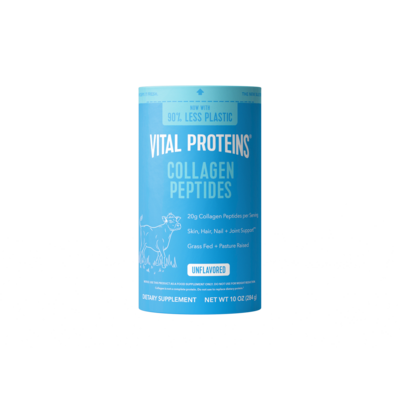
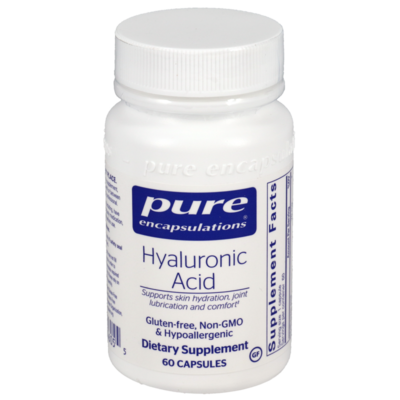
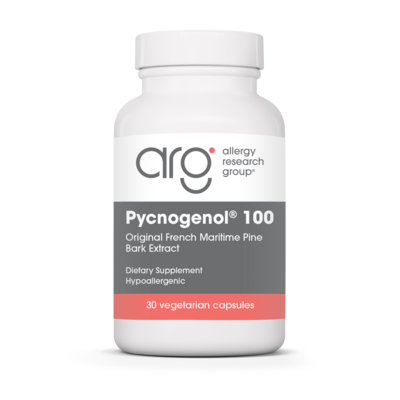 11 more items in Flawless Skin
As life expectancy increases, concerns surrounding skin and its integrity while aging increase. Dermal changes are to be expected with age, as a variety of factors contribute to cutaneous health. Environmental factors such as sun exposure, air pollution, and lifestyle choices all play a role in eliciting premature aging and damaging skin cells. ( 13 ) Genetic factors such as ethnicity and gender also play a role. ( 5 ) Hydration levels in skin are found to inversely correlate with age. Elasticity determined by collagen production also decreases. Texture may also change with age as the dermis thins and roughness increases. Increased depth and number of sulci (wrinkles) occur as well. ( 5 ) Addressing these common hallmarks of aging skin may help preserve youthfulness and prevent further damage to the skin barrier
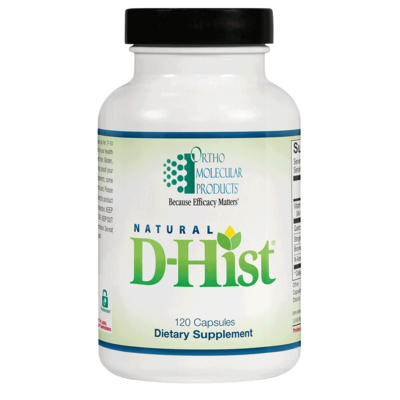
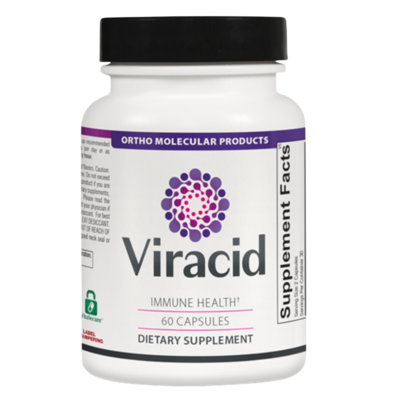
Shop the entire wellness catalog, held to a higher standard
Shop practitioner-grade products, each meeting the same bar for quality through Fullscript's standards.
Powered byVerified
Sourced straight from the brand — no resellers or fakes
Enhanced testing
Select products are tested in-house — get exactly what the label promises
Stored and shipped
From certified facilities, to protect product integrity