GLP-1 Phase 1 Support Protocol
Products
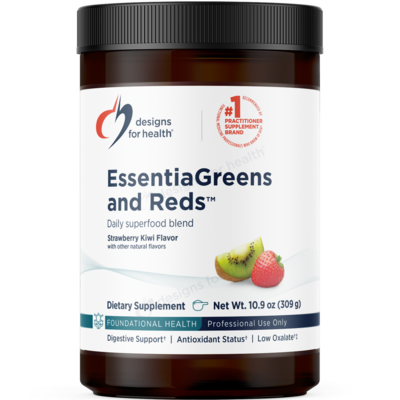
Sign up for exclusive store pricing
Dosage instructions
- Dosage amount:
1.00 Scoop
once per day
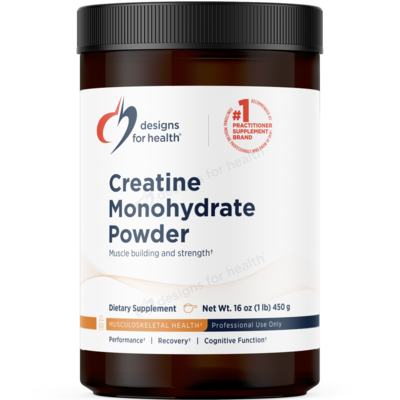
Sign up for exclusive store pricing
Dosage instructions
- Dosage amount:
2 Scoops
once per day
Ongoing
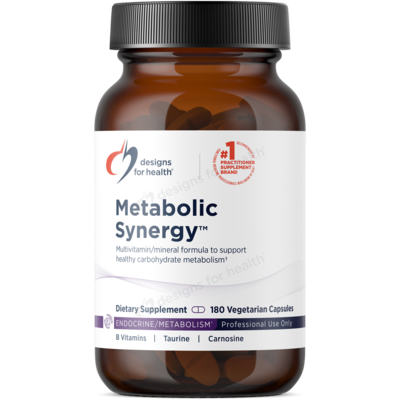
Dosage instructions
- Dosage amount:
6 Capsules
once per day
Ongoing
Additional notes
"two with each meal or as directed by your health care practitioner."
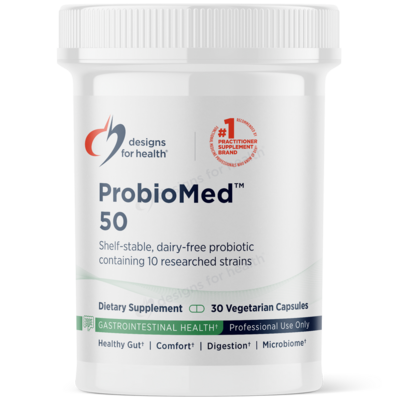
Dosage instructions
- Dosage amount:
1 Capsule
once per day
Ongoing
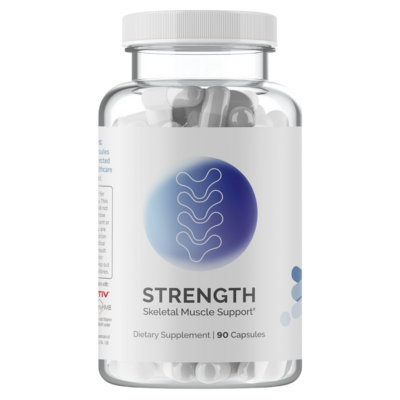
Dosage instructions
- Dosage amount:
3 Capsules
once per day
Ongoing
Additional notes
"Take 3 capsules 30-60 minutes prior to your workout routine or as directed by your physician "
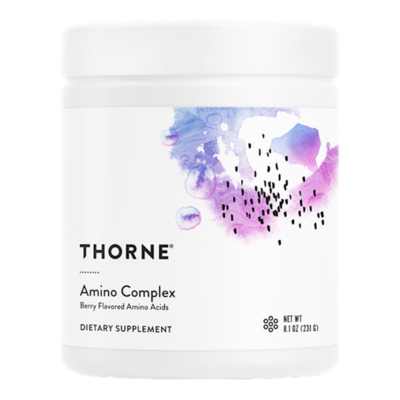
Dosage instructions
- Dosage amount:
1 Scoop
once per day
Ongoing
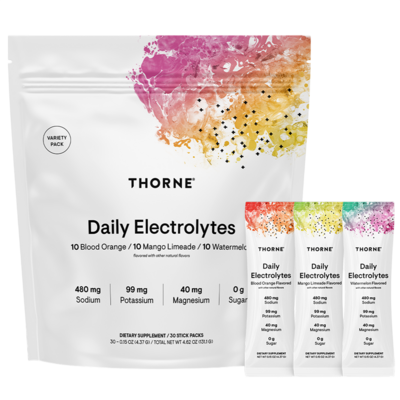
Dosage instructions
- Dosage amount:
1.00 Packet
once per day
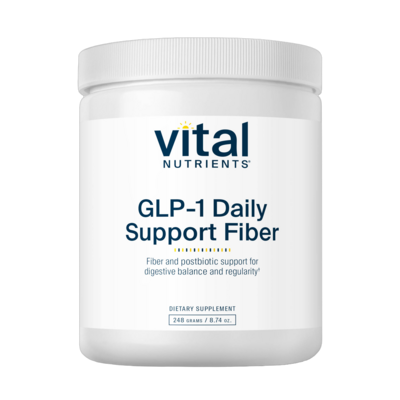
Sign up for exclusive store pricing
Dosage instructions
- Dosage amount:
1 Scoop
once per day
Ongoing
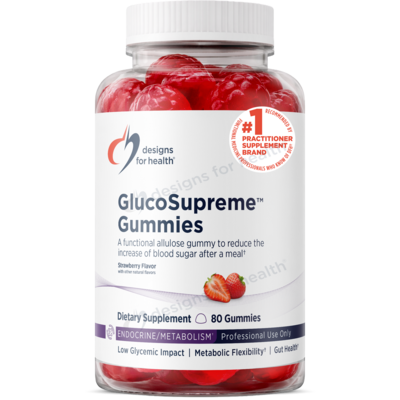
Sign up for exclusive store pricing
Dosage instructions
- Dosage amount:
3 Gummies
once per day
Ongoing
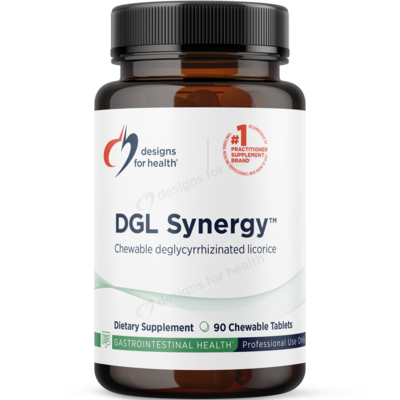
Dosage instructions
- Dosage amount:
2 Chewables
once per day
Ongoing
Additional notes
"before meals."
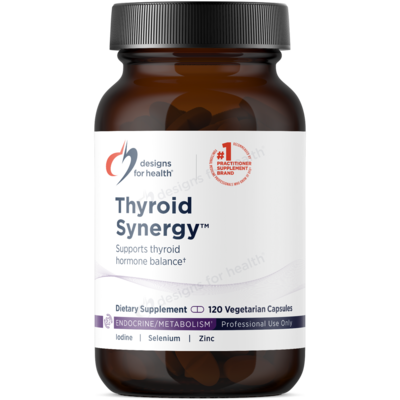
Dosage instructions
- Dosage amount:
2 Capsules
once per day
Ongoing
Additional notes
"with meals."
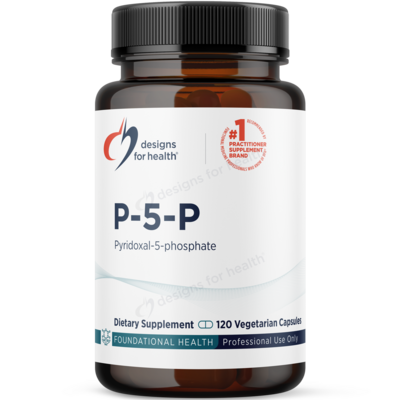
Dosage instructions
- Dosage amount:
1 Capsule
once per day
Ongoing
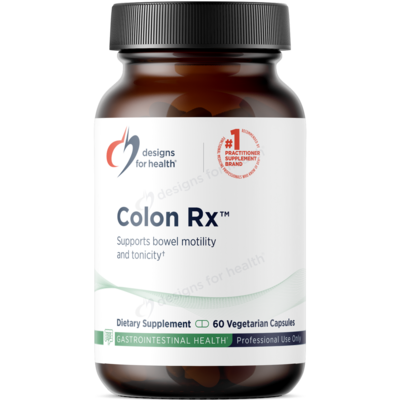
Dosage instructions
- Dosage amount:
2.00 Capsules
once per day
Additional notes
"with 8 ounces of water at bedtime."
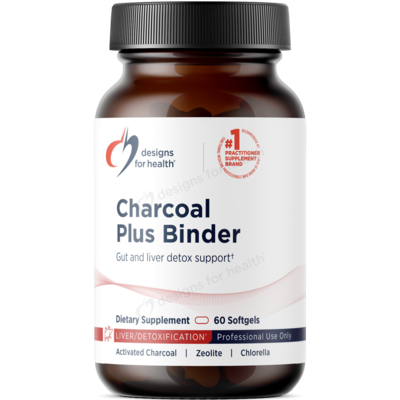
Dosage instructions
- Dosage amount:
2 Softgels
once per day
Ongoing
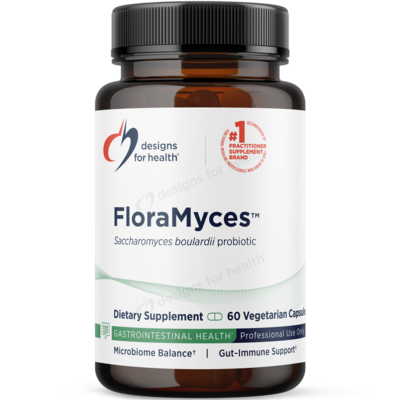
Dosage instructions
- Dosage amount:
2.00 Capsules
once per day
Lifestyle recommendations
Other
Lifestyle Support
- Do progressive resistance training 2-3 times per week (about 60-90 minutes total) to protect muscle mass and metabolic health. If you're new to exercise, start with brisk walking and add resistance training gradually; consider hiring a trainer or using beginner workouts in apps such as Peloton.
- Include balance and mobility work, especially if you're older or at higher risk for muscle loss.
- Practice daily stress-reduction: meditation, deep breathing, and consistent sleep hygiene. Both stress and poor sleep affect blood sugar regulation and appetite.
- Track changes in mood, sleep, and behavior with your provider, since these medications can affect the brain's reward and satiety pathways.
- Simplify your skincare and household products, and reduce exposure to environmental toxins (cigarette smoke, plastics, synthetic fragrances, PFAS) as part of your overall health support.
Fat Loss & Detox
Supporting Your Detox Pathways
As you lose fat, your body also releases toxins that have been stored in fat tissue. This makes it increasingly important to support your liver, kidneys, and other detox pathways while you're losing weight.
- Support lymphatic flow with regular lymphatic massage, use of a vibration plate, or dry skin brushing.
- Keep bowels moving: aim for 1-2 bowel movements per day so toxins are properly eliminated rather than reabsorbed.
- Stay well hydrated with adequate water and electrolytes throughout the day, which supports both detox and kidney function.
- Consider regular sauna use to support elimination through sweat, once hydration and electrolytes are dialed in.
- Support skin elasticity as you lose weight with red light therapy at least 5 times per week; dry brushing also helps here.
- If you struggle with the appearance of cellulite or skin texture, ask about Endermologie sessions: a course of 10-12 sessions, with ongoing treatment as needed, can meaningfully reduce the visible impact of fat loss on skin texture.
Ask Your Provider
Tests Worth Discussing
These are the tests and markers your health care provider may use to monitor you while on a GLP-1 medication. Bring this list to your next visit and ask which, if any, make sense for you.
- Regular monitoring of blood glucose, HbA1c, and kidney, cardiovascular, pancreatic, liver, and GI function
- Body composition assessment (DEXA or BIA) and functional measures like grip strength, to track muscle and strength rather than weight alone
- Designs for Health Metabolomics Spotlight™, to assess micronutrient status and metabolic, macronutrient, and amino acid processing
- Designs for Health Genomic Spotlight™ Gastrointestinal Report, which looks at leptin-related genes tied to appetite and weight regulation
Food & Nutrition
Eating to Protect Lean Mass
- Prioritize a balanced, micronutrient-rich diet: lean protein, non-starchy vegetables, and healthy fats (especially omega-3s), while limiting processed foods, added sugar, alcohol, trans fats, and sweetened beverages.
- Aim for roughly 1.2-1.6 g of protein per kg of body weight daily, spread evenly across meals, to protect muscle. A protein powder can help you hit that target when appetite is low.
- Get enough fiber to support digestion and bowel regularity. Aim for 20-30 grams daily; if you're unable to get there through food alone, supplement with fiber as recommended below.
- Adjust meal size and fat content if needed: larger or higher-fat meals can worsen nausea and slow digestion further.
- Stay hydrated throughout the day, including water with electrolytes, especially if you're having GI symptoms or eating less overall.
- If sugar cravings show up, ask your provider about L-glutamine, which may help support a healthy appetite. Allulose-sweetened foods (bars, gummies, chocolate) are another option: this rare sugar has been shown to support the same GLP-1 pathway naturally.
Resources
- View
GB GLP-1 Phase 1 Support Protocol
Shop the entire wellness catalog, held to a higher standard
Shop practitioner-grade products, each meeting the same bar for quality through Fullscript's standards.
Powered byVerified
Sourced straight from the brand — no resellers or fakes
Enhanced testing
Select products are tested in-house — get exactly what the label promises
Stored and shipped
From certified facilities, to protect product integrity