
Brain Fog in Perimenopause and Menopause
Products

Sign up for exclusive store pricing
Dosage instructions
- Dosage amount:
1 Softgel
twice per day
Ongoing
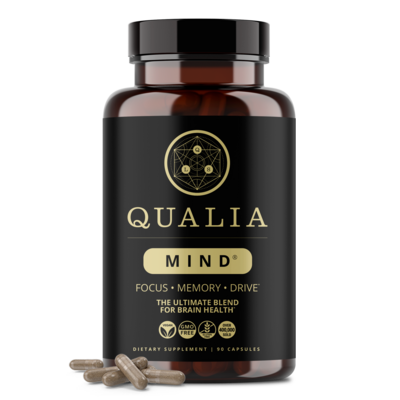
Dosage instructions
- Dosage amount:
3 Capsules
once per day
Ongoing

Dosage instructions
- Dosage amount:
1 Capsule
bedtime
Ongoing
Additional notes
"You may want to increase this to 2 capsules but cut back if you start getting loose stools. "
Lifestyle recommendations
Other
Lifestyle Recommendations for Perimenopause and Menopause Brain Fog
Brain fog—including difficulty concentrating, forgetfulness, word-finding problems, and feeling mentally slower—is common during the menopause transition. Hormone changes may contribute directly, but sleep disruption, stress, mood changes, blood-sugar fluctuations, nutritional deficiencies, and certain medications can also worsen symptoms.
Sleep
- Aim for 7–9 hours of sleep each night.
- Keep a consistent bedtime and wake time, including on weekends.
- Get outdoor morning light within an hour of waking whenever possible.
- Create a 30–60-minute wind-down routine with dim lighting and minimal work, news, or stimulating screen use.
- Keep the bedroom cool, dark, and quiet. Address night sweats or hot flashes that repeatedly interrupt sleep.
- Avoid caffeine after noon, or earlier if you are sensitive to it.
- Limit alcohol, particularly in the evening. Although alcohol may initially cause sleepiness, it often disrupts sleep quality later in the night.
- Finish large meals approximately 2–3 hours before bedtime. Fasting overnight, stopping eating around 5 ot 6 pm and not eating again until 6 or 7 am, can really help your digestion, cortisol, and brain function.
- If you regularly snore, wake with headaches or dry mouth, experience significant daytime sleepiness, or continue to sleep poorly despite adequate time in bed, discuss evaluation for sleep apnea or another sleep disorder.
Nutrition and Hydration
- Follow a Mediterranean-style, minimally processed eating pattern emphasizing vegetables, berries and other fruits, beans, lentils, nuts, seeds, whole grains, olive oil, and quality protein.
- Include protein with each meal to support stable energy, muscle health, and concentration. Protein needs vary, but many women benefit from approximately 25–30 grams per meal.
- Include foods rich in omega-3 fats, such as salmon, sardines, trout, walnuts, chia seeds, or ground flaxseed.
- Eat a variety of colorful plant foods to provide fiber, polyphenols, and antioxidants.
- Reduce foods that create rapid blood-sugar swings, particularly sugary beverages, sweets, and highly refined carbohydrates eaten alone. Pair carbohydrates with protein, fiber, or healthy fat.
- Avoid skipping meals if doing so causes fatigue, shakiness, irritability, headaches, or difficulty concentrating.
- Stay adequately hydrated throughout the day. Pale-yellow urine is a practical general guide unless you have been given different fluid instructions.
- Keep alcohol intake low; some women notice clearer thinking, better sleep, and fewer hot flashes when they reduce or avoid it.
- Do not rely on supplements as a substitute for regular balanced meals.
Movement
- Work toward at least 150 minutes of moderate aerobic activity each week, such as brisk walking, cycling, swimming, or dancing.
- Include resistance training at least twice weekly to support muscle, bone, metabolic, and cognitive health.
- Break up prolonged sitting with a few minutes of walking or movement every 30–60 minutes.
- On mentally demanding days, try a brief 10–20-minute walk, preferably outdoors.
Stress and Nervous-System Support
Chronic stress consumes attention and working memory and can make menopausal brain fog feel significantly worse.
- Practice 5–10 minutes of a calming activity daily, such as deep breathing like 4-7-8 or square breathing, meditation, prayer, yoga, stretching, or time outdoors.
- Try slow breathing with a longer exhale—for example, inhale for four counts and exhale for six counts—for several minutes.
- Schedule brief recovery periods instead of waiting until you feel overwhelmed.
- Reduce unnecessary multitasking. Complete one task at a time when possible.
- Use external memory supports such as calendars, written lists, reminders, and a designated location for frequently misplaced items.
- Protect time for enjoyable activities and supportive social connection.
- If anxiety, depression, burnout, or persistent overwhelm is contributing to symptoms, consider counseling or other professional support.
Cognitive Habits
- Perform demanding work during the time of day when your energy and concentration are strongest.
- Silence nonessential notifications and work in focused blocks with short breaks.
- Continue learning and using your brain through reading, puzzles, music, creative activities, classes, or learning new skills.
- Give yourself additional time for recall. Menopausal brain fog is common and does not automatically indicate dementia.
Please discuss persistent or worsening symptoms with your healthcare practitioner. Additional evaluation may be appropriate for thyroid dysfunction, anemia or iron deficiency, vitamin B12 deficiency, sleep apnea, depression or anxiety, medication effects, glucose abnormalities, or other contributing conditions. Seek prompt medical evaluation for sudden confusion, difficulty speaking, weakness, severe headache, loss of balance, significant personality change, getting lost in familiar places, or cognitive symptoms that interfere with safety or independent daily activities.