
Innate Chiropractic
Welcome! Through Fullscript, Innate Chiropractic offers high-quality supplements and wellness products, delivered right to your door. Get started with the recommended products from Innate Chiropractic, or sign in/up to explore the entire product catalog.
Up to 30% off your order when you sign up*
Shop the highest quality, rigorously tested supplements
Fast and free shipping for orders over $50
*Discounts may vary by order. Labs and select products not eligible
Existing account? Log in here
Featured public protocols
Innate Chiropractic's general recommendations, available to anyone who visits this store.
Erectile Dysfunction Support Protocol

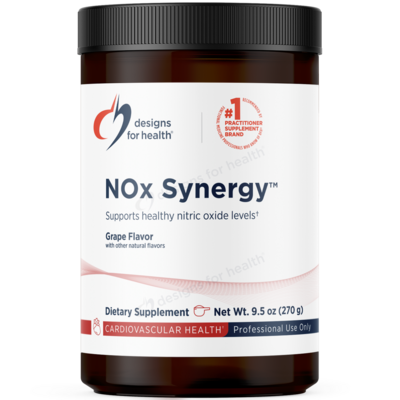
 3 more items in Erectile Dysfunction Support Protocol
Erectile dysfunction (ED) is a common condition, especially in men over 40, involving difficulty achieving or maintaining an erection sufficient for sexual activity. ED often has a physical basis, linked to issues with blood flow, nerve function, hormone balance, or vascular health, making it closely tied to conditions like cardiovascular disease, diabetes, high cholesterol, and high blood pressure. In younger men, ED can also stem from psychological factors such as stress, anxiety, or relationship concerns. Achieving an erection depends on healthy nerve signaling and nitric oxide production, which triggers blood vessel relaxation and blood flow to the penis. As nitric oxide production naturally declines with age or with certain metabolic conditions, erectile function can be impacted. This protocol offers evidence-based nutritional and lifestyle support to help promote healthy circulation, vascular function, and overall sexual health.
Women's Hormonal Balancing Protocol


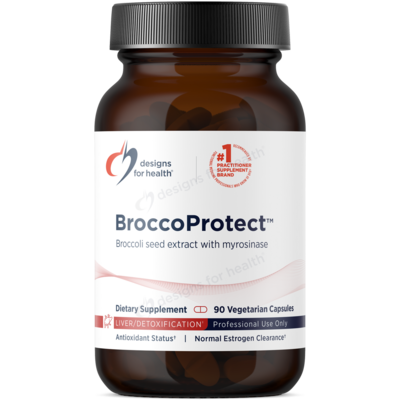 2 more items in Women's Hormonal Balancing Protocol
A woman's health is closely tied to shifting hormone levels throughout life, from puberty through postpartum and menopause. Estrogen and progesterone, the primary female sex hormones, play a central role not only in menstrual health, pregnancy, and lactation, but also in supporting cardiovascular, bone, digestive, cognitive, and immune function. When hormone production, metabolism, or elimination becomes imbalanced, it can lead to a range of conditions, including estrogen dominance, PCOS, irregular or painful periods, PMS, excess androgen activity, and fertility challenges. Inflammation, oxidative stress, and everyday environmental or lifestyle stressors can further contribute to hormonal imbalance. This protocol offers evidence-based nutritional and lifestyle strategies to support healthy hormone balance, with particular attention to estrogen metabolism.
Weight Management Protocol

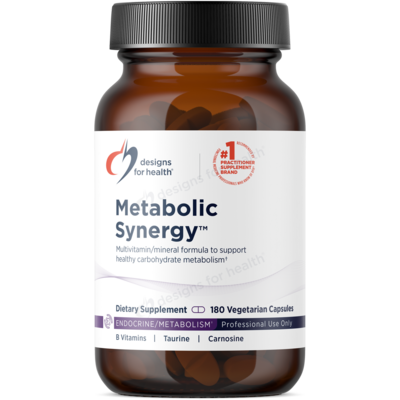
 4 more items in Weight Management Protocol
Obesity now affects a significant portion of U.S. adults, with excess body fat, particularly visceral fat, playing a major role in metabolic dysfunction. Fat tissue isn't just stored energy; it actively releases inflammatory compounds and hormones that can disrupt insulin sensitivity, promote systemic inflammation, and impair healthy glucose and lipid balance. Body weight is shaped by a complex mix of genetics, hormones, diet, lifestyle, and environment, and individual genetic variation can influence how someone responds to different weight-management approaches. Excess weight is linked to a wide range of related conditions, including type 2 diabetes, cardiovascular disease, sleep apnea, high blood pressure, PCOS, joint issues, and fatty liver disease, with risk increasing alongside rising BMI. While newer medical therapies like GLP-1 receptor agonists have changed the treatment landscape, foundational nutrition and lifestyle strategies remain essential to any effective, sustainable weight-management plan. This protocol offers evidence-based dietary and lifestyle support to help promote healthy body composition, metabolic function, and long-term weight management.
Urinary Tract Infection Support Protocol


 3 more items in Urinary Tract Infection Support Protocol
Urinary tract infections (UTIs) are the most common bacterial infection seen in outpatient care, most often caused by E. coli, though other bacteria can also be involved. Uncomplicated UTIs typically occur in women without underlying urinary tract issues and cause symptoms like urgency, frequent urination, burning, or pelvic discomfort. Certain bacteria can form protective biofilms in the bladder, making infections more resistant to treatment and more likely to recur. Common risk factors include sexual activity, spermicide use, catheter use, and frequent antibiotic exposure, while postmenopausal women face added risk due to hormonal changes affecting vaginal and urinary tract health. More complicated UTIs, those involving structural issues, diabetes, or a weakened immune system, carry a higher risk of treatment challenges. Prevention strategies include adequate hydration, proper hygiene, and avoiding known irritants. This protocol offers evidence-based nutritional and lifestyle support to help promote urinary tract health and reduce the risk of recurrent UTIs.*
Traumatic Brain Injury Recovery Protocol

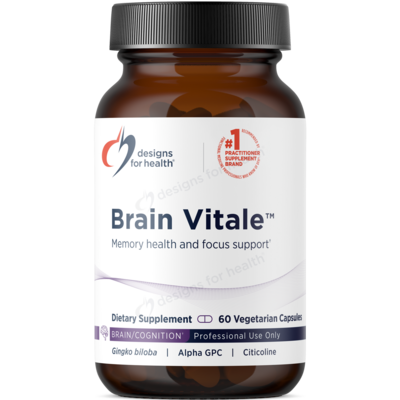
 3 more items in Traumatic Brain Injury Recovery Protocol
Traumatic brain injury (TBI) occurs from a blow or penetrating injury to the head that disrupts normal brain function, and it remains a leading cause of death and long-term disability worldwide. TBI ranges from mild (commonly known as a concussion, which makes up the majority of cases) to moderate or severe, with outcomes influenced by factors like injury severity, age, and individual health history. Symptoms can include cognitive difficulties, headaches, dizziness, mood or behavioral changes, and in more serious cases, loss of consciousness, some of which may persist long after the initial injury. TBI involves both immediate, largely irreversible damage and a secondary, ongoing injury process that can unfold over hours to years, involving inflammation, oxidative stress, and cellular damage in the brain. Supporting the body during this secondary phase may help reduce further injury and support recovery. Because TBI varies widely in severity and presentation, treatment must be individualized, and recovery timelines can range from weeks to years. This protocol offers evidence-based lifestyle, dietary, and nutrient strategies to help support brain healing, function, and long-term recovery.
Type 2 Diabetes Support Protocol
 5 more items in Type 2 Diabetes Support Protocol
Type 2 diabetes affects a significant portion of the U.S. population, with rates rising even among children and young adults, and millions more living with prediabetes and at risk for progression. The condition develops when cells become resistant to insulin, the hormone responsible for moving glucose into cells for energy. The pancreas initially compensates by producing more insulin, but over time, this added strain can impair insulin production, leading to elevated blood sugar levels. Chronically high blood glucose can damage tissues throughout the body, increasing the risk of complications like heart disease, vision loss, and kidney disease. Key risk factors include excess weight, physical inactivity, family history, high blood pressure, abnormal cholesterol levels, and a history of gestational diabetes or PCOS. Diabetes screening is generally recommended starting at age 45, or earlier for those with risk factors. This protocol offers evidence-based dietary and lifestyle strategies, such as reducing added sugars, increasing fiber, supporting gut health, and following a Mediterranean-style eating pattern, to help support healthy blood sugar regulation and long-term metabolic health.
Shop the entire wellness catalog, held to a higher standard
Shop practitioner-grade products, each meeting the same bar for quality through Fullscript's standards.
Powered byVerified
Sourced straight from the brand — no resellers or fakes
Enhanced testing
Select products are tested in-house — get exactly what the label promises
Stored and shipped
From certified facilities, to protect product integrity