Foundational Supplements for Midlife Health
Products
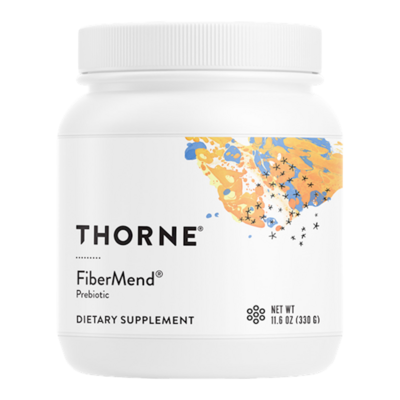
Dosage instructions
- Dosage amount:
1 Scoop
once per day
Additional notes
"Mix 1 scoop with 8–10 oz of your preferred beverage. Does not replace whole-food fiber. May support bowel regularity, cholesterol, and glycemic health. Increase fiber gradually and drink adequate fluids."
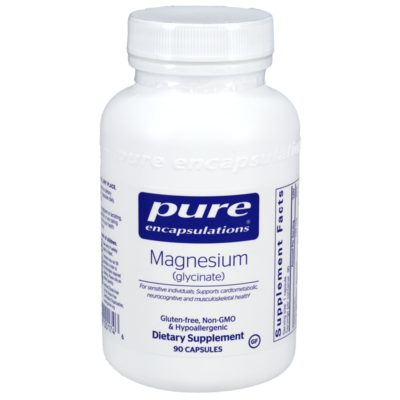
Dosage instructions
- Dosage amount:
1.00 Capsule
evening
Additional notes
"Capsule option. Magnesium glycinate may support sleep, muscle relaxation, and adequate magnesium intake. This form is well absorbed and generally well tolerated. May cause loose stools or GI upset, particularly at higher doses. Use caution and discuss supplementation with your clinician if you have kidney disease. Choose this OR the magnesium bisglycinate powder—not both."
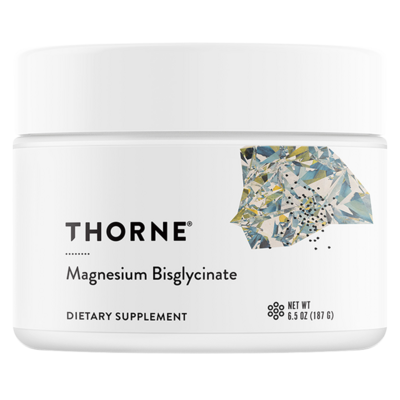
Dosage instructions
- Dosage amount:
1.00 Scoop
evening
Additional notes
"Powder option. For those who prefer not to take larger capsules. Magnesium bisglycinate may support sleep, muscle relaxation, and adequate magnesium intake. This form is well absorbed and generally well tolerated. May cause loose stools or GI upset, particularly at higher doses. Use caution and discuss supplementation with your clinician if you have kidney disease. Choose this OR the magnesium glycinate capsules—not both."
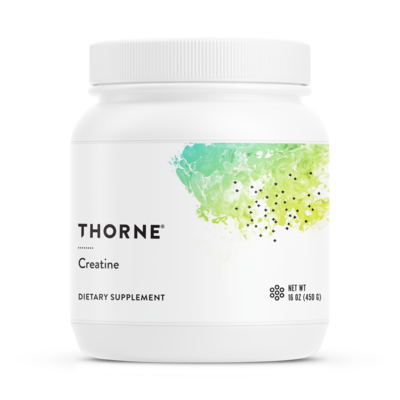
Dosage instructions
- Dosage amount:
1-2 Scoops
once per day
Ongoing
Additional notes
"Creatine monohydrate supports muscle strength, lean mass, and exercise performance. One scoop provides 5 g, a typical daily dose for muscle support. 1–2 scoops (5–10 g) daily may be used; the higher end may be considered when cognitive/brain benefits are also a goal. Consistency matters more than timing. Discuss use with your clinician if you have known kidney disease or are being evaluated for abnormal kidney function."
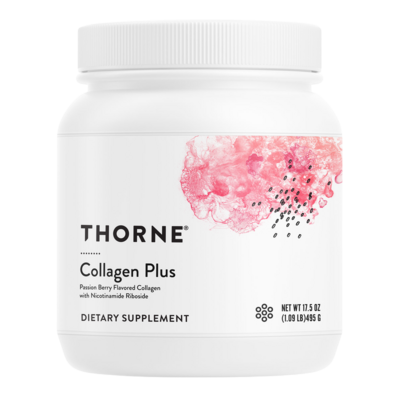
Dosage instructions
- Dosage amount:
1.00 Scoop
once per day
Additional notes
"Optional support for joints, skin, and connective tissue. Not a complete protein; does not replace dietary protein."
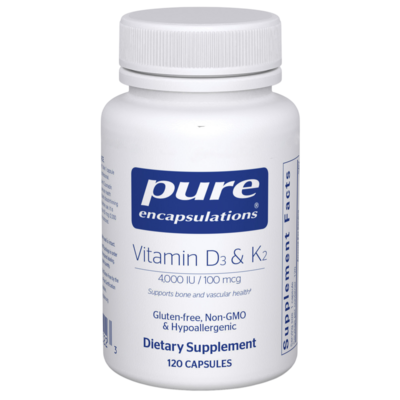
Dosage instructions
- Dosage amount:
1 Capsule
once per day
Ongoing
Additional notes
"Vitamin D supports bone health. Dose should be individualized based on dietary intake, other supplements, risk factors, and labs when appropriate. More is not better—avoid stacking multiple vitamin D-containing products without accounting for total daily intake. Discuss vitamin K-containing supplements with your clinician if you take warfarin"
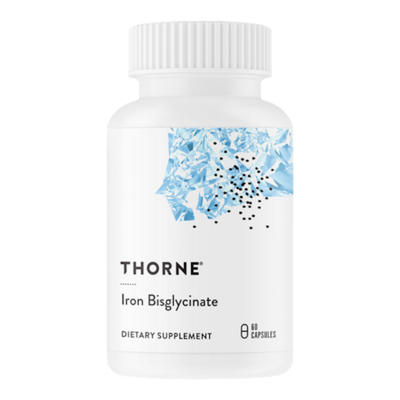
Dosage instructions
- Dosage amount:
1 Capsule
once per day
As needed
For Iron deficiency
Additional notes
"Use only when indicated. Low ferritin/iron deficiency can occur in midlife, especially with heavy menstrual bleeding, and can contribute to fatigue and hair shedding, even before significant anemia develops. Dose and duration should be guided by history and/or labs."
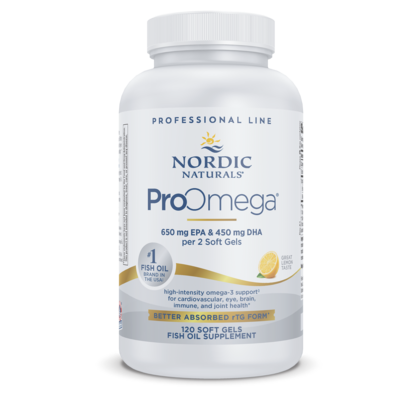
Dosage instructions
- Dosage amount:
2.00 Softgels
once per day
Take with food
Additional notes
"Provides approximately 1.1 g EPA+DHA per daily serving. Omega-3s may support cardiovascular health and may be particularly useful when fatty-fish intake is low. Food-first sources (fatty fish ~2–3 times/week) are encouraged."
Dosage instructions
For Skin support
Additional notes
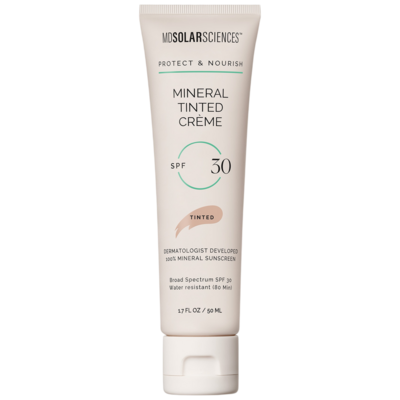
"Daily broad-spectrum sunscreen is one of the best tools we have to prevent UV-related skin aging and reduce skin cancer risk. I like a tinted mineral sunscreen for everyday facial use because the tint helps minimize white cast. Apply generously and reapply with prolonged sun exposure, sweating, or swimming."
Lifestyle recommendations
Other
Nutrition
Aim for a protein-forward, fiber-rich eating pattern with plenty of plants and minimally processed foods. A practical protein goal for many midlife women is approximately 1–1.2 g/kg/day, aiming for about 25–30 g of protein per meal. Prioritize whole-food sources of fiber, healthy fats, fruits and vegetables. Supplements can help fill gaps but should not replace a nutrient-dense diet.
Exercise
Prioritize resistance training at least 2–3 times per week to support muscle, bone, strength, and healthy aging. Add regular aerobic activity and everyday movement such as walking. Weight-bearing and impact activity, when appropriate for you, can also support bone health.
Sleep
Aim for 7–9 hours of sleep with a consistent sleep/wake schedule when possible. Morning light exposure, regular physical activity, and limiting alcohol and late-day caffeine can help support sleep. Persistent insomnia, snoring, or significant daytime fatigue deserves further evaluation.
Stress management
Chronic stress matters, but stress management does not need to be complicated. Regular movement, time outdoors, social connection, mindfulness or breathing practices, and making time for activities you enjoy can all help. Choose strategies that are realistic and sustainable for you.
Midlife health foundations
Don’t forget the basics: don’t smoke, limit alcohol, use daily sun protection, maintain recommended preventive care and screenings, and know your blood pressure, cholesterol, blood sugar, and bone-health risk factors. Lifestyle and supplements are important, but bothersome perimenopause and menopause symptoms are also treatable with evidence-based hormonal and nonhormonal options.
Hormone & Menopause Support
Lifestyle and supplements can support overall health, but they do not need to be the only tools used to manage bothersome perimenopause or menopause symptoms. Evidence-based hormonal and nonhormonal treatments can improve symptoms and quality of life when appropriate. Treatment should be individualized based on your symptoms, health history, risks, and goals.
To learn more about personalized perimenopause and menopause care, visit www.elevatedmenopausecare.com.
Shop the entire wellness catalog, held to a higher standard
Shop practitioner-grade products, each meeting the same bar for quality through Fullscript's standards.
Powered byVerified
Sourced straight from the brand — no resellers or fakes
Enhanced testing
Select products are tested in-house — get exactly what the label promises
Stored and shipped
From certified facilities, to protect product integrity