Public protocols
Dr. Kate Kresge's general recommendations, available to anyone who visits this store.
SIBO Tx: Candibactins
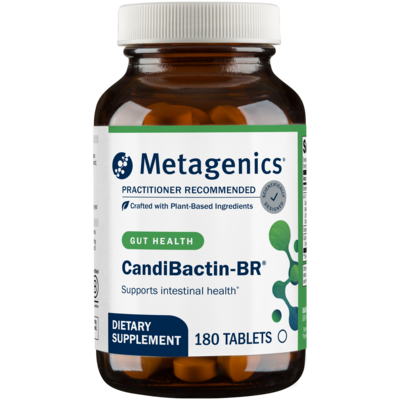
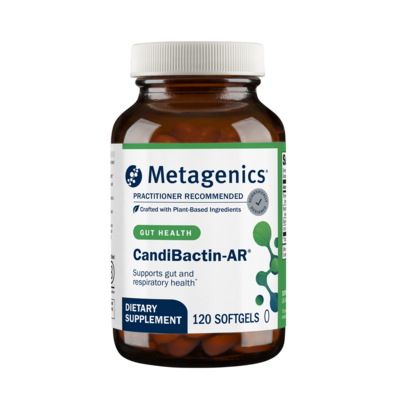
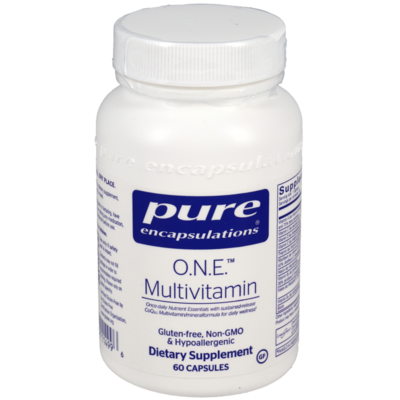
SIBO Candibactin Protocol Candibactin AR and BR Herbal treatment protocol this formula has been shown to be as effective as Rifaximin and Neomycin in a head to head trial for treating SIBO. https://www.ncbi.nlm.nih.gov/pmc/articles/PMC4030608/ In my experience, people who use this formula also have fewer recurrences of SIBO because the antimicrobial herbs also address candida overgrowth in addition to hydrogen and methane producing bacteria. Order at least 2 bottles of each of these as it can take 2-3 rounds of this protocol to fully resolve SIBO. Protocol Step 1 (day 1) Candibactin BR - 1 cap at night. Step 2 (days 2) Candibactin BR - 1 cap at night, 1 cap in the morning after breakfast. Step 3 (days 3) Candibactin BR - 1 cap at night, 1 cap in the morning after breakfast Candibactin AR 1 cap with lunch Step 4 (day 4-6) Candibactin BR - 1 cap at night, 1 cap in the morning after breakfast Candibactin AR 1 cap with lunch, 1 cap in the morning after breakfast Do this for 2 days. If tolerated, move to the next step. Step 5 (day 7) Candibactin BR - 2 cap at night, 1 cap in the morning after breakfast Candibactin AR 1 cap with lunch, 1 cap in the morning after breakfast, Step 6 (day 8) Candibactin BR - 2 cap at night, 1 cap in the morning after breakfast Candibactin AR 1 cap immediately after each meal (3 times per day). Step 7 (days 9+) Continue this regimen until first bottles run out. Reassess symptoms at this point. If symptoms are still an issue, Dr. Kate will give you more directions. Keep in mind the low and high FODMAP checklists as created by Kate Scarlata (vs. more strict guidelines like MONASH) as you work with a nutrition expert to design an eating plan that supports you through this process. https://www.katescarlata.com/lowfodmapdietchecklists Generally, it's helpful to try to emphasize low fodmap foods and concentrate on limiting your serving sizes of high fodmap foods wherever possible if you’d like to reduce symptoms. Remember you do reference this list, use it as a guide, not a strict list of rules. It's better to be nourished throughout a SIBO protocol rather than feel restricted. This is why we include a multivitamin as nutritional insurance while you do this protocol. Make sure to take the multivitamin after a large meal to avoid nausea. This page is meant to be a general resource for existing clients of Dr. Kate to reference after their appointment. Please do not share it with others and please call if you have questions or concerns. This page on its own should never be used in lieu of professional medical advice.
Menopause Protocol: Cool Your Hot Flashes
 3 more items in Menopause Protocol: Cool Your Hot Flashes
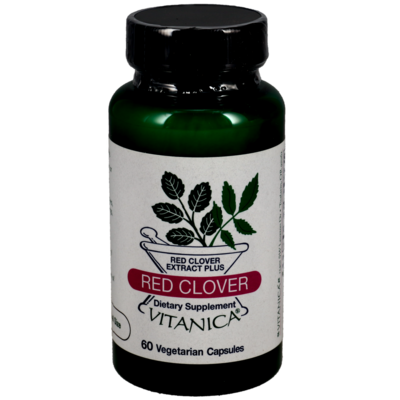
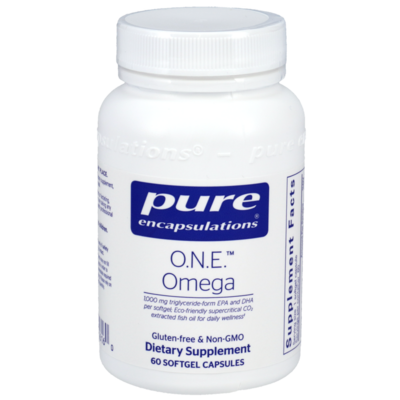
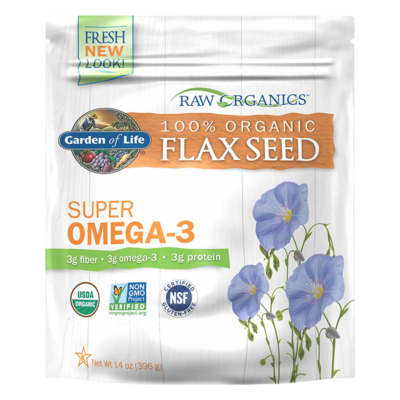
Hesperidin: Hesperidin is a flavonoid that has been found to reduce hot flashes by up to 53% when used daily over several months. Take between 500-1500mg (1-3 caps) at night before bed. http://archive.foundationalmedicinereview.com/publications/8/3/284.pdf Red Clover: https://www.ncbi.nlm.nih.gov/pmc/articles/PMC4678495/ appears to reduce hot flashes in menopausal women. Flax Seed: 1-2 tbsp once daily in the form of flax muffins like the ones in this recipe https://thefitcookie.com/scrumptious-banana-flax-muffins/ . You can replace the 3 bananas with 1.5 cups of applesauce. Omega 3: 1-2 caps per day at least. Don't take if you have a bleeding disorder or before a surgery. Milk Thistle Seed: Milk thistle is a trophorestorative herb that amplifies liver function and may increase your ability to metabolize estrogens. Vitamin E: Evidence suggests that vitamin E supplementation can improve hot flashes when continued for over 4 weeks http://archive.foundationalmedicinereview.com/publications/8/3/284.pdf . Ensuring your diet contains adequate amounts of vitamin E may be an effective, safe and affordable strategy for reducing hot flashes. To that end, we should also aim to increase the servings of foods like sunflower seeds, almonds, spinach and organic soy in your diet each week. Try having a handful of sunflower seeds before snacking on a snack you’d normally enjoy like pretzels. Aim for one snack like this each day. Adequate hydration: 64 ounces of water per day to help balance blood volume, blood pressure, and reduce vasomotor sensitivity.
Migraine: Natural Medicine Support
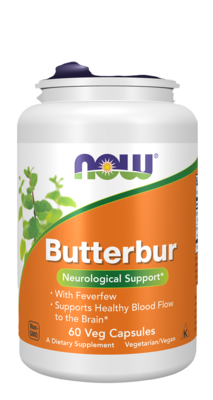
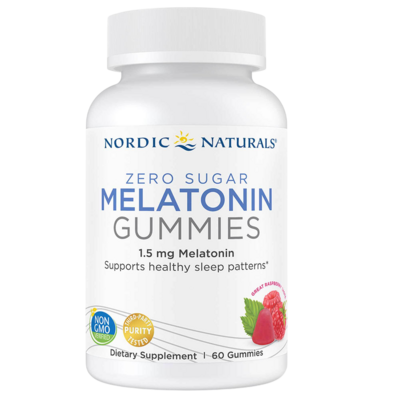
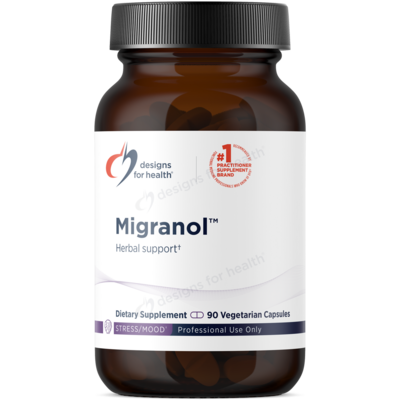
This presentation is a great resource for people who are looking to create a holistic healing plan that puts the power back in their hands when it comes to reducing and preventing migraines naturally. Topics covered in this talk The newest pharmaceutical advances in treating migraine New non-drug devices that help to reduce migraine Injectables that reduce migraine Herbal medicines that are effective for preventing and reducing migraines Minerals that reduce migraines Vitamins that help to reduce migraines How to make food-as-medicine a reality for you so that you can take back the power of your diet and nutrition in managing migraines Some of the papers mentioned in this talk Nutrients to Improve Mitochondrial Function to Reduce Brain Energy Deficit and Oxidative Stress in Migraine “The nutrients that can be considered to supplement the diet to prevent and/or ameliorate migraine are riboflavin, thiamine, magnesium ions, niacin, carnitine, coenzyme Q10, melatonin, lipoic acid, pyridoxine, folate, and cobalamin.” PMID 34959985 CoQ10 Effectiveness of coenzyme Q10 in prophylactic treatment of migraine headache: an open-label, add-on, controlled trial PMID: 27670440 “This is an open-label, parallel, add-on, match-controlled trial. Eighty patients diagnosed with migraine headache based on International Headache Society criteria were allocated to receiving only their current preventive drugs or their current preventive drugs plus 100 mg CoQ10 daily, matching for their baseline characteristics, and were assessed for frequency and severity of attacks, and ≥50 % reduction in attack frequency per month. Thirty-six and 37 patients were analyzed in CoQ10 and control groups, respectively. Number of attacks per month dropped significantly in the CoQ10 group (mean decrease: 1.6 vs. 0.5 among CoQ10 and control groups, respectively, p < 0.001). A significant reduction was also evident in the severity of headaches (mean decrease: 2.3 vs. 0.6 among CoQ10 and control groups, respectively, p < 0.001). For ≥50 % reduction in the frequency of attacks per month, the number needed to treat was calculated as 1.6. No side effects for CoQ10 were observed. This study suggests that CoQ10 might reduce the frequency of headaches, and may also make them shorter in duration, and less severe, with a favorable safety profile.” Zinc Assessing the Effect of Zinc Supplementation on the Frequency of Migraine Attack, Duration, Severity, Lipid Profile and hs-CRP in Adult Women PMID: 33987139 “Sixty women with migraine (mean age of 35.44 ± 7.42 years) were randomly allocated to obtain 15 mg per day of zinc gluconate or placebo for 12 weeks. Frequency, periods of headaches and severity of migraine based on numerical rating scale questionnaire and migraine disability assessment (MIDAS) test were checked. Fasting serum level of lipid profile and hs-CRP were assessed at the beginning and the end of trial. Zinc gluconate supplementation significantly reduced the frequency (p = 0.001), periods of migraine attacks (p < 0.001) and severity of migraine and MIDAS (p < 0.001) compared with control group. The serum level of low-density lipoprotein (p < 0.001), total cholesterol (p < 0.001) and hs-CRP (p < 0.001) decreased following zinc supplementation, but no significant differences in serum level of triglycerides (p = 0.1) and high-density lipoprotein (p = 0.3) was observed. However, after adjustment for baseline values using analysis of covariance test, none of lipid profile components and hs-CRP showed a significant difference. Zinc supplementation has beneficial effect on the migraine related complications like its severity, frequency.” Top sources of zinc in the U.S. diet: https://ods.od.nih.gov/factsheets/Zinc-HealthProfessional/ B Vitamins Section on Pyridoxine, Folate, and Cobalamin (PMID: 34959985) “Sadeghi et al. observed that pyridoxine intake (80 mg/day) in 66 patients with migraine with aura resulted in beneficiary effects on headache severity, HDR, and migraine attack duration, but not their frequency [ 161 ]. A significant decrease was seen in migraine severity, frequency, and duration of migraine attacks, as well as in HDR in 95 patients with migraine with aura with a diet supplementation with pyridoxine (80 mg/day) and folic acid (5 mg/day) for 3 months, as compared with placebo or folic acid only [ 162 ]. Lea et al. administered, for 6 months, 2 mg of folic acid, 25 mg pyridoxine, and 400 µg cobalamin daily to 52 patients with migraine with aura [ 163 ]. In that study, a moderate effect of the genotypes of the c.677C>T polymorphism in the MTHFR (methylenetetrahydrofolate reductase) gene was also observed. This polymorphism was reported to associate with migraine susceptibility in numerous studies (reviewed in [ 164 ]). The same group observed, in a subsequent study, that lowering the dose of folic acid to 1 mg/day resulted in a less effective reduction of migraine syndromes after the combined folic acid/pyridoxine/cobalamin supplementation [ 165 ]. A case-control study on 70 migraine patients and 70 individuals without headache showed that individuals with a lower status of cobalamin and methylmalonic acid had higher odds for migraine [ 166 ].” Melatonin for Migraines Melatonin 4mg taken nightly over 6 months reduce attack frequency by roughly ⅔ and headache impact by roughly ⅓ PMID: 27027892 Butterbur for Migraines Petasites hybridus root (butterbur) is an effective preventive treatment for migraine DOI: https://doi.org/10.1212/01.WNL.0000147290.68260.11 “ Results: Over 4 months of treatment, in the per-protocol analysis, migraine attack frequency was reduced by 48% for Petasites extract 75 mg bid ( p = 0.0012 vs placebo), 36% for Petasites extract 50 mg bid ( p = 0.127 vs placebo), and 26% for the placebo group. The proportion of patients with a ≥50% reduction in attack frequency after 4 months was 68% for patients in the Petasites extract 75-mg arm and 49% for the placebo arm ( p < 0.05). Results were also significant in favor of Petasites 75 mg at 1, 2, and 3 months based on this endpoint. The most frequently reported adverse reactions considered possibly related to treatment were mild gastrointestinal events, predominantly burping. Conclusions: Petasites extract 75 mg bid is more effective than placebo and is well tolerated as a preventive therapy for migraine. Petasites 50 mg PO bid was not significantly more effective than placebo on the primary study endpoints.” More Info Typical Migraine Sufferer’s Diet: You can view the case study here https://www.rupahealth.com/post/a-functional-medicine-approach-to-panic-attacks Sample supplements that could get you the nutrients above: https://us.fullscript.com/protocols/sanarefunctionalmedicine-migraine-natural-medicine-treatment (Do not start these without talking with your doctor). DISCLAIMER: THIS WEBSITE DOES NOT PROVIDE MEDICAL ADVICE The information, including but not limited to, text, graphics, images and other material contained on this website are for informational purposes only. The purpose of this website is to promote broad consumer understanding and knowledge of various health topics. It is not intended to be a substitute for professional medical advice, diagnosis or treatment. Always seek the advice of your physician or other qualified health care provider with any questions you may have regarding a medical condition or treatment and before undertaking a new health care regimen, and never disregard professional medical advice or delay in seeking it because of something you have read on this website. We do not recommend or endorse any specific tests, physicians, products, procedures, opinions or other information that may be mentioned on this website. Reliance on any information appearing on this website is solely at your own risk.
The Ageless Brain Interview: Dr. Bredesen's Supplement Mentions
 6 more items in The Ageless Brain Interview: Dr. Bredesen's Supplement Mentions
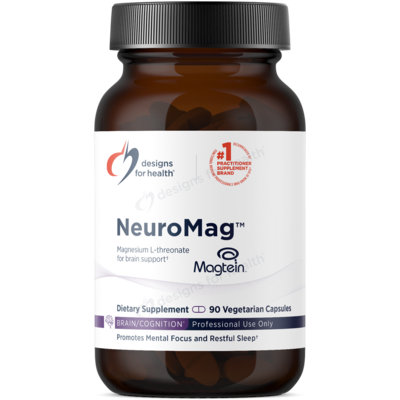
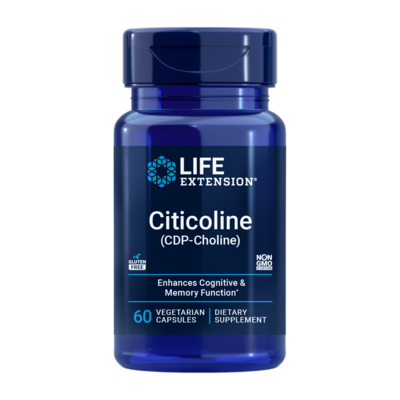
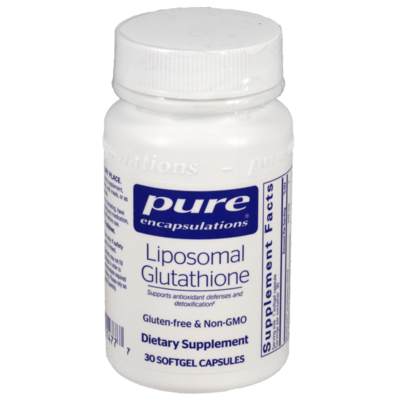
What If Memory Loss Wasn’t Inevitable? Most of us assume that forgetting names, losing our keys, or struggling to focus is just part of getting older. But what if it didn’t have to be? In this powerful episode of The Root Cause Medicine Podcast , I sat down with Dr. Dale Bredesen —renowned neurologist, researcher, and author of The End of Alzheimer’s —to discuss his newest book, The Ageless Brain . He’s reframing memory loss not as a fate we can’t escape, but as a preventable—and often reversible—process when addressed early with the right tools. The Cognoscopy: A Brain Checkup Everyone Should Get Dr. Bredesen coined the term cognoscopy to describe a brain health screening everyone over age 35 should receive. Like a colonoscopy, it’s designed to catch early changes—except this time, it’s for your brain. 🧠 The cognoscopy includes: 🧪 Blood biomarkers: P-Tau217, GFAP, NFL —for early detection of Alzheimer's-related changes, inflammation, and neuronal damage 🧠 A simple cognitive assessment 🧲 Optional MRI with volumetrics for deeper insight if symptoms are present Together, these give us a window into the earliest signs of decline—years before memory loss becomes obvious. Cognitive Decline Isn’t One-Size-Fits-All Cognitive changes follow a pattern: Asymptomatic biochemical changes Subjective Cognitive Impairment (SCI) —you know something's off Mild Cognitive Impairment (MCI) —measurable on tests Dementia —loss of daily function And here’s the hope: Dr. Bredesen says that people in the SCI stage improve virtually 100% of the time when supported with a root-cause approach. Root Causes Are Detectable—and Treatable Dr. Bredesen’s approach is rooted in precision medicine. Instead of masking symptoms, he teaches us to test and treat what's driving the decline. Common culprits include: 🔹 Insulin resistance 🔹 Chronic inflammation 🔹 Toxins (like mold and heavy metals) 🔹 Oral and sinus infections 🔹 Hormone & nutrient deficiencies 🔹 Mitochondrial dysfunction and poor sleep Targeted Supplements That Support Brain Function One of my favorite parts of our conversation was diving into the specific nutrients that help clients reclaim their cognition. Here are some of Dr. Bredesen’s top recommendations: 🧠 Magnesium threonate – supports cognitive function and crosses the blood-brain barrier 💥 Citicoline or Alpha-GPC – choline donors that help with memory and focus 🛡️ Glutathione – the master antioxidant, critical for detox and inflammation support 💪 CoQ10 – essential for mitochondrial energy 🔋 Omega-3s – promotes a healthy inflammatory environment and supports brain cell membranes 🌀 SPMs (Specialized Pro-Resolving Mediators) – may help to address chronic inflammation ⚖️ Vitamin D, B12, and Folate – foundational for methylation and brain detox 🌿 Adaptogens and pregnenolone/DHEA – to modulate stress and hormone-related decline You can find some trusted brands for these below. Pro tip: He also suggests probiotics and supports emerging therapies like photobiomodulation and mitochondrial transfusions for more advanced cases. The Brain Is a Ferrari—Fuel It Accordingly You don’t support a high-performance car with cheap gas—and your brain is no different. Dr. Bredesen’s core lifestyle pillars include: 🌿 Plant-rich, mildly ketogenic diet 🏋️♀️ Aerobic + resistance exercise 😴 Deep, restorative sleep (with wearables!) 🧘♀️ Stress reduction and breathwork 🧠 Brain training (like Brain HQ) 🧽 Detox support (SPMs, binders, sauna, and oral health care) You Are Not Powerless—Testing Is the First Step If you’re feeling overwhelmed, here’s what I want you to know: “Every single contributor to cognitive decline is addressable.” —Dr. Dale Bredesen It starts with testing. This is how we move from fear to empowerment—and from symptoms to healing. Final Thoughts: Make Your Brainspan Match Your Lifespan Cognitive decline isn’t an inevitable part of aging. With the right tools, we can extend not just how long we live—but how clearly we think and feel while we do it. 🎧 Tune in to the full episode for: Dr. Bredesen’s protocol for prevention and reversal What to test and when Inspiring stories of recovery—even from ApoE4+ clients Let’s help more people age with clarity, dignity, and vitality. Resources Dr. Dale Bredesen : drbredesen.com , @drdalebredesen Book : The Ageless Brain – Available in paperback, Kindle, and Audible Labs & Testing : Rupa Health Supplements: Below are some brands I trust References Bredesen DE. The Ageless Brain . 2024. Bredesen DE et al. “Reversal of cognitive decline: 100 patients.” J Alzheimer’s Dis. 2020. Bush AI. “The ‘amyloid cascade hypothesis’ has misled the Alzheimer field.” Nat Rev Neurosci , 2021. Please note, this blog is meant to provide helpful information but is not intended as medical advice. Always consult your healthcare provider before adding new herbs or supplements to your routine.
GLP-1 Supplement List
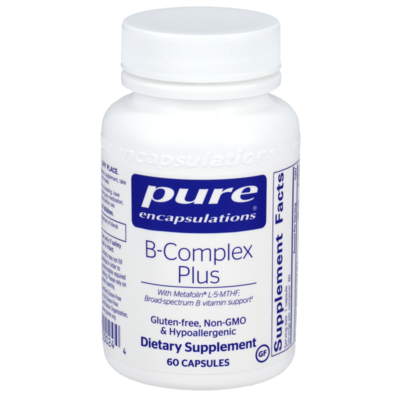
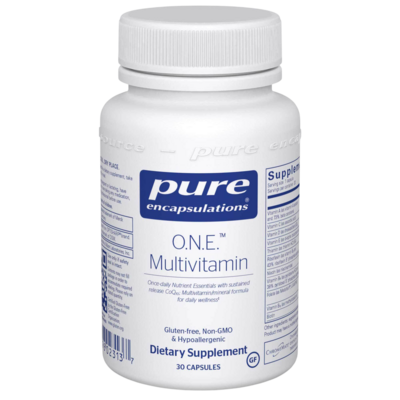 2 more items in GLP-1 Supplement List
If you're taking a GLP-1 medication like semaglutide or tirzepatide—or following a reduced-calorie or appetite-suppressing nutrition plan—you’ve already taken an important step to support your metabolic health. But new research shows that rapid or significant weight loss can increase the risk of developing nutrient deficiencies that may impact your energy, immunity, and long-term wellbeing. Some of the most common deficiencies to watch for include: • Zinc – associated with impaired immune response and poor wound healing • Iron – linked to fatigue, shortness of breath, and hair thinning • Fat-soluble vitamins (A, D, E, K) – which support blood clotting, skin and eye health, and bone integrity Clinical guidelines often recommend medical nutrition therapy for individuals taking GLP-1s to help them maintain adequate nutrient intake on a calorie-restricted diet. But in reality, most people aren't receiving this kind of targeted support. That’s why I created this guide—to help fill the gap and empower you with practical steps to protect your health while benefiting from the medication. Here’s what I recommend: Run labs every 3-6 months to catch potential deficiencies early Use your results (and see a professional to help you) to build a smart food and supplement plan Strength train, if you’re able, to preserve muscle and prevent long-term weight regain Let’s walk through the lab tests I recommend and what you should know about each one. Labs for People on GLP1-s First up, let's talk about the lab panel I recommend you get before starting a GLP-1 and every 3 months after starting it. New evidence shows that people on GLP-1s are at risk of nutrient deficiencies, including vitamin A, B1, B12, C, D, E, K, and minerals like zinc and iron. But what's even more interesting is that obesity - often of the main indications for GLP-1s - itself increases the risk for nutrient deficiencies. These nutrient deficiencies can cause some serious issues. I've put them in an easy list and complete panel for you to order yourself to be drawn at your local labcorp. Below, we'll go through each and why they matter so much for health. CBC – Complete Blood Count This test looks at red and white blood cells, hemoglobin, hematocrit, and platelets. Red call abnormalities can indicate anemia, which can develop if you're not getting enough iron, B12, or folate. It can also indicate issues with white blood cells and other immune system markers. If a CBC is abnormal, you might notice symptoms like fatigue, lightheadedness, shortness of breath, cold intolerance, or pale skin. Anemias can make working out enough to maintain lean muscle mass difficult and worse. People with anemia often report feeling so tired they can barely get through the day. Thankfully, finding and treating is super easy. You just have to make the effort to check. ( NIH Iron Fact Sheet , NIH B12 Fact Sheet ). You can figure out exactly which type of anemia may be impacting your red blood cells by checking iron, B12 and folate (below). It's important to note that red blood cell marker's don't have to be abnormal for you to have low iron, B12 or folate. Iron Panel – Ferritin, Serum Iron, TIBC Iron is essential for oxygen transport and energy. GLP-1s can reduce your appetite for iron-rich foods (like red meat), and women are especially prone to low iron due to menstruation and blood loss each month. Low iron can give you the symptoms like fatigue, hair loss, brain fog, pale skin, or craving non-food items like ice. ( Source: NIH Iron Fact Sheet ). B12 Panel (Serum B12, Homocysteine, Methylmalonic Acid) This combo gives the clearest picture of your vitamin B12 status. B12 is crucial for energy, nerve health, and red blood cell production. Homocysteine and MMA are early warning signs that your B12 might not be working well, even if your levels look “normal.” Low B12 can result in symptoms like numbness, brain fog, mood changes, or fatigue ( Source: NIH B12 Fact Sheet ). CMP – Comprehensive Metabolic Panel (with Calcium) The CMP checks liver and kidney function, blood sugar, and electrolytes—including calcium. It's a good thing to measure regularly to if you are taking a GLP-1 to make sure it's not affecting your liver, kidneys or pancreas. It's also helpful for making sure key electrolytes like calcium are in range. GLP-1 users can be at risk for under-consuming, which over time can put them at risk for symptoms of deficiency like muscle cramps, numbness or tingling in fingers, or mood and energy changes. Because calcium helps to regulate how our hearts beat by controlling electrical signals, out-of-range calcium on a CMP is always a cause for follow up and correcting root cause contributors if they can be found. ( NIH Calcium Fact Sheet ) Zinc Zinc plays a major role in immune function, healing, skin health, and even taste perception. Low zinc can happen when overall food intake drops or if digestion is impaired. Common signs of low zinc: Increased infections, slow wound healing, rash, or loss of taste/smell. (Source: NIH Zinc Fact Sheet ) Vitamin A (Retinol) Vitamin A supports your vision, skin, immune system, and gut lining. It’s fat-soluble, which means you need enough dietary fat to absorb it properly. Deficiency signs can include: Dry eyes, trouble seeing at night, rough skin, or frequent colds. ( Source: NIH Vitamin A Fact Sheet ) Vitamin D Vitamin D helps with calcium absorption and supports immune and bone health. Low-fat diets and indoor lifestyles make deficiency more common than you’d think. You may notice: Low mood, fatigue, bone aches, or getting sick more often. (Source: NIH Vitamin D Fact Sheet ) Vitamin E Vitamin E is another fat-soluble vitamin that acts as a powerful antioxidant. It protects cells and supports nerve health. Possible signs of low vitamin E: Muscle weakness, vision problems, or balance/coordination issues . (Source: NIH Vitamin E Fact Sheet ) Vitamin K Vitamin K helps your blood clot properly and works with vitamin D to build and maintain strong bones. Low fat intake may reduce absorption. Low levels can show up as: Easy bruising, bleeding gums, or heavy menstrual cycles . (Source: NIH Vitamin K Fact Sheet ) Thiamin (Vitamin B1) Thiamin helps turn food into energy and supports your nervous system. It’s especially vulnerable to depletion if you’re eating very little or have ongoing nausea. Symptoms can include: Fatigue, irritability, memory trouble, or tingling in the hands or feet. (Source: NIH Thiamin Fact Sheet ) Vitamin C Vitamin C supports collagen production, immune defense, and helps absorb iron from plant foods. It’s easy to miss out on if you're eating less fruit and veg. Deficiency signs include: Gum bleeding, easy bruising, slow healing, or feeling worn down . (Source: NIH Vitamin C Fact Sheet ) Omega-3 Index This test checks the levels of EPA and DHA—two anti-inflammatory fats that support brain, heart, and joint health. Most people don’t get enough, especially on low-calorie diets that exclude fish or nuts. If your omega-3s are low, you might notice: Dry skin, joint stiffness, low mood, or poor focus. (Source: NIH Omega-3 Fact Sheet ) Supplements for People on GLP1-s Covering your bases nutritionally actually isn't too hard. There are a number of multivitamin options that can give you most of the nutrients listed above, including vitamin A, B1, B12, C, D, E, K, zinc. What multivitamin don't often contain are the nutrients Iron - because not everyone needs it, it can cause GI upset, and too much iron can be dangerous Omega 3s - because they're hard to fit in a multivitamin, can interfere with blood clotting medications You can, however, take iron and omegas in addition to a multivitamin if your doctor recommends it. If you're looking for safe options for these supplements, check this out. Final Thoughts If you’re on a GLP-1 medication and seeing great progress, that’s something to celebrate. But if your nutrient intake isn’t keeping up with your body’s needs, you may start to feel depleted, fatigued, or inflamed—even while the scale is moving in the right direction. That’s why I recommend testing these markers every few months, especially during active weight loss. Lab testing helps you catch issues early and create a smarter plan to stay strong, sharp, and healthy as your body changes. This blog is for informational purposes only and not medical advice. Always talk to your provider before making changes to your labs, supplements, or medications. You deserve to feel amazing. Please note, this blog is meant to provide helpful information but is not intended as medical advice. Always consult your healthcare provider before adding new herbs or supplements to your routine.
Herbal Teas for Calm
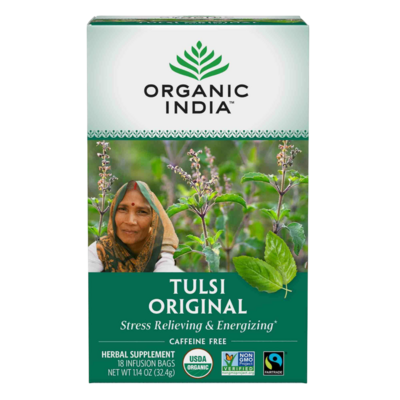
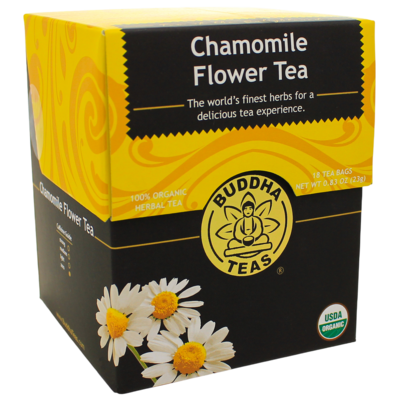
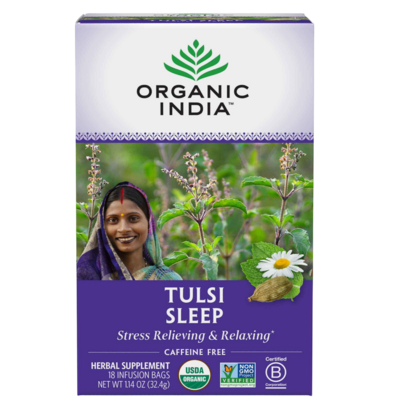
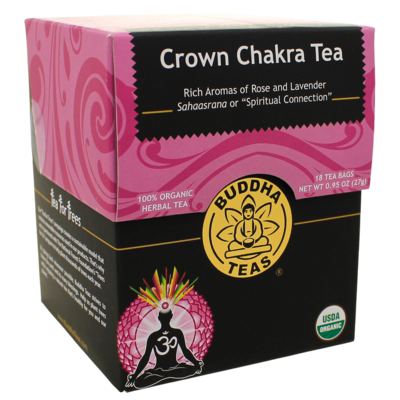
Herbal Teas for Anxiety: Ancient, Gentle Medicine at Your Fingertips Herbal tea has been used for centuries to as a delicious, calming way to both connect with others and our inner selves. Aside from being delicious, herbal teas are a gentle form of medicine that nourish the body by bringing hydration along for the ride as we consume them. One of the best things about herbal tea is that many varieties can be found right at your local grocery store - or grown in a backyard or even window garden. The bonus is that they are also often beautiful to watch as they mature, are good for the planet to grow and dispose of, and can truly work for conditions like occasional anxiousness - all for a very low cost. Here are five calming herbal teas I enjoy and recommend, along with more specific information about their benefits and risks. I recommend choosing organic options when possible to ensure better quality and to avoid pesticides and other chemicals. As always, remember that everyone’s body is unique. Be sure to talk to your healthcare provider before introducing any new herbs into your routine. 1. Lemon Balm (Melissa officinalis) Why I love it: Lemon balm, a member of the mint family, is often used for its mild, refreshing flavor and calming effects. It contains compounds that may help reduce feelings of unease by promoting relaxation. Some studies suggest lemon balm may support the brain’s GABA receptors, which help calm nervous activity (Kennedy et al., 2004). Additionally, this herb has traditionally been used to ease stress and support a sense of calm. Risks and Side Effects: Lemon balm is generally safe for most people, but it’s important to be mindful of potential side effects. Large doses of lemon balm may cause mild sedation or dizziness. While it’s generally well-tolerated, individuals with thyroid conditions should use caution. Lemon balm contains compounds that may affect thyroid function by interfering with the absorption of thyroid medications. For individuals with hypothyroidism or those on thyroid hormone replacement therapy, it’s important to discuss lemon balm with your healthcare provider to avoid any potential disruptions in thyroid function (Benevenga et al., 2014). Potential Interactions: May interact with sedative medications, such as benzodiazepines, increasing their effects. Can interfere with thyroid medications if taken in large quantities, potentially altering thyroid hormone levels. Takeaway: Lemon balm, or Melissa, is a gentle, delicious herb that can help promote relaxation in people without thyroid dysfunction. Lemon Balm - Utah State Extension Photo 2. Chamomile (Matricaria chamomilla) Why I love it: Chamomile is a gentle, soothing herb with a long history of use for relaxation. It contains a compound called apigenin, which has been shown to bind to receptors in the brain that help induce a sense of calm (Amsterdam et al., 2009). Chamomile is also great for soothing digestive discomfort, which can sometimes be aggravated by stress. Risks and Side Effects: Chamomile is generally safe for most people, but those with allergies to ragweed, daisies, or other members of the Asteraceae family may experience an allergic reaction, including skin rashes or breathing difficulties (Sutkowy et al., 2016). Additionally, chamomile can interact with blood-thinning medications, such as warfarin, by increasing the risk of bleeding. If you're on blood thinners, it's important to discuss chamomile with your healthcare provider before use. Potential Interactions: Chamomile may interact with blood thinners, such as warfarin, increasing the risk of bleeding. It can enhance the effects of sedative medications or tranquilizers, which may lead to excessive drowsiness or sedation. I have personally found that chamomile may also worsen symptoms of SIBO until someone has cleared it with treatments. Takeaway: Chamomile is a gentle herb that can be a nourishing, grounding part of your food and drink routine, as long as you don't take blood thinners or sedating medications. 3. Lavender (Lavandula angustifolia) Why I love it: Lavender is often used for its calming and grounding effects. It contains essential oils, such as linalool, which have been shown to support relaxation by acting on the nervous system. Research suggests that lavender may help reduce feelings of tension and support overall well-being (Kasper et al., 2010). Risks and Side Effects: Lavender is generally well-tolerated, but some people may experience mild side effects, including stomach upset, dizziness, or allergic reactions such as rashes. If you're sensitive to lavender, you might want to start with small amounts to assess your body’s response. Additionally, while lavender is generally considered safe for most, it may cause drowsiness, so avoid operating heavy machinery or driving if you feel overly relaxed. Potential Interactions: Lavender may enhance the sedative effects of certain medications, including benzodiazepines and other anti-anxiety drugs, which could increase drowsiness or sedation. It may interact with certain antidepressants (e.g., SSRIs) and should be used with caution if you're taking these medications. Takeaway: Lavender is powerfully calming and can be ingested in multiple forms as medicine. As a tea, it can very gentle and safe, as long as it's not mixed with SSRI's or sedating medications. 4. Holy Basil / Tulsi (Ocimum sanctum) Why I love it: Holy basil, or tulsi, is an adaptogen, meaning it can help the body to adapt to and recover from stress. It’s been used in Ayurvedic medicine for centuries and is considered beneficial for balancing the body’s response to emotional or physical stress. Holy basil works by supporting the body’s cortisol levels, helping to manage the body’s stress response over time (Singh et al., 2011). Risks and Side Effects: Holy basil is generally safe for most individuals, though it can cause mild stomach upset in some people, especially when taken in large doses. It’s important to note that holy basil can lower blood sugar and blood pressure, so individuals taking medications for diabetes or hypertension should consult their healthcare provider before using it regularly. Additionally, if you're pregnant or breastfeeding, it's best to check in with your doctor before using tulsi, as it may affect hormone levels. Potential Interactions: May lower blood pressure, so it should be used with caution if you are on blood pressure medications. Could interact with blood sugar medications, potentially lowering blood sugar levels too much. Pregnant or breastfeeding women should consult with a healthcare provider before using tulsi regularly. Takeaway: Holy basil is a time-tested, delicious, widely-available herb that can be a safe part of a daily relaxation ritual, provided you aren't pregnant or breastfeeding and don't have low blood pressure, low blood sugar, or take medications for either condition. 5. Sleepy Teas (Herbal Blends) Why I love them: Many herbal tea blends, like those containing valerian root, passionflower, or hops, are often used to promote rest and relaxation. These herbs are known for their calming properties, which can help ease feelings of tension and create a sense of tranquility (Sarris et al., 2013). While these teas are commonly used to aid sleep, they can also be enjoyed in smaller doses to help calm the nervous system without necessarily inducing sleep. Risks and Side Effects: These sleepy blends are generally safe for most people, but they may cause mild drowsiness or digestive discomfort. Overuse of valerian root, for example, may lead to headaches or grogginess the next day. It’s always a good idea to start with small doses to gauge how your body responds. If you are on sedative medications, it’s important to consult with your doctor, as these herbs can enhance the effects of those medications, leading to excessive drowsiness. In general, I advise people to avoid combining sleepy time teas with sedating medications. Potential Interactions: Valerian root may interact with sedative medications, including benzodiazepines, increasing their calming effects. Passionflower can enhance the sedative effects of certain medications and should be used with caution if you are on anti-anxiety or sleep medications. Takeaway: If you're not taking sedating medications, sleepy teas can help to promote restful sleep in low doses. Don't try it for the first time the day before you have to drive somewhere as you want to see how these teas affect you before incorporating them into a daily routine. Final Thoughts Herbal teas can be a delicious and supportive part of your wellness routine. Whether you're sipping on lemon balm, chamomile, lavender, holy basil, or a restful sleep blend, each herb can offer a unique way to promote relaxation and ease feelings of tension. Please note, this blog is meant to provide helpful information but is not intended as medical advice. Always consult your healthcare provider before adding new herbs or supplements to your routine. Warmly, Dr. Kate References: Amsterdam, J. D., et al. (2009). "Chamomile: A herbal medicine of the past with a bright future." Frontiers in Pharmacology , 10(1), 40-56. Benevenga, N. J., et al. (2014). "Thyroid function and food-derived bioactive compounds." Nutrition Reviews , 72(9), 578-589. Kennedy, D. O., et al. (2004). "Lemon balm (Melissa officinalis) reduces anxiety and improves cognitive performance." Phytotherapy Research , 18(6), 467-472. Kasper, S., et al. (2010). "Lavender oil as a treatment for anxiety." The Journal of Clinical Psychopharmacology , 30(6), 676-681. Sarris, J., et al. (2013). "Herbal medicine in the treatment of psychiatric disorders: A systematic review of randomized controlled trials." The Journal of Clinical Psychiatry , 74(1), 26-37. Singh, N., et al. (2011). "Tulsi (Ocimum sanctum Linn.) reduces stress and anxiety in humans: A review." Journal of Alternative and Complementary Medicine , 17(2), 95-103. Sutkowy, P., et al. (2016). "Chamomile (Matricaria chamomilla) in the treatment of allergy symptoms: A review." Phytotherapy Research , 30(1), 18-26.
Leaky Gut Healing
 3 more items in Leaky Gut Healing
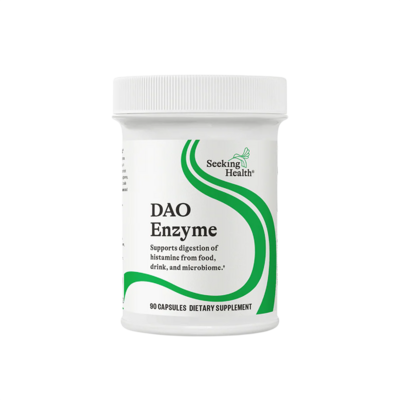
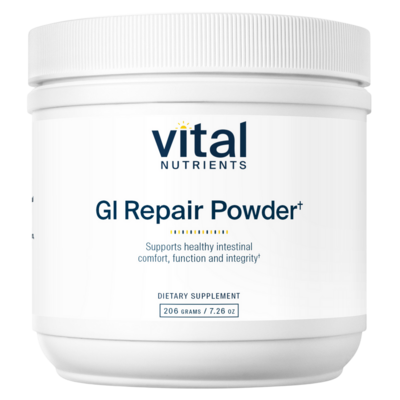
Supporting Gut Health: Ingredients That May Help with Leaky Gut Leaky gut, or increased intestinal permeability, occurs when the lining of the small intestine becomes damaged, allowing substances such as undigested food particles, toxins, and microbes to leak into the bloodstream. This condition has been linked to a variety of symptoms, including digestive discomfort, food sensitivities, autoimmune conditions, and skin issues. While research into leaky gut is ongoing, many practitioners and experts believe that specific ingredients can play a role in helping to heal and support the intestinal lining. The products below contain ingredients that may be beneficial for supporting gut health and promoting a healthy intestinal barrier. These ingredients have been studied for their potential to soothe inflammation, improve gut function, and assist in healing the gut lining. As always, it’s important to consult with your healthcare provider before incorporating new supplements or making dietary changes. 1. L-Glutamine: The Gut’s Healing Fuel L-glutamine is an amino acid that is vital for maintaining and repairing the cells in the lining of the intestines. As the preferred fuel for intestinal cells, L-glutamine helps maintain the integrity of the gut lining and supports the body in rebuilding any damage that has been done. Research shows that L-glutamine plays a critical role in maintaining intestinal health and preventing intestinal permeability. A study published in The Journal of Parenteral and Enteral Nutrition found that L-glutamine supplementation can help improve gut barrier function, especially during periods of stress or illness when the intestinal lining may be more susceptible to damage. By supporting the gut lining, L-glutamine helps reduce the risk of leaky gut, contributing to improved overall digestive health. 2. Digestive Enzymes: Helping You Digest and Absorb Nutrients Digestive enzymes are proteins that assist in breaking down food, making it easier for your body to absorb nutrients and reducing the load on the gut. For individuals with leaky gut, digestive enzyme support can help reduce inflammation in the gut by ensuring that food is properly digested and not left undigested in the intestines, which can irritate the gut lining. Enzymes like protease, lipase, and amylase break down proteins, fats, and carbohydrates, respectively. Studies show that digestive enzyme supplementation can aid in digestion and reduce symptoms like bloating, gas, and discomfort, which are common for those with leaky gut. Taking a digestive enzyme supplement before meals can assist in the breakdown of food and help reduce the stress on your digestive system, supporting a healthier gut over time. 3. Probiotics: Balancing Gut Flora Probiotics are beneficial bacteria that support a healthy gut microbiome, which is essential for overall gut health. A healthy balance of gut bacteria plays a crucial role in maintaining the integrity of the gut lining and protecting against pathogens and inflammation that can contribute to leaky gut. Research indicates that probiotics can help improve gut barrier function and reduce inflammation, both of which are key factors in managing leaky gut. For instance, studies have found that multi-strain probiotics can enhance the diversity of the gut microbiome and improve intestinal permeability (Shanahan, 2013). 4. Histamine Digest: Supporting Histamine Sensitivity Histamine intolerance can sometimes exacerbate symptoms of leaky gut, as it can increase inflammation and irritate the gut lining. Some individuals with leaky gut may also have histamine intolerance, which can worsen symptoms like bloating, gas, and digestive upset. By supporting the enzyme diamine oxidase (DAO), which breaks down histamine, people sometimes notice relief fromhistamine-related digestive symptoms after eating. 5. O.N.E. Multivitamin: Comprehensive Support for Gut Health Nutrient deficiencies can contribute to weakened gut health, and supplementing with a high-quality multivitamin can help ensure your body has the nutrients it needs to support the repair and maintenance of the gut lining. O.N.E. Multivitamin offers a well-rounded formula that includes key nutrients for gut health, such as B vitamins, vitamin C, zinc, and magnesium, all of which are important for maintaining the integrity of the gut lining and supporting overall digestive function. Certain vitamins and minerals, like zinc and vitamin A, play critical roles in maintaining a healthy intestinal barrier. Research has shown that zinc supplementation can support intestinal integrity, while vitamin A is essential for the health of the gut lining and immune function (Sturniolo et al., 2001). This multivitamin has adequate amounts of the nutrients mentioned above. Healing and maintaining a healthy gut lining is essential for overall health, and there are many ingredients and supplements that may support this process. L-glutamine, digestive enzymes, probiotics, and histamine support are all key players in supporting gut health and potentially helping with leaky gut. Additionally, a high-quality multivitamin can provide the nutrients your body needs to maintain a healthy intestinal barrier. As always, it's important to work with your healthcare provider to determine the right supplements and lifestyle strategies for your individual needs. A comprehensive approach that includes nutrition, gut-healing ingredients, and mindfulness about your digestive health can go a long way in restoring balance and supporting overall well-being. Warmly, Dr. Kate References: Shanahan, F. (2013). "The Gut Microbiome in Health and Disease." Journal of Gastroenterology , 48(3), 292-303. Sturniolo, G., et al. (2001). "Zinc supplementation and intestinal permeability: A randomized controlled trial." The American Journal of Clinical Nutrition , 73(1), 5-10.
Shop the entire wellness catalog, held to a higher standard
Shop practitioner-grade products, each meeting the same bar for quality through Fullscript's standards.
Powered byVerified
Sourced straight from the brand — no resellers or fakes
Enhanced testing
Select products are tested in-house — get exactly what the label promises
Stored and shipped
From certified facilities, to protect product integrity