Kelsie Judd's Fullscript Account
Welcome! Through Fullscript, Kelsie Judd's Fullscript Account offers high-quality supplements and wellness products, delivered right to your door. Get started with the recommended products from Kelsie Judd's Fullscript Account, or sign in/up to explore the entire product catalog.
Up to 15% off your order when you sign up*
Shop the highest quality, rigorously tested supplements
Fast and free shipping for orders over $50
*Discounts may vary by order. Labs and select products not eligible
Existing account? Log in here
Featured public protocols
Kelsie Judd's Fullscript Account's general recommendations, available to anyone who visits this store.
Cognitive Function and Brain Health
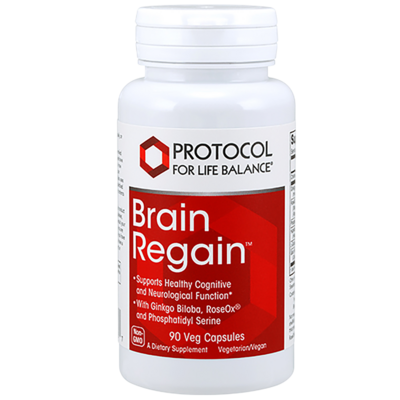
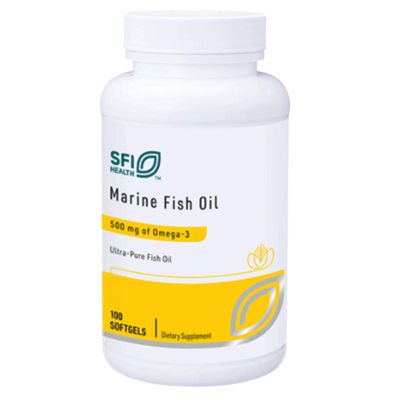
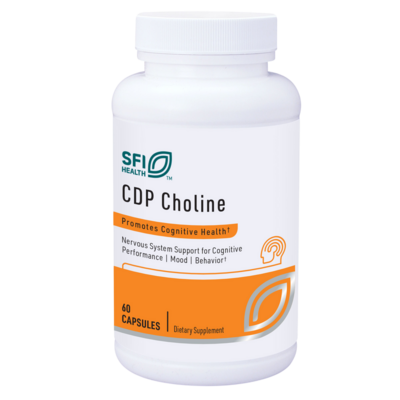
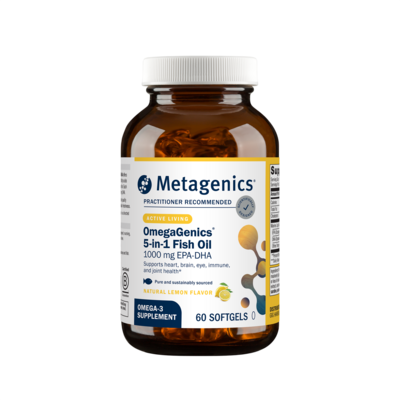
Understanding Cognitive Health: The ReCODE Perspective Cognitive decline is rarely caused by a single factor. Instead, as outlined in Dr. Dale Bredesen’s ReCODE Protocol (Reversing Cognitive Decline), the brain responds to various underlying imbalances, chronic stressors, and environmental threats. By identifying and addressing these root causes, we can work to restore cognitive balance, protect brain tissue, and promote optimal neural function. The ReCODE protocol categorizes cognitive decline into key subtypes: Inflammatory (Type 1): Driven by systemic or neuro-inflammation resulting from infections, poor diet, or chronic health conditions. Atrophic (Type 2): Resulting from a lack of essential nutrients, hormones, or trophic factors necessary to support neural growth and connection. Glycotoxic (Type 1.5): Caused by insulin resistance and chronically elevated blood sugar, which triggers both inflammatory and metabolic strain in the brain. Toxic & Infectious (Type 3): Triggered by exposure to environmental toxins (heavy metals, mycotoxins, chemical pollutants) or chronic infectious pathogens. Vascular (Type 4): Resulting from reduced cerebral blood flow and oxygen delivery to brain cells. Traumatic (Type 5): Arising from prior physical brain injury or head trauma. How Your Targeted Supplements Support Brain Health Brain Regain : A comprehensive botanical and nutrient complex featuring Huperzine A, Ginkgo Biloba, Phosphatidylserine, and Gotu Kola. This formula supports memory and focus by inhibiting the breakdown of acetylcholine (a critical neurotransmitter for recall), improving cerebral blood flow to address vascular drivers, and protecting nerve membranes from oxidative stress. Marine Fish Oil : Rich in the essential omega-3 fatty acids EPA and DHA. DHA forms the structural foundation of neuronal cell membranes and synapses, while EPA actively helps resolve neuroinflammation and supports vascular health—targeting both Inflammatory and Atrophic mechanisms. CDP Choline (Citicoline): Provides a crucial building block for acetylcholine and phosphatidylcholine. It works synergistically with Huperzine A and omega-3s to support cell membrane repair, enhance brain energy metabolism, and promote synaptic plasticity. Toxic & Infectious Causes and Next Steps for Testing Toxic and infectious factors (Type 3) are important potential contributors to investigate. Environmental toxins such as heavy metals (e.g., lead or mercury), mold/mycotoxins, and persistent environmental chemicals can create significant neurotoxic burden. Similarly, chronic underlying infections (such as vector-borne illnesses or viral reactivation) can trigger persistent neuroinflammation. If we suspect toxic or infectious drivers are contributing to your cognitive health picture, specialized laboratory panels are available to help us gain clarity. Through our Fullscript Journey lab services, we can easily order separate functional testing—including comprehensive heavy metal panels, mycotoxin testing, environmental toxin screens, and targeted infectious disease panels—to pinpoint any hidden triggers and customize your care plan further. Please let me know if you have any questions about your current regimen or if you would like to discuss adding specialized functional lab testing to your care plan. Warmly, Kelsie Judd, NP
Osteoporosis Support
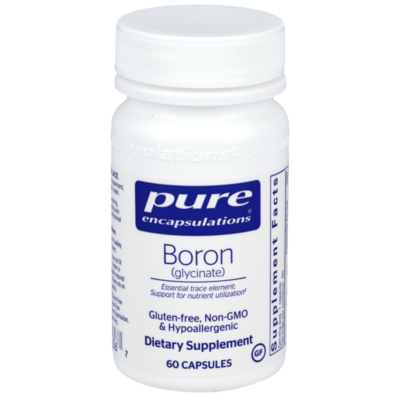
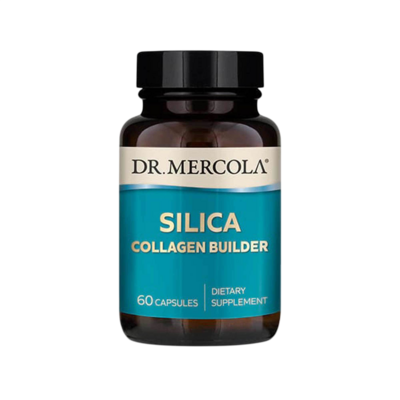
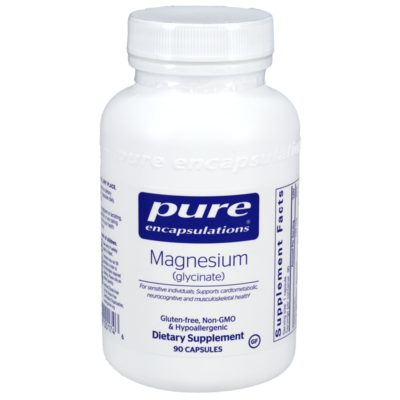 2 more items in Osteoporosis Support
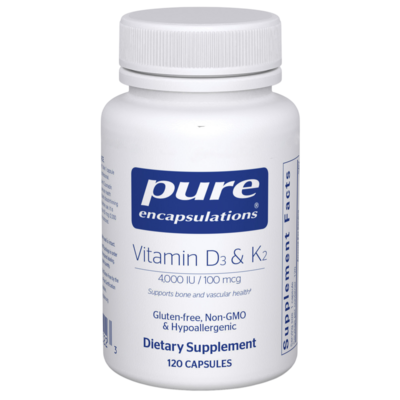
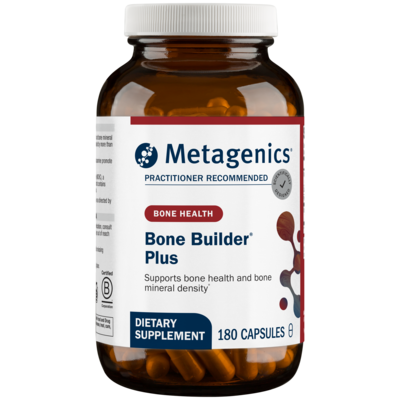
Understanding Osteoporosis What is Osteoporosis? Osteoporosis is a condition where bones become thinner, weaker, and less dense over time. Bone is a living tissue that constantly breaks down and rebuilds itself. In osteoporosis, the creation of new bone doesn't keep pace with the loss of old bone, making the skeletal structure more fragile. What Causes It? Several factors contribute to progressive bone loss: Hormonal Changes: Declining estrogen levels (especially after menopause) or reduced testosterone accelerate bone breakdown. Nutritional Gaps: Insufficient intake or absorption of key nutrients—such as calcium, vitamin D, magnesium, and trace minerals—prevents your body from building strong bone tissue. Physical Inactivity: Bones respond to physical strain. Lack of regular weight-bearing activity reduces the mechanical signal your body needs to rebuild bone. Lifestyle & Genetics: Factors like a family history of bone loss, smoking, high alcohol intake, or certain medications can also increase risk. Potential Complications Because bone loss occurs gradually and usually without early symptoms, the main risk of osteoporosis is bone fractures—most commonly in the hip, spine, and wrist. Fragility fractures can cause chronic pain, limit mobility, and impact everyday independence. The good news is that targeted nutrition, key supplements, and targeted weight-bearing exercise can help protect your bone density, support structural bone strength, and significantly reduce your risk of falls and fractures. Dietary, Exercise & Lifestyle Interventions Weight-Bearing & Resistance Exercise: Regular weight-bearing activity and progressive resistance training supply the mechanical stimulus necessary to promote bone formation, preserve bone mineral density (BMD), strengthen surrounding muscle groups, and reduce fall risk Beyond Bone Healt... . Incorporating balance and postural exercises further reduces fall incidence. Nutritional Optimization: Aim for 1,000–1,200 mg of total daily calcium from combined dietary sources and supplements Value-Base Care B... . Ensure adequate protein intake (1.0–1.2 g/kg/day) to support the structural collagen matrix of bone. Lifestyle Risk Factors: Limit sodium and caffeine intake, maintain moderation with alcohol, and recommend smoking cessation, as nicotine and excessive alcohol impair osteoblast function and bone matrix maintenance.
Detox
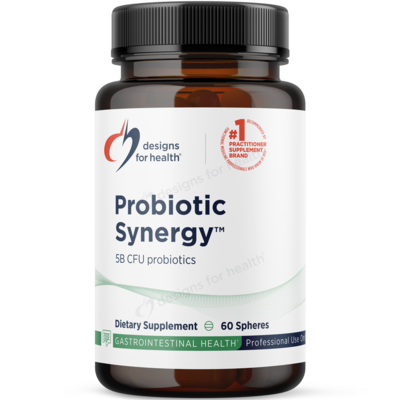
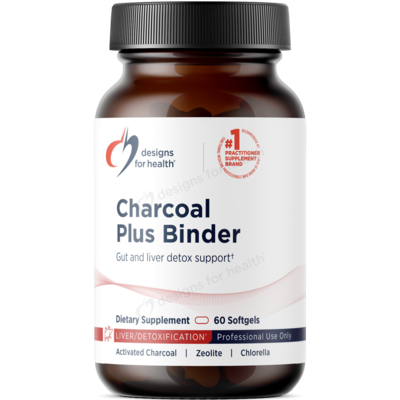
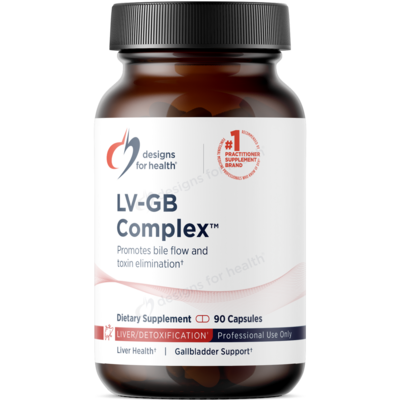
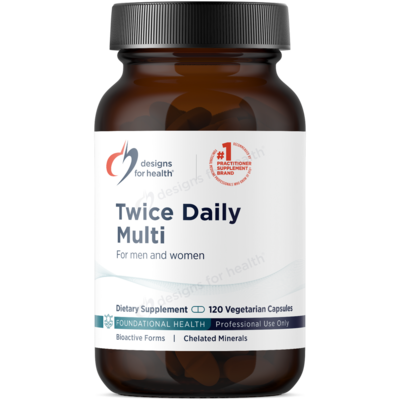
Understanding Toxic Burden & How to Support Your Body's Detoxification Pathways What Is Toxic Burden? Toxic burden (often referred to as body burden) is the cumulative accumulation of environmental, dietary, and metabolic compounds that enter or build up in your tissues over time. Everyday exposures include heavy metals, synthetic chemicals (plastics, pesticides, personal care products), food additives, air pollution, alcohol, medications, and metabolic byproducts produced by gut bacteria. Under normal conditions, your body relies on its primary organs of elimination—the liver , gallbladder , kidneys , gut , skin , and lymphatic system —to neutralize and clear these compounds. However, when daily exposures exceed your body’s processing capacity, clearance pathways slow down, leading to cellular stress and systemic symptoms. Common Symptoms Associated with High Toxic Burden When metabolic clearance pathways are overwhelmed, toxic burden often manifests as diffuse, systemic complaints: Cognitive & Energy Disruptions: Persistent fatigue, unexplained "brain fog," memory issues, and headaches. Digestive Discomfort: Chronic bloating, sluggish bowel movements, nausea, or food intolerances. Skin Irritations: Unexplained breakouts, rashes, dullness, or dark circles under the eyes. Musculoskeletal Pain: Joint stiffness, muscle tenderness, or generalized body aches. Metabolic & Hormonal Imbalances: Difficulty managing weight, fluid retention, or heightened PMS/hormonal sensitivity. How Your Targeted Regimen Relieves Toxic Burden Clearing toxins effectively requires a coordinated, step-by-step approach: mobilizing and neutralizing compounds in the liver, binding them safely in the gut, maintaining healthy bile flow, and eliminating them via regular bowel movements. Twice Daily Multi™ : Fueling Phase I & Phase II Liver Detoxification Role: Supplies essential micronutrients, methylated B-vitamins, and antioxidants required by liver enzymes. Mechanism: Liver detoxification happens in two primary steps. Phase I transforms fat-soluble toxins into intermediate compounds, generating free radicals in the process. Phase II pairs those intermediates with specific nutrients (like methyl groups and amino acids) to make them water-soluble. Active B-vitamins (methylfolate, B12, B6), selenium, zinc, and antioxidants in a high-quality multi protect liver tissue from oxidative stress and ensure Phase II enzymes have the cofactors needed to neutralize intermediate toxins. LV-GB Complex : Promoting Bile Flow & Gallbladder Health Role: Enhances liver detoxification pathways and maintains steady bile secretion. Mechanism: Once the liver neutralizes fat-soluble toxins, it packages them into bile for elimination through the digestive tract. Botanicals like milk thistle (silymarin) , artichoke , and beet root , alongside lipotropic nutrients like taurine , inositol , and ox bile , promote bile production and flow. This prevents bile stasis (sluggish bile) and ensures toxins move efficiently from the liver into the intestines. Charcoal Plus Binder : Binding & Trapping Toxins in the Gut Role: Binds toxins in the intestinal lumen to prevent reabsorption into circulation ( enterohepatic recirculation ). Mechanism: As bile deposits toxins into the small intestine, some compounds can be reabsorbed back into the bloodstream if they remain unbound. Activated charcoal, zeolite, and chlorella act like a "sponge" in the GI tract, trapping environmental chemicals, heavy metals, microbial endotoxins (LPS), and metabolic waste so they can be safely excreted in stool. Probiotic Synergy : Reinforcing the Gut Barrier & Elimination Role: Restores a healthy gut microbial balance and supports daily bowel regularity. Mechanism: A balanced microbiome reduces the activity of bacterial enzymes (like beta-glucuronidase) that uncouple bound toxins in the gut. Probiotics also help maintain tight junction integrity in the intestinal lining and encourage regular daily bowel movements, ensuring bound toxins exit the body promptly. Key Diet & Lifestyle Recommendations for Detoxification Support Supplements provide the biochemical tools, but daily diet and lifestyle habits open the physical channels of elimination: 1. Nutrition & Hydration Hydrate Thoroughly: Drink plenty of filtered water daily (aim for half your body weight in ounces). Proper hydration supports kidney filtration and bowel regularity. Incorporate Cruciferous Vegetables: Broccoli, Brussels sprouts, cabbage, cauliflower, and kale contain sulforaphane and indole-3-carbinol , compounds that directly upregulate liver Phase II detoxification pathways. Focus on Soluble & Insoluble Fiber: Flaxseeds, chia seeds, oats, berries, and legumes provide bulk to carry bound toxins out in stool. Reduce Upstream Exposure: Choose organic produce when possible (focusing on the EWG Clean 15 / Dirty 12), limit processed foods, reduce alcohol intake, and avoid synthetic food dyes and preservatives. 2. Lifestyle & Environmental Modifications Sweat Regularly: Physical exercise or infrared sauna use encourages toxin clearance through the skin via perspiration. Reduce Household & Personal Care Exposures: Switch to non-toxic cleaning products, fragrance-free laundry detergents, and clean skincare products. Avoid heating food in plastic containers or using non-stick cookware (PFCs). Support Lymphatic Drainage: Practice dry brushing, gentle rebounding/stretching, or walking to keep lymphatic fluid moving toward filtration organs. Prioritize Sleep & Rest: The brain’s glymphatic system clears metabolic waste during deep sleep, making 7–9 hours of quality rest vital for overall clearance. Summary By supporting liver processing ( Twice Daily Multi™ ), bile flow ( LV-GB Complex ), intestinal binding ( Charcoal Plus Binder ), and gut clearance ( Probiotic Synergy ), this comprehensive approach helps lower your overall toxic burden while supporting long-term metabolic health. Please let me know if you have any questions or would like to adjust any part of your regimen!
GI Repair
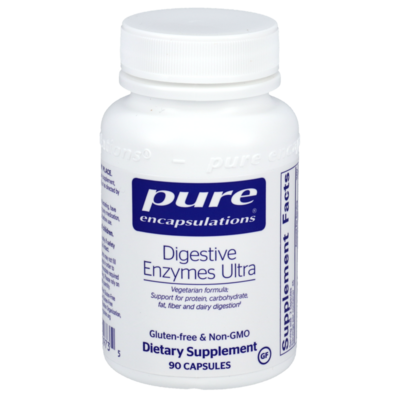
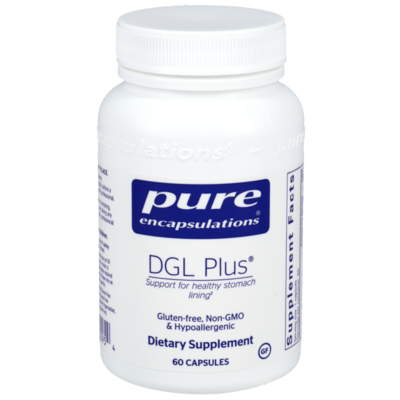
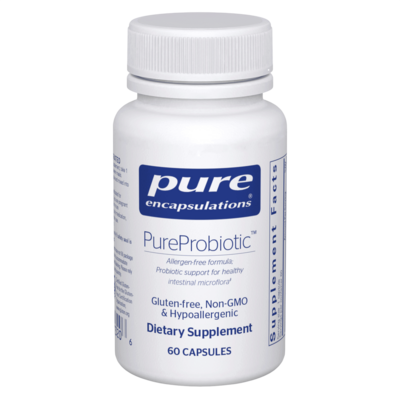
What Is Leaky Gut (Increased Intestinal Permeability)? "Leaky gut syndrome," clinically referred to as increased intestinal permeability , occurs when the mucosal lining of the small intestine becomes damaged or compromised. Under healthy conditions, the cells lining your intestine (enterocytes) are held tightly together by protein complexes called tight junctions . These junctions act as a selective barrier, allowing beneficial nutrients and water to absorb into the bloodstream while keeping undigested food particles, toxins, microbes, and antigens safely inside the digestive tract. When the mucosal layer is degraded and tight junctions break down, "gaps" form between intestinal cells. This allows unrefined food molecules, metabolic waste, and endotoxins (such as bacterial lipopolysaccharides (LPS) ) to pass through the barrier directly into the bloodstream, triggering systemic inflammation and immune reactivity. Common Symptoms of Intestinal Permeability Intestinal barrier dysfunction can manifest both locally within the gut and systemically throughout the body: Gastrointestinal Symptoms: Chronic bloating, gas, abdominal pain, diarrhea, constipation, or food sensitivities and intolerances. Systemic & Neurological Symptoms: Persistent brain fog, fatigue, headaches, joint pain, and mood disturbances (such as anxiety or depression). Dermatological Symptoms: Skin eruptions, chronic eczema, acne, or rosacea. Immune & Inflammatory Symptoms: Seasonal allergies, histamine intolerance, or dynamic sensitivities to foods previously tolerated. Conditions & Diseases Associated with Increased Permeability While intestinal permeability is often a underlying mechanism rather than an isolated diagnosis, chronic gut leakage is strongly implicated in several clinical conditions: Autoimmune Diseases: Chronic translocation of foreign proteins and LPS into circulation can induce molecular mimicry and persistent immune activation, contributing to conditions like Hashimoto’s thyroiditis, rheumatoid arthritis, celiac disease, and type 1 diabetes. Inflammatory Bowel Disease (IBD): Crohn’s disease and ulcerative colitis are characterized by mucosal lining breakdown and heightened local inflammation. Irritable Bowel Syndrome (IBS) & SIBO: Permeability issues often co-occur with dysbiosis and Small Intestinal Bacterial Overgrowth (SIBO). Metabolic & Liver Disorders: Infiltration of endotoxins via the portal vein can contribute to non-alcoholic fatty liver disease (NAFLD), insulin resistance, and metabolic syndrome. Atopic Conditions: Eczema, chronic urticaria, and asthma are frequently linked to systemic inflammation rooted in gut dysfunction. How These Targeted Supplements Help Restore the Gut Barrier Resolving intestinal permeability requires a multi-step approach: breakdown of food particles, soothing and protecting the mucosal lining, and re-establishing a healthy microbial ecosystem. Digestive Enzymes Ultra : Role: Breaks down food into absorbable nutrients to prevent large, immunogenic particles from reaching damaged intestinal tissue. Mechanism: Undigested or partially digested proteins and carbohydrates can ferment in the gut, irritating the mucosal lining and feeding pathogenic bacteria. High-potency enzymes (proteases, lipases, amylases, and fiber-digesting enzymes) ensure thorough digestion, reducing mechanical and inflammatory stress on the gut wall. DGL Plus : Role: Soothes, coats, and regenerates the delicate gastrointestinal mucosal lining. Mechanism: Combining deglycyrrhizinated licorice (DGL) , marshmallow root , slippery elm , and aloe vera , this botanical blend stimulates natural mucus production without elevating blood pressure. The mucilaginous compounds form a protective barrier over raw or inflamed gut tissue, giving tight junctions the environment needed to repair. PureProbiotic : Role: Rebalances the gut microbiome, competes with opportunistic pathogens, and reinforces tight junction integrity. Mechanism: Delivers beneficial strains including Lactobacillus acidophilus , Lactobacillus plantarum , and Bifidobacterium species. Beneficial bacteria produce short-chain fatty acids (SCFAs), particularly butyrate , which serve as the primary energy source for enterocytes and directly signal cells to strengthen tight junction protein expression. Key Diet & Lifestyle Modifications Supplements work best alongside targeted diet and lifestyle strategies aimed at removing triggers and providing structural building blocks: Dietary Support: Eliminate Irritants: Temporarily reduce or eliminate ultra-processed foods, refined sugars, artificial sweeteners, alcohol, and personal food sensitivities (commonly gluten, dairy, or soy). Emphasize Gut-Nourishing Foods: Incorporate bone broth or collagen (rich in L-glutamine and proline), wild-caught fish (omega-3 fatty acids), cooked root vegetables, and fermented foods (sauerkraut, kefir) as tolerated. Focus on Fiber: Include diverse soluble fiber sources to feed indigenous beneficial bacteria and promote butyrate production. Lifestyle Adjustments: Manage Stress: Chronic stress elevates cortisol and CRH (corticotropin-releasing hormone), which directly increase gut permeability. Incorporate daily breathwork, meditation, or restorative movement. Optimize Sleep: Quality sleep (7–9 hours) is necessary for cellular repair and maintaining circadian rhythms that govern intestinal lining turnover. Review Medications: Minimize unnecessary use of NSAIDs (like ibuprofen) and alcohol, both of which are known to directly disrupt tight junctions and erode the gastric mucosal lining.
Featured product collections
Discover groups of products curated by Kelsie Judd's Fullscript Account.
Detox
4 products

Kelsie Judd
Shop the entire wellness catalog, held to a higher standard
Shop practitioner-grade products, each meeting the same bar for quality through Fullscript's standards.
Powered byVerified
Sourced straight from the brand — no resellers or fakes
Enhanced testing
Select products are tested in-house — get exactly what the label promises
Stored and shipped
From certified facilities, to protect product integrity