Public protocols
Wellness with Tia's general recommendations, available to anyone who visits this store.
Smoother, Softer, Younger Skin
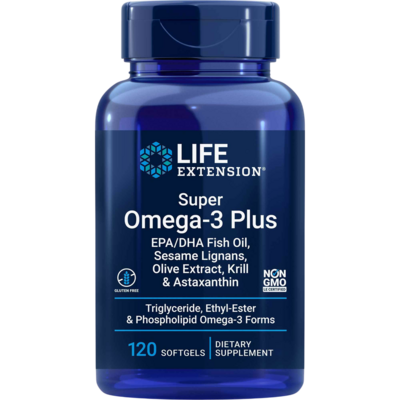
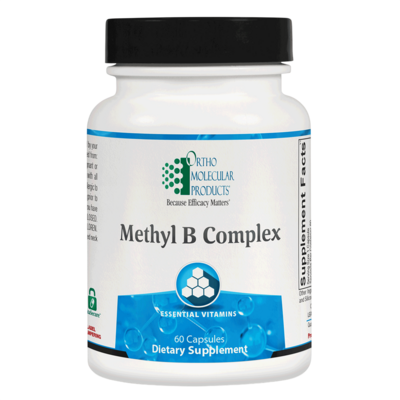
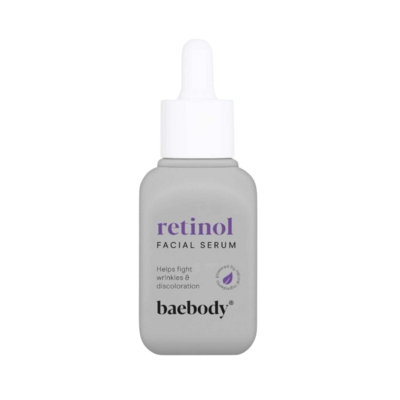 4 more items in Smoother, Softer, Younger Skin
Like everyone, as I get older, I want smooth and glowing skin, mostly free of wrinkles. But like many of us, I didn't take very good care of my skin when I was younger. I was a sun worshipper and I had acne during my teenage years and into my 20's. It wasn't until I eliminated dairy products that I realized that dairy was causing the acne--along with dark circles and sinus congestion. Other foods can cause skin to look less than it's best as well. Gluten is a big one, it causes inflammation, redness, puffiness, dark circles and nasal congestion, all of which show up in the face. Gluten can also cause B vitamin deficiencies which can wreak havoc on your the skin, causing acne, rashes, dry flaky skin, cracked lips, and wrinkles . The increased inflammation can make your skin more sensitive to sunlight, personal care products, and other potential aggressors, and can lead to even more redness and irritation. Corn is also a skin irritant, and causes vitamin B3 deficiency, an zinc deficiency--both of essential to healthy skin. A deficiency of nicotinic acid (niacin, vitamin B) can show up as dry flaky skin, eczema, red patches and brown pigmented patches. Any foods that cause sensitivities or inflammation in other parts of your body can easily show up in your face as redness, rashes, blotchiness, dry patches. Inflammation also shows up in the whites of the eyes, creating bloodshot eyes, and dark circles. Alcohol is very dehydrating and causes inflammation throughout the gut, so drinking will show up as sallowness, dark circles and superficial wrinkling. Ever take a look at your face after you've had a few too many? Sugar and processed seed oils break down collagen in the skin. Seed oils change the structure of skin cell membranes, making them brittle and more prone to breaking down. This raises your risk of sun damage, inflammation and skin cancer. Collagen is vital for skin. Aging, exposure to sun, and environmental toxins breaks down collagen. While getting extra collagen is important, it's important to get loads of vitamin C as well. Collagen needs vitamin C work create a the collagen matrix that supports skin, hair and nails. The state of one's health is reflected in one's skin. Getting plenty of exercise to encourage blood flow helps to promote better circulation of the blood and the lymph glands which filter out toxins continually. Hot saunas also work for this and are recommended not only for longevity and detoxing but also for glowing skin. In contrast, cold water plunges lower inflammation and are also great for glowing skin. Diet and lifestyle are two huge factors that cannot be overlooked if you want smooth glowing skin. A diet high in a brightly colored fruits and vegetables adds powerful antioxidants that eliminate free radicals from exercise, environment, air pollution, processed foods, and the sun. Healthy protein is also vital to your diet, especially from grass fed meats, grass fed butter and dairy, and wild caught fish. These foods contain plenty of anti-aging omega 3 fats. Other fats good for the skin include butter, coconut oil and extra virgin olive oil. In a survey of plastic surgeons, it was found that the people who had the most wrinkled skin ate a diet low in saturated fat and high in vegetable oils. And, don't forget about the benefits of a good night's sleep. 7-8 hours consistently creates overall health, and healthy longevity, and it's no different for your skin. Nothing shows up more in someone's face than a lack of sleep. Lastly, I'd be remiss if I didn't mention hormones. Male and female hormones have much to do with the skin's appearance, especially as you age. Estrogen is the hormone in women that is primarily responsible for smooth, soft skin and silky hair. When estrogen and progesterone drop during peri-menopause and menopause, aging in the skin accelerates. For men, testosterone creates thicker skin, that is more resistant to wrinkling and sun damage. While I realize not everyone can, or wants to take hormone therapy, this does make a difference in the skin's appearance. Below are a few supplements I recommend to help your skin look great, but don't overlook the value of the basic supplements for overall Health and Wellness. A healthy body equals glowing healthy skin.
Your Seasonal Allergy Toolbox
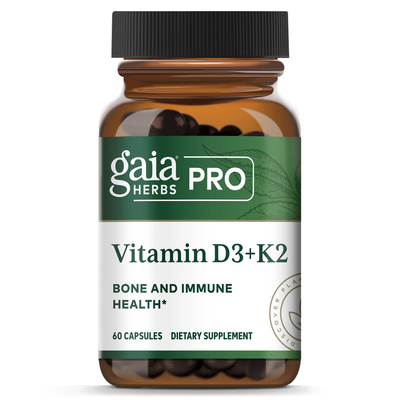
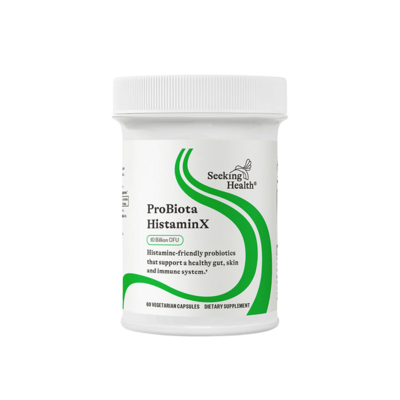
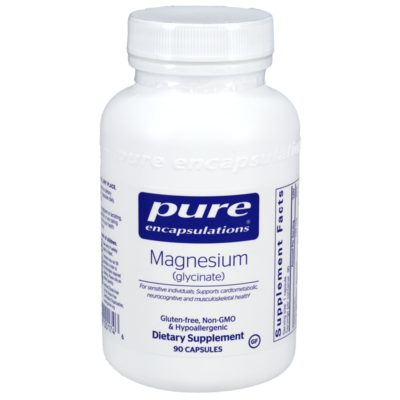 3 more items in Your Seasonal Allergy Toolbox
Your Seasonal Allergy Toolbox Don’t you love spring? The days get longer, the sun is warmer, and the birds are chirping. What’s more, everything is budding and flowering. And that brings us to…allergies. If you have seasonal allergies, instead of enjoying the beauty of spring, you may be busy dealing with itchy, watery eyes, a runny nose and lots of sneezing. Spring becomes the enemy if you have bad allergies. Seasonal allergies are our bodies’ response to pollen in the air. Your innate immune system interprets pollen as a dangerous pathogen, and it sends out an army of Immunoglobulin E to mount an attack. This attack takes the form of histamine which produces the watery eyes, runny nose, the itching, and sneezing, and sinus headaches. What’s more, climate change and increased CO2 have created longer, more powerful pollen producing plants. Why do the immune systems of people with seasonal allergies have the tendency to overreact to pollen? Back in primal days, humans often had populations of parasites such as hookworms, pinworms, roundworms, tape worms and others . While that sounds pretty gross, those parasites kept the immune system busy instead of going after innocent things like pollen. What’s more, kids who grew up in a less-than-sterile environment, like they did back in our ancestors’ days, exposed to outside dirt, pets, livestock, dirty dishes, poor hygiene, and no hand sanitizer, had stronger immune systems as well. Genetics also is part of the picture. Neanderthal fossilized feces show evidence of a lot of parasites taking up residence, and their DNA has evidence of immunity genes that fought off the parasites. When ancient humans interbred with Neanderthals, these genes carried over into the offspring. Populations with the most Neanderthal DNA, such as those from Europe or Asian descent seem to have the most hay fever and allergies. It seems having powerful immunity doesn’t do as well in a modern sterile environment. Inflammation is a big reason why so many people have allergies—whether they are seasonal allergies, food allergies or environmental allergies. Excessive inflammation due to a poor, high sugar/starch diet, refined and processed foods, too much alcohol, or exposure to environmental toxins all increases overall inflammation. When inflammation is high, reactions to other potential allergens is also going to be bigger. The key is to reduce inflammation and reduce allergic reactions. My allergy doctor once likened this to “the straw that breaks the camel’s back.” In other words, you can load your body up with various types of things that cause or increase inflammation, until it breaks the camel’s back, and you start having bad reactions. Those reactions can take the form of rashes, eczema, brain fog, achiness, stuffy nose, sinusitis, asthma, wheezing, sleeplessness, anxiety, irritability, depression—or any combination of the above. Nutrition also plays a big part, especially vitamin D levels, vitamin C levels, B12, iron, and zinc deficiencies. Each of these nutrients play an important part in your immune and inflammatory response and deficiencies of any of these can increase inflammation and lower your immunity. How does one naturally reduce seasonal allergies? First, the obvious answer is not to load up on over-the-counter allergy prescriptions. These medications have undesirable side effects. Antihistamines often cause dry mouth, dehydration, drowsiness and/or agitation, reduced co-ordination, reaction speed. They can also cause blurred vision and constipation. The better choice is to reduce overall inflammation, which not only aids your allergies, but is great for your overall health. How do you start reducing inflammation? Cutting out sugar, processed foods, inflammatory vegetable oils, and removing all grain makes a huge difference. It’s known --at least anecdotally--that people who give up grains often report their seasonal allergies go away. I know, I tried it and was shocked to see my previously severe seasonal allergies suddenly fade into the background. Along with that, my aches and pains receded, as did brain fog, rashes, stuffy nose, and congestion. It works! Getting your gut health back in shape is super important too, so the next step is to calm your gut. Food allergies and intolerances not only increase inflammation, but are also the consequence of poor gut health. When the gut is inflamed, there is an increased risk of gut permeability, and that allows for additional allergens to circulate in your system further stimulating an immune response. Remove potential food allergies and sensitivities, at least during allergy season. If you aren’t sure which foods are provoking problems, you can do a short 7-day elimination diet, and remove dairy, gluten, corn, white potatoes, and any other problem foods you may be aware of. Eat More Omega 3 Fats Wild caught fish are known to have a good amount of omega 3 fats in them. Omega 3 fatty acids are made up of eicosapentaenoic acid (EPA) and docosahexaenoic acid (DHA) components; both of these have been shown to lower inflammation. This study also shows that increased intake of omega 3 fatty acids reduces seasonal rhinitis. 100% grass fed beef also contains higher amounts of omega 3 fats. Additionally, cod liver oil would help as well, since it provides omega 3’s, vitamin D, and vitamin A—all of which modulate the allergic response . If you still cannot get enough omega 3’s, a supplement works well. Raw Local Honey Raw, local honey contains small amounts of local circulating pollen and by introducing small amounts of this pollen, it can lower the reaction to certain pollens and reduce sensitivity. Researchers have found that eating honey from local pollen prior to allergy season commences reduces allergy symptoms, resulting in less need for other allergy medication. But in order for this to work, the honey must include pollens you are allergic to. Reduce Alcohol Intake Reducing alcohol or avoiding alcohol will help improve allergies in two different ways: 1-Alochol is highly inflammatory to the gut, so cutting back or completely eliminating alcohol calms inflammation in the gut. This helps you repopulate your gut with healthy bacteria, lowering overall inflammation in the gut and system wide. Because inflammation is reduced, allergic reactions improve. 2-Alcohol—especially beer and wine, contains large quantities of sulfites and histamines. Histamines initiate the process to remove allergens from your body. Histamines can cause sneezing, eye watering, itching and more. Histamines are a big part of your body reacting to allergens, so reducing your levels of histamines helps to reduce allergic response overall. Reduce Stress High stress levels can cause worsening allergic responses and while it may seem counterproductive, getting outside and getting some exercise can reduce overall allergy reactions, while reducing stress. Pollen levels are highest mid-morning so if you do want to get out, getting out early in the day or later in the early evening may be the best time. Meditating, believe it or not can also reduce stress and help allergy symptoms. Lifestyle Lifestyle makes a huge difference in allergy reactions. One of the first things to do is to stop your exposure to toxic chemicals in commercial home cleaning agents, laundry detergents, personal care items, antibacterial cleaners and hand sanitizers, and switch to a more natural approach, Apple cider vinegar makes a safe and effective natural cleaner for most all surfaces, and washing your hands with a natural soap instead of harsh antibacterial soap is just as effective at removing harmful germs and is far gentler to your system. Getting a good night’s sleep is also effective at calming cortisol levels and counteracting stress, as well as aiding your allergic reactions. Overall, I noticed a huge reduction in my seasonal allergies when I switched to a Paleo diet, removed grains and sugars, got better sleep, and removed all other inflammatory foods from my diet. The Most Effective Supplements to Improve Allergy Symptoms Vitamin D A vitamin D deficiency has tied to allergies, including seasonal allergic rhinitis, asthma, eczema, and even anaphylaxis. Vitamin D is important for regulating immune system cells and slowing down the release of histamines. There are several studies that suggest vitamin D supplements may reduce inflammation and allergic reactions. One study had the participants who were low in vitamin D take vitamin D supplements along and antihistamines. Those participants showed much improved allergy symptoms after just eight weeks. And this study also showed that adding in vitamin D supplementation improved allergy symptoms as well. Probiotics I am generally not an advocate for probiotics. Each of us has a unique microbiome and it’s somewhat difficult to ‘guess’ as to which probiotics will benefit your particular health needs. However, getting a good general probiotic mix can help lessen allergy symptoms and reduce inflammation in the gut. Specific probiotics have been shown to improve seasonal allergies , including B.longum, B.lactis, L.paracasei, L. rhamnosus , B infantis, and L.acidophilus. Magnesium There are a few studies have found that magnesium supplementation in people with seasonal allergies reduces IgE levels and allergy symptoms. Because many people are magnesium deficient these days, this can be a safe and easy thing to try—with plenty of other good health benefits as well. There are many forms of magnesium that will work but magnesium glycinate is often one of the best forms for overall health—without the digestive complaints. Spirulina Spirulina is a type of microalgae that comes from Latin America, Africa, and Asia. Spirulina has been highly valued as a nutrient-dense supplement that is abundant in protein, vitamins, fats, and minerals. It’s also a potent immunomodulator --meaning that it works to calm the immune system without suppressing it. It has shown some efficacy in reducing the symptoms of seasonal allergies, even compared to an over-the-counter antihistamine drug. Quercetin In studies, quercetin prevents immune cells from releasing histamines , which are the chemicals that cause allergic reactions. This means that taking quercetin may help reduce symptoms of allergies, including runny nose, watery, itchy eyes, hives, and even swelling of the face and lips. Quercetin is a powerful antioxidant found in many fruits and vegetables and it has quite a few health benefits including lowering inflammation, fighting heart disease, and protecting against cancer. Black Seed Oil Black seed oil is considered a powerful medicinal substance that has been used for thousands of years to treat chronic diseases, inflammation, and allergies. In one study, people put black seed oil drops in their noses to treat mild, moderate, or severe cases of allergic rhinitis, aka hay fever. After 6 weeks, 9 out of 10 people said their sneezing, itchy eyes, stuffy nose, and other symptoms got better or went away completely . In addition, black seed oil promotes wound healing, hair growth, reduces acne, heals psoriasis, improves blood sugar, and helps with weight loss. There you go, this is your seasonal allergy toolbox. This toolbox will help you avoid sneezing, watering eyes, and itchiness that goes along with seasonal allergies. To your health! https://www.marksdailyapple.com/seasonal-allergies-treatment/#ref-14 https://www.healthline.com/program/allergy https://www.verywellhealth.com/natural-allergy-remedies-89245 cell.com/…/abstract/S0002-9297(15)00485-1 ncbi.nlm.nih.gov/pmc/articles/PMC1241165 ncbi.nlm.nih.gov/pubmed/20497148 ncbi.nlm.nih.gov/pubmed/17456213 pubmed.ncbi.nlm.nih.gov/31464382 https://pubmed.ncbi.nlm.nih.gov/20158528/ https://pubmed.ncbi.nlm.nih.gov/31464382/ ncbi.nlm.nih.gov/pmc/articles/PMC3269601 https://pubmed.ncbi.nlm.nih.gov/34166843/ https://pubmed.ncbi.nlm.nih.gov/26874366/ ncbi.nlm.nih.gov/pubmed/16015268 ncbi.nlm.nih.gov/pubmed/17634174 https://pubmed.ncbi.nlm.nih.gov/34920650/ hindawi.com/journals/ja/2014/983635 ncbi.nlm.nih.gov/pubmed/6202731 ncbi.nlm.nih.gov/pubmed/21196761 https://www.researchgate.net/publication/279538706_Magnesium_Supplementation_in_allergic_diseases_Rhinitis https://pubmed.ncbi.nlm.nih.gov/32773785/ https://pubmed.ncbi.nlm.nih.gov/28093815/ https://pubmed.ncbi.nlm.nih.gov/15878494/
Boost Your Thyroid Function
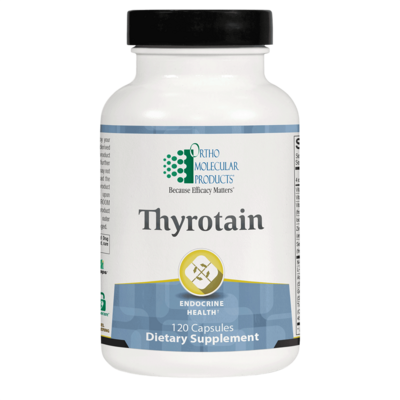
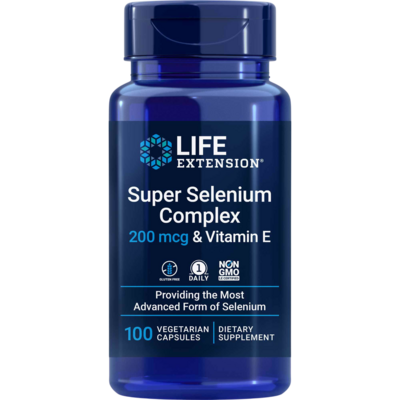
 7 more items in Boost Your Thyroid Function
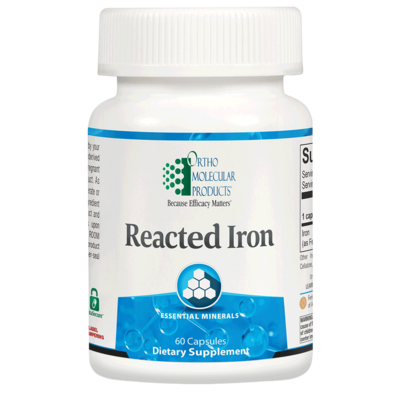
The thyroid is a sensitive gland and can get off-balance. Women, especially are affected. Even if you have never previously had any problems with your thyroid, if you are a woman in your 40's, you can develop thyroid problems. This is often due to fluctuating hormones, as progesterone works closely with thyroid hormones. When progesterone drops in the ten or so years prior to menopause, it often affects the thyroid function--leading to weight gain, irritability, fatigue and depression. Your thyroid is a small, butterfly-shaped gland located at the base of your neck just below the center of your throat. It’s part of an intricate network of glands called the endocrine system. Your endocrine system is responsible for coordinating many of your body’s activities. The thyroid gland makes hormones that regulate your metabolism—energy levels, how quickly you digest food, how well you sleep, etc. Common thyroid problems include: Hypothyroid —when there are not enough thyroid hormones or the inactive form, T4, isn’t converting to the active form, T3. This is more common in women and can increase with age. Common symptoms include: fatigue, feeling cold, weight gain, low energy, GI problems. Hashimoto's is one of the most common types of hypothyroid and can get progressively worse. It is often connected to inflammation from gluten. Hyperthyroid—this is when there is too much active thyroid hormone and the body goes into overdrive. Common symptoms include: Nervousness, insomnia, feeling too hot, weight loss, hair loss, bulging eyes, racing heart, increase appetite, etc. Graves is one of the most common forms of hyperthyroid. Hashimoto’s Disease —This is an autoimmune disease of the thyroid. It can occur at any age, but it’s most common in middle-aged women. The condition occurs when your body’s immune system mistakenly attacks and destroys your thyroid gland and its ability to produce hormones. Symptoms of Hashimoto’s are similar to hypothyroid symptoms. Hashimoto’s is very common, especially in women, and is often associated with a gluten sensitivity. Other health conditions that can interfere with thyroid function include peri-menopause and menopause. Progesterone and thyroid hormones work together synergistically, and when progesterone drops in the decade preceding menopause, it can interfere with the conversion of T4 into active T3. When this happens, women get low thyroid symptoms such as weight gain, loss of energy, slow metabolism, etc. Excessive and prolonged stress can also affect thyroid function and too much cortisol can also interfere with proper thyroid function. Many doctors generlly use a standard TSH (thyroid stimulating hormone test) to determine if the thyroid is functioning normally. The TSH test often misses many problems such as a poor conversion from T4 to T3, as well as pinpointing problems like too much thyroid binding globulin. Dietary and lifestyle factors can affect thyroid function. Too much sugar and processed foods will interfere with optimal thyroid function, as does gluten in foods. Certain mineral deficiencies can cause the thyroid to function poorly, as does imbalanced hormones. Some things you can do to help your thyroid function optimally include: Avoid ALL forms of Gluten. Limit or avoid processed foods and sugars. Get plenty of iron. Vegans or vegetarians are often deficient in iron. Selenium is essential for thyroid function and can be found in meat, seafood, and eggs. Get other essential nutrients that support thyroid function, cortisol, and hormone balance. Please Note: Please consult with your physician or health care provider when starting ANY new supplements--especially if you are on medication or being treated for any medical condition. If you experience any adverse effects, please discontinue all supplements and consult with your doctor. Information, supplement recommendations, and protocols provided are merely suggestions, and not meant to replace medical treatment for any health problem or condition and are at the member’s discretion as to how they are used. Any adverse effects of the supplements are the member's responsibility. You may be entitled to a refund if you experience an adverse event. Report any adverse events here.
Improve Your Athletic Performance and Endurance (read more below)
 15 more items in Improve Your Athletic Performance and Endurance (read more below)
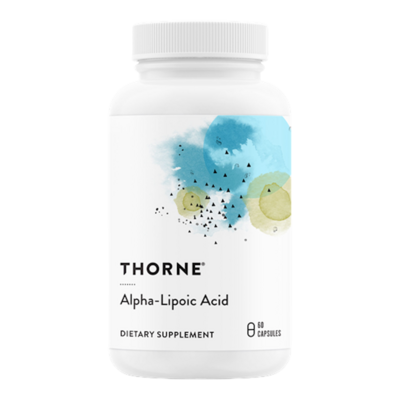
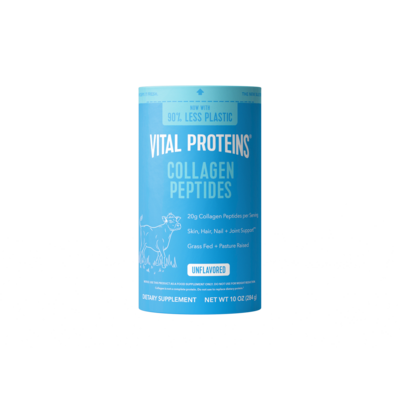
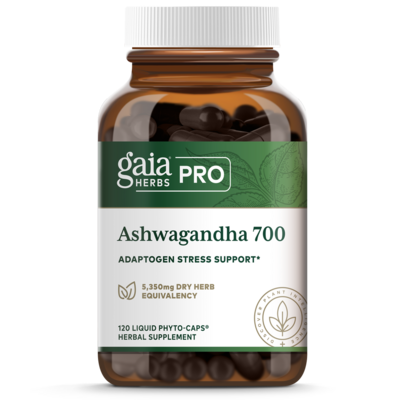
Serious athletes often want to upgrade performance. Whether it's the inside scoop on increasing your speed, upping your power, or maximizing your endurance, there can be room for improvement. In addition to following the Basic Health and Wellness supplement protocol, here are some recommendations to improve athletic performance. Key to an athlete's routine should first be lifestyle factors such as: 1. Getting a good night's sleep -- Sleep is an essential component of health and well-being, with significant impacts on physical development, emotional regulation, cognitive performance, and quality of life. Along with being an integral part of the recovery and muscle adaptation between bouts of exercise, evidence suggests that sleep duration and sleep quality in athletes is closely associated with performance and competitive success. In addition, better sleep may reduce the risk of both injury and illness in athletes, not only optimizing health but also potentially enhancing performance through increased participation in training. 2. Healthy Diet --Diet is always a key point of contention and for athletes, it's no different. There are some who say a vegan or vegetarian diet works well for athletes and other camps push keto. While an athlete may be able to perform well on these types of diet, maximum performance relies on plentiful, healthy sources of protein, meat with absorbable heme-iron, healthy fats, including saturated fats and omega 3 fatty acids, high antioxidant vegetables and a healthy carbohydrate intake. Many endurance athletes think it's 'ok' to eat whatever junk food they want, since they burn so many calories, but I beg to differ. Processed junk food contains highly inflammatory omega 6 vegetable oils, sugars, chemical additives, dyes, and artificial flavorings. No amount of exercise can erase the damage of processed foods. So even if you need to eat more calories to support your sport, get those calories from grass fed meat, chicken and wild-caught fish; non grain carbs like sweet potatoes, quinoa, and root veggies, and load up on healthy fats like butter (which contains an anti-inflammatory agent), coconut oil, and olive oil. 4. Recovery-- While taking off a day or two--or more for recovery seems to be the antithesis of what an athlete should be doing, recovery is actually a key factor to improvement and cannot be overlooked. Recovery is becoming increasingly important to the high-performing athlete in an effort to reduce rebuild muscle and tendons, combat fatigue and enhance performance. Some of the more common recovery techniques utilized by athletes include hot or cold water therapy, active recovery, stretching, compression garments and massage. Recent research suggests that hydrotherapy, compression and massage can enhance acute performance when utilized appropriately. Adequate recovery has been shown to result in the restoration of physiological and psychological processes, so that the athlete can compete or train again at an appropriate level. Supplements Nutritional supplements have long been studied to give athletes an edge in performance. The following is a listing of a some of the key supplements that have been shown to be effective for athletic performance. Every body is different, and every sport has different demands, so finding the correct combination of nutrition and supplements is often a 'trial and error' approach, or better left up to your coach and/or health care specialist to determine. The following is a list of evidenced-based supplementation for a variety of athletes and sports. Build a proper foundation with the Basic Health and Wellness Protocol to be sure you have all the bases covered before adding in performance-enhancing supplements. The top four nutrients are included in the Health and Wellness Protocol. -Omega 3 fatty acids are important to to aid in recovery, lower inflammation and help increase muscle growth. -Magnesium Malate is also an integral part of the athlete's plan. Mg is an essential mineral involved in energy metabolism, cardiorespiratory function, and muscle actions. The general population, even physically active individuals, is documented to have insufficient Mg intake. Exercise performance may be compromised with deficient Mg levels. Magnesium malate is the form of Mg that helps ease stiff sore muscles and helps you sleep better. A number of studies have evaluated the association between Mg levels and exercise performance and found that the need for Mg increased as activity level went up. Some studies indicate Mg may improve exercise performance via enhancing glucose availability in the brain, muscle and blood; and reducing/delaying lactate accumulation in the muscle. Research findings suggest Mg supplementation may improve the efficiency of energy metabolism, while other studies indicate Mg supplementation may improve performance parameters in both aerobic and anaerobic exercises. -B vitamins--T he B-vitamins (thiamin, riboflavin, vitamin B-6) are necessary in the energy-producing pathways of the body, while folate and vitamin B-12 are required for the synthesis of new cells, such as the red blood cells, and for the repair of damaged cells. Other B vitamins are essential for nerve function and quick reaction times, as well as lowering inflammatory substances in the body. Active individuals with poor or marginal nutritional status for a B-vitamin may have decreased ability to perform exercise at high intensities without supplementation of B vitamins. Current research suggests that exercise increases requirements for riboflavin and vitamin B-6, along with folate and B-12. B vitamins should always include methylfolate and methyl cobalamin for optimal absorption. -Vitamin C-- Vitamin C is important for connective tissue repair. Although beneficial to athletes participating in a variety of sports, vitamin C is especially important to body builders whose training causes the most connective tissue damage. Vitamin C is a co-factor along with collagen in helping the body repair muscles, tendons, joints, and other soft tissue. Vitamin C is also important to athletes because, as an antioxidant, it may help to reverse some of the oxidative damage that may occur from exercise. This oxidative damage, caused by free radicals, may interfere with the cells’ ability to function normally and is believed to play a role in many different health conditions, including the aging process, cancer, and heart disease. Vitamin C promotes a healthy immune system and may help to prevent the dip in immune function that may occur right after exercise. Additional Nutrients to Give Athletes an Edge in Performance and Recovery -Collagen-- Collagen is very important to musculoskeletal system including cartilage, joints, tendons, ligaments and bones. A recent clinical study performed in the UK demonstrated that the subjects who were supplemented with collagen experienced 20% less muscle soreness after intense exercise, compared with those who received a placebo dose. The subjects also reported an increase in sports performance, along with accelerated recovery from training. Because collagen is a protein containing high levels of certain amino acids it offers performance and recovery benefits that go far beyond plain protein supplementation. Collagen not only supplements muscle regeneration, it helps to build and maintain strong tendons, ligaments and other connective tissue. Studies backing the multiple benefits of collagen peptides in supporting connective tissues include: • Regenerating cartilage and reducing joint inflammation •Reducing joint discomfort • Supporting connective tissues • Preventing injuries, especially repetitive use injuries There is good evidence that collagen supplementation speeds up healing time for all types of injuries, whether to the brain, the body tissues, the skin or muscle and connective tissue. -L-Citrulline-- L-Citruline helps to increase nitric oxide in the blood. By controlling the diameter of blood vessels, nitric oxide (NO) helps regulate blood flow. So, during exercise, neurons release NO from nerves and endothelial cells in and around the working muscles. From there, NO diffuses to nearby smooth muscle cells lining the blood vessels, leading to relaxation and vessel dilation. This results in more rich, oxygenated blood flowing during athletic competition or training. Taking L-citrulline raises blood arginine higher than does taking L-arginine. In one study on cyclists, taking L-citrulline (6 g/day) showed L-citrulline increased the average heart rate, average power, and the average rating of perceived exertion. -Creatine -- Creatine is a nitrogen-based compound found in muscle and is found in milk, meat, fish, and shellfish. A typical diet supplies 1 to 2 g of creatine per day. Creatine is now widely used among recreational, collegiate, and professional athletes. Creatine is one of the most popular sports dietary supplements on the market. Creatine is a tasteless powder that dissolves in liquids and is marketed as creatine monohydrate or as a combination with phosphorous. The majority of creatine (95%) is stored in skeletal muscle (fast twitch, type II). Creatine serves to postpone fatigue for sports-enhancing results. Studies on creatine supplementation demonstrate increases in performance and strength in short-duration, maximal-intensity exercises, as measured by 1-repetition maximum, muscular power, number of repetitions, muscular endurance, speed, and total force. -NMN- -NMN is a precursor to NAD+, which is a coenzyme involved in over the majority of physiological processes in the body. NAD+ and NMN have also gained attention due to their relationship with slowing down the aging process—low levels are associated with common diseases of aging such as metabolic syndrome and cardiovascular disease. New research is looking at NMN on aerobic capacity. Here’s what's been found so far: Liao et al. found a significant relationship between NMN supplements and specific measures of endurance capacity. Key markers increased here: Oxygen uptake (VO2) Percentages of maximum oxygen uptake (VO2max%) First ventilatory threshold (VT1, the point at which ventilation exceeds VO2max) Power at second ventilatory threshold (VT2) The results were dose-dependent; the high NMN dosage group resulted in greater changes in VO2 and VO2max% than the medium dosage group. -Ashwaganda-- Ashwaganda is well-known as an adaptogen, helping reduce anxiety and stress levels, as well as cortisol. Proven biological activities in humans also show ashwaganda to be beneficial for athletes. Building strength and speed are the main goals of many athletes. More strength translates into more maximal effort and muscle mass. Research shows that supplementing with ashwaganda may significantly benefit and promote more muscle mass. One study looked at ashwaganda on strength and recovery. Results showed ashwaganda group had significantly greater increases in strength with a significant gain in muscle size, greater reduction in exercise induced muscle damage, increased t estosterone levels, and reduction in body fat. Other research investigated ashwaganda on endurance in elite cyclists. The study showed that cyclists taking ashwaganda significantly improved VO2 max, increased time to exhaustion, and improved endurance capacity. Natural testosterone levels decline as you age. Studies show Ashwagandha can improve testosterone levels. Results from one study showed a 15% increase in testosterone and an 18% increase in DHEA, a precursor to testosterone. And don't worry ladies, ashwaganda will not give you a hairy chest and deep voice. Ashwaganda is a valuable performance enhancing natural supplement for women too. Additional note: See Testosterone Boosting Supplement Protocol for Men, as many of these have positive effects on athletic performance as well. There are many other supplements purported to have benefits for athletic performance as well and they are too numerous to mention. As more research comes out, I will continue to add information to this protocol. -Curcumin is a known anti-inflammatory and an athlete's best friend. In a meta-analysis of 11 different studies, participants who supplemented with curcumin displayed reduced inflammation and oxidative stress, decreased pain and muscle damage, superior recovery and muscle performance, better psychological and physiological responses (thermal and cardiovascular) during training and improved gastrointestinal function . Curcumin supplementation appears to be safe and beneficial for sport and physical exercise in human beings. -Electrolytes are necessary for athletes during recovery and during competition as well. Electrolytes work to sustain total body water, as deficits and dehydration will strain on the heart and significantly degrade athletic performance. Vigorous exercise, especially in humidity, and during warm/hot weather induce sweat production, which contains both water and electrolytes. Daily water (4-10 L) and sodium (3500-7000 mg) losses in active athletes during hot weather exposure can induce water and electrolyte deficits. A loss of electrolytes such as sodium, potassium and magnesium can cause heart arrythmias, dizziness, and loss of consciousness. Plain water actually makes the problem of electrolyte imbalance and dehydration even worse. Below are suggested supplements with the above ingredients. Please Note: Please consult with your physician or health care provider when starting ANY new supplements--especially if you are on medication or being treated for any medical condition. If you experience any adverse effects, please discontinue all supplements and consult with your doctor. Information, supplement recommendations, and protocols provided are merely suggestions, and not meant to replace medical treatment for any health problem or condition and are at the member’s discretion as to how they are used. Any adverse effects of the supplements are the member's responsibility. You may be entitled to a refund if you experience an adverse event. Report any adverse events here.
Improve Your Mood-Get Rid of Anxiety/Depression (read more below)
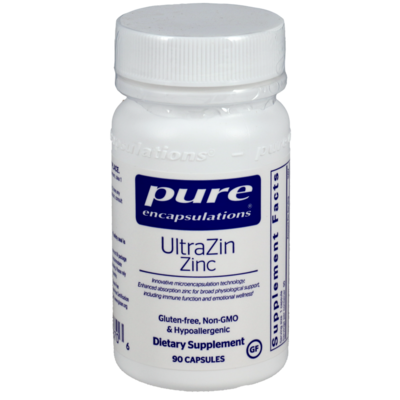
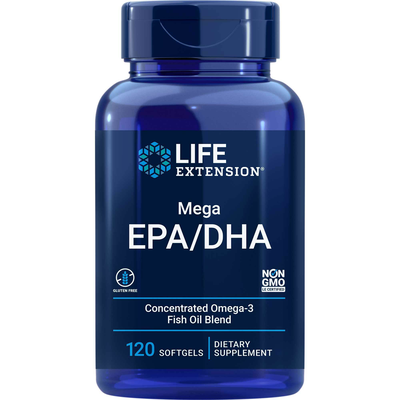 9 more items in Improve Your Mood-Get Rid of Anxiety/Depression (read more below)
Did you know there are some natural methods to get rid of anxiety and depression--that work bettter than prescriptions? We all get down occasionally, and that’s ok. This is a normal part of life’s ups and downs. Kids grow up and move out, a parent dies, a relationship ends, the seasons change, we have disappointments in our careers, etc. Luckily, these things can and should be transitory, and we can help this by being good to ourselves: exercising, getting out in the sunshine, spending time with friends—especially those who make us laugh, getting good rest and eating healthier. Read on to find natural ways to get rid of anxiety and depression. But be sure you are follow the Basic Health and Wellness supplement protocol first! When depression and anxiety start to interfere with your life, your career, and your relationships, it's time to take action. I don't advise running to your doctor and asking for prescription medications for depression and anxiety. Pescription medication for anxiety and depressions have some not so great side effects—weight gain, loss of emotional highs and lows, loss of libido, etc. Prescription meds are not a cure; you will probably be on them the rest of your life. The better way is to go to the source and fix the root problem. Depression and anxiety are often signs that your body and brain are not functioning properly. This is often due to: high levels of inflammation low levels of vital nutrients chemical ingredients in food that mess with your neurobiology a gut that is in need of healthy bacteria chronic disease high blood sugar high stress not enough sleep Much of our mood depends on neurotransmitters that are the chemicals of the brain. The most important ones that deal with mood are serotonin, dopamine, and epinephrine. And it should be no surprise that diet and nutrition play a huge role in our moods and behaviors. When looking at both anxiety and depression, inflammation is one of the key factors . Much research has shown that people with depression and anxiety show elevated levels of inflammatory markers. Other nutritional factors for depression are linked to low omega 3 levels, high omega 6 levels, leaky gut, gut dysbiosis, B vitamin deficiency, and zinc and magnesium deficiencies. There is also a very strong link between depression, anxiety and blood sugar and insulin levels. An elimination diet to remove inflammatory foods may be the best place to start—there can often be many hidden sources of foods that contribute to inflammatory/sensitivity reactions. People with anxiety/depression are often addicted to a high-carb diet, and the high carb diet can temporarily raise serotonin levels but also contribute to increased inflammation and blood sugar levels. As your blood sugar crashes, serotonin crashes also and the cycle starts over. Lifestyle Changes that Help Manage Depression and Anxiety 1. Sleep-- Get good sleep as much as you can. That doesn’t mean if you feel down to get in bed at 6pm, but get a good night’s sleep on a regular basis, and go to bed at the same time each night. Sleep is immensely helpful for managing emotions and stress, and helps your brain create the necessary neurotransmitters it needs for feeling good. I’m sure you all have had experiences where you get a good night’s sleep and your whole attitude feels changed for the better. 2. Exercise-- Exercise can have a drastically positive effect on mood , all by itself. And if you can exercise outdoors, especially in the sunshine, it’s an even bigger effect. Exercise raises endorphins, lowers inflammation, helps you feel more energetic and helps your body process and remove inflammatory toxins. In addition, being outdoors and filling your lungs with fresh air always makes you feel better, so even if you only have 15-20 minutes to do a brisk walk around the block—rain, snow, or sun—get out and do it and you definitely feel better. 3. Cold plunge therapy— Cold water has long-standing benefits that ameliorate depression and anxiety for many people. In fact, the Scandinavians have been using this treatment for many, many years. Cold therapy is a very effective non-invasive treatment for anxiety and depression because it changes the brain chemicals. The cold temperatures cause a change in the way the body’s nervous system communicates with the brain . Cold water causes an immediate release of adrenalin, that in turn increases the amounts of dopamine and serotonin. And it’s not just a temporary spike, cold therapy increases your baseline levels of these neurotransmitters. Cold water therapy also helps you burn fat, increase focus and alertness, and stimulates the immune system. 4. Social Contact— Getting out and socializing may be the last thing on your mind when you are anxious or depressed, but it’s one of the best ways to get out of a funk. Getting out with friends or family, smiling, talking, hugging, and interacting can go a long way towards helping you feel much better. Many studies suggest that increasing social interaction can help lower rates of loneliness and depression. Social connection helps us feel supported, connected, and liked. Even if you don’t have any friends or family, go to your local grocery store, or your favorite coffee shop and engage in a friendly conversation with the people who work there. It can put a smile on your face. Diet and Nutrition for Mental Health Many people are surprised to learn that diet and nutrition can have a drastic effect on mood—especially anxiety and depression. In fact, it should be the number one thing that is addressed. It’s no surprise that nutrition is involved with the way our body produces brain chemicals, just as it does with the functioning of every other organ. A diet that is healthy for the brain is also healthy for the body and vice versa. A diet that supports brain health should do these key things: 1. Reduce inflammation and lower blood sugar 2. Contain essential nutrients that protect and maintain brain and nerve function 3. Contain high levels of antioxidants, as in organic vegetables 4. Maintain a healthy gut One of the first things I’d advise people to do is to avoid all sugars, limit carbohydrates—except for vegetable sources and cut out (all) grains. Not only does this help to lower blood sugar and insulin, but it also reduces inflammation. Sugar and inflammation go hand in hand. The second thing is to eliminate all processed foods—especially foods that contain chemical ingredients, artificial colors or flavors and preservatives. It’s also best to avoid conventional fruit and vegetables as these foods are highly sprayed with chemical compounds that not only interfere with neurotransmitters in the brain, but also kill off beneficial bacteria in the gut. Research shows a strong link between pesticides and depression. Recommendation number three is to totally eliminate all vegetable oils, except for extra virgin olive oil and avocado oil. All vegetable seed oils such as soybean, sunflower, safflower, canola, corn, and cottonseed oils cause widespread inflammation in the body, and can block helpful anti-inflammatory omega 3’s. These vegetable oils are known to cause and increased risk for mood disorders. Best types of oil to use instead of vegetable oils include butter, ghee, coconut oil, extra virgin olive oil, avocado oil, or lard. Eat meat. Vegans and vegetarians report higher incidences of anxiety and depression. Meat—especially grass fed, naturally raised meat and wild-caught fish contain higher amounts of omega 3’s and lower amounts of omega 6’s. Meat also contains necessary vitamins and nutrients essential for brain health, such as vitamin B12 , heme iron , zinc, and vitamin D3 . All of these nutrients—if deficient--have been shown to be tied to either depression or anxiety or both. And many of these vitamins and minerals are available in meat and not readily available or absorbable in plant foods. Supplements that Help Anxiety and Depression While anxiety and depression are two separate emotional states, there are many overlapping similarities. Nutrients that help anxiety most often help depression and vice versa. Here are a few supplements I’d suggest: • Zinc plays an essential role in many of our body functions, including immune system, and it also affects our brain processes, according to this 2017 study . The study also links zinc and specific hormones or neurotransmitters — especially our “feel good” hormones, serotonin, and dopamine. This study from 2021 shows zinc helps elevate levels of a brain-derived neurotrophic factor (BDNF) in the areas that control emotions. When zinc is in low supply, BDNF levels drop, and so does our mood. A 2017 review of several studies found a link between lower levels of zinc and depression . It also found that adding zinc supplementation in combination with other treatments may help improve symptoms of depression. • Inositol or Myo-inositol is a form of B vitamin and is very effective for relieving symptoms of anxiety, panic disorder and OCD. Inositol is very helpful when taken at bedtime as it aids in restful sleep. Inositol affects the neurotransmitters, the which work to govern mood. Serotonin is a key neurotransmitter that is affected by inositol. Higher levels of serotonin promote relaxation and calm. Several studies have shown that inositol is helpful in reducing anxiety and panic attacks . Other research shows inositol taken daily will reduce symptoms of depression as well as anxiety. In addition, inositol is helpful for managing blood sugar and insulin sensitivity, increasing fertility, and managing PCOS. • SAM-e is one of my favorite supplements that is VERY helpful for relieving depression. SAM-e is a natural substance made in the body, and for some who have a specific genetic variant in the MTHFR gene (about 50% of the population), SAM-e is highly effective, especially considering some people do not synthesize this substance as well as others. SAM-e is also used for improved liver function, aches,and pains, and improving mental function and alertness. SAM-e works best with taken along with B-complex vitamins as SAM-e aids in the methylation process. Start with a low dose as SAM-e affects people differently. You can build up to 800mg a day if necessary. • GABA is a neurotransmitter t hat can also be taken as a supplement. GABA is a very calming agent. Gamma-aminobutyric acid or GABA blocks specific signals in the central nervous system, slowing down the brain and racing thoughts. This can create a protective and calming effect on the brain and body. Scientists found GABA to be to be a natural supplement that can act as an antidepressant, a calming agent, lower blood pressure, lower blood sugar, fight cancer, and strengthen the immune system. Hormones in the body also increase GABA, especially progesterone. • Ashwaganda is an herb with a long history of its health benefits. Ashwaganda has been used for for thousands of years to reduce stress, increase energy, improve mood and concentration. Ashwagandha is well-known for its ability relieve anxiety and stress. Ashwaganda is classified as an adaptogen , which is a substance that helps the body cope with stress. Ashwaganda also lowers the stress hormone, cortisol. Other evidence points to the fact that ashwaganda may help with depression and other mental health disorders, as well. In addition, ashwaganda helps increase athletic performance, boost fertility and testosterone in men, reduce blood sugar and reduce inflammation. • Progesterone is considered a master hormone in both men and women. Progesterone is the basis for other hormones such as testosterone and estrogen. In women, progesterone declines rapidly after the age of 40 and is at near zero around the time of menopause. Women in perimenopause and menopause often report increased feelings of anxiety, depression, panic attacks, heightened stress, and insomnia. Because progesterone has a strong calming effect on the brain and body, it can alleviate depression and anxiety . Progesterone levels also increase GABA, the calming neurotransmitter. Additionally, be sure to talk to your doctor to get necessary lab work done. Often depression and anxiety can be linked to hormone levels. It’s best to get a basic CBC, lipid panel and metabolic panel. Be sure to also check thyroid function—not just TSH, but T3 and T4 as well. Also check levels of estrogen, progesterone, and testosterone for women; and for men, check testosterone, estrogen and DHEA and DHT. Low hormone levels will most definitely coincide with some level of anxiety, depression, insomnia, and low energy. And if you find that your anxiety and depression persist despite taking these steps, seek a qualified professional therapist, psychologist or psychiatrist who can help. Please Note: Please consult with your physician or health care provider when starting ANY new supplements--especially if you are on medication or being treated for any medical condition. If you experience any adverse effects, please discontinue all supplements and consult with your doctor. Information, supplement recommendations, and protocols provided are merely suggestions, and not meant to replace medical treatment for any health problem or condition and are at the member’s discretion as to how they are used. Any adverse effects of the supplements are the member's responsibility. You may be entitled to a refund if you experience an adverse event. Report any adverse events here.
Get a Better Night's Sleep (read more below)
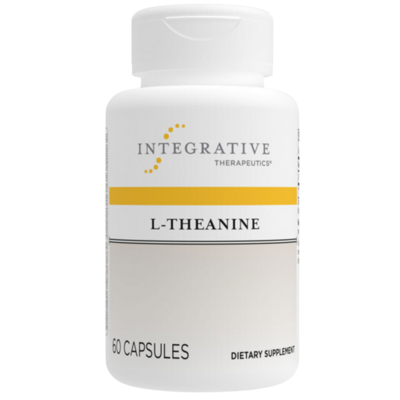
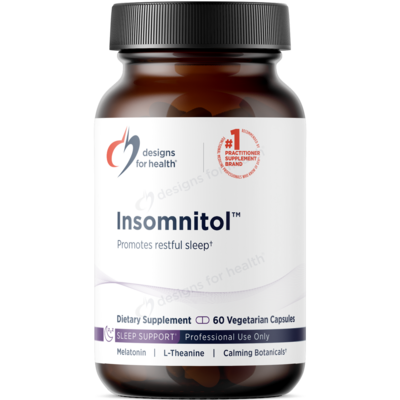 6 more items in Get a Better Night's Sleep (read more below)
Poor sleep can increase stress, cause weight gain, contribute to irritation, anxiety and depression, and even put a strain on your relationships. Nothing can be more frustrating than tossing and turning all night and being tired all day. With every protocol I always include your nutritional foundation, Basic Health and Wellness Supplement s. (Click to read more about them here) Some of the primary causes of insomnia include: NOT Getting enough exercise or activity during the day Sneaky amounts of caffeine in drinks, food or medications Junk food additives that can overstimulate your brain such as MSG and others Dehydration Artificial sweeteners, especially aspartame Drinking too much alcohol Stress—probably the biggest reason we miss out on sleep on occasion Hormone Imbalance, especially in perimenopause.(women) We know prescription sleeping pills are certainly not the best solution for sleep. Sleeping pills can cause a lot of unpleasant side effects from headaches and sleep hangovers to nausea, irritability, and dizziness. They can also cause you to do crazy things like raid the fridge at night in a sleepy stupor, drive in your sleep, sleep-walk, grind your teeth, snore, or have sleep apnea, and more. Lets talk instead about some great natural ways to promote a sound and restful sleep—with only good, healthy side effects! L-Theanine L-theanine is a naturally occurring, non-protein amino acid found in tea that promotes relaxation by reducing stress and anxiety levels. Theanine increases other calming neurotransmitters like serotonin, GABA and glycine in the brain. These neurotransmitters all help you relax and sleep better—without any hangover the next day. In fact, you will feel calm and rested instead. When you take L-theanine supplements during waking hours, it has also been shown to have positive effects on aspects of cognitive function and focus, especially when taken with caffeine . Be aware, however, some people are sensitive to theanine and the after-effects of theanine may cause some rebound anxiety after it wears off. Magnesium Magnesium helps your muscles relax and it helps you feel more calm. Magnesium also helps with the deep sleep phases. Magnesium is super important for about 300 functions in our body, so its important for overall health, as well as sleeping. Epsom salts contain magnesium so a hot bath is also an awesome way to relax and get to sleep. Magnesium glycinate and magnesium L-threonate work well to relax and calm the entire body and brain. Myo-Inositol Inositol is a type of natural sugar found in plant sources including nuts and citrus fruits that is believed to aid sleep and calm anxiety by activating the serotonin and orexin pathways in the brain which keep the mind calm and orderly. Inositol supplements come in powdered form and should be taken in doses between 2 to 10 grams before bedtime. When paired with magnesium supplements, it has been shown to be even more effective. Melatonin Melatonin is a natural brain chemical that can be affected by light and darkness. As we age, we make less of it. Melatonin can be taken in a supplement which will help you get to sleep—and you don’t need much. The biggest problem with taking melatonin is that you may wake up when it wears off—often in the middle of the night. To solve this, you can take melatonin in a time release form. It is better if you only take it once in a while when you are changing time zones, drink too much, stare at your computer too late at night or just end up in a cycle of waking up at night. Blue light from your electronic devices like your cell phone can suppress melatonin. This definitely messes with your body’s natural ability to get sleepy. You can either wear orange goggles or—add these two powerful antioxidant carotenoids, lutein and zeaxanthin which help you become sleepy. These two carotenoids are especially good for your eyes. Collagen is also excellent for deep sleep. Try a nice steaming mug of collagen/bone broth before bed. The primary amino acid in bone broth or collagen is glycine, which is very effective for inducing sleep. Glycine also helps lower your body temperature, which induces sleep, and it restores your natural REM pattern to your sleep as well. Progesterone--For Women Peri-menopause and menopause starts when hormone production starts to decline. Estrogen, progesterone and testosterone all work together and affect mood, energy, sex drive, brain function—and sleep. Progesterone plummets in a woman's 40's, way before menopause ever starts. Progesterone is a relaxing, “feel good” hormone for women. It really helps to promote a sense of calm--getting rid of anxiety and irritability. Progesterone increases production of the brain chemical GABA that helps promote sleep. If you are a woman in her 40s and having trouble sleeping at night, it's a good guess you may need progesterone. Progesterone is safe and easy to use. You can An over-the-counter natural cream can be applied right before bed for a better night's sleep and a calmer outlook the next day. Progesterone also helps your thyroid function better--helping it convert the storage form of T4 into the active T3 thyroid hormones. Progesterone is also known to help eliminate brain fog and help you lose weight. And, last but not least... SEX Sex helps stimulate endorphins, oxytocin and vasopressin—hormones which help create feelings of attachment, security, and relaxation, and it helps you sleep like a baby. Maybe your partner will be interested in helping you get a good night’s sleep. If none of these things help, visit your doctor to have blood work done to check hormone and thyroid levels, and to rule out any other health conditions. Here’s to a deep and restful night’s sleep! There is nothing better than waking up feeling refreshed and well rested. Please Note: Please consult with your physician or health care provider when starting ANY new supplements--especially if you are on medication or being treated for any medical condition. If you experience any adverse effects, please discontinue all supplements and consult with your doctor. Information, supplement recommendations, and protocols provided are merely suggestions, and not meant to replace medical treatment for any health problem or condition and are at the member’s discretion as to how they are used. Any adverse effects of the supplements are the member's responsibility. You may be entitled to a refund if you experience an adverse event. Report any adverse events here.
Ease Menopause Symptoms Naturally
 13 more items in Ease Menopause Symptoms Naturally
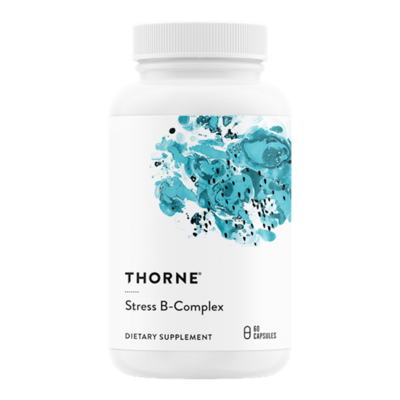
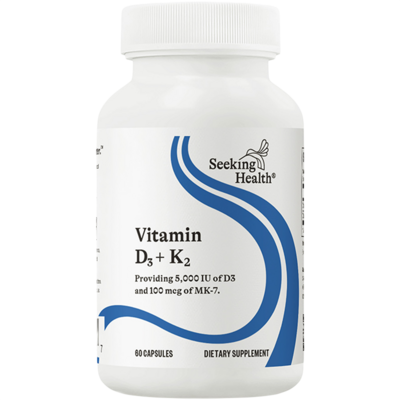
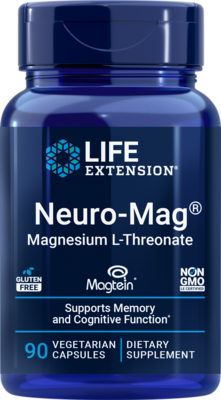
Midlife hormonal fluctuations can spill over into everyday life. Loss of sleep, irritability, depression, anxiety, hot flashes and more, can affect personal relationships, your career and just make life overwhelming sometimes. Getting a handle on your hormones, understanding what is going on with your body and being able to manage it are the keys to being able to enjoy your life again.Jumping into hormone therapy may not be the best answer for everyone, and some hormone therapy can have some not-so-great side effects. This is where a more natural approach may be your best bet. There is actually a systematic approach to managing menopause hormones that works well with many women. In addition, there are plenty of natural, but effective vitamin, mineral and herbal supplements that can reduce or eliminate those unwanted symptoms. First, eliminate inflammatory foods with a detox that eliminates excess hormones, gets rid of inflammatory foods, and clears hormone receptors. An effective detox eliminates sugar, refined grains, dairy, all processed foods and vegetable seed oils. Add in whole foods, organic vegetables, naturally raised meats/fish/poultry, and healthy fats. Fiber is important as it helps the body eliminate excess estrogen, including potent and harmful xenoestrogens. Avoid hormone-disrupting xenoestrogens in your environment by avoiding conventional home-cleaning supplies, bug spray, weed killer, scented laundry soaps, dryer sheets, chemical based personal care products, makeup, shampoos, hair styling products, nail polish, and other chemical-based products. Practice regular self-care to lower stress by meditating, getting restful sleep, and daily exercise . Reducing stress and its accompanying stress hormone cortisol, improves thyroid function and increases progesterone. Natural Supplements to Ease Hormonal Symptoms There are effective, natural hormone-balancing supplements available over the counter, without a prescription that are safe and easy to use. While some of these therapies are backed by clinical research, keep in mind, some herbal supplements have limited research on their effectiveness, although there may be plenty of anecdotal evidence that supports their use. Always talk to your doctor or other healthcare provider before you try any alternative treatment. They can discuss possible dosage, side effects, and interactions. B vitamins Often overlooked for hormone balancing, B vitamins, especially with methylfolate (the most usable form of B9 or folate) and methylcobalamin (B12) and the other B vitamins help the body with something called the methylation cycle. The methylation cycle is key to get folate into the brain, as well as contributing to the formation of important neurotransmitters: epinephrine, norepinephrine, dopamine, serotonin, and melatonin. B vitamins are also responsible for energy, metabolism, brain and nerve function. When methylation working, the process helps repair your DNA, regulates hormones, produces energy, protects against cancer, helps with detoxification, keeps your immune system healthy, supports the protective coating along your nerves, strengthens the nervous system and more. B vitamins are also especially helpful at lowering C-reactive protein or CRP, an inflammatory substance that contributes to heart disease and high blood pressure. Folate in the form of methylfolate, has been found to be very helpful in reducing the length and severity of hot flashes. And B vitamins are one of the best solutions to prevent anxiety, depression and irritability by regulating the brain neurotransmitters responsible for mood regulation. A good B-multi with methylfolate and methylcobalamin will help ease symptoms of menopause, improve your mood, increase your energy and lower inflammation. For me, B vitamins are one supplement that I try to never run out of, because they are that important. Vitamin D3/Vitamin K2 Vitamin D is a powerful hormone of its own. Vitamin D3 will boost your immune system, help maintain a strong bone structure, and help and with hormone regulation and vaginal dryness. It’s also known to improve your moods. During perimenopause and menopause, declining estrogen levels affect our body’s ability to activate vitamin D. This means your need for vitamin D increases during this time. Vitamin D3 is necessary for overall health, and helping reduce menopausal symptoms. Vitamin D is helps prevent osteoporosis, cancer, depression, diabetes, cardiovascular disease, hypertension and obesity. Vitamin K2 has been found to be necessary to help transport calcium out of the blood vessels and into the bones and teeth where it should be. Vitamin K2 works synergistically with D3, so the two should always be taken together. Omega 3 Fatty Acids Omega 3’s may help lubricate your body and decrease vaginal dryness. Omega 3 fats are also vital to healthy brain function and lowering inflammation. When taken in addition to B vitamins and magnesium, omega 3 supplements have been shown to improve depression and anxiety. Omega 3 fats are anti-inflammatory, fight heart disease, help prevent cancer, and promote healthy brain function, and soothe and alleviate menopause symptoms. Magnesium Magnesium is an essential mineral that most of us do not get enough of. Women in perimenopause or menopause can definitely benefit from magnesium supplements. Magnesium is known to help sleep by regulating the body’s circadian rhythms, and promoting muscle relaxation. This small study found that 500mg of magnesium daily led to a significant increase in sleep quality, as well as melatonin production. Adequate magnesium levels may also lessen anxiety and depression, improving brain function, mood regulation and reactions to stress. Magnesium also lowers blood pressure, lowers inflammation, and decreases the risk of heart disease. There are several different forms of magnesium that work well including magnesium glycinate, magnesium malate, magnesium taurate, and magnesium threonate. Avoid taking magnesium oxide as your body will not absorb this form of magnesium. Magnesium citrate is also effective but many people have digestive issues and loose stools from magnesium citrate. Inositol Inositol is a naturally occurring substance that is similar to B vitamins. Studies show that inositol may improve the function of the ovaries and fertility in women with PCOS. Since it has been shown to help with female infertility issues, inositol is sometimes referred to as the ‘female health supplement.’ Inositol also affects insulin’s action in the cells. It is also known to stimulate the production of certain hormones in the body, including dopamine and serotonin, which makes it valuable for anxiety and depression . Due to its effects on various biological processes in the body, inositol is used to treat a wide range of medical conditions relating to women’s health. It is commonly used to treat hormone imbalance issues such as PCOS. Evidence suggests that this vitamin-like substance can also correct many metabolic disorders that cause metabolic syndrome, diabetes, and high blood pressure. Inositol is most bioavailable in the form of Myo-inositol. Herbal Supplements Because of their receptor sites, herbal supplements can have the same effect as natural hormones, only milder, and so they function more like a gentle, natural form of Hormone Replacement Therapy. If you are not sure about starting HRT, this is a good place to start. The second way herbal supplements can help is to support your body’s own production of estrogen and progesterone. This is something that conventional hormone replacement therapy in menopause cannot do. You might think about it this way — when you use herbs, are letting your body self-regulate your hormones and bring them into balance. The list below contains several supplements that have been researched and proven effective for menopause symptoms. Some work better for for some people and some do not work as well. There are several combination products that seem to work best for most women. Keep in mind there is a percentage of women who will definitely benefit from HRT. I recommend you start with the most natural approach first, and see if it works for you. The next step is to find a medical practitioner who can prescribe Bio-identical hormones. These are a natural form of hormones that are safer, work better and have less adverse effects. I do not recommend synthetic hormone replacement. Black cohosh Black cohosh is a flowering plant that may be one of the most effective herbal remedies for menopause—especially hot flashes. Black cohosh functions as a phytoestrogen–a plant-based compound that mimics the action of the hormone estrogen. Taking black cohosh can help decrease the frequency or severity of hot flashes. In a study of 80 menopausal women who were having hot flashes, those who supplemented with 20 mg of black cohosh daily for 8 weeks reported fewer and less severe hot flashes. Black cohosh may have some beneficial effects on women’s mental health particularly anxiety and depression. Researchers found it was linked to significant improvements in psychological symptoms including anxiety and depression. Dong Quai Dong Quai is commonly used in Chinese medicine for ‘female problems’. Dong Quai works like a phytoestrogen (plant-based estrogen) in the body. Phytoestrogens are weaker than normal estrogens and take up the estrogen receptors in the body, helping to lessen the bad effects of estrogen, and balancing estrogen and progesterone during peri-menopause and menopause. Dong Quai is can enhance metabolism, improve liver function, increase the excretion of excess estrogen, and has a mild sedative activity, so it may be helpful for relaxation and better sleep. One recent study of a product containing Dong Quai and chamomile showed significant reductions in hot flashes. Taken alone, dong quai does not appear to be all that beneficial for menopausal symptoms, but when used in combination with other herbs, it is considered to be effective and helpful. Maca Often suggested as a supplement for men, maca works for women as well. Maca root is great for added energy, immune function, memory, mood, performance and antioxidants. Maca also contains amino acids, healthy fatty acids, B vitamins, C, and E, calcium, magnesium, potassium, copper, selenium, sodium, iron, zinc, antioxidants, and some of the same compounds found in cruciferous vegetables. A study done in 2008, from the journal Menopause shows positive benefits on menopausal women’s moods, reducing both anxiety and depression. This same study showed maca increased sexual libido, and increased serotonin, the “feel good” hormone. Maca also helps with hot flashes, vaginal dryness, and sleep problems which are all common in menopausal women. Valerian Root Valerian is an herbal tranquilizer and is often used to alleviate anxiety and insomnia —two problems women in perimenopause and menopause report frequently. Valerian is considered to be a phytoestrogen, and reduces the frequency and severity of hot flashes. There is strong evidence supporting the effects of this herbs on hot flashes and other menopausal symptoms. They also reduce risk of heart disease, osteoporosis, improve memory and sleeping patterns. Phytoestrogens are also thought to reduce breast and uterine cancer risk. Natural Progesterone Natural progesterone is inexpensive, safe and easy to use. Most all women in Peri-menopause and menopause can benefit from additional progesterone. Natural progesterone can definitely help ease the symptoms of estrogen dominance such as: anxiety, skin wrinkling, insomnia and vaginal dryness. Evidence shows natural progesterone has fewer side effects such as depression, bloating, and weight gain than synthetic progestins. Natural progesterone when used regularly, can balance the estrogen-progesterone ratio, and eliminate negative symptoms of estrogen dominance. Natural progesterone can also improve thyroid function, as well as reducing the risk of breast and endometrial cancers. Natural progesterone is readily available in topical creams at many health food stores or online. Natural progesterone usually contains a standard dose of 20 mg per 1/4 teaspoon—but be sure to check the label to be sure. It’s important to realize that natural methods are more gentle and the process may be more gradual. So be patient. In the process, you will most likely lose weight, sleep better, feel better, eliminate anxiety, and also get rid of many of those unpleasant menopause or peri-menopause symptoms. Below is a list of suggested supplements with the above ingredients. I have included some of the Basic Health and Wellness Supplements to help you build a sound nutritional base. See which hormone supplement works best for you because everyone is different. I highly recommended is the use of extra progesterone cream at bedtime to help with sleep. You may use liberally if not taking other progesterone. Please Note: Please consult with your physician or health care provider when starting ANY new supplements--especially if you are on medication or being treated for any medical condition. If you experience any adverse effects, please discontinue all supplements and consult with your doctor. Information, supplement recommendations, and protocols provided are merely suggestions, and not meant to replace medical treatment for any health problem or condition and are at the member’s discretion as to how they are used. Any adverse effects of the supplements are the member's responsibility. You may be entitled to a refund if you experience an adverse event. Report any adverse events here.
Hormone Balance
 8 more items in Hormone Balance
Midlife hormonal fluctuations can spill over into everyday life. Loss of sleep, irritability, depression, anxiety, PMS, and irregular periods can affect personal relationships, your career and just make life overwhelming sometimes. Getting a handle on your hormones, understanding what is going on with your body and being able to manage it are the keys to being able to enjoy your life again. During the ten years prior to menopause, hormones begin to fluctuate. The biggest fluctuations occur in Progesterone, a female master hormone that works with and balances estrogen's effects. Often progesterone levels plummet, while estrogen decreases gradually. This creates an unhealthy imbalance between estrogen and progesterone. This is extremely common, especially around age 45-50. This imbalance can create symptoms such as bloating, weight gain, heavy periods, more severe PMS, moodiness, irritability, depression, anxiety, insomnia, loss of sex drive and more. Progesterone is a very important hormone in that it works with several other hormones, helping to keep them balanced as well. When progesterone takes a nosedive as it generally does in perimenopause, it can cause problems with other important hormones. Much like a train wreck, when one car gets off track, it can pull the whole train off with it. P rogesterone is synergistic to several hormones in our body, most notably, the thyroid hormones. When progesterone levels are low, women often have trouble with the conversion of the inactive form of thyroid, T4 to the active form of thyroid, T3. When there are problems with this conversion, which is very commong, the result is low thyroid (hypothyroid) symptoms similar to the listed ones above--hair loss, depression, weight gain, bloating, moodiness, inflammation, poor immune function, sleep problems, anemia, and exhaustion. This chain reaction often leads to further nutrient deficiencies. Allowing your body a to have a chance to rebalance with a natural foods diet and thyroid supporting supplements is the key to feeling better. There is a systematic approach to managing hormones that works well with many women. In addition, there are plenty of natural, but effective, vitamin, mineral and herbal supplements that can reduce or eliminate those unwanted symptoms. Some lifestyle steps that are very important to establishing balance: Eliminate inflammatory foods with a specific detox that eliminates exogenous (outside of the body) hormones, gets rid of inflammatory foods, and clears hormone receptors. An effective detox eliminates sugar, refined grains, dairy, all processed/packaged foods and vegetable seed oils. Research shows these foods can increase PMS symptoms, contribute to hormonal imbalances, and worsen estrogen dominance. Add in whole foods, organic vegetables, naturally raised meats/fish/poultry, and healthy fats. Fiber is important as it helps the body eliminate excess estrogen, including potent and harmful xenoestrogens, otherwise they can continue to re-circulate in the body. Eating naturally raised meats and fish helps to reduce hormones given to livestock for rapid growth. Avoid dairy or eat only organic dairy. Dairy animals are given hormones for lactation which ends up in the dairy products that are consumed. Avoid hormone-disrupting artificial estrogens, or "xenoestrogens" in your environment by avoiding conventional home-cleaning supplies, bug spray, weed killer, scented laundry soaps, dryer sheets, chemical-based personal care products, makeup, shampoos, hair styling products, nail polish, and other chemical-based products. These artificial hormones can worse estrogen dominance and cause increasingly worsened hormonal symptoms. Practice regular self-care to lower stress by meditating, getting restful sleep, and getting daily exercise . Reducing stress and its accompanying stress hormone cortisol, improves thyroid function, increases progesterone and helps to restore hormonal balance. Request that your doctor or health practitioner get FULL THYROID PANEL blood work , not just TSH. This includes TSH, T4, T3, Reverse T3, Thyroid Binding Globulin, TPO and Tg. This panel is especially important to uncover potentially hidden thyroid problems, such as T4 to T3 conversion. If you are getting close to menopause , a hormone panel test is important to check current hormone levels. Lastly, if you don't find the relief you need with the suggestions and supplements on this page, you may want to visit a Doctor who can prescribe bio-identical hormones. This type of hormone supplementation is safer and more accepted by your own body. Natural Supplements to Ease Hormonal Symptoms There are effective, natural hormone-balancing supplements available over the counter, without a prescription that are safe and easy to use. While some of these therapies are backed by clinical research, keep in mind, some herbal supplements have limited research on their effectiveness, although there may be plenty of anecdotal evidence that supports their use. Always talk to your doctor or other healthcare provider before you try any alternative treatment. They can discuss possible dosage, side effects, and interactions. B vitamins Often overlooked for hormone balancing, B vitamins, especially those with methylfolate (the most usable form of folate) and methylcobalamin, which is the most absorbable form of B12, along with other B vitamins help the body with a signficant function called the methylation cycle. The methylation cycle is key to get folate into the brain, as well as contributing to the formation of important neurotransmitters: epinephrine, norepinephrine, dopamine, serotonin, and melatonin. B vitamins are also responsible for energy, metabolism, brain and nerve function. When methylation working, the process helps repair your DNA, regulates hormones, produces energy, protects against cancer, helps with detoxification, keeps your immune system healthy, supports the protective coating along your nerves, strengthens the nervous system and more. B vitamins are also especially helpful at lowering C-reactive protein or CRP and homocysteine, inflammatory substances that contribute to hormonal imbalances, heart disease, strokes, and high blood pressure. Folate in the form of methylfolate, has been found to be very helpful in reducing symptoms of PMS, and hormone imbalances. B vitamins are one of the best solutions to eliminate anxiety, depression and irritability by regulating the brain neurotransmitters responsible for mood regulation. A high quality B-comples with methylfolate and methylcobalamin will help ease symptoms of menopause, improve your mood, increase your energy and lower inflammation. For me, B vitamins are one supplement that I never run out of, because they are that important! Vitamin D3/Vitamin K2 Vitamin D is a powerful hormone of its own. Vitamin D3 will boost your immune system, help maintain a strong bone structure, and help and with hormone regulation and vaginal dryness. It’s also known to improve your moods. During perimenopause and menopause, declining estrogen levels affect our body’s ability to activate vitamin D. This means your need for additional vitamin D increases during this time. Vitamin D3 is necessary for overall health, and helping reduce menopausal symptoms. Vitamin D is helps prevent osteoporosis, cancer, depression, diabetes, cardiovascular disease, hypertension and obesity. Vitamin K2 has been found to be necessary to help escort calcium out of the blood vessels and into the bones and teeth where it should be. Vitamin K2 works synergistically with D3, so the two should always be taken together. Omega 3 Fatty Acids Omega 3’s help lubricate your entire body and decrease vaginal dryness. Omega 3 fats are also vital to healthy brain function and lowering inflammation. When taken in addition to B vitamins and magnesium, omega 3 supplements have been shown to reduce or eliminate depression and anxiety. Omega 3 supplements have been shown to reduce PMS symptoms. Omega 3 fats are also necessary to help prevent osteoporosis. Omega 3 fats are anti-inflammatory, fight heart disease, help prevent cancer, and promote healthy brain function, and soothe and alleviate hormonal symptoms. Omega 3 fatty acids are one of the most important supplements you can take for overall health and wellbeing. Magnesium Magnesium is an essential mineral that most of us are short on. Women with regular periods, in perimenopause or menopause can all definitely benefit from magnesium supplements. Magnesium is known to help deep sleep by regulating the body’s circadian rhythms, and promoting muscle relaxation. One study found that 500mg of magnesium daily led to a significant increase in sleep quality, as well as increasing the body's natural melatonin production. Adequate magnesium levels also lessen anxiety and depression, increase relaxation, improve brain function, mood regulation and reactions to stress. I like to think of magnesium as "nature's valium". Magnesium also lowers blood pressure, lowers inflammation, and decreases the risk of heart disease. There are several different forms of magnesium that work well including magnesium glycinate, magnesium malate, magnesium taurate, and magnesium threonate. Avoid taking magnesium oxide as your body will not absorb this form of magnesium. Magnesium oxide is often found in cheaper versions of magnesium. Magnesium citrate is also very effective but can cause loose stools. However, if you have constipation issues, this type of magnesium is great. Inositol Inositol is a naturally occurring type of B vitamin. Studies show that inositol may improve the function of the ovaries and fertility in women with PCOS. Since it has been shown to help with female infertility issues, inositol is sometimes referred to as the ‘female health supplement.’ Inositol also affects insulin’s action in the cells. It is also known to stimulate the production of certain hormones in the body, including dopamine and serotonin, which makes it valuable for anxiety and depression . Due to its effects on various biological processes in the body, inositol is used to treat a wide range of medical conditions relating to women’s health. It is commonly also used to treat hormone imbalance issues such as PCOS. Evidence suggests that this vitamin substance can also help correct metabolic disorders such as metabolic syndrome, diabetes, and high blood pressure. Inositol is most bioavailable in the form of Myo-inositol. Natural Progesterone 1. Relieves PMS If you’ve ever suffered from PMS, then you will really learn to appreciate bioidentical progesterone! Progesterone relieves the symptoms of premenstrual syndrome and regulates the menstrual cycle. Research shows that progesterone therapy for PMS, hormonal dysfuntion, perimenopause, and menopause resulted in much lower depression, irritability, anxiety, mood swings, abdominal bloating, sleeplessness, and breast tenderness. 2. Promotes Sound Sleep, Reduces Anxiety Progesterone has a calming effect that helps you sleep well. Studies show that decreases in progesterone levels can cause disturbed sleep. Progesterone has both sedative and anti-anxiety effects, stimulating benzodiazipine receptors, which play an important role in the sleep cycle. Progesterone treatment helped decrease the prevalence of breathing irregularities, arousal from sleep, anxiety, and memory impairment. A decline in progesterone levels in postmenopausal women is one of the causes of sleep apnea. 3. Improves Bone Health Progesterone promotes bone building. Research demonstrates that progesterone is extraordinarily effective in reversing osteoporosis. Progesterone stimulates osteoblasts (cells that make new bone) and prevents bone loss in women. Studies indicate that progesterone – likely working through bone formation pathways – plays an active role in maintaining women’s bones and in helping to prevent osteoporosis. 4. Essential for Fertility and Pregnancy A progesterone deficiency can cause a miscarriage. Progesterone promotes survival of the embryo and fetus throughout pregnancy. It is important for the process of normal embryo implantation and early embryonic growth and development. 5. Cancer Prevention Research demonstrates that progesterone protects against endometrial and breast cancer. The conclusion of the 1981 Johns Hopkins study found that infertile women with progesterone deficiency had a premenopausal breast cancer risk that was 540% greater than that of women whose infertility was not related to their hormones. Not only that, but these women had a 1,000% greater risk of death from all types of cancer. Research shows that progesterone suppressed the cells from spreading and induced cell death in malignant mesothelioma cancer cells and that it also can inhibit growth and cause cell death in two types of breast cancer cell lines. Progesterone is probably the most important hormone to supplement as you go through perimenopause and menopause. I have selected several different types of USP progresterone. You will only need to choose ONE of the listed natural progesterone creams below. For women who are still menstruating, women can use progesterone cream for PMS, painful cramping with periods, menstrual irregularities, and to protect against osteoporosis later in life. Follow instructions in the package. For those who are near menopause or are menopausal, you may use progesterone liberally. Please Note: This information does not constitute medical advice. Please consult with your physician or health care provider when starting ANY new supplements--especially if you are on medication or being treated for any medical condition. If you experience any adverse effects, please discontinue all supplements and consult with your doctor. Information, supplement recommendations, and protocols provided are merely suggestions, and not meant to replace medical treatment for any health problem or condition and are at the member’s discretion as to how they are used. Any adverse effects of the supplements are the member's responsibility. You may be entitled to a refund if you experience an adverse event. Report any adverse events here.
Power up Your Immune System
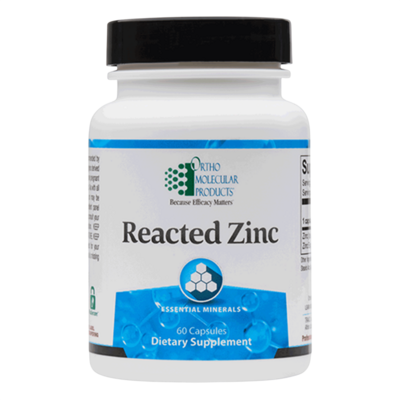
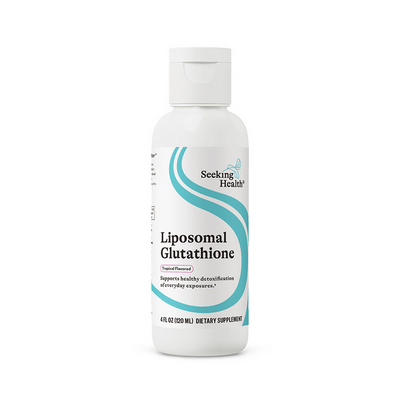
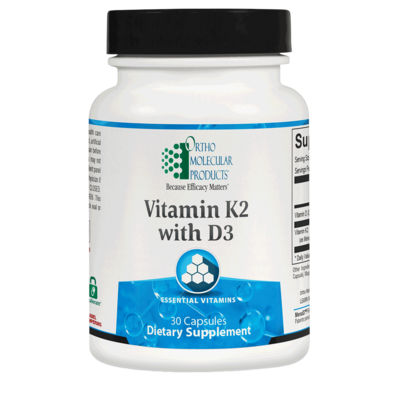 7 more items in Power up Your Immune System
As this last pandemic has shown us, we need to be ready and able to fight off contagious viruses, bacteria and other dangerous pathogens. We don’t just have to sit and wait for a vaccine when the flu or a new virus hits; there are real ways you can beef up your immune system to fight off most everything and feel confident your body can handle it. In addition to following the Basic Health and Wellness Supplement Protocol, there are some key supplements that can help you bulletproof your immune system. Our immune systems can be strengthened There are key lifestyle habits to help your body become better at fighting off contagious diseases Here are a few PROVEN methods: Avoid all forms of sugar, sugar disables the action of our 'Natural Killer' cells, one of our body's first line of defense against invading viruses and pathogens Be sure to include lots of antioxidant rich vegetables, naturally raised meat/fish poultry and healthy fats Avoid alcohol or limit yourself to only ONE drink a day Don’t hide at home—being around others actually helps your body build up its defenses better, but don't hang out with someone who is very sick either! Wash your hands after being out and about Get 7-8 hours sleep regularly--sleep is very important to immune function. Get outside in the daylight and get at least 30 minutes of exercise daily if possible. Don’t smoke. During cold/flu season or if you happen to have seasonal allergies, these immune boosters are important to include along with your Basic Health and Wellness Supplements. • Quercetin -a powerful antioxidant that helps gets zinc INSIDE your cells where it works to disable viruses. • Selenium -a significant mineral to boost thyroid which in turn boosts your immune function. • Glutathione -a master antioxidant that is very powerful in helping fight off colds/flu or shortening their duration. It also helps increase energy, lower inflammation. If you’ve been exposed to someone sick or feel like you are coming down with something—take the above and: -Increase vitamin C to 5,000 or more Mg per day (divided dosages). Especially helpful to get quercetin with vitamin C. -Increase zinc to 50mg per day. Use a zinc supplement that includes copper. -Get plenty of rest -Be sure to avoid all sugar and alcohol -Drink bone broth Additional Natural Immune Boosters Garlic-- One of my favorite natural immune boosters. Garlic contains an active ingredient called allicin. It can act as a powerful antibacterial, antiviral, and antifungal. Garlic helps the body resist or destroy viruses and other pathogens in the body. You can use crushed fresh garlic or include a garlic extract supplement. Garlic helps with these health conditions: Chronic bronchitis Chronic mucus in your nose and throat (catarrh) Recurrent colds, sinus and respiratory infections Chronic earaches Sore throat Yeast infections Intestinal parasites I often use garlic as a foolproof antiviral, whenever I feel I have a cold or the flu coming on. I just crush a clove of garlic, let it sit for 15 minutes, then swallow it. Oregano Oil is another natural favorite of mine. Oregano has been used all the way back in ancient Grecian times as a highly effective medicinal herb. It's been used for wounds, insect bites, snakebites, digestive and respiratory infections–and for good reason– oregano oil is the ultimate natural antibiotic, antiviral, and antifungal. Oregano oil has proven to kill bacteria, viruses , fungal infections, and parasites, including giardia, an amoebic infection . Oregano oil has also been scientifically proven to be effective against even antibiotic-resistant pathogens. Oregano oil is also incredibly effective against sinus infections, food poisoning, stomach flu, candida, ringworm, eczema, nail fungus, acne, skin infections, insect bites, warts, allergies, and more. When taken internally, it is best to purchase and take as a prepared capsule, so you get the proper strength and dosage. Side note: I love to travel and have been fortunate to travel to countries like Mexico, Columbia, Thailand, Peru, and Nepal. While these countries are beautiful, their sanitation and water—as well as food preparation—are not up to the same standards as we have in the United States. In spite of taking all the usual precautions, I've gotten very sick. I even had a serious Giardia infection that I contracted while in South America. Giardia which is an amoebic parasite infection. Symptoms include: fever, aches, pains, chills, severe stomach pains, severe diarrhea, nausea, weight loss. It is miserable and you can get very sick from this infection. The conventional treatment for giardia infections is a prescription antibiotic, which will wipe out all the beneficial bacteria in your body, as well as the bad stuff. In addition, many infections are now antibiotic-resistant, making them even harder to eliminate with conventional medical antibiotics. Before resorting to antibiotics, I tried Oregano Oil capsules. I was as good as new in 24 hours or less. Now I never travel without it —and it has saved me numerous times. Keep Oregano Oil capsules on hand, especially for travel. Turkey Tail Mushroom Extract is a powerful immune enhancer. Sure, many medicinal mushrooms are powerful immune enhancers, due to their high amounts of antioxidants. But turkey tail takes it one step further. Turkey tail contains a compound called polysaccharide-K (PSK) that stimulates the immune system. PSK is so effective that it’s an approved anticancer prescription drug in Japan . Turkey tail has been shown to improve the survival rate of people with certain cancer s, fight leukemia cells, and add a powerful boost to the immune system . Please Note: Please consult with your physician or health care provider when starting ANY new supplements--especially if you are on medication or being treated for any medical condition. If you experience any adverse effects, please discontinue all supplements and consult with your doctor. Information, supplement recommendations, and protocols provided are merely suggestions, and not meant to replace medical treatment for any health problem or condition and are at the member’s discretion as to how they are used. Any adverse effects of the supplements are the member's responsibility. You may be entitled to a refund if you experience an adverse event.
Shop the entire wellness catalog, held to a higher standard
Shop practitioner-grade products, each meeting the same bar for quality through Fullscript's standards.
Powered byVerified
Sourced straight from the brand — no resellers or fakes
Enhanced testing
Select products are tested in-house — get exactly what the label promises
Stored and shipped
From certified facilities, to protect product integrity