
Little Orchids
Welcome! Through Fullscript, Little Orchids offers high-quality supplements and wellness products, delivered right to your door. Get started with the recommended products from Little Orchids, or sign in/up to explore the entire product catalog.
Up to 15% off your order when you sign up*
Shop the highest quality, rigorously tested supplements
Fast and free shipping for orders over $50
*Discounts may vary by order. Labs and select products not eligible
Existing account? Log in here
Featured public protocols
Little Orchids's general recommendations, available to anyone who visits this store.
Covid Plan
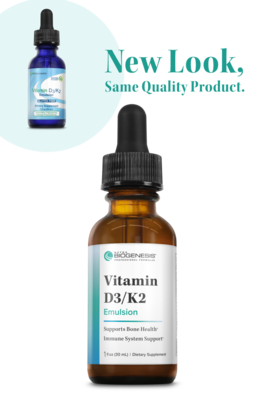

 4 more items in Covid Plan
Recovering from COVID-19 requires care, rest, and the right nutrients to help your body regain strength and resilience. I’ve designed this supplement plan to support your immune system, reduce inflammation, and aid in a quicker, more complete recovery. The supplements in this plan are chosen for their ability to provide essential vitamins, minerals, and herbal support that promote healing and overall wellness. My goal is to assist you in feeling stronger day by day, helping you navigate your recovery with confidence and care. In addition to the supplements below, I also recommend that you start taking 81 mg of Baby Aspirin daily for the remainder of pregnancy. In pregnancy, COVID-19 infection increases the risk of complications related to blood clotting and inflammation, including pre-eclampsia, intrauterine growth restriction, and placental insufficiency. Baby aspirin (81 mg) is often recommended as a preventive measure to lower these risks. Aspirin works by reducing inflammation and preventing blood clots, supporting healthy blood flow to the placenta, and reducing the risk of adverse pregnancy outcomes. The use of low-dose aspirin is considered safe during pregnancy when recommended by a healthcare provider, as its benefits for high-risk pregnancies outweigh the potential risks, and it has not been shown to increase the risk of bleeding during birth. Depending on the severity of your symptoms, we may also discuss trying Famotidine (Pepcid). Famotidine, an H2 receptor antagonist, is sometimes recommended following a COVID-19 infection during pregnancy due to its potential anti-inflammatory and immune-modulating effects. Emerging research suggests that Famotidine may help reduce the severity of lingering inflammation and oxidative stress associated with COVID-19, which can contribute to pregnancy complications. Additionally, its role in managing heartburn, which is common during pregnancy, provides added benefits.
Prenatal Support Plan

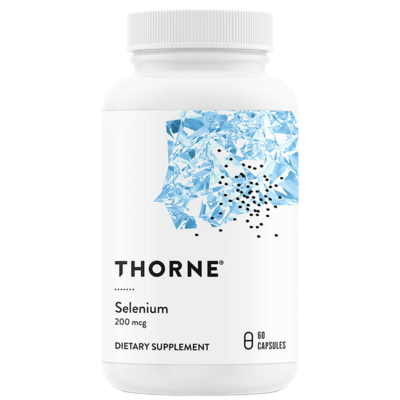
Nurturing the body during pregnancy is essential for both mother and baby. In addition to a balanced diet and healthy lifestyle, certain supplements can provide important nutrients that support pregnancy's unique needs. This plan has been designed to include supplements that promote a healthy pregnancy, help balance hormones, and ensure optimal nutrition for you and your growing baby. My goal is to offer guidance and support every step of the way, helping you feel confident and empowered on your journey to motherhood. ** Most of these supplements are OK to take independently, and you're welcome to pick and choose which (if any) of these you would prefer to take. However, if you choose to take supplemental iodine, it is essential also to add supplemental selenium since these nutrients work together in the body. Prenatal Nutrition Support Overview Pregnancy places increased demands on the body, and meeting daily nutrient needs is essential to support your health and your baby’s development. While a healthy, whole-foods-based diet is the ideal foundation, sometimes there are gaps in the diet, and supplementation can help fill those gaps. Important Nutrients: 1. Folate (Vitamin B9) Recommended Daily Intake: 600 mcg DFE (Dietary Folate Equivalents) Why It Matters: Supports neural tube development and reduces the risk of birth defects. Food Sources: Dark leafy greens (spinach, kale), lentils, asparagus, and avocados. Supplement Tip: Use methylated folate (not folic acid) for better bioavailability. This is especially important if you have the MTHFR genetic mutation, or if you've never tested (20-25% of the population has this mutation). 2. Iron Recommended Daily Intake: 27 mg Why It Matters: Required to make extra blood for mom and baby; prevents anemia and supports oxygen transport. Food Sources: Red meat, liver, lentils, cooked spinach, pumpkin seeds, and quinoa. Supplement Tip: Take iron separately from calcium-rich meals for better absorption. Pair with vitamin C. 3. Magnesium Recommended Daily Intake: 350–400 mg Why It Matters: Supports muscle relaxation, nerve function, blood sugar balance, and may reduce the risk of preeclampsia and leg cramps. Food Sources: Pumpkin seeds, almonds, black beans, avocados, and dark chocolate. Supplement Tip: Magnesium glycinate is gentle on the stomach and well-absorbed. 4. Calcium Recommended Daily Intake: 1,000 mg Why It Matters: Builds your baby’s bones and teeth and supports muscle, heart, and nerve development. Food Sources: Dairy, leafy greens, almonds, sardines, tofu, and chia seeds. Note: If supplementing, space calcium away from iron for optimal absorption. 5. Vitamin D Recommended Daily Intake: 600–1,000 IU (but 2,000–4,000 IU is often needed for optimal levels, especially if deficient) Why It Matters: Supports bone health, immune function, mood stability, and reduces the risk of preeclampsia and gestational diabetes. Food Sources: Fatty fish (salmon, sardines), egg yolks, and fortified dairy. Supplement Tip: Choose D3 with K2 for better calcium regulation, which helps limit stress on your cardiovascular system. 6. DHA (Omega-3 Fatty Acids) Recommended Daily Intake: 200–300 mg DHA Why It Matters: Supports fetal brain and eye development, reduces the risk of preterm birth. Food Sources: Salmon, sardines, mackerel, flaxseeds, walnuts. Supplement Tip: Choose a high-quality prenatal DHA from fish oil or algae. 7. Choline Recommended Daily Intake: 450 mg Why It Matters: Essential for brain and spinal cord development and helps prevent neural tube defects. Food Sources: Eggs (especially yolks), liver, beef, broccoli, and quinoa. 8. Probiotics (especially L. rhamnosus and L. reuteri) Recommended Daily Dose: 10–20 billion CFUs Why It Matters: Supports digestion and immune health, and may reduce the risk of gestational diabetes, preeclampsia, and Group B Strep colonization. Food Sources: Fermented foods like yogurt, kefir, sauerkraut, and kimchi. Supplement Tip: Choose a prenatal probiotic with Lactobacillus rhamnosus and Lactobacillus reuteri for targeted benefits in pregnancy; these are especially beneficial for the female genital and urinary tracts. 9. Iodine Recommended Daily Intake: 25-50 mg Why It Matters: Crucial for fetal brain development and maternal thyroid function. Every cell in the body needs iodine. Bonus: Taking in adequate iodine levels during pregnancy has been shown to increase the baby's IQ. Food Sources: Seaweed, dairy, eggs, and iodized salt. Supplement Tip: Iodized salt doesn't really provide much iodine. Iodine evaporates away from the salt over time, so unless it's a freshly opened bottle, you may not ingest as much as you think. 10. Zinc Recommended Daily Intake: 11 mg Why It Matters: Supports immune function, cellular growth, and wound healing. Food Sources: Meat, shellfish, legumes, nuts, and seeds. References: Academy of Nutrition and Dietetics. (2020). Nutrition and lifestyle for a healthy pregnancy outcome: Position of the Academy of Nutrition and Dietetics. Journal of the Academy of Nutrition and Dietetics, 120(11), 2108–2119. https://doi.org/10.1016/j.jand.2020.05.006 American College of Obstetricians and Gynecologists (ACOG). (2021). Nutrition during pregnancy. ACOG Patient Education. Retrieved from https://www.acog.org Borght, L. E., et al. (2015). Nutrition and lifestyle for gestational diabetes: A narrative review. Nutrients, 7(10), 9116–9133. https://doi.org/10.3390/nu7105404 Maggini, S., et al. (2007). Selected vitamins and trace elements support immune function by strengthening epithelial barriers and cellular and humoral immune responses. British Journal of Nutrition, 98(S1), S29–S35. https://doi.org/10.1017/S0007114507832971 National Institutes of Health (NIH). Office of Dietary Supplements. (2022). Magnesium: Fact Sheet for Health Professionals. Retrieved from https://ods.od.nih.gov/factsheets/Magnesium-HealthProfessional National Institutes of Health (NIH). Office of Dietary Supplements. (2022). Iron: Fact Sheet for Health Professionals. Retrieved from https://ods.od.nih.gov/factsheets/Iron-HealthProfessional National Institutes of Health (NIH). Office of Dietary Supplements. (2022). Folate: Fact Sheet for Health Professionals. Retrieved from https://ods.od.nih.gov/factsheets/Folate-HealthProfessional Patterson, E., et al. (2010). Health implications of lactobacillus rhamnosus and lactobacillus reuteri supplementation in pregnancy. Journal of Clinical Gastroenterology, 44(Suppl), S106–S109. https://doi.org/10.1097/MCG.0b013e3181e6d53d World Health Organization (WHO). (2016). WHO recommendations on antenatal care for a positive pregnancy experience. Retrieved from https://www.who.int/publications/i/item/9789241549912
Postpartum and Lactation Support

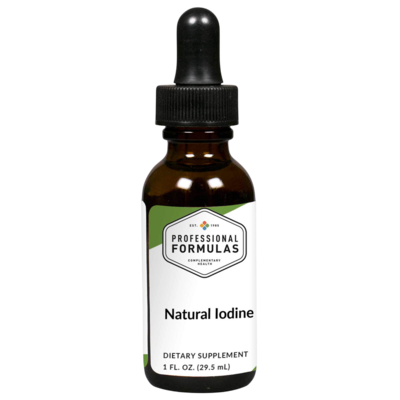 3 more items in Postpartum and Lactation Support
The postpartum period is a time of healing, recovery, and bonding with your newborn. As a midwife, I understand how vital it is to support your body during this transition, especially when nourishing yourself while breastfeeding. This supplement plan is thoughtfully curated to help replenish the nutrients lost during childbirth, support milk production, and promote overall well-being. I aim to provide the tools you need to feel strong and balanced as you care for your baby, ensuring you and your little one thrive during this time. ** Most of these supplements are OK to take independently, and you're welcome to pick and choose which (if any) of these you would prefer to take. However, if you choose to take supplemental iodine, it is essential also to add supplemental selenium since these nutrients work together in the body.
Anemia Support
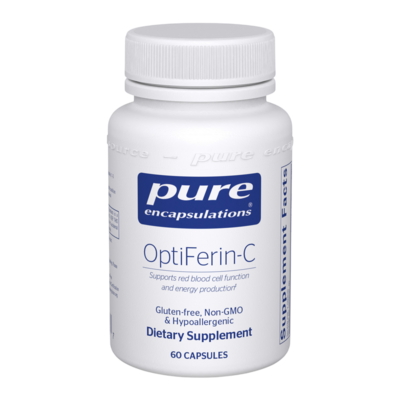

Anemia can leave you feeling fatigued and drained, making it harder to enjoy life to the fullest. It can also make pregnancy and birth more difficult and at higher risk. I’ve created this supplement plan to provide the key nutrients your body needs to restore healthy iron levels and support overall energy. This plan is tailored to gently and effectively replenish iron stores, improve red blood cell production, and enhance your body’s ability to absorb and utilize iron.
Pre-Eclampsia Prevention


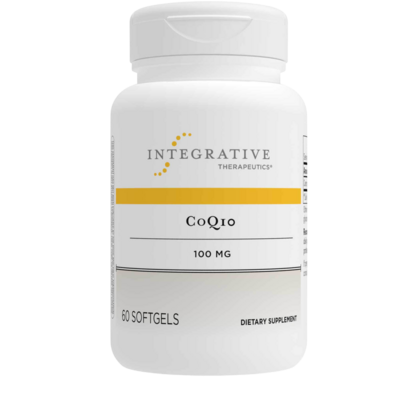

Proactive measures can often mitigate the recurrence of pre-eclampsia, and this plan's recommendations are designed to help reduce your risk based on current evidence and holistic approaches to care. 1. Baby Aspirin (81mg daily): Low-dose aspirin has been shown to reduce the risk of pre-eclampsia in high-risk individuals by improving placental blood flow and reducing inflammation. Research supports starting baby aspirin early in pregnancy for maximum benefit, as it helps regulate platelet function and supports vascular health. 2. Coenzyme Q10 (CoQ10): CoQ10 is a powerful antioxidant that protects cells from oxidative stress, which is believed to play a significant role in the development of pre-eclampsia. By improving mitochondrial function and reducing free radical damage, CoQ10 may help enhance placental and cardiovascular health during pregnancy. 3. Passionflower and Hawthorn for Blood Pressure Support: - Passionflower is a gentle herb that promotes relaxation and helps regulate stress-related blood pressure increases, which can contribute to pre-eclampsia. - Hawthorn is well-regarded for its cardiovascular benefits, including supporting heart function and improving blood vessel tone, which can help maintain stable blood pressure levels throughout pregnancy. 4. Magnesium: Magnesium is a vital mineral for pre-eclampsia prevention, as it plays a key role in maintaining healthy blood pressure, reducing inflammation, and supporting overall vascular health. It helps relax blood vessels, which can improve circulation and reduce the risk of hypertension. Additionally, magnesium has been shown to decrease oxidative stress, which is a contributing factor in pre-eclampsia development. Regular supplementation may also reduce muscle cramping and improve sleep, both of which can positively impact pregnancy wellness. Additional Considerations: This plan works best when paired with a nutrient-dense diet, regular physical activity (we can speak specifically about your needs), and adequate hydration. **NOTE** Not everyone needs EVERYTHING in this plan, and it's completely fine if you're not comfortable trying so many different things! This is meant as a guide or a starting place, not as an instruction list. If you have any questions about these recommendations or would like more information on how each supplement works, please don’t hesitate to contact me. I’m here to support you every step of the way and look forward to working together to ensure a healthy, safe pregnancy. Warm regards, Juliann Lee, PhD, DHM, CPM, LM
Shop the entire wellness catalog, held to a higher standard
Shop practitioner-grade products, each meeting the same bar for quality through Fullscript's standards.
Powered byVerified
Sourced straight from the brand — no resellers or fakes
Enhanced testing
Select products are tested in-house — get exactly what the label promises
Stored and shipped
From certified facilities, to protect product integrity