Public protocols
Barton Creek Chiropractic Dispensary's general recommendations, available to anyone who visits this store.
Better Sleep Supplement Protocol
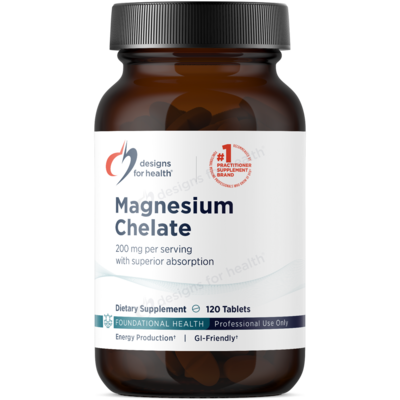
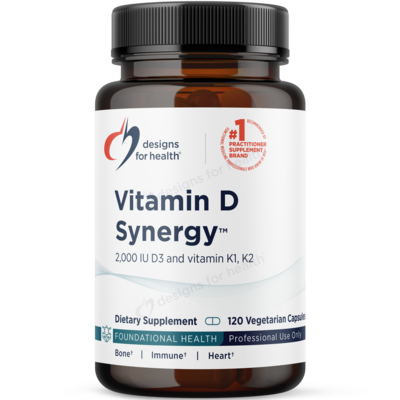
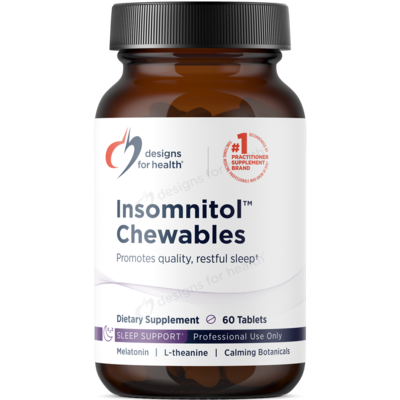 7 more items in Better Sleep Supplement Protocol
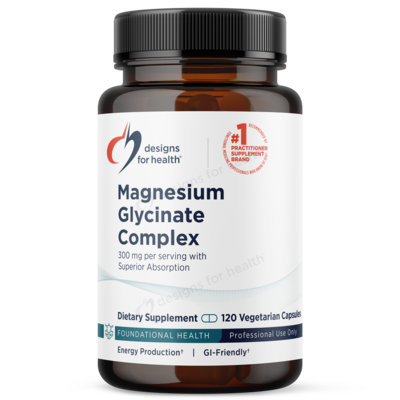
Please follow dose and timing instructions for each supplement. Sleep is a pillar of health, critical in supporting overall wellbeing. Disrupted sleep can affect concentration, focus, memory, and is associated with dysregulation of a number of aspects of physiology. Research has demonstrated the impact of disrupted or irregular sleep patterns on insulin sensitivity, blood glucose regulation, and weight as well as cardiovascular function. Sleep is essential for good health, yet it is reported that up to 30% of people experience difficulties with falling or staying asleep. ( 24 ) One study found the number of people suffering from various sleep disorders has also been on the rise. From the year 2013 to 2016, increases were seen in the prevalence of narcolepsy by 14%, idiopathic hypersomnia by 32%, periodic limb movement disorder by 30%, and rapid eye movement sleep behavior disorder by 64%. ( 2 ) Sleep disorders can occur as a secondary disease from other disorders or they can be considered the primary disease affecting a patient. A meta-analysis found that patients with anxiety, eating disorders, pervasive developmental, borderline, and antisocial disorders, and schizophrenia all experienced some sort of alteration to sleep. None of the conditions studied had similar polysomnographic profiles, suggesting each condition may have different underlying mechanisms. ( 6 ) Depending on the factors associated with disturbed sleep, a variety of therapies may be used. Interventions such as sedatives or anxiolytic pharmaceuticals are available; however, the American Academy of Sleep Medicine endorses the use of melatonin, light therapy, and behavioral interventions as the primary treatments. ( 4 ) Strategies to optimize sleep hygiene: • Integrating stress management techniques such as breath work and meditation • Avoiding blue light exposure in the evenings. Use blue light blocking glasses or screens • Taking a warm Epsom salt bath at night • Setting the bedroom to a cool, comfortable temperature • Using dark/blackout curtains to block external light sources • Writing down all worries/concerns and list of “to-dos” before bed to clear the mind • Avoid caffeine-containing products and stimulant-containing herbs especially after midday • Limit alcohol consumption minimum 2-3 hours before bed • Manage blood sugar levels by consuming recommended daily fiber intake, avoiding highly refined carbohydrates, and pairing protein and fat with meals as poor sleep has been demonstrated among individuals with a high carbohydrate intake7 • Reduce or avoid consumption of energy drinks and sugar-sweetened beverages The protocol presented below represents research findings to aid in achieving and maintaining good sleep. References (C) Abbasi, B., Kimiagar, M., Sadeghniiat, K., Shirazi, M. M., Hedayati, M., & Rashidkhani, B. (2012). The effect of magnesium supplementation on primary insomnia in elderly: A double-blind placebo-controlled clinical trial. Journal of Research in Medical Sciences: The Official Journal of Isfahan University of Medical Sciences , 17 (12), 1161–1169. https://pubmed.ncbi.nlm.nih.gov/23853635/ (D) Acquavella, J., Mehra, R., Bron, M., -H. Suomi, J. M., & Hess, G. P. (2020). Prevalence of narcolepsy and other sleep disorders and frequency of diagnostic tests from 2013–2016 in insured patients actively seeking care. Journal of Clinical Sleep Medicine: JCSM: Official Publication of the American Academy of Sleep Medicine . https://jcsm.aasm.org/doi/abs/10.5664/jcsm.8482 (C) Adib-Hajbaghery, M., & Mousavi, S. N. (2017). The effects of chamomile extract on sleep quality among elderly people: A clinical trial. Complementary Therapies in Medicine , 35 , 109–114. https://pubmed.ncbi.nlm.nih.gov/29154054/ (A) Auger, R. R., Burgess, H. J., Emens, J. S., Deriy, L. V., Thomas, S. M., & Sharkey, K. M. (2015). Clinical Practice Guideline for the Treatment of Intrinsic Circadian Rhythm Sleep-Wake Disorders: Advanced Sleep-Wake Phase Disorder (ASWPD), Delayed Sleep-Wake Phase Disorder (DSWPD), Non-24-Hour Sleep-Wake Rhythm Disorder (N24SWD), and Irregular Sleep-Wake Rhythm Disorder (ISWRD). An Update for 2015: An American Academy of Sleep Medicine Clinical Practice Guideline. Journal of Clinical Sleep Medicine: JCSM: Official Publication of the American Academy of Sleep Medicine , 11 (10), 1199–1236. https://pubmed.ncbi.nlm.nih.gov/26414986/ (A) Auld, F., Maschauer, E. L., Morrison, I., Skene, D. J., & Riha, R. L. (2017). Evidence for the efficacy of melatonin in the treatment of primary adult sleep disorders. Sleep Medicine Reviews , 34 , 10–22. https://pubmed.ncbi.nlm.nih.gov/28648359/ (A) Baglioni, C., Nanovska, S., Regen, W., Spiegelhalder, K., Feige, B., Nissen, C., Reynolds, C. F., & Riemann, D. (2016). Sleep and mental disorders: A meta-analysis of polysomnographic research. Psychological Bulletin , 142 (9), 969–990. https://pubmed.ncbi.nlm.nih.gov/27416139/ (A) Bent, S., Padula, A., Moore, D., Patterson, M., & Mehling, W. (2006). Valerian for sleep: a systematic review and meta-analysis. The American Journal of Medicine , 119 (12), 1005–1012. https://pubmed.ncbi.nlm.nih.gov/17145239/ (C) Chang, S.-M., & Chen, C.-H. (2016). Effects of an intervention with drinking chamomile tea on sleep quality and depression in sleep disturbed postnatal women: a randomized controlled trial. Journal of Advanced Nursing , 72 (2), 306–315. https://pubmed.ncbi.nlm.nih.gov/26483209/ (B) Chen, W. Y., Giobbie-Hurder, A., Gantman, K., Savoie, J., Scheib, R., Parker, L. M., & Schernhammer, E. S. (2014). A randomized, placebo-controlled trial of melatonin on breast cancer survivors: impact on sleep, mood, and hot flashes. Breast Cancer Research and Treatment , 145 (2), 381–388. https://pubmed.ncbi.nlm.nih.gov/24718775/ (C) Donath, F., Quispe, S., Diefenbach, K., Maurer, A., Fietze, I., & Roots, I. (2000). Critical evaluation of the effect of valerian extract on sleep structure and sleep quality. Pharmacopsychiatry , 33 (2), 47–53. https://pubmed.ncbi.nlm.nih.gov/10761819/ (A) Hieu, T. H., Dibas, M., Surya Dila, K. A., Sherif, N. A., Hashmi, M. U., Mahmoud, M., Trang, N. T. T., Abdullah, L., Nghia, T. L. B., Y, M. N., Hirayama, K., & Huy, N. T. (2019). Therapeutic efficacy and safety of chamomile for state anxiety, generalized anxiety disorder, insomnia, and sleep quality: A systematic review and meta-analysis of randomized trials and quasi-randomized trials. Phytotherapy Research: PTR , 33 (6), 1604–1615. https://pubmed.ncbi.nlm.nih.gov/31006899/ (B) Lemoine, P., Nir, T., Laudon, M., & Zisapel, N. (2007). Prolonged-release melatonin improves sleep quality and morning alertness in insomnia patients aged 55 years and older and has no withdrawal effects. Journal of Sleep Research , 16 (4), 372–380. https://pubmed.ncbi.nlm.nih.gov/18036082/ (C) Lewith, G. T., Godfrey, A. D., & Prescott, P. (2005). A single-blinded, randomized pilot study evaluating the aroma of Lavandula augustifolia as a treatment for mild insomnia. Journal of Alternative and Complementary Medicine , 11 (4), 631–637. https://pubmed.ncbi.nlm.nih.gov/16131287/ (A) Li, T., Jiang, S., Han, M., Yang, Z., Lv, J., Deng, C., Reiter, R. J., & Yang, Y. (2019). Exogenous melatonin as a treatment for secondary sleep disorders: A systematic review and meta-analysis. Frontiers in Neuroendocrinology , 52 , 22–28. https://pubmed.ncbi.nlm.nih.gov/29908879/ (A) Lillehei, A. S., & Halcon, L. L. (2014). A systematic review of the effect of inhaled essential oils on sleep. Journal of Alternative and Complementary Medicine , 20 (6), 441–451. https://pubmed.ncbi.nlm.nih.gov/24720812/ (C) Lillehei, A. S., Halcón, L. L., Savik, K., & Reis, R. (2015). Effect of Inhaled Lavender and Sleep Hygiene on Self-Reported Sleep Issues: A Randomized Controlled Trial. Journal of Alternative and Complementary Medicine , 21 (7), 430–438. https://pubmed.ncbi.nlm.nih.gov/26133206/ (C) Lytle, J., Mwatha, C., & Davis, K. K. (2014). Effect of lavender aromatherapy on vital signs and perceived quality of sleep in the intermediate care unit: a pilot study. American Journal of Critical Care: An Official Publication, American Association of Critical-Care Nurses , 23 (1), 24–29. https://pubmed.ncbi.nlm.nih.gov/24382614/ (C) Nielsen, F. H., Johnson, L. K., & Zeng, H. (2010). Magnesium supplementation improves indicators of low magnesium status and inflammatory stress in adults older than 51 years with poor quality sleep. Magnesium Research: Official Organ of the International Society for the Development of Research on Magnesium , 23 (4), 158–168. https://pubmed.ncbi.nlm.nih.gov/21199787/ (C) Poyares, D. R., Guilleminault, C., Ohayon, M. M., & Tufik, S. (2002). Can valerian improve the sleep of insomniacs after benzodiazepine withdrawal? Progress in Neuro-Psychopharmacology & Biological Psychiatry , 26 (3), 539–545. https://pubmed.ncbi.nlm.nih.gov/11999905/ (C) Scheer, F. A. J. L., Morris, C. J., Garcia, J. I., Smales, C., Kelly, E. E., Marks, J., Malhotra, A., & Shea, S. A. (2012). Repeated melatonin supplementation improves sleep in hypertensive patients treated with beta-blockers: a randomized controlled trial. Sleep , 35 (10), 1395–1402. https://pubmed.ncbi.nlm.nih.gov/23024438/ (B) Seifritz, E., Schläfke, S., & Holsboer-Trachsler, E. (2019). Beneficial effects of Silexan on sleep are mediated by its anxiolytic effect. Journal of Psychiatric Research , 115 , 69–74. https://pubmed.ncbi.nlm.nih.gov/31121394/ (B) Sletten, T. L., Magee, M., Murray, J. M., Gordon, C. J., Lovato, N., Kennaway, D. J., Gwini, S. M., Bartlett, D. J., Lockley, S. W., Lack, L. C., Grunstein, R. R., Rajaratnam, S. M. W., & Delayed Sleep on Melatonin (DelSoM) Study Group. (2018). Efficacy of melatonin with behavioural sleep-wake scheduling for delayed sleep-wake phase disorder: A double-blind, randomised clinical trial. PLoS Medicine , 15 (6), e1002587. https://pubmed.ncbi.nlm.nih.gov/29912983/ (B) Taavoni, S., Ekbatani, N., Kashaniyan, M., & Haghani, H. (2011). Effect of valerian on sleep quality in postmenopausal women: a randomized placebo-controlled clinical trial. Menopause , 18 (9), 951–955. https://pubmed.ncbi.nlm.nih.gov/21775910/ (D) Yazdi, Z., Sadeghniiat-Haghighi, K., Loukzadeh, Z., Elmizadeh, K., & Abbasi, M. (2014). Prevalence of Sleep Disorders and Their Impacts on Occupational Performance: A Comparison between Shift Workers and Nonshift Workers. Sleep Disorders , 2014 , 870320. https://pubmed.ncbi.nlm.nih.gov/24977041/
Better Sleep Now
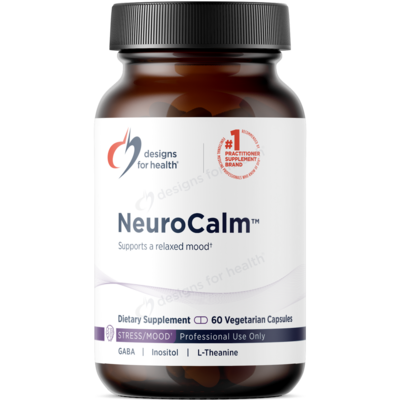 4 more items in Better Sleep Now
Sleep is a pillar of health, critical in supporting overall wellbeing. Disrupted sleep can affect concentration, focus, memory, and is associated with dysregulation of a number of aspects of physiology. Research has demonstrated the impact of disrupted or irregular sleep patterns on insulin sensitivity, blood glucose regulation, and weight as well as cardiovascular function. Sleep is essential for good health, yet it is reported that up to 30% of people experience difficulties with falling or staying asleep. ( 24 ) One study found the number of people suffering from various sleep disorders has also been on the rise. From the year 2013 to 2016, increases were seen in the prevalence of narcolepsy by 14%, idiopathic hypersomnia by 32%, periodic limb movement disorder by 30%, and rapid eye movement sleep behavior disorder by 64%. ( 2 ) Sleep disorders can occur as a secondary disease from other disorders or they can be considered the primary disease affecting a patient. A meta-analysis found that patients with anxiety, eating disorders, pervasive developmental, borderline, and antisocial disorders, and schizophrenia all experienced some sort of alteration to sleep. None of the conditions studied had similar polysomnographic profiles, suggesting each condition may have different underlying mechanisms. ( 6 ) Depending on the factors associated with disturbed sleep, a variety of therapies may be used. Interventions such as sedatives or anxiolytic pharmaceuticals are available; however, the American Academy of Sleep Medicine endorses the use of melatonin, light therapy, and behavioral interventions as the primary treatments. ( 4 ) Strategies to optimize sleep hygiene: • Integrating stress management techniques such as breath work and meditation • Avoiding blue light exposure in the evenings. Use blue light blocking glasses or screens • Taking a warm Epsom salt bath at night • Setting the bedroom to a cool, comfortable temperature • Using dark/blackout curtains to block external light sources • Writing down all worries/concerns and list of “to-dos” before bed to clear the mind • Avoid caffeine-containing products and stimulant-containing herbs especially after midday • Limit alcohol consumption minimum 2-3 hours before bed • Manage blood sugar levels by consuming recommended daily fiber intake, avoiding highly refined carbohydrates, and pairing protein and fat with meals as poor sleep has been demonstrated among individuals with a high carbohydrate intake7 • Reduce or avoid consumption of energy drinks and sugar-sweetened beverages The protocol presented below represents research findings to aid in achieving and maintaining good sleep. References (C) Abbasi, B., Kimiagar, M., Sadeghniiat, K., Shirazi, M. M., Hedayati, M., & Rashidkhani, B. (2012). The effect of magnesium supplementation on primary insomnia in elderly: A double-blind placebo-controlled clinical trial. Journal of Research in Medical Sciences: The Official Journal of Isfahan University of Medical Sciences , 17 (12), 1161–1169. https://pubmed.ncbi.nlm.nih.gov/23853635/ (D) Acquavella, J., Mehra, R., Bron, M., -H. Suomi, J. M., & Hess, G. P. (2020). Prevalence of narcolepsy and other sleep disorders and frequency of diagnostic tests from 2013–2016 in insured patients actively seeking care. Journal of Clinical Sleep Medicine: JCSM: Official Publication of the American Academy of Sleep Medicine . https://jcsm.aasm.org/doi/abs/10.5664/jcsm.8482 (C) Adib-Hajbaghery, M., & Mousavi, S. N. (2017). The effects of chamomile extract on sleep quality among elderly people: A clinical trial. Complementary Therapies in Medicine , 35 , 109–114. https://pubmed.ncbi.nlm.nih.gov/29154054/ (A) Auger, R. R., Burgess, H. J., Emens, J. S., Deriy, L. V., Thomas, S. M., & Sharkey, K. M. (2015). Clinical Practice Guideline for the Treatment of Intrinsic Circadian Rhythm Sleep-Wake Disorders: Advanced Sleep-Wake Phase Disorder (ASWPD), Delayed Sleep-Wake Phase Disorder (DSWPD), Non-24-Hour Sleep-Wake Rhythm Disorder (N24SWD), and Irregular Sleep-Wake Rhythm Disorder (ISWRD). An Update for 2015: An American Academy of Sleep Medicine Clinical Practice Guideline. Journal of Clinical Sleep Medicine: JCSM: Official Publication of the American Academy of Sleep Medicine , 11 (10), 1199–1236. https://pubmed.ncbi.nlm.nih.gov/26414986/ (A) Auld, F., Maschauer, E. L., Morrison, I., Skene, D. J., & Riha, R. L. (2017). Evidence for the efficacy of melatonin in the treatment of primary adult sleep disorders. Sleep Medicine Reviews , 34 , 10–22. https://pubmed.ncbi.nlm.nih.gov/28648359/ (A) Baglioni, C., Nanovska, S., Regen, W., Spiegelhalder, K., Feige, B., Nissen, C., Reynolds, C. F., & Riemann, D. (2016). Sleep and mental disorders: A meta-analysis of polysomnographic research. Psychological Bulletin , 142 (9), 969–990. https://pubmed.ncbi.nlm.nih.gov/27416139/ (A) Bent, S., Padula, A., Moore, D., Patterson, M., & Mehling, W. (2006). Valerian for sleep: a systematic review and meta-analysis. The American Journal of Medicine , 119 (12), 1005–1012. https://pubmed.ncbi.nlm.nih.gov/17145239/ (C) Chang, S.-M., & Chen, C.-H. (2016). Effects of an intervention with drinking chamomile tea on sleep quality and depression in sleep disturbed postnatal women: a randomized controlled trial. Journal of Advanced Nursing , 72 (2), 306–315. https://pubmed.ncbi.nlm.nih.gov/26483209/ (B) Chen, W. Y., Giobbie-Hurder, A., Gantman, K., Savoie, J., Scheib, R., Parker, L. M., & Schernhammer, E. S. (2014). A randomized, placebo-controlled trial of melatonin on breast cancer survivors: impact on sleep, mood, and hot flashes. Breast Cancer Research and Treatment , 145 (2), 381–388. https://pubmed.ncbi.nlm.nih.gov/24718775/ (C) Donath, F., Quispe, S., Diefenbach, K., Maurer, A., Fietze, I., & Roots, I. (2000). Critical evaluation of the effect of valerian extract on sleep structure and sleep quality. Pharmacopsychiatry , 33 (2), 47–53. https://pubmed.ncbi.nlm.nih.gov/10761819/ (A) Hieu, T. H., Dibas, M., Surya Dila, K. A., Sherif, N. A., Hashmi, M. U., Mahmoud, M., Trang, N. T. T., Abdullah, L., Nghia, T. L. B., Y, M. N., Hirayama, K., & Huy, N. T. (2019). Therapeutic efficacy and safety of chamomile for state anxiety, generalized anxiety disorder, insomnia, and sleep quality: A systematic review and meta-analysis of randomized trials and quasi-randomized trials. Phytotherapy Research: PTR , 33 (6), 1604–1615. https://pubmed.ncbi.nlm.nih.gov/31006899/ (B) Lemoine, P., Nir, T., Laudon, M., & Zisapel, N. (2007). Prolonged-release melatonin improves sleep quality and morning alertness in insomnia patients aged 55 years and older and has no withdrawal effects. Journal of Sleep Research , 16 (4), 372–380. https://pubmed.ncbi.nlm.nih.gov/18036082/ (C) Lewith, G. T., Godfrey, A. D., & Prescott, P. (2005). A single-blinded, randomized pilot study evaluating the aroma of Lavandula augustifolia as a treatment for mild insomnia. Journal of Alternative and Complementary Medicine , 11 (4), 631–637. https://pubmed.ncbi.nlm.nih.gov/16131287/ (A) Li, T., Jiang, S., Han, M., Yang, Z., Lv, J., Deng, C., Reiter, R. J., & Yang, Y. (2019). Exogenous melatonin as a treatment for secondary sleep disorders: A systematic review and meta-analysis. Frontiers in Neuroendocrinology , 52 , 22–28. https://pubmed.ncbi.nlm.nih.gov/29908879/ (A) Lillehei, A. S., & Halcon, L. L. (2014). A systematic review of the effect of inhaled essential oils on sleep. Journal of Alternative and Complementary Medicine , 20 (6), 441–451. https://pubmed.ncbi.nlm.nih.gov/24720812/ (C) Lillehei, A. S., Halcón, L. L., Savik, K., & Reis, R. (2015). Effect of Inhaled Lavender and Sleep Hygiene on Self-Reported Sleep Issues: A Randomized Controlled Trial. Journal of Alternative and Complementary Medicine , 21 (7), 430–438. https://pubmed.ncbi.nlm.nih.gov/26133206/ (C) Lytle, J., Mwatha, C., & Davis, K. K. (2014). Effect of lavender aromatherapy on vital signs and perceived quality of sleep in the intermediate care unit: a pilot study. American Journal of Critical Care: An Official Publication, American Association of Critical-Care Nurses , 23 (1), 24–29. https://pubmed.ncbi.nlm.nih.gov/24382614/ (C) Nielsen, F. H., Johnson, L. K., & Zeng, H. (2010). Magnesium supplementation improves indicators of low magnesium status and inflammatory stress in adults older than 51 years with poor quality sleep. Magnesium Research: Official Organ of the International Society for the Development of Research on Magnesium , 23 (4), 158–168. https://pubmed.ncbi.nlm.nih.gov/21199787/ (C) Poyares, D. R., Guilleminault, C., Ohayon, M. M., & Tufik, S. (2002). Can valerian improve the sleep of insomniacs after benzodiazepine withdrawal? Progress in Neuro-Psychopharmacology & Biological Psychiatry , 26 (3), 539–545. https://pubmed.ncbi.nlm.nih.gov/11999905/ (C) Scheer, F. A. J. L., Morris, C. J., Garcia, J. I., Smales, C., Kelly, E. E., Marks, J., Malhotra, A., & Shea, S. A. (2012). Repeated melatonin supplementation improves sleep in hypertensive patients treated with beta-blockers: a randomized controlled trial. Sleep , 35 (10), 1395–1402. https://pubmed.ncbi.nlm.nih.gov/23024438/ (B) Seifritz, E., Schläfke, S., & Holsboer-Trachsler, E. (2019). Beneficial effects of Silexan on sleep are mediated by its anxiolytic effect. Journal of Psychiatric Research , 115 , 69–74. https://pubmed.ncbi.nlm.nih.gov/31121394/ (B) Sletten, T. L., Magee, M., Murray, J. M., Gordon, C. J., Lovato, N., Kennaway, D. J., Gwini, S. M., Bartlett, D. J., Lockley, S. W., Lack, L. C., Grunstein, R. R., Rajaratnam, S. M. W., & Delayed Sleep on Melatonin (DelSoM) Study Group. (2018). Efficacy of melatonin with behavioural sleep-wake scheduling for delayed sleep-wake phase disorder: A double-blind, randomised clinical trial. PLoS Medicine , 15 (6), e1002587. https://pubmed.ncbi.nlm.nih.gov/29912983/ (B) Taavoni, S., Ekbatani, N., Kashaniyan, M., & Haghani, H. (2011). Effect of valerian on sleep quality in postmenopausal women: a randomized placebo-controlled clinical trial. Menopause , 18 (9), 951–955. https://pubmed.ncbi.nlm.nih.gov/21775910/ (D) Yazdi, Z., Sadeghniiat-Haghighi, K., Loukzadeh, Z., Elmizadeh, K., & Abbasi, M. (2014). Prevalence of Sleep Disorders and Their Impacts on Occupational Performance: A Comparison between Shift Workers and Nonshift Workers. Sleep Disorders , 2014 , 870320. https://pubmed.ncbi.nlm.nih.gov/24977041/
Shop the entire wellness catalog, held to a higher standard
Shop practitioner-grade products, each meeting the same bar for quality through Fullscript's standards.
Powered byVerified
Sourced straight from the brand — no resellers or fakes
Enhanced testing
Select products are tested in-house — get exactly what the label promises
Stored and shipped
From certified facilities, to protect product integrity