Hashimoto’s & Autoimmune Thyroid Support Protocol
Products
Sign up for exclusive store pricing
Dosage instructions
- Dosage amount:
4.00 Capsules
morning
Ongoing
Additional notes
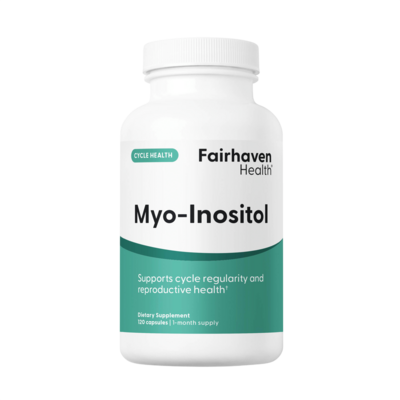
"While widely recognized for metabolic balance, Myo-Inositol is a vital, research-backed nutrient for Hashimoto’s because it acts as an essential "second messenger" inside thyroid cells, allowing them to properly receive and process signals from Thyroid Stimulating Hormone (TSH). In autoimmune thyroiditis, impaired cellular signaling causes TSH to rise and places chronic stress on the gland; Myo-Inositol restores receptor sensitivity, which helps normalize TSH levels and—especially when paired with selenium—significantly reduces circulating TPO and Thyroglobulin antibodies while soothing glandular inflammation. For optimal results, take your prescribed capsule dose (typically 600 mg to 2,000 mg daily, depending on the strength per capsule) with a full glass of water alongside a meal such as breakfast or lunch. If your dose requires multiple capsules, you may take them together with a single meal or split them between morning and midday. To ensure maximum benefit, always take your Myo-Inositol capsules at least 1 to 2 hours away from your morning prescription thyroid medication (such as Levothyroxine, Synthroid, NP Thyroid, or Armour) to prevent any interference with thyroid hormone absorption."
Dosage instructions
- Dosage amount:
1.00 Softgel
once per day
Take with food
Ongoing
Additional notes
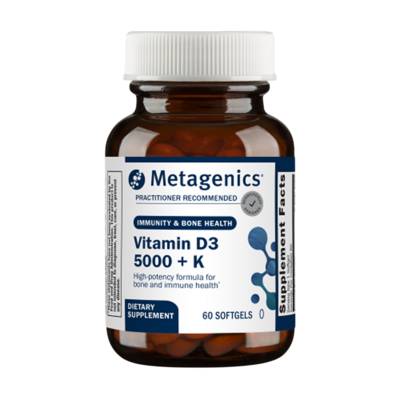
"Vitamin D3 functions as a master immune-modulating hormone rather than a simple vitamin, making it a cornerstone therapy for Hashimoto’s. Severe or borderline Vitamin D deficiency is overwhelmingly common in autoimmune thyroiditis and is directly correlated with higher thyroid antibody levels (TPO and TG) and increased glandular damage. Vitamin D calms the autoimmune response by boosting T-regulatory (Treg) cells—the immune system’s peacekeepers—which switch off the aggressive inflammatory attack against your thyroid tissue. Pairing Vitamin D3 with Vitamin K2 (as MK-7) is essential for safety and efficacy: while D3 increases your body’s absorption of calcium, K2 acts as the traffic controller, activating proteins that guide calcium directly into your bones and teeth rather than allowing it to deposit inappropriately in your arteries or soft tissues. For optimal results, take your prescribed dose (typically 5,000 IU of D3 combined with 100 to 180 mcg of K2 daily, adjusted to maintain a target blood level of 50 to 70 ng/mL) in the morning or with lunch. Because both D3 and K2 are fat-soluble, you must take them alongside a meal containing healthy fats—such as eggs, avocado, olive oil, or yogurt—to ensure maximum absorption. Avoid taking Vitamin D late in the evening, as it can naturally suppress melatonin production and disrupt your sleep cycle. Lastly, always keep your Vitamin D3/K2 dose at least 1 to 2 hours away from your morning prescription thyroid medication (like Levothyroxine, Synthroid, NP Thyroid, or Armour) to protect proper hormone absorption."
Dosage instructions
- Dosage amount:
2.00 Softgels
once per day
Take with food
Ongoing
Additional notes
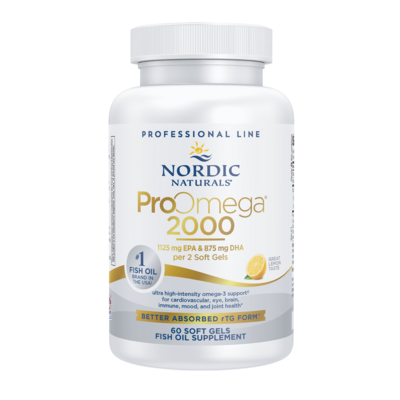
"High-Potency Omega-3 Fish Oil (ProOmega) is a foundational tool for managing Hashimoto’s because it aggressively targets the systemic inflammation driving the autoimmune response. The active essential fatty acids in this formula—EPA and DHA—act as powerful natural immunomodulators, calming overactive immune cells and reducing the inflammatory cytokines that fuel the attack on your thyroid gland. Beyond protecting the thyroid tissue itself, Omega-3s physically incorporate into the outer membrane of every cell in your body, improving "membrane fluidity." This is critical for thyroid patients because a fluid, healthy cell membrane ensures that your cellular receptors remain highly sensitive and receptive to active T3 hormone, which helps quickly resolve lingering symptoms like fatigue, cold intolerance, and brain fog. How to Take It: For optimal results, take your prescribed dose (typically 2 softgels daily, providing a high, therapeutic yield of EPA and DHA) with a full meal, such as lunch or dinner. Taking fish oil on an empty stomach can lead to poor absorption and unpleasant "fish burps," whereas pairing it with food ensures the healthy fats are properly digested and utilized by your body. While Omega-3s do not bind to thyroid medications as aggressively as minerals like zinc or iron do, it is still a best clinical practice to take your softgels at least 1 to 2 hours away from your morning prescription thyroid medication (such as Levothyroxine, Synthroid, NP Thyroid, or Armour) to guarantee your medication has a perfectly clear pathway for absorption."
Sign up for exclusive store pricing
Dosage instructions
- Dosage amount:
3.00 Capsules
once per day
Additional notes
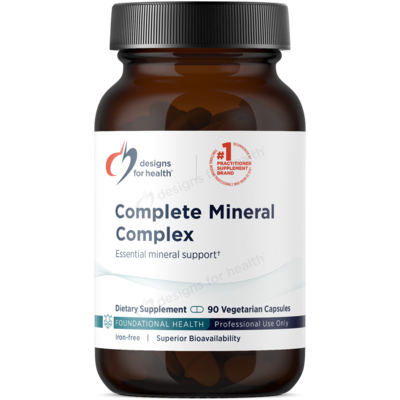
"with food."
Lifestyle recommendations
Nutrition
When healing from Hashimoto’s, the food you eat acts as a direct line of communication to your immune system. Your main goal is to remove the specific dietary triggers that confuse your immune cells and fuel the inflammatory attack on your thyroid. The most critical step you can take is adopting a 100% strict gluten-free diet. The protein in gluten looks nearly identical to your thyroid tissue, and eating it causes your immune system to mistakenly attack your own gland. Conventional cow’s dairy often causes a similar cross-reaction and should also be eliminated. Additionally, because spikes in blood sugar create a stress hormone response that blocks your body from making active, energizing thyroid hormone, you should focus on stabilizing your meals with a strong base of protein, healthy fats, and fiber. Finally, while vegetables like broccoli, cauliflower, and kale are wonderful for you, be sure to always cook, steam, or roast them, as eating them raw in large amounts can block your thyroid from absorbing the nutrients it needs to function properly. By making these targeted changes, you remove the stress on your gut and give your immune system the environment it needs to finally calm down and heal.
Movement
When you have Hashimoto’s, it is incredibly common to feel frustrated by stubborn weight and profound fatigue, leading many people to push themselves through grueling, high-intensity workouts to try and force a change. Unfortunately, intense cardio and breathless bootcamp classes spike your stress hormone, cortisol. High cortisol actually works against you by blocking your body’s ability to convert thyroid hormone into its active form, effectively slamming the brakes on your metabolism and flaring your immune system. To support your thyroid, you must shift your focus to "exercising smarter, not harder." Prioritize daily leisurely walking to move sluggish lymphatic fluid and reduce puffiness, alongside moderate strength training 2 to 3 times a week to build lean muscle, which acts as a metabolic engine for your thyroid hormones. Incorporating gentle, restorative practices like yoga or Pilates will help calm your nervous system and lower inflammation. If your workout leaves you exhausted and needing a nap rather than feeling energized, it is a sign to scale back and let your body heal.
Sleep
When you are battling Hashimoto’s, sleep is the ultimate medicine for your immune system. Deep, uninterrupted sleep is the specific time when your body clears out inflammation and produces the specialized immune cells needed to stop the autoimmune attack on your thyroid gland. Missing out on sleep—especially the critical "repair window" between 10:00 PM and 2:00 AM—drives up stress hormones the next day, which blocks your body from making the active thyroid hormone you need for energy and metabolism. To support deep healing, aim to be in bed by 10:00 PM in a cool, dark room. If you struggle with waking up feeling wired at 2:00 or 3:00 in the morning, this is often a sign of a nighttime blood sugar crash; try having a small spoonful of almond butter or a handful of walnuts right before bed to keep your blood sugar anchored. Finally, if cold feet are keeping you awake—a very common symptom of a sluggish thyroid—wear warm socks to bed or take a warm bath beforehand to help your body naturally power down. Guarding your sleep is one of the most powerful steps you can take to calm your immune system and restore your daily vitality.
Stress Management
In the presence of chronic stress, your body will always prioritize survival over a fast metabolism. When you are constantly overwhelmed, rushing, or running on caffeine, your adrenal glands flood your system with cortisol. This stress hormone acts as a massive emergency brake on your thyroid—it stops your body from making active, energizing T3 hormone and instead creates an inactive hormone called Reverse T3, which actively slows down your metabolism and leaves you feeling exhausted. Furthermore, chronic stress keeps your immune system highly reactive, driving up the antibodies that damage your thyroid tissue. Healing from Hashimoto’s requires actively telling your body that it is safe. Practice the "70% Rule" by resting before you hit total exhaustion, take 3 to 5 deep belly breaths before every meal to support your digestion, and build 10 minutes of intentional quiet rest into your afternoon. By taking these small steps to calm your nervous system, you remove the metabolic brake and give your immune system permission to stand down, stop the autoimmune attack, and heal.
Shop the entire wellness catalog, held to a higher standard
Shop practitioner-grade products, each meeting the same bar for quality through Fullscript's standards.
Powered byVerified
Sourced straight from the brand — no resellers or fakes
Enhanced testing
Select products are tested in-house — get exactly what the label promises
Stored and shipped
From certified facilities, to protect product integrity