Insulin Resistance
Products

Sign up for exclusive store pricing
Dosage instructions
- Dosage amount:
1.00 Teaspoon (tsp)
once per day
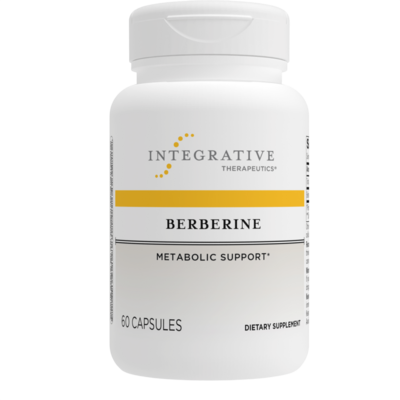
Dosage instructions
- Dosage amount:
1.00 Capsule
twice per day
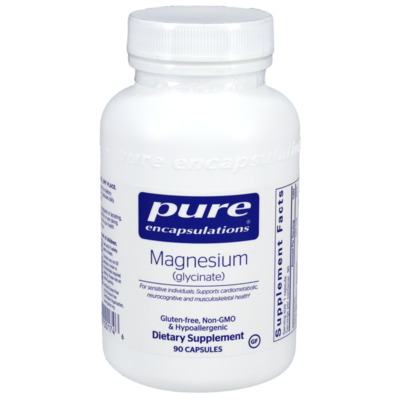
Dosage instructions
- Dosage amount:
1.00 Capsule
once per day
Additional notes
"in divided doses, with meals."
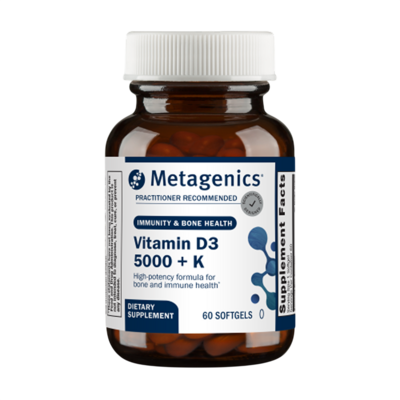
Dosage instructions
- Dosage amount:
1.00 Softgel
once per day
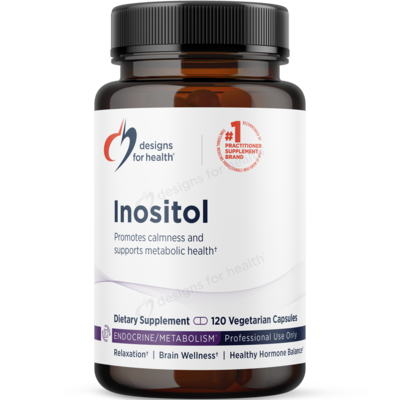
Dosage instructions
- Dosage amount:
1.00 Capsule
once per day
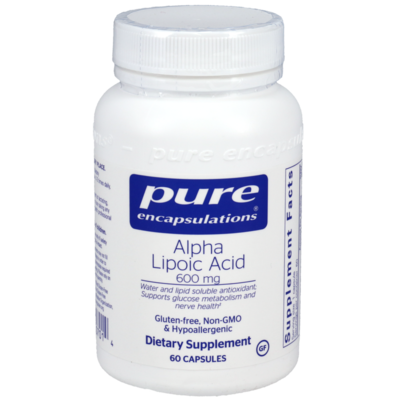
Dosage instructions
- Dosage amount:
1.00 Capsule
once per day
Additional notes
"in divided doses, with meals"

Dosage instructions
- Dosage amount:
1.00 Capsule
twice per day

Dosage instructions
- Dosage amount:
1.00 Tablet
twice per day

Dosage instructions
- Dosage amount:
2.00 Capsules
once per day
Lifestyle recommendations
Nutrition
Nutrition: insulin-centric, not dogmatic
I differentiate between:
- “Overfueled, under-muscled, inflamed” (most IR) vs
- “Lean, high stress, dysregulated cortisol, maybe reactive hypoglycemia” (different handling of carbs)
Baseline nutrition principles (for 90% of IR cases)
Macro structure per meal:
- Protein: 1.6–2.0 g/kg ideal body weight per day; 25–40 g per meal
- Carbs: front-loaded earlier in the day; 15–30 g net per meal to start for most; mostly from whole-food sources
- Fat: fill the remainder with mono- and saturated fats from whole foods, avoid industrial seed oils
Food rules that move the needle:
- No naked carbs.
Always pair carbs with protein + fiber + fat. - Early time-restricted eating (if adrenals tolerate it):
- 10–12 hr eating window to start
- Prefer 8 am–6 pm over skipping breakfast and eating late
- Prioritize protein at breakfast:
- 30–40 g protein, minimal sugar, modest carbs
- Example: 3 eggs + 100 g smoked salmon + sautéed greens in olive oil
- Carb sourcing and cutoffs:
- Prefer: root veg, whole fruit (2 servings/day), lentils/beans (if tolerated), quinoa, buckwheat, well-cooked oats (if non-celiac)
- Reduce drastically: liquid sugar, fruit juice, sweetened coffee/tea, refined grains, most ultra-processed snacks
- For moderate-to-high IR or NAFLD: start around 50–80 g net carbs/day for 4–8 weeks, then increase based on response
- Fats:
- Include: extra virgin olive oil, avocado, pasture-raised eggs, grass-fed meats, fatty fish, nuts/seeds (watch portions), full-fat fermented dairy (if tolerated)
- Minimize: soybean, corn, canola, cottonseed, “vegetable oil” blends, repeated deep-frying
- Fiber & polyphenols:
- Aim: ≥30–40 g/day fiber
- Ground flax/chia, psyllium, lots of non-starchy veg, berries
- Polyphenol-rich: green tea, coffee (without sugar), cocoa, berries, olives, herbs/spices (cinnamon, turmeric, rosemary, oregano)
Example day (for a typical overweight IR client):
- Breakfast:
- Omelet with 3 eggs, spinach, mushrooms, feta in olive oil
- ½ avocado
- Green tea or black coffee
- Lunch:
- 150–200 g grilled chicken or salmon
- Large mixed salad (olive oil + vinegar), olives
- ½–1 cup cooked lentils or chickpeas (depending on carb tolerance)
- Snack (usually optional):
- 20–30 g nuts or a protein shake with unsweetened almond milk + fiber
- Dinner:
- 150–200 g meat/fish
- 1–2 cups non-starchy veg with butter/ghee/olive oil
- Small serving (½–1 cup) starchy veg (sweet potato, winter squash) depending on glucose response
For lean, stressed, “wired-tired” IR or reactive hypoglycemia
- Don’t be too aggressive with carb restriction initially
- Use balanced meals with 25–30 g protein + 20–30 g low-glycemic carbs + 10–20 g fat
- Avoid long fasting windows early; prioritize circadian rhythm first, then consider gentle compression of eating window.
Movement
Movement & body composition
Insulin resistance is fundamentally a muscle and liver issue.
Non-negotiables:
- Resistance training:
- 3x/week, 30–45 minutes
- Focus on big patterns: squat, hinge (deadlift/hip thrust), push, pull, loaded carry
- Goal: progressive overload; even bodyweight + bands will work at first
- Postprandial walking:
- 10–15 min walk after main meals (especially largest carb load)
- This alone can drop postprandial glucose 20–30 points in many people
- Daily movement target:
- 7,000–10,000 steps/day as a minimum effective dose
- For advanced / plateaus:
- 1–2 sessions/week of higher-intensity intervals (e.g., 6–10 × 30–60 sec fast with full recovery).
- Use cautiously in those with high cortisol/overtraining.
- Resistance training:
Sleep
Sleep & circadian rhythm
One bad night of sleep can create temporary insulin resistance.
Core practices:
- 7.5–9 hours in bed, consistent wake time
- Morning light exposure within 30–60 min of waking, 10–20 min outside
- Block blue light 2–3 hours before bed (or use warm/red lighting)
- Cool, dark, quiet bedroom
- No late heavy meals; finish dinner at least 3 hours before bed
If sleep apnea is suspected (snoring, daytime sleepiness, large neck, refractory IR), push for assessment—treating apnea is a massive IR lever.
Stress Management
Stress & autonomic balance
Chronic sympathetic overdrive worsens hepatic gluconeogenesis and IR.
Minimal effective interventions:
- 10–20 minutes/day of parasympathetic work:
- Slow breathing (e.g., 4–6 breaths/min)
- Yoga nidra, meditation, tai chi, qigong
- Even a daily nature walk without phone
- Track subjective “stress load” and correlate with CGM/ SMBG if using it.
- 10–20 minutes/day of parasympathetic work:
Shop the entire wellness catalog, held to a higher standard
Shop practitioner-grade products, each meeting the same bar for quality through Fullscript's standards.
Powered byVerified
Sourced straight from the brand — no resellers or fakes
Enhanced testing
Select products are tested in-house — get exactly what the label promises
Stored and shipped
From certified facilities, to protect product integrity