Public protocols
Oviedo DPC's general recommendations, available to anyone who visits this store.
GLP-1 Support
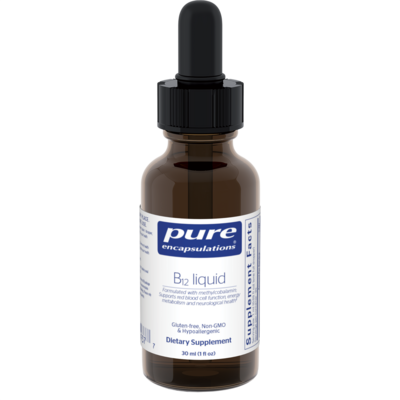
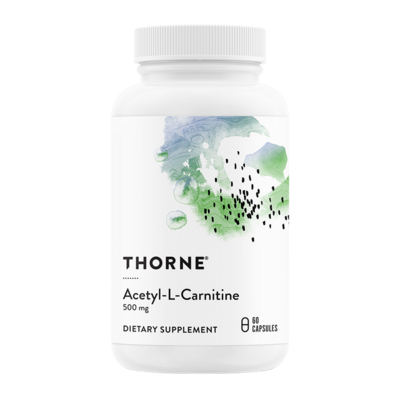
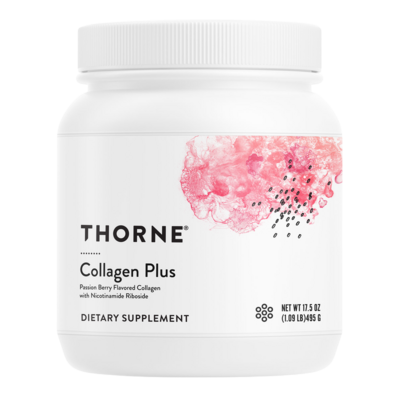 7 more items in GLP-1 Support
Here’s your daily supplement plan, along with best timing and food recommendations: Morning (Energy, Hydration & Gut Support) – With or Without Food 1. B12 – Sublingual or injection on an empty stomach for best absorption. 2. Electrolytes – Mix with water first thing in the morning to rehydrate. 3. Prebiotics – Take before breakfast to help feed beneficial gut bacteria. 4. Multivitamin – Take with breakfast (especially if it contains fat-soluble vitamins A, D, E, K). 5. CoQ10 (if taking it) – With a meal containing fat for better absorption. Mid-Morning (Muscle & Metabolism Support) – With or Without Food 6. Creatine – Mix with water or your favorite beverage. Can be taken anytime but best around workouts. 7. Amino Acids (EAAs/BCAAs) – Take on an empty stomach or before a workout. Lunchtime (Digestive & Metabolic Support) – With Food 8. Probiotics – Best taken before or with a meal to enhance gut colonization. 9. Berberine (if taking it) – Take with meals to support blood sugar regulation. 10. Digestive Enzymes (if needed) – Take right before eating for better digestion. Afternoon (Inflammation, Recovery & Muscle Health) – With Food 11. Omega-3 (Fish Oil) – Take with a meal containing fat for better absorption. 12. Collagen Peptides – Mix into coffee, tea, or a smoothie anytime. Evening (Detox, Recovery & Gut Support) – With or Without Food 13. NAC (if taking it) – Supports liver detox; take in the evening. 14. Postbiotics – Helps gut health and immune function; take with or after dinner. 15. Magnesium (if not included in electrolytes) – Helps with relaxation and sleep. Optional Adjustments • If working out in the morning, take creatine + aminos pre-workout for muscle support. • If working out in the evening, take creatine + aminos post-workout to support recovery. • If you take tirzepatide or semaglutide in the morning and feel nauseous, delay supplements until later in the day when nausea subsides. This plan ensures optimal absorption, minimizes digestive discomfort, and aligns with your goals.
Weight loss support
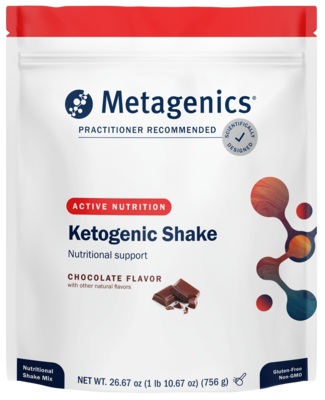
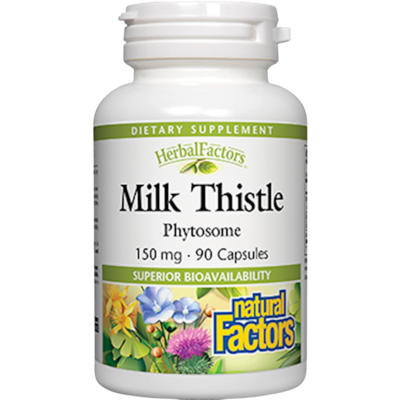
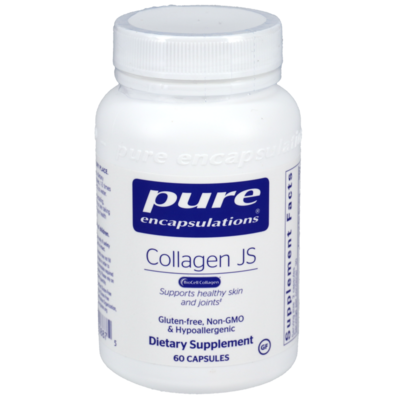 8 more items in Weight loss support
This protocol will help support metabolism, preserve muscle, and help skin maintain its elasticity as you lose weight!
Reflux (GERD) Support
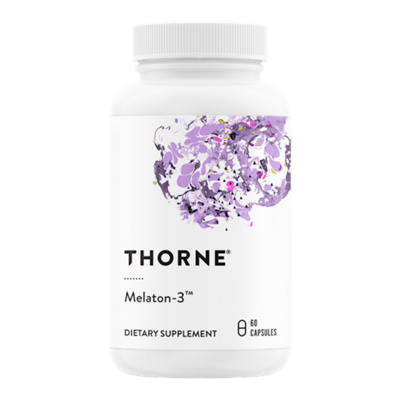
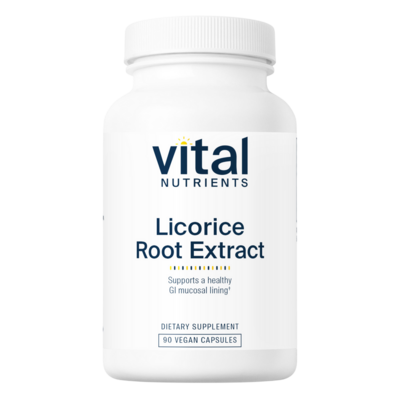
 5 more items in Reflux (GERD) Support
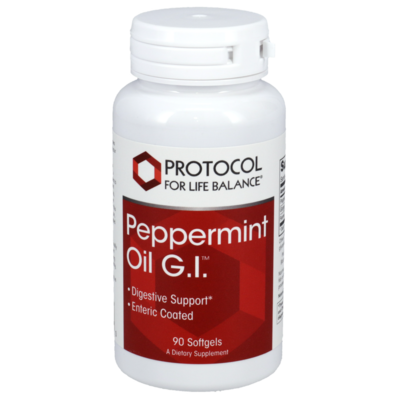
Gastroesophageal reflux disease (GERD), marked by symptoms of heartburn and effortless regurgitation, is one of the most common gastrointestinal concerns globally, ( Savarino 2018 ) with an estimated prevalence in North America between 18-28%. ( Sandhu 2018 ) Left unmanaged, GERD can lead to the histological changes found in Barrett’s esophagus, which may lead to esophageal adenocarcinoma. ( Sharp 2013 ) Common causes of GERD include dysbiosis, reduced GI transit time, and various dietary triggers (e.g., alcohol, tomato products, spicy foods, and high-fat foods), which may impact lower esophageal sphincter (LES) tone, leading to upward displacement of stomach contents, causing the hallmark symptoms of epigastric pain and effortless regurgitation. ( Ahuja 2019 ; Waller 2011 ) There is a variety of therapeutics that may benefit symptoms of GERD. For example, melatonin is produced in the local tissues of the esophagus and stomach, and may positively influence the protective mucous lining that may protect against GERD. ( Majka 2018 ) Licorice derivatives may help to form a mechanical barrier against reflux. ( Young 1986 ) Peppermint has mixed results on smooth muscle tone in the esophagus and stomach, but may ultimately reduce symptoms of GERD. ( Khalaf 2019 ; Pimentel 2001 ; Setright 2017 ) Various B vitamins may both reduce esophageal irritation from GERD, and reduce negative progression of GERD. ( Sharp 2013 ) Finally, certain probiotic strains may help reduce symptoms of GERD by improving gastrointestinal transit time. ( Waller 2011 ) Based on current research findings, the ingredients in the protocol below have been associated with improved health outcomes in patients experiencing gastroesophageal reflux disorder.
Healthy Aging
 4 more items in Healthy Aging
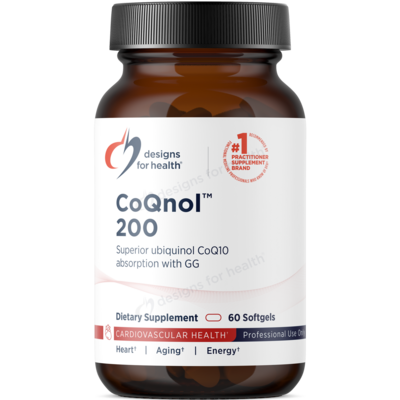
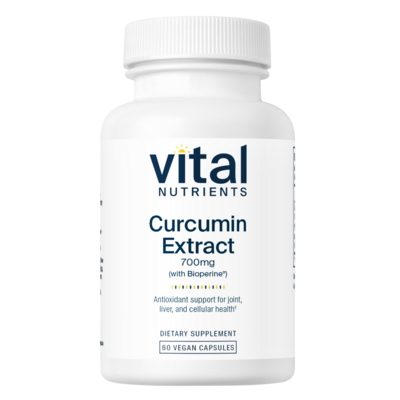
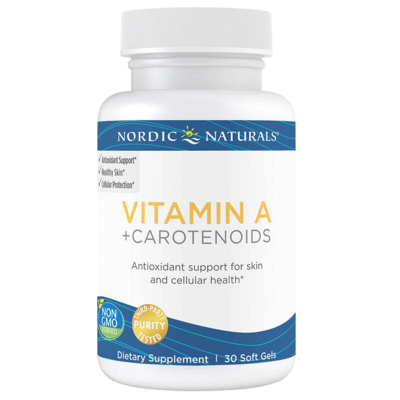
The biomarkers of oxidative stress have been strongly linked to aging. ( 26 )( 29 ) Oxidative stress biomarkers, such as lipoprotein phospholipase A2 (Lp-PLA2), isoprostanes, malondialdehyde (MDA), 8-hydroxy-2-deoxyguanosine (8-Oxo-dG), derivatives of reactive oxygen metabolites, oxidized glutathione/glutathione, 4-hydroxy-2, 3-nonenal (4-HNE), and protein carbonylation, have all been linked with increased risk of frailty and pre-frailty. ( 29 ) In addition, cardiovascular mortality has been associated with increased serum markers of oxidative stress, such as derivatives of reactive oxygen metabolites (D-ROM) and total thiol levels (TTL). ( 26 ) Antioxidants may help to mitigate the potential negative effects of prolonged oxidative stress. Additionally, ingredients with antioxidant function have shown potential for reducing oxidative damage caused by exercise when taken by healthy individuals. The protocol below is intended to support healthy aging through ingredients focused on attenuating damage caused by oxidative stress.
Headache Support
 2 more items in Headache Support
According to the World Health Organization, headaches are among the top ten most disabling conditions in the world. Globally, the number of adults who experience a general headache disorder is estimated to be as high as 46%. ( 20 ) Severe headaches are a common occurrence in US adults, with approximately 1 in every 6 Americans experiencing one within a 3 month period. This disproportionately affects women, with roughly 20.7% of women experiencing severe headaches compared to 9.7% of males. ( 5 ) Due to the debilitating effects of severe headaches and/or migraines, it is essential to help address possible mechanisms or underlying causes. Primary headaches account for the majority of cases and are not typically associated with any life-threatening complications. ( 2 ) The protocol below includes evidence-based ingredient suggestions to consider for either symptom relief or preventative management of primary headaches and/or migraines.
Diarrhea Support
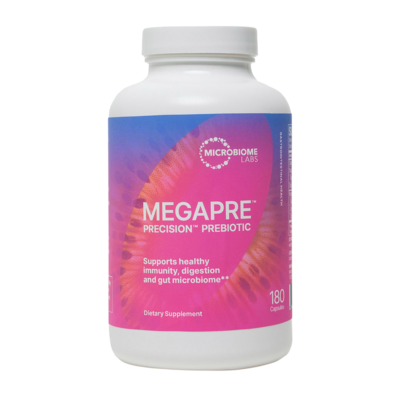
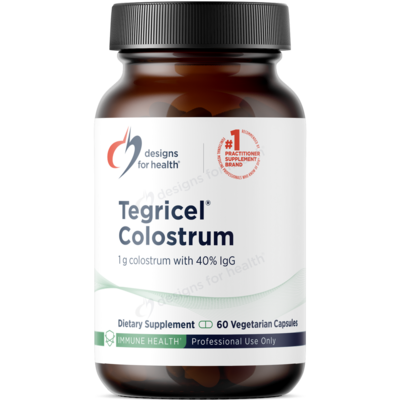 8 more items in Diarrhea Support
Healthy bowel movements are essential for gastrointestinal integrity. Acute cases of stools that are too loose, unformed, or liquid can be potentially life-threatening depending on the root cause. According to the Global Burden of Diseases, Injuries, and Risk Factors Study in 2016, diarrhea was the eighth leading cause of death for all ages, while it was the fifth leading cause in children under the age of 5. ( 7 ) While diarrhea may be caused by different factors, sanitation, and poor water are the most common causes. ( 7 ) Other possible causes of diarrhea can be attributed to traveling or antibiotic use. In these cases, treatment can be planned accordingly to help lessen the burden. Chronic cases can affect up to 5% of the population. ( 19 ) Anywhere from 3% to 17% of patients who had traveler’s diarrhea may experience residual chronic issues with irritable bowel syndrome. ( 20 ) The protocol below presents ingredients to help in both the prevention and management of loose stools and/or diarrhea.
Constipation Support
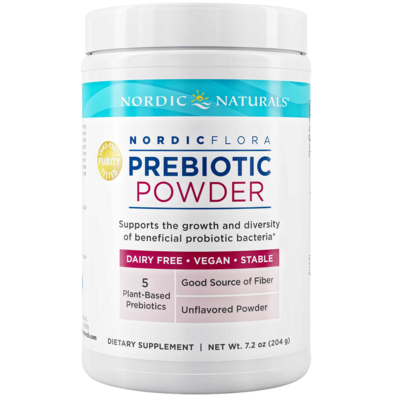
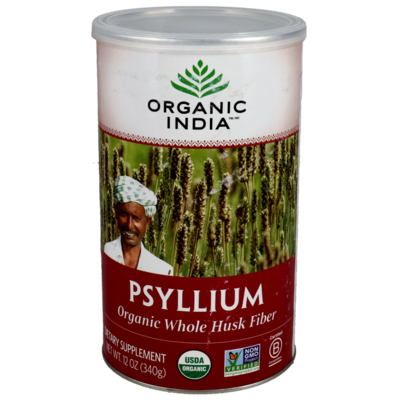
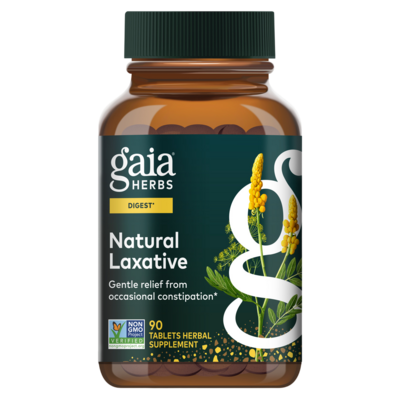 7 more items in Constipation Support
Chronic difficulties with infrequent bowel movements are one of the most common gastrointestinal disorders. ( 4 ) According to a systematic review published in 2011, median global prevalence in the general population is roughly 16%. ( 16 ) Notably, a recent survey found that of Americans with constipation, only 37.6% had a discussion about their symptoms. ( 19 ) Gastrointestinal health greatly impacts quality of life, and chronic constipation decreases both mental and physical aspects of it. ( 3 ) The protocol presented below suggests ingredients with demonstrated effectiveness for a variety of factors associated with infrequent and/or hard stools.
Fatty Liver Support
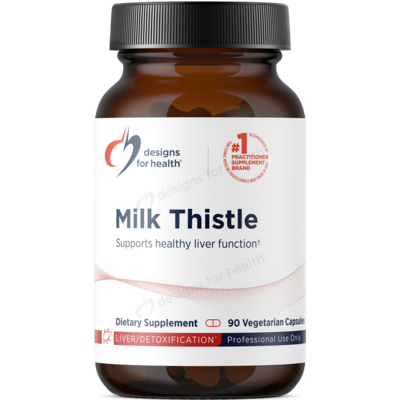
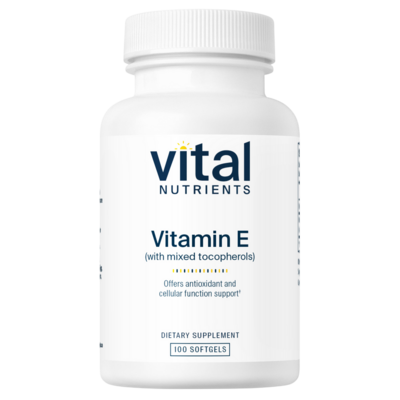
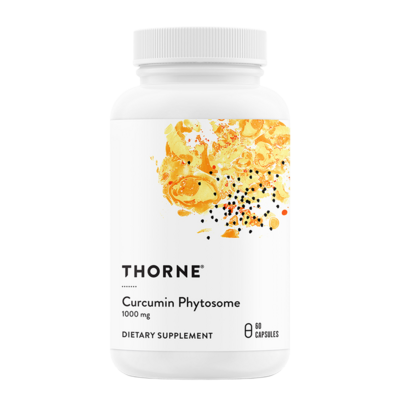 2 more items in Fatty Liver Support
Elevated liver enzymes may indicate hepatic pathology. The most common cause for liver enzyme elevations is non-alcoholic fatty liver disease (NAFLD). ( 18 ) NAFLD has a global prevalence of roughly 25% and is associated with comorbidities such as obesity, type 2 diabetes, hyperlipidemia, hypertension, and metabolic syndrome. ( 19 ) Having one of the comorbidities associated with NAFLD also increases risk of NAFLD. ( 18 ) A specific type of NAFLD is nonalcoholic steatohepatitis (NASH), which describes when there is also inflammation and/or liver damage with NAFLD. Treatment for NAFLD typically consists of lifestyle changes such as diet, exercise and weight loss. ( 8 ) When NAFLD is progressive, such as in the case of NASH, pharmacological intervention may be recommended. ( 8 ) Supplements offer a promising alternative for managing the elevations in liver enzymes and other aspects of NAFLD. The ingredients presented in the protocol below reflect research findings that demonstrate efficacy to support hepatic function.
Blood Sugar Support
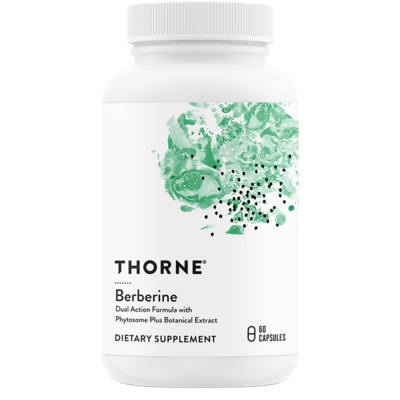
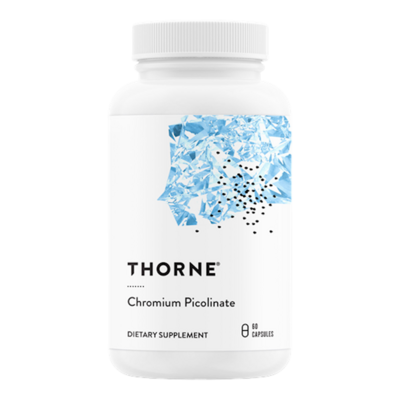
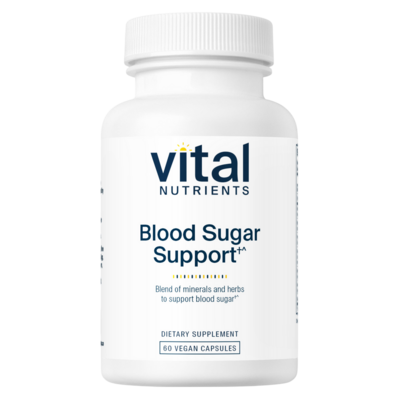 7 more items in Blood Sugar Support
Blood sugar dysregulation is a common problem in the United States with more than 29 million people having diabetes, and 86 million people having prediabetes. ( 16 ) Type 1 diabetes is due to an autoimmune condition that attacks pancreas beta cells and requires insulin to be managed. Type 2 diabetes mellitus (T2DM) is due to a combination of insulin resistance and insufficiency resulting in high blood glucose levels. ( 5 ) Prediabetes describes people with high or poorly controlled blood glucose levels, but not at the point of having type 2 diabetes. ( 16 ) When looking at the breakdown between type 1 and type 2 diabetes, type 2 is more prevalent with a study from 2018 citing between 90.4% to 92.1% of diabetes cases to be type 2. Dysfunctional blood glucose levels impact other aspects of health as well. People with type 2 diabetes have higher risk for vision loss, heart disease, stroke, kidney failure, circulatory issues, and decreased life expectancy. ( 16 ) Additionally, of those with prediabetes, 15-30% progress into type 2 diabetes within five years. ( 16 ) Ameliorating blood glucose dysregulation helps to prevent progression and the need for insulin dependence. The protocol below presents ingredients based on current research findings that might help regulate blood sugar.
Shop the entire wellness catalog, held to a higher standard
Shop practitioner-grade products, each meeting the same bar for quality through Fullscript's standards.
Powered byVerified
Sourced straight from the brand — no resellers or fakes
Enhanced testing
Select products are tested in-house — get exactly what the label promises
Stored and shipped
From certified facilities, to protect product integrity