Public protocols
Recommendations from Neos Functional Medicine, available to anyone who visits this store.
Metabolic and Digestive Reset


 3 more items in Metabolic and Digestive Reset
Metabolic & Digestive Reset Heavy seasonal meals, shifting schedules, and holiday treats can place extra demands on your digestive tract and metabolism. Experiencing sluggish post-meal energy, occasional bloating, or erratic blood sugar swings is a common sign that your digestion needs dedicated support. This protocol brings together targeted botanical support for glucose metabolism, digestive enzymes, and restorative gut habits to keep you feeling light and energized. Steadier Blood Sugar & Metabolic Energy Supporting cellular energy pathways helps your body handle meals smoothly without sharp energy crashes. Berberine helps your cells efficiently clear and use glucose from meals, promoting steady energy and balanced metabolic health. A 10–15 minute walk after meals engages large muscle groups to naturally soak up glucose, working hand-in-hand with berberine. Eating fiber and protein before carbohydrates slows digestion and helps prevent rapid blood sugar spikes after eating. Efficient Digestion & Gut Health Enhancing digestive capacity ensures your body extracts maximum nutrition from food while minimizing uncomfortable fullness. Broad-spectrum digestive enzymes help break down proteins, carbohydrates, fats, and fiber with ease, reducing post-meal bloating and heaviness. Multi-strain probiotics deliver beneficial bacteria to nurture your intestinal lining and support healthy microbial diversity. Mindful chewing and unhurried meals allow your stomach to release its own digestive juices naturally before food arrives. Nourishing your metabolism and digestive tract together creates steady, vibrant daily energy from the inside out. This information is not affiliated with or intended to treat side effects of any prescription medication. Always consult your healthcare provider before starting any new supplement, especially if pregnant, nursing, or taking medication.
Stress Resilience and Sleep Support


 3 more items in Stress Resilience and Sleep Support
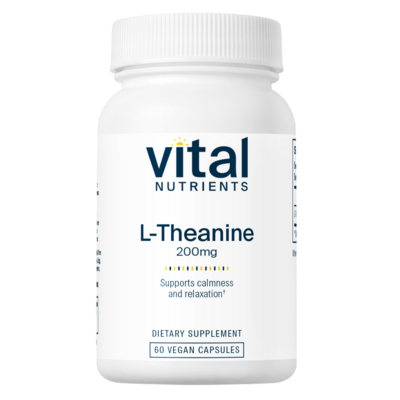
Stress Resilience & Sleep Support Demanding schedules, busy holiday seasons, and ongoing life pressures can leave your nervous system stuck in overdrive. When daytime stress lingers into the evening, restorative sleep often suffers—creating a cycle of fatigue and tension. This protocol is designed to nourish your adrenal pathways, support neurotransmitter balance, and help you unwind into deep, rejuvenating rest. Balanced Nervous System & Restful Sleep Calming your nervous system during the day lays the groundwork for deeper, more restorative sleep at night. Ashwagandha root extract helps your body adapt to daily tension and may support balanced evening cortisol levels for calmer rest. Magnesium Glycinate provides an easily absorbed mineral form that can help relax tight muscles and quiet mental chatter before bed. L-Theanine promotes relaxing alpha brainwaves, helping to soothe daytime tension and support easier transitions into sleep. A regular 60-minute wind-down routine away from screens helps signal to your brain that it is safe to transition into rest. Daily slow, deep breathing exercises help stimulate your natural relaxation response when stress spikes. Morning daylight exposure helps set your internal circadian clock, supporting daytime energy and nighttime sleep quality. Working with your body's natural rhythms helps you build steady resilience during the day and wake up feeling truly restored. This information is not affiliated with or intended to treat side effects of any prescription medication. Always consult your healthcare provider before starting any new supplement, especially if pregnant, nursing, or taking medication.
Winter Immune Defense

 4 more items in Winter Immune Defense
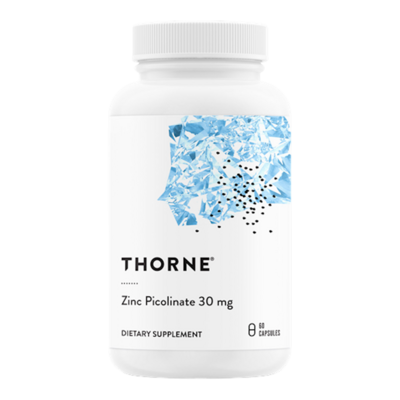
Winter Immune Defense Winter brings seasonal stressors, dry indoor air, and increased exposure to common seasonal bugs. Supporting your immune system before you feel run down is one of the best ways to stay resilient, energized, and healthy throughout the colder months. This protocol combines key daily micronutrients, targeted botanical defense, and restorative lifestyle habits. Resilient Immune & Respiratory Defense Consistent nutritional and lifestyle habits help reinforce physical barriers and prime your immune cells to respond efficiently. Vitamin D3 & K2 capsules provide foundational support for immune cell signaling and bone health in convenient daily capsule form. Black Elderberry extract delivers concentrated antioxidant flavonoids that can help soothe and protect respiratory tissues. Zinc Picolinate delivers a highly bioavailable mineral that can help support healthy white blood cell defenses and mucosal integrity. Vitamin C with Bioflavonoids provides powerful antioxidant defense and may help maintain epithelial barrier strength. 7–9 hours of sleep nightly gives your body the dedicated recovery window it needs to replenish and regulate immune cells alongside your daily nutrients. Warm fluids and herbal teas help keep nasal passages and throat linings moist, supporting your body's frontline physical barriers in dry winter air. Daily gentle movement promotes healthy circulation, helping immune cells travel smoothly throughout your body. Consistent daily habits work together to give your immune system steady, reliable support all winter long. This information is not affiliated with or intended to treat side effects of any prescription medication. Always consult your healthcare provider before starting any new supplement, especially if pregnant, nursing, or taking medication.
Longevity


 7 more items in Longevity
Speak with your medical provider before beginning any supplement. Interactions with prescription medications are common and these recommendations are general education, not individualized care. Understanding Longevity Longevity is a term that gets used loosely, so it helps to separate two things. Lifespan is how long you live. Healthspan is how long you live well, with intact function, mobility, cognition, and independence. The gap between those two numbers in the average person is roughly a decade of decline. Closing that gap is the actual goal. Aging is not a single process. Researchers describe a set of underlying mechanisms that accumulate over time: cellular senescence, mitochondrial dysfunction, chronic low grade inflammation, impaired autophagy and cellular cleanup, genomic instability, telomere attrition, epigenetic drift, and loss of protein quality control. Most age related disease traces back to some combination of these rather than to independent, unrelated conditions. That is why the same interventions tend to influence cardiovascular disease, cognitive decline, and metabolic dysfunction simultaneously. What actually moves the needle The uncomfortable truth is that the highest impact levers are the least exciting ones. Muscle mass and strength are among the strongest predictors of mortality and of independence in later decades. Cardiorespiratory fitness is similarly powerful. Sleep drives glymphatic clearance in the brain and the repair processes that run overnight. Metabolic health, meaning insulin sensitivity and body composition, sits upstream of most chronic disease. Sustained social connection and cognitive engagement have effect sizes that rival many medical interventions. Avoiding smoking, excess alcohol, and prolonged sedentary time removes accelerants. Supplements and advanced interventions layer on top of that foundation. They do not replace it, and no compound compensates for poor sleep, low muscle mass, and metabolic dysfunction. Measuring rather than guessing This is where the approach separates from generic wellness advice. Chronological age tells you very little. Biological markers tell you a great deal. Inflammatory status, ApoB and Lp(a), fasting insulin and A1c, hormone panels, thyroid function, kidney and liver markers, VO2 max, grip strength, body composition, bone density, and genetic variants that shape how an individual handles nutrients, detoxification, and cardiovascular risk all contribute to a real picture. Tracking those over time shows whether what you're doing is working, rather than assuming it is. Genetics set the terrain. They do not set the outcome. Knowing the terrain simply means you stop applying generic protocols to a specific person. Additional supplements - Spermidine for autophagy support. - Curcumin in a bioavailable form for the inflammatory pathway. - A protein powder, since protein adequacy is arguably the highest impact nutritional lever for preserving muscle with age. - Fisetin and quercetin if you want a senolytic category (limited data here) Not medical advice. Education only. If you live in California or Florida, book a genetic/longevity consultation @ neosfm.com
<3 Cardiometabolic Risk and ApoB


 4 more items in <3 Cardiometabolic Risk and ApoB
Speak with your medical provider before beginning any supplement. Interactions with prescription medications are common and these recommendations are general education, not individualized care. Understanding Cardiometabolic Risk and ApoB Cardiovascular disease remains the leading cause of death, and the frustrating part is how often it arrives in people who were told their cholesterol was fine. That gap usually comes down to what was measured. The standard lipid panel reports total cholesterol, LDL cholesterol, HDL cholesterol, and triglycerides. LDL cholesterol measures the amount of cholesterol carried inside LDL particles. It does not measure how many particles there are. Two people can have identical LDL cholesterol values while one carries that cholesterol in a modest number of large particles and the other in a much larger number of small, dense ones. The second person is at meaningfully higher risk, and a standard panel will not distinguish between them. ApoB solves this. Every atherogenic particle carries exactly one apolipoprotein B molecule. LDL, VLDL, IDL, and Lp(a) all count. So measuring ApoB gives you a direct particle count of everything capable of entering the arterial wall and starting plaque. Atherosclerosis is fundamentally a problem of particles crossing the endothelium and getting stuck, so counting particles tracks risk better than measuring their cargo. This is one of the clearest examples of the difference between normal and optimal. Reference ranges on a lab report reflect population distribution, not what's ideal. A value that falls inside the range for the general population is not the same as a value associated with low event risk, especially over decades. What else belongs in the picture Lp(a) is largely genetically determined and should be measured at least once in a lifetime. Many people carrying elevated Lp(a) have no idea, and it changes the calculus around how aggressively everything else should be managed. Insulin resistance drives a great deal of cardiometabolic risk and shows up in the lipid pattern well before glucose becomes abnormal. High triglycerides with low HDL is a fairly reliable fingerprint of it. Inflammatory and functional markers add resolution. High sensitivity CRP reflects vascular inflammation. Homocysteine ties into methylation status and endothelial function. Blood pressure, visceral fat distribution, and cardiorespiratory fitness carry as much weight as any lab value, and fitness in particular is one of the strongest predictors of all cause mortality there is. Coronary artery calcium scoring answers a different question than any blood test can. It tells you whether disease is already present rather than estimating whether it might develop. The point of looking at all of this together is that risk is not a single number. It is a picture, and the earlier you see it clearly, the more you can actually do about it. Not medical advice. Education only. If you live in California or Florida, book a metabolic consultation @ neosfm.com
Blood Sugar Management
 4 more items in Blood Sugar Management
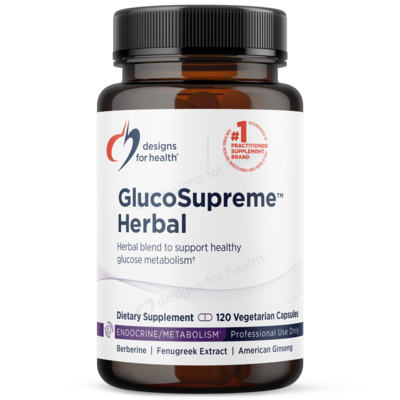
Speak with your medical provider before beginning any supplement. Interactions with prescription medications are common and these recommendations are general education, not individualized care. Any agent that lowers blood sugar should be added one at a time with blood sugar and side effects closely monitors. Understanding Blood Sugar and Insulin Sensitivity Most people think blood sugar problems start when a glucose reading comes back high. In reality, the process starts years earlier and glucose is the last thing to change. Insulin's job is to move glucose out of the bloodstream and into cells. When cells become less responsive to that signal, the pancreas compensates by producing more insulin. For a long time this works. Glucose stays normal because insulin is doing extra work to keep it there. A standard fasting glucose looks fine the entire time. Meanwhile insulin is running high, and elevated insulin itself drives fat storage, inflammation, blood pressure, and the lipid changes that show up as high triglycerides and low HDL. Eventually the compensation fails and glucose rises. That is the point at which most people get told they have a problem, but the underlying dysfunction has been building for a decade or more. This is why fasting insulin, HOMA IR, and a hemoglobin A1c read against optimal rather than diagnostic thresholds tell you far more than a single glucose value. What drives it Muscle is the largest disposal site for glucose in the body. Low muscle mass and low activity mean fewer places for glucose to go, which is a large part of why resistance training improves insulin sensitivity so reliably. Visceral fat, the fat around the organs rather than under the skin, is metabolically active and directly contributes to insulin resistance. Someone can be thin by appearance and still carry a problematic amount of it. Sleep deprivation reduces insulin sensitivity measurably after even a few short nights. Chronic stress raises cortisol, which raises glucose by design. Meal composition and timing matter, particularly refined carbohydrate eaten alone versus alongside protein, fat, and fiber. Sedentary time after eating removes the easiest available opportunity for muscle to take up glucose. Certain medications and thyroid dysfunction contribute as well. Genetics set the baseline, but they are rarely the whole story. Why glucose variability matters, not just the average Two people can share an identical A1c while one runs relatively steady and the other swings between sharp spikes and reactive lows. The second person tends to experience more energy crashes, more cravings, more hunger, and more oxidative stress, even though the average looks the same. Smoothing the curve is a legitimate goal in itself, not just a means to lowering the number. The encouraging part is that insulin sensitivity is highly responsive to intervention. It improves faster than almost any other metabolic parameter when the right inputs change. Not medical advice. Education only. If you live in California or Florida, book a metabolic consultation @ neosfm.com
IBS-C (Constipation prone individuals)


 3 more items in IBS-C (Constipation prone individuals)
Speak with your medical provider before beginning any supplement. Interactions with prescription medications are common and these recommendations are general education, not individualized care. The cause of underlying constipation should ALWAYS be investigated before self-treating. Understanding Constipation Constipation is one of those complaints that gets brushed off as minor, but it tells you something real about how the gut is functioning. Broadly, it means stools are hard, difficult to pass, or coming less often than they should. Frequency alone doesn't define it. Someone going daily can still be constipated if passing a stool takes straining and effort, and someone going every other day comfortably may be perfectly fine. What matters more is ease, form, and whether things feel complete afterward. The digestive tract moves waste through by rhythmic muscular contraction. Anything that slows that rhythm, dehydrates the stool, or disrupts the environment inside the colon can create backup. What tends to drive it The causes are rarely singular. Low fluid intake and low fiber are the two most common, and they compound each other. Beyond that, medications are a frequent and underappreciated culprit, particularly opioids, certain antidepressants, iron, calcium, and anticholinergics. GLP-1 medications slow gastric emptying by design, which is part of why they work and also why constipation shows up so often on them. Thyroid function matters here. An underactive thyroid slows motility throughout the entire digestive tract. So do low magnesium status, disrupted gut bacteria, chronic stress and the shift out of the rest and digest state, sedentary patterns, pelvic floor dysfunction, and simply ignoring the urge to go when it arrives. Travel and schedule disruption throw off the colon's own daily rhythm more than most people expect. Recurrent constipation that doesn't respond to reasonable measures deserves a real workup rather than an indefinite laxative habit. Fiber is not one thing This is where a lot of people go wrong. Fiber gets treated as a single nutrient you either get enough of or don't, and the reality is more layered. Soluble fiber dissolves in water and forms a gel. It softens stool, adds moisture, and slows transit slightly, which is why it helps with both constipation and loose stools. Insoluble fiber does not dissolve. It adds bulk and mechanical stimulation, which speeds transit for some people and makes things distinctly worse for others. Fermentability adds another layer. Highly fermentable fibers feed bacteria and produce short chain fatty acids that nourish the colon lining, which is genuinely valuable, but in a gut that's already sluggish or bacterially overgrown, aggressive fermentation shows up as bloating, gas, and discomfort. Less fermentable options tend to be better tolerated when the system is sensitive. The practical takeaway is that more fiber is not automatically better. Adding a large amount of the wrong type to a gut that's already backed up and underhydrated will reliably make someone feel worse. Type, amount, pace of introduction, and fluid all have to move together. Water and movement Fiber without adequate fluid is counterproductive. It bulks without softening, and you end up with a larger, drier, harder stool. Hydration is what allows fiber to do what it's supposed to do. Movement matters through a different mechanism. Physical activity stimulates the coordinated contractions that push contents through the colon, and even modest daily walking has measurable effect. Prolonged sitting does the opposite. Position at the toilet also plays a bigger role than most people realize, since the anatomy of the rectum is more favorable to elimination in a squat than in a seated position. None of this replaces individualized evaluation. If this is a persistent pattern for you, it's worth looking at underlying drivers rather than managing the symptom indefinitely. If you live in California or Florida , book a gut reset consultation @ neosfm.com Not medical advice. Education only.
Zzz SLEEP



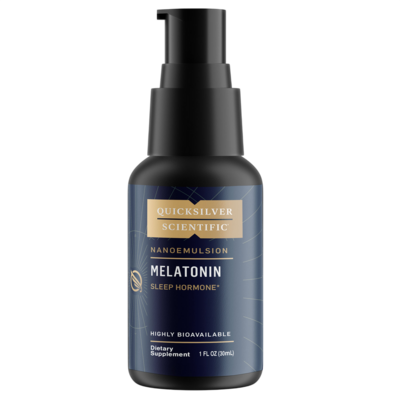
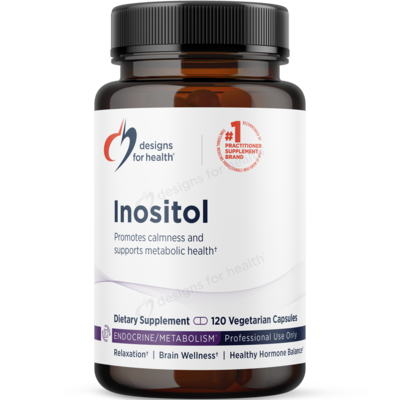
Speak with your medical provider before beginning any supplement. Interactions with prescription medications are common and these recommendations are general education, not individualized care. Understanding Sleep Most people think of sleep as time off. The body treats it as one of the most metabolically active windows of the day. Growth hormone is released in pulses during deep sleep. The brain runs its glymphatic clearance process, flushing metabolic waste that accumulates during waking hours. Memory gets consolidated. Testosterone production in men happens largely during sleep, which is why chronically short sleepers often show suppressed levels regardless of what else they're doing right. Insulin sensitivity, appetite regulation, immune function, and cortisol rhythm all depend on it. Duration is only part of the picture. Sleep moves through cycles of light sleep, deep slow wave sleep, and REM, roughly every ninety minutes. Each stage does different work. Eight hours of fragmented, shallow sleep is not equivalent to seven hours of well structured sleep. When people say they slept plenty and still feel wrecked, the architecture is usually where the problem lives. What tends to disrupt it Sleep problems split roughly into trouble falling asleep, trouble staying asleep, and waking unrefreshed despite adequate time in bed. They often have different drivers. Circadian misalignment is the most common and the most fixable. The body sets its internal clock primarily through light exposure. Bright light in the morning anchors the rhythm. Bright light at night, particularly from screens at close range, delays melatonin release and pushes the whole clock later. Irregular sleep and wake times keep the system from ever settling into a pattern. Cortisol dysregulation shows up constantly. Cortisol should be highest in the morning and low at night. When that curve flattens or inverts, people describe being tired all day and wired at bedtime. Chronic stress, overtraining, and inconsistent schedules all contribute. Then there's the physiological layer. Alcohol reliably fragments sleep and suppresses REM even when it helps someone fall asleep faster. Caffeine has a half life long enough that an afternoon coffee is still active at bedtime for many people, especially slow metabolizers. Late heavy meals, blood sugar instability causing three in the morning wakeups, nocturia, an overly warm room, untreated sleep apnea, thyroid dysfunction, perimenopausal hormone shifts, and low magnesium status all show up regularly. Sleep apnea deserves specific mention because it's badly underdiagnosed, particularly in men over forty and in anyone carrying extra weight. Loud snoring, witnessed pauses in breathing, morning headaches, or persistent unrefreshing sleep warrant real evaluation rather than a supplement. Why chasing sedation misses the point There's a meaningful difference between being sedated and actually sleeping well. Plenty of things will knock a person out while degrading the quality of what follows. Alcohol is the clearest example. Some sleep aids do something similar, producing unconsciousness without restoring normal architecture, which is why people wake up groggy and still unrestored. The goal is not simply to lose consciousness faster. It's to restore the conditions that let normal sleep happen on its own, then support the stages that do the repair work. That's a different project, and it usually means addressing the underlying driver rather than layering something on top of it. Other Optional Recommendations : Adaptogens for the cortisol driven presentations. Ashwagandha has the strongest sleep specific data. Phosphatidylserine for the elevated evening cortisol pattern specifically. GABA support such as PharmaGABA, and passionflower or lemon balm for the milder cases. 5HTP for a subset (do not combine) with serotonergic medications such as SSRI, SNRI and other medications. Inositol, useful for the anxious wakeup. Blood sugar support for the three in the morning waker, which is a distinct presentation and often the one people are most surprised to hear has a metabolic explanation. Practice good sleep hygeine, Not medical advice. Education only. If you live in California or Florida, book a consultation @ neosfm.com
GLP Support

 4 more items in GLP Support
Speak with your medical provider before beginning any supplement. Interactions with prescription medications are common and these recommendations are general education, not individualized care. Why protein, hydration, and resistance training matter on GLP-1 therapy GLP-1 medications work in large part by reducing appetite and slowing gastric emptying. That is exactly what makes them effective, but it also means most people are simply eating far less than they used to. When overall intake drops sharply, the body doesn't only pull from fat stores. It also draws on lean tissue, and muscle is metabolically expensive to keep. Losing it quietly lowers your resting metabolic rate, which is the very thing you want protected for the long run. Protein gives the body the raw material it needs to preserve that tissue while fat loss happens. Resistance training gives it the signal to actually hold onto it. One without the other tends to underperform. Hydration matters for a different reason. Reduced food volume means less water coming in from meals, and slowed digestion combined with lower fiber and fluid intake is a common driver of the constipation, fatigue, headaches, and lightheadedness people report on these medications. Much of what gets labeled a side effect is really an intake gap. The goal is not just weight on the scale going down. It is body composition going in the right direction, so results hold after the medication phase ends. Not medical advice. Education only. If you live in California or Florida, book a metabolic reset consultation @ neosfm.com

Shop the entire wellness catalog, held to a higher standard
Shop 50K+ practitioner-grade products, each meeting the same bar for quality through Fullscript's standards.
Powered byTested
Independent lab testing backs the label
Verified
Every brand is vetted for identity and purity
Trusted
Relied on by 135k+ practitioners nationwide