Public protocols
15 of Nicole Snyder's Dispensary's general recommendations, available to anyone who visits this store.
Summer Essentials
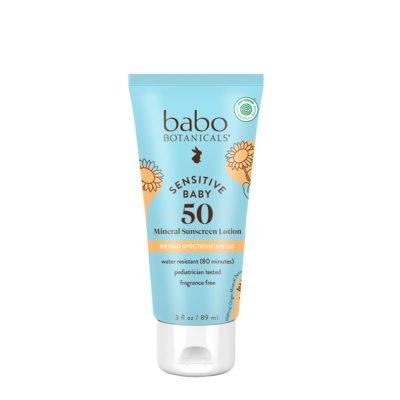
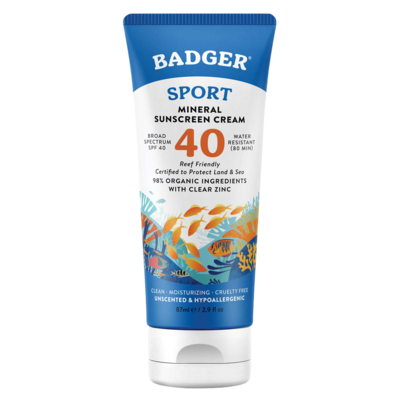
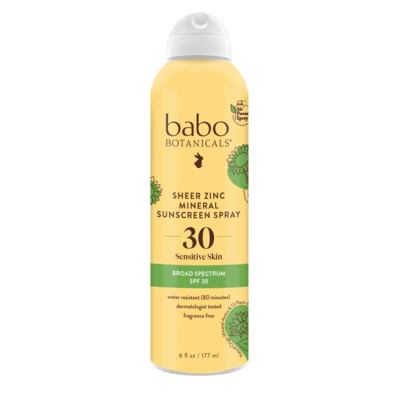 15 more items in Summer Essentials
Good news --There are lots of healthy natural products out there to help us enjoy the outdoors. Below is a selection! Note--natural bug spray is a little bit of a tricky situation. There are a lot of products out there and a large variety of ingredients that can help protect against bugs. *However* they need to reapplied much more frequently than conventional bug spray with DEET. The 2 natural ingredients that show good efficacy and duration against mosquitos and ticks are LEMON EUCALYPUS and SOYBEAN OIL. I didn't find any that I liked on Fullscript. Please see the documents I have attached with information on: 1. What to do if you are bitten by a tick 2. Comparison chart of natural ingredients for bug spray by NatMed 3. DIY recipe for if you get stung If you want more information on DEET compared to natural remedies here is an article to get you started. https://www.nejm.org/doi/full/10.1056/nejmoa011699?utm_source=chatgpt.com
View protocolMultivitamin for Kids/Teens
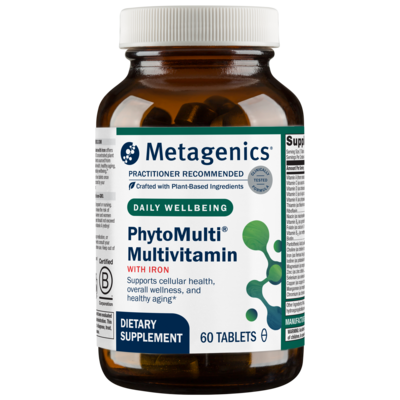
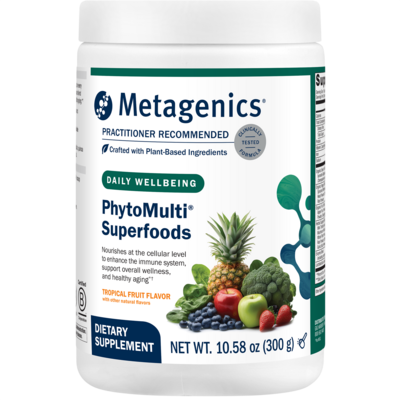
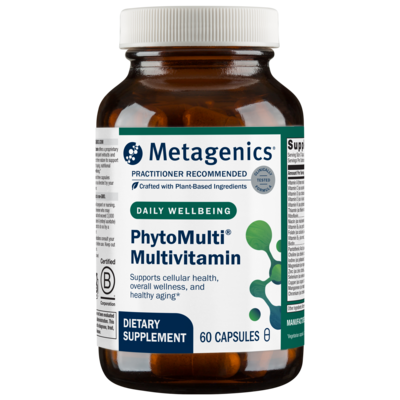 3 more items in Multivitamin for Kids/Teens
Does my child or teen need a multivitamin?? (read below to find out) It depends! ---The childhood and teen years are a time of rapid growth—physically, mentally, and emotionally. Good nutrition and healthy habits now lay the foundation for energy, focus, mood, and long-term health. If your child is growing well, learning well, eating wholesome nutritious foods--maybe they don't need extra supplementation. However below are some situations when a multivitamin might be helpful. Picky eaters busy schedules make it hard to cook the way you want to Restricted diets (vegetarian, vegan, dairy-free, etc) Low intake of fruits/vegetables If you want to add in a multi--some considerations below: What to look for : Iron (especially for teen girls) Vitamin D (children and teens are low) B vitamins for energy. (B12 esp if vegetarian or vegan). Methyl folate instead of folic acid Calcium + Magnesium for bone health (esp if dairy free) Omega 3s (esp if your family doesn't get a lot of fish or nuts in their diet) Warning: A multivitamin fills gaps, but real food is the most important source of nutrients. If a pill was all it took---all of us would have met our health goals long ago! Other Tips: Balanced Meals – Aim for lean protein, colorful veggies, whole grains, and healthy fats at most meals. Stay Active – At least 60 minutes of movement daily (sports, dancing, gym, walking). Little ones usually just need to be let loose outside to get their movement. Hydration – Water! then milk (dairy or dairy free--full fat! for children under 3). Try to stay away from juice and soda. Energy drinks--really are not encouraged at all in this age group. Sleep – How much? It depends on the age for your child. Check here 👉 How Much Sleep Do We Really Need? There are bedtime battles in many homes!!--but this is a battle worth fighting. There's no multivitamin that can fix the damage sleep deprivation does. 👉 Article on PubMed (ID: 35914537) Limit Ultra-Processed Foods – Fast food, chips, and sugary drinks can drain energy and mood and set up our kids for bad habits late in life. Mental Health – Stress management, screen-time breaks, and staying socially connected are just as important as nutrition. If you are interested in some multivitamins--this plan has some options that my family has enjoyed. Note---Please don't supplement without speaking to your PCP for any child under 3 years old. Note 2---Any child with complex medical issues and taking medications should also speak with their child's health care team before adding any vitamin/supplement. Some meds/supplements don't interact well together.
View protocol5 ways to support your Microbiome after Antibiotics
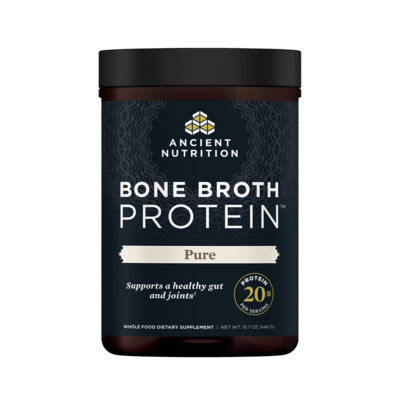
 3 more items in 5 ways to support your Microbiome after Antibiotics
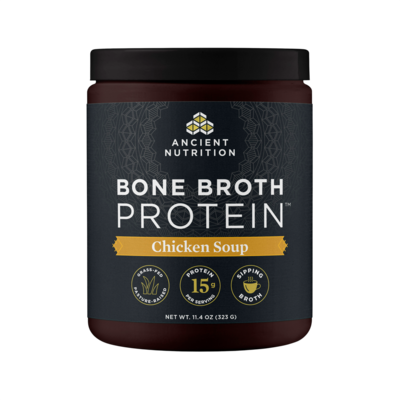
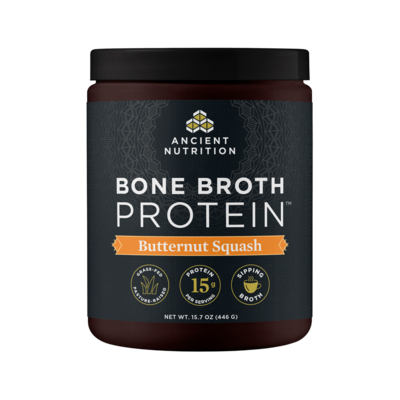
5 Ways to Support Your Microbiome After Antibiotics (keep reading!) Antibiotics are important for treating infections, but they can also reduce the “good bacteria” in your gut. The following steps can help restore balance and support healing. 1. Eat More Fiber-Rich, Plant-Based Foods Your healthy gut bacteria feed on fiber. Include a variety of vegetables, fruits, beans, lentils, nuts, seeds, and whole grains. Aim for different colors and types each day — variety helps grow a diverse microbiome. 2. Add Fermented Foods Fermented foods naturally contain probiotics (good bacteria). Examples: yogurt (dairy or dairy-free), kefir, sauerkraut, kimchi, miso, kombucha, and naturally fermented pickles. Start small if you’re new to them, then increase gradually. 3. Consider a Quality Probiotic Supplement Probiotics can help repopulate the gut after antibiotics. Choose a trusted brand with multiple strains, such as Lactobacillus and Bifidobacterium . Take for a few weeks after antibiotics, unless your medical provider has a more specific instructions for you. 4. Nourish Your Gut Lining with Bone Broth Bone broth provides collagen, amino acids, and minerals that support gut repair. It may help reduce inflammation and create a healthier environment for good bacteria to thrive. You can sip it warm, use it as a soup base, or add it when cooking grains or vegetables. You can make "broth popsicles" for little ones. PS---want to learn how to make your own??? 👉 Healing Homemade Broths and Stocks 5. Reduce Processed Foods and Added Sugar Processed foods and sugars feed less healthy bacteria and yeast in the gut. Focus on whole, minimally processed foods to encourage healthy balance. Staying hydrated also helps fiber and nutrients work better in your digestive system. Be patient — it usually takes several weeks for your microbiome to recover after antibiotics.
View protocolHashimoto's support
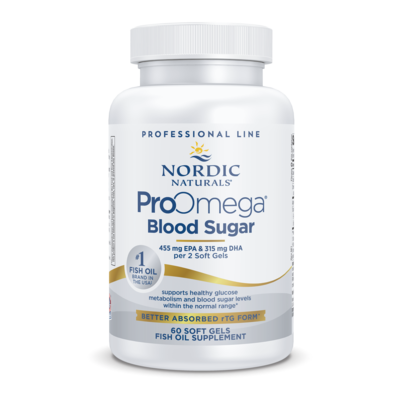
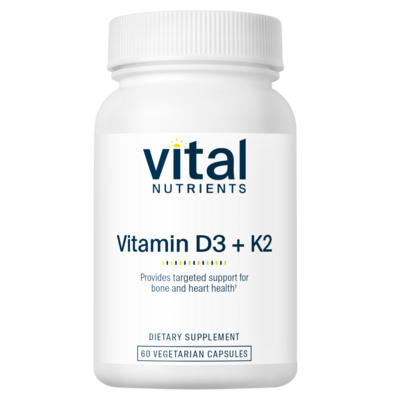
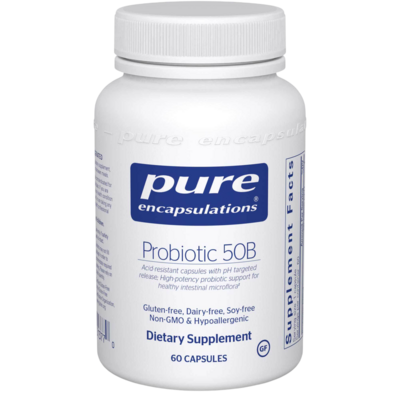
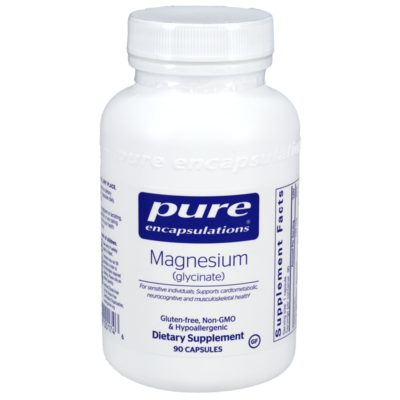
Recently Diagnosed with Hashimoto's and looking for some help? Here you go: Note before we get started. This condition really needs a medical provider to be working with you. So don't skip that step! Here's just some extra tips to get you started. MEDS: Treatment approaches usually require thyroid replacement (med) IF there's enough damage that's been done to the thyroid gland that it can no longer work as well as it used to. There's lots of options--best to decide which one is best for YOU with your provider. LDN--aka low dose naltrexone. Can help with inflammatory response and help lower autoimmune antibodies. This is a compounded med that your provider would need to prescribe. I recommend you get a provider who has done this before and is familiar with how to dose!! More info on this here: LDNresearchtrust.org SUPPLEMENTS: These have been shown to be beneficial. The doses below are typically safe for most people. However--I tend to find in my patients I need to really tweak their supplement doses to their labs! However, wanted to give SOME help for those who may not have a provider who is familiar. 1. Selenium (200 mcg/day): Shown in multiple studies to lower TPO antibodies and improve thyroid ultrasound findings. (1/2 of a brazil nut per day is enough!--no need to buy a product) 2. Vitamin D. Deficiency is common and linked to higher antibodies; supplement to maintain levels between 40–60 ng/mL on your lab tests. Below is 1 option. I wouldn't go higher without seeing someone's labs and being able to use those to guide. 3. Magnesium: Supports thyroid hormone conversion and immune balance. Again, I wouldn't go higher than this without labs to guide us. 4. Omega-3 fatty acids (fish oil, 1–3 g/day EPA+DHA): Anti-inflammatory, may help lower antibody activity. This one's easy--good idea for practically everyone! It's difficult to get enough Omega 3s in our diet without really being intentional or supplementing. 5. .Zinc: Supports T3 production and immune modulation. However--I left zinc off this plan because I really need to check levels first to be able to dose correctly. You can ask your provider to run zinc levels on you once per year so you know you are still in the normal range--not too high/low. 6. Probiotics or fermented foods: Early studies suggest gut microbiome balance supports lower autoimmune activity. Added one with key strains to help immune system regulate below. LIFESTYLE This is the heavy hitter! It's not as easy as taking a pill....but this is where the real healing will happen. 1. Anti-inflammatory, nutrient-dense diet: I like the Mediterranean diet. Basically we are emphasizing vegetables, lean proteins, omega-3 fats, and limiting (really limiting!) processed foods. Some patients benefit from gluten or dairy elimination. However, I would recommend talking to your provider before eliminating so they can guide you on ways to make sure you are getting enough nutrients with a specialized diet. 2. Blood sugar balance: Regular meals with adequate protein/fiber to reduce immune stress and inflammation. Frequent blood sugar spikes/falls increases low level inflammation--which then can impact the immune system in all sorts of ways including increase autoimmune reaction! 3. Stress management: Mind-body practices (prayer, meditation, breathing) lower cortisol, which can otherwise worsen autoimmunity. I personally love the surrender novena when I'm feeling stressed! https://hallow.com/blog/how-to-pray-the-surrender-novena/ 4. Adequate sleep: Aim for 7–9 hours; poor sleep is linked to higher antibody levels. 5. Regular physical activity: physical activity supports metabolic health and reduces systemic inflammation. (start slow!) Don't need to be a marathon runner to see improvement! movement and having fun is what we are working towards. 6. Avoiding excessive amounts of iodine (eating large amounts of kelp or seaweed, supplements that contain iodine, consuming large amounts of iodized salt). It's a balance--too little iodine is not good for your thyroid, but too MUCH is also bad! Note: Lifestyle approaches CAN BE POWERFUL! But patience and perseverance is key! Improvements in antibody numbers can take between 3-12 months to see. >>>>>>>>>>>>>>>>>>>>>>>>>>>>>>>>>>>>>>>>>>>>>>>>>>>>>>>>>>>>>>>>>>>>
View protocolBasic Skin Care for Oily/Medium "Mature Skin"
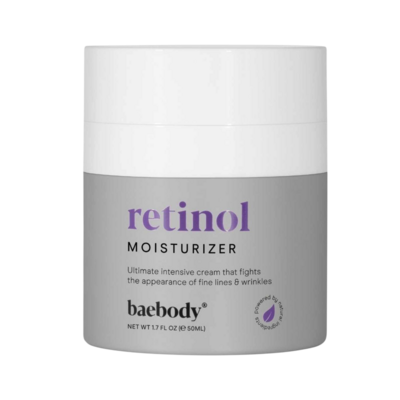 8 more items in Basic Skin Care for Oily/Medium "Mature Skin"
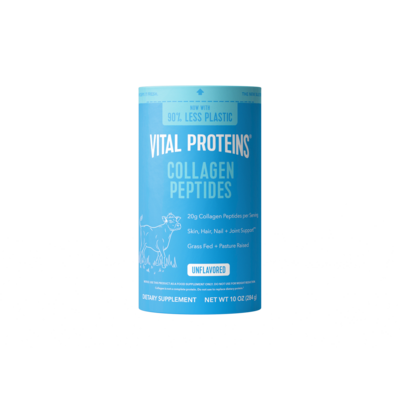
READ ALL OF THIS :) Basic Skin care regimen for "Mature Skin" needs to focus on hydration, collagen support, gentle exfoliation, and sun protection. Here’s a sample routine: --- Morning Routine (In order) 1. Clean face. Use gentle cleanser 1-2x per day (esp important at night and it you need to wash off make up. For a gentle cleanser We are trying to remove impurities WITHOUT stripping natural oils: Look for the following ingredients :Glycerin, ceramides, hyaluronic acid if you have dry skin (as many of us "mature skin owners" do!) 2. Antioxidant Serum to help brighten the skin and protect against free radical damage. Look for the following ingredients: Vitamin C/L-ascorbic acid, ferulic acid, or niacinamide 3. Moisturizer. This is important as our skin naturally produces less oil as we age. Also improving moisture will help skin look more plump and smooth. Look for the following ingredients: Hyaluronic acid, peptides, ceramides. 4. Broad-Spectrum Sunscreen (SPF 30 or higher). Is this really necessary? YES! Daily sun protection is crucial for preventing further aging. Look for the following ingredients: Zinc oxide or titanium dioxide. For a bonus--I like to use a tinted sunscreen and then I skip foundation. If you LIKE your foundation, by all means--can use both! Evening Routine (also in order) 1. Clean face (as above) Same as morning. 2. Retinoid or Retinol Treatment (optional). This encourages cell turnover, smooths fine lines, and boosts collagen. Start with 2–3 times a week if new to retinol, then increase as tolerated. This can dry skin so that's why we start out slow. Good news is once your skin gets used to it you should be able to use id nightly without it getting too dry. 3. Night Cream. Use a richer cream at night to lock in moisture and support barrier repair. Look for the following ingredients: Peptides, niacinamide, ceramides. Note--to make it simple you could use a moisturizer that has retinol in it! Optional Daily: May use collagen powder 1-2 scoops per day. Several choices below. Optional Weekly: Gentle Exfoliation (1–2x per week). Can use a gentle sugar scrub (home made even is fine! if your skin will tolerate this) Hydrating Mask (1x per week) Look for the following ingredients (or can make your own). Aloe vera, hyaluronic acid, or honey. Further Tips: * Avoid harsh scrubs and alcohol-based products. * Don't skip sunscreen — it's the most effective anti-aging product. * Stay consistent — improvement takes time. *Drink enough water!!! dehydration in your body will dehydrate your skin faster! * Adequate sleep and clean nutrition are also essential for healthy skin. * Stop smoking and only use alcohol moderately (these can age your skin faster) A
View protocolBasic Skin Care for dry/sensitive "Mature Skin"
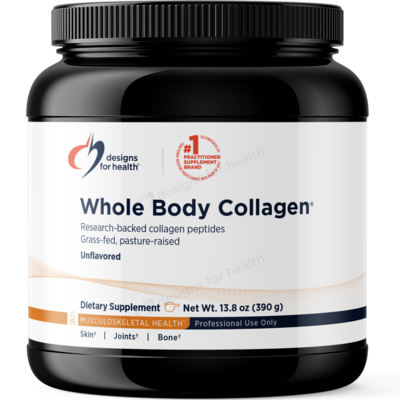
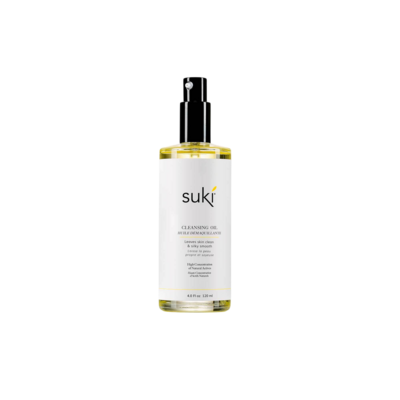 11 more items in Basic Skin Care for dry/sensitive "Mature Skin"
READ ALL OF THIS :) Basic Skin care regimen for "Mature Skin" needs to focus on hydration, collagen support, gentle exfoliation, and sun protection. Here’s a sample routine: --- Morning Routine (In order) 1. Clean face (for those with dryer skin, may want to just use water. Use gentle cleanser if needed maybe 2-3x per week or if you need to wash off make up) For a gentle cleanser We are trying to remove impurities WITHOUT stripping natural oils: Look for the following ingredients :Glycerin, ceramides, hyaluronic acid if you have dry skin (as many of us "mature skin owners" do!) Note--if you skin can't tolerate using a soap cleanser-you can try an oil based cleanser--see below. 2. Antioxidant Serum to help brighten the skin and protect against free radical damage. Look for the following ingredients: Vitamin C/L-ascorbic acid, ferulic acid, or niacinamide 3. Moisturizer. This is important as our skin naturally produces less oil as we age. Dryer skin gets damaged more easily. Also improving moisture will help skin look more plump and smooth. Look for the following ingredients: Hyaluronic acid, peptides, ceramides. 4. Broad-Spectrum Sunscreen (SPF 30 or higher). Is this really necessary? YES! Daily sun protection is crucial for preventing further aging. Look for the following ingredients: Zinc oxide or titanium dioxide. For a bonus--I like to use a tinted sunscreen and then I skip foundation. If you LIKE your foundation, by all means--can use both! Evening Routine (also in order) 1. Clean face (as above) Same as morning. 2. Retinoid or Retinol Treatment (optional). This encourages cell turnover, smooths fine lines, and boosts collagen. Start with 2–3 times a week if new to retinol, then increase as tolerated. This can dry skin so that's why we start out slow. Good news is once your skin gets used to it you should be able to use id nightly without it getting too dry. 3. Hydrating Serum is applied after retinol to soothe and deeply hydrate. Look for the following ingredients: hyaluronic acid, panthenol, or squalene. 4. Night Cream. Use a richer cream at night to lock in moisture and support barrier repair. Look for the following ingredients: Peptides, niacinamide, ceramides. Optional Daily: May use collagen powder 1-2 scoops per day. Several choices below. Optional Weekly: Gentle Exfoliation (1–2x per week). Can use a gentle sugar scrub (home made even is fine! if your skin will tolerate this) Hydrating Mask (1x per week) Look for the following ingredients (or can make your own). Aloe vera, hyaluronic acid, or honey. Further Tips: * Avoid harsh scrubs and alcohol-based products. * Don't skip sunscreen — it's the most effective anti-aging product. * Stay consistent — improvement takes time. *Drink enough water!!! dehydration in your body will dehydrate your skin faster! * Adequate sleep and clean nutrition are also essential for healthy skin. * Stop smoking and only use alcohol moderately (these can age your skin faster) Note---for a paired down more simple approach--- AM--Cleanse, Moisturize, Sunscreen. PM--Cleanse, Moisturize.
View protocolBare Bones Basic Skin Care
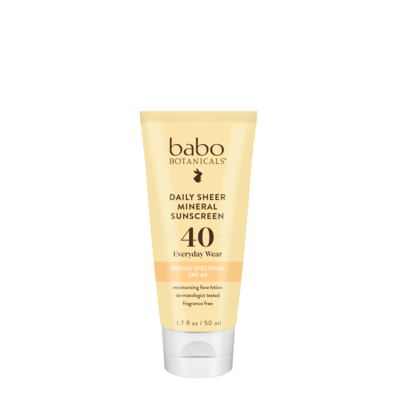
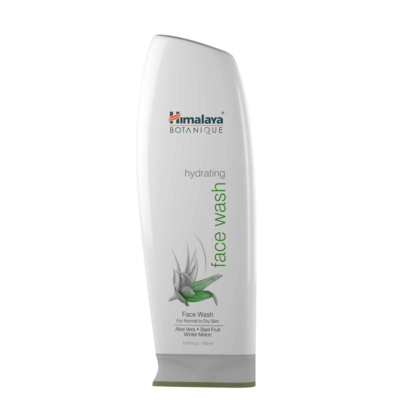
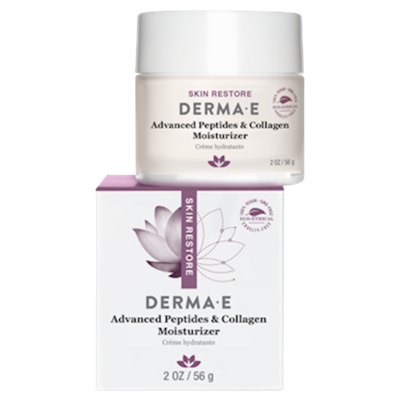
Read below: Want a pared down/simple approach? I hear you. Routine: AM--Cleanse, Moisturize, Sunscreen (please don't skip the sunscreen) PM--Cleanse, Moisturize. DRINK Water! Eat healthy wholesome food--this makes a big difference in your skin also! Note--If you are doing the above and still having trouble with your skin...that's a sign there could be something else to discover. Make an appt using the link below and we can dig into root causes: https://mycatholicdoctor.com/resources/doctors/nicole-snyder-aprn-fnp-c/
View protocolSkin Care for Acne Prone Skin
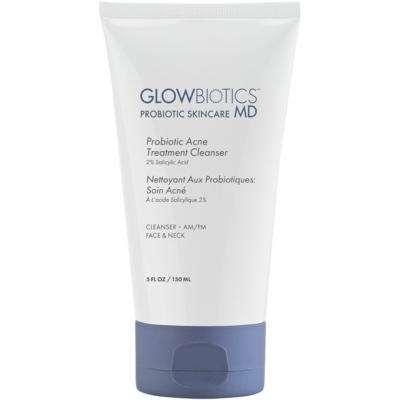
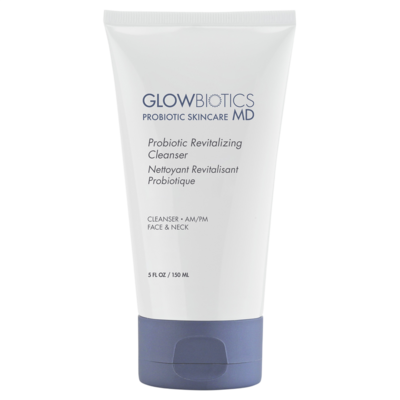
 6 more items in Skin Care for Acne Prone Skin
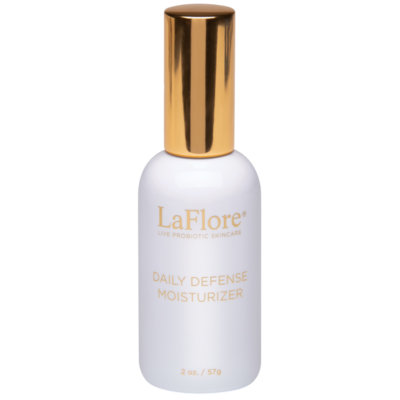
Skin Care for Acne Prone Skin A good skin care regimen for a anyone should be simple, consistent, and suited to their skin type. Acne prone skin can be sensitive and is often affected by hormones, so it’s best to avoid overly harsh or complicated routines. Here's an idea of a routine: 1. Cleanser (AM & PM) to removes dirt, oil, and bacteria to prevent breakouts. Choose one of the following types based on skin type: * **Oily/Acne-prone:** Gel or foaming cleanser with salicylic acid or benzoyl peroxide * **Dry/Sensitive: Creamy or hydrating cleanser with glycerin or ceramides * **Normal/Combination: Gentle foaming cleanser 2. Moisturizer (AM & PM) to hydrate the skin and maintains its barrier. All skin types need a moisturizer—even oily! * Look for non-comedogenic (won’t clog pores) 3. Sunscreen (AM) to protect against UV damage and future skin issues * Broad-spectrum SPF 30 or higher * Daily use is important—even on cloudy days 4. *Spot Treatment (PM, if needed). Treats individual pimples or acne-prone areas * **Salicylic acid for clogged pores * **Benzoyl peroxide for bacteria-related acne What to Avoid: * Over-washing or scrubbing * Alcohol-heavy toners * Picking at pimples * Using too many products at once --- Tips: * Consistency is key—stick with a routine for at least 4–6 weeks to see results. * Drink plenty of water and eat a balanced diet—it helps your skin too.
View protocolQuick Start to reducing Toxic Exposure
 13 more items in Quick Start to reducing Toxic Exposure
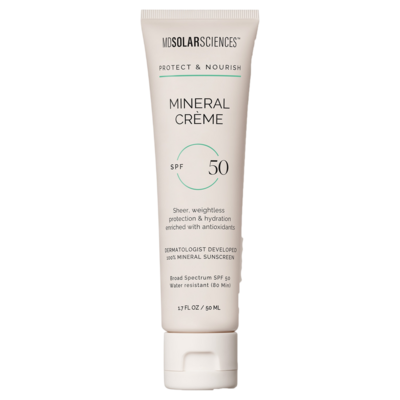
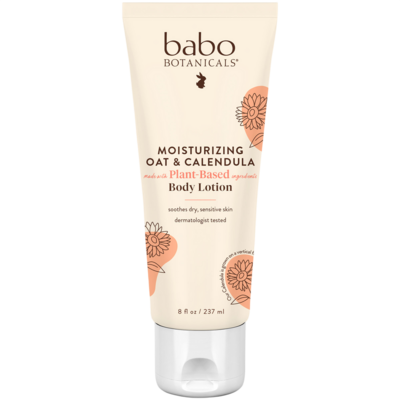
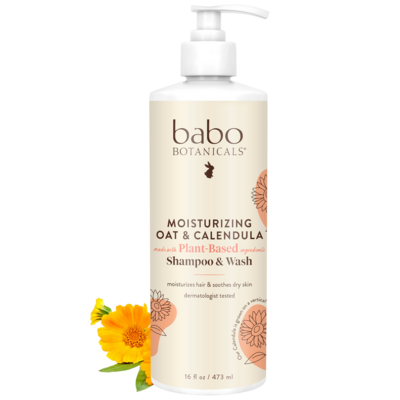
Reducing your toxic exposure can feel like a rabbit hole you can never get out of--you just keep climbing deeper and deeper. We have to hold the responsibility to protect ourselves and our families very strongly. At the same time--we "cannot add a single hour to our life by worrying." The Lord who even cares for the little sparrows and the flowers of the field will take care of us too!! That being said--we can do our part! Here are some resources to get you started: https://www.ewg.org/ https://www.ewg.org/skindeep/ https://www.ewg.org/tapwater/ https://www.ewg.org/news-insights/news/2022/07/what-are-endocrine-disruptors The good news is that there are a lot of products out there that ARE clean! Below are some options to get you started.
View protocol
Powered by Fullscript
Explore the entire wellness catalog
High-quality wellness products, ready to shop the moment you join.
Sign up for Nicole Snyder's Dispensary's store2M+
Patients served
50k+
Products to shop
Up to 25%
Off when you sign up