Bone Health Foundations
Products
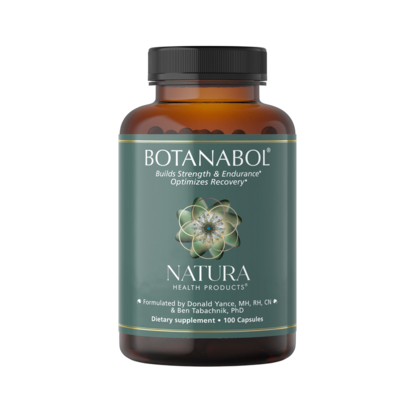
Dosage instructions
Ongoing
Additional notes
"If IGF-1 <149 (2 capsules daily) Promotes lean muscle development and healthy body composition, optimizes recovery from exercise, athletic performance, or stress, enhances strength, stamina, and endurance, and supports bone density and skeletal health"
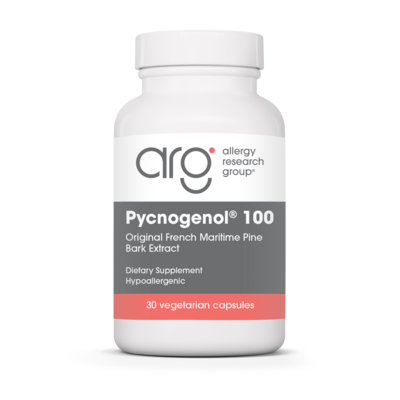
Dosage instructions
Ongoing
Additional notes
"If P1NP is < 40 ng/mL ( 1 capsule daily)"
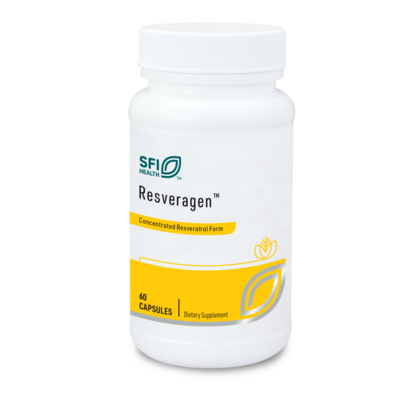
Dosage instructions
Ongoing
Additional notes
"If CTX is > 400 pg/mL (1 capsule at bedtime)"
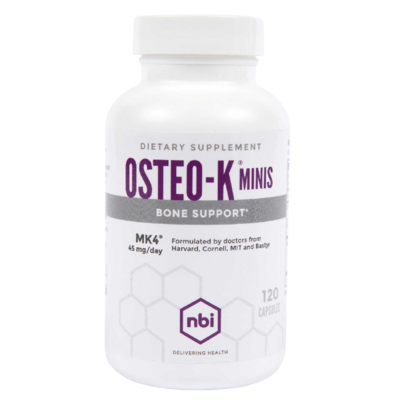
Dosage instructions
Additional notes
"If dietary calcium is < 1200mg daily. (2 capsules twice daily)"
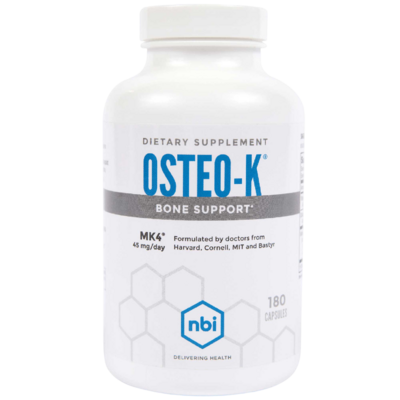
Dosage instructions
Additional notes
"If dietary calcium is low (3 capsules twice daily)"
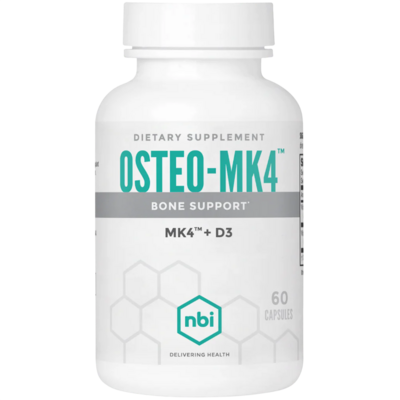
Dosage instructions
- Dosage amount:
1.00 Capsule
twice per day
Additional notes
"If dietary calcium is 1200mg or more, use this formula for MK4 K2 & D3 support"
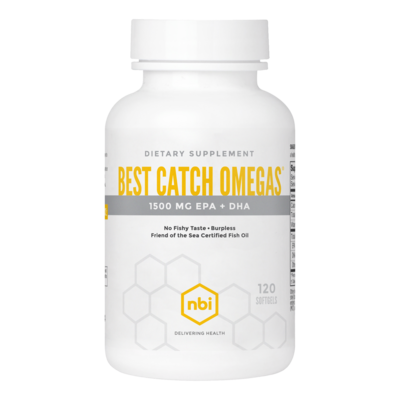
Dosage instructions
- Dosage amount:
2.00 Softgels
once per day
Additional notes
"If CRP is > 1 mg/L (2 capsules daily with food) "
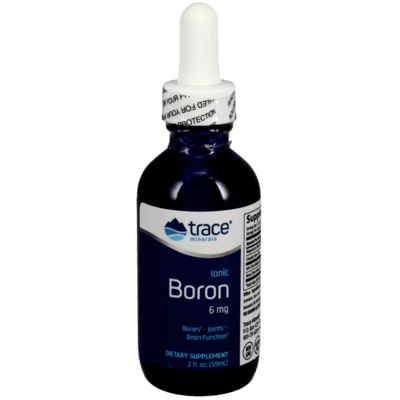
Sign up for exclusive store pricing
Dosage instructions
For 6 months
Additional notes
"Bone Health- 1 tsp daily"
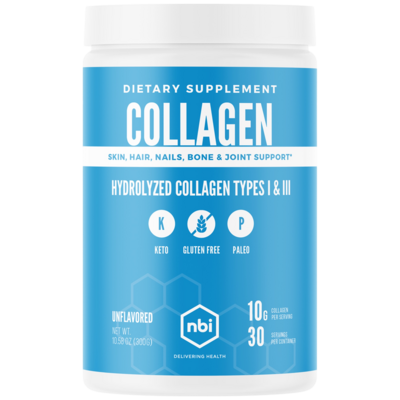
Dosage instructions
- Dosage amount:
1 Scoop
once per day
Ongoing
Additional notes
" If osteoporosis/osteopenia dx (1 scoop daily)"
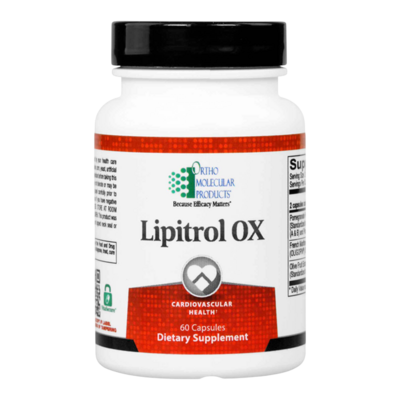
Dosage instructions
- Dosage amount:
2 Capsules
once per day
For 6 months
Additional notes
"CTX is > 400 pg/mL "
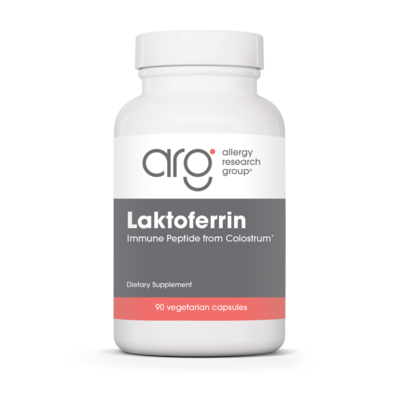
Dosage instructions
- Dosage amount:
1 Capsule
once per day
For 6 months
Additional notes
"If P1NP < 40. May help with calcium absorption and bone density."
Dosage instructions
Ongoing
Sign up for exclusive store pricing
Dosage instructions
- Dosage amount:
1.00 Scoop
once per day
Additional notes
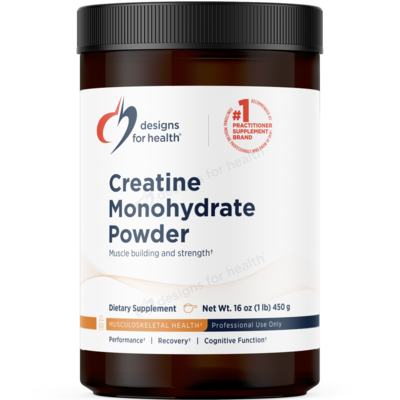
"If IGF-1 <149 (1 scoop daily) Promotes skeletal muscle growth and athletic performance when combined with resistance training. Creatine also offers additional benefits, including supporting healthy aging, cognitive function, and women’s health, while bridging nutritional gaps common in plant-based diets."
Lifestyle recommendations
Nutrition
Nutrition for Bone & Muscle Health
Prioritize ProteinProtein provides essential building blocks for maintaining and building both muscle and bone. Aim for approximately 1 gram of protein per pound of desired body weight per day, unless your healthcare team has recommended a different target for you.
Spread protein throughout the day and prioritize high-quality, minimally processed protein sources that work well for your individual dietary needs and digestion.
Focus on Whole, Minimally Processed FoodsBuild most of your diet around nutrient-dense whole foods while minimizing:
- Added sugars
- Highly processed foods
- Heavily processed grains
Grains & StarchesWhen including grains, consider options such as:
- White rice, preferably grown in California
- Certified gluten-free oats; glyphosate-free or sprouted options when available
- Organic corn
- Sprouted quinoa
ZEGO and One Degree are two oat options to consider. We generally recommend limiting wheat and choosing minimally processed grains when possible.
Nuts & SeedsGreat options include:
- Almonds
- Pecans
- Macadamia nuts
- Walnuts
- Pumpkin seeds
Sprouted nuts and seeds may be easier to digest for some people.
LegumesIf including beans or legumes, soaking and/or pressure cooking can help improve digestibility. Pre-soaked or pressure-cooked options, such as Eden Foods beans, can also make this easier.
PrunesResearch suggests prunes may have benefits for bone health. Consider including approximately 5 prunes per day as part of a balanced diet.
Because dried fruit is a concentrated source of carbohydrate, those with elevated glucose, insulin, or A1C should discuss whether prunes are appropriate with their healthcare team. Pairing them with a source of protein or healthy fat may also help create a more balanced snack.
Remember: There isn’t one perfect “osteoporosis diet.” Your nutrition should be personalized around your protein and energy needs, metabolic health, food tolerances, digestion, and overall health goals.
Movement
Exercise & Movement for Bone Health
Resistance TrainingResistance training is one of the most important forms of exercise for supporting strong bones and maintaining muscle as we age. The goal is to gradually progress toward heavier resistance while maintaining good form and working within your individual abilities.
Research from the LIFTMOR trial found that supervised high-intensity resistance and impact training performed twice weekly improved bone density, strength, and physical function in postmenopausal women with low bone mass. Training included multi-joint movements such as squats and deadlifts at approximately 80–85% of one-repetition maximum (1RM), along with impact exercises.
Heavy lifting should be progressed gradually and, particularly for those with osteoporosis, previous fractures, pain, or limited lifting experience, ideally with guidance from a qualified professional.
Impact Exercise
When appropriate, impact exercises can provide an additional stimulus to bone. Heel drops are one simple option and can be progressed based on your current bone health, strength, balance, and fracture history. Members can reference the Library resources for examples and instruction.
OsteoStrong
OsteoStrong may also be used as an additional exercise resource for members who enjoy this type of structured training.
Whole-Body Vibration (WBV)
Whole-body vibration can be used as an additional tool alongside resistance and weight-bearing exercise.
Suggested settings:
- Frequency: approximately 30 Hz
- Amplitude: approximately 2 mm
- Duration: Work toward 10 minutes as tolerated.
- If 10 continuous minutes feels like too much, try 60 seconds on followed by 60 seconds off for 5 rounds.
- Keep a slight bend in the knees rather than locking them.
Equipment options include:- Power Plate MOVE or Personal
Important: If you have had a joint replacement, orthopedic surgery, implanted hardware, or another condition that could affect the safety of vibration training, get clearance from your surgeon or healthcare provider before using a vibration platform. Your provider can help determine when it is appropriate to begin based on your individual healing, hardware, and surgical history.
Exercise should always be individualized to your current bone health, fracture history, medical conditions, and physical abilities. When in doubt, work with your healthcare provider and a qualified exercise professional familiar with osteoporosis.
Sleep
Sleep & Recovery
Quality sleep is an important part of your bone health plan. Sleep supports muscle recovery, hormone regulation, metabolic health, and your ability to recover and adapt to exercise. Rather than focusing on one “perfect” sleep score, the goal is to build consistent sleep habits and look for trends over time.
Sleep Goals
- Aim for approximately 7–9 hours of sleep each night.
- Keep your bedtime and wake time as consistent as possible.
- Create a cool, dark, quiet sleeping environment.
- Get natural light exposure in the morning to support your circadian rhythm.
- Limit bright lights and screens close to bedtime when possible.
- Avoid large meals, alcohol, and excessive fluids close to bedtime if they interfere with your sleep.
- Build a relaxing evening routine that signals to your body that it is time to wind down.
Track Your Sleep
An Oura Ring or another wearable sleep tracker can be a helpful tool for identifying patterns in your sleep and recovery. Wearables aren't perfect medical devices, so focus more on trends over time rather than getting caught up in individual nightly scores.
Helpful metrics to follow include:
- Total sleep time
- Bedtime and wake-time consistency
- Sleep efficiency
- Resting heart rate
- Heart rate variability (HRV)
- Readiness/recovery trends
Consider tracking these alongside things that may influence your sleep, such as exercise intensity, stress, caffeine, alcohol, travel, illness, and changes to your evening routine. Over time, you may start to see which habits help—or hurt—your sleep and recovery.
Keep It in Perspective
Your wearable is a tool, not a grade! One rough night isn't something to stress about. Look for patterns across several weeks and use the information to experiment with small, sustainable changes.
If you consistently struggle with falling asleep, staying asleep, excessive daytime sleepiness, snoring or gasping during sleep, or regularly wake feeling unrefreshed despite adequate time in bed, talk with your healthcare provider about whether additional evaluation may be appropriate.
Resources
Shop the entire wellness catalog, held to a higher standard
Shop practitioner-grade products, each meeting the same bar for quality through Fullscript's standards.
Powered byVerified
Sourced straight from the brand — no resellers or fakes
Enhanced testing
Select products are tested in-house — get exactly what the label promises
Stored and shipped
From certified facilities, to protect product integrity