Thyroid Support
Products
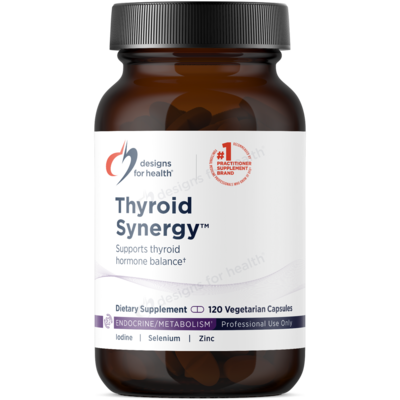
Dosage instructions
- Dosage amount:
2 Capsules
morning, afternoon
Ongoing
Additional notes
"Can support a low free T3, low free T4 and high cortisol. This is an all-in-one formula for the nutritional support of thyroid function. The non-stimulating adaptogenic botanical American ginseng (Panax quinquifolius) helps maintain healthy cortisol, blood glucose and insulin levels, along with a balanced conversion of peripheral thyroid hormone. Essential vitamins, minerals, and other nutrients work synergistically to provide a premium thyroid product in just two capsules a day"
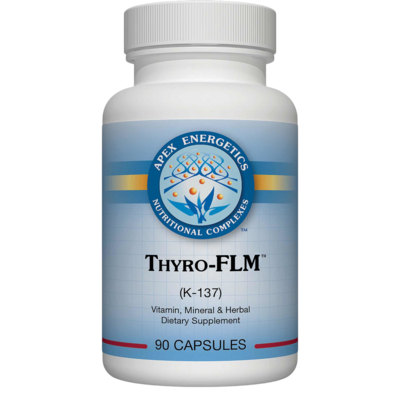
Dosage instructions
- Dosage amount:
2 Capsules
once per day
Ongoing
Additional notes
"Can support an elevated Thyroglobulin Antibody > 1 IU/mL. This formula was designed to provide targeted support to thyroid tissues while addressing related immune-oxidative pathways. "
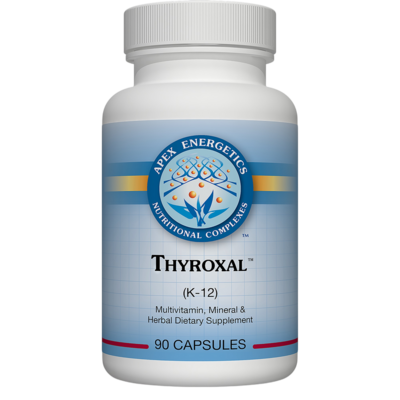
Dosage instructions
- Dosage amount:
1 Capsule
twice per day
Ongoing
Additional notes
"Can support an elevated TSH > 2.5 μIU/mL. Thyroxal is intended to support the thyroid and its interactions with the endocrine system. This product has bovine thyroid glandular, coenzymes, and phytonutrients such as ashwagandha root extract at 275 mg per capsule. This formula is an excellent source of vitamin A, niacin, zinc, selenium, and copper. It also includes high potency vitamin B6 and riboflavin."
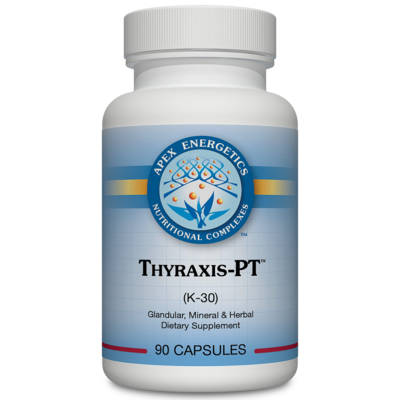
Dosage instructions
- Dosage amount:
1 Capsule
once per day
Ongoing
Additional notes
"Can support a low TSH below 1.8 μIU/mL along with a low T4 and T3. Thyraxis-PT supports the hypothalamic-pituitary-thyroid (HPT) axis with a unique formulation of carefully selected glandulars and mineral and nutritional compounds. This formula also incorporates nutrients that may support thyroid hormones and the pituitary-thyroid system."
Dosage instructions
- Dosage amount:
1 Capsule
once per day
Ongoing
Additional notes
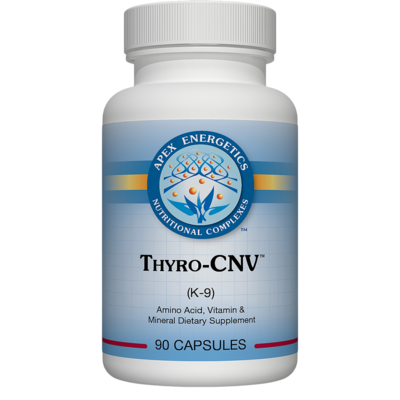
"Can support a normal free T4 but a low free T3 < 3.0 pg/mL. Thyro-CNV is intended to support intracellular enzymatic processes by providing targeted phytonutrients and amino acids. It also includes key minerals and vitamins that help support the endocrine system, as it relates to the thyroid."
Lifestyle recommendations
Nutrition
- Prioritize adequate protein throughout the day to support lean muscle, metabolism, and healthy thyroid hormone physiology.
- Emphasize mineral-rich whole foods, including seafood, eggs, meat, poultry, nuts, seeds, legumes, leafy greens, and other nutrient-dense foods.
- Include selenium-rich foods regularly. Seafood, eggs, meat, and Brazil nuts are particularly concentrated sources. Because Brazil nuts can contain widely varying amounts of selenium, more is not necessarily better.
- Include zinc-rich foods such as oysters and other shellfish, beef, poultry, pumpkin seeds, and legumes.
- Ensure adequate iron intake, particularly for individuals at risk for iron deficiency. Avoid supplemental iron unless there is an identified need.
- Obtain iodine through foods such as seafood, dairy products, eggs, and iodized salt when appropriate. Avoid high-dose iodine supplementation unless specifically recommended by your healthcare provider.
- Eat a variety of colorful vegetables and fruits to provide antioxidants and phytonutrients that support overall metabolic health.
- Avoid chronically under-eating or following unnecessarily restrictive diets. Adequate calories, protein, carbohydrates, fats, vitamins, and minerals are important for healthy thyroid and metabolic function.
Movement
- Perform resistance training at least 2–3 times per week to support muscle mass, metabolic health, insulin sensitivity, and healthy aging.
- Incorporate regular walking and cardiovascular activity while allowing adequate recovery.
- Manage chronic stress through restorative activities such as time outdoors, breathing exercises, mindfulness, social connection, or other practices that work for you.
- Avoid smoking and minimize unnecessary exposure to endocrine-disrupting chemicals when practical.
- Work with your healthcare provider to appropriately evaluate thyroid function and contributing factors when symptoms are present.
Sleep
- Maintain a consistent sleep and wake schedule as much as possible.
- Get outdoor light shortly after waking, ideally within the first hour of the day, to help anchor your circadian rhythm.
- Spend time outdoors and remain physically active during daylight hours.
- Keep meals relatively consistent and prioritize most food intake during the active portion of your day rather than routinely eating large meals late at night.
- Dim lights and reduce bright screen exposure in the hours leading up to bedtime.
- Aim for 7–9 hours of quality sleep each night and address persistent insomnia, snoring, or suspected sleep apnea.
Resources
Shop the entire wellness catalog, held to a higher standard
Shop practitioner-grade products, each meeting the same bar for quality through Fullscript's standards.
Powered byVerified
Sourced straight from the brand — no resellers or fakes
Enhanced testing
Select products are tested in-house — get exactly what the label promises
Stored and shipped
From certified facilities, to protect product integrity