Stress and Sleep Support
Products
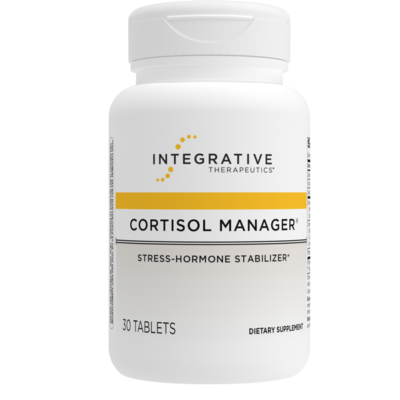
Dosage instructions
- Dosage amount:
1 Tablet
bedtime
Ongoing
Additional notes
"Can support an elevated A.M. Serum Cortisol > 12 μg/dL with difficulty sleeping. Cortisol Manager has been formulated with stress-reducing ingredients and botanicals to promote relaxation, help alleviate fatigue, and support healthy cortisol levels. By balancing cortisol levels, Cortisol Manager can help reduce stress, which supports a restful night's sleep without diminishing daytime alertness."
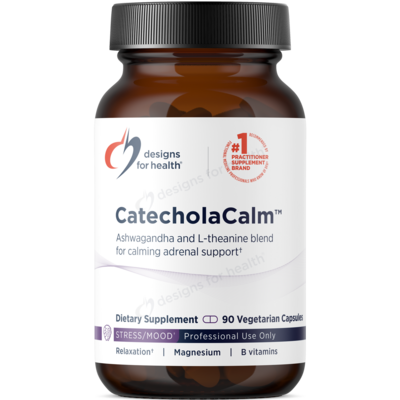
Dosage instructions
- Dosage amount:
3 Capsules
three times per day
Additional notes
"Can support an elevated A.M. Serum Cortisol > 12 μg/dL and/or generalized anxiety. CatecholaCalm is designed to support healthy catecholamine levels with adaptogenic herbs and nutrients that may help mood and promote calmness and relaxation. This unique formulation addresses adrenal gland health, which may help people handle stress more effectively."
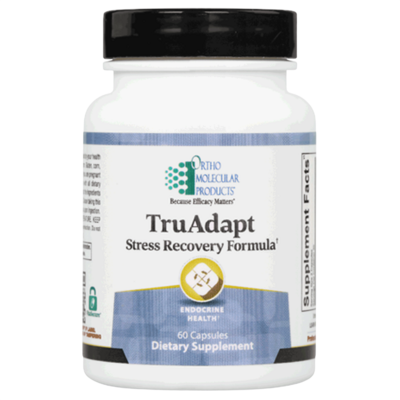
Dosage instructions
- Dosage amount:
2 Capsules
once per day
Ongoing
Additional notes
"Can help support low serum cortisol <12 ug/dL. Contains a blend of stress-adapting botanicals that help maintain balanced cortisol and DHEA levels, increasing resistance to fatigue and enhancing immune function. "
Sign up for exclusive store pricing
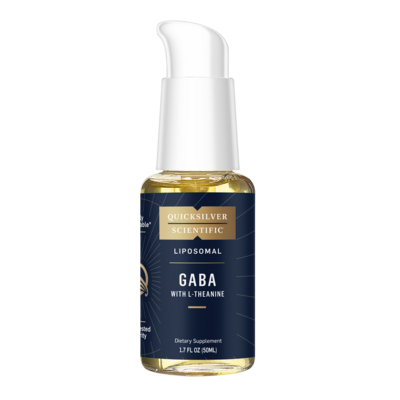
Dosage instructions
- Dosage amount:
2 Pumps
bedtime
Take with empty stomach
Ongoing
Additional notes
"Can support chronic stress and difficulty falling asleep . GABA is the body’s main inhibitory neurotransmitter. It supports emotional balance and healthy stress response. L-theanine is an amino acid that supports relaxation and mood. Together, L-Theanine and GABA help support the brain’s natural stress response. "
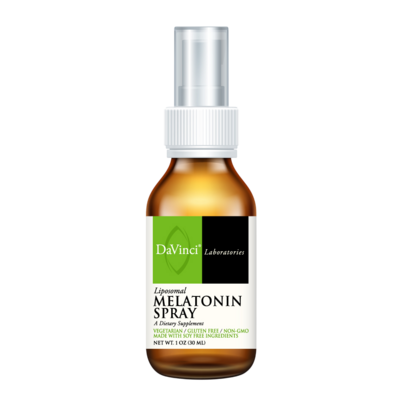
Dosage instructions
- Dosage amount:
2-4 Sprays
bedtime
Ongoing
Additional notes
"Can support health sleep habits and overall health. Fast-acting melatonin liquid with liposomal delivery for improved bioavailability and prolonged retention in the body, supporting a normal melatonin cycle through the night Also plays a role in regulating calcium metabolism, which is crucial for maintaining bone health, has anti-inflammatory properties that may help reduce inflammation in bone tissue, thus preserving bone health, and melatonin supplementation can increase bone density and improve bone strength. https://www.ncbi.nlm.nih.gov/pmc/articles/PMC7979260/"

Dosage instructions
Ongoing
Lifestyle recommendations
Nutrition
- Build meals around adequate protein, aiming to include a meaningful protein source at every meal. Protein supports satiety, lean muscle, and more stable energy throughout the day.
- Pair carbohydrates with protein, healthy fats, and fiber rather than routinely eating carbohydrates by themselves. This can help create a more gradual glucose response and improve satiety.
- Choose minimally processed, fiber-rich carbohydrates such as vegetables, berries and other whole fruits, beans, lentils, oats, quinoa, and other whole-food sources as tolerated.
- Include healthy fats from foods such as extra virgin olive oil, avocado, nuts, seeds, eggs, and fatty fish.
- Avoid chronically under-eating or excessively restricting carbohydrates or calories. Inadequate nourishment can be another physiological stressor and may negatively affect sleep in some individuals.
- Eat consistent, balanced meals rather than relying on caffeine and snacks to get through the day.
- Minimize large amounts of added sugar and highly refined carbohydrates, particularly later in the evening.
- Finish larger meals approximately 2–3 hours before bedtime when possible. If hunger consistently wakes you or makes it difficult to fall asleep, evaluate whether you are eating enough during the day before simply adding a bedtime supplement.
- Limit alcohol near bedtime. Although alcohol can initially make you feel sleepy, it can disrupt sleep architecture and contribute to fragmented sleep later in the night.
- Stay adequately hydrated during the day while reducing large amounts of fluid immediately before bed if nighttime urination disrupts sleep.
Sleep
- Maintain a consistent bedtime and wake time, including on weekends when possible.
- Get outdoor light shortly after waking, ideally within the first hour of the day, to provide a strong signal to your internal clock.
- Seek regular daylight exposure and movement throughout the day.
- Dim household lighting and reduce bright light and screen exposure in the hours before bed.
- Keep your bedroom cool, dark, and quiet and reserve your bed primarily for sleep.
- Create a predictable evening routine that signals to your nervous system that the active portion of the day is ending.
- Aim for 7–9 hours of sleep opportunity each night.
- Incorporate regular resistance training, cardiovascular exercise, and walking to support metabolic health, stress resilience, and sleep quality.
- Avoid consistently scheduling intense exercise too close to bedtime if you notice it interferes with your ability to wind down.
- Build small periods of recovery into the day through breathing exercises, meditation, time outdoors, stretching, reading, social connection, or other calming activities.
- Be mindful of caffeine dose and timing. If sleep is a concern, consider limiting caffeine to the morning or early part of the day.
- Address persistent snoring, gasping during sleep, restless legs, insomnia, or excessive daytime fatigue with your healthcare provider rather than relying solely on sleep supplements.
Resources
Shop the entire wellness catalog, held to a higher standard
Shop practitioner-grade products, each meeting the same bar for quality through Fullscript's standards.
Powered byVerified
Sourced straight from the brand — no resellers or fakes
Enhanced testing
Select products are tested in-house — get exactly what the label promises
Stored and shipped
From certified facilities, to protect product integrity